Central australia

Papunya, Epenarra and Fred Astaire

Central Australia April 2018

It’s mid trip with 2 weeks to go.

I’m sitting at the NT Writers seminar listening to Kim Mahood.

She is a successful writer whose most recent book “ Position doubtful” has done three print runs already. The seminar is about doing creative, non fiction that is enjoyable for writer and reader, learning the processes and techniques which can facilitate this type of writing. We all wrote some short pieces, and critiqued them being especially interested in identifying repetition, pesky adverbs, and not getting preachy. Basically, Let the story unfold, by using observation, then insight then reflection. In short, show, don’t tell.

As I said, it’s been two weeks and Jennifer and I have been apart except for the weekends. My first week was spent working at Papunya. I could not go out much at lunch or after work because it’s not only hot but the flies are very annoying. Those creepy little ones that crawl up under my glasses. Eeeech. At Papunya, I stay at a unit. If I turn left, I can quickly reach the airfield road. I enjoy going for a run in the morning, it’s 3.5 km of good bitumen. I’ve gone beyond it, but the road gets difficult to run on. The bush tracks are very corrugated, throwing me off balance and the sand makes it hard to push off, difficult to get traction. At my age, I don’t want a repeat of my previous Achilles strain so Im happy to accept shorter distances.

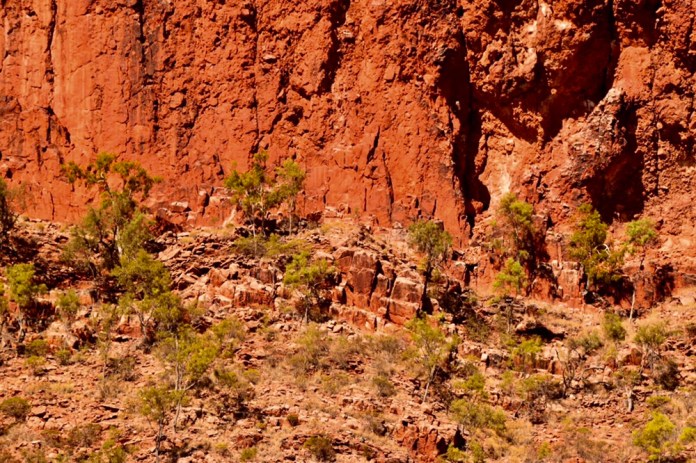
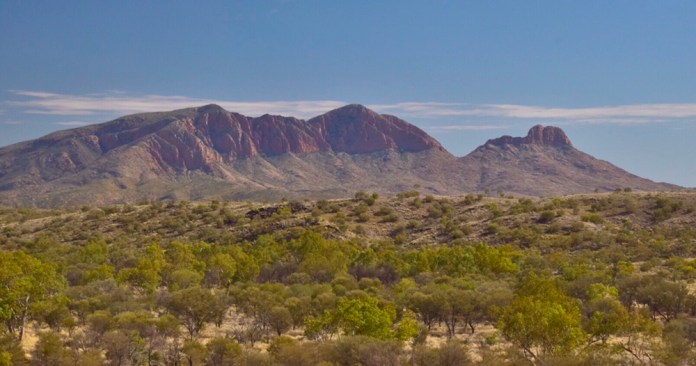
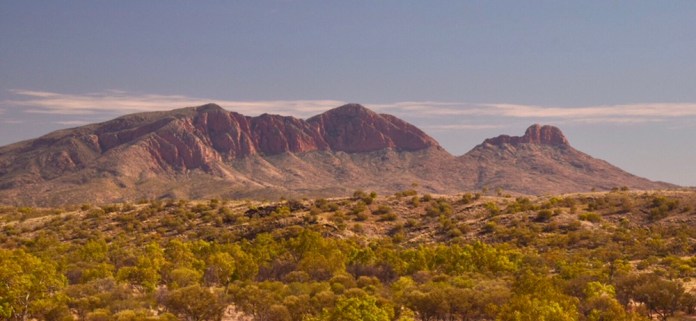
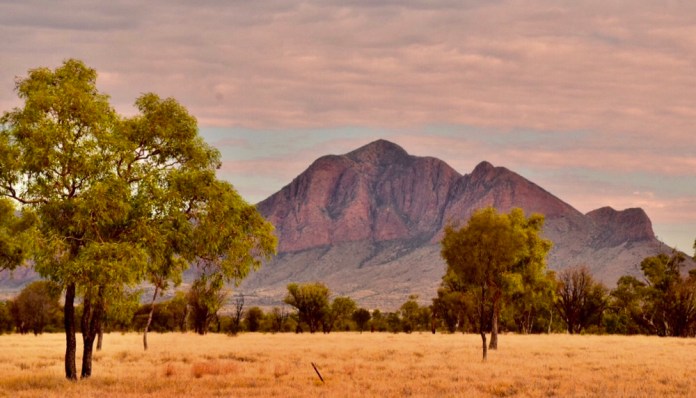
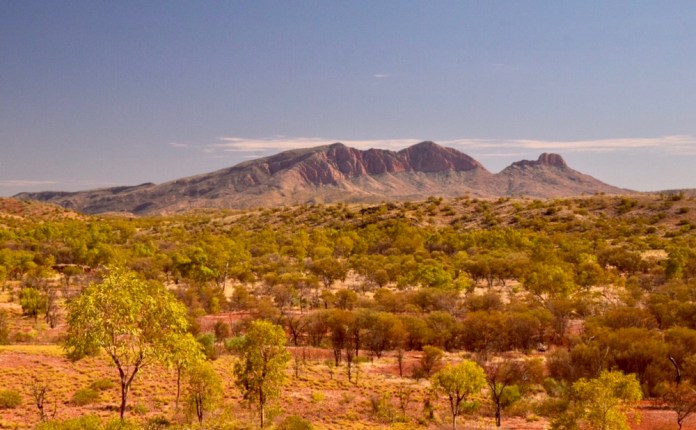
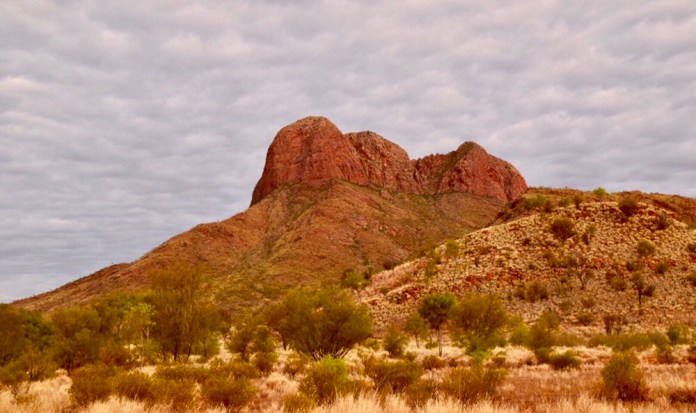
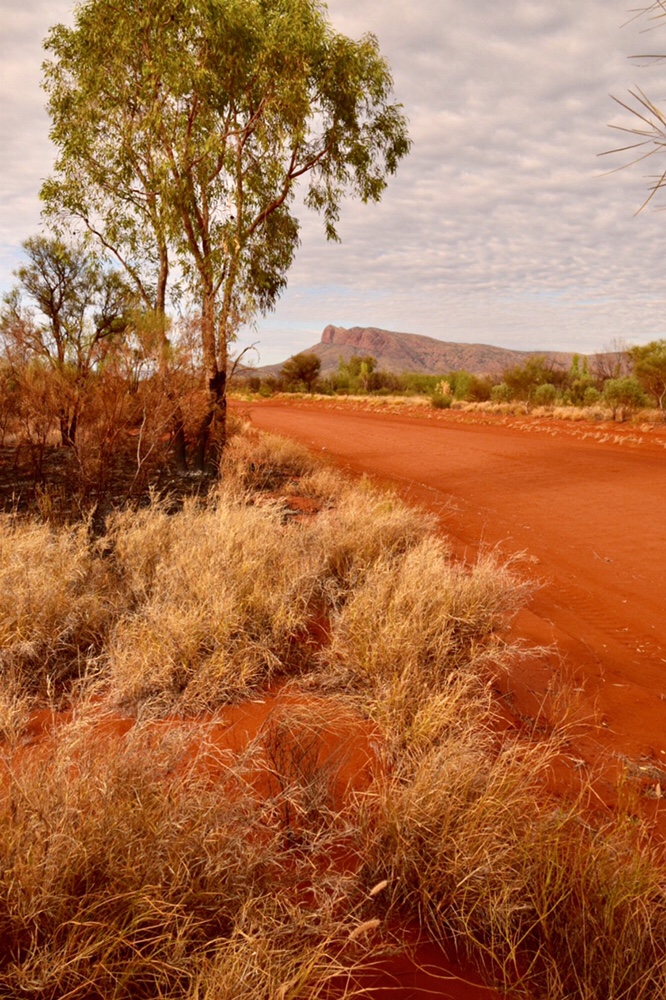
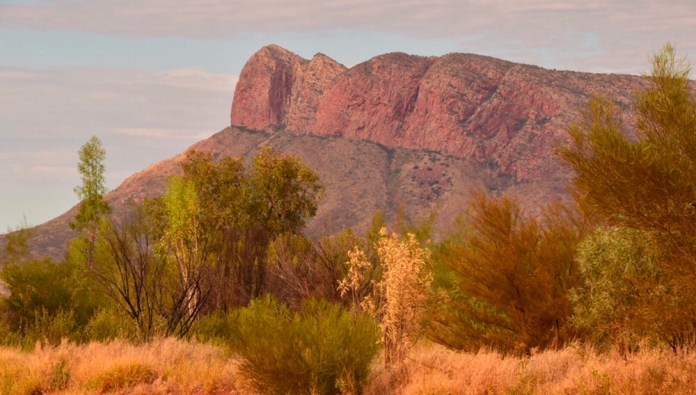
As I run south, I see the vast span of ranges start to glow from the crests down to their flanks, a coating of morning light. What could a light beam see as it passes over this sparsely treed plain? It would see the dilapidated houses of Papunya, some blue, some green, rusty cars perched on blocks, dusty bush tracks circling the town then radiating like spokes for hundreds of kilometres to Kintore or Glen Helen and if it paused right above the community, there are roads with deep craters in the bitumen.

My metaphorical light beam would see nobody standing outside but me. My run starts before dawn, before the flies and the heat. There is only the sound of dogs barking on the far side of town. Otherwise the air is very still, with a soft warmth, it’s the gentlest time of day. A few donkeys lift their heads up as I jog slowly past.

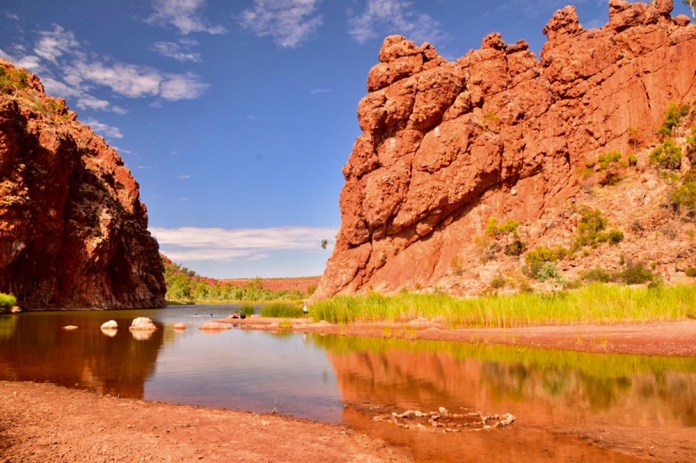
In this first week I worked with three nurses, I’d driven to Papunya on Monday morning with the clinic manager as passenger. We chatted about all sorts of things, stopping at Glen Helen for coffee. She told me about a camping trip she had done with a few friends. They drove along the Tanami Road to you-have-to-know it turn off then carried on to the old, the original Glen Helen Homestead. It’s a ruin. She obtained permission for the visit from the owners, now based at the new resort. On the way, they crossed a beautiful, wooded valley. She described how they assembled tents, and settled in for the night. Early in the morning dingos walked warily amongst the tents, emitted a few brief barks, and then vanished into the forest.

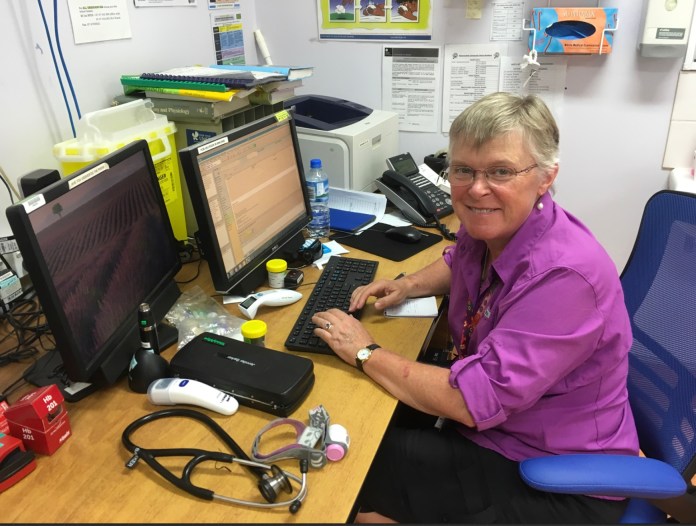
This last week has been at Epenarra. It’s not far from Canteen Creek, and about two hours from Wauchope. It’s pronounced Walk Up. The roads are particularly rough right now, no grader has gone over them for months. I flew in early Monday morning. I left Alice before dawn. Soon I could see this pink ball of light to the east, long before it lit up the ground. As time passed, the rays of sunlight cast long shadows, the real trees and hills were dwarfed by these silhouettes. I waited at the airstrip for the ambulance to collect me, then headed back the short distance to the clinic. Sue is the nurse and manager and cleaner and receptionist. The clinic normally has two nurses . There are two very reliable, aboriginal drivers, who look after the clinic with Sue. Another nurse soon arrived to help.

These clinics run on minimum staff, a lot of them are agency staff. Agency nurses keep the remote clinics open in vast parts of NT. Typically they are very experienced, usually older and work for a few weeks to a few months depending on need and availability. It is always fun to talk to the staff here, both the nurses and indigenous personnel. Sue is a keen, widely published landscape photographer so it was great to talk cameras and technique on our breaks. Works was quiet. Sadly a young man had died on the Sandover, and because many locals in Epenarra were family, most of the population took the long, dusty drive to the funeral at Ampilitwaja ( pronounced Ambladderwatch). Sorry business can be necessary activity for weeks, visitor numbers considerably expanding one community by depleting others. Other community members will be out of town this current week, including our drivers because of a big meeting about mining royalties.

I could not go for a run at all due to cheeky dogs situated in houses all around me. I’ve been bitten before and I’m nervous about any repeat performance. The other thing that sapped enthusiasm for walks or photo sessions in the surrounding country, were the flies. Everyone who lives here has said that this is an unusually bad fly infestation. Even the local Aborigines are seen sporting fly nets. As I said earlier, they are the tiny black flies, that crawl under your glasses, or climb into my ear canals. Yeeech!

I returned on Thursday afternoon to Alice Springs, dropped off the weeks pathology then crossed the road for an early dinner at Montes. I ordered Mexican chicken Parma and indulged in a kit Kat brownie. Gosh it was big but yummy. I did not see anybody I knew around me so I read some medical articles for a talk I planned to give on Fridays regular clinical meeting. I’d spent my downtime at Epenarra scouring the online NT health library for definitive information about bronchiectasis. While I was at Papunya I had had to evacuate a five year old boy for an exacerbation of his condition. Presenting case studies with references to the medical literature is a great way to learn. It makes it real and not theoretical when it resides in a textbook. When I think of that medical problem, I will remember him. All the time at Montes I was sipping a Tar and Roses Pinot Grigio, so the clinical details in my case were getting progressively more fuzzy at the edges. Luckily I’d finished writing it on the plane earlier.

Jennifer arrived back from lake Nash after five, so I was already home. I’d booked dinner at Humuyans. It’s the principal dining venue at Doubletree Hotel. It’s easily the best restaurant in Alice Springs. It was A soft, warm evening, and spent the time at table telling each other about our week away.

I’ve already described the writing seminar I went too so I won’t go over that. The high point of the week, was a concert at Araluen. An evening dedicated to Fred Astaire. Three performers produced a wonderful evening of dance, of song and stories about this amazing man. Top Hat, Fascinating rhythm, Puttin on the Ritz were some of the many musical numbers. Great night. Afterwards we met some of the performers. We left the theatre, walking to the car park. We all noticed how delightfully warm it was. My mind wandered back to Launceston and reflexly shivered with the recalled cold of Tasmanian April.
Standard
Central Australia Work

Alice Springs March 2017 part 1

I’m sitting in row 24 in the Qantas jet about 30 minutes from arriving at Alice Springs Airport.
I’m sitting beside Jennifer who is completing a difficult jigsaw on her iPad and listening to Adele wi- fried from her iPad mini. I’m listening to music too; Elgar’s glorious Cello Concerto. I skipped lunch and had a red wine instead, as I am very aware of the importance of maintaining fluids on flights. We have flown over lake Torrens; its salt base swirled into wild patterns, all in dreamy white sediments. Lake Eyre is pink, the water is saturated with shrimp; all it needs is flamingos to dramatise this splash of colour. As high as we are, I cannot see the Pelicans which will be there, feeding, fishing, nesting and totally unaware of how desperate the final push will be for their last nestlings as the water evaporates away. Up north, I have seen the white grey bones protruding out of dried carcasses of those pelicans who were too late to flee east or west away from a dying lake.
We will be met at the airport by a taxi organised by Aeromed. Aeromed is the aviation arm of Central Health. Aeromed liaises with the Flying Doctor Service for our transport to remote communities, helps plan the air borne retrieval of sick patients and does the mundane taxi bookings for such as us who arrive in Alice Springs. We have stayed at number 6 recently, but have stayed at other flats in the same set of units. It’s on two levels, hopefully clean and tidy but last time we had ants trailing through the kitchen on the ground level and the bathroom on the second level, hunting for water. The merest trickle or even the scent of water drives them on. The rooms and lounge are dark unless interior lights are on, much of the window light shielded by heavy curtains. However, even when the curtains are opened wide, the entering sunlight is attenuated by buildings adjacent and the gum trees outside with plenty of lusty cockatoos and galahs sitting on the branches. This shade is not a problem as Alice Springs at this time of the year is still hot and the showers of the wet season are long passed.
///////
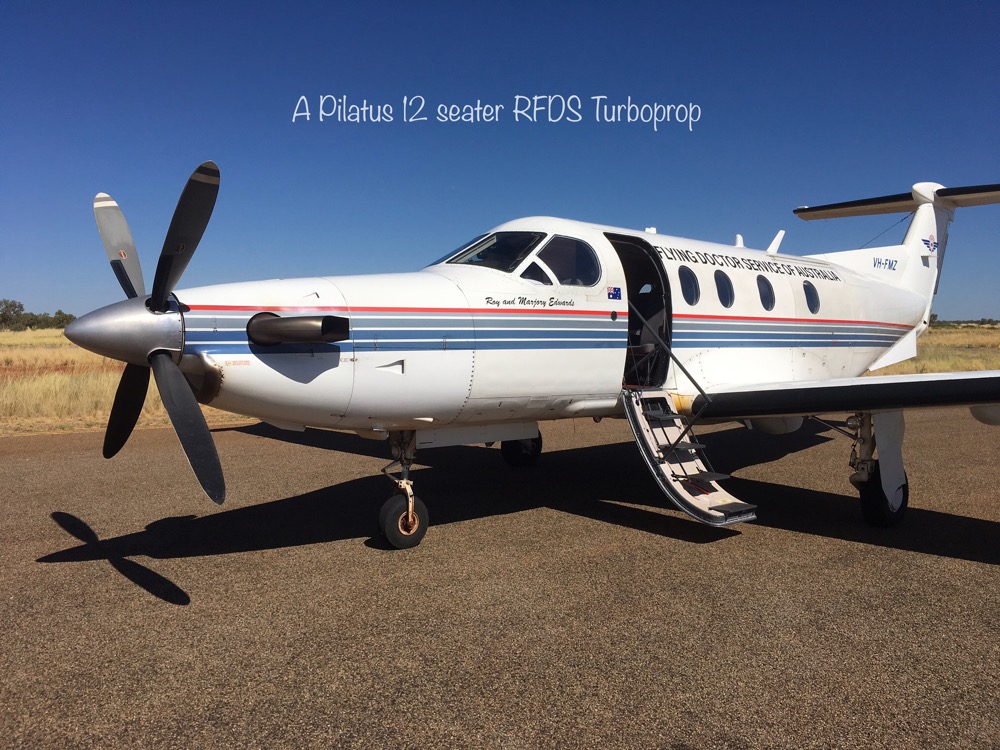
It’s 7:30 am Tuesday morning, we are sitting in our donga after breakfast, here in Lake Nash. A donga is a prefabricated steel clad box with a steel roof above with a definite air gap. It is a box which sits on several stubby concrete pillars. A truck and crane are used to bring them here and then carefully lower them into position. As a place to stay, it’s comfortable with excellent air conditioning and a basic kitchen and mini lounge set up. We arrived yesterday morning by RFDS. The plane which carried all of us is a turboprop called a Pilatus. The flight took 90 minutes to cover the 700km between Alice Springs and Lake Nash. The plane was crowded with people and luggage, on its maximum weight short a bare 1 kilogram. Some of the Aboriginals coming back from hospital in Alice Springs were loaded up with shopping, pillows and bed linen. It’s a problem as the car drive is well over 20 hours to get to Alice via Mt ISA.The flight is noisy so as always I used my noise cancelling headphones and enjoyed some videos. The country beneath is much drier than when we were here last in Central Australia. It looks green in patches but there is no mistaking the desolation the sun produces here. The ridges of worn down mountains resemble giant unarticulated spines of ancient dinosaurs as they gently begin to swirl in the landscape.
Lake Nash is very flat. It is a vast flood plain divided by the Sandover Highway. Unfortunately every time it is graded, it drops a bit lower relative to the surrounding plain, so now any time there is fair drop of rain, instant 400 km canal! It takes weeks to dry out and even when we walked along it this morning it was still slippery and slick in parts from rains weeks ago.
The clinic is situated beside the community store. The clinic is a building made of steel and concrete to resist the termites which promptly destroy any timber structure. The layout us a bit odd with clinical rooms sprouting off from odd parts of the original design. These are the necessities of bush life, you take what you have and adapt it to your needs as they evolve. There is not the money or personnel to rebuild a more useful clinic. The staff are terrific. Bev is in charge, she is friendly, busy and oozes competence. Kirri is an old friend from Ali Curung who is now working here in Lake Nash. There is Angelique, Lorraine and some Aboriginal fellows who help with cleaning and driving – Clarence and Clifford. All of them are very friendly.
It’s now nearly 2pm. In a few minutes power will be off for one or two hours. There have been long standing problems with power here and this is the time arranged to fix it. I wish them luck. It’s about 40 degrees outside. This morning was quite busy. I see mostly men and Jennifer mostly women. I am impressed by how well their chronic diseases are being looked after and how well the senior staff here know the patients and their circumstances. I emphasise changes in diet and exercise in both early and established diseases such as diabetes and kidney failure. The problems with this westernised healthy lifestyle thing are: firstly, no refrigerators in the homes so food is bought daily and too often pre cooked at the shop, fresh verges and fruit are frequently unavailable and always expensive when delivered and finally, the expertise to cook in healthy ways is limited by past poor education. These are part of what we call Social determinants of disease. Before we consider diseases there are these basic barriers to achieving good lifestyles, it’s difficult. Throw in the language difficulties which include poor facility in English, having to translate from English to their own language in real time, the differences in meanings of words due to different cultural experiences, and you have lots of good excuses for poor health outcomes in Aboriginal society. Amazingly, the benefits of patience on both sides, the continuity of health carers over years, and having limited but prioritised goals to avoid overwhelming them, is improving the situation here. Roughly 50% of diabetics in Lake Nash now have taken ownership of their illness and are self motivated to take their medications and attend reviews with little prompting from clinic staff. This is a wonderful achievement. It is about communicating and sharing goals. It’s not having a one sided information flow from health staff to patients. The information flows both ways and that can only happen with intelligence and good will on both sides. The power is now out and the room is starting to warm up, I need to find somewhere cool now!
//////
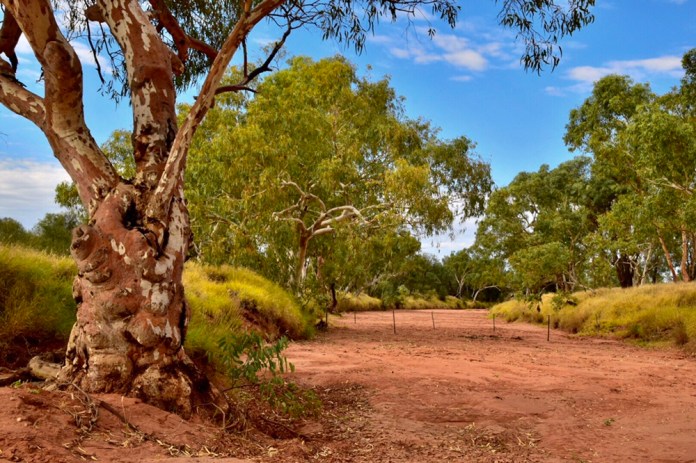
It’s Wednesday morning. Jennifer and I went for an early morning walk, and on the way we met Jayne who is the visiting nurse audiologist. We all walked together west along the Sandover Highway. The sunrise behind us. Jayne has worked in Central Australia for forty years. She has seen everything and everybody, and mentioned people who we knew as well having worked in remote communities. We talked about all sorts of things as walked along the sandy road. The sound of a truck made me turn back, a 4WD was travelling along a road parallel to the highway, inside the Lake Nash station, It’s lights and dust silhouetted against the early dawn light.
I asked her about education as we passed the local school a few minutes before. For example, Were there Aboriginal audiologists in Australia? In fact Jayne’s boss is an audiologist and an Aboriginal. Jayne has a young friend who is a teacher in Alice Springs. This is a lass she has known from childhood., a close friend of her daughter. She went to university, and then worked in Ballarat. What really struck here, she told Jayne, was the much higher standard of education for children and teenagers compared to Central Australia. So she decided to work and help people here in Central Australia, and has done so for many years, teaching in Alice Springs. Here in Lake Nash, there is a community school with a sign that boasts 120 happy students. But where do they go to acquiring a trade or profession or just more senior studies? Yilara College is run by the Finke Mission on the outskirts of Alice Springs and provides excellent education for the senior secondary Aboriginal students. It is very affordable and there are many scholarships to help with board and educational costs. Jayne in her capacity in testing the kids hearing, has asked many of the students what they want to do with their lives. She said only two had aspirations to anything more than go just go back to their communities. However, I think if you asked most Australian teenagers about their plans for the future most adults would be less than impressed by their lack of ideas. One student at Yilara, a girl wanted to be a hairdresser but could not see herself doing that back in her community because no one would pay her. She believes they would expect her to do it for free because she is family. Everyone is a cousin or an auntie in these communities. The plus in Aboriginal community is the strong sense of real community but the minus is that businesses which would be supported just by a community rather than government money, could struggle with cash flow. The community shops have got around this by being absolutely definite about no credit and supplies have to be paid for. Perhaps the young lass, needs to just toughen up and make the same rules for her own business. A hairdresser would improve hair care, educate people about hygiene and provide a really good service. I recall an Aboriginal doctor in Utopia who went broke because he folded to constant humbugging because of what he felt were his valid cultural commitments, dishing out money to “family” on request. I think you have to be tough as his attitude earned him no respect in his community.
The integration of our two cultures is problematic but can be solved by goodwill, mutual respect and communication. As regards education, there are generous scholarships to do all sorts of study at secondary and tertiary level for remote Aboriginals.Scholarships to schools in Alice, Sydney, Perth, Adelaide and Melbourne can provide first rate levels of education. Sport based scholarships are widely available in Soccer, football and for other sports that include education as well as an opportunity to enter elite sport as a career. As a professional and an advocate for education, I feel disappointed if other people don’t share my passion for what I see as self improvement, utilising all your abilities in a profession or a job, I see it as a loss of potential, a waste. But is this my western, elitist view of things, measuring other people by my standards and not theirs? Less face it, only a minority of people have the opportunity to study a profession but most people can get a job. In remote communities there can be a problem with getting work. There are not the big employers, factories, department stores and so on here in remote Australia. However, there are solutions which have worked. Jayne gave us an example as she walked along under the ghost gums; Canteen Creek was founded by four elders disaffected with how their original community was being run. In Canteen Creek, the elders negotiated land use with the Australian Army in a trade off not for money but community services. These services include a dental clinic run by the army as well building sport centres and other facilities which provide work and activities. Canteen Creek has regular Thursday Emu day, where all the litter is collected through the whole community. It was Canteen Creek which has a spectacular Christmas light display. The army engineers came and taught the women of Canteen Creek how to do arc welding so they could make sturdy bed bases for themselves and the old people in the community. I think it’s an example of how clever Aboriginal communities can be when they have the chance to make decisions for themselves. The top down approach to deciding what communities will get and when, is not the solution that works. I think there could be plenty of work if the elders in each community can be given encouragement and opportunity to develop solutions. Work could include; ranging ( caring for the land, animals and flora), art ( new forms of art including video, sculpture), local businesses like hairdressing, electrical repairer, carpenter, builders, maintaining local water and power, in short, all the services and trades that presently come out of Alice Springs with enormous costs and delays.
One of the potential problems for established businesses often cited in Alice Springs is that most Aborigines take their family and ceremony commitments very seriously and this could mean weeks or even months away from work. But does this actually happen? Is it one of those self evident “facts” ? Do we assume they won’t be able to work? Are we making excuses for not employing Aborigines? Certainly here in Lake Nash most of the men I have met are working and they often have such severe health problems that I think the the government would issue them with a pension if they asked. Most of the very old men, the Elders I have met in most communities, have had long work careers of which they are rightfully very proud. The level of unemployment varies with communities, the well functioning communities with minimal internal conflicts do reasonably well in finding work and setting up programs so men and women can work. The men particularly like outdoor work and land care here in Lake Nash. I would not work in bright sunshine in 44 degrees but they do, only grabbing some shade to enjoy a yarn when sitting together on their few breaks.
It’s Thursday evening and I’m lying in bed after cleaning up the floors of the donga. As each doctor leaves its required to get the linen washed, kitchen and amenities clean and floor washed. The places are usually small so it does not take long. It’s been a busy week at work but not with emergencies for a change but with sorting out issues in people’s health, reassuring and encouraging. I like doing this part of medicine. I saw one young man twice, he’s profoundly deaf and he came in complaining of headache. I could find nothing wrong and then he admitted he was frightened as some one he knew had died from a bleed into his brain. He was very frightened at the thought he might die too. Once I knew this I could really reassure him that he was fine and that headaches are common and are rarely a danger. He seemed to have a weight lift off his shoulder as he understood he was going to be okay. Medicine here is less about tablets and more about talking with and understandings people’s fears and concerns.

Anyway, it’s back to Alice Springs tomorrow morning. The weather forecast is for cooler temperatures in NT, WHICH WILL suit this Tasmanian very nicely, indeed! I just hope the ride won’t be too bumpy.

Ps I referred him to be assessed for a hearing aid. No one should be trapped or isolated in a disability.IMG_3108

Standard