Uncategorized

Mouse adventures

I woke up this morning, leaned over and reached down to pick up my iPad, glasses and my hearing aid – just the one. The iPad and the glasses were there but not the hearing aid. As I had gone to bed after a wine and dinner out, I thought may be I was mistaken, microelectronic amplifiers don’t usually develop legs. I spent ages looking, studying the carpet in minutiae and shining lights under the bed. I must be losing it, I thought dementia is finally come upon me!
I took a lesson from Sherlock Holmes that when you exclude the possible then the improbable is what actually happened. I said to Jennifer I think a mouse or rat took it. Jennifer treated this with considerable skepticism which is reasonable given my past record of tall stories and far out excuses. 

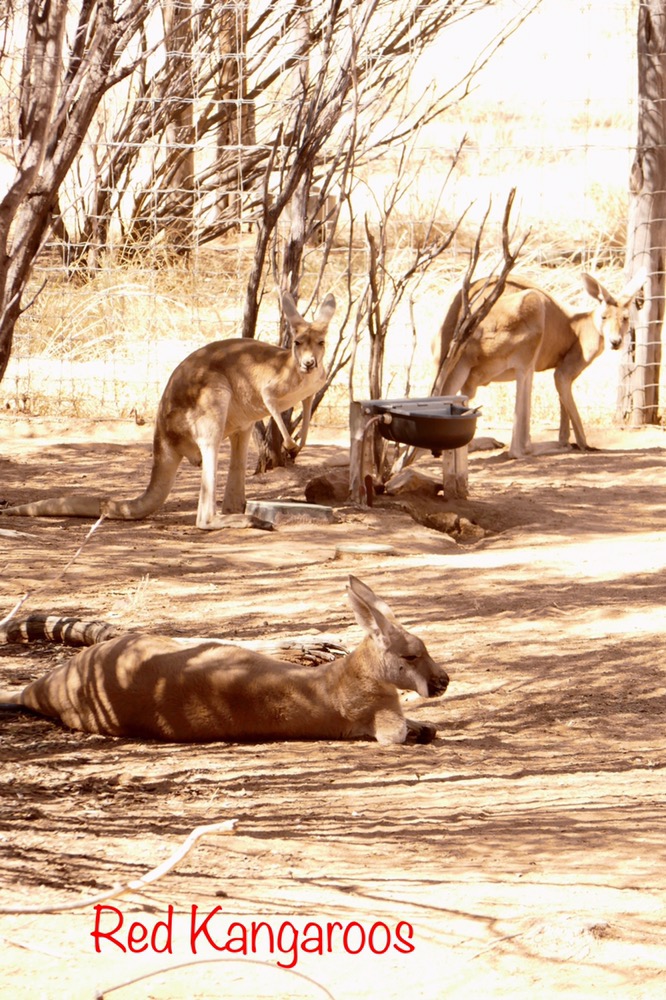
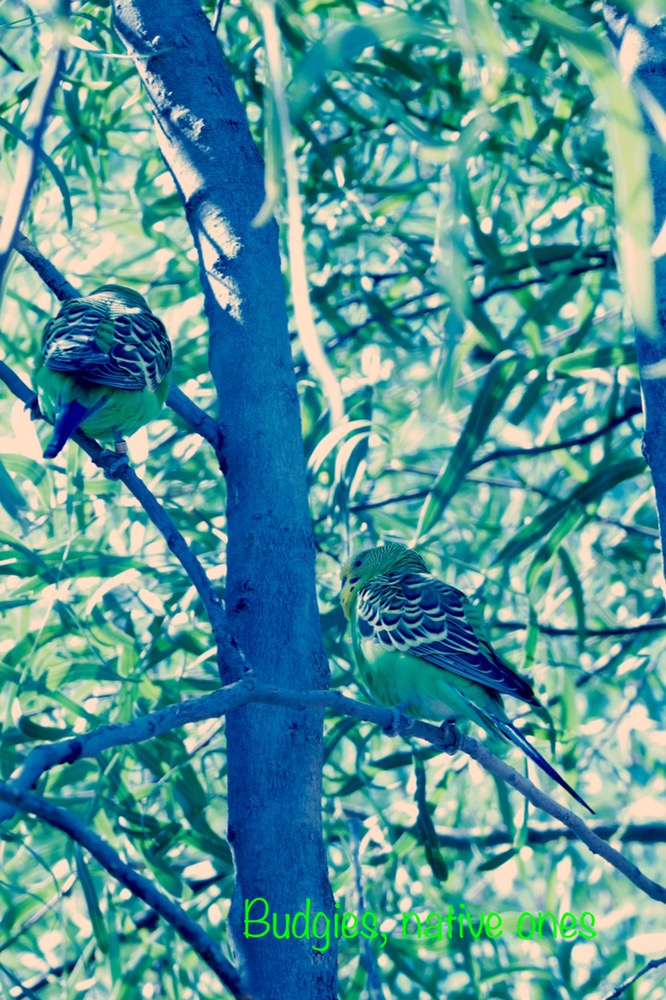
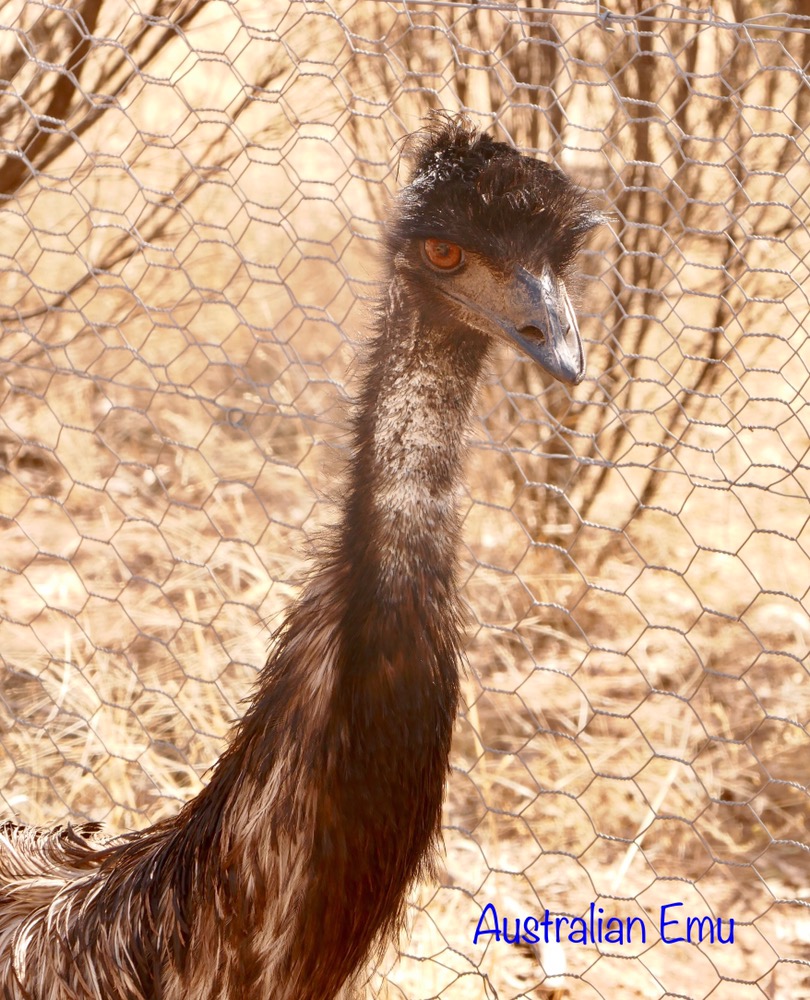
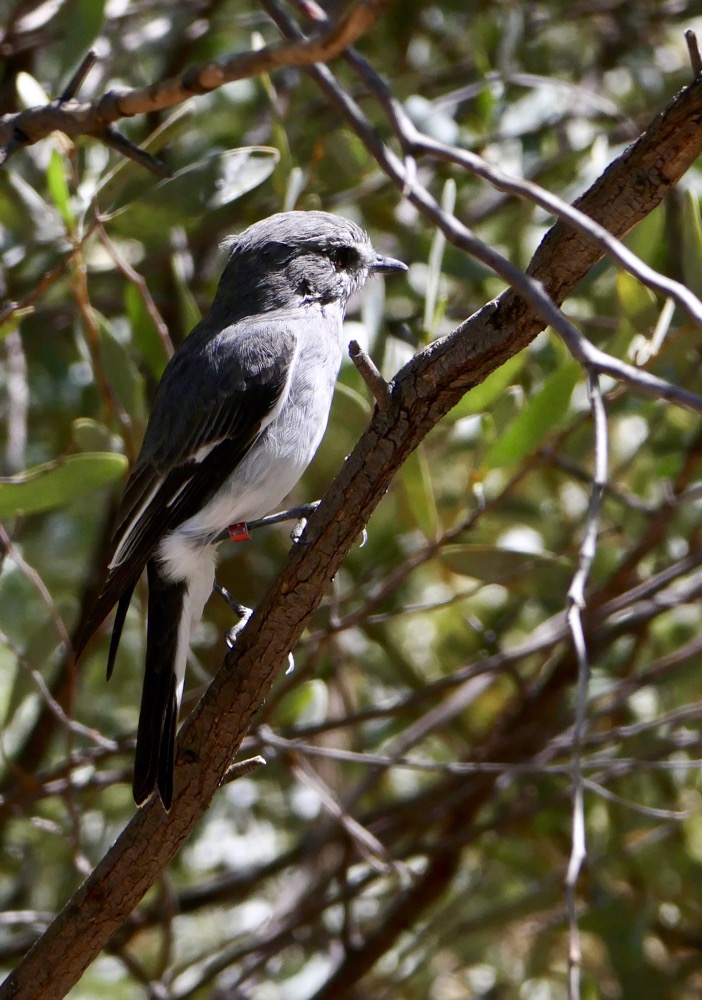
We went to the Desert Park, enjoyed the outing but the thought of what could have happened to the hearing aid nagged at me. 
Not long before dinner, I saw a mouse blur across the kitchen floor from oven to washing machine. I told Jennifer there was a mouse. She believed me, but checked for droppings or a nest and finding none, wasn’t too concerned. Then after dinner she saw it too. It was dawdling on the kitchen linoleum, just sniffing the air and enjoying the ambience or what ever it is mice do when terrorising humans.

We sat together on the sofa watching a program about Orkney and to my horror I saw the mouse climb up onto the cushion and walk along Jennifer’s trousers and over her chocolate wrapper. I said oh Look at that! Jennifer said she felt something but did not actually wonder what it might be. It was the mouse. It ran off, leaping to the floor and dashed back into the kitchen and under the fridge.

Jennifer went to get some mouse traps while the mouse and I watched Tele on the sofa together.

Standard
Uncategorized

Alice Springs A visit to Desert Park April 8 2017

Hi Everyone
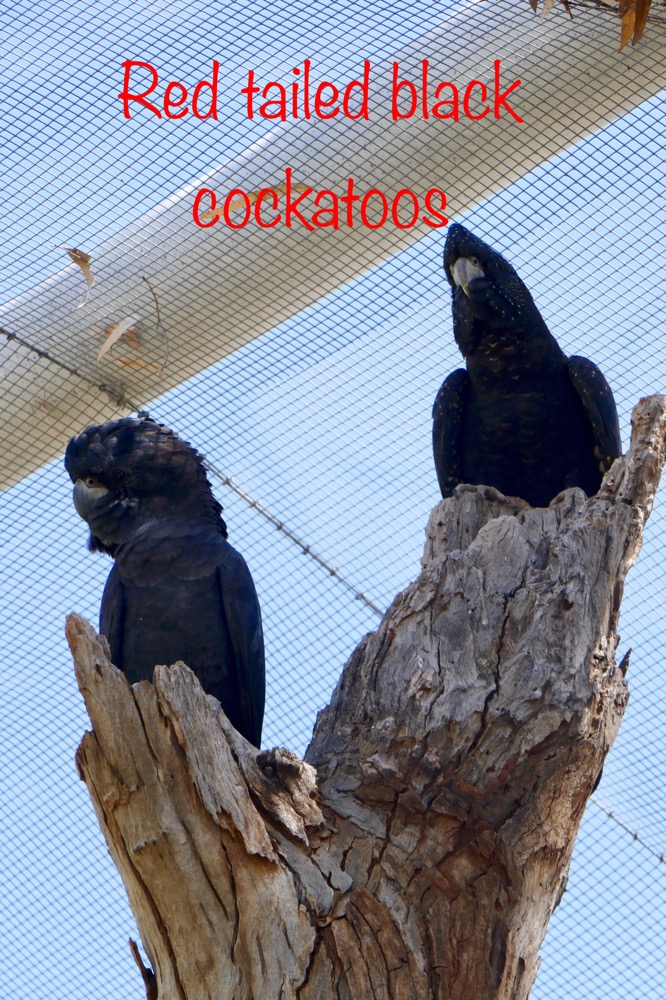
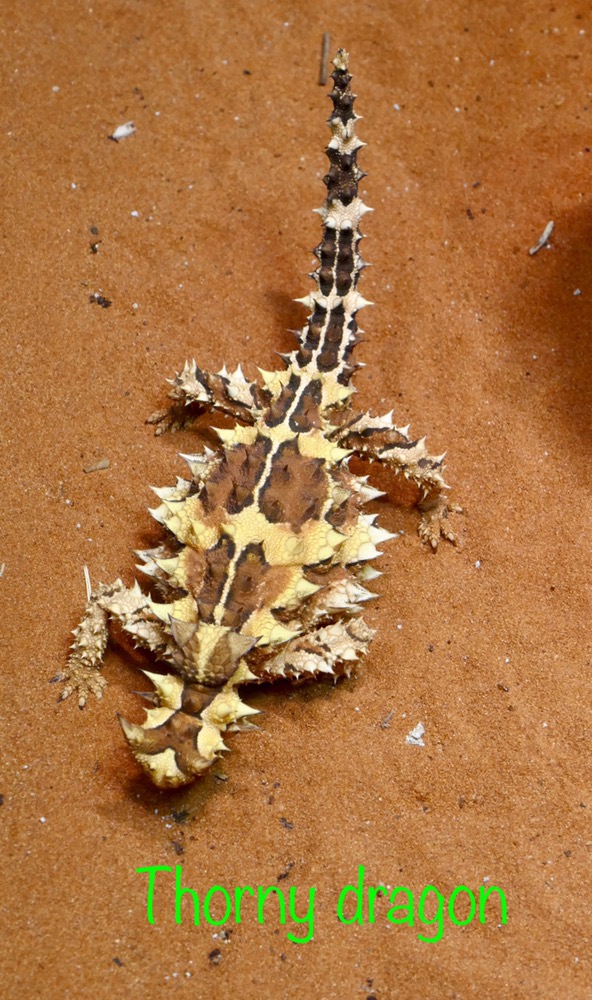
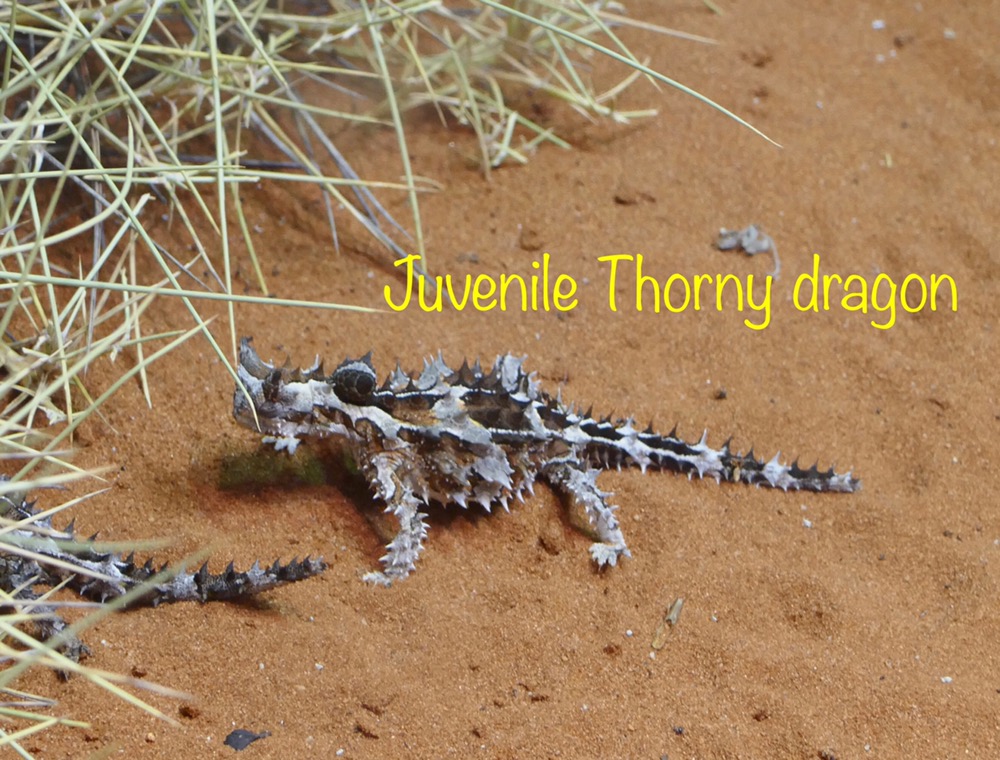
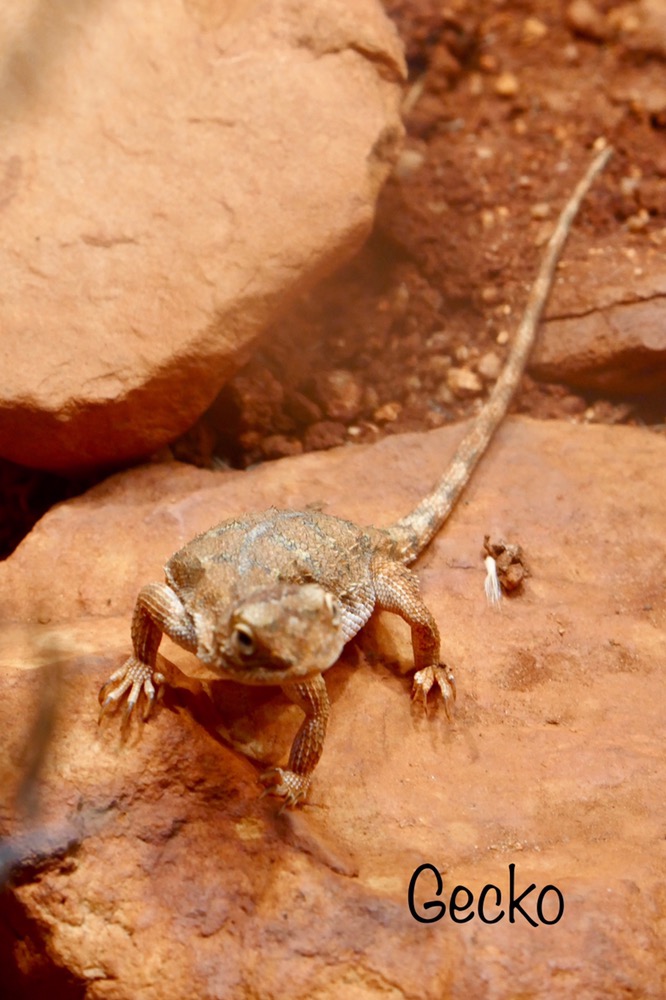
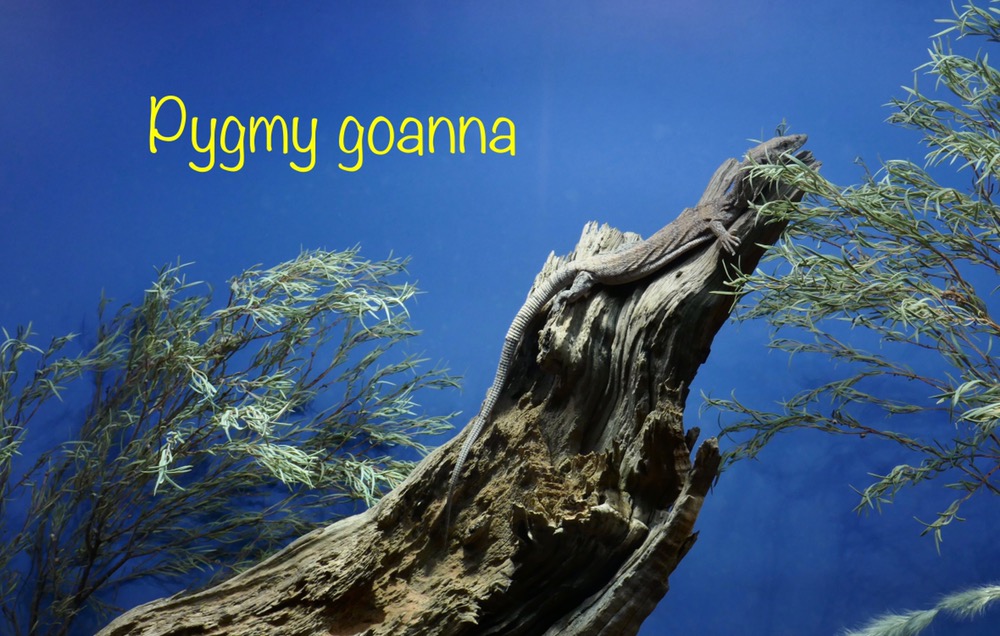
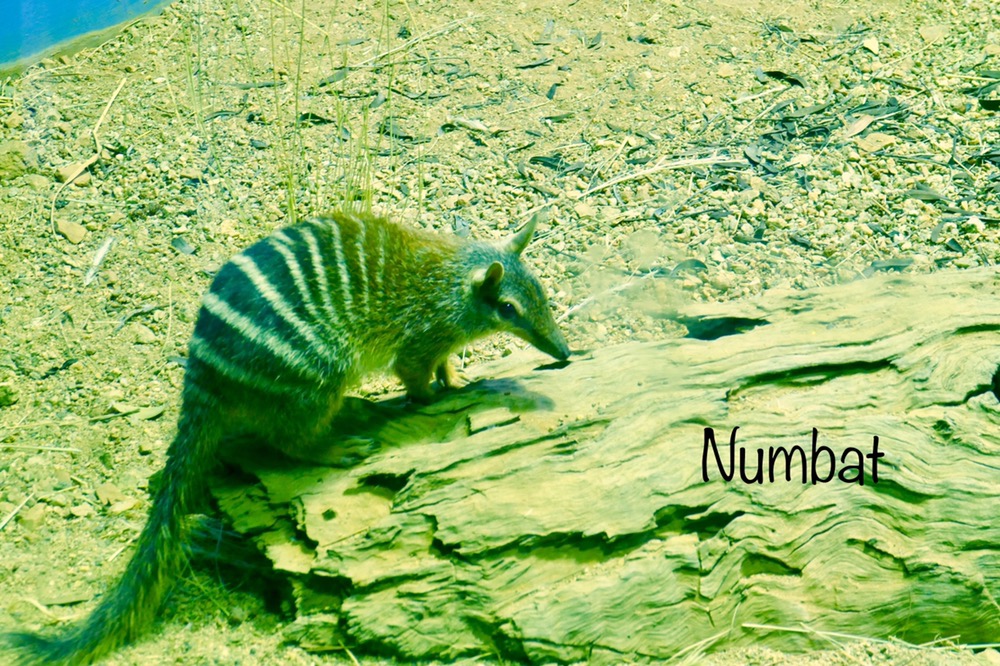
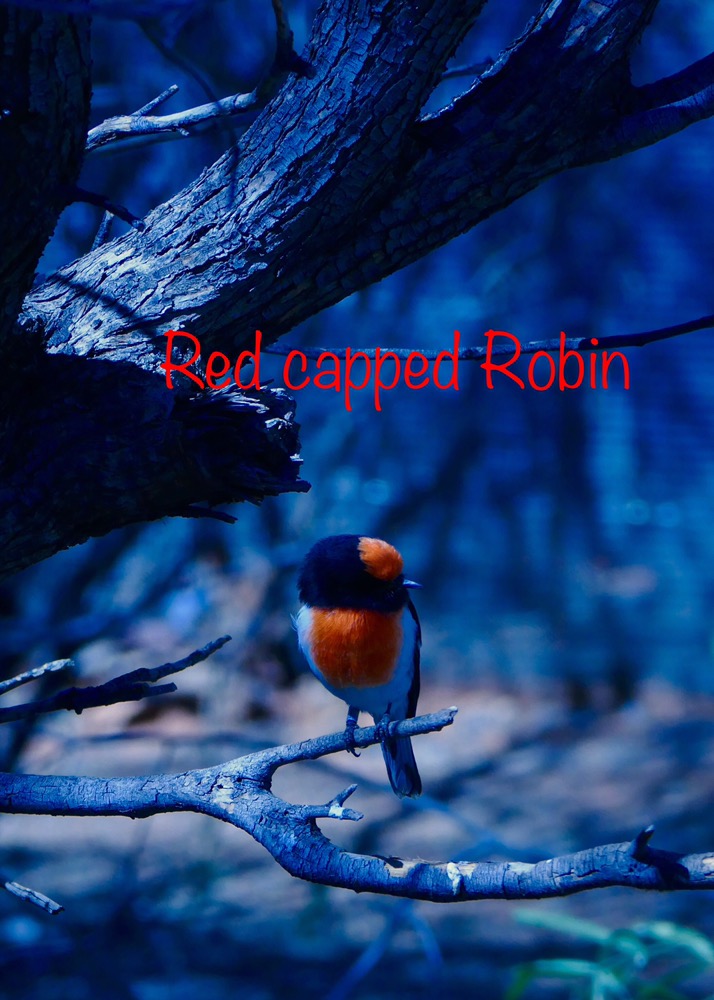
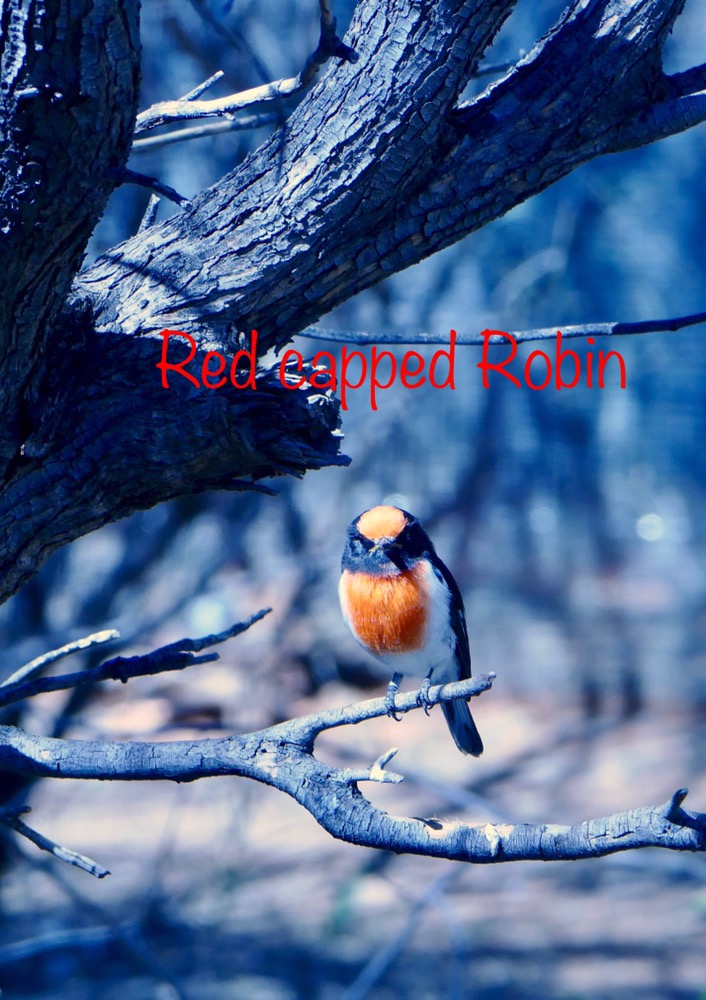
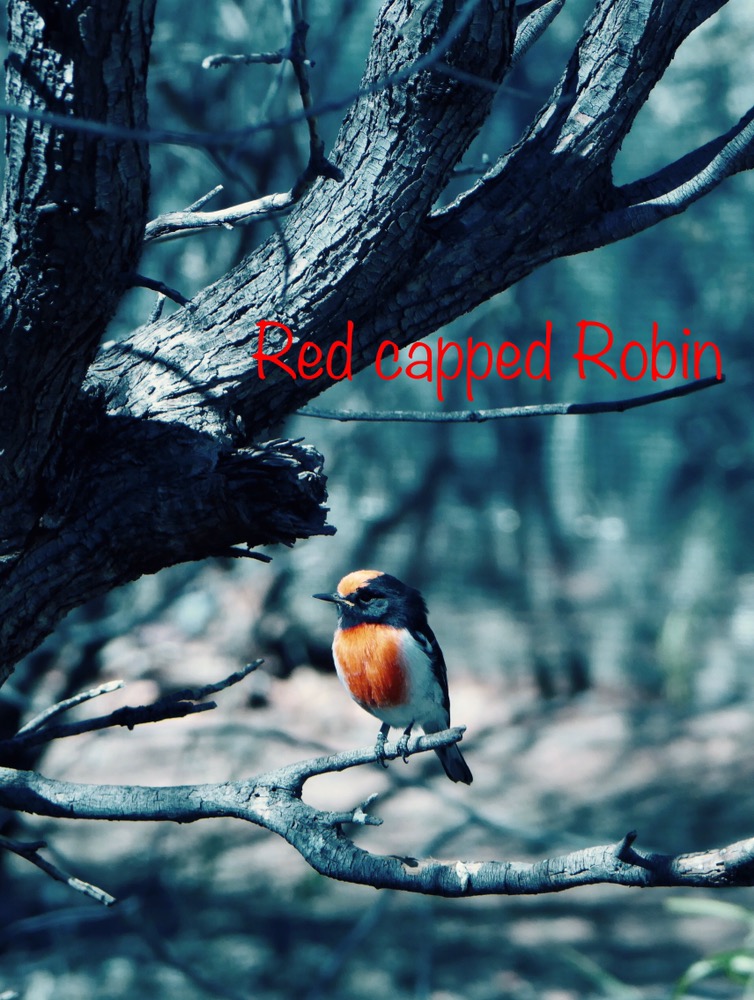
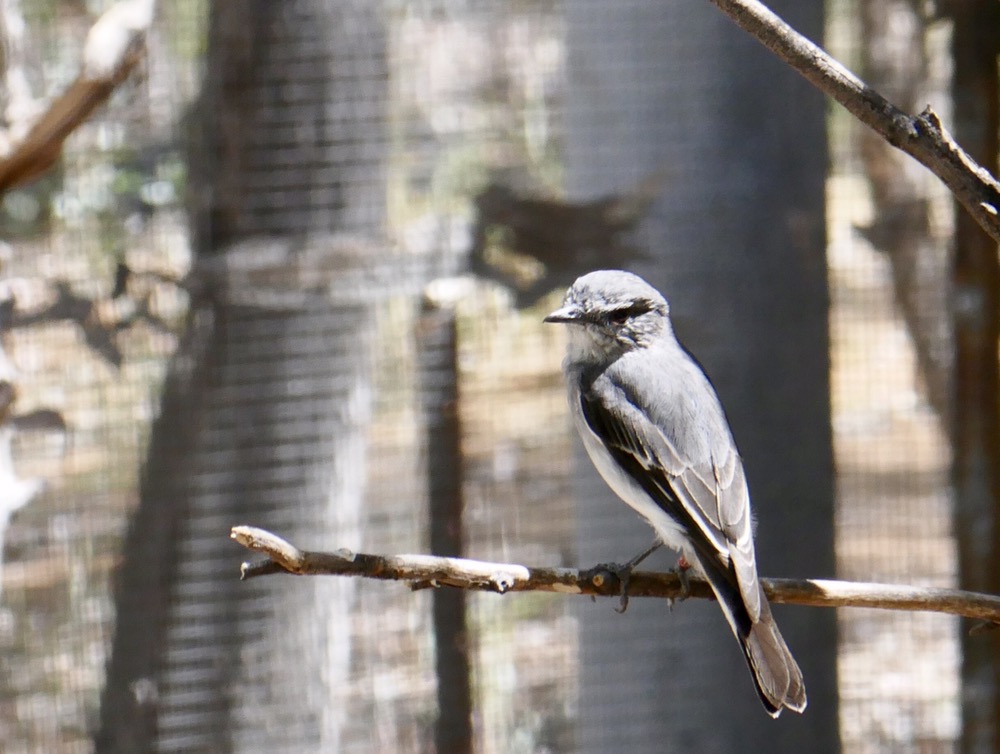
We have spent a pleasant weekend here in Alice Springs, some walks, some runs, dinner at Barra on Todd; but the definite highlight was visiting the Desert Park on its Open Day this Sunday morning. It has been twenty years since it began operations providing a place to see many Australian Desert animals. Including Numbats, Mala, Bilbies, phascogales, hopping mice, to mention some of the more famous marsupials, denizens of the wonderful Tanami. We saw phythons, geckos, goannas, and a thorny dragon. Birds included Zebra finches, painted finches, red capped robins, red tailed black cockatoos, dotterel, and many more. 
There were lots of children and families, Indian, white Australian, Aboriginal kids, Mums and Dads, and everyone having a terrific day. 

All in all it was a super day.

All in all, a super  

Standard
Uncategorized

The old piano

The piano creaked with the heat, the dusty curtains fluttered in the hot wind, their once gaudy colours sun blasted to mute browns and reds. Emily had left the lid up over the keys when she left, and in her place, a lizard climbed between middle C and D, its body sinuous and flattened, its tiny hands splayed out on the ivory of the keys. Everything slept, an uneasy sleep in the heat while a fine red dust progressively wore into the substance of the room. 

To the right, only feet away from the piano, was the sofa. The sofa had once been an excellent expanse of brilliant green, an unprincipled vermillion evoking evening gowns with coffees and late night cocktails for the more daring. The adjacent table, round topped and of a darkly stained timber had cigar burns from careless smokers who had been distracted by the promise of fine port. It had been fine entertaining here once, the house sported fine stables and refined groomsman amongst the shearers and stable hands. Now, stains of that self same port or at least it’s cousin vintage, made mottled burgundy semicircles in the delicate rosewood. A European grammophone rested on three intact and one missing leg, supported in its place by a stack of four cloth bound books. The turntable is motionless and the pickup toothless, its diamond long gone. All the spent years crowded the room with wonderful memories – of music, dining, friendships made and unmade and with a future now become past. 
Emily had played the piano for many hours every day when she visited from Sydney. She would draw up her small wooden chair, place her music on the stand and open to her favourite piece, nestle in the kinetic pleasure of finger on keys, and delight in the conjuration which is music. The piano sang as she could not, she a transcendent mute and the piano only possessing any true voice. Emily drifted in one part of her mind as another focused intensely on the technique and expression she devoted to her playing. 

Times change, people die or are reborn as someone else without the inconvenience of actually dying, great fortunes once taken for granted are lost and rekindle elsewhere and houses and rooms and even pianos, can be lost to those who loved them and then finally forgotten.

Time folded in upon itself as the piano creaked and groaned in the heat, its timbers designed for the ceaseless stretch of steel cables had been undone by the dryness of the air and the savagery of this climate. A bearing fell, a beam broke, and the many disparate forces became one. All the sustained tension erupted through the broken timber, now at last allowed a channel to pour out its anger and strength. The piano was there one moment and not the next. It’s steel pillars impaling the sofa and grammophone, the turnstile would never move again. Timber shards rained down in the room and outside in the overgrown garden beyond the missing windows. The ivory keys vanished but for a few unrecognisable fragments imbedded in the timber frame of the French doors.

The lizard was no more, not a trace could be seen of the tiny animal.

Standard
Central australia, Central Australia Work, Uncategorized

Alice Springs March 2017 part 3 Laramba

IMG_3187IMG_3184IMG_3222IMG_3217IMG_3216IMG_3213IMG_3206This week we have travelled to different communities. Jennifer has driven up with a medical registrar, Sally to work the week based at Ali Curung. I have returned to one of my favourite haunts of 2016′, the little community of Laramba. I brought a student nurse with me who will be staying 2 weeks to my 5 days.

Today is Tuesday, and beside the young student Loren, there is Helen who I met last year and Natalie who is working a few months before taking up another nursing position at Gove. They are a terrific bunch to work with, more chaotic than some, but are willing to do the work and round up the patients I need to review. Natalie and L drive round the dusty and bitumen streets in the troopie, getting out of the car/truck to wake up people sleeping in the afternoon and most interesting for them, a card game of the ladies where many crisp fifty dollar notes were piled on the red ground between them all. Yes, it’s not just the men who gamble, the ladies do too.
The weather has been truly magnificent, about 30 degrees in the daytime, beautiful sunshine, a gentle breeze and a pleasant 10 degrees overnight. I walk to work, it’s not far but I’m thought of as a bit of an oddity trudging along the sandy road from my accomodation on the edge of town to the clinic nestled between the local primary school and the work for the dole centre. The children are wonderful. As I walk past, they call out Hi, Hi. They all wear a blue collared shirt, and blue shorts and run and tumble in the playground every chance they get. The best lawn in town is at the school and it’s protected from the sunlight by a large steel gazebo. It’s lovely hearing laughter from the school wafting around the clinic, best sound ever.
I have seen some interesting medicine, met interesting people, talked to some inspiring people, sparked a few ideas in my colleagues about how to look at problems and tore strips of a mother who did not have the brains god gave a badger by allowing her child to throw away a plaster put on for a serious fracture. I said to her that obviously your five your old daughter is in charge at home – why else would you not keep specialist appointments or do the right thing by her. If I put a plaster on now, would you let her take it off again. Of course your answer is yes. Parents abnegating their responsibility as adults is feeble laziness and a moral failure in their duty of care for their child. However most Aboriginal parents, especially the mothers, can deliver a tongue lashing if the kids step out of line. Overall kids do have a lot more autonomy, if they don’t want to eat or wash, that’s okay, until they get to school and meet Lucy. Lucy is the no nonsense head teacher and she has definite rules about hygiene and self care which she demands from the children – as a result the kids are happy with such a firm consistent hand, and all the little ones love school. One eight year old, a slim young lad said the thing he enjoyed most at school was spelling, closely followed by reading and writing. His mum was sitting in the chair beside me and volunteered that he already can speak three languages, Matabari, Walpiri and English. He is planning with his Mums support and encouragement, to go to high school in Broome to really study English, and he has his eye on another Aboriginal language too. It is tremendously encouraging to see a child and parent with the talent and wit to work hard at something the child loves doing. I talked about how it’s important to study white man stuff but also study Aboriginal stuff too. It’s not easy, it’s learning two cultures, two ways of thinking but the great advantage is that such a person straddling two worlds will have a huge knowledge and spiritual base to understand their experiences. White people tend to be spiritually and community impoverished, living lonely materialistic lives while Aborigines can live in each other’s pockets and inhabit a rich and real spiritual and magical universe. On the other hand, Aborigines struggle to cope with concepts of disease and the part they can play as individuals to ease the burden upon themselves. The welfare state of the 30s to 70s created expectations that white people will bale them out but I think they are rapidly learning they must be self reliant and stand up for themselves. Recently one community was basically diddled out of government housing money, where tens of millions went to bureaucrats in the NT government and was not used in producing actual buildings. They complained loud and long, good on them.
Most Aborigines are poor, they are cut out of the money making pie by location ( remoteness), education ( minimal general and vocational training opportunities) and for many, a lack of aspiration and for all of them a lack of opportunities. You cannot just fall into a career here like you can do in a major regional centre or big city. However, I am very optimistic about the future because of the children I talk too and hearing what they have to say. Education is definitely improving, the standard of reading and writing and numeracy is vastly better than it was a generation ago and improving yearly. I have spoken to many teachers that assure me this is the case, and all the many enthusiastic young students who tell me they love to learn certainly backs this up. Remoteness will get less with satellite based internet and communications, improved roads and better resources in regional centres – Alice Springs has a university and vocational colleges geared up for serving students from remote communities. How functional they may be open to discussion. There are at least five proper high schools in the central desert. The days where substandard education for Aborigines was assumed is rapidly going with more and more dedicated teachers. The biggest problem us truancy often abetted by the parents, but local engagement and encouragement is helping. Now in Laramba most truancy is connected to family dysfunction, reflecting potentially serious problems in those families.

Aspirations improve with exposure to realistic ideals of success and the ever increasing momentum from many inspirational indigenous role models, then through effort and opportunity, they will become people useful to their communities whether as Aboriginal health professionals, nurses, doctors, dieticians and all the other trades and professions. I had the pleasure of meeting Alice who is newly in charge of the work centre. She agreed that there is not much work offering but if you create it, there are lots of useful things that need doing in the Laramba community. Roads, recreation areas, public facilities can be improved or introduced. She has the wherewithal and connections to get resources from government, a process which is always a morass for the inexperienced. People like her can make an enormous difference to any remote community.
However, whatever the chosen career they should not abandon the magic, love and community of aboriginal culture, they will need that to cope with the modern world and stay Aboriginal in their hearts; indeed, I hope that with time they can share these skills with us all. We city people say community, family, love and faith are important but we don’t walk that way, instead embracing isolation, materialism, selfishness, and a vacancy in place of spiritual yearning. Aboriginal culture can teach us a lot about how to live life better as well as what not to do too. It’s all rather fascinating. The spiritual and magical aspects of all of our lives have been neglected for too long.
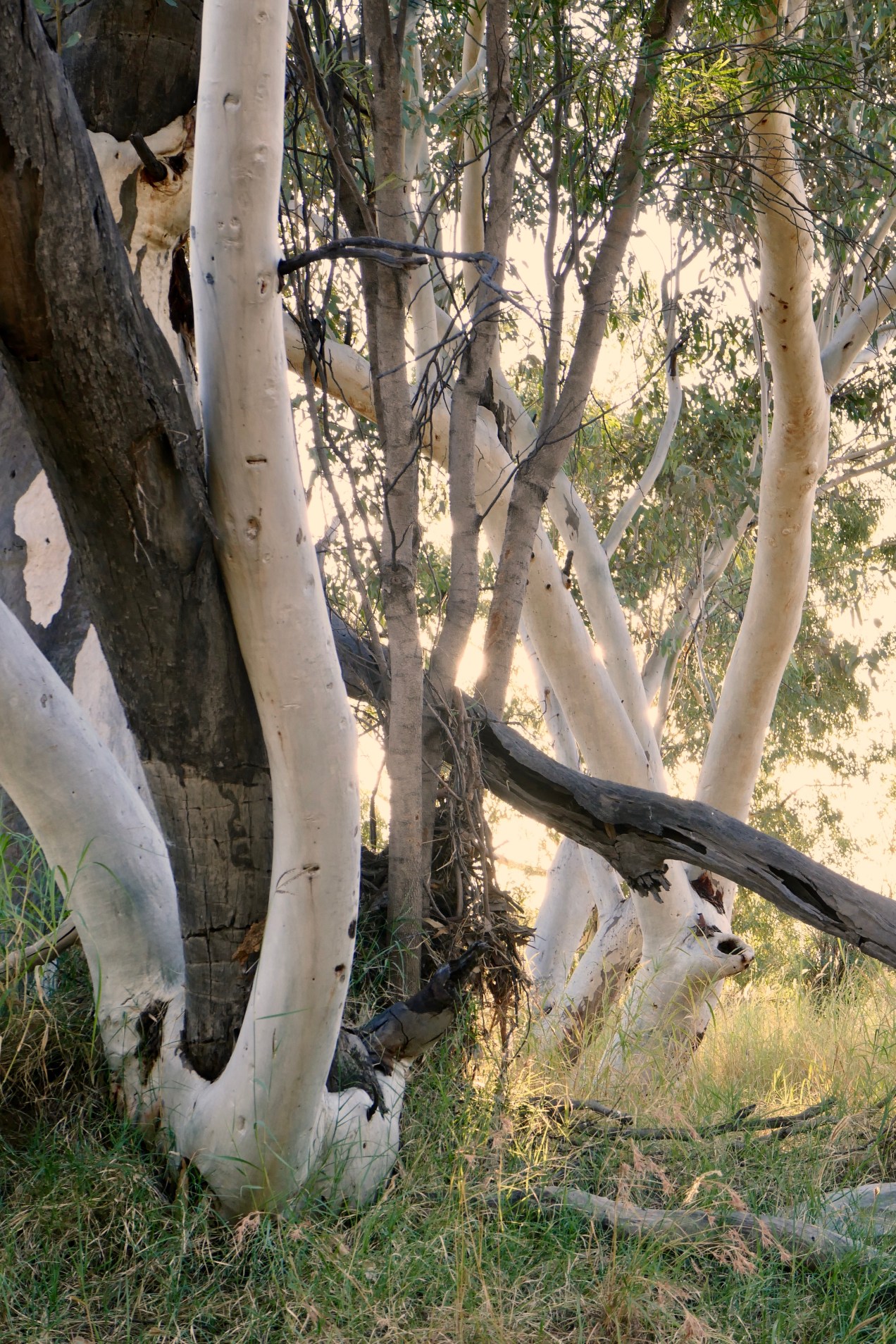
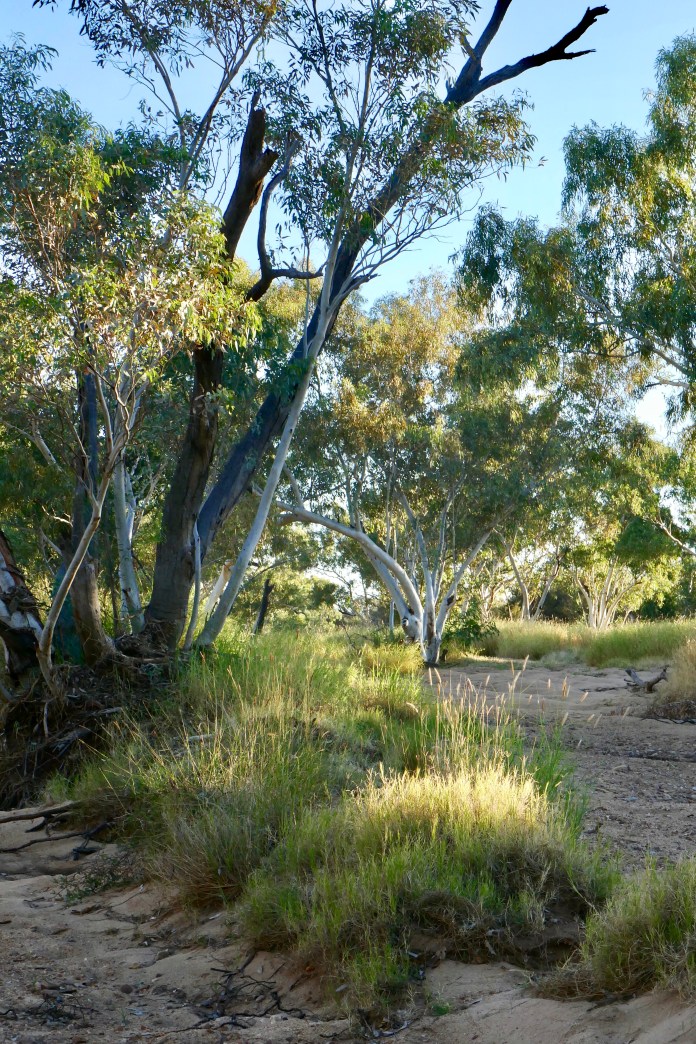
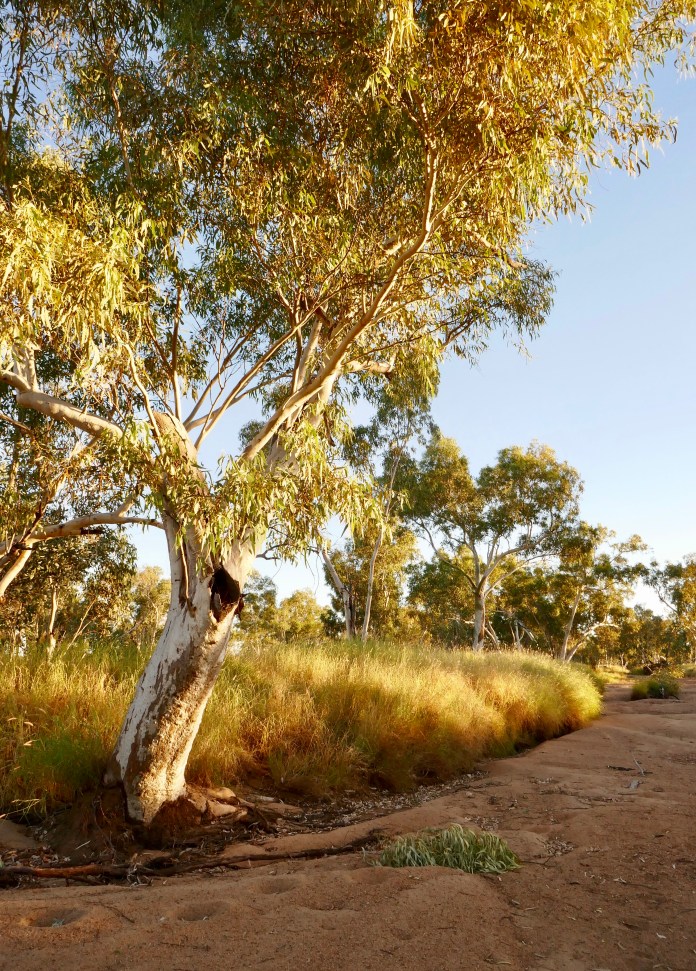
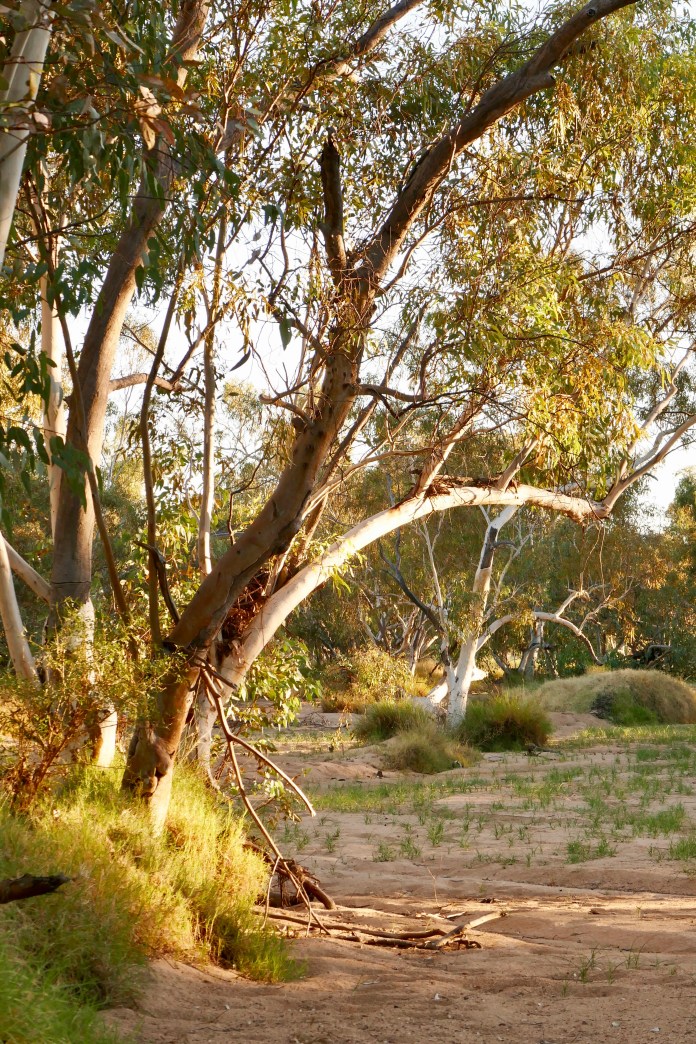
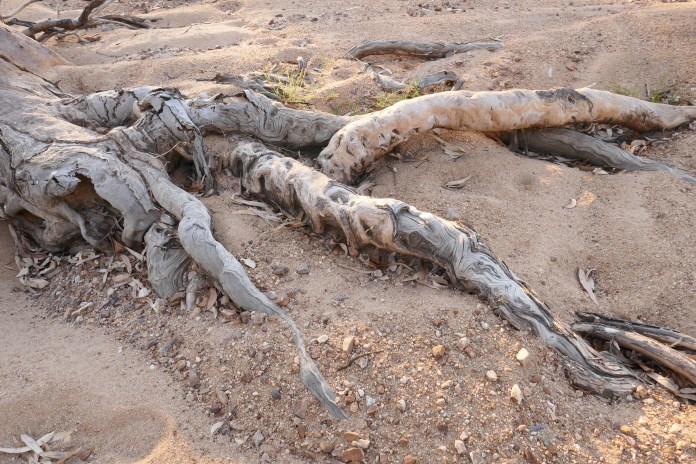
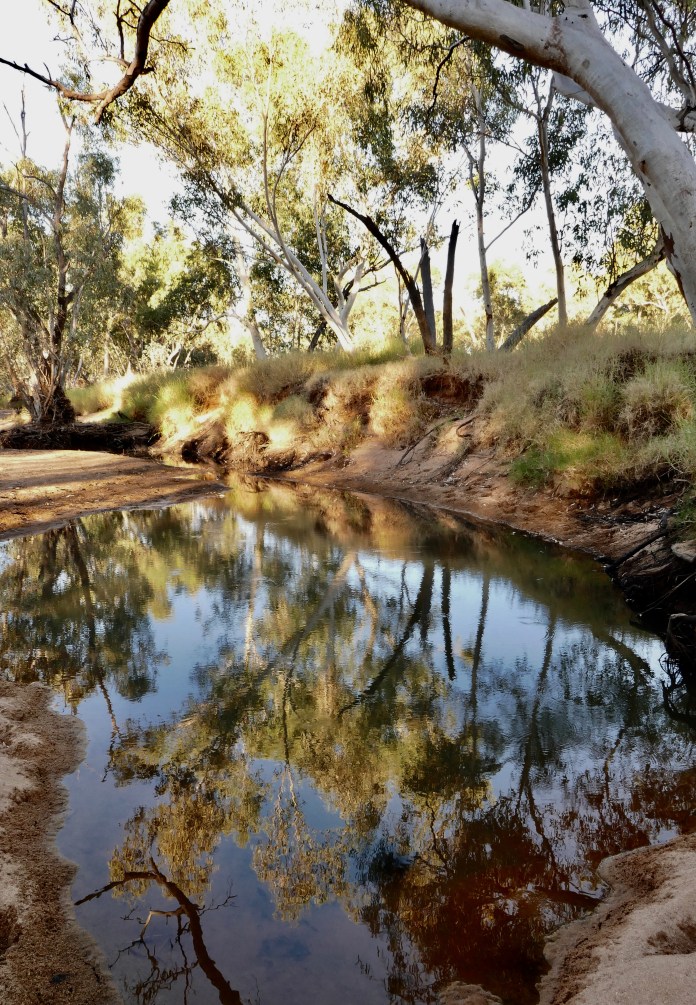
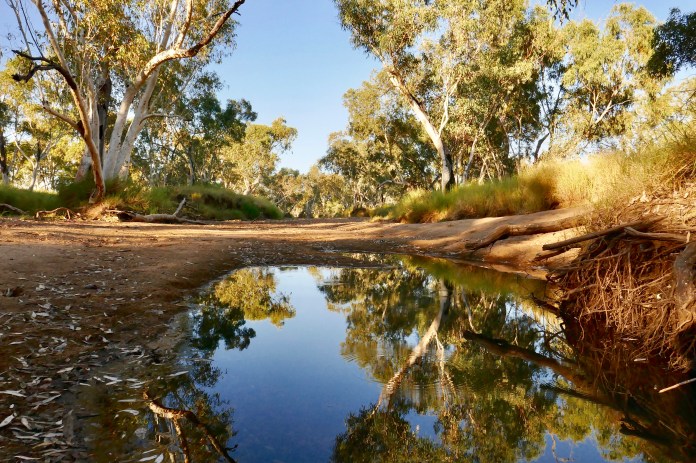
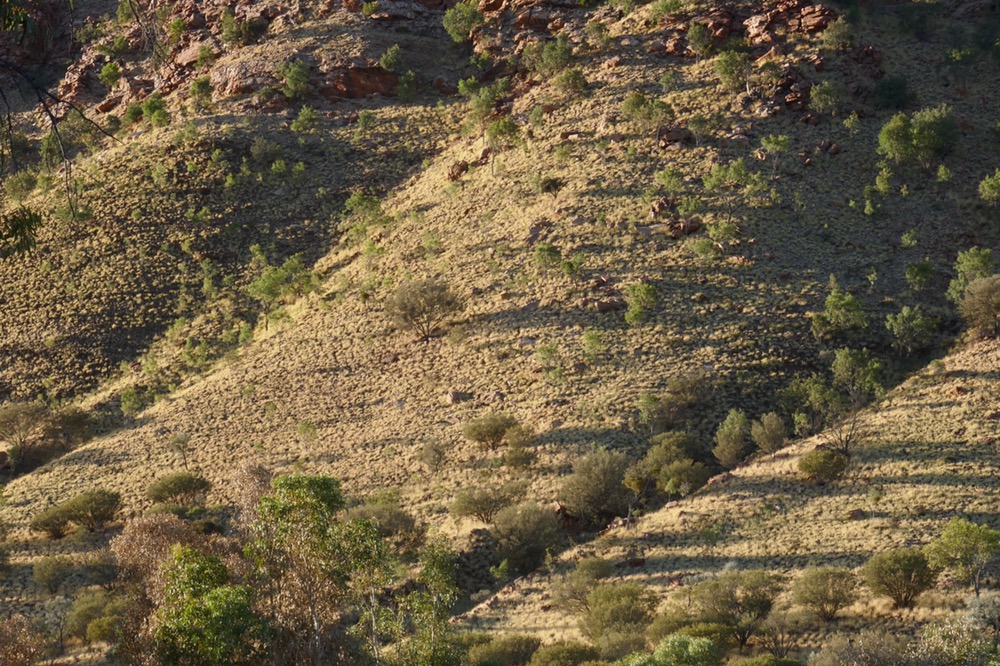
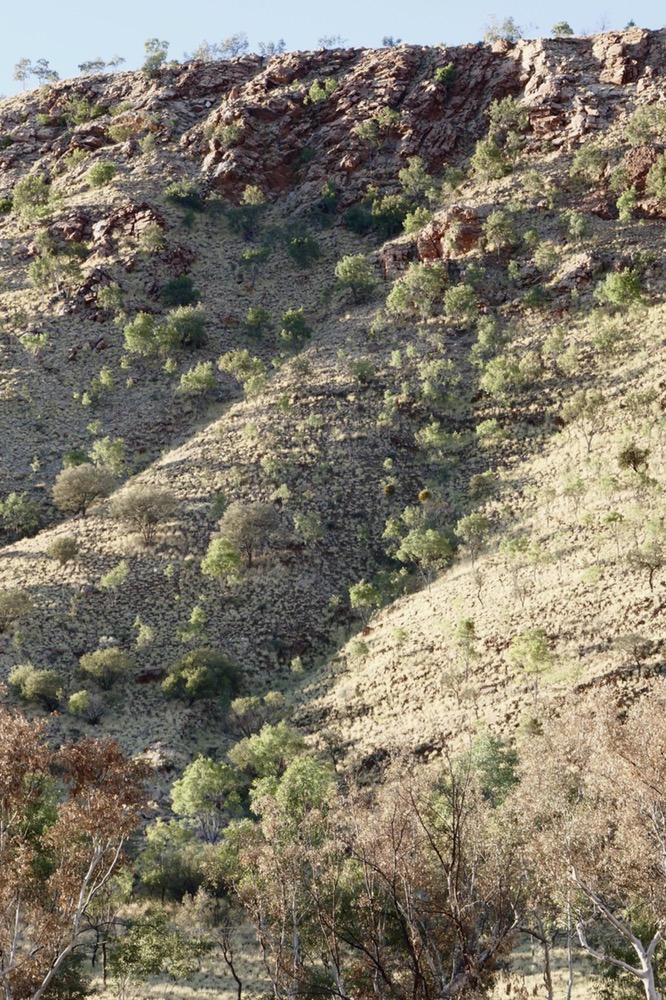
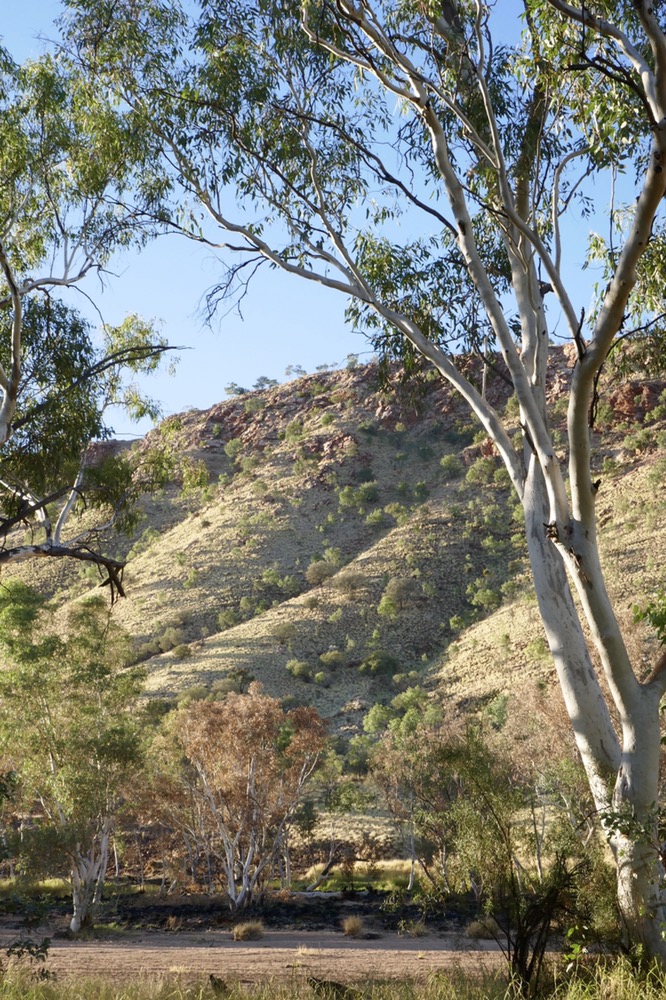
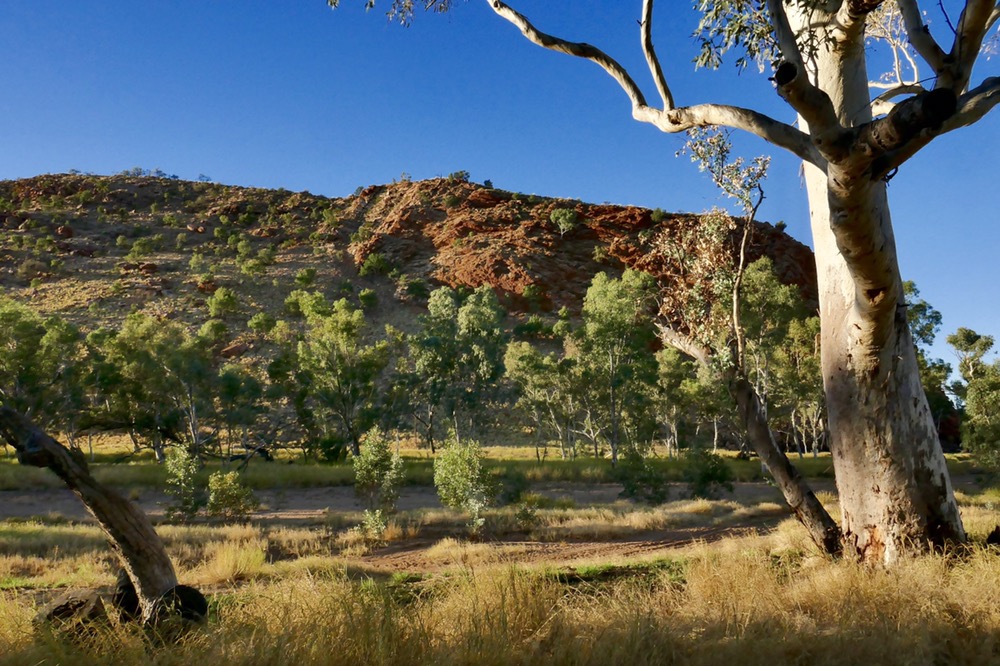
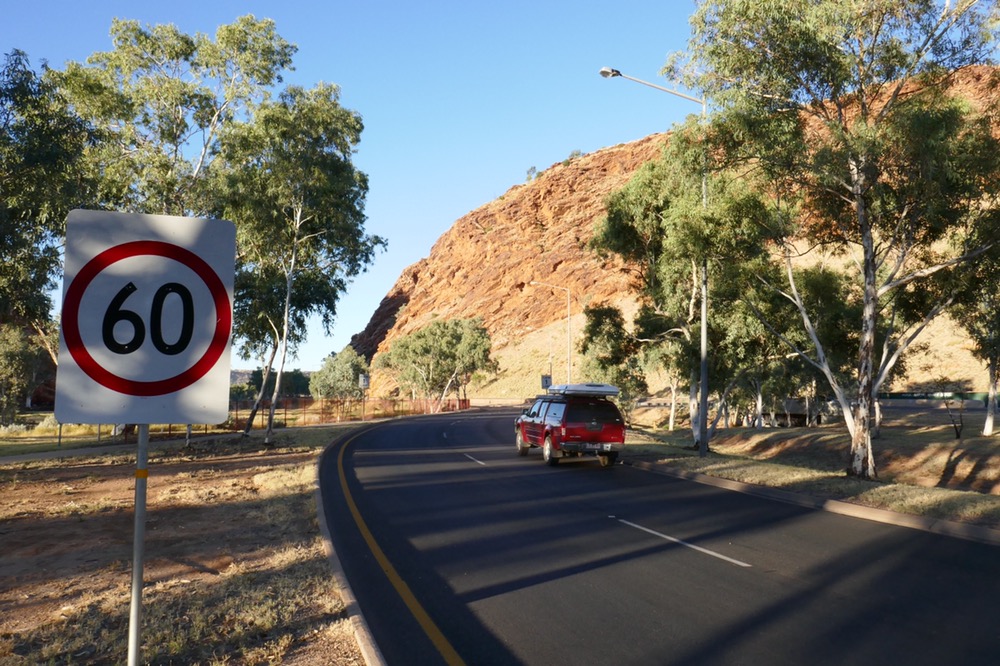
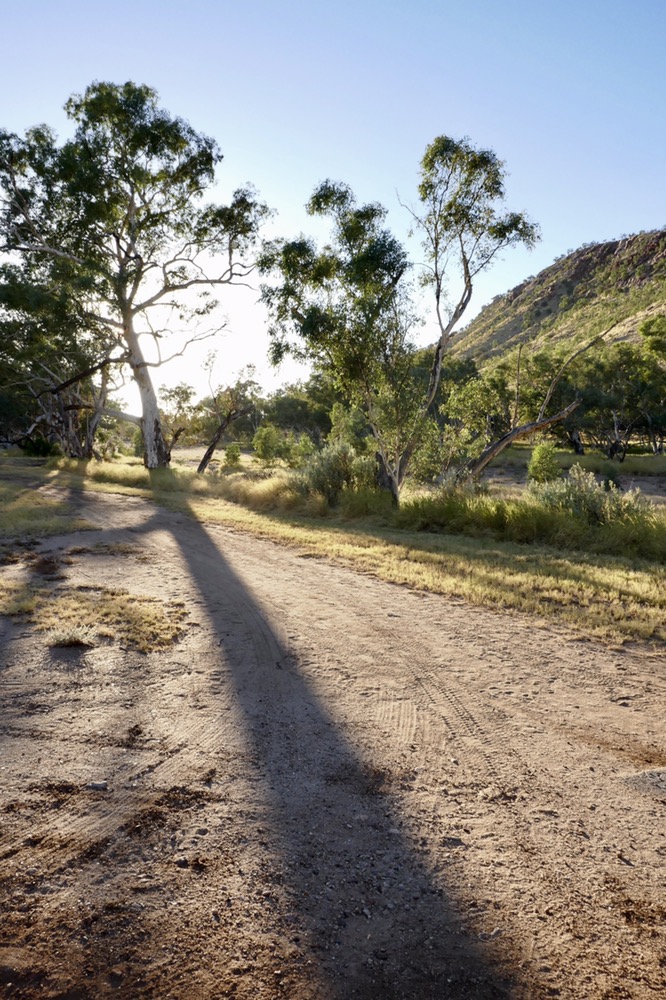
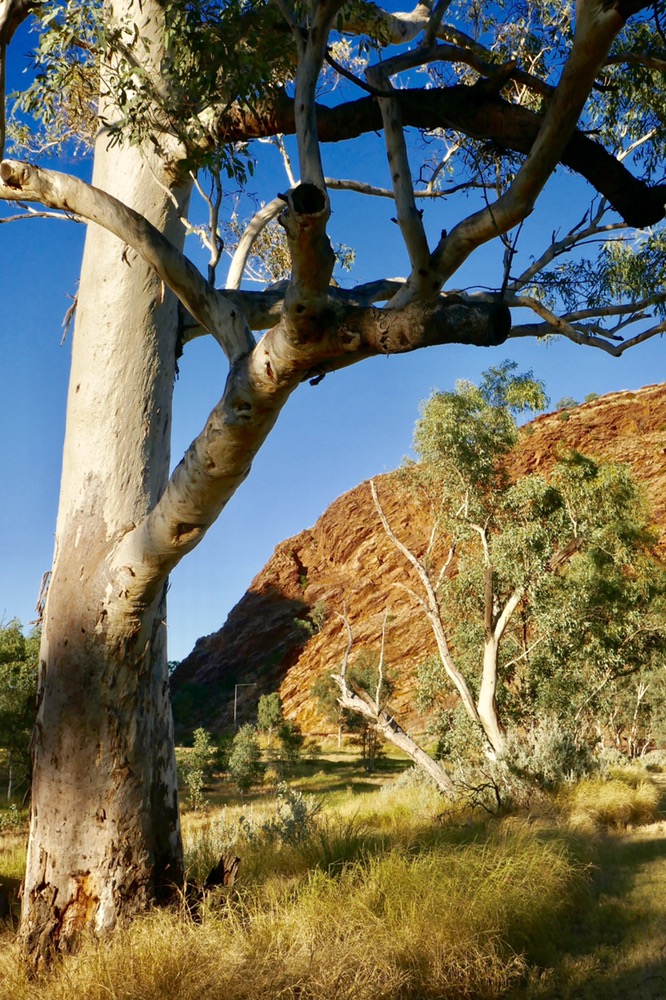
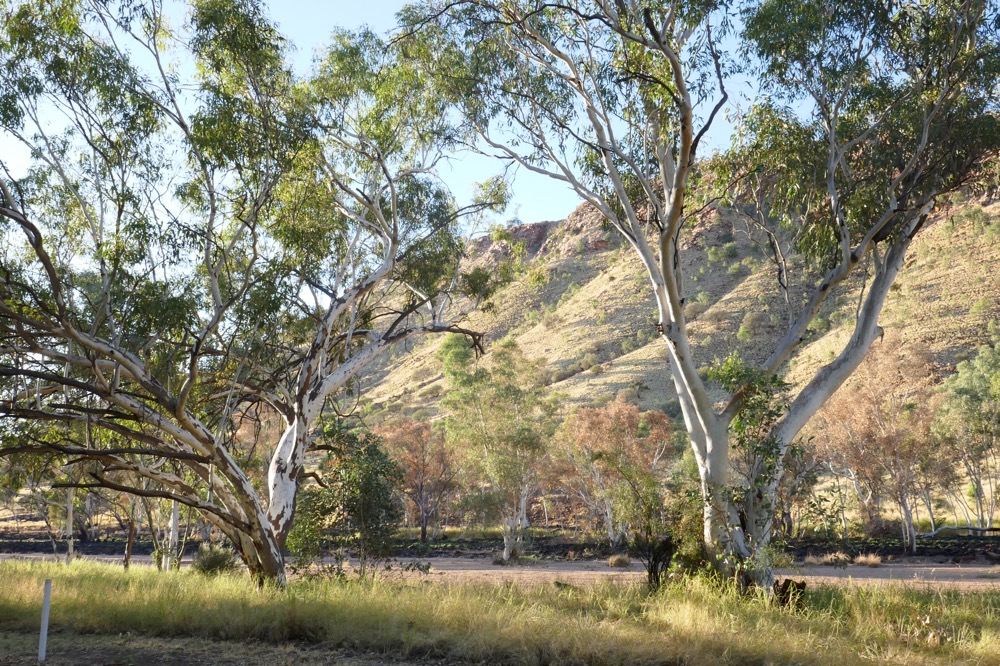
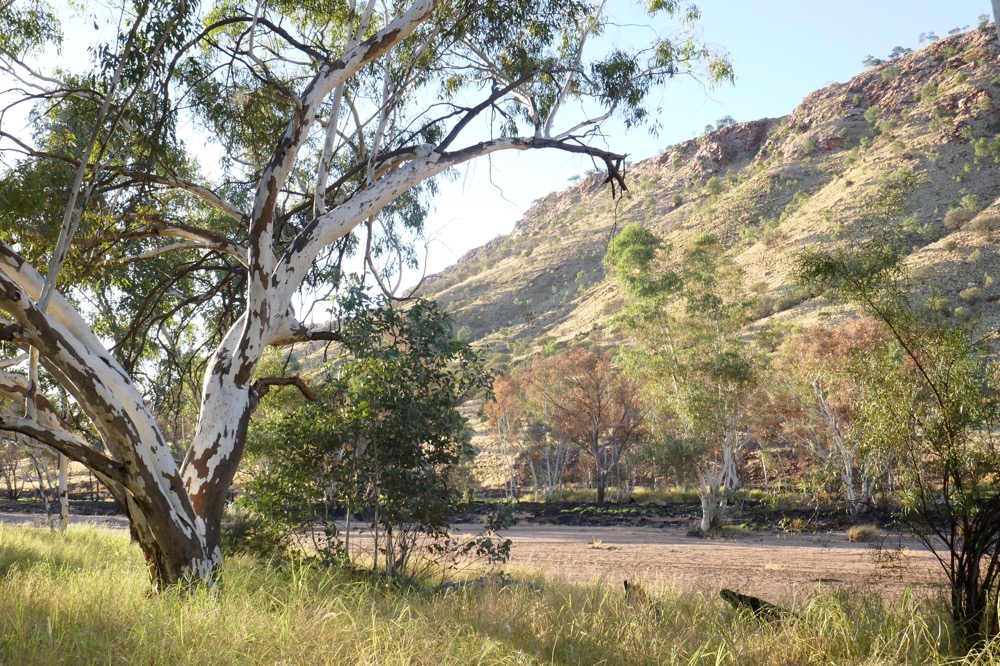
I went walking Tuesday night and then this morning, for the hour of sunset and sunrise, along the nearly dry Napperby Creek. It was about 30 meters wide when it was in flood earlier this year following the unusually high rainfall in January and February. It’s now mostly dry, sandy walking. There are a few lingering dark pools, mostly full of madly breeding mosquitos and insects. Yet sometimes they give wonderful reflections of the trees and grasses of the creek bed. The sandy floor of the creek has many undulations formed by the flow of water and eddies produced around islands, trees and shrubs. The ghost gums and river gums look especially beautiful at the extremes of the day, their multicoloured bark highlighted in patches by the oblique golden rays of the setting or rising sun. There are many birds enjoying the shade and water; zebra finches, ring necked parrots, galahs, cockatoos, budgerigars, crested pigeons, and even a wedge tail eagle was perched in a tree above me. It flew off, lumbering into the air with big lazy flaps of its immense wings; it must have been spooked by the sound of me trudging through the sand.
Laramba is a very beautiful place.

Standard
Uncategorized

Day 25 last day in India

We are sitting in the shade beside the hotel pool, it is just after 1 pm and it is beautiful sunny yet cool day with a delicious breeze in the streets and here nestled behind the hotel. Both of us have had a freshly poured glass of chilled glass of Sula Sauvignon Blanc, which is a very good domestic wine.

Last night we walked into Connaught place and went to Zaffran, the restaurant in the Palace Heights Hotel. We had a Murgh sagwala ( chicken and spinach ) and a Aloo dormeer ( steamed cauliflower) as well as roti and butter nan. It was a fabulous meal. The steamed cauliflower, steamed in a clay pot was the highlight.the chicken was the most tender we have had in India; as they generally tend to be a little tough if flavoursome.
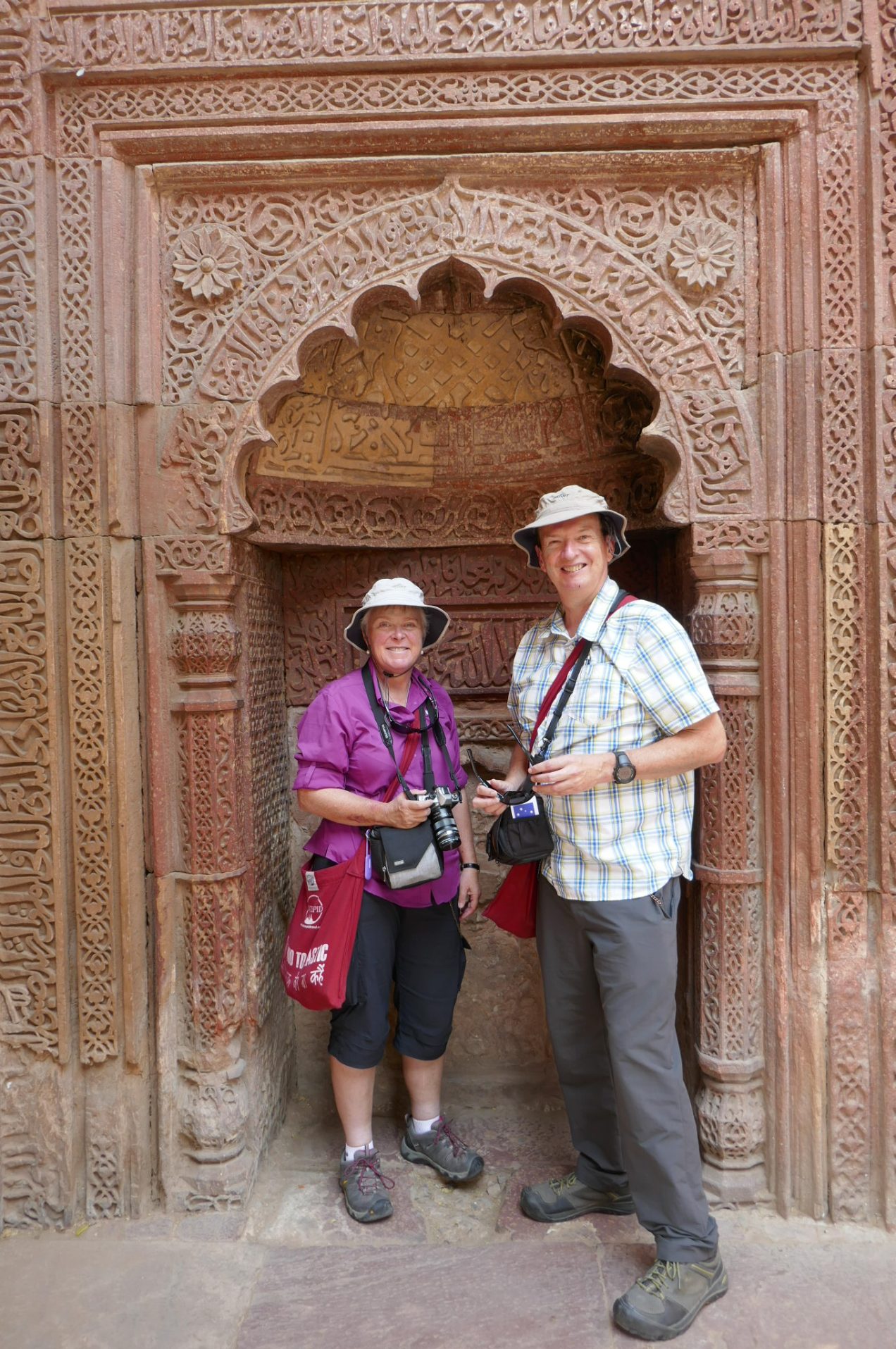
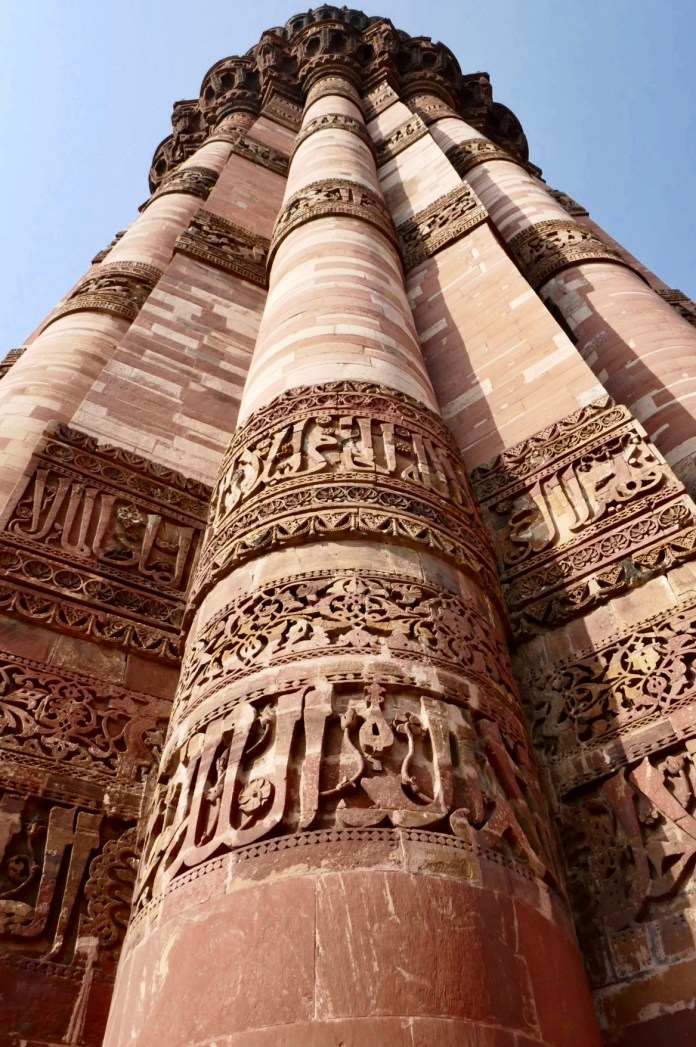
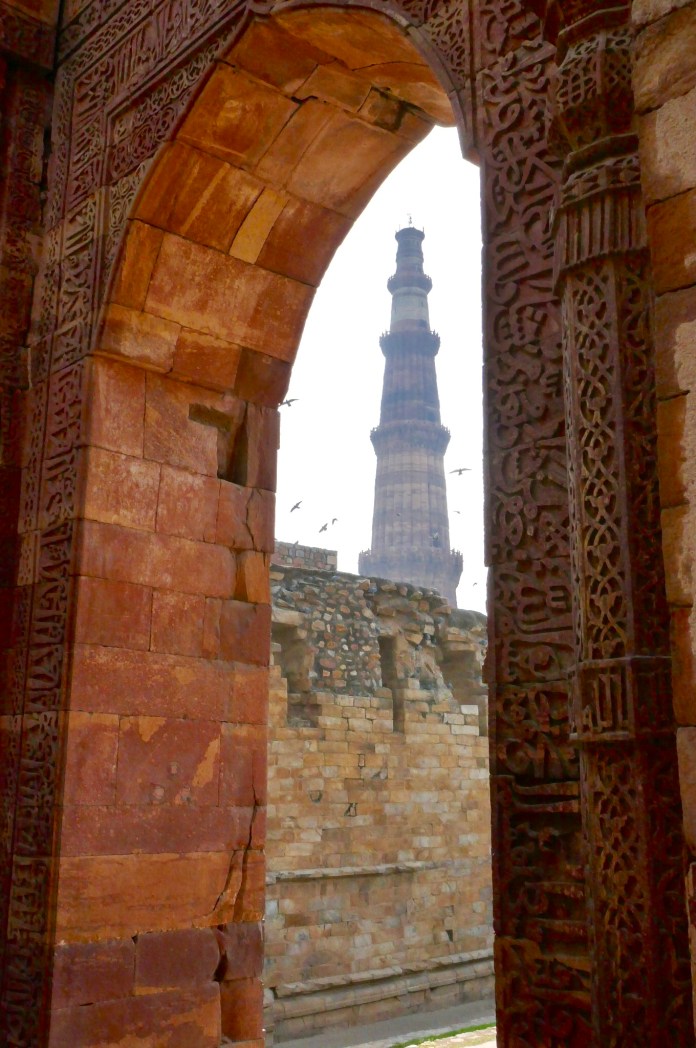
This morning after breakfast we hired a taxi to go to Qutb Minar. This mosque, minaret and tomb complex was built over the twelfth century by early muslim kings of Delhi. The minaret is reminiscent of a Saturn five rocket, its covered in Arabic text, and would provide a wonderful view of Delhi.
However, there is no longer any access into and up the minaret, as a few years ago there was a terrible disaster when a power failure caused a loss of lighting and then a panic amongst school children – 45 died.

The complex contains ruins of the oldest mosque still extant in India, the famous iron pillar which is thousands of years old but had never rusted in all that time, there are ancient tombs. There are well maintained gardens and trees, with brahmany kites and green parrots circling or perching on branches or the sandstone masonry of the ruins. A beautiful last outing.

We had planned another to the Mughal Gardens, but there was some function on and it was too crowded and complicated to bother going in. So we walked the two kilometres from there to the hotel, crossing the busy streets. Pedestrian crossings do not mean any car or vehicle actually stops, they are more suggestions to walkers about the best opportunity to cross the road. It still takes time and a judicious burst of speed to get across. Yet i think it is only a matter if time before one of us will get hit by something.

So we are sitting by the pool, relaxing.IMG_2925IMG_2926IMG_2933IMG_2934IMG_2935IMG_2939IMG_2944IMG_2991IMG_2998

Standard
Uncategorized

Day 22 India trip further exploration of Varanasi

I am sitting in the lobby of the Haifa Hotel not far from Assi Ghat. It’s warm now, the air is barely moving, despite the afternoon breeze in the street. Ray is fast asleep on the sofa chair immediately opposite us.
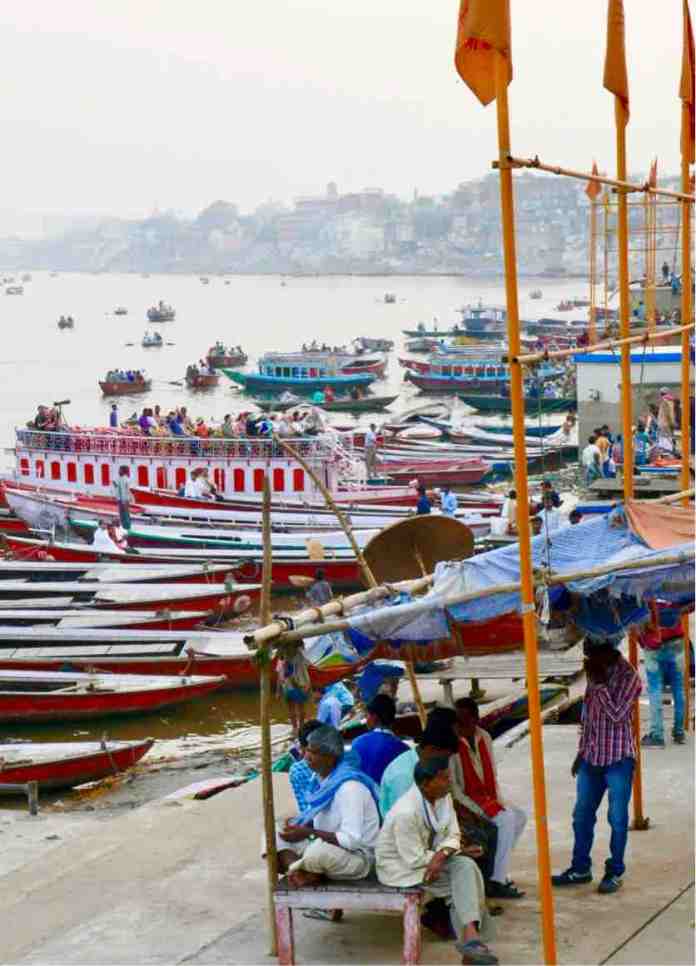
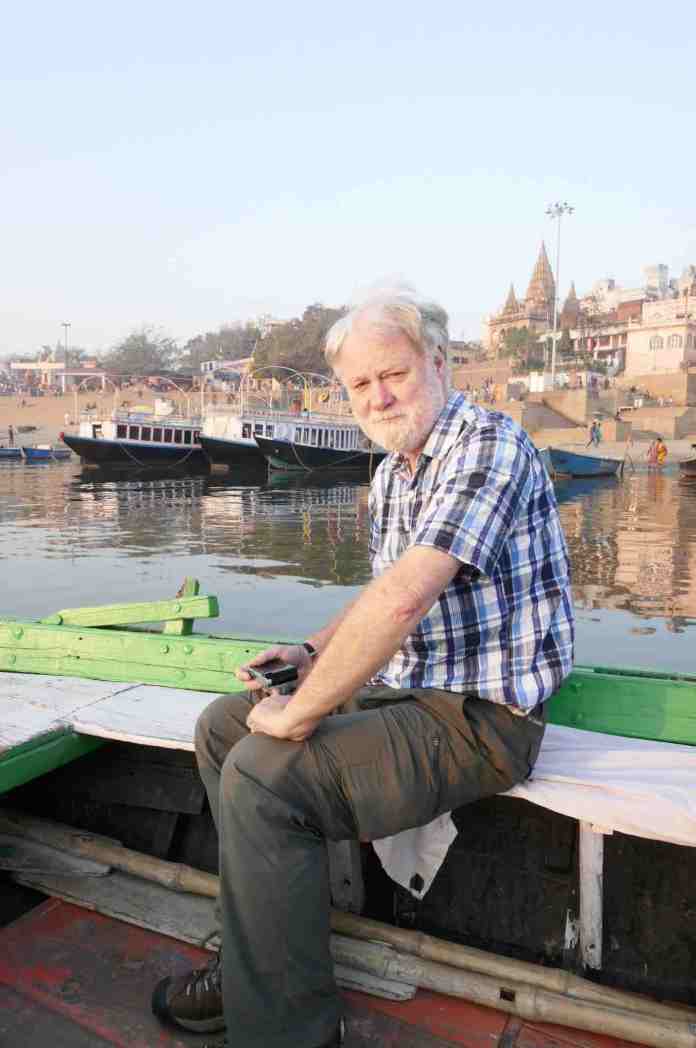
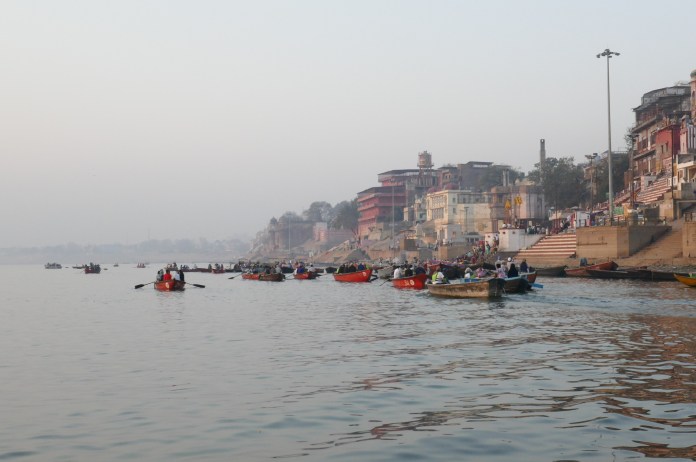
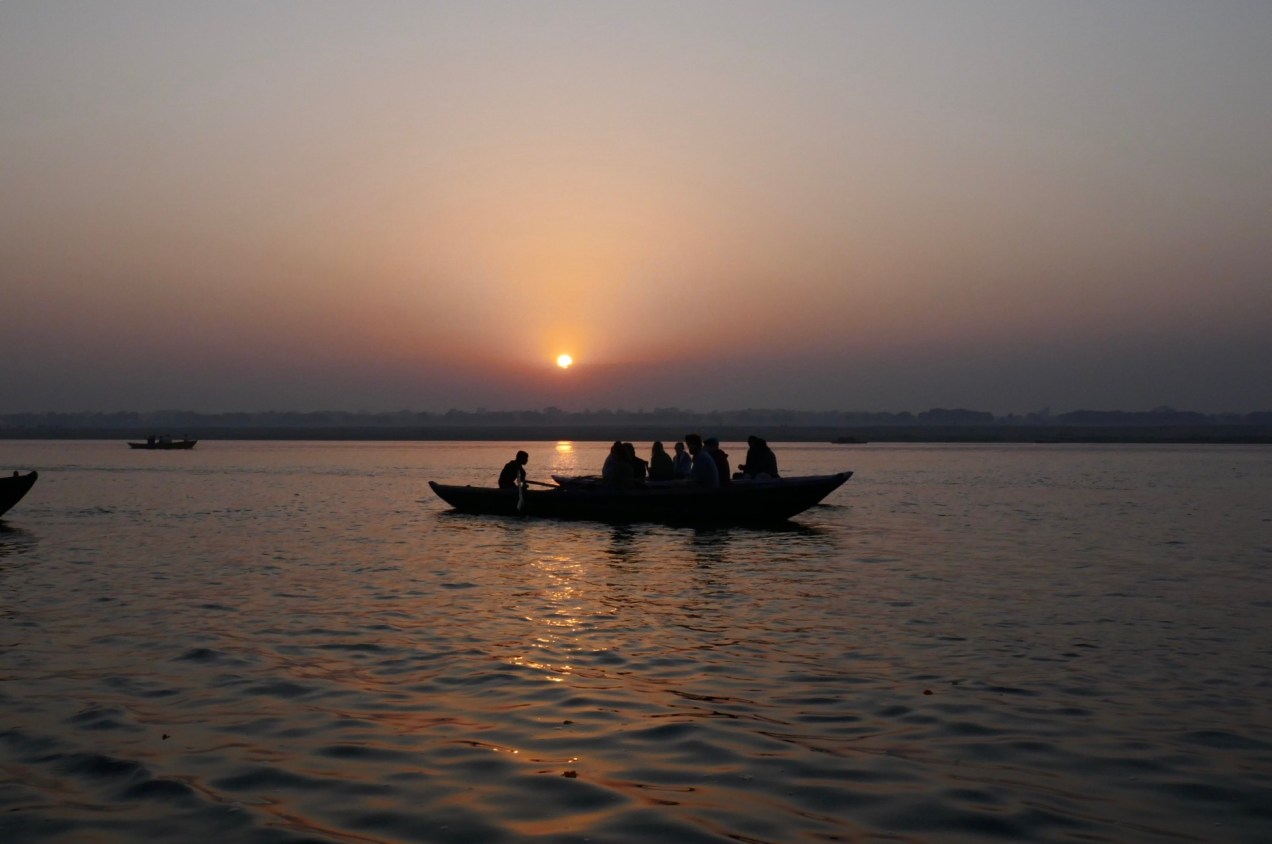
Last night we took an evening boat cruise. The wind was cool over the Ganges, the river barely moving. I lent down and felt the silky warm water with my fingers. The bridges to north and south are in haze. The river is wide here at Varanasi, and so the many boats do not crowd up as madly as do the roads. In the evening, the boats carry tourists like us, but also pilgrims for the night ceremonies along the shores of the Ganges. At the second, larger Burning Ghat, two furious funeral pyres burnt tall and brightly, sending a long orange reflection toward us. Other lights on the waterfront and far into the distance likewise shimmered on the water, patterns of yellow, red and gold. We stopped in the river not far beyond the Burning Ghats, and each of us launched small cardboard bowls, each with a lit candle and a small flower. Every one a wish. This is the flower ceremony. They seemed to hover in the darkness as they flowed away from the boat, forming small gay flotillas of flickering light until the candles were blown out by the wind and they began their voyage to Bay of Bengal. The boat handler picked up the heavy black steel crank and started the motor, and steered us back the way we had come. We stopped at a large ghat, it was brightly lit, light displays shining iridescence into the crowds on the ghat and into the water. Many, many boats began to cram the space, boat handlers ran along gunwales, securing or pushing, jamming all the boats together. It was dark behind us but in front the white clothed priests sang out, all was light and sound and smells as Bollywood guitars, sitars and tabla supported three singers; these men are dressed in gold and red brocade. They sang and did motions with their arms, a slow ritual dance of the gods, then held up and swung a burning beam of incense, the smoke still pungent even as far away as we were. The performance went on for 40 minutes or more, and concluded after flaming ” candelabras” were held into the air and laid on the ground at their feet.
This same ritual was performed on at least four locations on the Varanasi Ghats. The reason is this; each night the faithful must sing the gods to sleep and in the morning to sing and rouse them awake. Most of the people in the boats, and on the ghats were pilgrims, watching and enjoying one of the great traditions of Hinduism.
In every Hindu home, small temples are used to perform similar ceremonies every morning and night. Each family has favourite gods and saints.
We had dinner at the hotel, then went to bed. At dinner, Alejandro told an amusing story. Alejandro arrived in Delhi too late for the briefing but had checked online to see if there were other single people, especially a girl, on the trip. He discovered that Anna was single. Okay, so far so good. The tour commenced, and Alejandro met Anna. Anna is in her late fifties. Oh well. But then Alejandro was amazed. He hear Anna volunteering to wash Peter’s clothes. Alejandro was impressed, this man is a master. On only the second day of a tour, Peter had so quickly conquered Anna, that she is not only doing his washing, but is happy to be hugged and kissed by him. Wow!!! The truth is that Peter and Anna are well and truly married and that there is a second young Anna, much closer to his own age.

This morning, we said goodbye to George and Grace now on their way back to Canada.

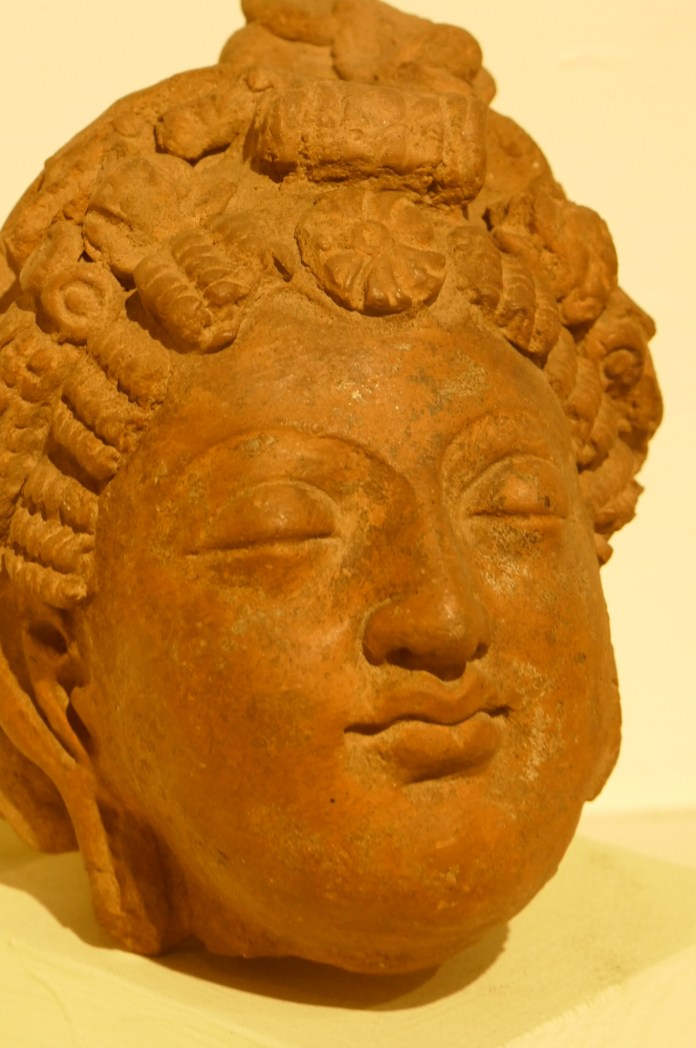
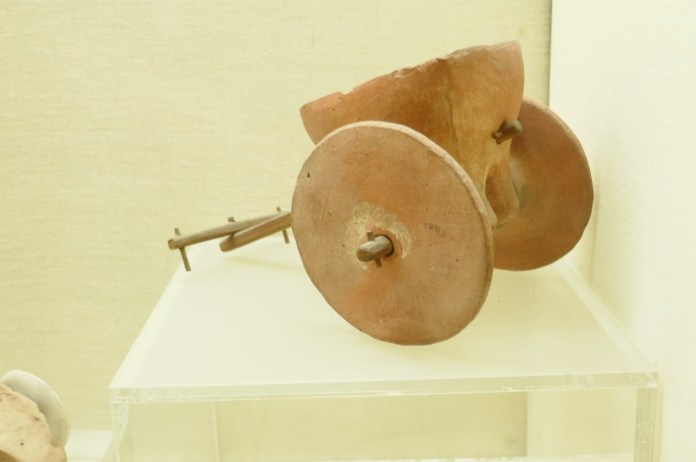
A few of us braved tuk tuks for a trip to the Buddhist temple ruins in Varanasi. This area is one of the four most sacred locations for Buddhists. It was here that Buddha gave his first sermon after his enlightenment under the Bodhi Tree. There are ruins of a large Buddhist community, as well as an immense stupa commemorating Buddha. On it are carved letters, flowers and designs. There is a museum with many artefacts of Ashoka and the Gupta kingdoms recovered from Sarnath. The centrepiece at his fine museum was his capital pillar. Ashoka lived in 273BC. SO It is over 2200years old. On top of the huge sculpture, standing on a great wheel are four seated lions. All are symbols of Buddhism. Around the wheel, and below the lions are four smaller wheels, and between each of them is an animal, an elephant, a bullock, a lion, and a Horse. It is sculpted from a light brown marble. The base is an unfolded lotus. There is some damage but it is still an excellent and awe inspiring example of Gupta art and religion.

Th other really notable stone sculpture is a Gupta period Buddha with the most delicate of features, face and hands, and behind it a stone umbrella carved with intricate motifs. Nearby is a Jain temple, and a giant Buddha – 80 feet high.

We were conveyed back to our hotel by the waiting tuk tuks , through god awful traffic. Typical! Then a super lunch at Open Hand cafe. Ray joined us on the tour and lunch. It is now 4pm and in a few hours we board the train to Delhi. We have noodles for Jennifer and muffins for me, to gave on the train.

Standard
Uncategorized

Day 21 India trip Varanasi

I am lying in my hotel room, Jennifer is checking ATM locations in a wooden chair by the door. We have been in Varanasi less than 24 hours but it has certainly impressed us in that very brief time.
We arrived at the train station after noon, about three hours late. A big part of the delay were police boarding in the middle of the night to investigate a bag that had been stowed, its owner having abruptly left the train at a previous station. The police woke up some of our party, but thank goodness they did not check passports, as Alejandro comes from Colombia!! We were oblivious in the next carriage and slept reasonably well on this overnight train from Agra, me in the top bunk and a Jennifer in the very bottom one. We paused 45 minutes just before the station just to enhance the fatigue of the journey. At this point, Jennifer and I decided to go upmarket on our accomodation in Delhi! We booked the Park Hotel in the centre of Delhi, five star bliss. The morbid thought of the dog chorus at three in the morning was an additional motivation to move upwards.

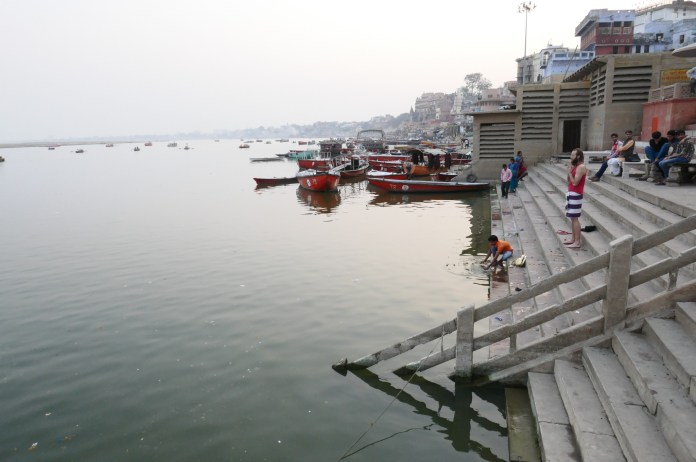
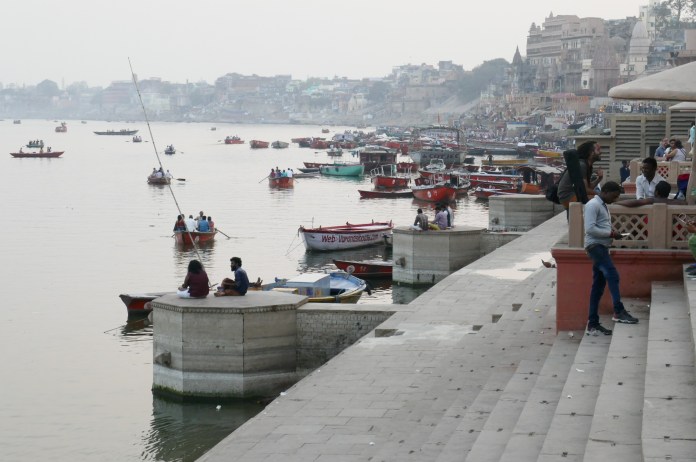
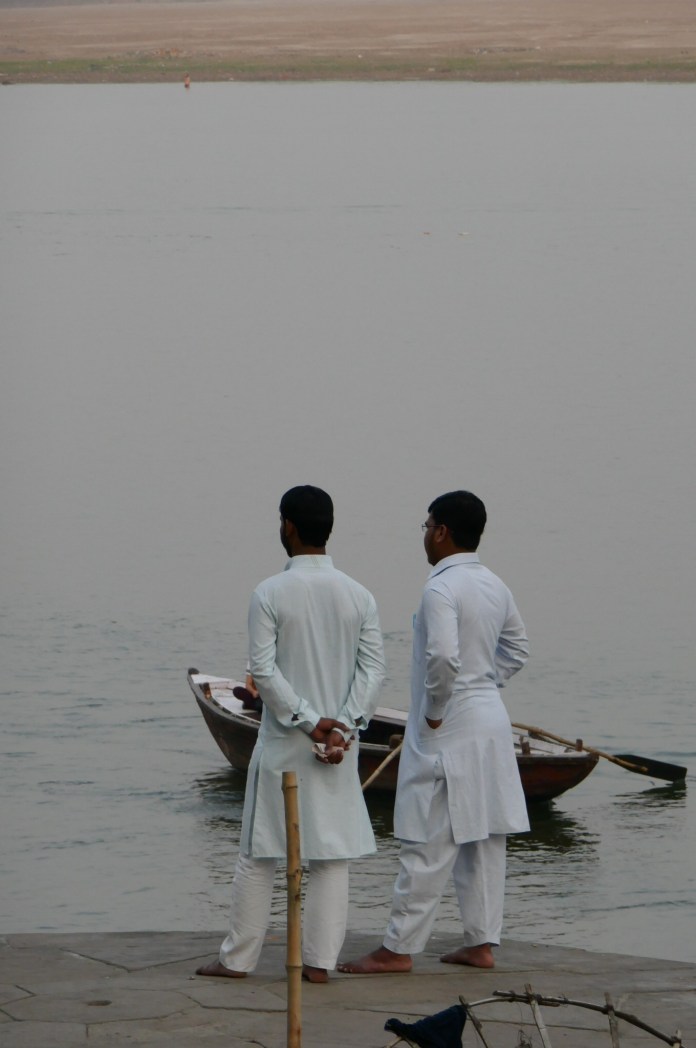
We are staying at Haifa Hotel in the old quarter, only a short walk from the Ganges and the many ghats which are spread along this side of the river. After a pleasant lunch at the hotel and a freshen up, including a shower and shave, Api and a local man, took us for a walk. We walked along a dusty, rough road, past shops, cows, beggars, holy men all dressed in orange, and other tourists. At the riverbank, there is a wide path to walk along, with steps leading to the sandy beach. On the beach, wooden poles are dug firmly in, and tied them are the many boats that are used for short trips on the Ganges. As I looked north, I could see the guest houses and temples, disappearing into the distance as the city followed the river as it curved to the east upstream. The boats are old, spacious vessels without any shade, their paintwork fading from what must have been brightly coloured when first done. I passed a man standing in a boat high up on the path, his hands covered in pitch to the elbows, and the interior of the boat covered in freshly applied black pitch. The water would be still but for the many boats criss crossing, some are power boats but many are rowed, a single rower somehow managing to row up to 12 tourists!

There are paintings on the walls to our left, there are paintings of Shiva, Ganesh, bright blue backgrounds and gaily painted gods, with gold and red ornaments in their hair and around their arms. There are paintings by the local white counterculture, not Indian at all, of cannabis smoking men or of Yggdrasil portrayed on a sloping wall. On a long pair of ropes, are many rectangular blue cloths, drying in the air – they form a visually interesting scene against the sandstone of the steps and walls.

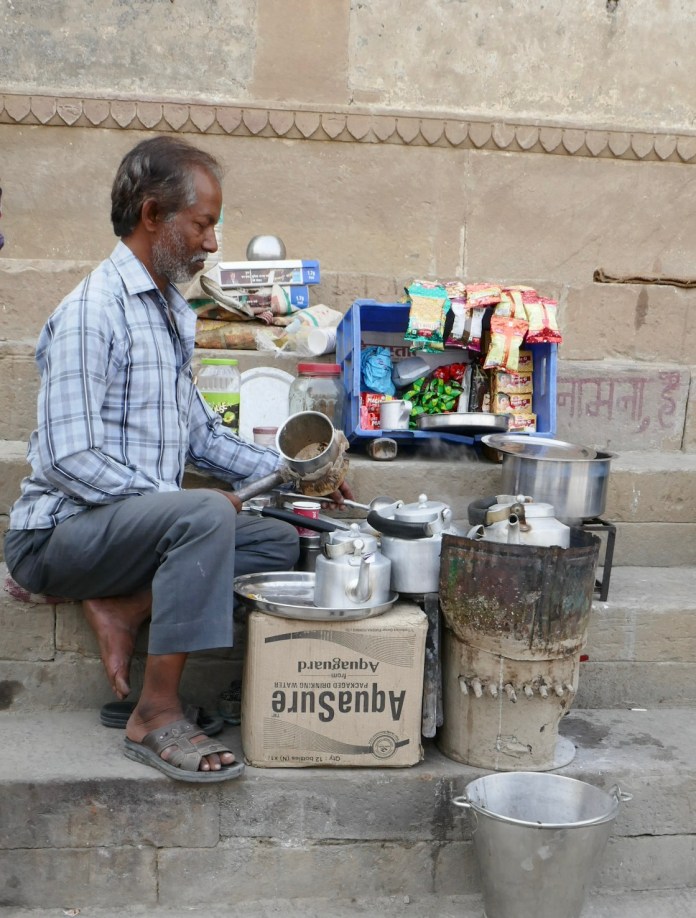
The path is not all flat, I have to negotiate steps, avoid cricket games, and frustrate holy men who will bless me then demand money afterwards. Children and women in dirty neglected saris, try to sell small foil cups with a few flowers, to be dropped into the Ganges. Men grasp my hand, and call me friend, Namaste, and I pull my hands back as this is one more scam. Api our ever watchful, always competent guide shoos them off with more politeness than me.

At one spot, at a temple complex on the Ganges, the crowds got thicker, there are more people sitting and standing around, boats are filled with people, really filled, and the susurration of prayers is thick in the air. The smell of burnt sandalwood envelops the shore.
We reach the first of two outdoor crematoria on the Ganges at Varanasi. Before explaining about and describing these areas , I want to talk about the importance of this place in a Hindu’s lifespan. Through life there are many milestones, some unique to certain castes, birth, first haircut, second birth ( peculiar to Brahmins and occurs after much study and acquiring the capacity to read and recall sacred Sanskrit writings), marriage and death; and there us no place holier than Varanasi to perform these rituals. People who live locally or have been living here for at least six months can be cremated on the riverbank or concrete verandahs adjacent to the water. Other Indians are cremated locally then their ashes can be scattered into the Ganges later.

The crematoria are truly weird to a westerner. The process of cremation is not something we see in our culture while here in Varanasi, the experience is vivid and powerful, a sensation of sound ( the changing of the priests and family), of smell ( the burning cedar, sandalwood or teak and the body itself) and sight( the flames and ashes, the massive piles of timber stacked against the blackened temple walls and the untouchables who carry wood and wash down the concrete with huge hoses).

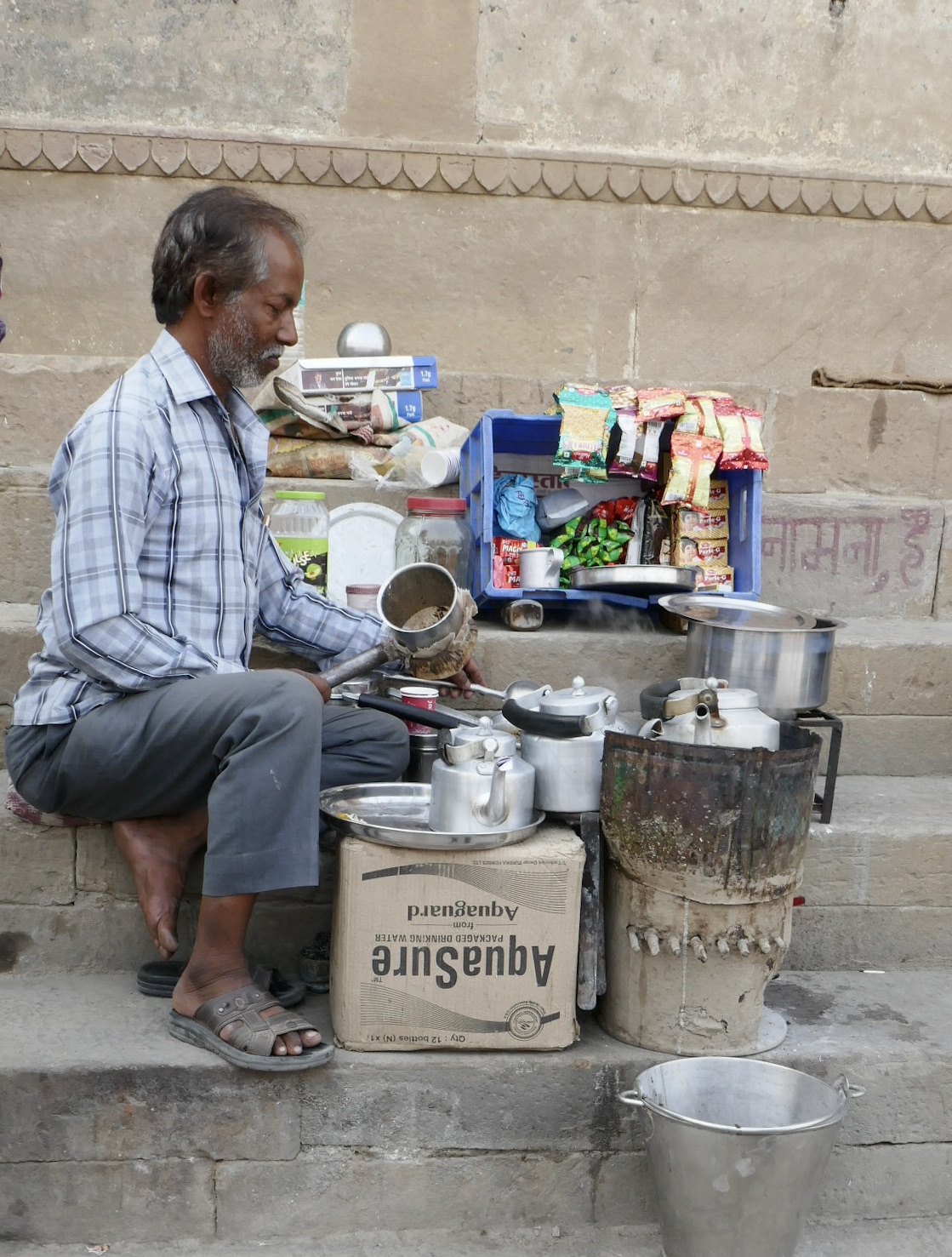
We climbed the narrow winding stairs beside the Burning Ghat, past the stacked timber, past ash rippled walls, and the little the shops selling gaudy, golden relics for the funerals and tourists. We entered tiny lanes, with shops at our elbows, the occasional motorbike braved the pathway but mostly pedestrians walk briskly beside us. We arrived at the Blue Lassi – this cafe provides low seating and on the walls are thousands of photos, all passport sized and stuck to the interior brickwork. The lassi artisan sits in the window, he ladles yoghurt with a steel spoon into a bowl, then adds fruit or seeds or coconut as per the order, to produce delicious lassis. I had banana and pomegranate and Jennifer enjoyed banana and coconut. Each one was served in a single use clay cup. They cost 70 rupees each, which is about 12 cents a cup. After we left there, we visited a fabric shop, I nearly passed out from heat stroke as he piled up blanket after blanket on my legs. No one bought anything, too tired and too late.

We walked through a narrow market that glittered with the local products for sale here, the metal work and jewellery, the lavishly bling infested clothes and bags, and the brightly wrapped spices and foods and into a political rally. The prime Minster of India, Modi, has been campaigning in Varanasi in support of his local BJP candidate for Uttar Pradesh, while Ravi Gandhi arrived later to campaign for the Congress Party. There were crowds supporting both parties in the elections, lots of car horns honking, and an excited populace singing out for their preferred party. Chaos in the flesh, so we walked the opposite way, and caught tuk tuks back to the hotel.

We had dinner at a pizzeria which overlooks the Ganges; during the meal the power went off, and so we ate with candle light; the lights of buildings further upstream were still working and I saw those lights on the water of the Ganges, scattered from vertical lines in the wake of the few remaining boats that still plied offshore.

This morning some of us were up to meet the boat owner to take us on a cruise. We climbed into his boat, taking seats along the ledge below the gunwales. The trip was slow and beautiful, the diesel motor was not obtrusive. We passed the ghats and the buildings above them, the air is clear, reflections rich and dark in the water, and we pass swimmers below us, their heads above the surface. Others are standing on the lowermost steps of the ghats washing themselves and letting the water run down their bodies, repeating the action again and again, then suddenly dive forwards to immerse themselves fully, while most splash out a few meters, there are some hardier souls who risk the boats going up and down the river. The Ganges is a magnificent river. On the other bank there are no buildings visible but there is a group of people, singing as the sun rises above them.
We met Api for breakfast at the Open Hand Cafe. A terrific venue with western style coffee, muesli and breakfasts. We chatted with Ray and Api over breakfast. Api told us about the situation with Indian women, they are still frustrated with the slow progress they are permitted to achieve by men. Intrepid is actively trying to develop women as tour guides.
After breakfast, we have decided to have a chill-out morning and afternoon before the cruise and flower ceremony tonight.
“///////IMG_2796IMG_2797IMG_2799IMG_2800IMG_2793IMG_2798IMG_2824IMG_2830IMG_2832
Standard
Uncategorized

day 17 India trip Abhenarra

It is 4:30 pm and we are sitting in the middle of a lawn at Abhaneri Niwas. Getting to Abhaneri is an effort, 2 hours on a local bus. We have two big bags and we could only get them in by sitting them together on one seat. It cost 100 rupees, and was worth every cent! Amazingly, the bus held together for the duration. The most apparent thing on the trip was the appalling amount of air pollution, visibility was 300meters. In addition to the traffic, there were many tall stacks belching smoke into the air. The highway is in excellent condition and the trip was swift. We got off at an isolated spot on the highway, getting off as quickly as we could. We were collected by jeeps and taken another twenty minutes to the Niwas. The guest house is a walled enclosure on the edge of the isolated village of Abhaneri.

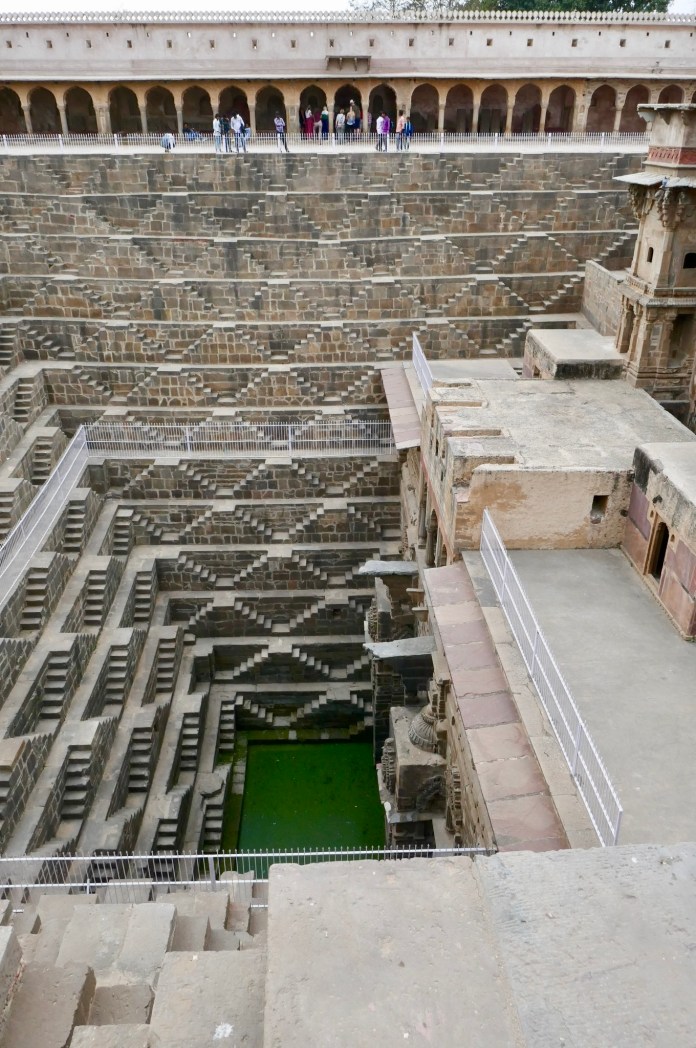
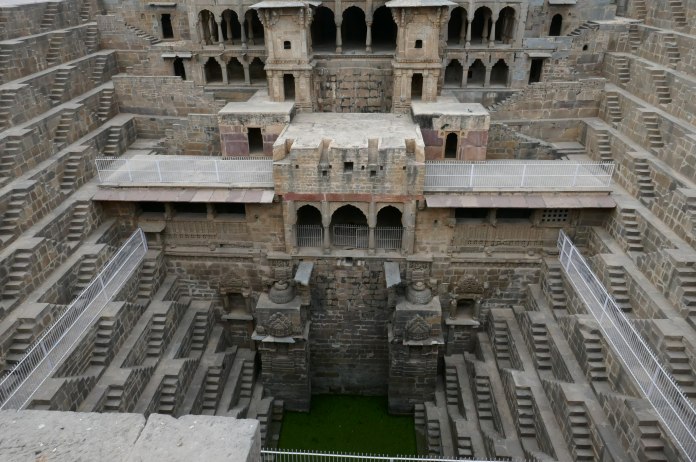
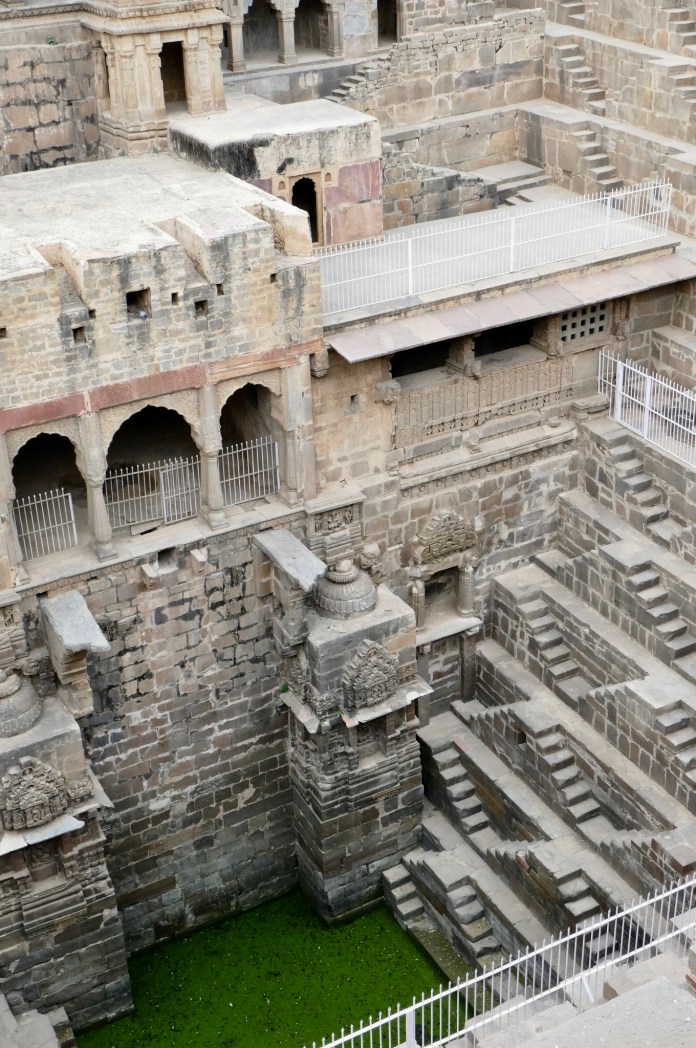
It is a beautiful place to stay, there is a large lawn, a fine dining area, and each room is not only spacious but individual. We had a wonderful buffet lunch, cauliflower, potato,, dhal, chicken and chapatti. After a short nap, a guide from the village walked us through a local temple and a step well. Both are quite famous, the temple was built in the ninth century as was the step well. The step well is 90 meters deep, and has rooms built on one aspect for the nobility and king. The steps provide access to the water at the base of the step well. The water that fills the step well is rainwater from the Monsoon. The stones that form the step well wall, are connected together with no mortar at all. They form a mathematical pattern so intriguing that many films have used this location including a Batman film.
We have spent the rest of the afternoon relaxing, Jennifer with a beer and me with a lime soda. It is cooler now, a gentle wind, shade, pleasant company, what more could anyone want?IMG_2700IMG_2701IMG_2703IMG_2708

Standard