
Author Archives: brucebarker2016
Mataranka Esley National Park
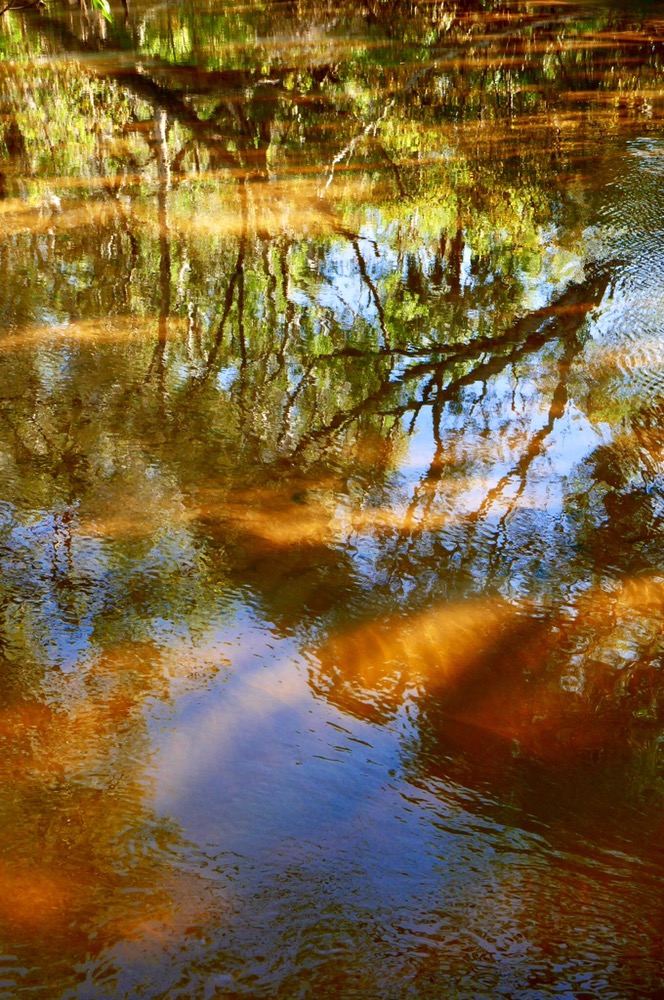
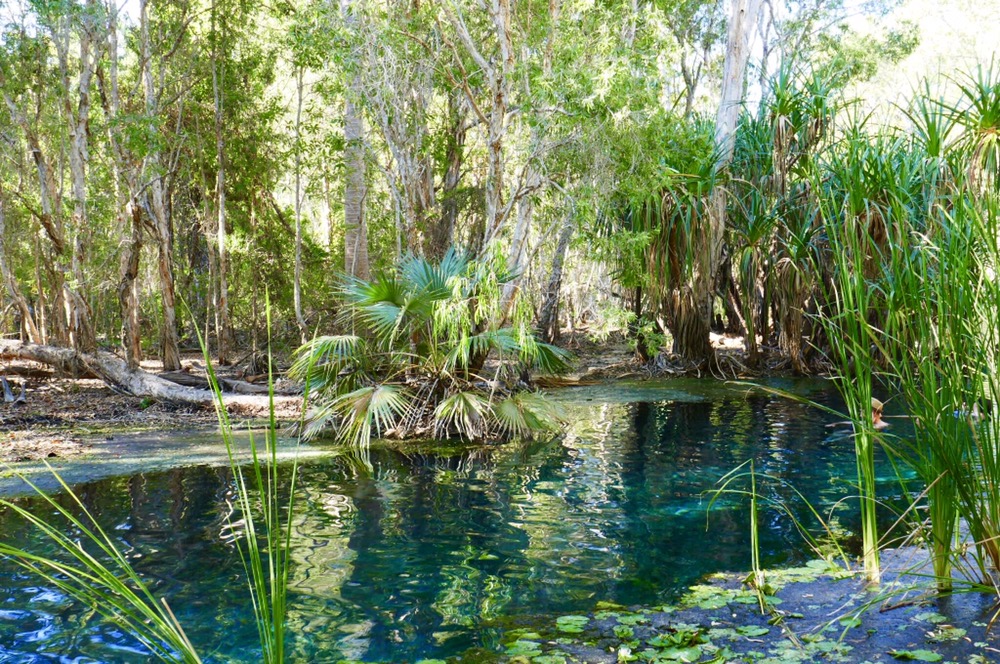
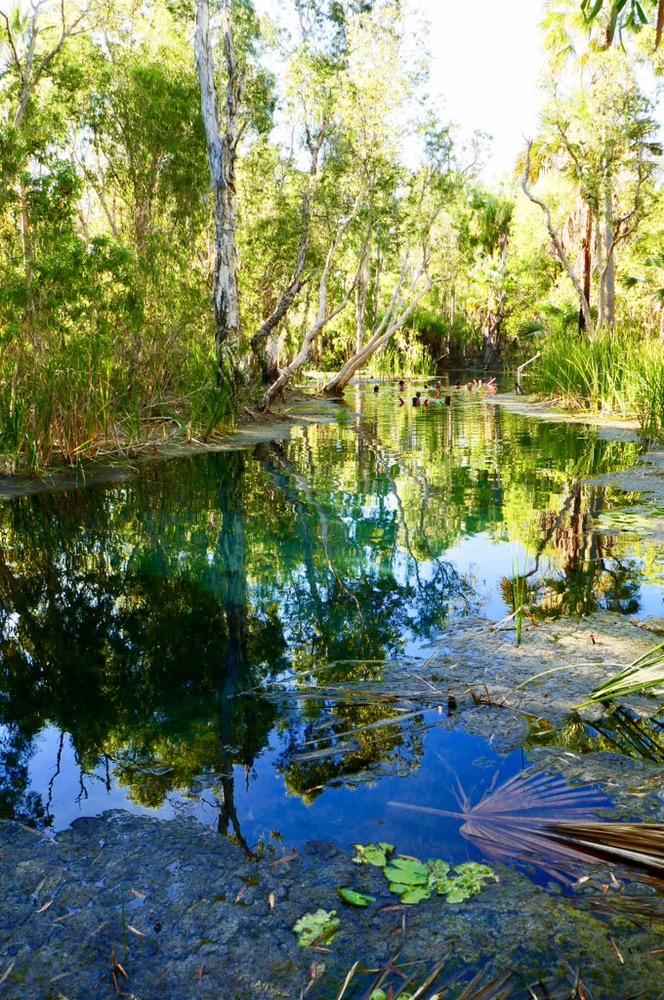
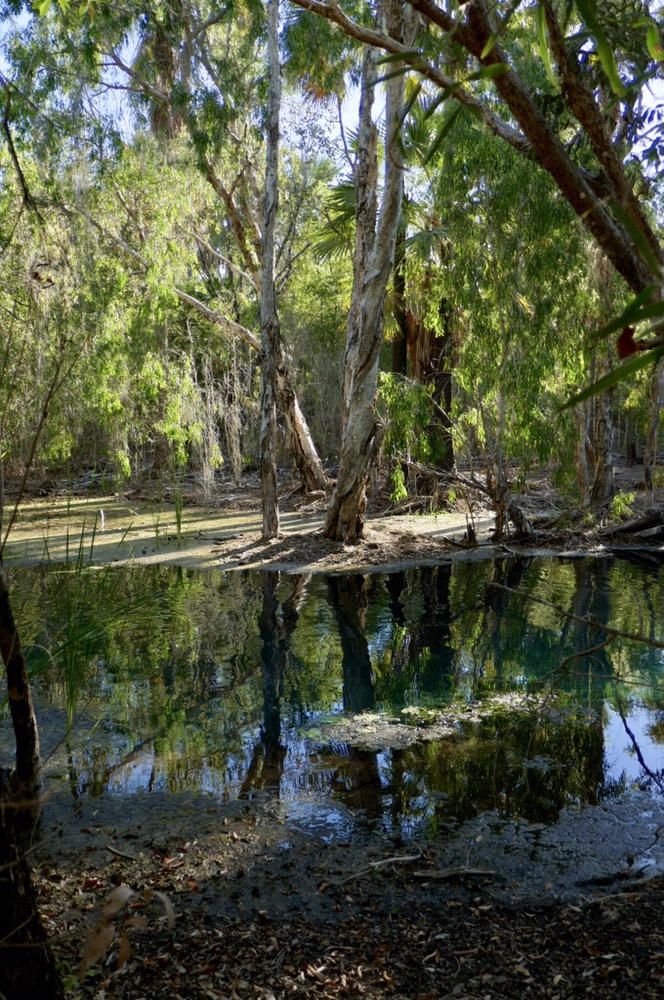
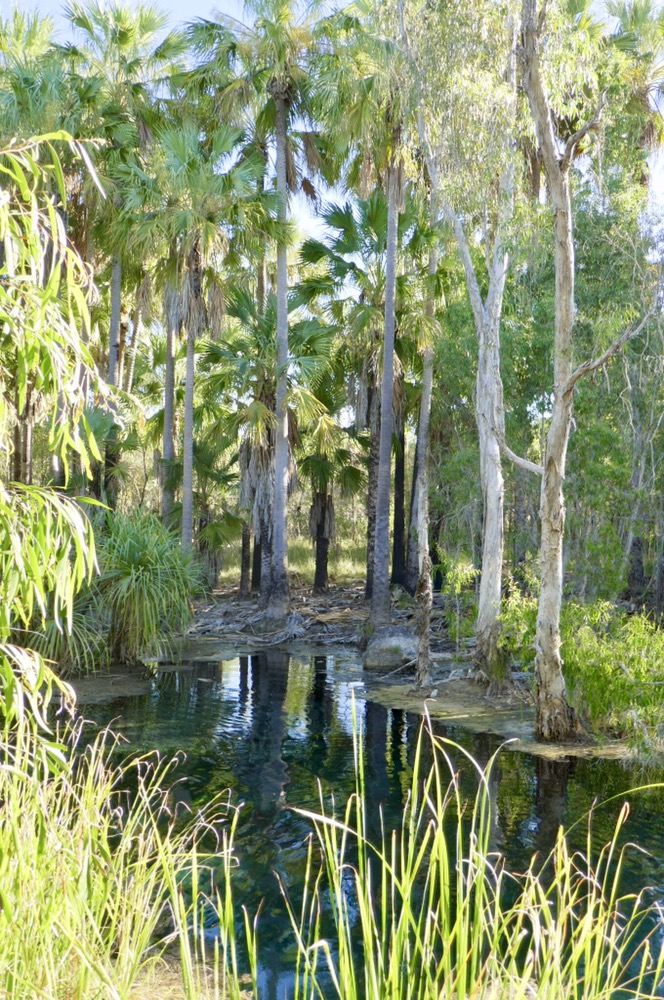
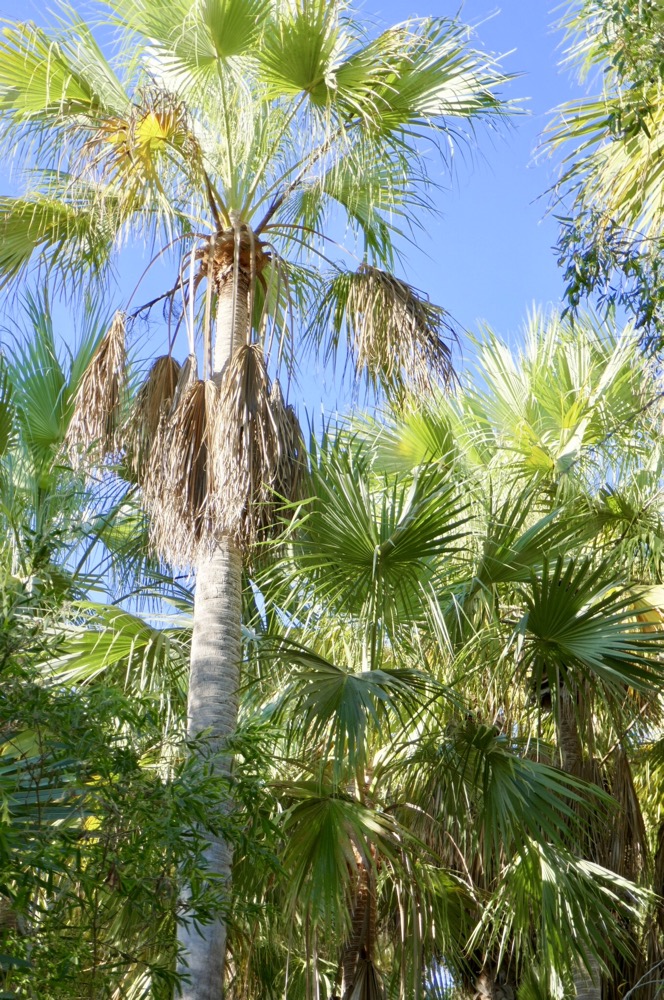
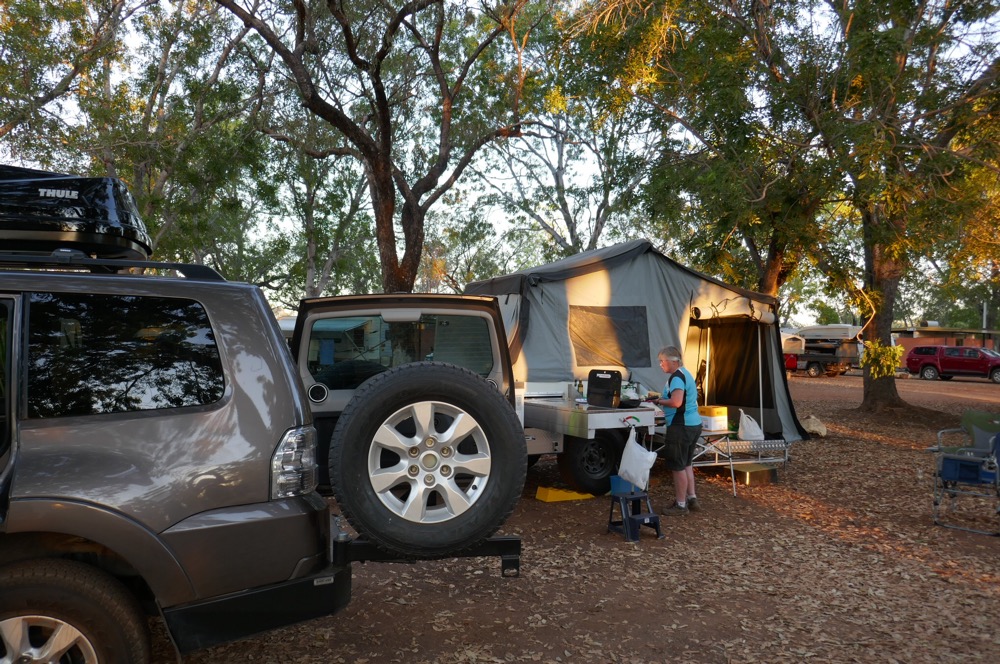
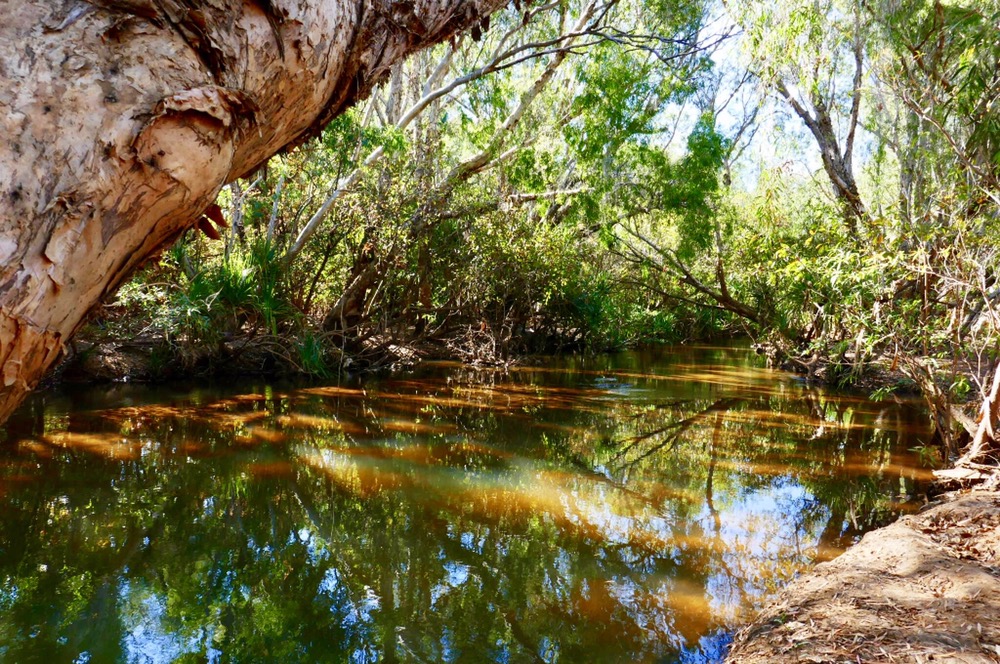
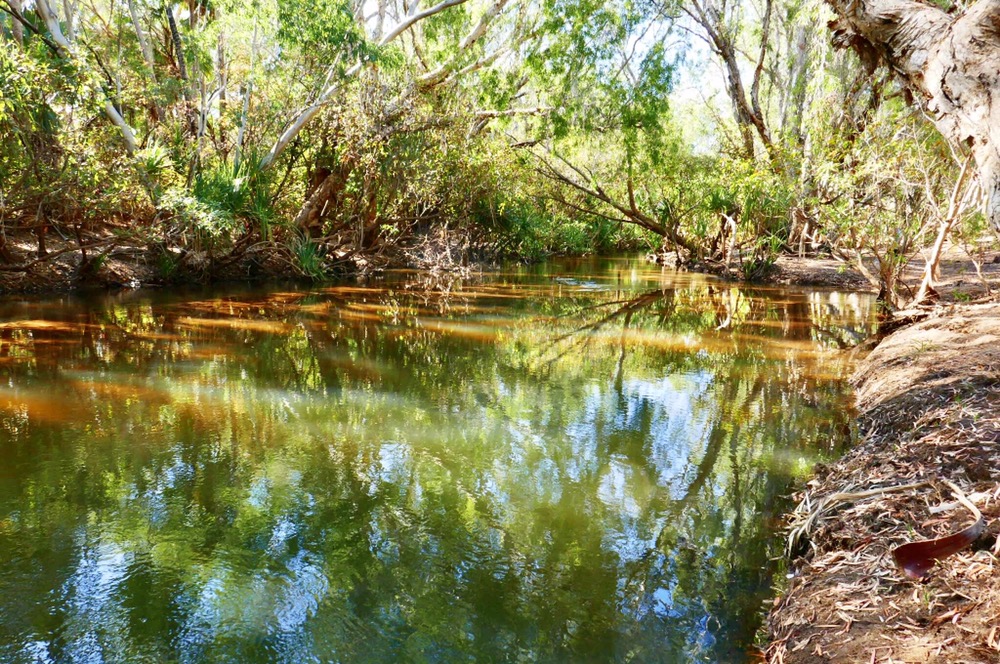
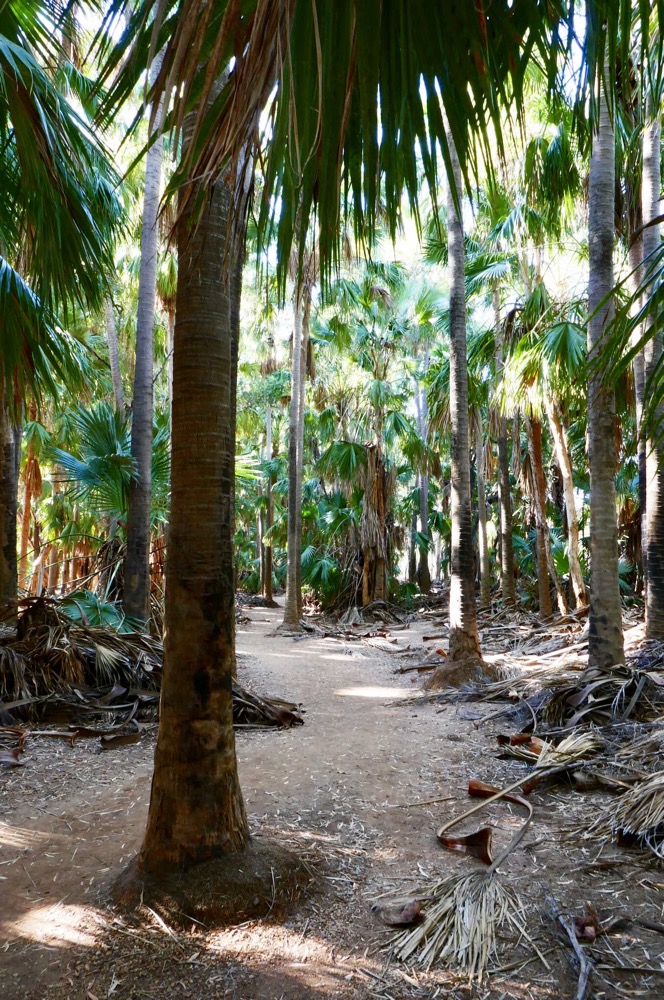
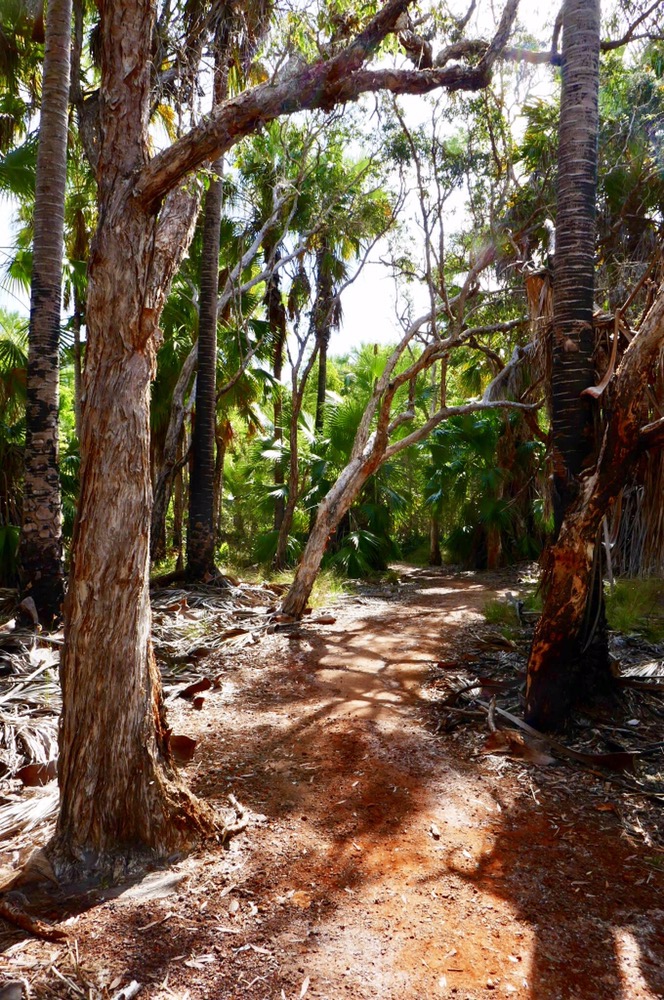
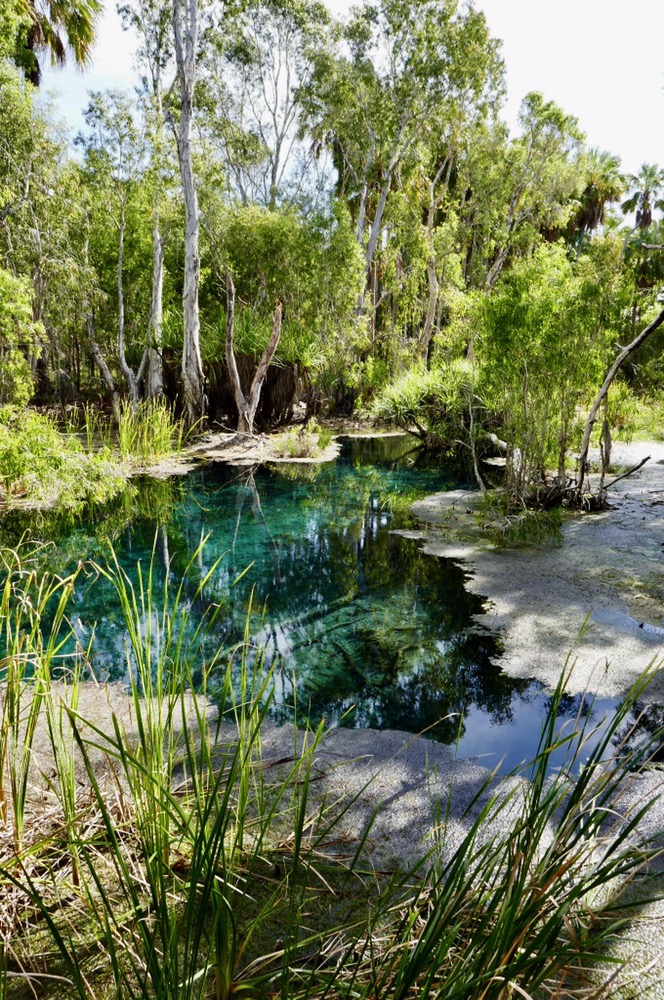
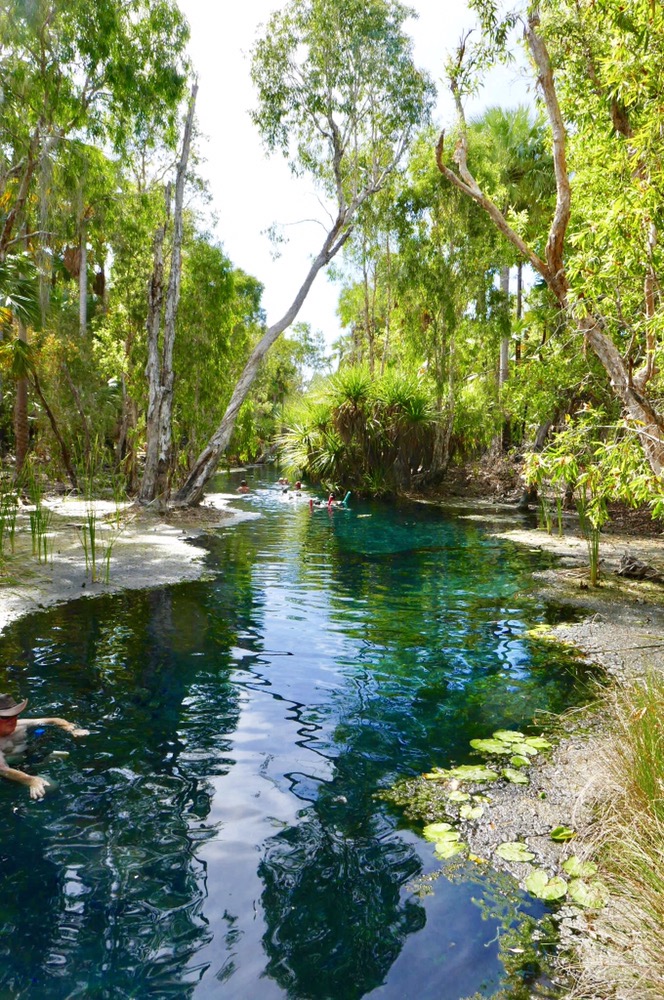
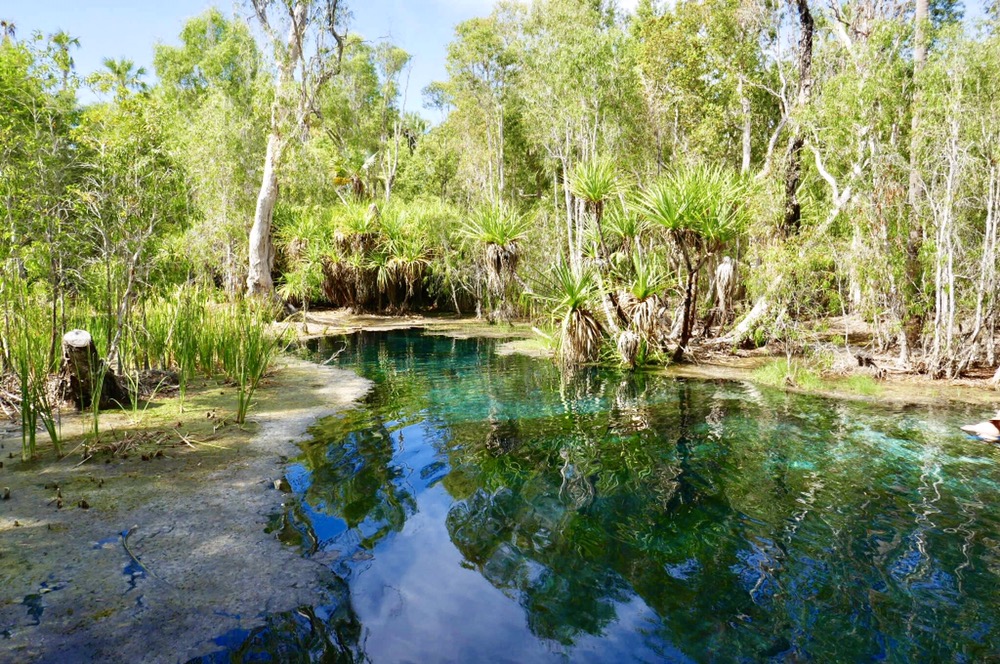
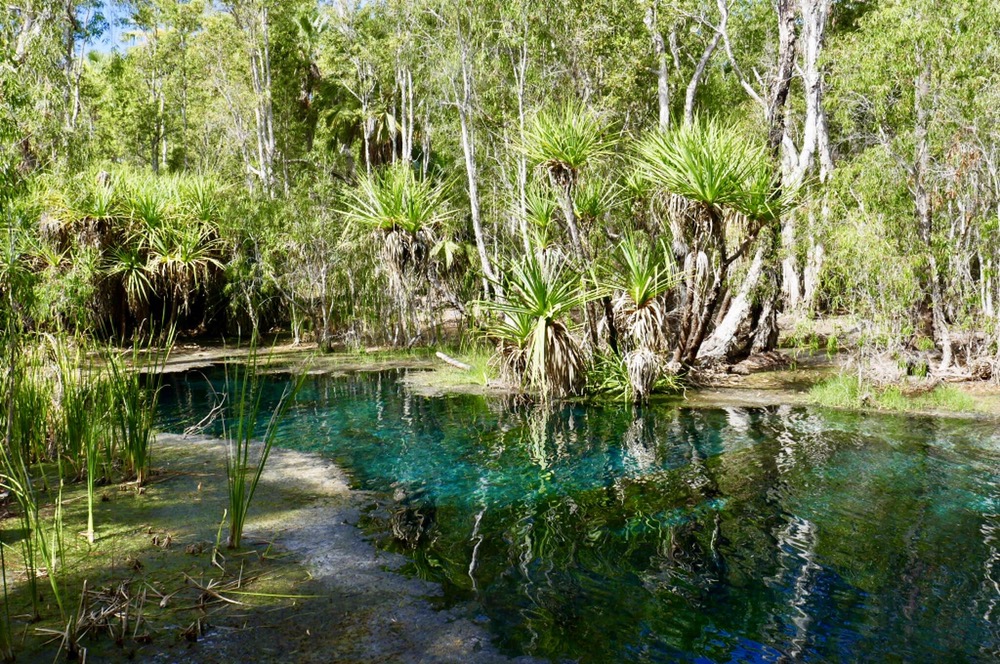
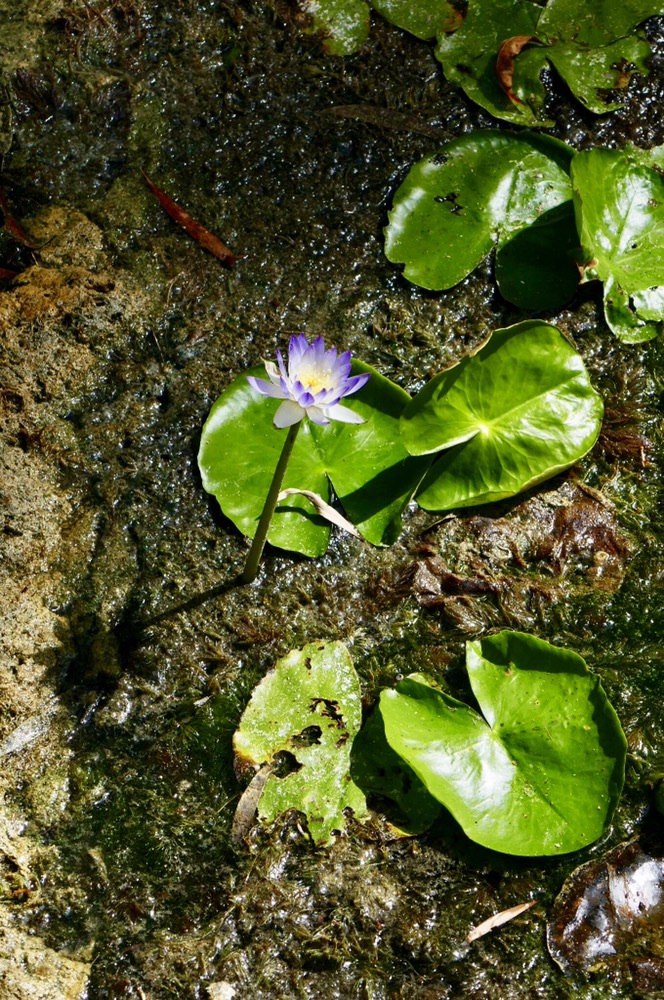
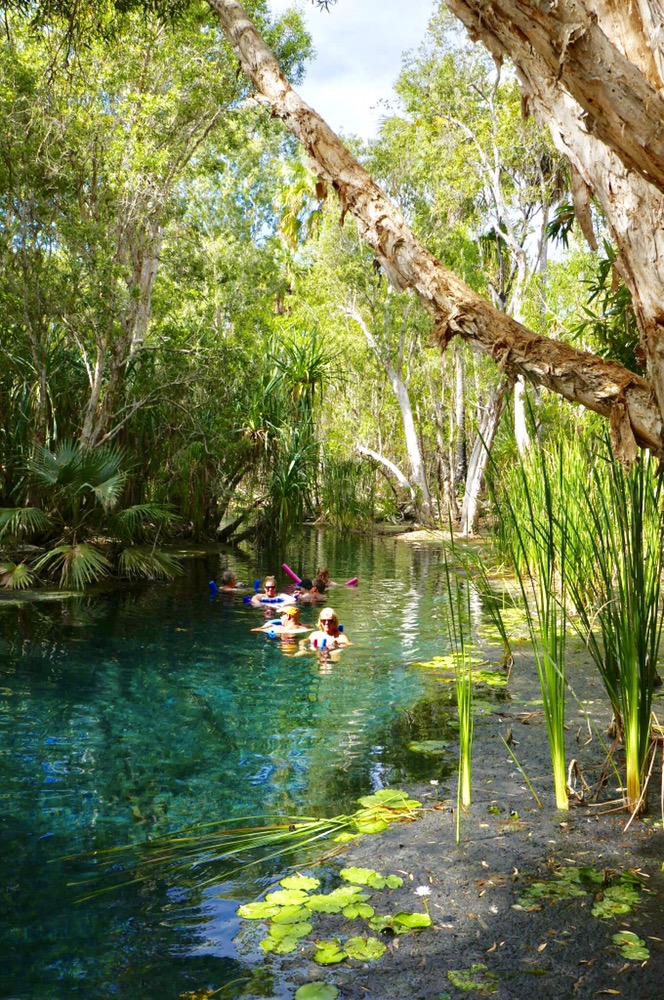
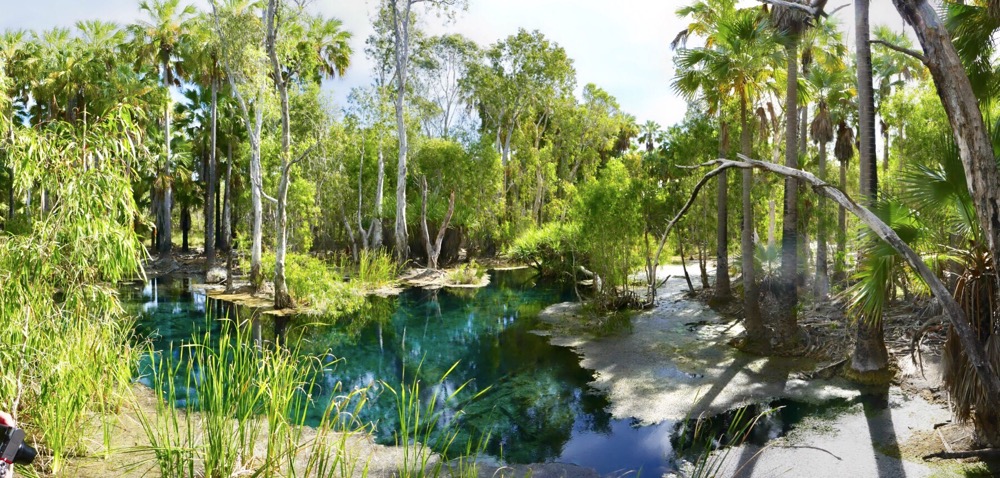
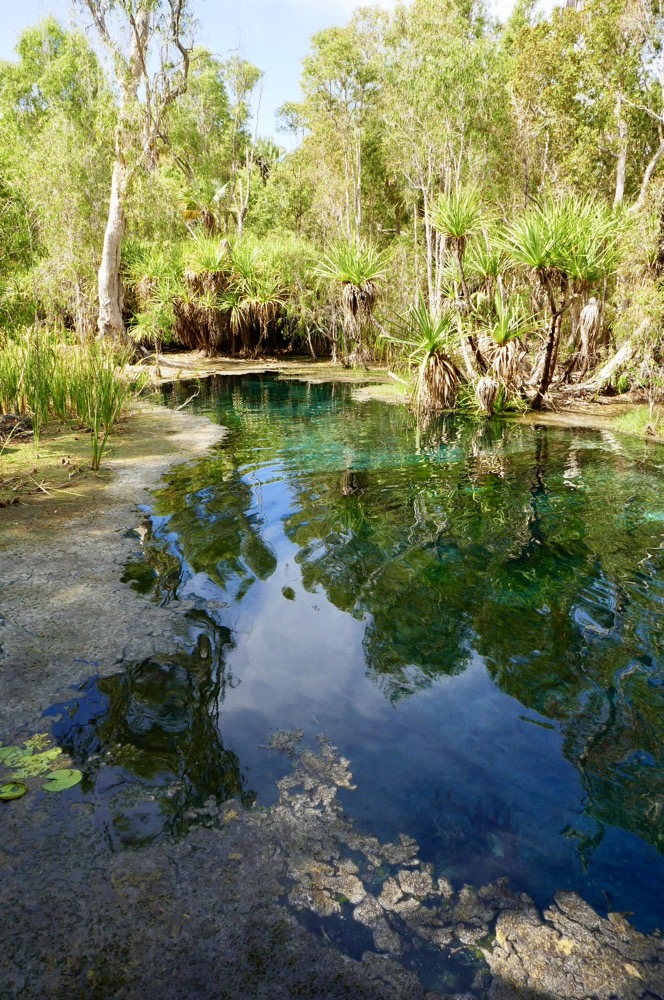
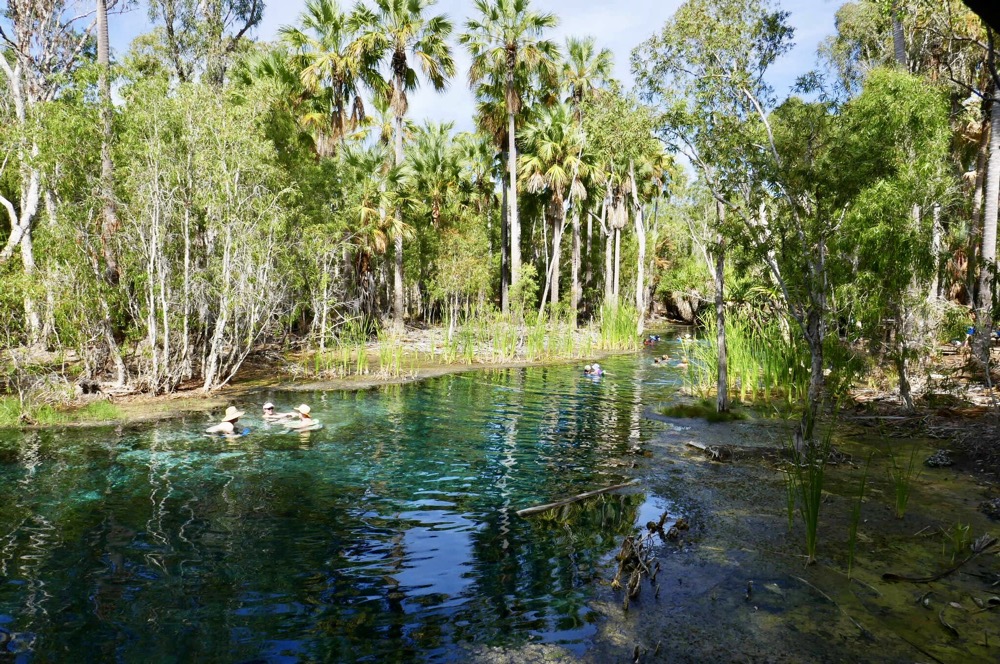
This weekend is a long weekend. Monday is Picnic day a holiday throughout the Northern Territory. We have been in Elliott this week and the prospect of a three day break whet our appetite for a drive north. Daly Waters is interesting, has a terrific pub but we set our sights a bit further north. It’s three hundred kilometres from Elliot to Mataranka. We left on Saturday morning and arrived there at lunchtime. We had lunch at a cafe before driving along Martins Road to the Territory Manor Caravan Park. There is motel style accommodation as well as powered and unpowered sites. The sites are spacious, the staff friendly and the meals are generous and delicious. After setting up camp, we unhitched the camper and then drove to Bitter Springs. This is about two kilometres from the park. There is an ample parking area, and a short walk beneath palm trees to the springs. These springs are not bitter at all, they are fresh water and flow at a prodigious rate. They are the headwaters of the Roper river which Belgians here and empties at the gulf of Carpentaria. There are railed steps down to the water, and the water is beautifully clean, it’s an iridescent green reflecting the abundant truth ferns and palms on the edge of the water. Lots of people are floating around, and many paddle along with the current downstream to exit about fifty meters away. You float past palms and forest, rushes and lilies in the Water. Fresh water crocodiles can swim here, but there none today. Further downstream, in the proper river, big salt water crocs make swimming far to dangerous. It’s a very pleasant spot indeed.
We went back to our campsite, drifted over to the restaurant for happy hour and stayed for a pizza. There was a country and western singer, who was not too bad or too loud, which is fine. In the rafters above us a beautiful little bird was bustling around, a blue faced honey eater. Apparently it’s common in top end but I’ve never seen one before. Other birds bullied each other around our campsite, grey butcher birds. Parrots tumbled around the sky at low altitude narrowly missing trees and shrubs.
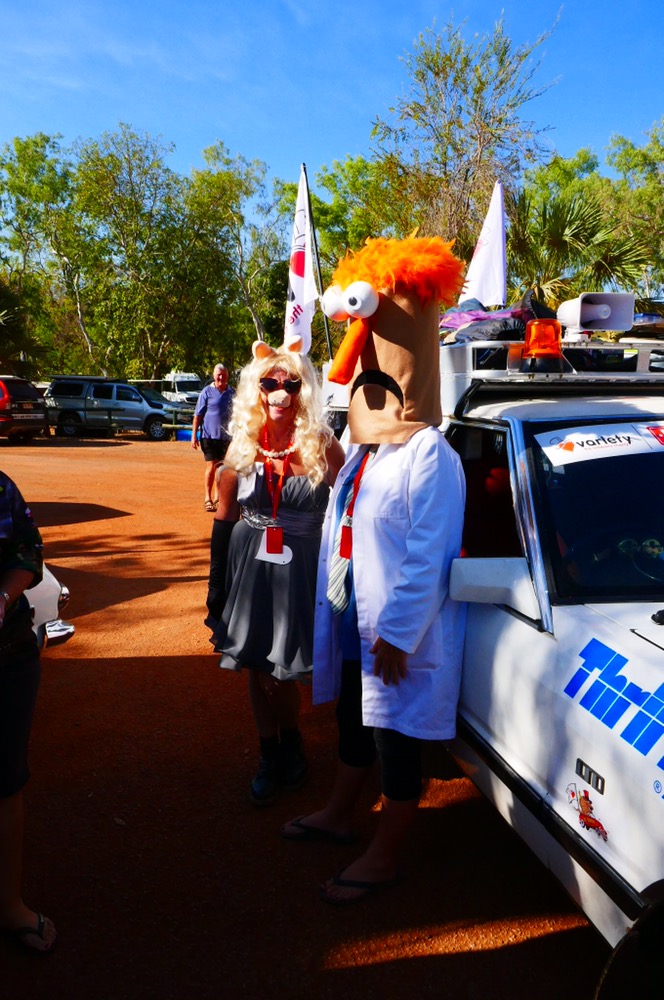
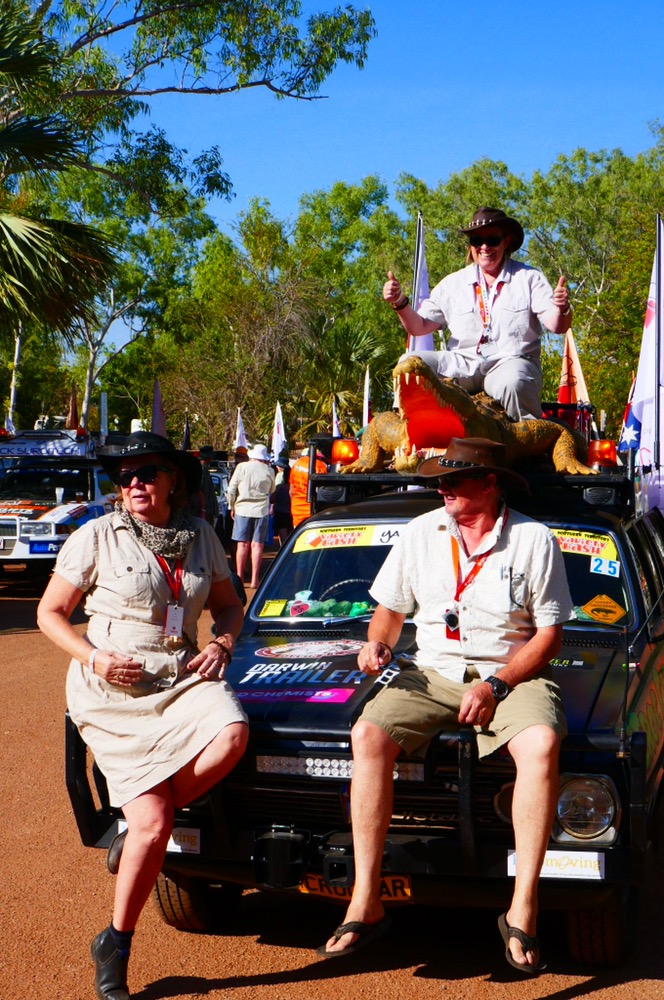
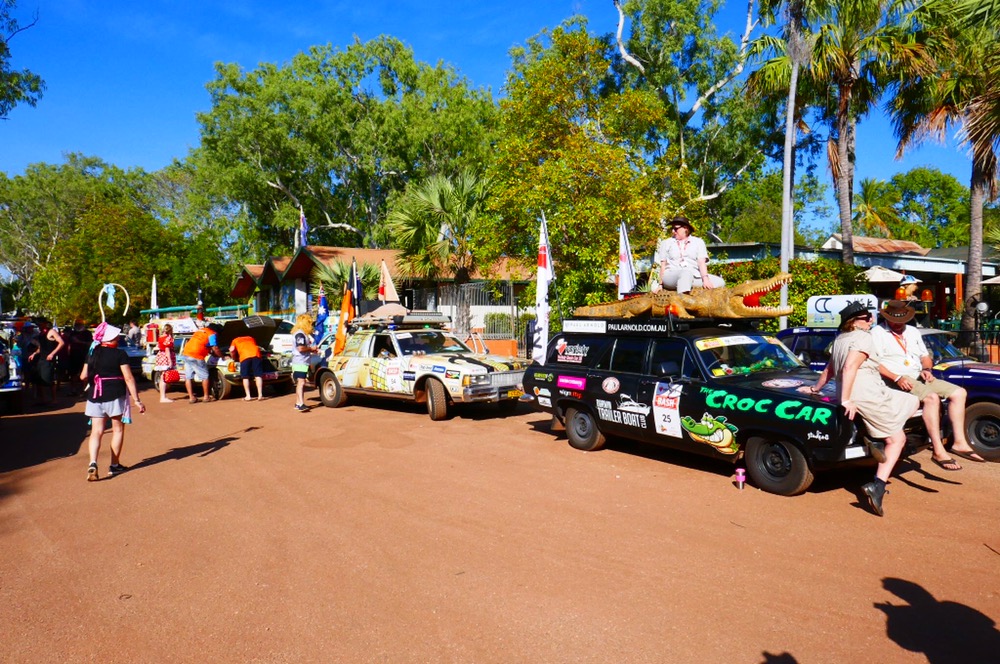
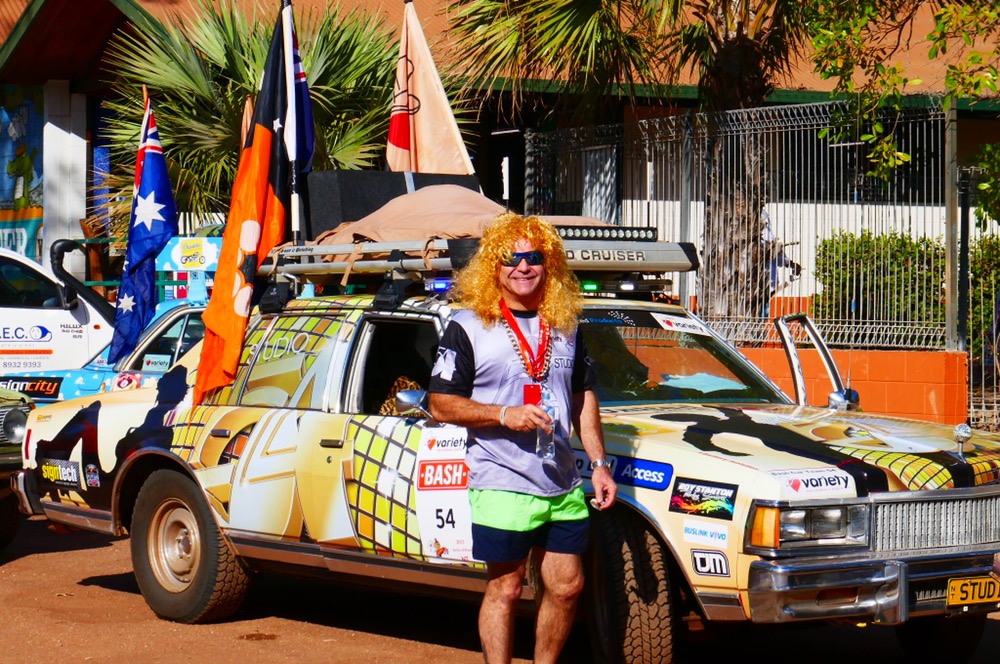
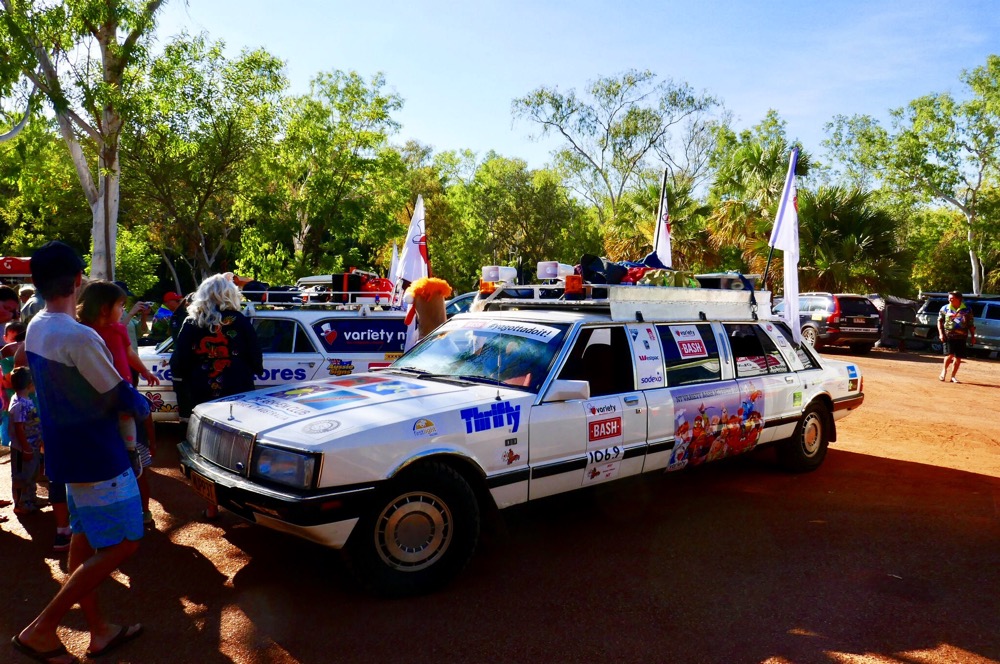
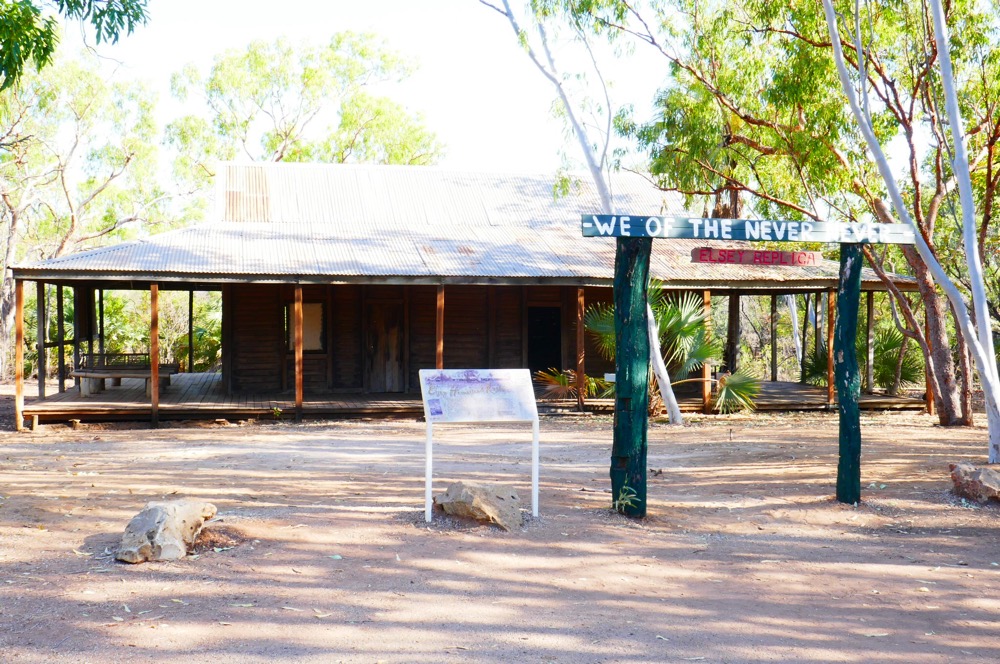
On Saturday morning, we drove to the Thermal Springs. These are quite famous. We parked the car next to Mataranka Homestead and Pub. Beside the car park is the recreation of the Esley Homestead built for the film “ we of the never never”. Yes, Jeannie Gunn, author of this famous Australian novel lived here before moving south after the death of her husband who is buried at Esley cemetery. The timber building is a pretty accurate reconstruction of the original Homestead. Inside there is old furniture, clothes, and kitchen paraphernalia. It’s very interesting and inspired both of us to have a go at reading her book. Then we skirted the current hotel, and there were some very off people about. People were dressed in all sorts of outlandish garb. Their cars were decorated with toys, or crocodiles. Yes, we had stumbled into the Variety clubs annual drive. They were visiting many towns in the NT. They raise money for schools and clinics. Jennifer and I tools lots of photos of people with their cars. 🚗🚐🚙
Then at last we walked down to the springs. These are beautifully warm, I could feel any aches and pains just melting away. The springs here are not as attractive or as large as Bitter Springs, there is no Disney like paddle beneath the foliage. It’s just a splash about and out again. After we dried off we walked to Steves Hole, a widening of the river to form a Waterhole. It’s about a one kilometre walk along a sandy trail. Very beautiful. By now it was nearly 10:30 so we had to get back to our campsite. Max and Lyndal Rawlings were driving down from Katherine to have lunch with us. We had club sandwiches or BLTs with lots of juicy crisp chips. All washed down with Grey Nomad Sauvignon Blanc.
After a long lunch and lots of talking about our experiences, they’re in Katherine and us in the centre. We faced similar problems in teaching and health. The same issues of lack of engagement and lack long term commitment to school or dealing with a health problem. So much of what we think is really important, being punctual, long term study, and so on, are just not shared by most of our clients. We discussed some books which might help us. In particular, “ When warriors lie down and die” which is about the miscommunication between whites and blacks and more importantly what to do about it. It’s now on my reading list.
We then drove to Bitter Springs. While Jennifer and Lyndal went for a swim, Max and I did a photo walk on the 500 meter circuit of the springs. The water is so beautiful and clean, the plants so beautiful. Max took some terrific photos with his new camera, a Nikon D700 ( I’m drooling over it). They really capture the light glinting on the water. I had a quick swim before drying off, and meeting everyone else back at the cars. We said good bye to our friends. It had been a wonderful afternoon. We had a quiet evening, sitting down at the campsite, m splaying the guitar and Jennifer cooking up yummy lamb cutlets.
This morning, we faced the 300 kilometre drive back to Elliott but still made time for a short walk. The Botannical walk. This pretty walk goes down to the stream, and there are palms and trees nestled by the water. Jennifer took a super photo of an orb spider, suspended in the middle of its web.
We drove back, stopping for lunch at Daly Waters and then a short investigation of Marlinja, to explore Jones Store and the old Hotel. These relics of the droving world are fascinating. There are many photos and notes about the people and events of this area.
Now a few facts about Mataranka. The first white man in this area was Ludwig Leichhardt in 1848, but he vanished and was never heard of again. Augustus Gregory arrived in 1856, and it was he that named Esley creek. The springs provide warm water but it’s not due to volcanic hot spots as in New Zealand but simply due to water bubbling up from deep in the earth where it’s naturally a lot warmer. Limestone deposited a hundred million years ago, when all of northern and central Australia was sea and for millions of years all the dead microscopic animals floated down to the bottom, in layer, after layer. Now water bubbles through this huge strata, over hundreds of years, after descending as rain as far away as the Barkly. The water emerges at last at the Springs for us to enjoy.






Elliott : a history guide for new arrivals
Elliott is a town on an ancient land, the Pre Cambrian Shield, this vast stable platform has meant that relatively little geological change has taken place compared to most other places on Earth. There have been three seperate seas, their sediment is the basis of the sandstone of the Ahburton Range that divides the Barkly Tablelands on the east from the Tanami to the west of the highway. The soils are generally very old, and infertile except for parts of the Barkly, where the ongoing pastoral heritage relies on those richer soils deposited from the retreating ancient seas.
Aboriginal people have been here since the Dreamtime, surviving on the native bush foods available. The spirit ancestors gave them rights and responsibilities for this region, over which they moved with little envonmental impact, farming the bush, studying the game hereabouts, and learning the stories of place and of lore. Newcastle creek and it’s headwaters are the country of the Jingili people. Nearby live the Wambaya, Yangman, Mangarrayi, Mudbara, Gurindji, Warlpiri, Warlmanpa, and Warramungu. Lake Woods and Woods Waterhole, were places of refuge in this dry land as well as the venue for meetings and ceremonies between the mobs.
The first white man to visit the location of the future Elliott was John McDouall Stuart in 1861. It was not his first time in the future Northern Territory ( of South Australia), in 1860, he was forced back after a battle with local Aboriginals at Attack creek, that’s about 200km south of Elliott today. His third trip north was not to discover new pastoral areas but rather to establish a feasible route for the Overland Telegraph planned from Adelaide to northern Australia, which would then join the undersea cable crossing the Indian Ocean. It was Stuart who named Newcastle Waters after the Duke Of Newcastle, the Colonial Secretary in far off London. And it was here at Newcastle Waters, only 30 kilometres from Eliott that he turned south again, after four fruitless and exhausting trips north east and north west. On his return to Adelaide he learned that Burke and Wills had failed to return from their expedition. So. He began his fourth and final, and ultimately successful trip north. This time he discovered the waterholes that allowed his horses and men to get to Daly Waters from Newcastle Waters, then on to Mary River and then the sea.
The rough route beside the new Telegraph line ( 1870-1872) was called “ The Track” and it guided men north, to look for gold, move stock, and then allowed entrepreneurs to set up pastoral leases along its length. In 1883, Newcastle Waters Station had its beginnings. Now Stuart had linked north and south, but little was known of the lands to the west and east of Newcastle Waters. The explorers Ernest Favenc and Nat Buchanan, rode into the Barkly and Tanami respectively. The Tanami was unsuitable for pastoralists but the Barkly was a possibility. Spin doctors of the time published glowing reports of this country. The Telegraph station at Powell Creek, 60 kilometres south of Elliott, was the connection to the world for this area.
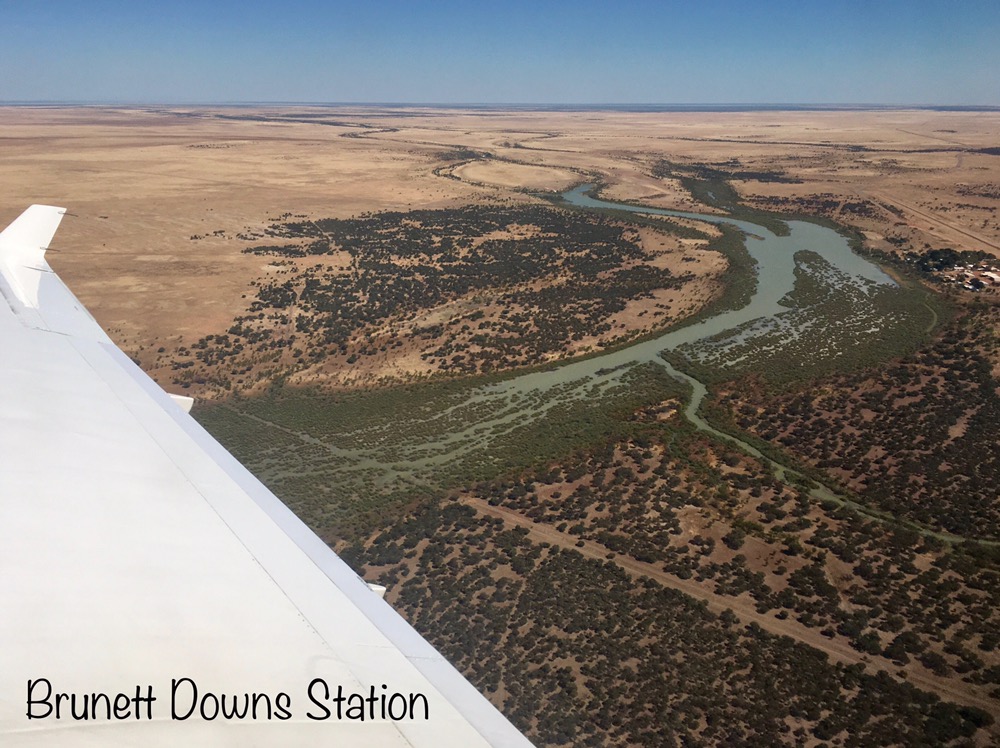
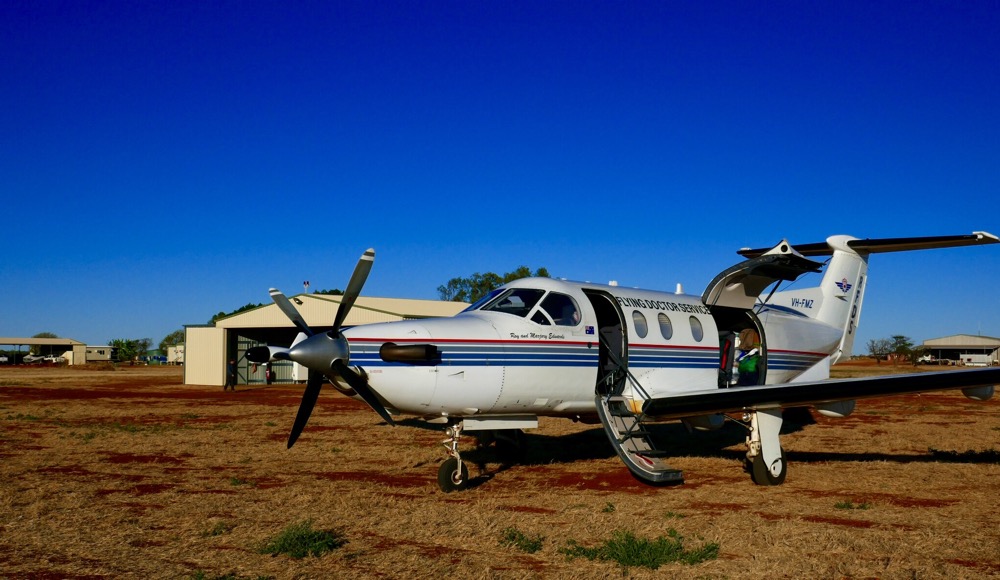
Overlanders regularly began moving stock, sheep and cattle, north using the reliable water holes of this area for their animals. Even though most were just passing through, there was still early conflict and deaths on both sides. But by 1885, Not only Newcastle Waters, but Brunette, Alexandria, Walhallow and Eva Downs stations were all established in the Barkly Tablelands. All of them still exist today, and you may visit them if you do the Barkly Run, our air plane ( RFDS) based clinics run about monthly.
Eliott is famous for being at the junction of two of the most famous stock routes, the Murranji track from the northwest , and the Barkly track which takes off just south of Elliott. Then as now, it was the availability of water which permitted a station to be established and allowed stock to travel thousands of kilometres. These routes were often desperate affairs, with scurvy and disease, death from injury, and dehydration. The Murranji track was the most brutal of all Australian stock routes, with waterless intervals of up to 115 miles! There is a terrific book on this track by Darrell Lewis that is well worth reading. Many Aboriginal men became legends on these stock routes, and their descendants still live in the Elliott community.
Newcastle Waters became the hub for many great stock routes and was a community long before Elliot or indeed even before the Stuart Highway (1943) was built. You can drive out to see the old buildings at Marlinja ( the settlement adjacent to Newcastle Waters station) and walk through the old pub ( Jones Hotel). Don’t forget to check out the old petrol station and houses. It’s a fascinating study but the town withered and died as a commercial hub with the foundation of Elliott 35 kilometres south. The station still exists as does a small Aboriginal community called Marlinja.
In 1940, War had come to Australia, Darwin was bombed, Japanese soldiers had captured the impregnable Singapore, and were moving south at a blistering speed. It was a military imperative that Darwin with its access to Indonesia, New Guinea and South East Asia, be accessible not just only by water (a route too vulnerable to submarines and air attack) but by land. A highway was needed. The main roads only went to Alice Springs from Southern Australia. American Engineers built a Northern road in a matter of months. It was described as having an “all weather “ surface. Now there was access north but towns were needed along the way. Then in 1942, it rained, and rained, the “ all weather Road” was now 1500 kilometres of impassable quagmire. The road had to be sealed properly. By October 1943, the road was indeed sealed and all the way from Alice Springs to Darwin. Goods and personnel could be moved by rail to the Alice then to Larimah ( the nearest railhead) , then by truck from there, all the way to Darwin. Convoys of troops and supplies all stopped at Elliott. Every effort was made to make it a comfortable stop off. Soldiers could visit a cinema, go for a swim at Woods Waterhole, enjoy fresh meats and vegetables grown in Elliott or from one of the huge vegetable and fruit gardens established along the Stuart. Actually, it was not called Elliott then, it was called Number 8 bore.
In 1941, Lord Gowrie, the Governor General at the time, was so impressed with the courtesies extended to him and indeed all the soldiers who stayed at number 8 bore by Captain Robert Elliott, that he decided the camp be called Elliott after his host. Captain Robert ( Snow) Elliott ran the camp for the war years and later was involved in rehabilitating returning prisoners of war. He gained a MBE for his efforts as early as 1942. He died tragically only a few years later.
Elliott had the Highway, the facilities, and it was inevitable the township at Newcastle Waters suffered. The drovers were gone by the 1950s, the stock routes now were rarely used as fast road transports ( 1949) thundered along the roads to the eastern markets. They no longer needed a pub at Newcastle Waters. Elliott had businesses and hotels for the passing trade, and to service the the many stations located “near” the town before reliable air travel.
In the first of May, 1966 things suddenly all changed. 19 Aboriginal workers on Newcastle Waters went on strike over pay and conditions, it was the first of the “ walk offs” that took place all over central and northern Australia. A hundred Aboriginal people moved onto land adjacent to Elliott, and set up camp. Wave hill is the most famous walk off but Newcastle Waters was the very first. Other Aboriginal people from seven other stations joined the original settlers in the camps. North camp and later South Camp were here to stay. Diverse tribes were thrown together by circumstance into camps and western style houses. Tribes that had rarely worked or lived together now had to do so, and it’s not always been easy.
Until 1966 for the previous eighty years, stock had run wild, and it was Aboriginal musterers who gathered them together before passing them onto drovers. The musterers lived man and boy at the stations, and their families and dependents formed camps on the outskirts of the stations. Living conditions are described by present day historians as “appalling”. They scavenged offal for food, money was merely credit in the stations store and by the end of the year, there was nothing left. Even industrial awards as late as 1953 permitted lower rates of pay to an Aboriginal worker and many were not paid at all. An outcry from southern unions, lead to an epic decision to make equal pay for equal work, binding on all employers even the station owners. Then what set off the strike was that under pressure, the court ruled that the law would not come into affect for nearly three more years. Australia had to wake up to its somnolent racism in the 1960s and Elliott was a flashpoint.
This is merely the background of Elliott. I have used a beautifully presented book called “ the middle of everywhere” by Peter and Sheila Forrest which I can recommend. Another fine book is “Jones Store” written by a descendent of the hotels founder, his grandson, Peter Jones. This fine hardback book is all about the settlement at and around Newcastle Waters.
Have a walk around while you here, and see the relics and memorials of WW2, visit the Golf course, and relax in the park. It’s a place with ongoing challenges surrounding work, education and health and is not immune to any of the problems affecting Australia including drugs, domestic violence and alcohol abuse but on the other hand you will meet many wonderful people here with generous smiles and abundant kindness. I’m sure you will enjoy your stay.

Central Australia Road Trip number 11 Tara and Wilora
It was Wednesday afternoon. Three of us had spent the day at a remote clinic seeing patients, checking their blood pressures, reviewing any medications, discussing the implications of pathology results with them, and exhorting most of them to eat properly and exercise. Meeting some terrific local people from the community. I even met a few locals who had taken medical advice onboard and had really improved their health parameters. They had lost a lot of weight and improved their diabetes by eating Aboriginal style; plenty of bush tucker, going out into the bush to gather it and avoiding the soft drinks and take aways. Health Parameters are sorts of KPIs ( key performance indicators) doctors use to get a handle on the risk for a patient. HBA1c readings are useful in determining not only the presence of Diabetes but gives a good idea of the average blood sugar over a few months. The simple premise is the higher this reading, the “worse” the diabetes, and generally a persistently high reading despite prescribed medication means a person is not taking their tablets or having their insulin. It’s pretty obvious when a person is taking their treatment which of course includes not just medication but; eating sensibly, avoiding Coke, and exercising more; then HBA1c is suddenly ( well over three months) lower.
( For the medical readers among you, a drop from HBA1c from 14 to 11 is pretty impressive over three months. For non medical readers, 11 is still way too high. It needs to be at least 7. )
At 3:30pm the Nurse took a phone call in her office. She was told that there had been a case of domestic violence a short time ago. The police had already been informed by the local school mistress, which saved us a call. A woman had been struck and might have a broken arm. I saw her only a few minutes later. My first view of her was her walking calmly along the red dusty road from the school, she was flanked by the nurse and our Aboriginal Health Worker. Her grown up son had struck her with an iron bar. She had tried to protect herself, by holding up her arm. Her ulna was fractured, possibly shattered. She would not talk about why her son had attacked her. After the attack she had fled to the local school where the school teacher would protect her. In the meantime, the son left, driven off with some friends to another community. With the help of the nurse, I organised pain relief and bandaging and we transferred her to another larger clinic, and then by air to Alice Springs by RFDS. She will need plating or at least a plaster for several weeks.
Early on in my remote work, actually it was my first clinical day. I entered the Resuscitation room of a remote clinic. An Aboriginal women lay propped up on the trolley, her hair matted with clotted blood. Her blood pressure and pulse were abnormal, early shock due to blood loss. She needed 2 litres of fluid IV. She too was a victim of domestic violence. She had been sitting in the back seat of the commodore as her husband and brother in law sat together in the front. They had been driving back from Alice Springs when the husband took exception to something she said. Now, he was drunk and she was drunk, and in fact no one in that car was functioning at 100 percent. Still this could never excuse what he did, shattering a beer bottle and jamming it into her head. There was torrential bleeding from the scalp. Its a part of the body with a huge blood flow and lacerations here can be lethal without being all that deep.
These are the most florid examples of violence I have personally been exposed too. There are other aspects of violence in communities that are intolerable particularly surrounding the neglect and abuse of children. Child protection is a very busy service! In one remote community we know of, mothers and grandmothers commonly bring their daughters into the local clinic requesting Implanons ( long term contraceptive device implanted under the skin of the arm) for their youngsters.
As in big cities and towns, some areas are functioning well as communities and some are just not. I see young Aboriginal kids with their white foster parents playing in Todd Mall and realise these could well be the next Stolen Generation. NT Government child protection try their best to keep kids in their own community, often with capable grandparents, but it’s not always possible as there may simply be no functional adults in that child’s wider family. It’s sad that a minority of Aboriginal families are so badly damaged by illicit drugs, child neglect, foetal alcohol syndrome, abuse of alcohol, domestic and inter family feuding and violence, and poor, erratic education. However, It’s important to remember that the communities scattered through Australia are as different in their language and attitudes to women as is Greece to Belgium. Australia in the Aboriginal sense is over a hundred different countries so it’s impossible to make dogmatic statements which apply to everyone. My overall experience is that though the vast majority of kids grow up in loving, supportive families, there is still a significant minority that keep child protection very busy.
However, right here and now many central Australia’s remote Aboriginal kids have to grow up way too fast. In some communities, the situation for girls is dire where sex between older boys and younger girls ( especially 15-19 years) , has contributed to our current Syphilis outbreak and widespread incidence of early pregnancy. The current outbreak, which spans from 2011 to the present, the peak age incidence of new cases spans from 15 -19 years. And children as young as twelve have tested positive for Syphilis. There have been at least three cases of death from congenital Syphilis last time time I heard. It plays with your head, to think, a disease like Syphilis, a disease of the debauched and poor in the Europe of the Fifteenth century, can be inflicted on modern children.
In any case, whatever career or study prospects you may have had as a young woman of thirteen or fourteen, they will be completely trashed by child bearing in these isolated communities. In a major centre maybe you can piece together a life and go forward but in these remote communities with no access to courses or study opportunities, any further education is incredibly difficult. Any Aboriginal girl who is isolated or cannot protect herself is at risk of rape or violence in many communities. But is this so different from a white girl walking in Brunswick or Darlinghurst? The sad fact – Women of any colour are an endangered population wherever they are. It’s tragic that young women of enormous promise, who are intelligent and have potential to be leaders not only in the wider aboriginal community but in any of the professions or as academics, are stymied by pregnancy at too young an age.
Talking about these very personal topics with young aboriginals is incredibly difficult. Their language skills in English and my non existent skills in their language, make sensitive discussions challenging. The brevity of my stays in each community are a problem too. Most young people are very shy, very private. They are culturally reluctant to risk losing face or even worse, causing someone else to lose face. This is why Aboriginal Health Professionals do not criticise white health workers or even question them. They can see the problem alright as not much gets passed them, but they will to their best to avoid confronting the other person.
The power of magic pervades everything, the forces underlining human affairs, including disease, are frequently magical for Aboriginal people. So it’s a big intellectual jump to believe that taking a tablet would alter anything, when the reason you have the disease is due to a curse or upsetting a ghost or spirit. This is where an Aboriginal healer could help. There is a wonderful book about Arrente Medicine by a healer which explains which diseases are spiritual and which diseases are not.

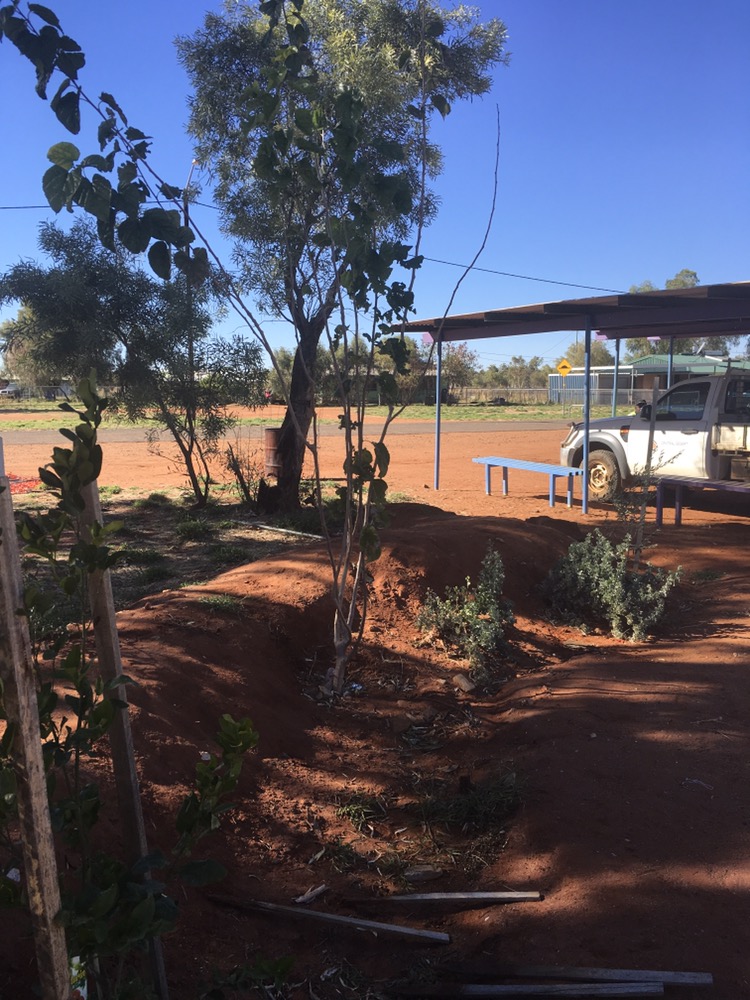
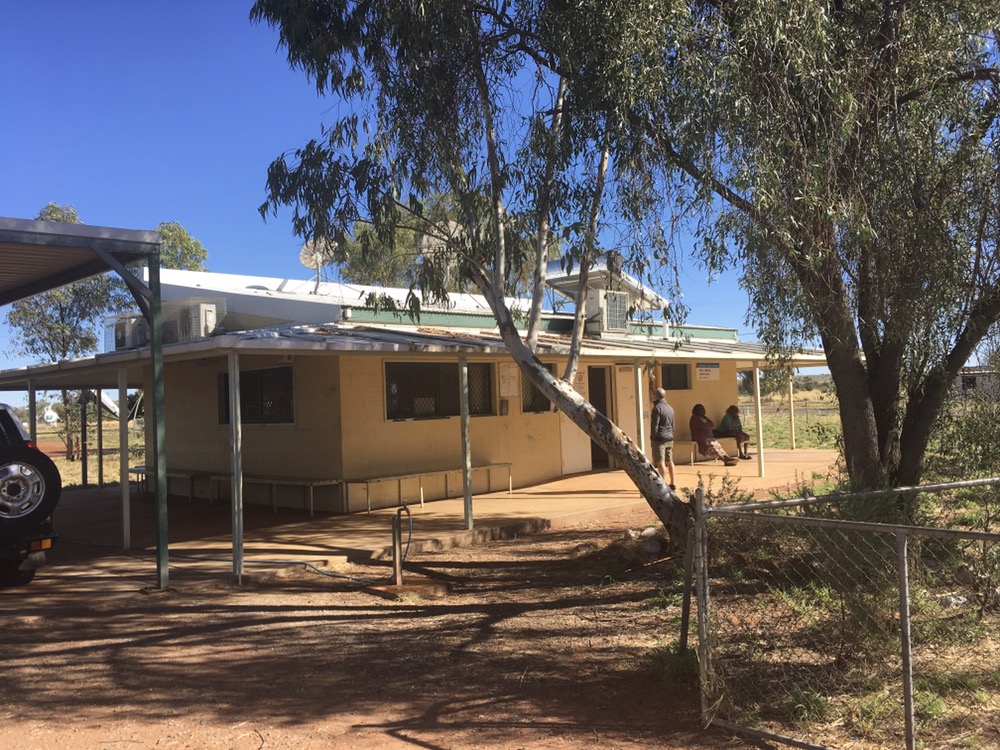
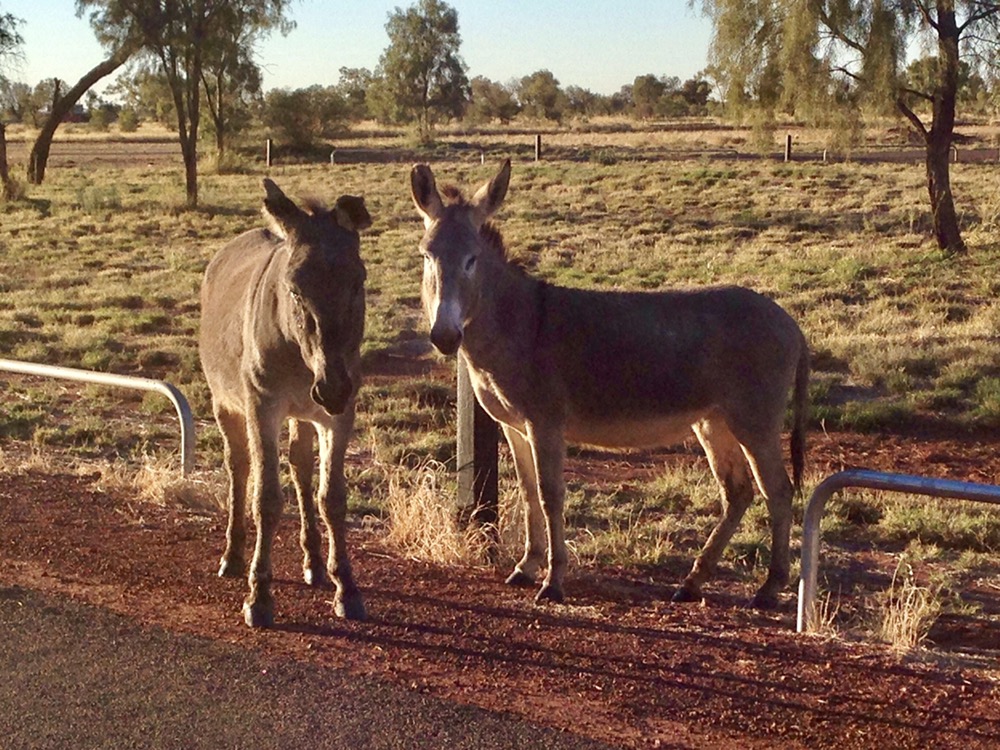
Many Aboriginal people are just so busy with work, family affairs, and cultural requirements like Sorry business, Men’s business, and ceremony like corroboree, that can not only forget their tablets but even forget to collect them at their local clinic. Aboriginal people are wanderers, travelling for weeks or months to other related communities where the local nursing staff won’t necessarily know them or can chase them up for appointments and to give them their medications. It’s frustrating that needed medications are not taken regularly and lifestyle changes are not persisted with. Patients get a bucket of education about why take tablets but there are all the above issues that make compliance difficult to realise. I think part of the answer is establishing a personal connection between carer and patient, that you actually do care about them as people. In every study ever done, the main determiner for compliance with medication and lifestyle prescriptions, is the quality of the relationship between doctor and patient, and compliance has nothing to do with education. It’s a trust thing. As Jennifer and I are seeing patients a few times, we can both see improvements, sometimes phenomenal ones. Real change stems from real relationship, not filling in KPIs.
An Aboriginal clinic worker arrived after me at a clinic. I’d gone in early, made a cup of tea and gone into my office. He did not realise I was there, when he came in, felt the water boiler. It was warm. His first assumption was not that someone else had come in early rather he was alarmed that a spirit creature, a ghost was in the building playing with our domestic appliances.
The gulf between me as a white English speaking doctor and an Aboriginal woman or man, are not just education, wealth, and health but forty thousand plus years of cultural divide, a chasm which extends back into a completely different experience of the world for all of that time. So much of what I value and accept is not necessarily the same for my Aboriginal patients. It does not mean they are wrong or I’m wrong, we are just different. This is something I have to understand and accept if I’m going to be able to help them. It’s an enormous challenge but an exciting one that demands constantly learning about their world.

Central Australia Road trip 10 Palm Valley
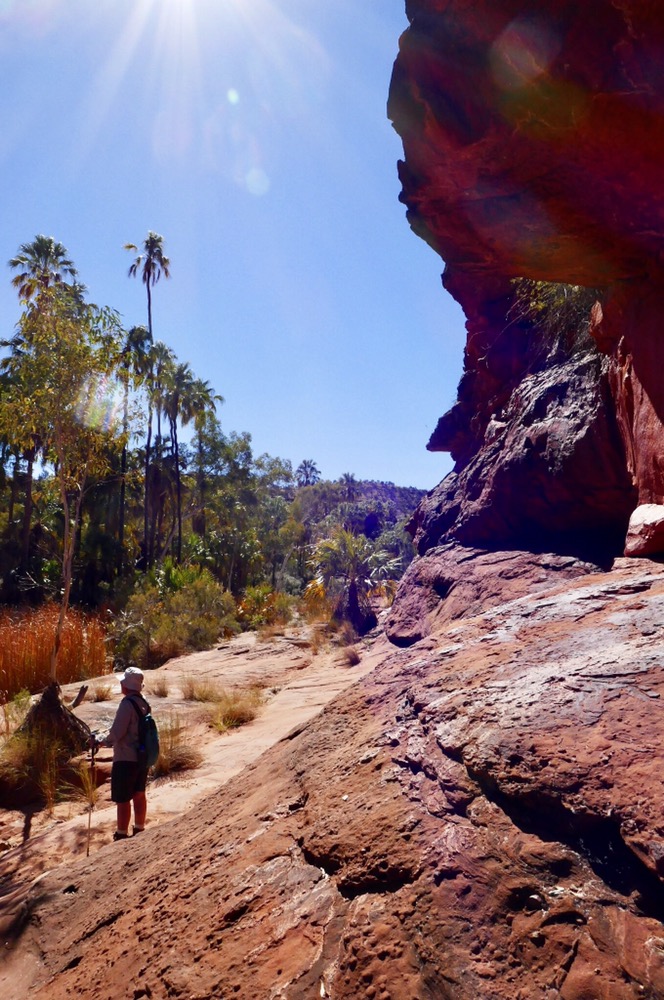
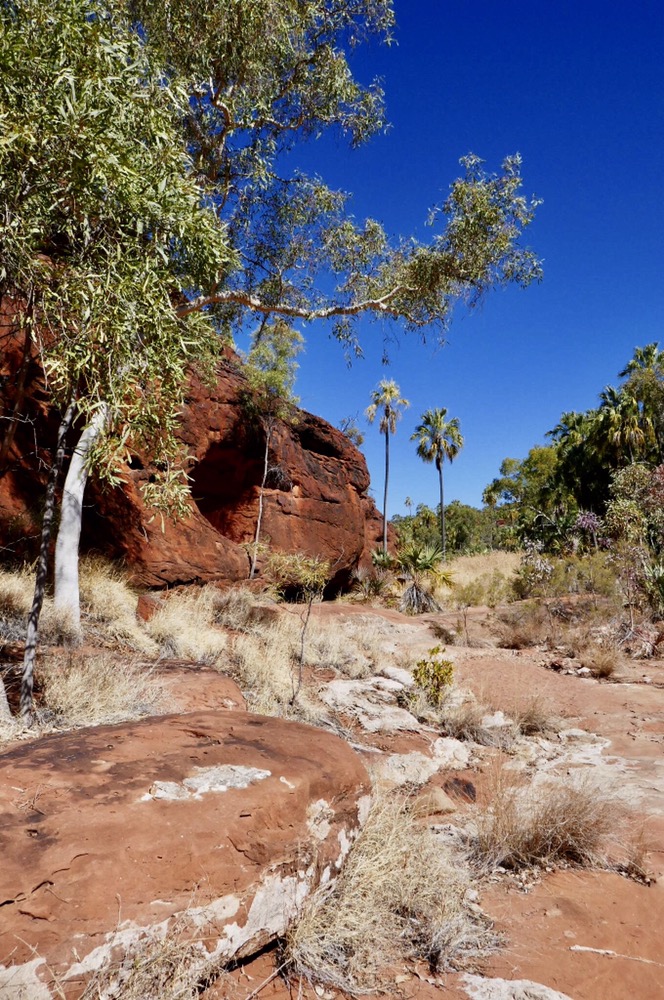
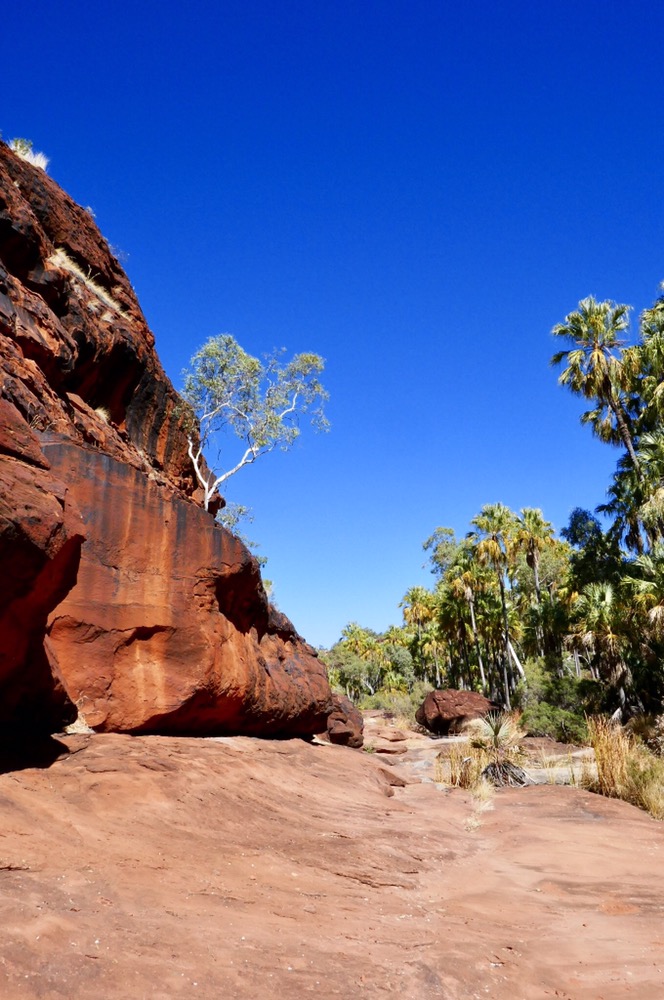
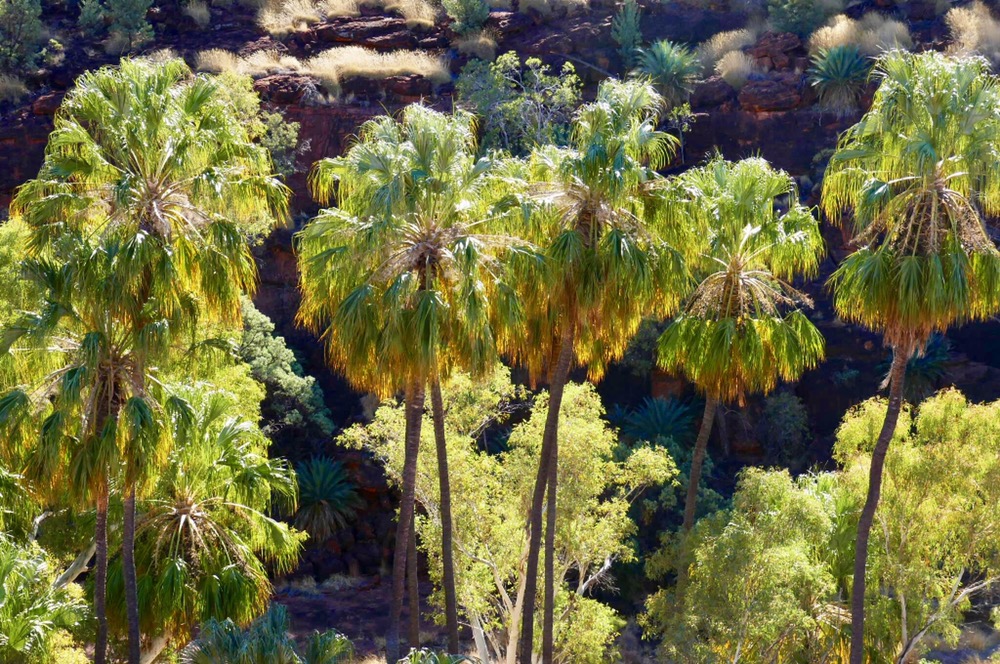
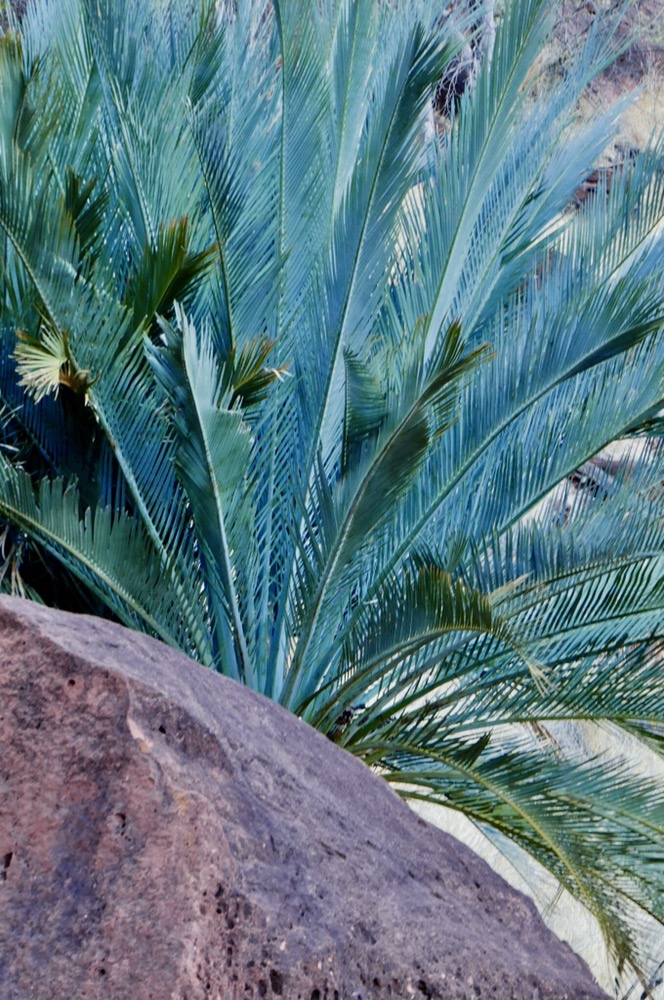
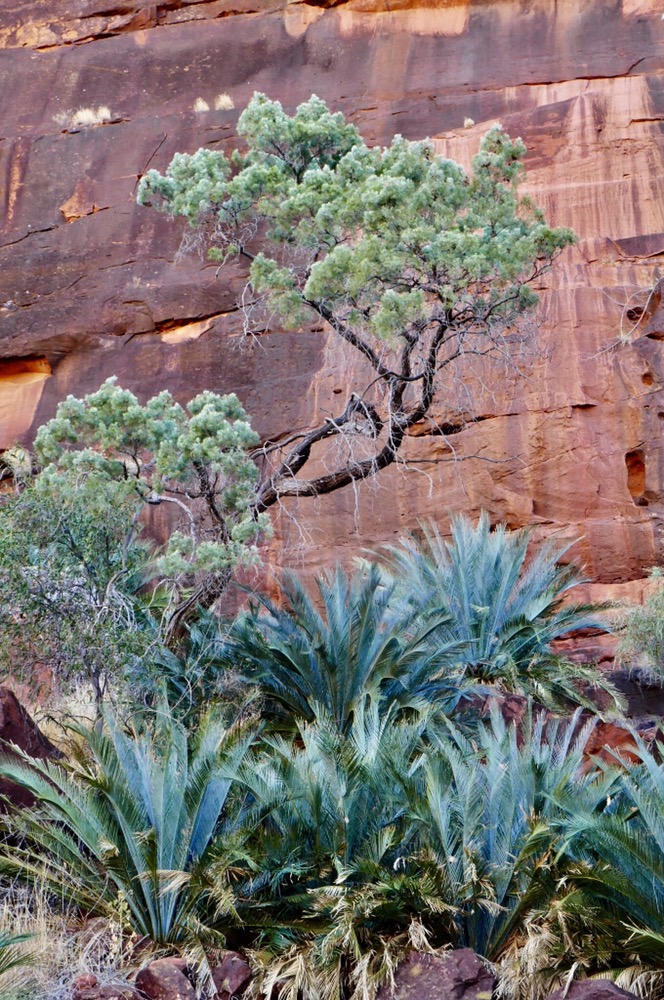
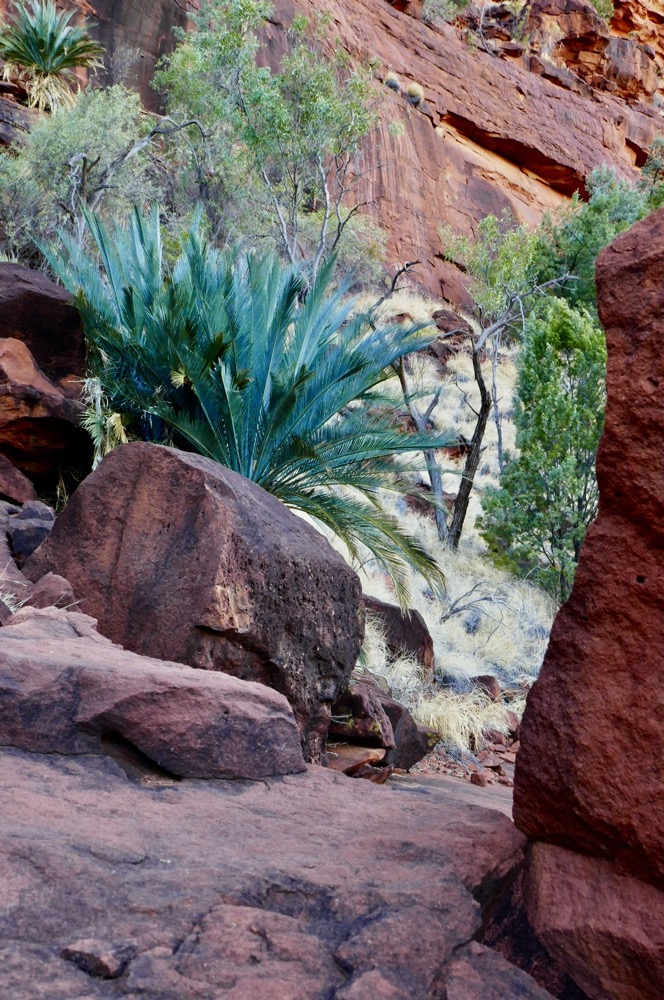
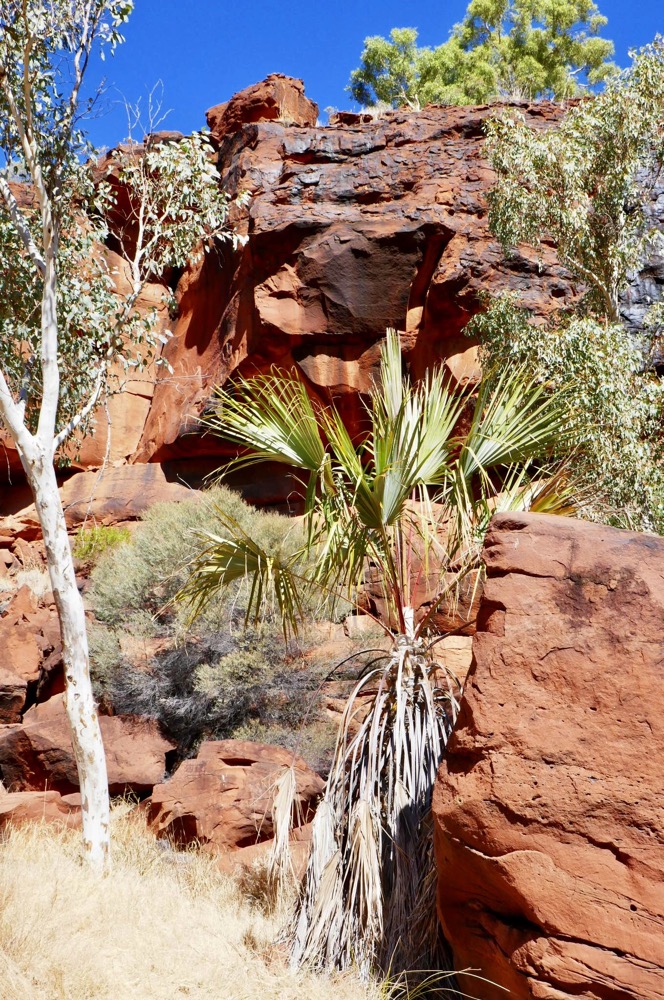
Imagine a primeval landscape, a forest all around you, but the trees are not the eucalypts and flowering plants of today but instead you are painfully brushing away the stiff fronds of brilliant green cycads, while ramrod straight palms tower over you and then suddenly there is the roar of a T REX. If you can picture this, you can pretty well visualise the scenery of Palm Valley.
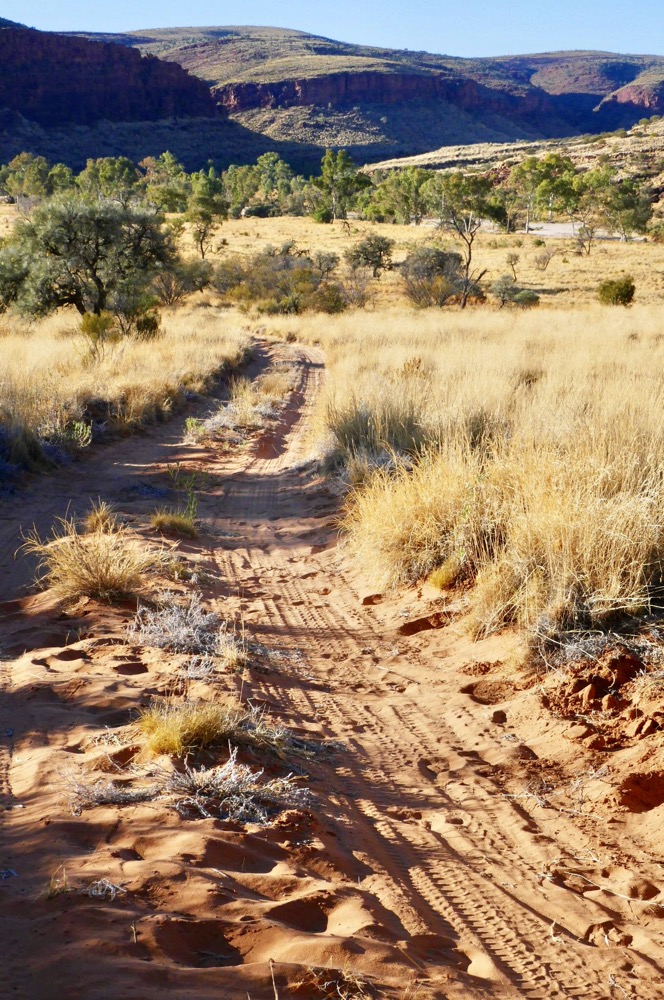
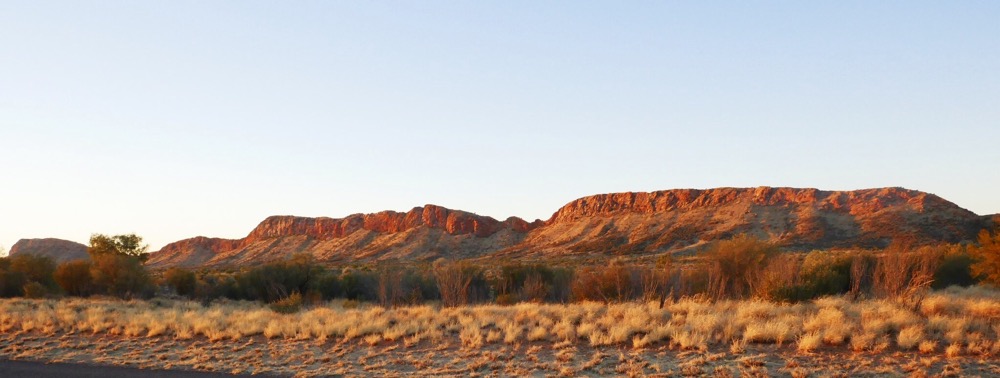
Mark of Sandrifter Safaris collected us at 6:45 this morning from outside our townhouse. The new moon was low in the pre dawn sky. It was chilly as we waited just off the road. Our first stop was on Larapinta drive, just as the sun rose over the gap, and the range before us immediately lit up into brilliant orange. While watching, we all enjoyed munching a fried egg and bacon rolls with some Australia Afternoon tea steaming away in our metal mugs. Yummy. Then we were on our way to Palm Valley. It’s about 120km from Alice and most of the trip is on bitumen but the last bit is a challenging 4WD including climbing over boulders, sand and river beds. There is precious little water around now but the Finke River is still very impressive. Firstly it’s wide, wider than the Sandover. Mmmm perhaps that doesn’t help. At least a 100 meters wide with immense red river gums scattered in the river bed. We cross confidently if not easily tailing briefly in sand before climbing up and out. The Land driver is a terrific car, comfortable, good take off angles, and air suspension which produces a prolonged fart when the car is stopped after a bumpy section.
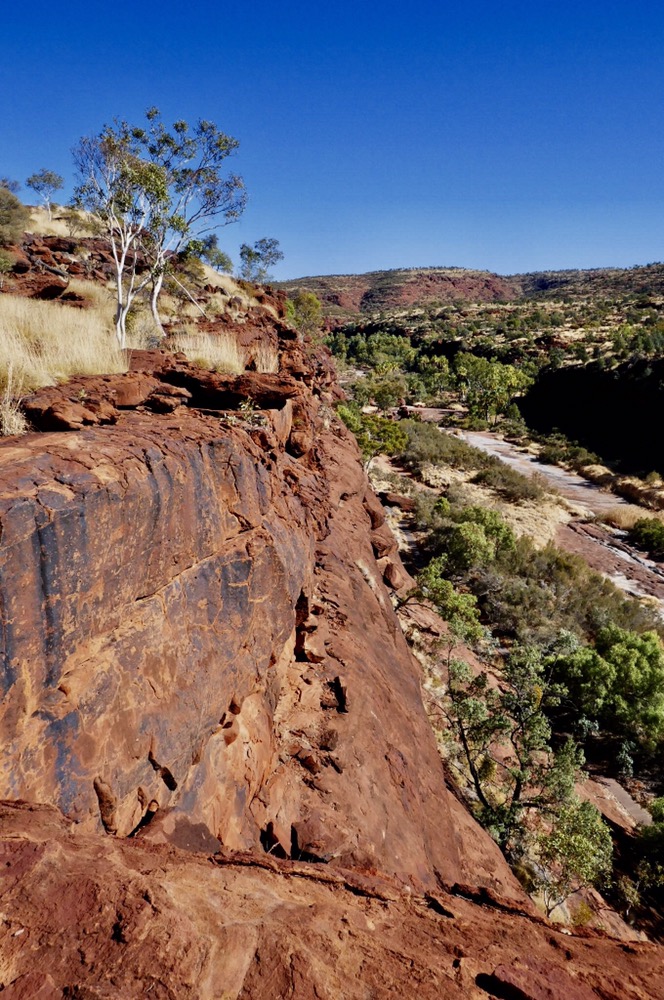
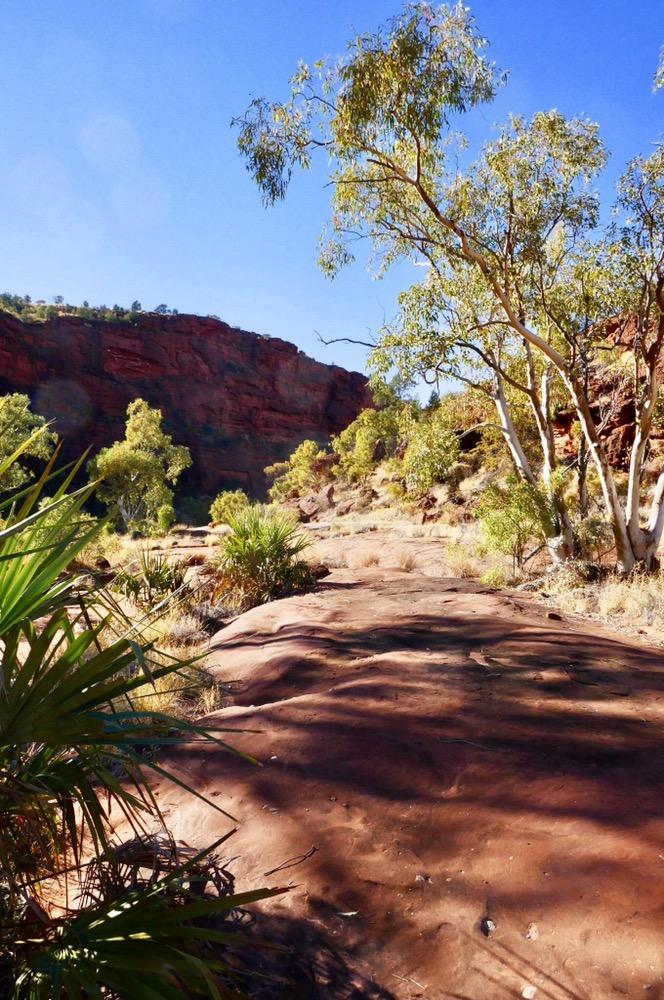
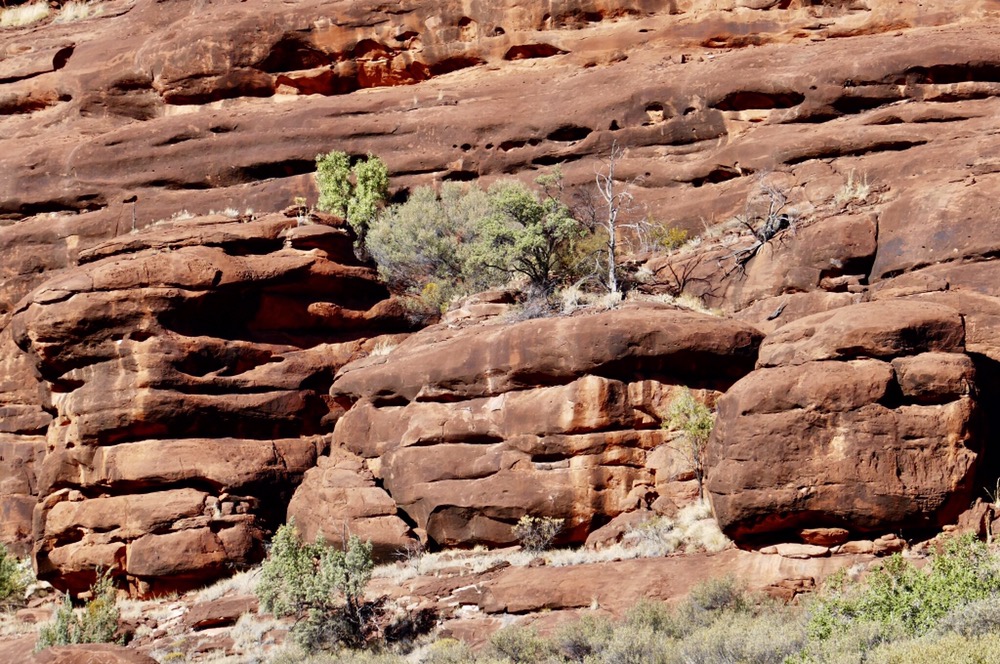
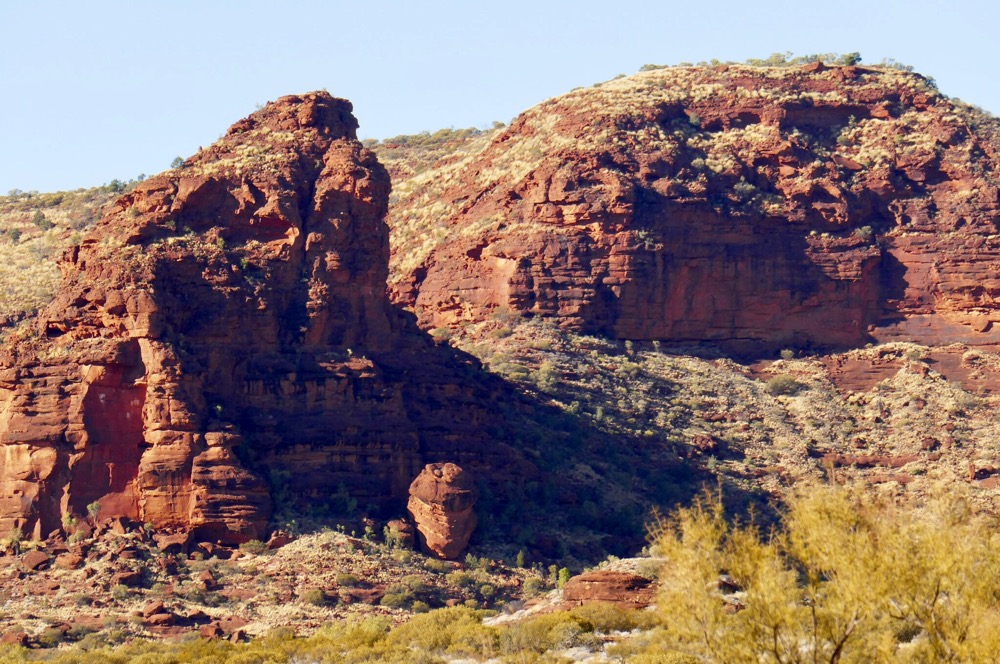
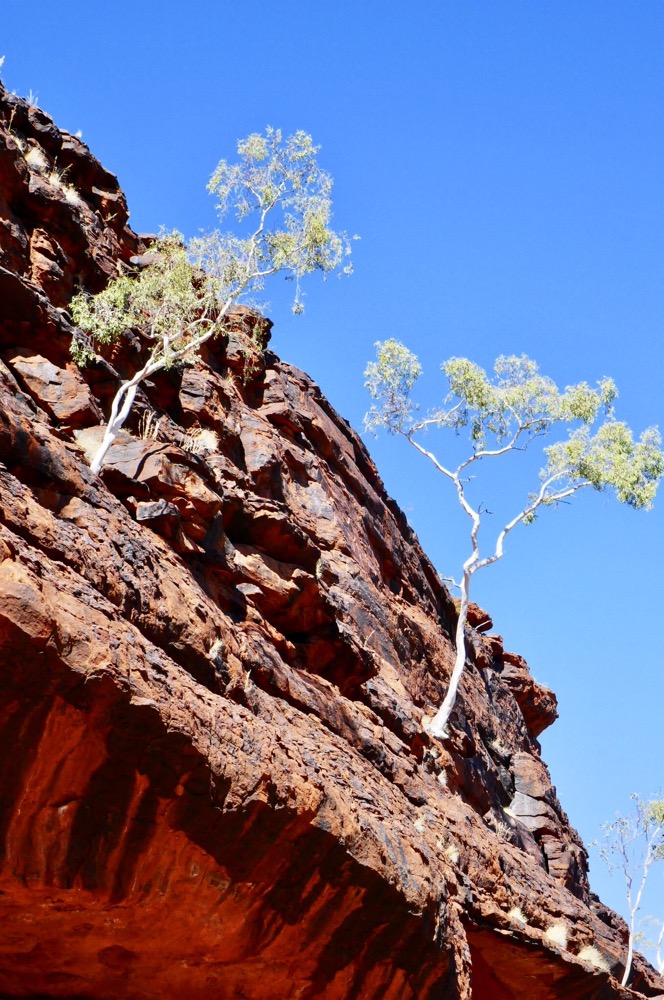
We turn off from the road adjacent to the Finke , now along the road beside Palm Creek. There are some wonderful views to be had and we frequently pulled over to take photographs of the hills and river below us. The creek has carved out the granite, sandstone of this area into weird formations of abrupt stone, they stand stark and orange in the morning light.
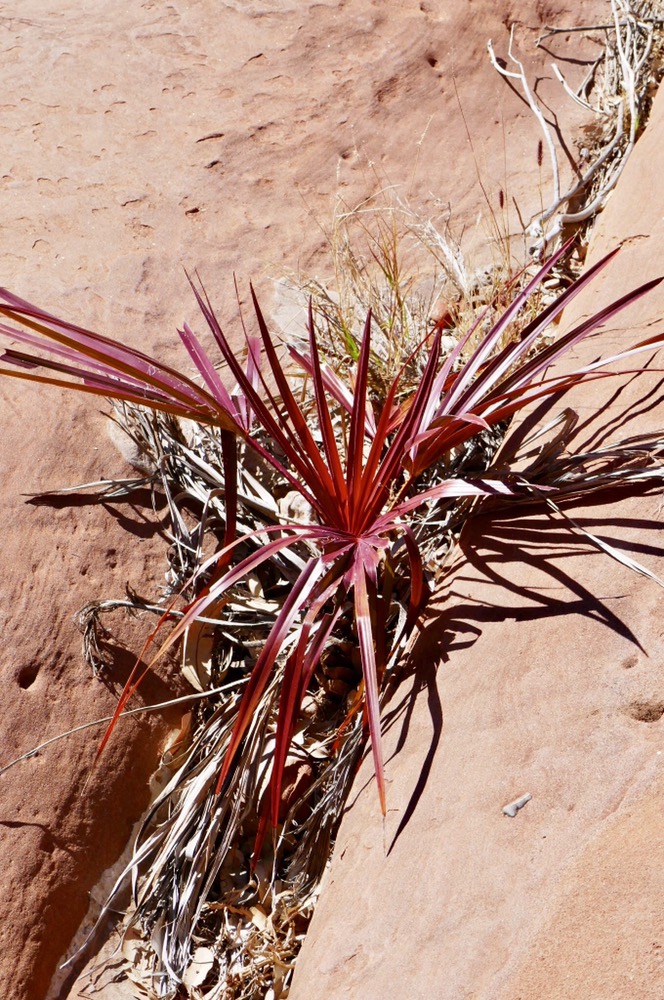
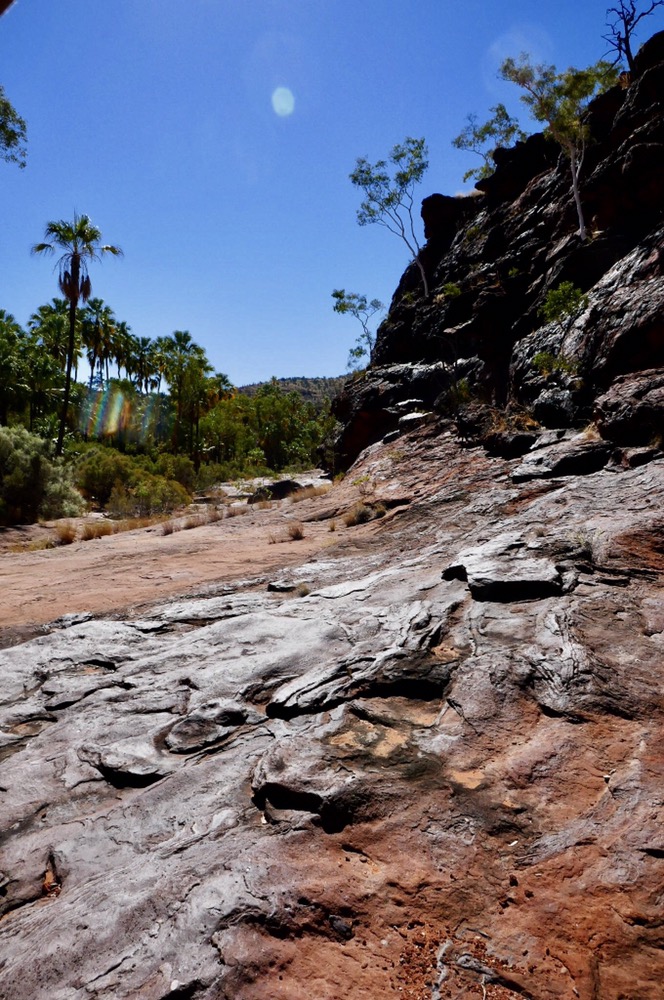
Mark dropped us of to walk along the beautiful Cycad Gorge. It is a space, silent and still, the cycads visible on the rock face. Pillars and immense blocks of rock, had split out from the cliff and lay shattered on the valley floor.
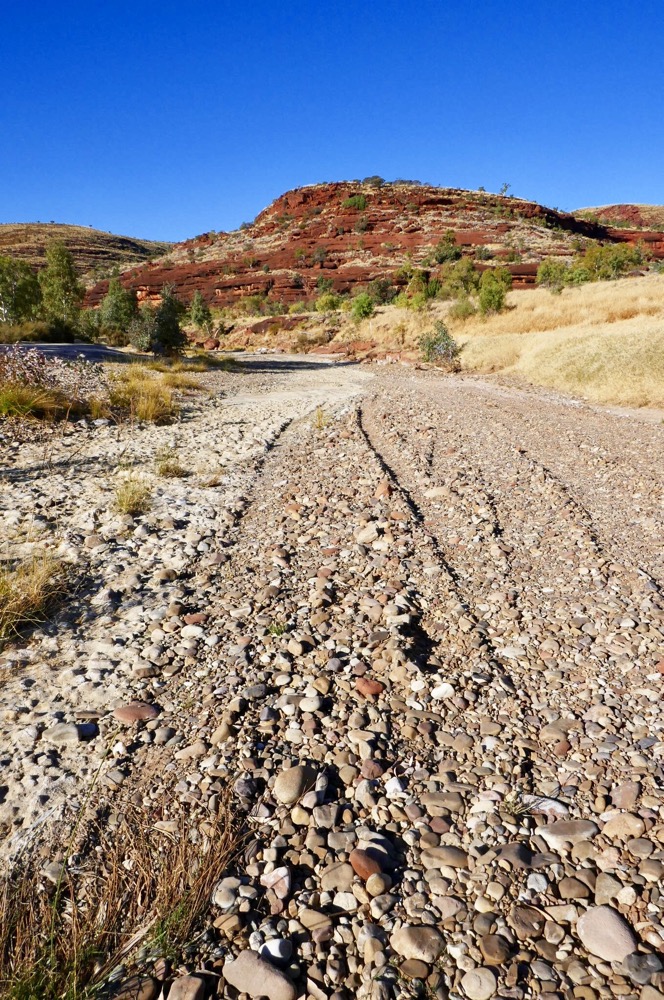
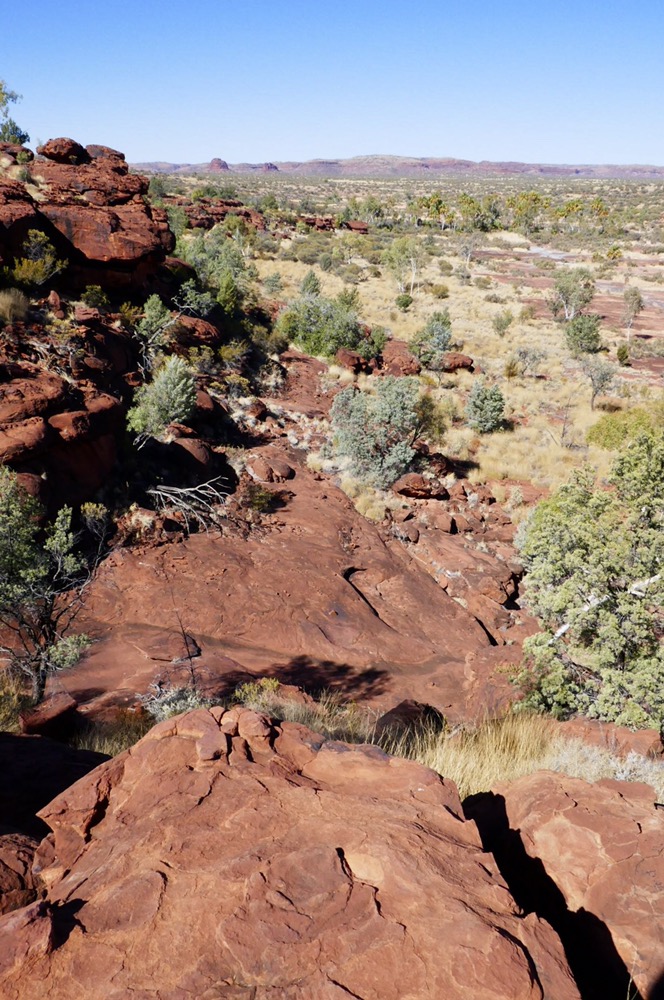
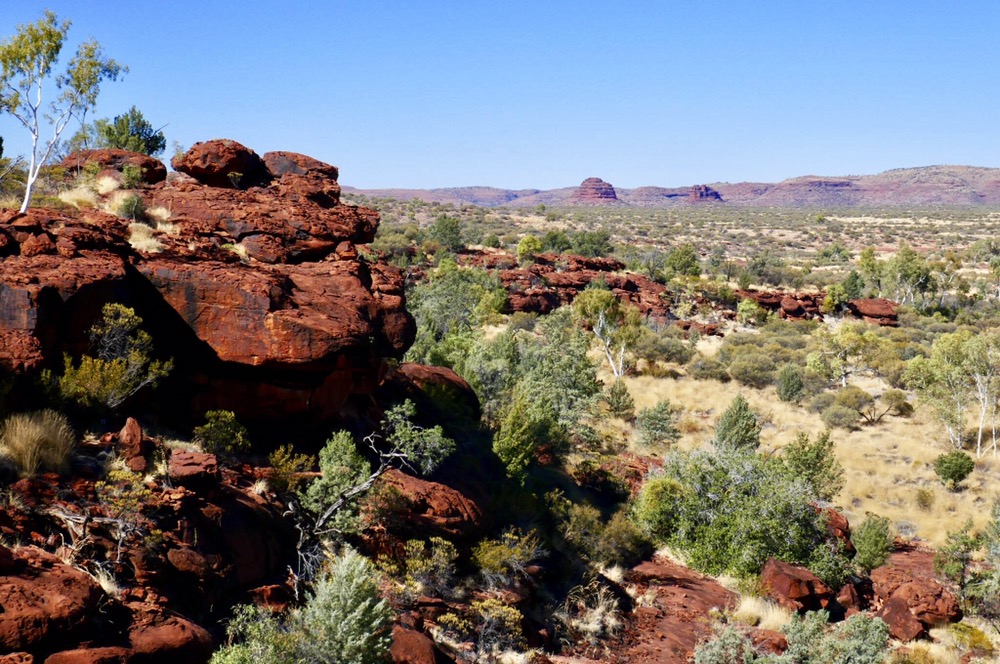
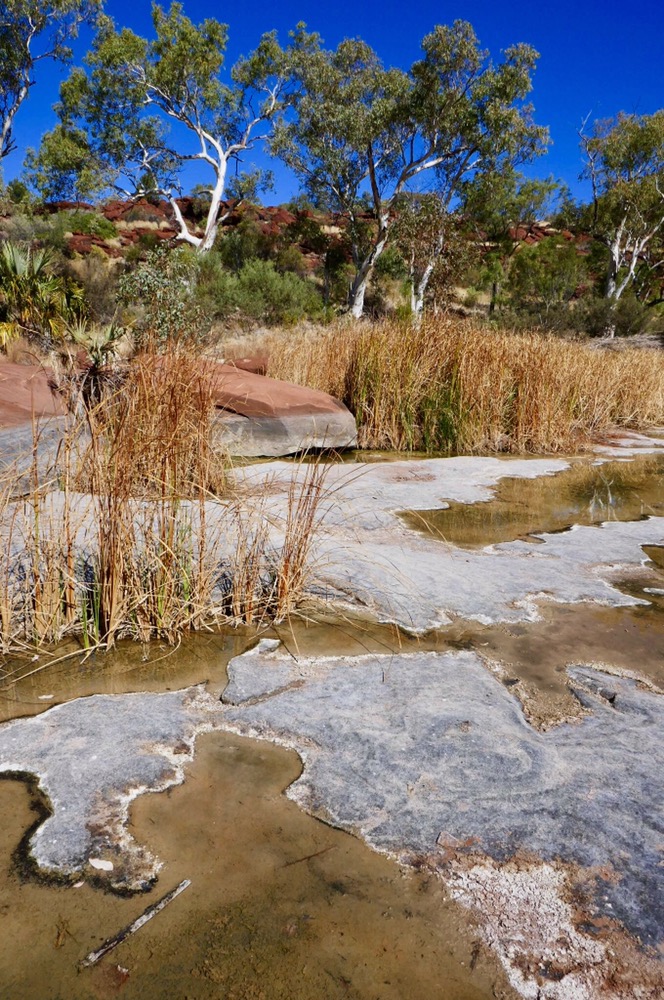
We arrived at the parking area situated at Palm Creek.. There are four walks we could choose from. We opted for a five kilometre walk that went up onto the escarpment, along the cliff with views into Palm Creek , then turning southwards across the plateau, then dropping down along a narrow rocky track back down to the creek bed. We followed this circuit track with Mark, chatting as we do about all sorts of things. By now it was warmer so we had tucked away our jumpers as we walked along. It is a very beautiful walk but with slight squinting and a liberal dose of imagination, you can almost hear the dinosaurs that walked this same area, between the same species of palms and cycads we are seeing right now. The creek bed is rocky not sandy or of loose stone, it’s granite and then sandstone, the fine beds are twisted or more accurately tortured into swirls and folds by the geological forces that have made this place. Yet despite all this geological tom foolery, the Finke River and Palm Creek have had unaltered courses for 190 million years, simply eroding the rocks and even mountains that had the cheek to appear.
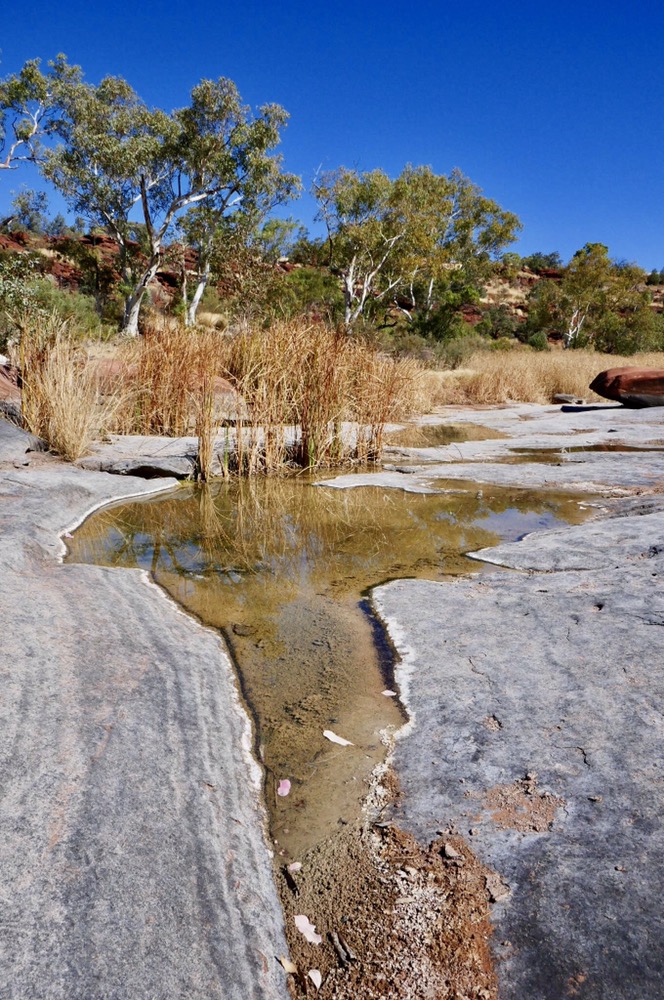
After our walk we had a splendid lunch, sitting on the rock, smoothed by eons of water and tumbling stones, we each had a wrap of corn beef and salad, followed by carrot cake and monster strawberries. Above us, the palm trees, livistonias, shimmered in the sunlight. Magic.
After lunch, we drove back to the main highway, turning off to Owen Springs. This is a fascinating relic of early NT history and business enterprise. First built in 1869, it was the first homestead built in Central Australia. Early explorers had fired up the imagination of some men to become pastoralists. Gilbert built a timber structure on the Hugh River, just north of Laurence Gorge, and grew wheat on the rangelands hereabouts. He had three wonderful years, glowing reports from explorers such as Giles, seemed confirmed by the rain and resulting crops. Then ten years of drought. This was not a successful venture so the property was sold to Thomas Elder. Yep, Elder of Real Estate fame. But is wasn’t real estate Elder was primarily interested in, it was transport. The Ghan train connected Port Augusta to Oodnadatta by 1891 but would not be extended to Alice Springs until 1929. So for nearly thirty years, here was a situation when transport was up for grabs between Oodnadatta and virtually everywhere in the centre. The government was encouraging entrepreneurs to enter the field. South Australia still had a lot of camels left over from the ones used to explore the centre. Elder put it together, and bought a vast number of camels and used his properties to service transport needs. The camel trains went from Oodnadatta to Curtin Springs to Owen Springs, then on to Stuart ( Stuart was the name of nowadays Alice Springs until 1939)’ then everywhere else including Hermannsburg and Arltunga. There was absolutely no connection between Darwin and Alice till 1942 when American military Engineers constructed the modern extension of the Stuart Highway northwards for the relief of Darwin.
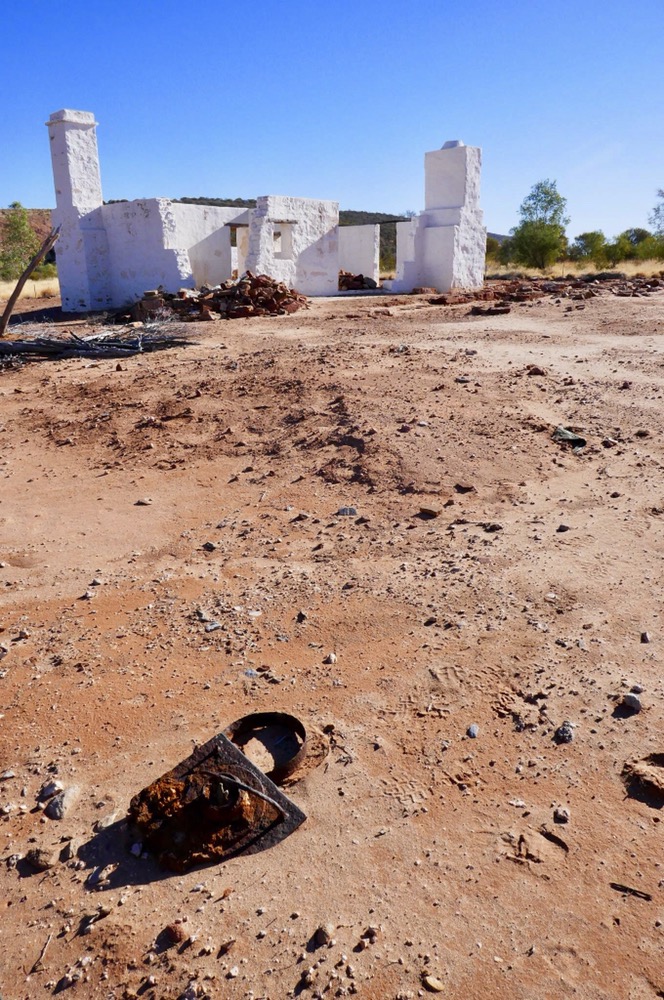
Owen springs passed to various owners, including Kidman for a time, until in 1999, the property was acquired by the NT government. Though it was a ruin, it’s roof long gone, it remained of great interest to history buffs, and so by 2002, it was repaired and its walls resurfaced to protect them. And so it stands today, with the Hugh River behind it, and the range terminating briefly at Laurence Gorge. This route pioneered by McDouall Stuart, remained the main path for not only Elder and his camel trains, but motor cars beginning the journey in 1929. And in 1957, the first tourist bus to Alice Springs. This route to Alice via Owen Springs continued until the construction of the current Stuart highway.
Elders camels were instrumental in supplying the construction equipment and supplies for the original old Ghan railway. It was only in 1929 that the Ghan finally was extended to Alice Springs ( then Stuart…. Confusing isn’t it). The camels were also used for building the overland telegraph. No wonder Elder grew wealthy from his transport empire.
After our exploration of the old homestead, we carried along the Owen Springs road all the way to Stuart Highway, then back to Alice. What a fabulous day, full of history, nature, landscapes and great company.








 brucebarker2016