Uncategorized

HTLV1 another piece in the puzzle

On Friday afternoon, all the doctors who work at Central Australian Health Service (CAHS) and happen to be in Alice Springs, meet up at 2 o’clock in the conference room in the Peter Sitzler building. It’s a chance to discuss cases, developments, and in recent times, talk with a specialist about an aspect of remote medicine.

All of us living in Alice Springs and Central Australia are very aware of the serious health problems of Indigenous people. On the roads or near a remote township, it’s common to look up at the sound of an aircraft engine and see a retrieval plane with their characteristic red belly. Anyone working in a small town in the outback will have seen the skin diseases, effects of poor nutrition, and disabilities of the many people who live there. As health professionals in the Centre, we treat people with the most severe forms seen in Australia, of diabetes, kidney and cardiac disease. The health crisis is no secret to anyone.

The causes of this burden of disease, premature death, and disability are multi factorial and therefore should be approached at multiple levels to have any chance of success. Putting as it were, all your apples in one basket is not going to work. Targeting all the money and your efforts in only supplying doctors and nurses cannot and is not, the only strategy. It fits with older ideas of targeting clinical disease but doesn’t it make more sense to have a global approach, a preventative emphasis. There is already an aggressive territory wide program of immunisation with uptake rates higher than many affluent regions in white Australia. There is also a strong emphasis on antenatal care, improving the intrauterine environment for the next generation and protecting the well being of all the mothers to be.

Nutrition that’s inexpensive and healthy, real home safety and security, clean, reliable water, and freedom from the consequences of alcohol (FASD : Foetal Alcohol syndrome) and drug abuse, are all going to have to be tackled to achieve the level of health we demand for our patients. However, these issues are out of our hands, and very largely in the legislative arena, needing to be backed up by targeted programs with clear, and long term goals utterly divorced from the usual three year cycle of funding.

But for all this, the science of remote medicine is in its infancy. It’s hard making definitive statements about what should and what should not be done without the science to back up decisions. Until you have solid evidence, it’s all opinion not fact. I cannot begin to imagine making sense of infectious diseases without knowing about bacteria and viruses, but this was the situation for doctors in most of the nineteenth century and for all of human history before then. How could surgery be contemplated or completed with any safety without understanding and applying principles of antisepsis and the science of anaesthesia? Done in desperation, it was so savage and so dangerous, that it gave lasting horror to any surviving patient and surgeon both. The more reliable science we have about health, and in particular about here in Central Australia, the better.

Addressing the social determinants of disease is essential and cannot be ignored but none the less, the science of disease has to be up to scratch too. At present we apply our clinical knowledge on Indigenous peoples, but our expertise was gained in other populations that rarely includes such peoples. The science we use to make clinical decisions about the best medical care has been largely developed by studying disease in other populations, and often in other countries. The necessary studies now being done on heart failure and diabetes, to name two common morbidities, are in their infancy. Major institutes including the Menzies foundation and Baker IDI are doing ground breaking research projects, which are beginning to clarify the ways we need to treat. It’s known that certain cardiac medications work best in black Americans and hardly at all in White Americans, and could it be that this is the case here too? Maybe there are some drugs that will only work in Australian Aboriginal people? There are so many questions which need to asked and answered.

However, one major piece of the puzzle of Indigenous ill heath is coming to light. A virus called HTLV1 may prove responsible for many of the poor outcomes we see amongst our patients as well as contributing to progressive neurological and lung disease. This virus is not a factor anyone needs to consider when treating middle class people in Sydney or Melbourne but here in Central Australia, understanding this virus and it’s effects may prove crucial to getting on top of Indigenous health. It’s early days but even now, there are tantalising clues to how important it could be. Okay, I’ve mentioned HTLV 1, now it’s time to be properly introduced and like the most interesting person at a party, it’s well worth getting to know.

HTLV1 stands for Human T Cell lymphotrophic Virus and its a cousin of HIV ( Human Immunodeficency virus) and just like it’s better known relation, it comes from monkeys as well as apes. Unlike HIV it is not a new arrival in a human population. It’s been in Northern Australia for at least ten thousand years, it’s origins are in Melanesia. Other strains of HTLV1 occur in Japan, South America and Africa. They cause similar diseases in all these places but the percentages wildly vary, causing mostly neurological problems in South America, T cell Leukemia in Japan, and Lung disease here in Central Australia.

This virus is spread from mothers to their babies when breast feeding, and is sexually spread. This accounts for the steady increase in the percentage of people as life goes by. Up to 50% of people in some parts of Central Australia have this virus. It seems that for the majority of people with this infection they are unaffected but a over a third of infected people have significant risk of complications that can disable or kill them.

How does it do this? And more importantly why does it do this? HTLV1 infects CCR4 cells, a type of T cell or defence cell. I won’t bother with the meaning of the acronym but suffice it to say, the virus infects these special cells which are a small but essential” part of the immune system, and upcodes itself into the DNA of the cell. It hides incredibly successfully, so well that it cannot be eradicated. It then drives the replication of these cells, their numbers get greater and thereby the numbers of the hidden virus increase too. Some people due to their genetics have the capacity to control the level of replication and these individuals suffer little from the infection. However those who cannot, can have high pro- viral loads. The term “ pro viral” refers to the pro or hidden form of the virus imbedded in the DNA. Those individuals with high levels of the pro- virus are the people who develop the serious health problems mentioned above.

When there are vast numbers of CCR4 cells, there is too much of the chemical they make. This chemical is called gamma interferon. Small amounts in the right place, delivered in the right time can help with fighting infection. Too much of this agent damages organs and tissues, including the spinal cord, and eyes in particular. And maybe other organs, we don’t know. The investment the body has been forced to make means less of the other defensive cells, less numbers, less diversity so the capacity to actually fight infection efficiently is hijacked. This means troublesome if not lethal infections; including tuberculosis, strongyloides ( a parasitic infection of gut and lung), bronchiectasis ( a damaging process that destroys the airways and increases the risk of and the severity of lung infections) and the most severe forms of scabies. If the number of CCR4 cells gets totally out of hand, this can lead to malignancy, T cell leukaemia. This is how the HTLV1 virus was first discovered in Japanese patients.

This propensity to trigger and worsen infection as well as produce tissue damage in its own right via its zombified T cells, CCR4, could be a factor in other diseases including Kidney disease. There is so much to find out. There are treatments for this infection but it’s complex and not without risk. Exciting, new agents seem to be effective but are terribly expensive and only just leaving laboratories to be studied in the real world. The costs of such treatments will need to be weighed up against the good they can do.

So, remote medicine is throwing up all sorts of challenges and it needs to tackled in all sorts of ways, including; innovative social policies, sustained government interest and support, improving antenatal care, continuing to improve the rates of immunisation, supplying and training interested, passionate doctors, nurses and health workers and lastly, investment in basic science to elucidate the mechanisms of disease relevant to this local Indigenous population.

Standard
Central australia, Central Australia Work

Western Desert low altitude Photos

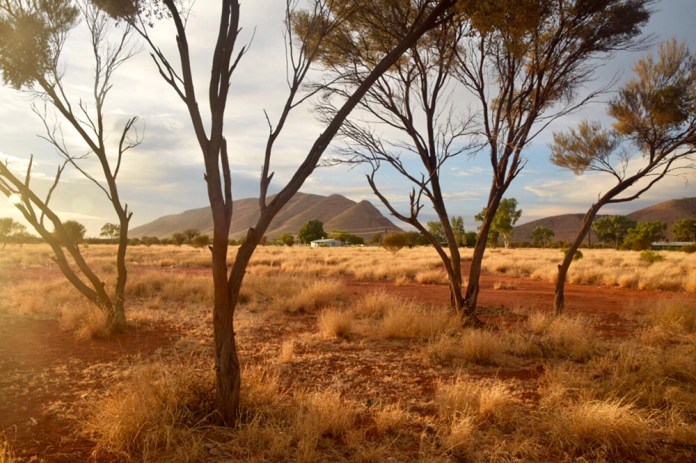
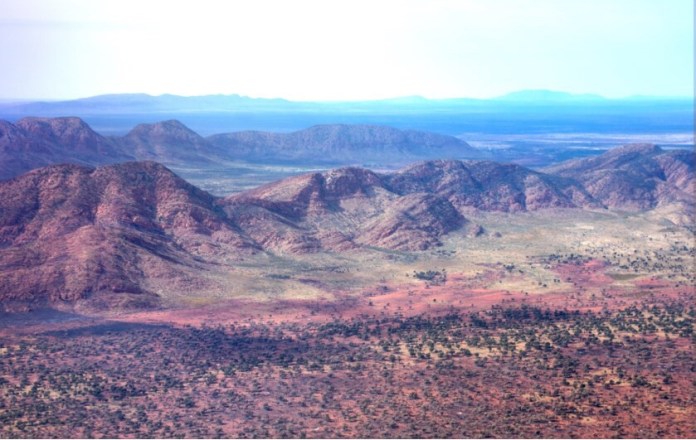
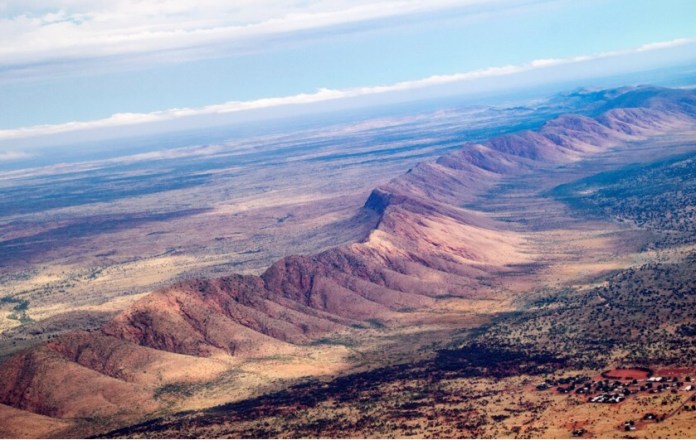
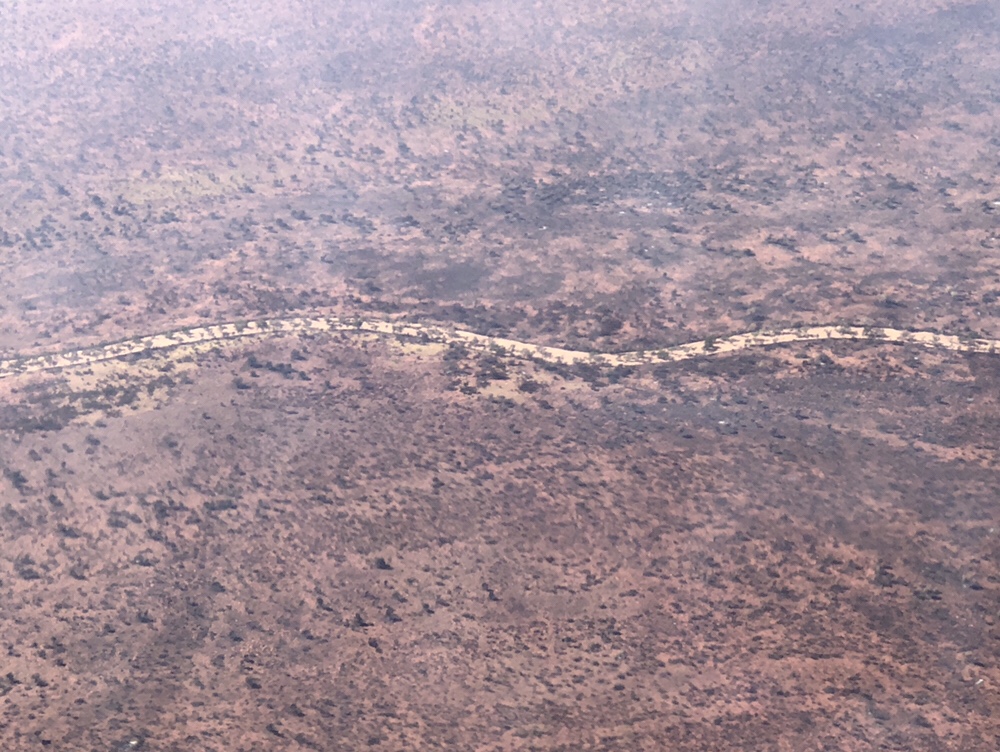
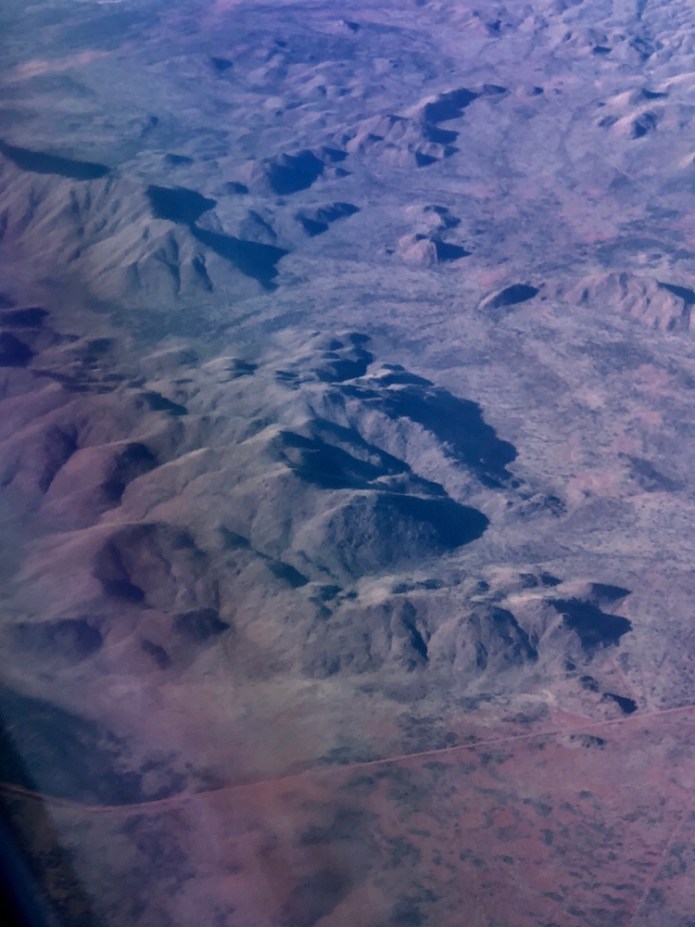
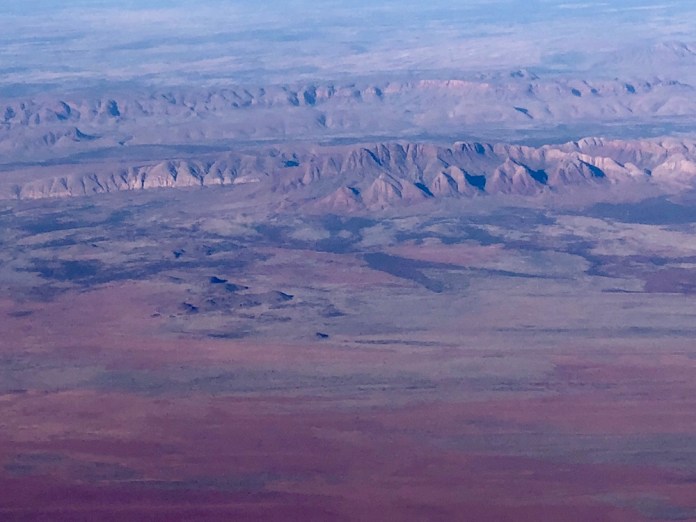
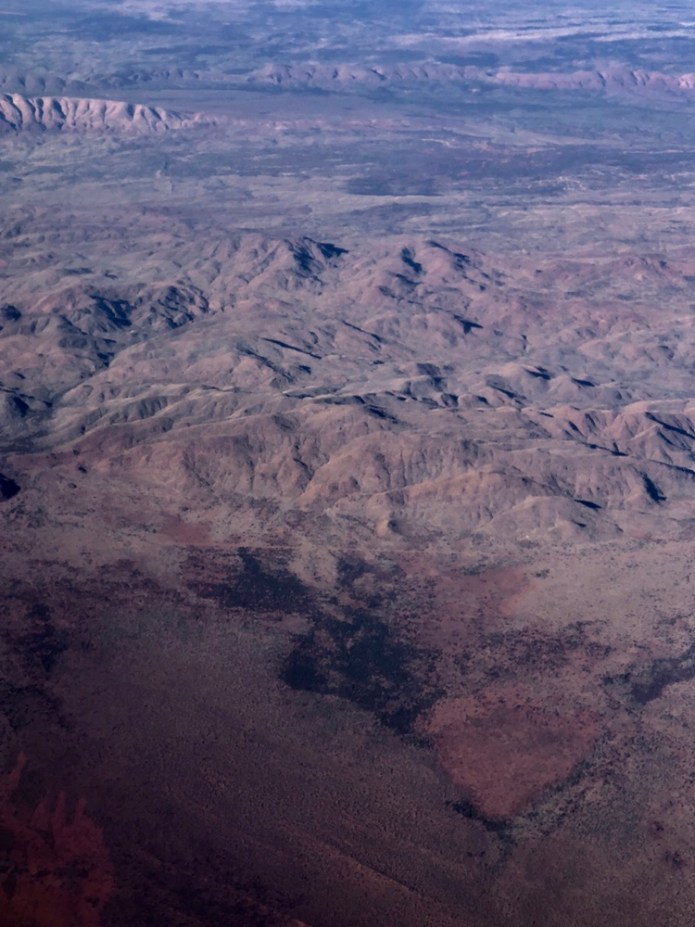
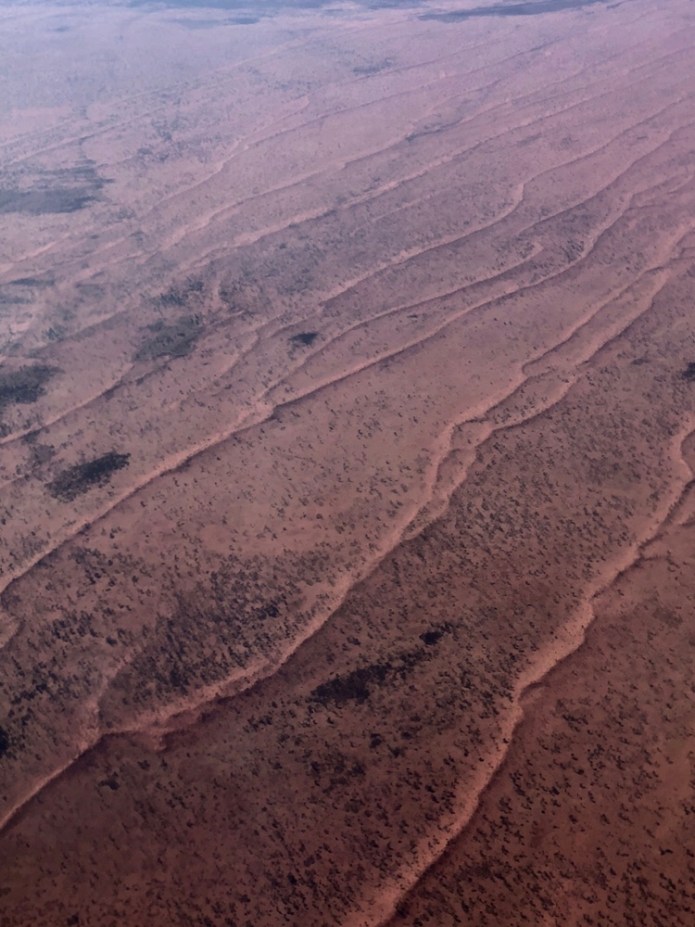
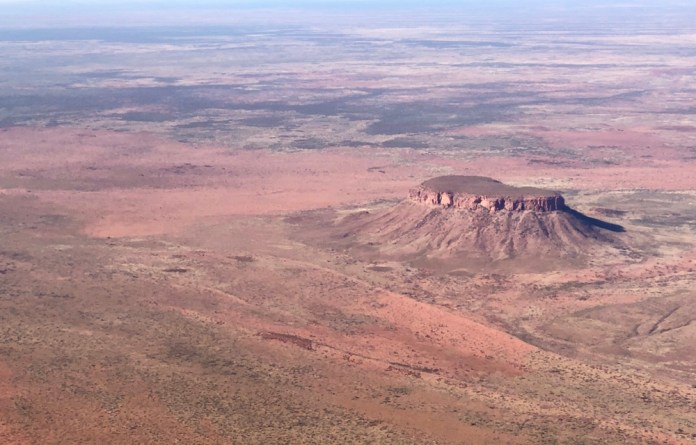
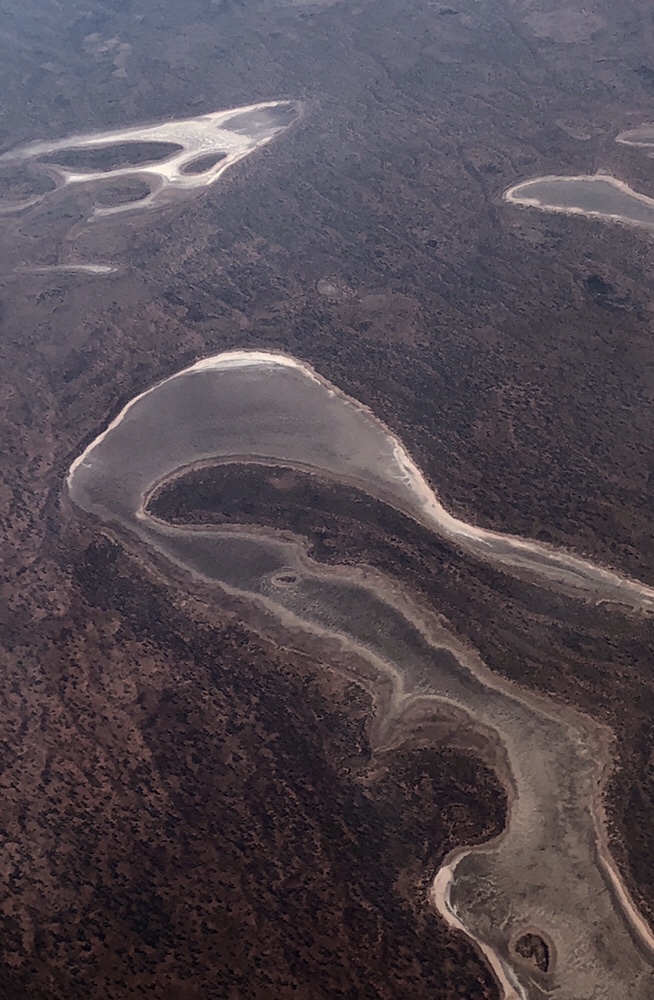
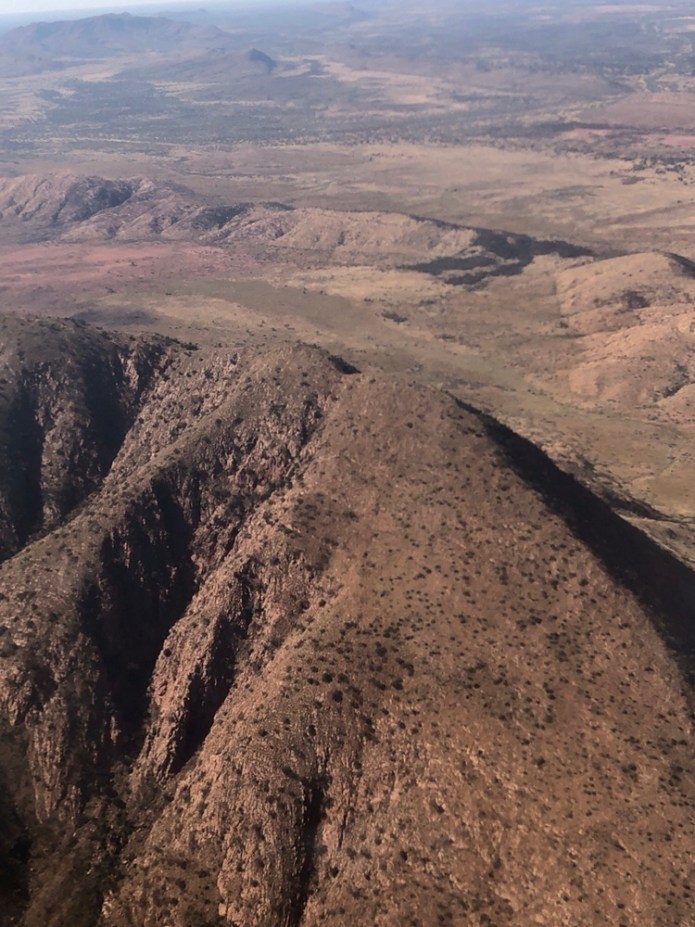
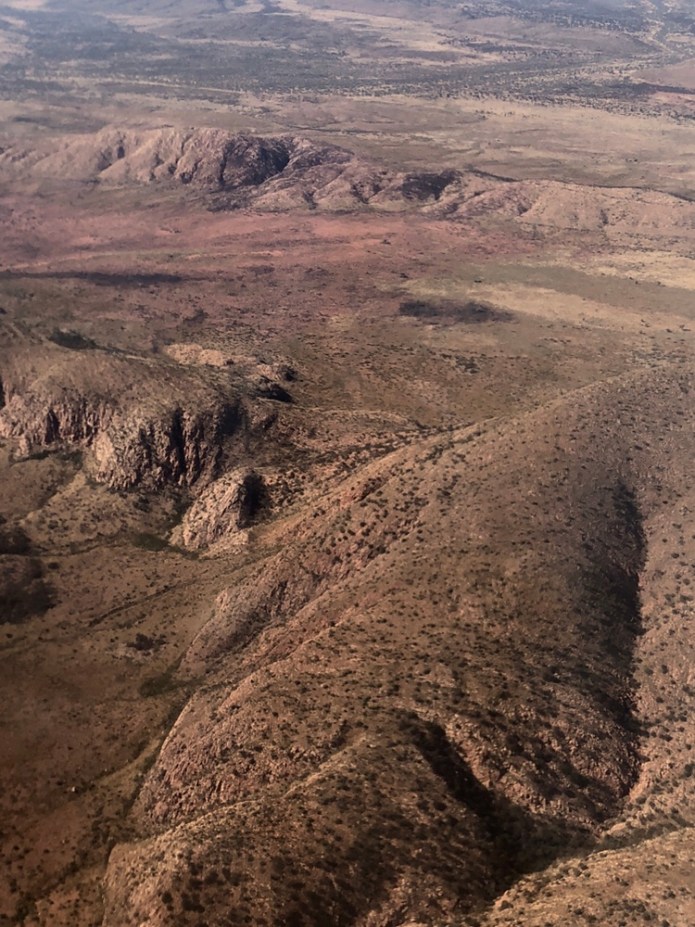
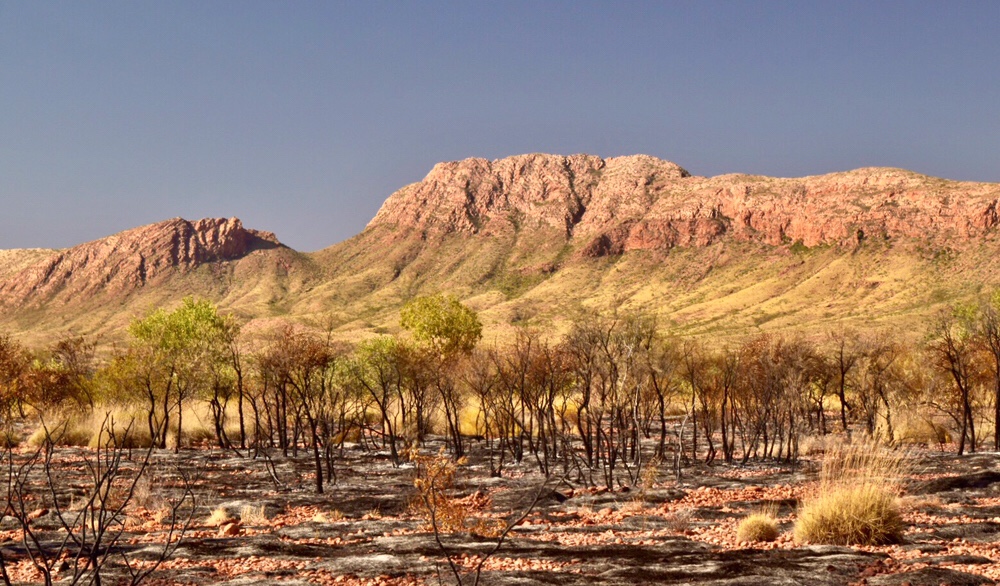
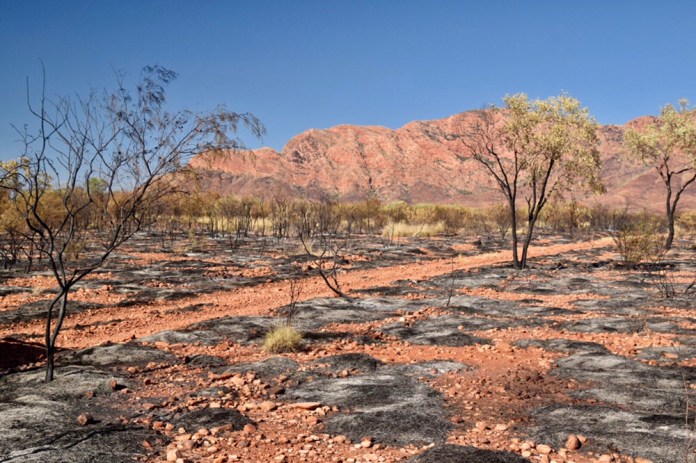
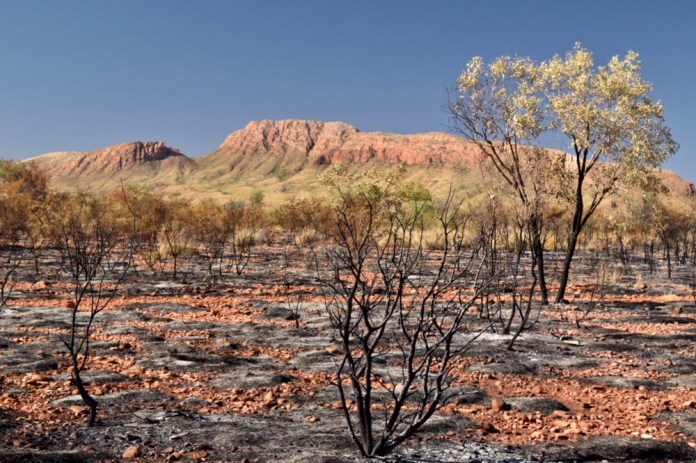
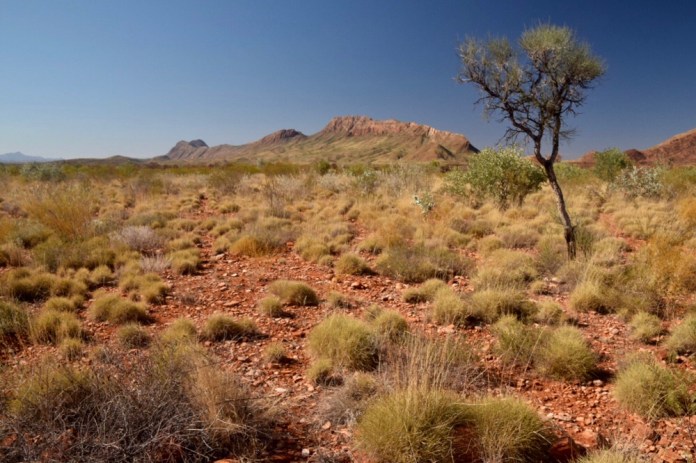
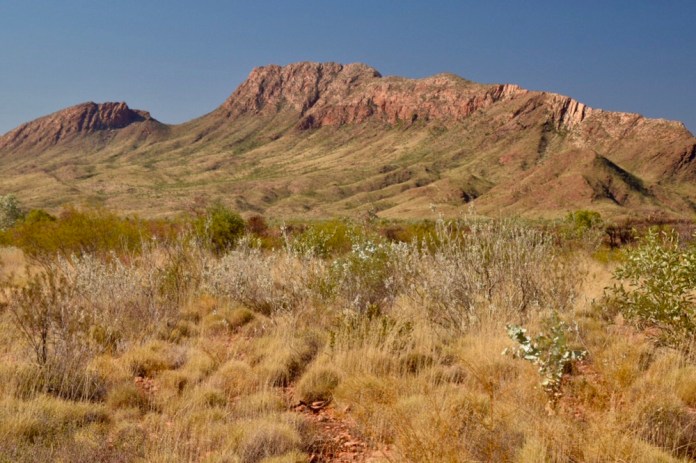
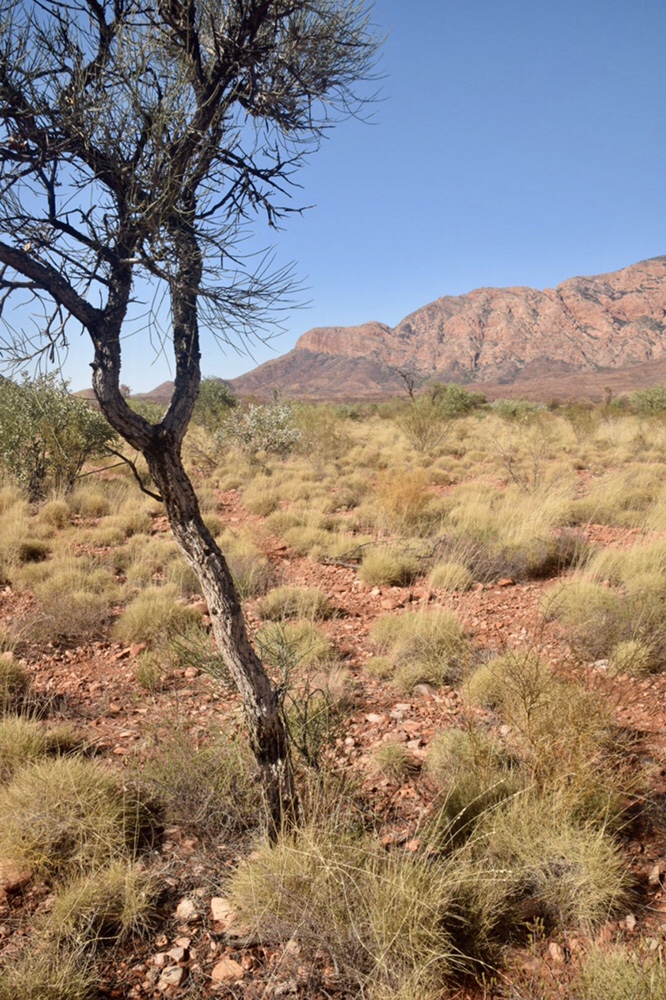
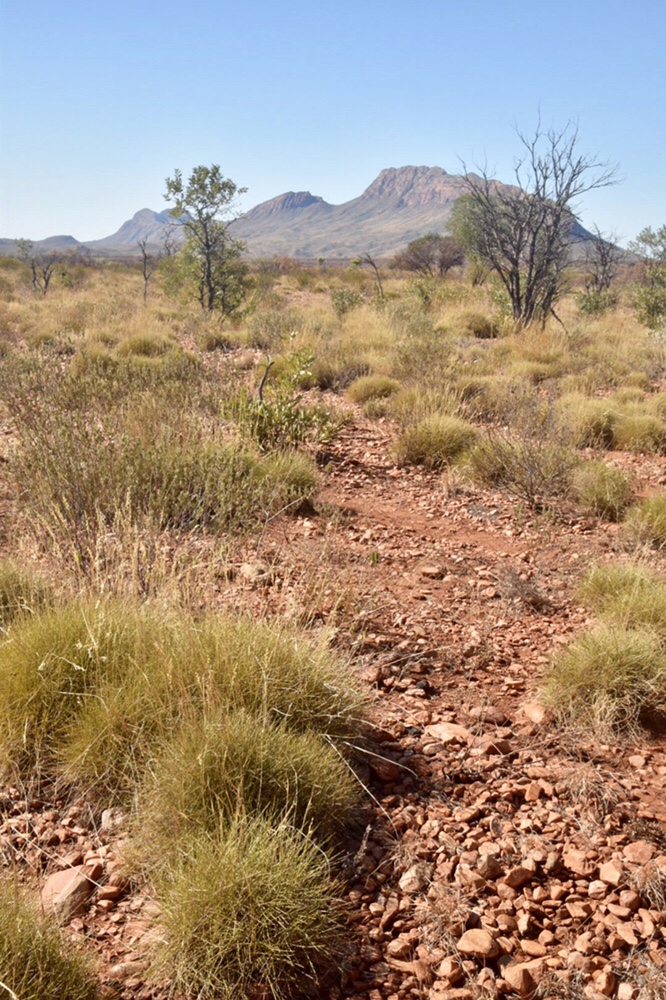
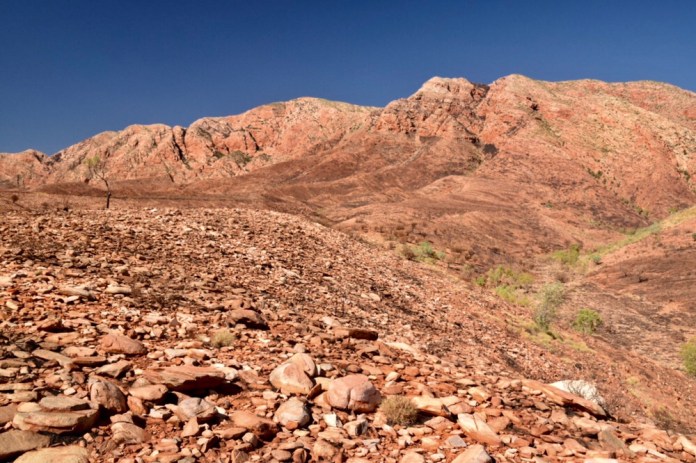
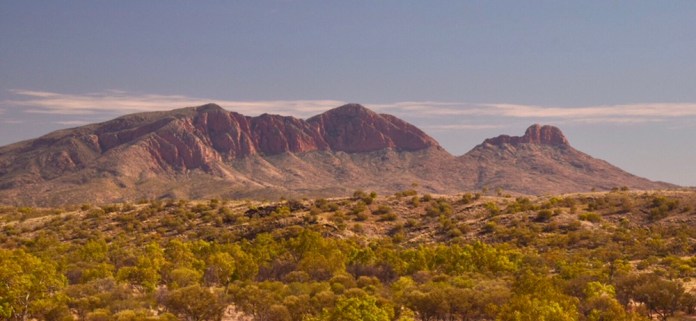
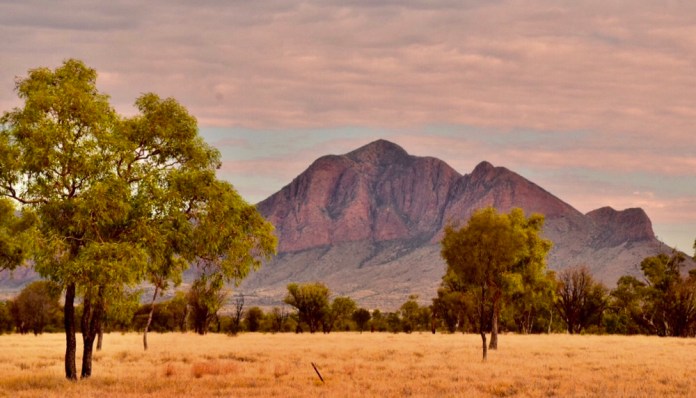
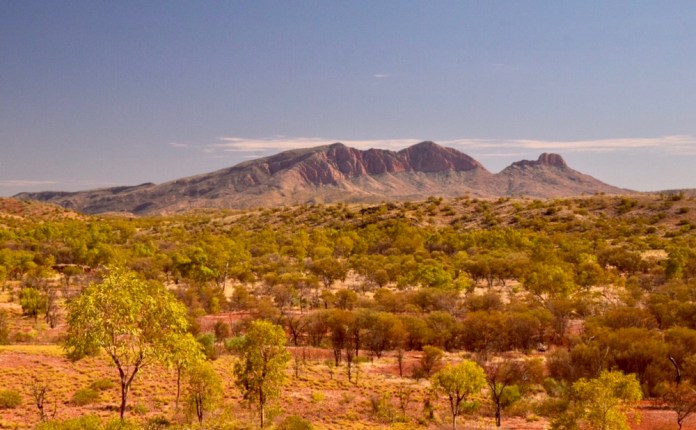
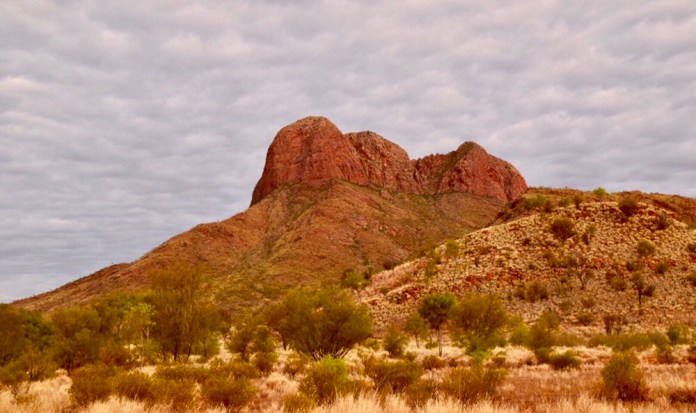
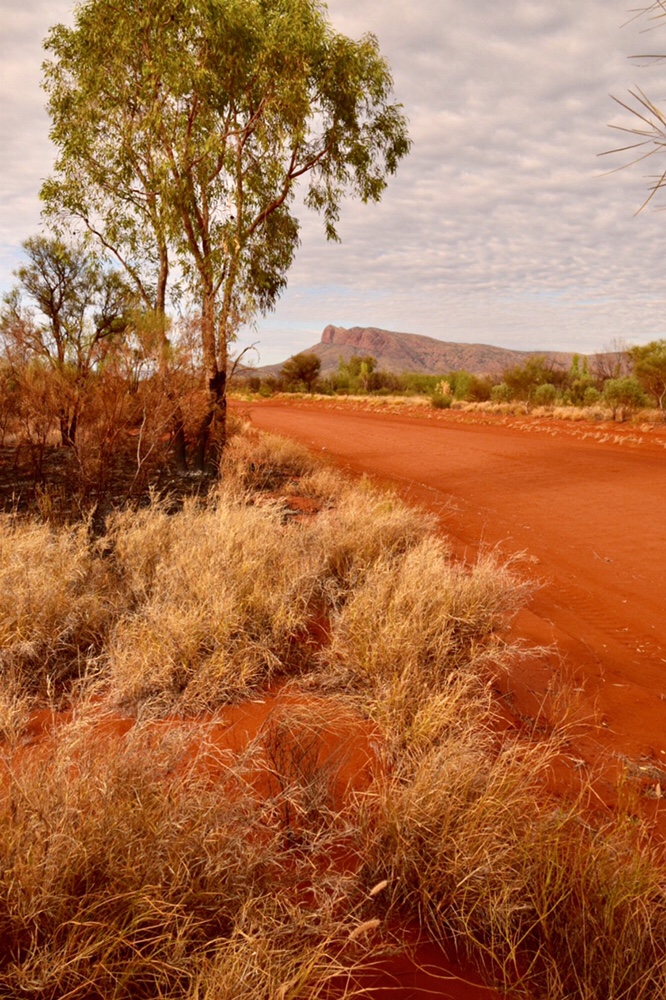
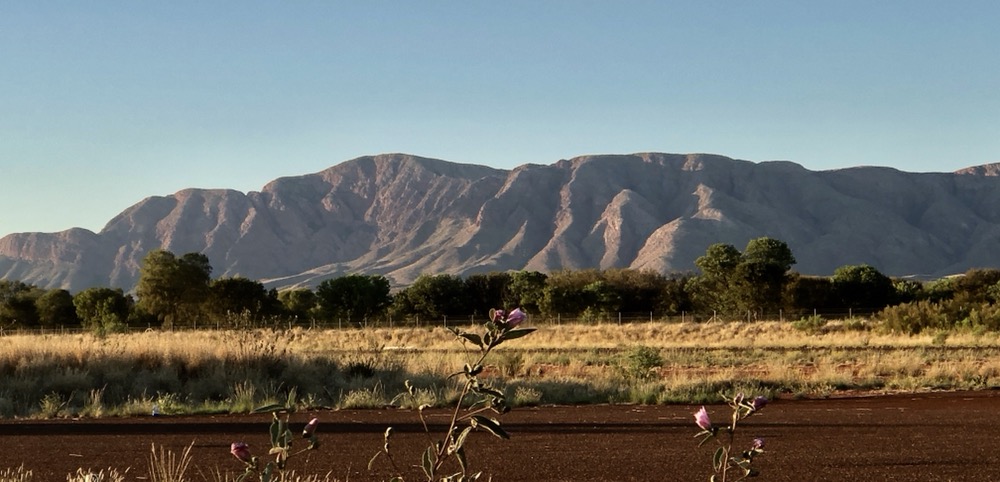
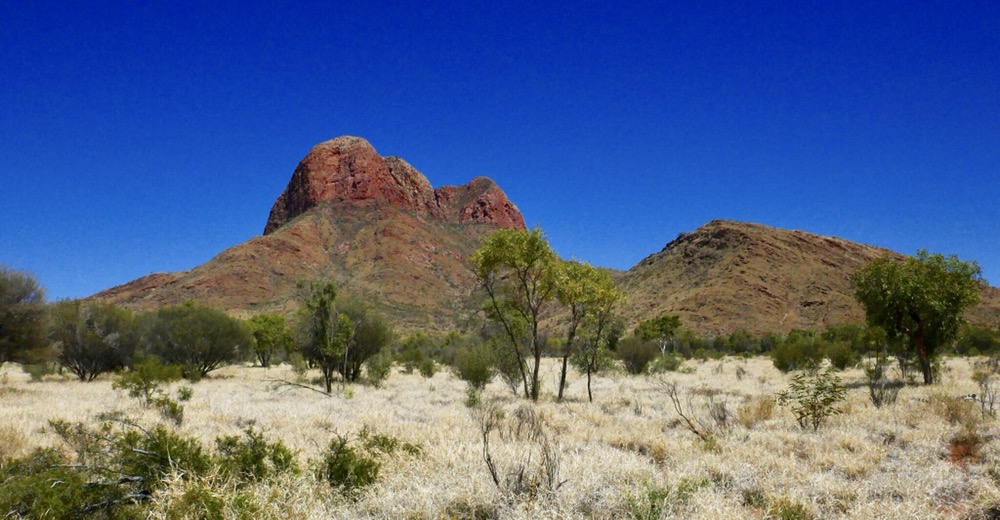
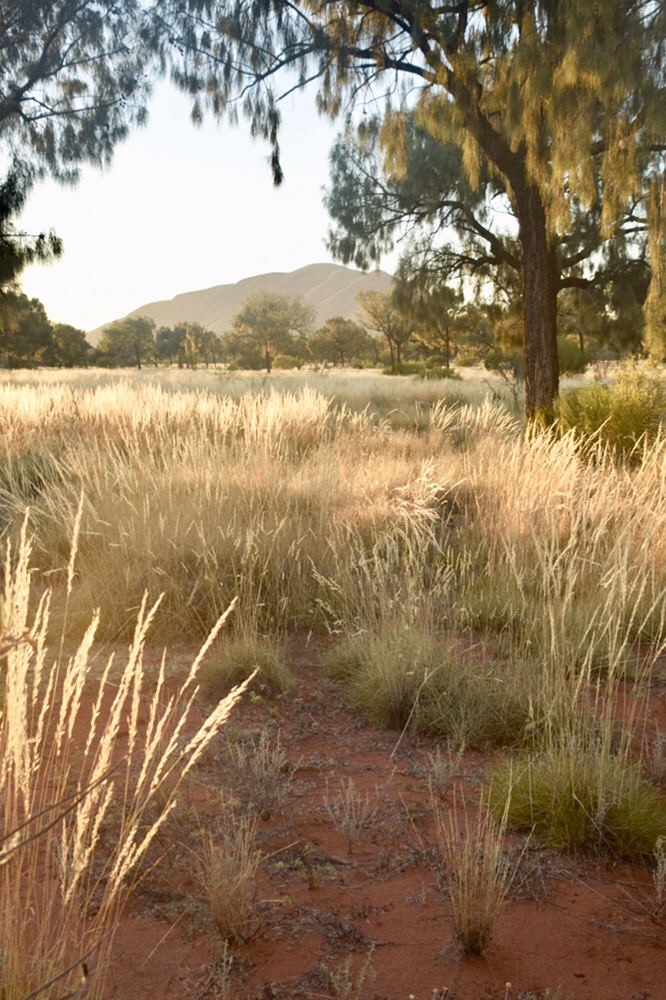
The west in the Central Australia refers to the country beyond and surrounding the West McDonnell ranges and extending as far as the West Australian border. I flew west from Alice Springs to Nyirripi, northwest of Yuendemu. I looked out the window and watched the ground beneath me. First there are mountains, some grouped in clusters some as part of long ranges, they all rise abruptly from the desert and are almost bare of vegetation. It was early morning and the shadows cast on the western slopes makes that part of the landscapes invisible but the obliquely of the light highlights the jagged ridge lines. In the valleys between the high ground are sparse acacias and gum trees, they all rely on the rare flows of water down these mountainsides to survive. The mountains and hills give way to swathes of red sand, rich in iron, a memory of the ancient sediments of great seas that covered this land. A time so lost in deep time, that nothing but insects crawled on its beaches, and fish with armour plates swam in the water and trilobites scurried on the sea floor. Now, dunes extend for hundreds of kilometres laid in long parallel lines. Yet, in some places this pattern is broken, the dunes interweave as if engaged in a timeless conversation leaning against each other.

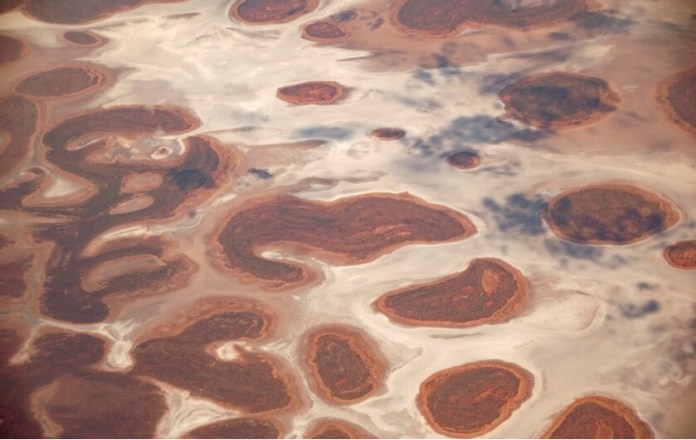
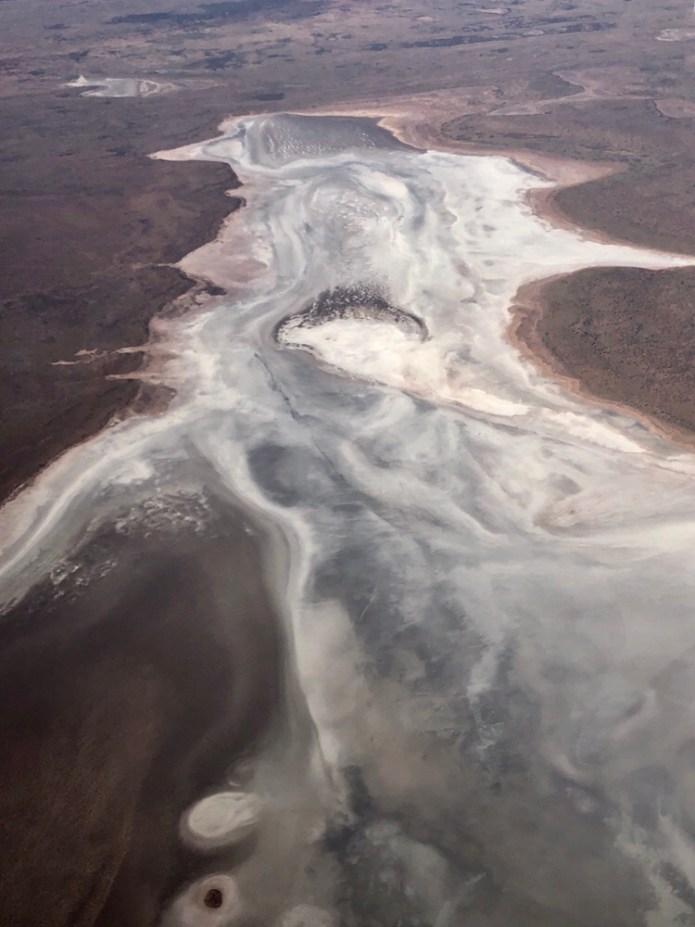
There are more echoes of the seas, salt leached out of the earth by summers evanescent lakes are left behind by fierce evaporation.They can form simple circles, dead spotty soakages and in other places, weirdly tentacled ghosts haunting the earth.There is an incredible diversity in the topography of the desert. This mountain range plows into the desert, leaving a bow wave of green spreading over the sand.

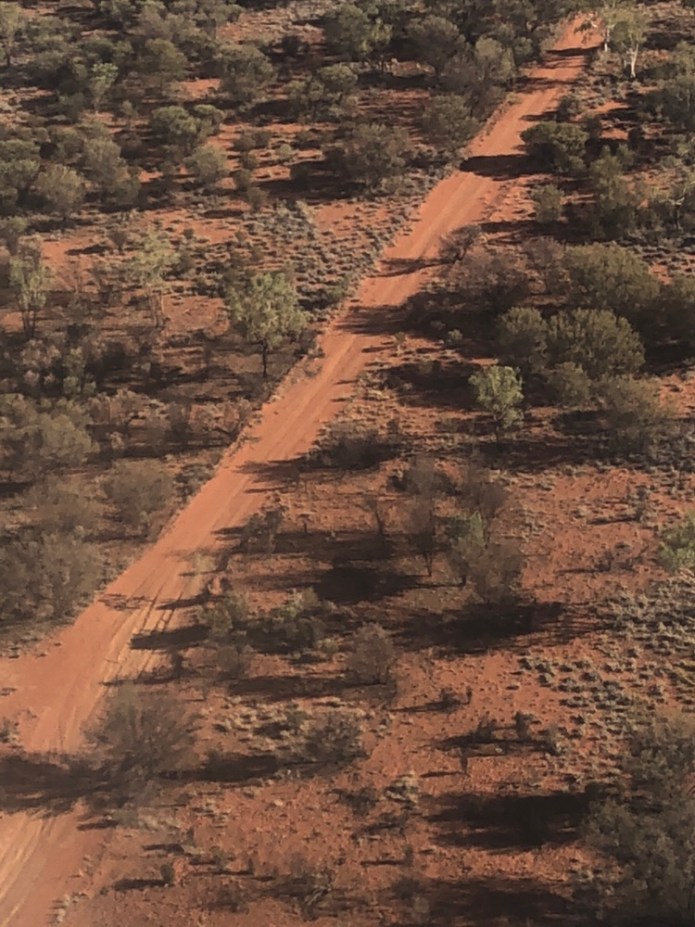
Most of the roads are glorified tracks, some are of stone and gibber, some are rutted, punished clay and others yellow sand with sand pits and washes filling the deeper corrugations. They cross rivers, gorges, passes and all the empty miles between the remote settlements of the outback.These tracks and highways, are as necessary as water and as dangerous; tourists cars get flipped by deep sand or when young men play chicken on them and lose.

Every aspect of the desert must be treated with respect and caution, it’s beauty, it’s variety is amazing but in its immensity are the dangers of isolation, heat, thirst and fire. This place suffers no sentimentality, possesses no cruelty but nor has it any love for us that will protect us from folly or the perils of ill luck.

Standard
Central australia

Papunya, Epenarra and Fred Astaire

Central Australia April 2018

It’s mid trip with 2 weeks to go.

I’m sitting at the NT Writers seminar listening to Kim Mahood.

She is a successful writer whose most recent book “ Position doubtful” has done three print runs already. The seminar is about doing creative, non fiction that is enjoyable for writer and reader, learning the processes and techniques which can facilitate this type of writing. We all wrote some short pieces, and critiqued them being especially interested in identifying repetition, pesky adverbs, and not getting preachy. Basically, Let the story unfold, by using observation, then insight then reflection. In short, show, don’t tell.

As I said, it’s been two weeks and Jennifer and I have been apart except for the weekends. My first week was spent working at Papunya. I could not go out much at lunch or after work because it’s not only hot but the flies are very annoying. Those creepy little ones that crawl up under my glasses. Eeeech. At Papunya, I stay at a unit. If I turn left, I can quickly reach the airfield road. I enjoy going for a run in the morning, it’s 3.5 km of good bitumen. I’ve gone beyond it, but the road gets difficult to run on. The bush tracks are very corrugated, throwing me off balance and the sand makes it hard to push off, difficult to get traction. At my age, I don’t want a repeat of my previous Achilles strain so Im happy to accept shorter distances.

As I run south, I see the vast span of ranges start to glow from the crests down to their flanks, a coating of morning light. What could a light beam see as it passes over this sparsely treed plain? It would see the dilapidated houses of Papunya, some blue, some green, rusty cars perched on blocks, dusty bush tracks circling the town then radiating like spokes for hundreds of kilometres to Kintore or Glen Helen and if it paused right above the community, there are roads with deep craters in the bitumen.

My metaphorical light beam would see nobody standing outside but me. My run starts before dawn, before the flies and the heat. There is only the sound of dogs barking on the far side of town. Otherwise the air is very still, with a soft warmth, it’s the gentlest time of day. A few donkeys lift their heads up as I jog slowly past.

In this first week I worked with three nurses, I’d driven to Papunya on Monday morning with the clinic manager as passenger. We chatted about all sorts of things, stopping at Glen Helen for coffee. She told me about a camping trip she had done with a few friends. They drove along the Tanami Road to you-have-to-know it turn off then carried on to the old, the original Glen Helen Homestead. It’s a ruin. She obtained permission for the visit from the owners, now based at the new resort. On the way, they crossed a beautiful, wooded valley. She described how they assembled tents, and settled in for the night. Early in the morning dingos walked warily amongst the tents, emitted a few brief barks, and then vanished into the forest.

This last week has been at Epenarra. It’s not far from Canteen Creek, and about two hours from Wauchope. It’s pronounced Walk Up. The roads are particularly rough right now, no grader has gone over them for months. I flew in early Monday morning. I left Alice before dawn. Soon I could see this pink ball of light to the east, long before it lit up the ground. As time passed, the rays of sunlight cast long shadows, the real trees and hills were dwarfed by these silhouettes. I waited at the airstrip for the ambulance to collect me, then headed back the short distance to the clinic. Sue is the nurse and manager and cleaner and receptionist. The clinic normally has two nurses . There are two very reliable, aboriginal drivers, who look after the clinic with Sue. Another nurse soon arrived to help.

These clinics run on minimum staff, a lot of them are agency staff. Agency nurses keep the remote clinics open in vast parts of NT. Typically they are very experienced, usually older and work for a few weeks to a few months depending on need and availability. It is always fun to talk to the staff here, both the nurses and indigenous personnel. Sue is a keen, widely published landscape photographer so it was great to talk cameras and technique on our breaks. Works was quiet. Sadly a young man had died on the Sandover, and because many locals in Epenarra were family, most of the population took the long, dusty drive to the funeral at Ampilitwaja ( pronounced Ambladderwatch). Sorry business can be necessary activity for weeks, visitor numbers considerably expanding one community by depleting others. Other community members will be out of town this current week, including our drivers because of a big meeting about mining royalties.

I could not go for a run at all due to cheeky dogs situated in houses all around me. I’ve been bitten before and I’m nervous about any repeat performance. The other thing that sapped enthusiasm for walks or photo sessions in the surrounding country, were the flies. Everyone who lives here has said that this is an unusually bad fly infestation. Even the local Aborigines are seen sporting fly nets. As I said earlier, they are the tiny black flies, that crawl under your glasses, or climb into my ear canals. Yeeech!

I returned on Thursday afternoon to Alice Springs, dropped off the weeks pathology then crossed the road for an early dinner at Montes. I ordered Mexican chicken Parma and indulged in a kit Kat brownie. Gosh it was big but yummy. I did not see anybody I knew around me so I read some medical articles for a talk I planned to give on Fridays regular clinical meeting. I’d spent my downtime at Epenarra scouring the online NT health library for definitive information about bronchiectasis. While I was at Papunya I had had to evacuate a five year old boy for an exacerbation of his condition. Presenting case studies with references to the medical literature is a great way to learn. It makes it real and not theoretical when it resides in a textbook. When I think of that medical problem, I will remember him. All the time at Montes I was sipping a Tar and Roses Pinot Grigio, so the clinical details in my case were getting progressively more fuzzy at the edges. Luckily I’d finished writing it on the plane earlier.

Jennifer arrived back from lake Nash after five, so I was already home. I’d booked dinner at Humuyans. It’s the principal dining venue at Doubletree Hotel. It’s easily the best restaurant in Alice Springs. It was A soft, warm evening, and spent the time at table telling each other about our week away.

I’ve already described the writing seminar I went too so I won’t go over that. The high point of the week, was a concert at Araluen. An evening dedicated to Fred Astaire. Three performers produced a wonderful evening of dance, of song and stories about this amazing man. Top Hat, Fascinating rhythm, Puttin on the Ritz were some of the many musical numbers. Great night. Afterwards we met some of the performers. We left the theatre, walking to the car park. We all noticed how delightfully warm it was. My mind wandered back to Launceston and reflexly shivered with the recalled cold of Tasmanian April.

Standard
tasmania, Travel

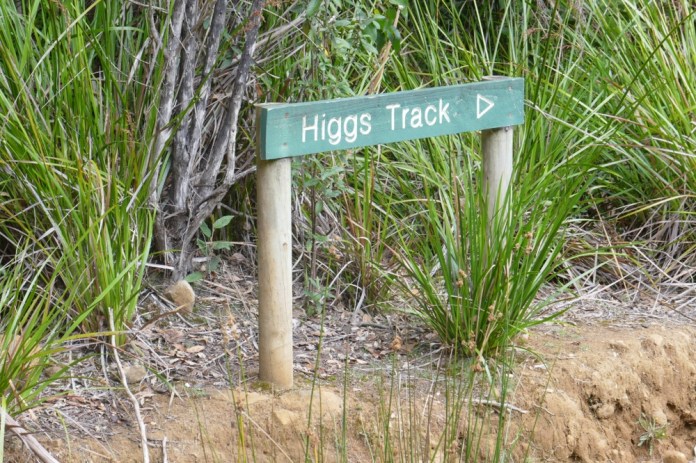
Higgs track with the Ramblers April 2018

Higgs track April 2018

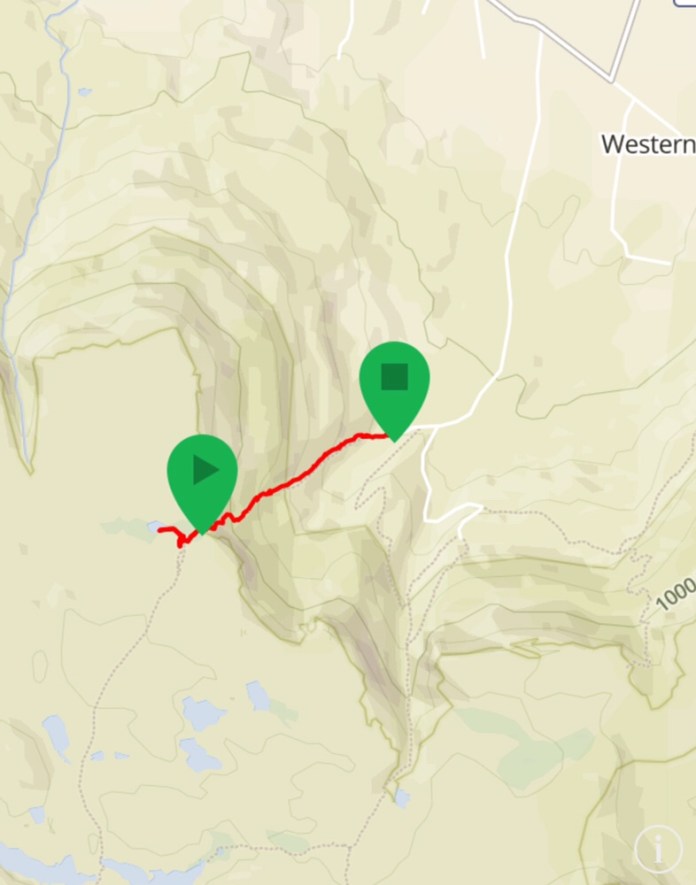
This Sunday was my first walk with the Ramblers. This group has just celebrated its 45th anniversary as a walking and hiking club. There were four people at High street where we had been asked to meet. Two more joined us, Julie at Deloraine and Peter at the start of the walk.

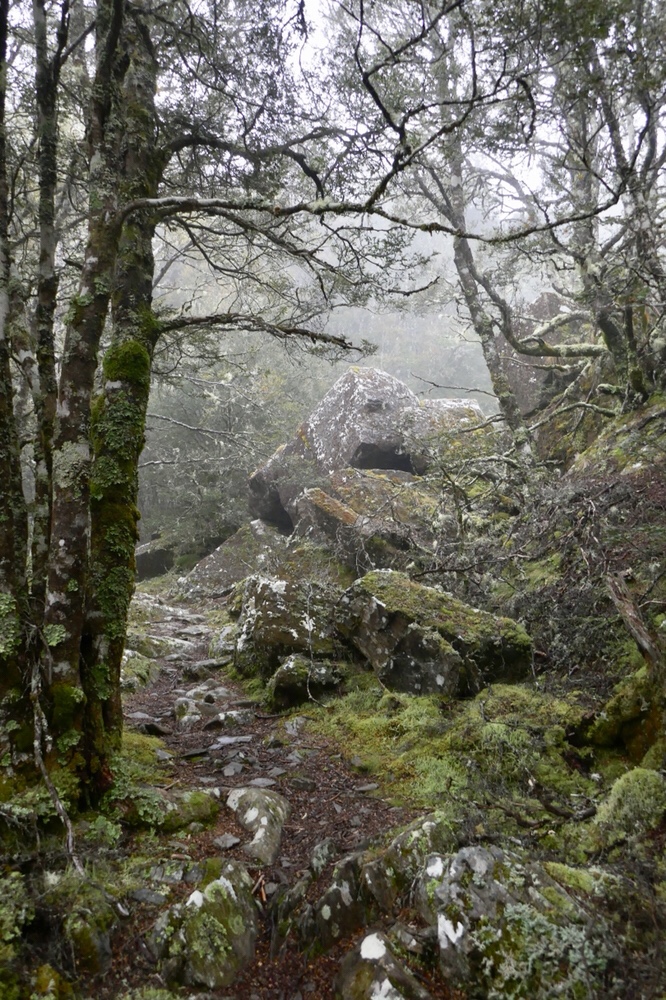
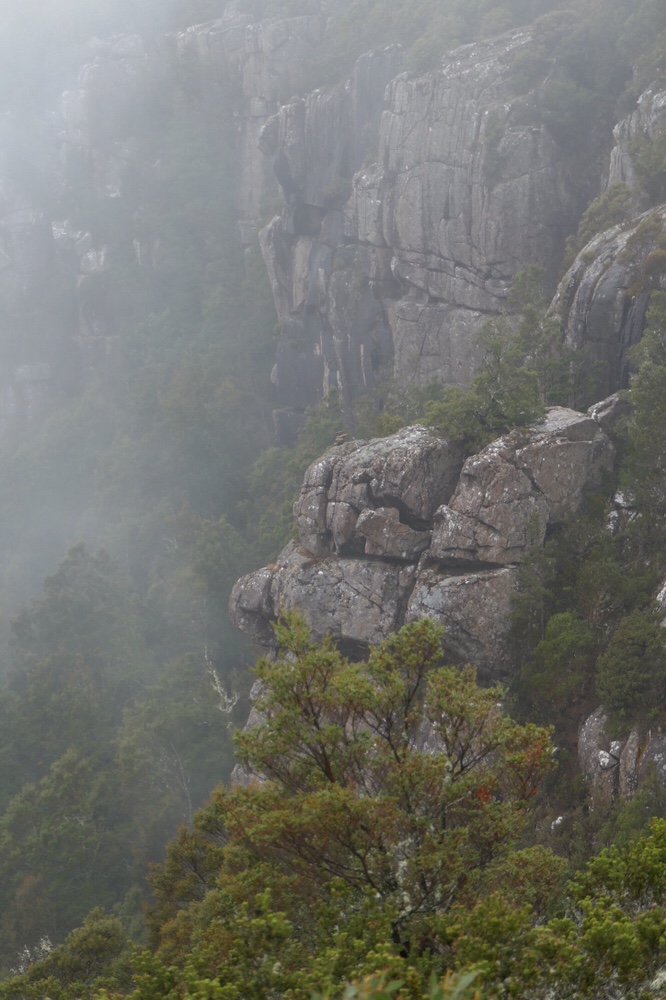
it was a cloudy day with a forecast of heavy rain by mid afternoon. As we approached the steep slopes of the western tiers, cloud partially swathed the mountain sides. The light was softened and gentle.

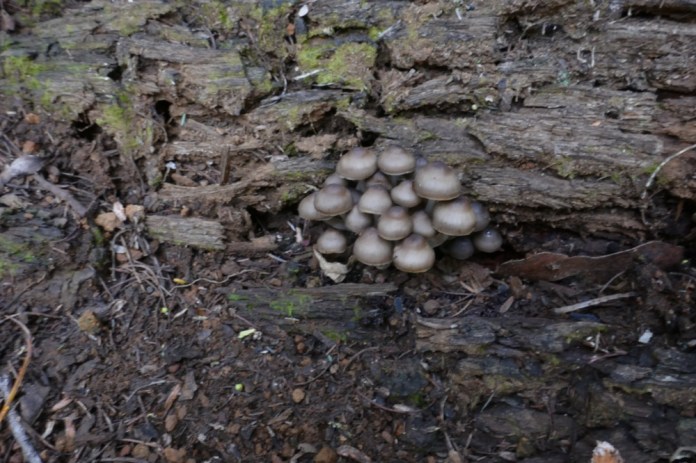
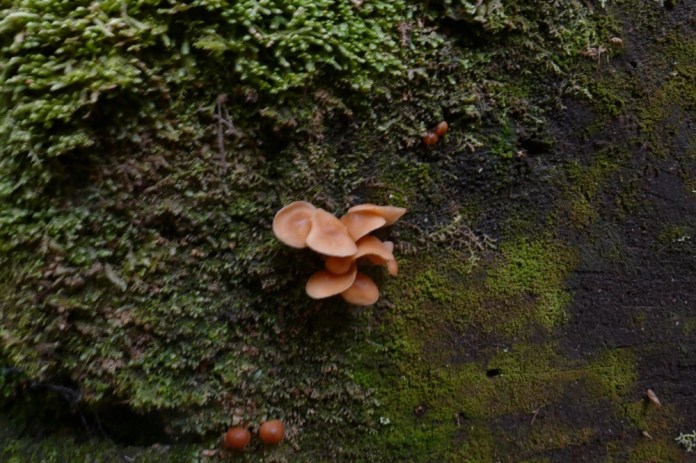
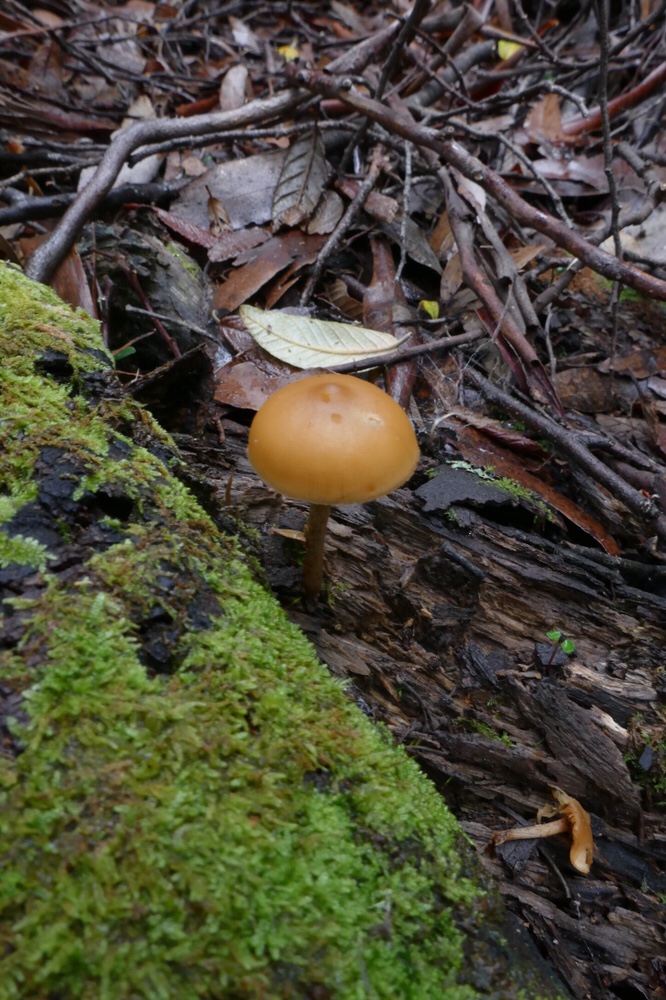
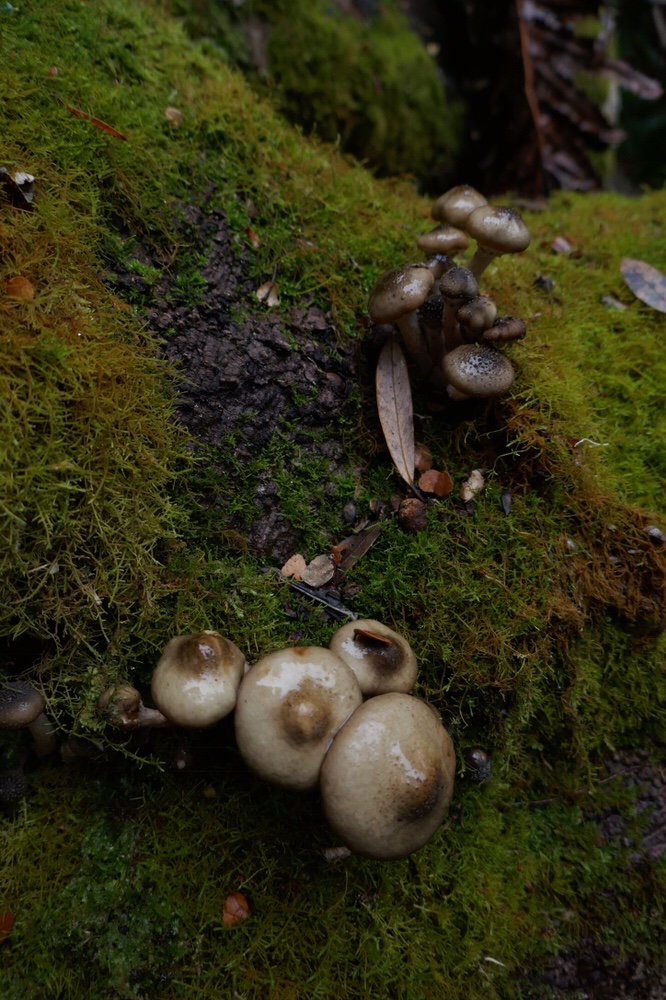
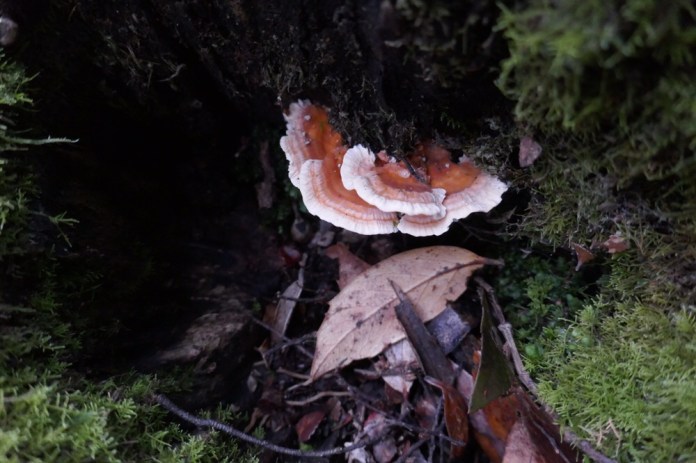
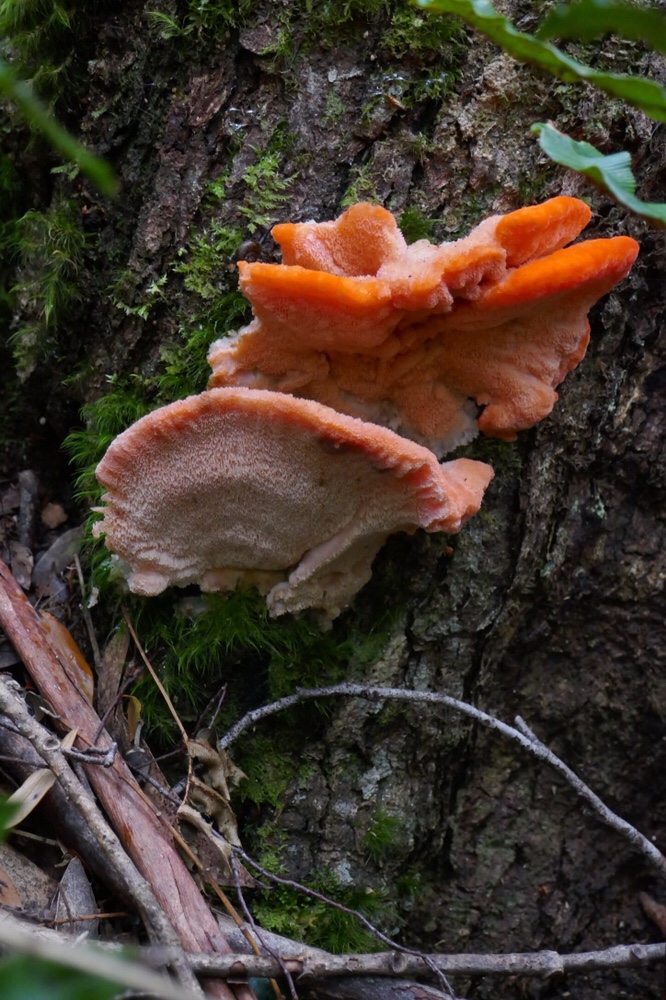
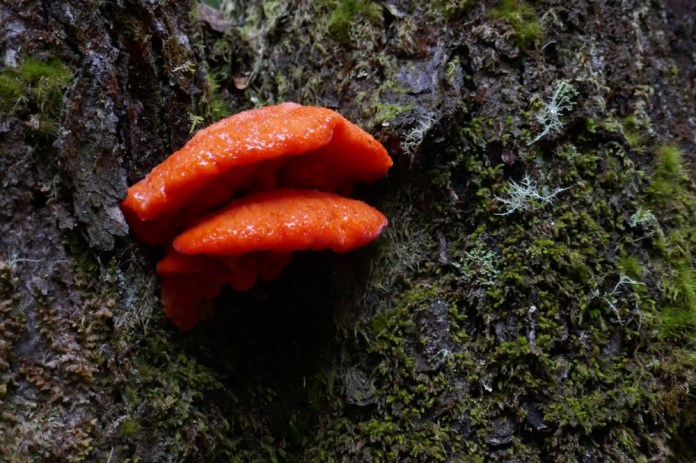
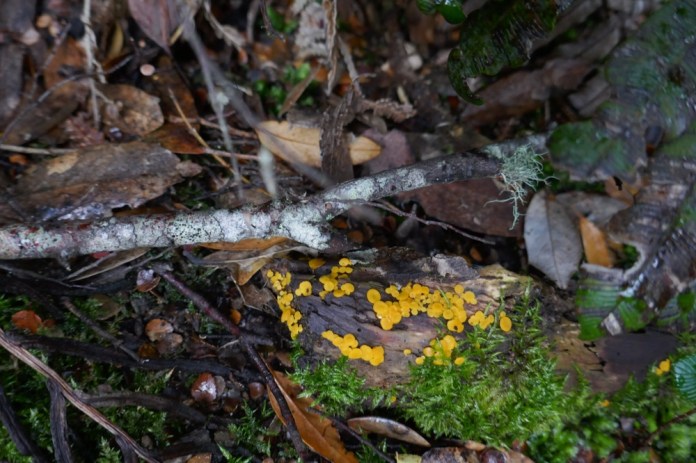
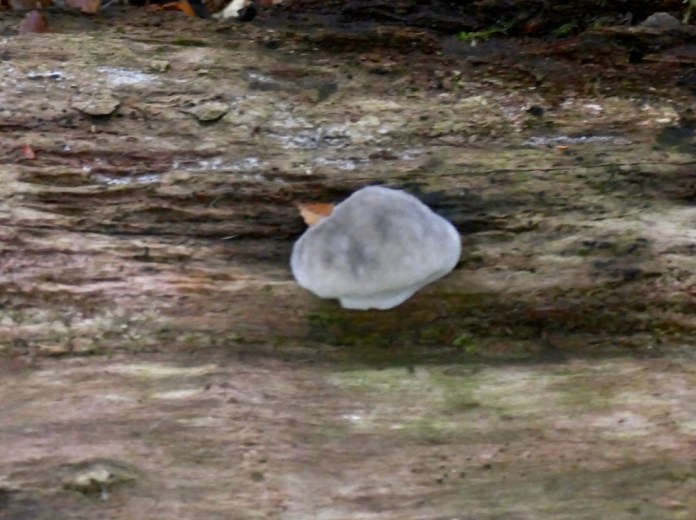
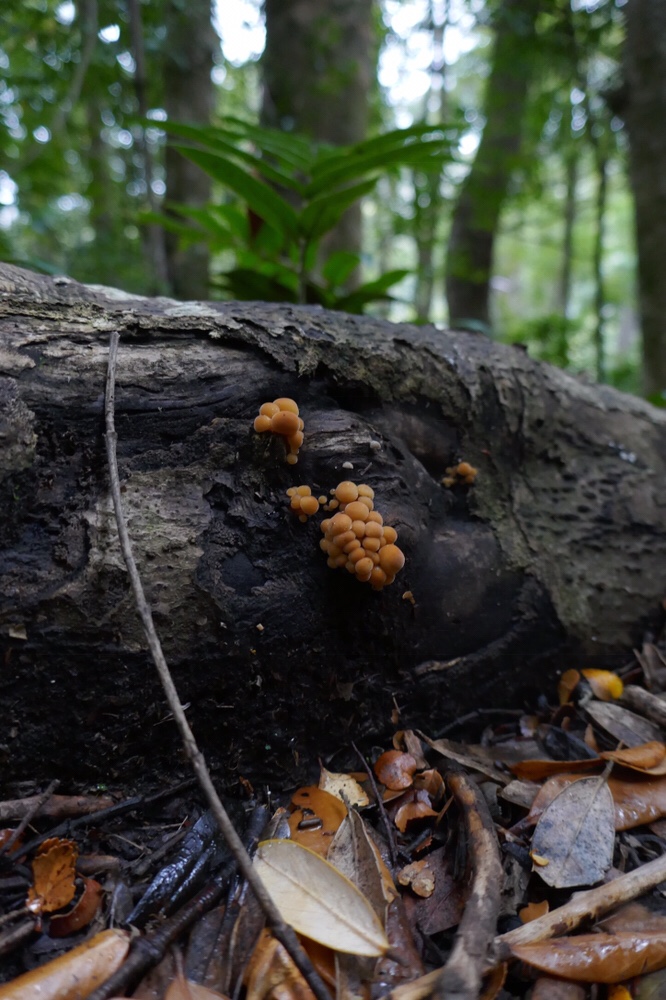
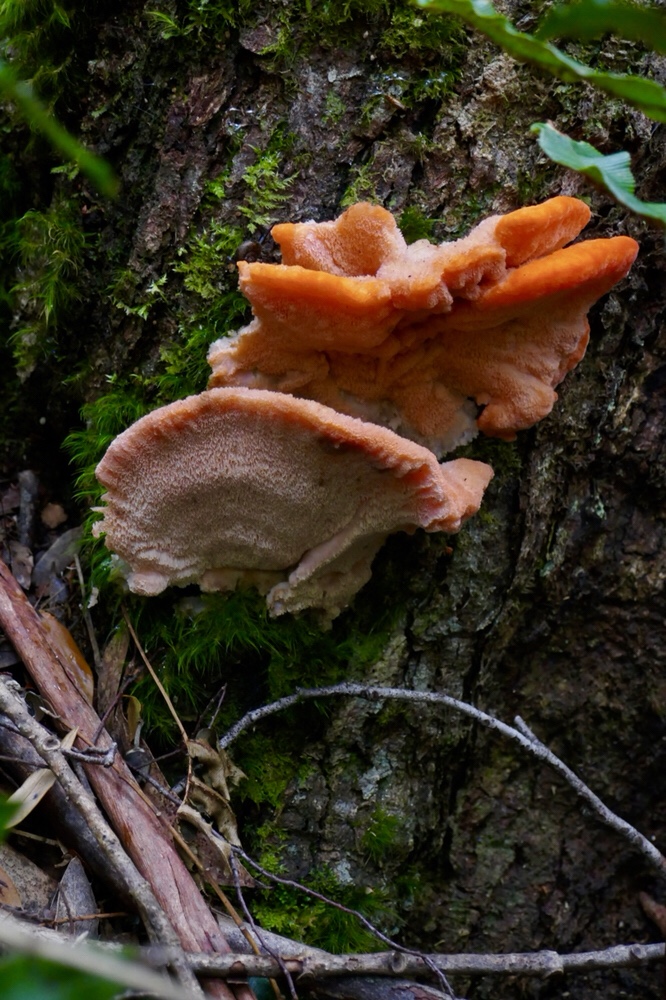
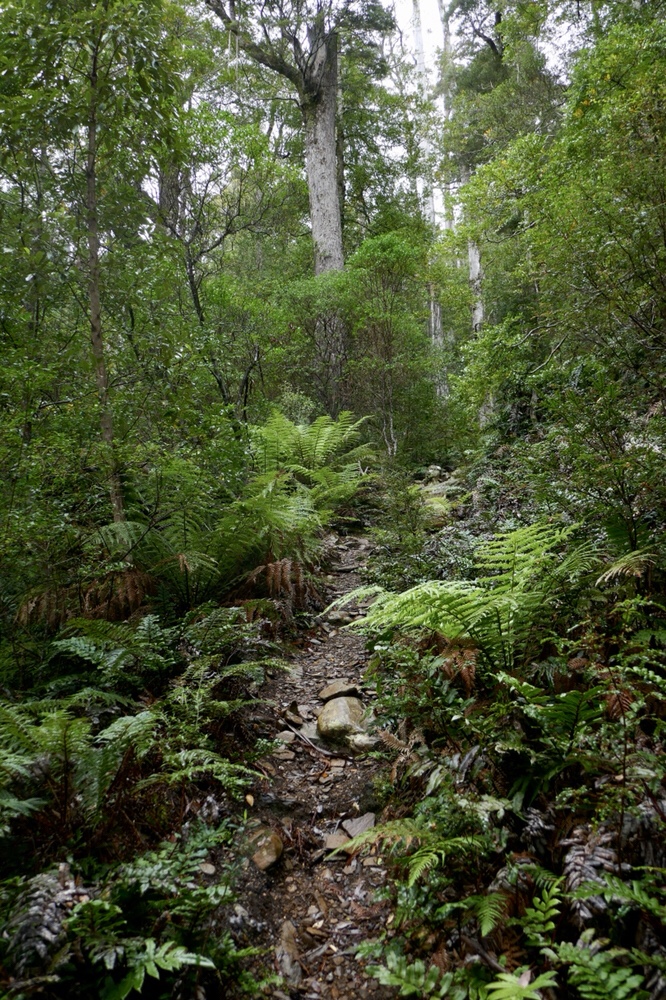
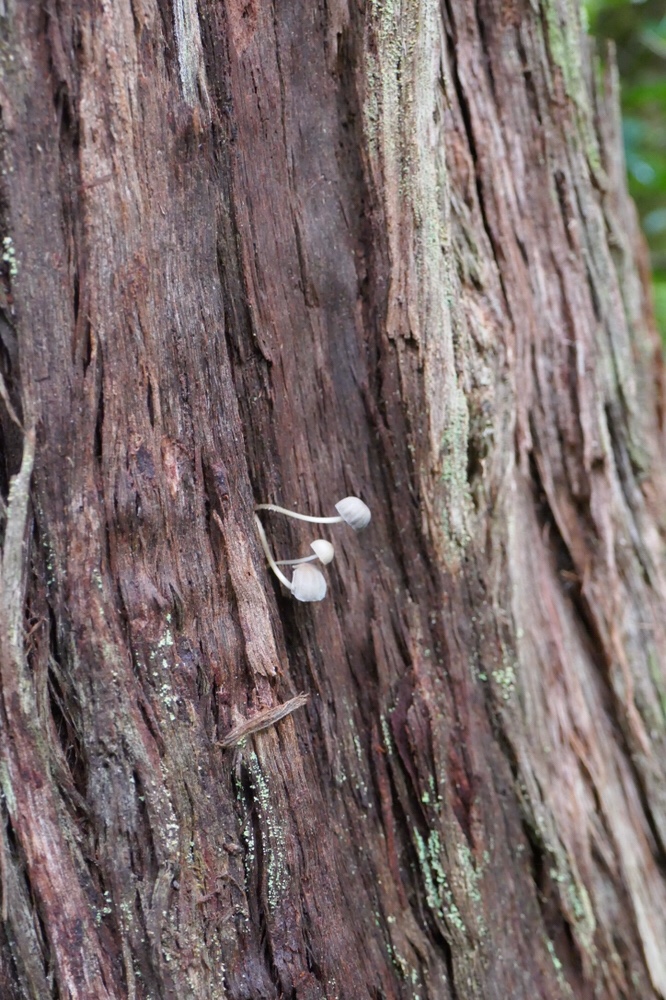
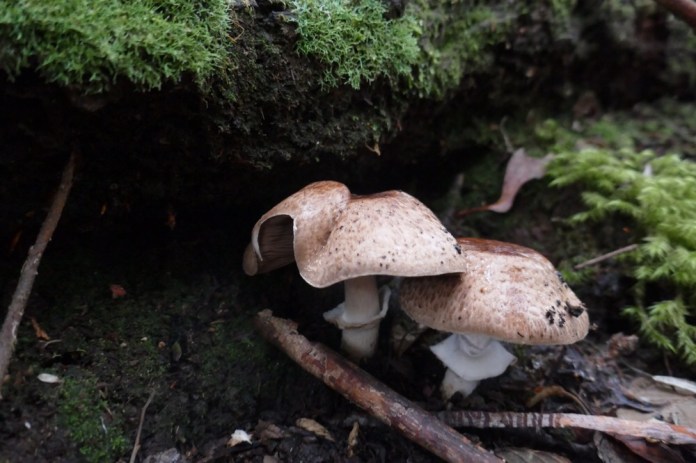
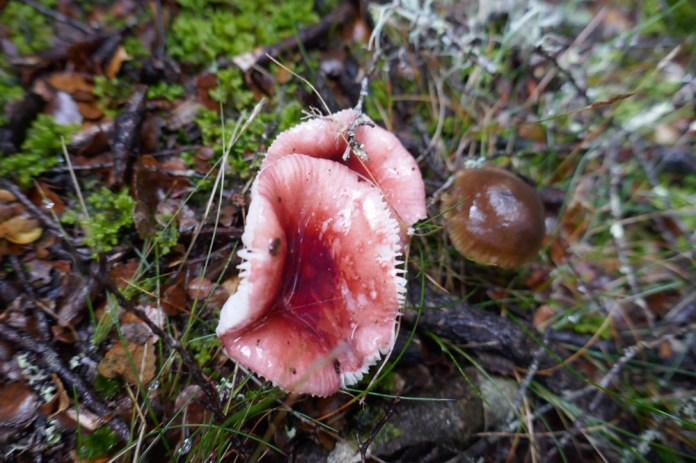
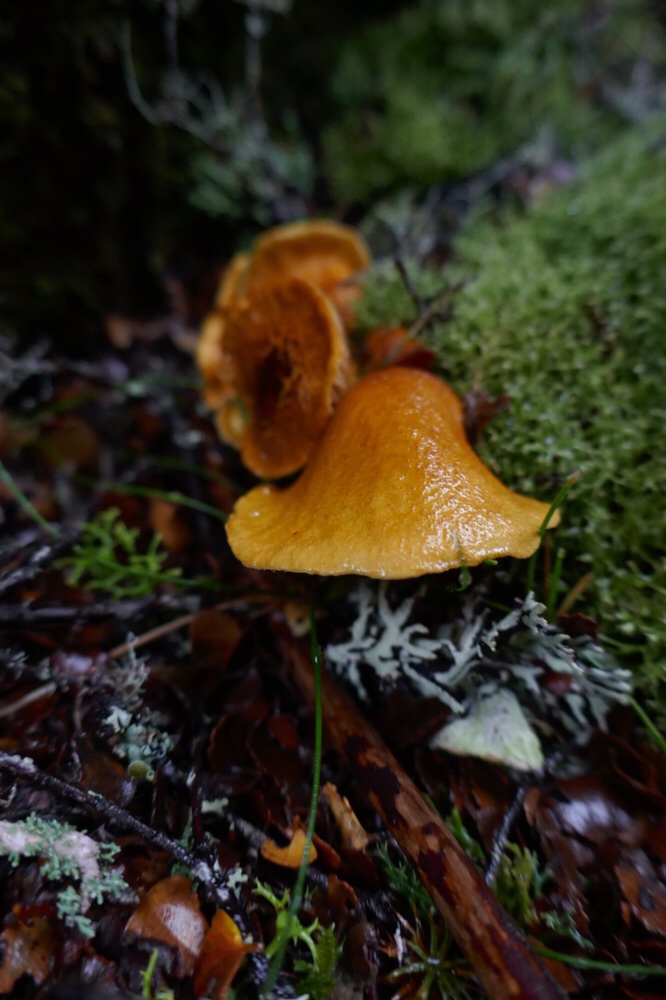
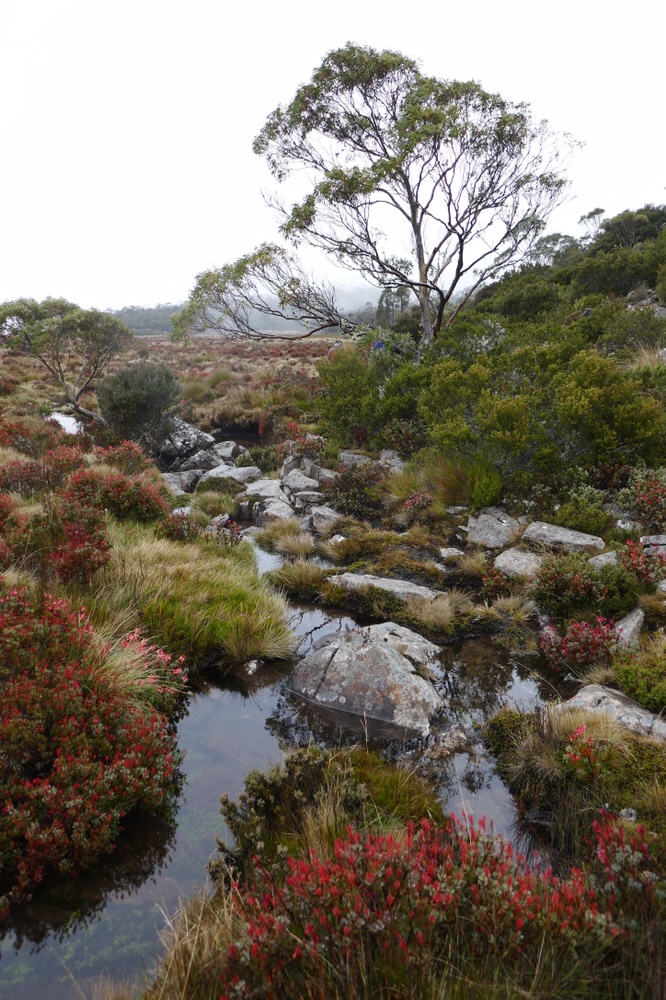
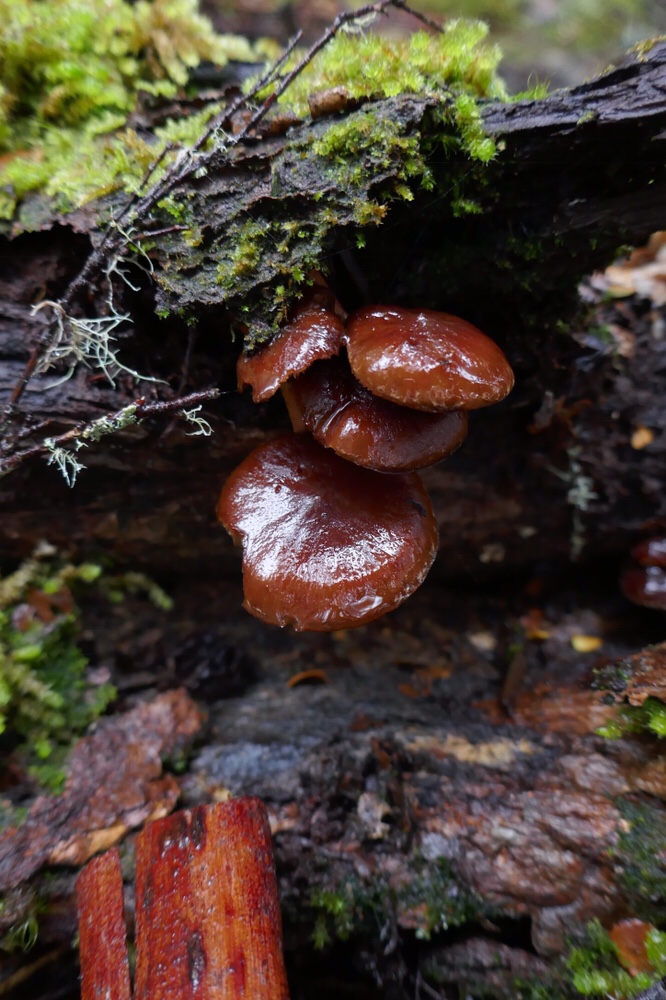
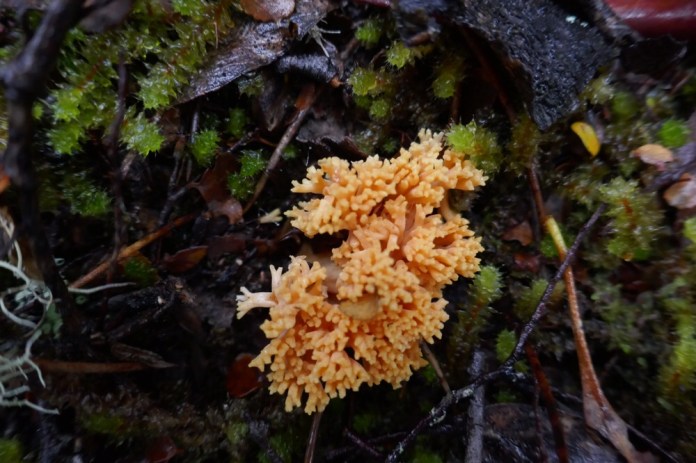
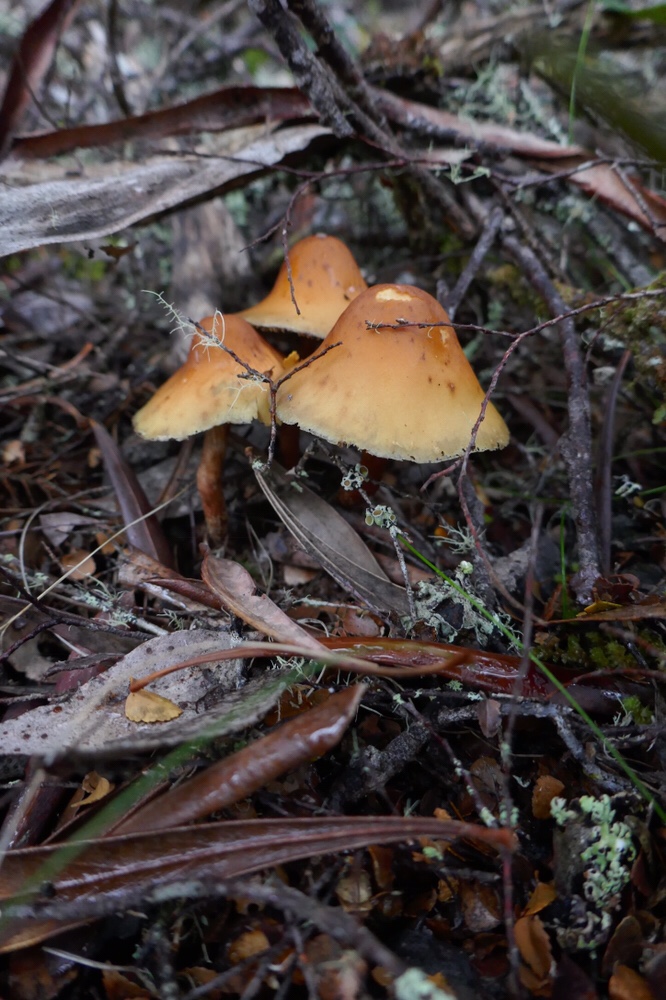
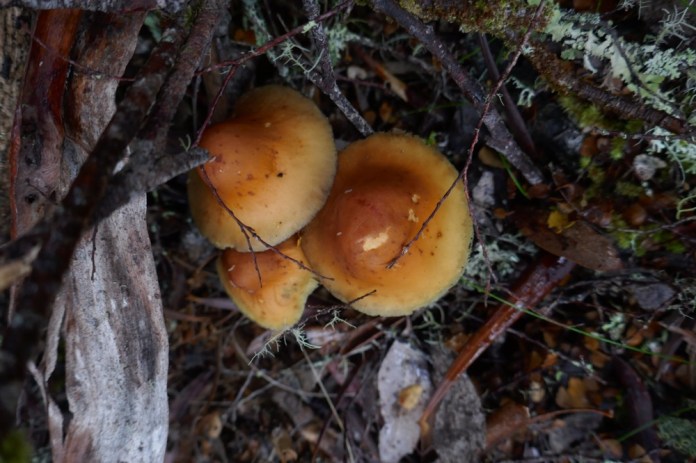
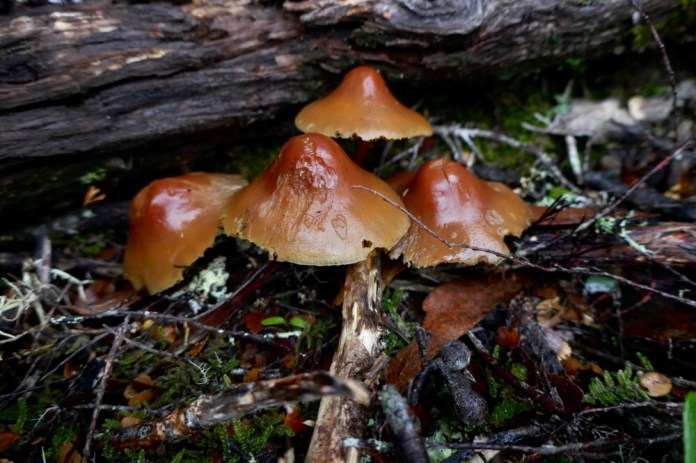
The walk begins on a bark trail, crosses a creek by an established bridge. We saw the first of many fine examples of Tasmanian fungi. Elaine is even more enthusiastic about them than I am. We took so many photos. The damp mizzle blessed them with the most delicate coating of moisture, making them appear even more delicate and sublime than in harsher daylight.

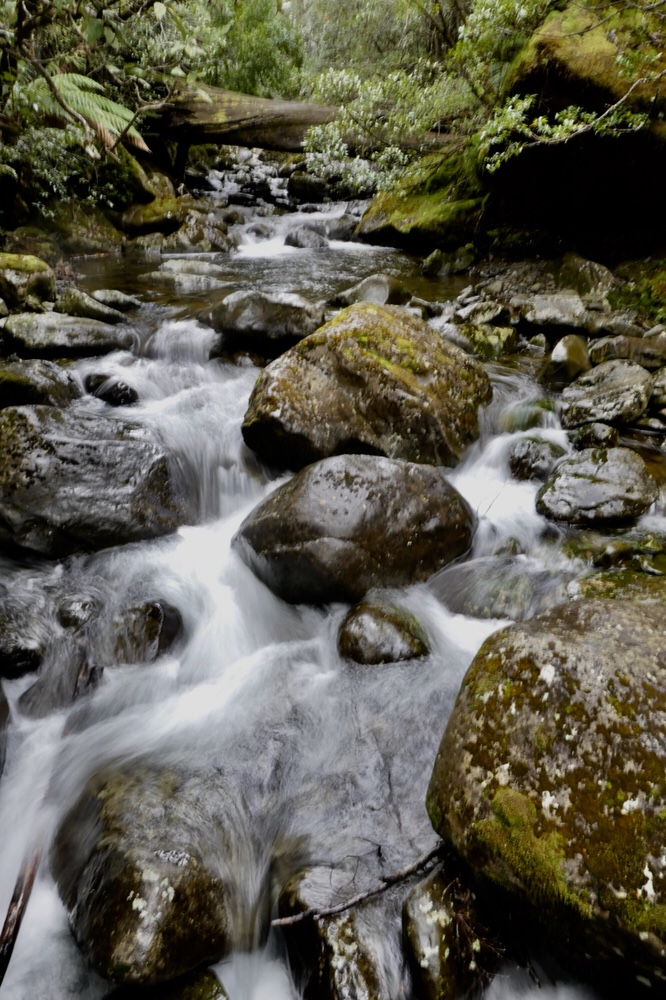
The track winds up the slope, the steps on the rocky track needed care but did not present too severe a technical challenge. Then after crossing a rocky creek bed, water chugging beneath us as we clambered over them, the route became more difficult. This was only a short interlude before arriving at the cairn marking the culmination of the track.

On the way up we passed a track to the right which is actually the original path, where Stanley Higgs brought up cattle to feed on the alpine meadows and heaths in the Tasmanian summer. He built the track himself in the 1880s.

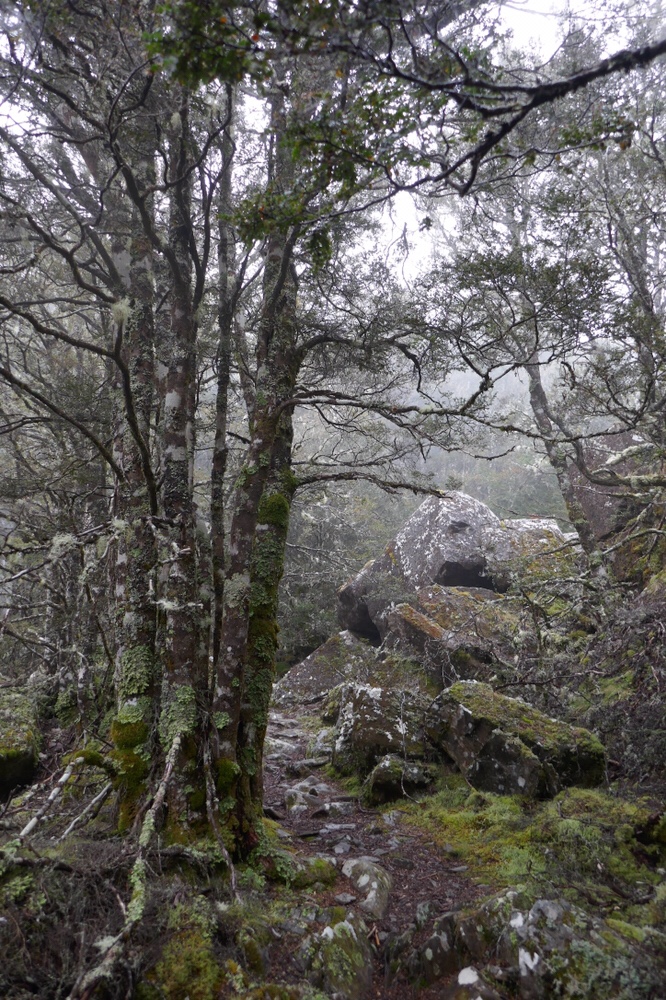
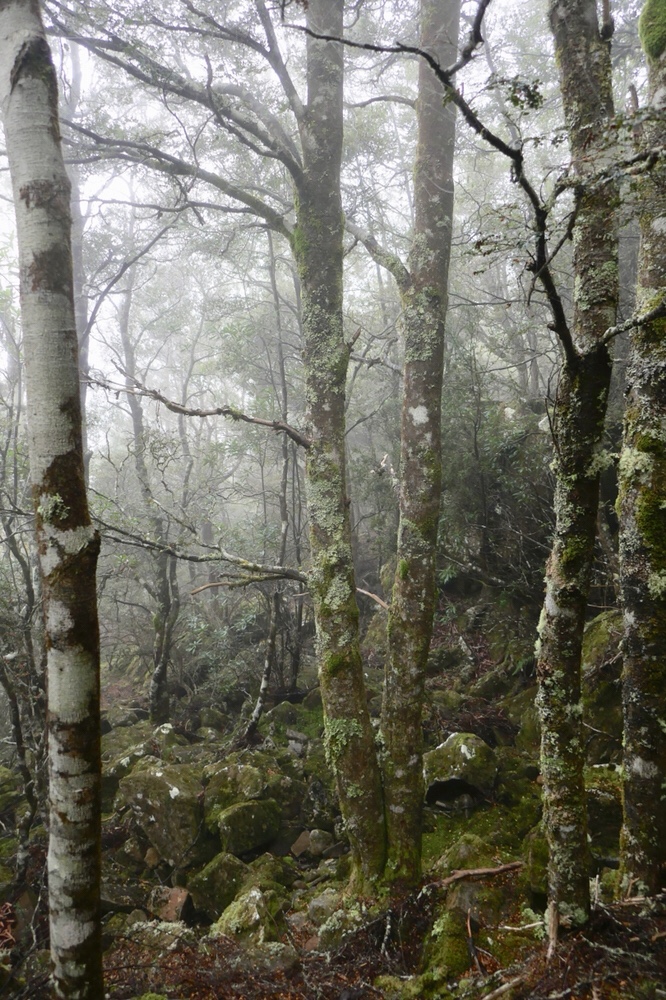
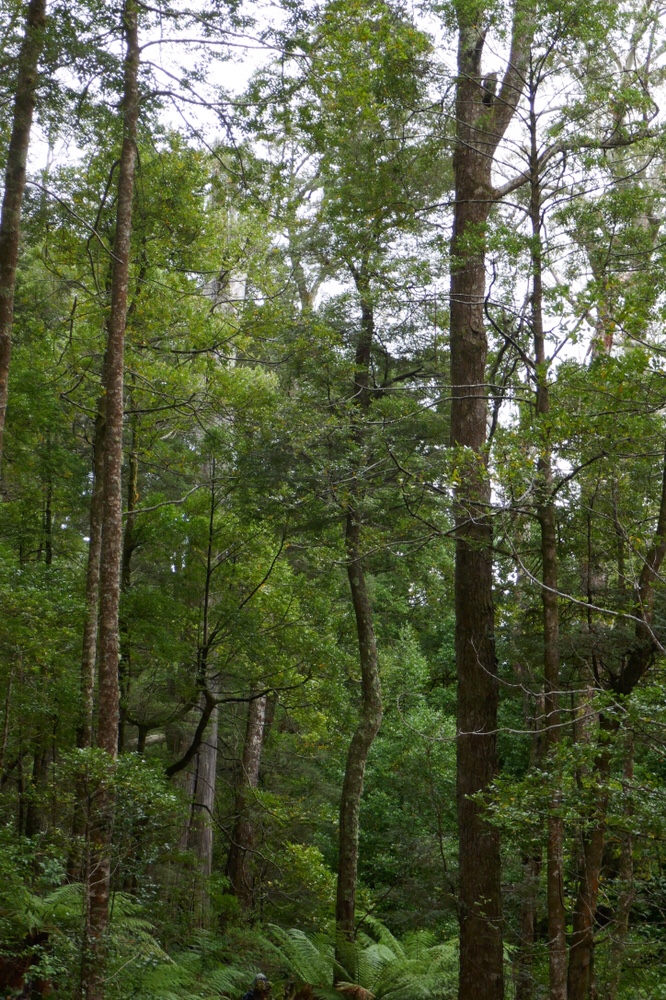
Mist filled the forests. The blue light and soft wet haze made every image magical. There is something about a foggy forest that harkens back to our north European ancestry in the medieval and ancient woodlands. It resonates with the subconscious.

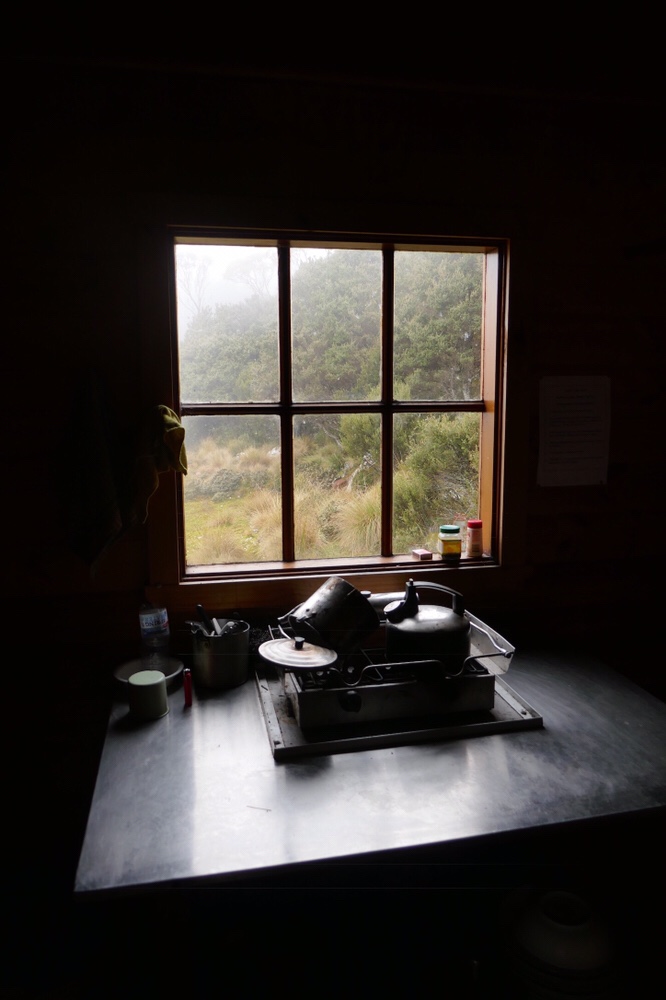
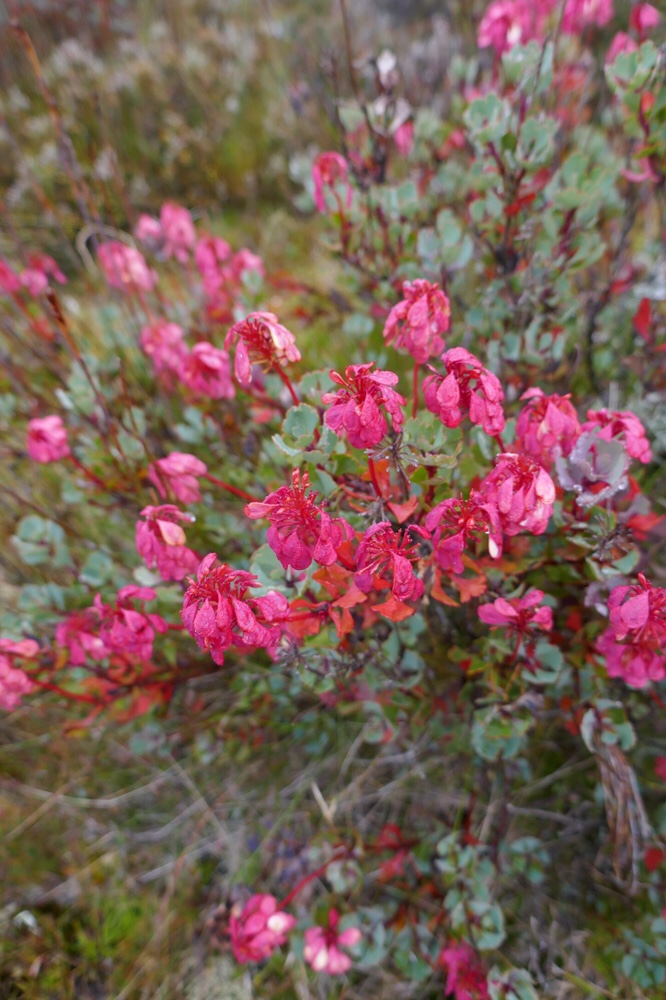
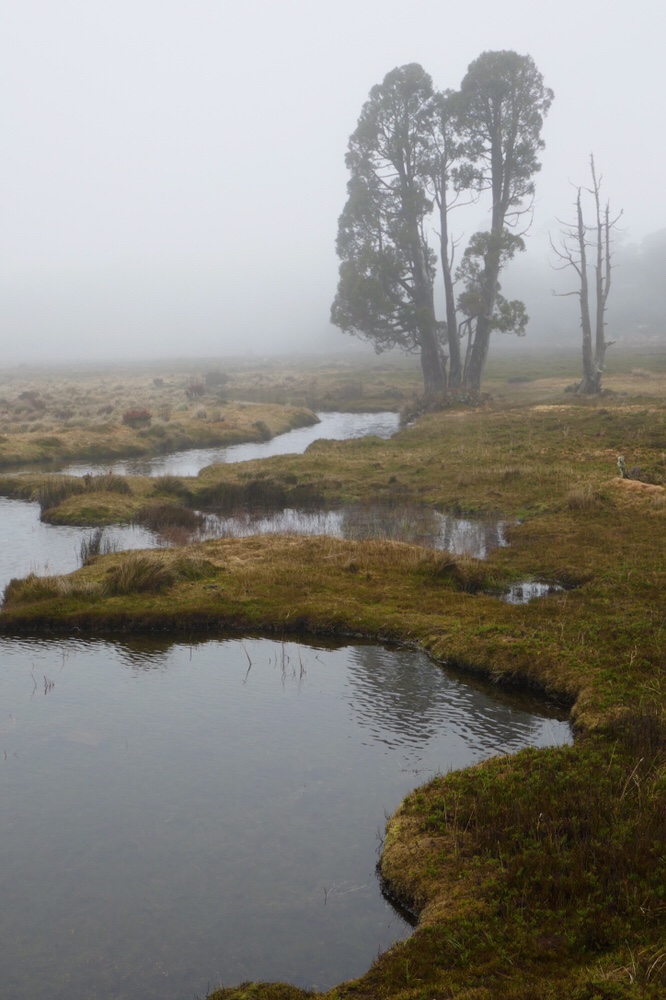
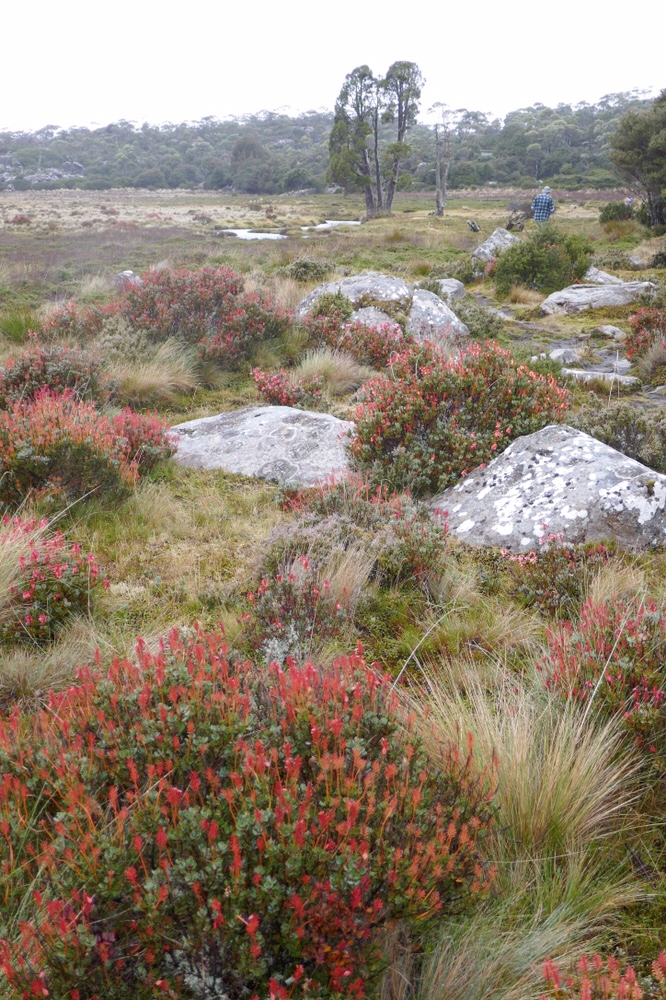
The plateau is covered by snow grass, cushion plants, rocket and herb fields. Ponds and streams woven within the landscape. A solitary pencil pine was silhouetted by the fog. The hut is well provisioned with bunk beds, blankets and cooking utensils. After lunch, we walked the short distance to the lake. It seemed so vast, it’s opposite bank hidden by the prevailing cloud.

The first part down deserved attention , and I was slow as always on any treacherous surface and had only two inconsequential tumbles.

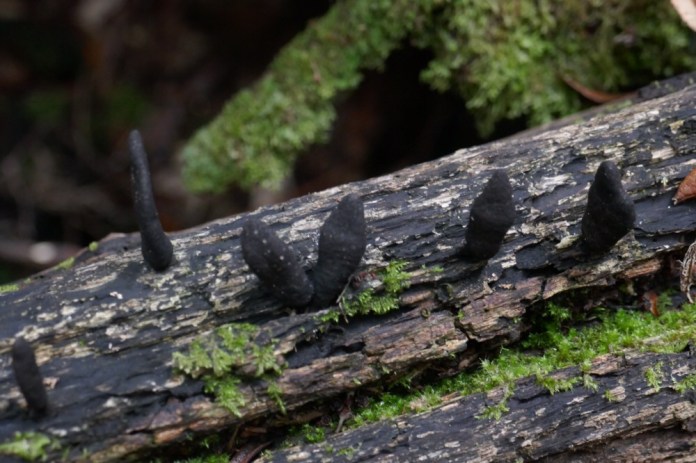
We soon reached the easier section of the descent, and enjoyed the many fungi some nestled in fallen leaves, others emerging from rotting bark and logs and a few peeking out between fern fronds. So many colours and forms.

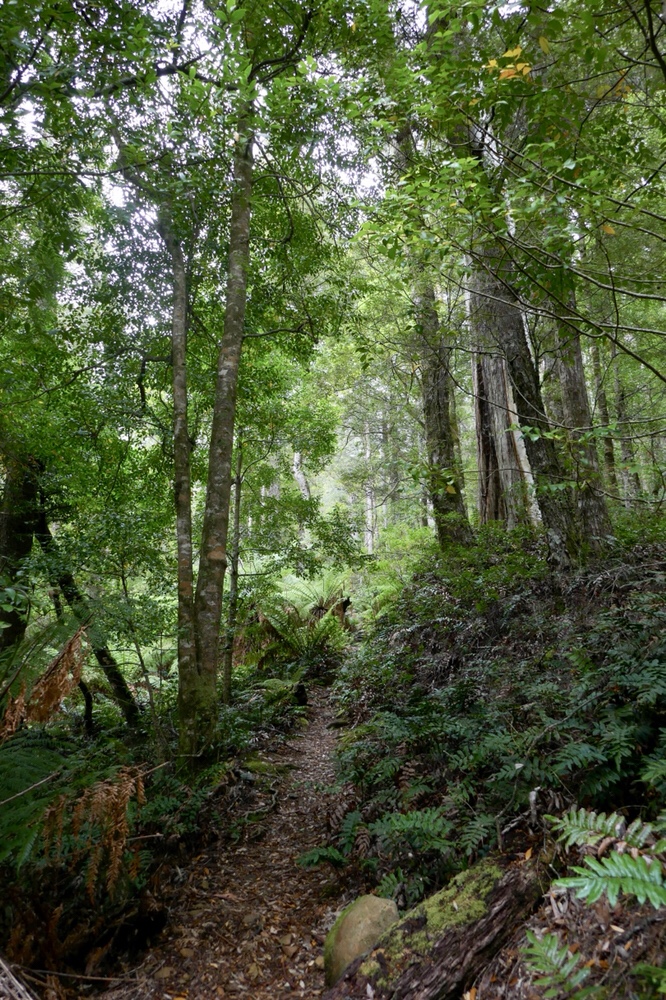
The ferns and ash trees, the myrtle beechs spotted liberally with moss and bright, iridescent flaky lichens. The bush was quiet and still. It was all very beautiful.

We soon arrived back at the cars, and left this wonderful area. We stopped at an excellent providore in Deloraine for Cake and coffee.

What a super days walk with great company.

Standard
Travel

Maria Island Walk April 2018

I have never been to Maria Island. I have been to Freycinet and driven along the eastern coast of Tasmania. Always It sits there, tantalising me only five kilometres from the mainland. It can be justifiably thought of as comprising two parts, two mountainous islands joined by a narrow, sandy isthmus.

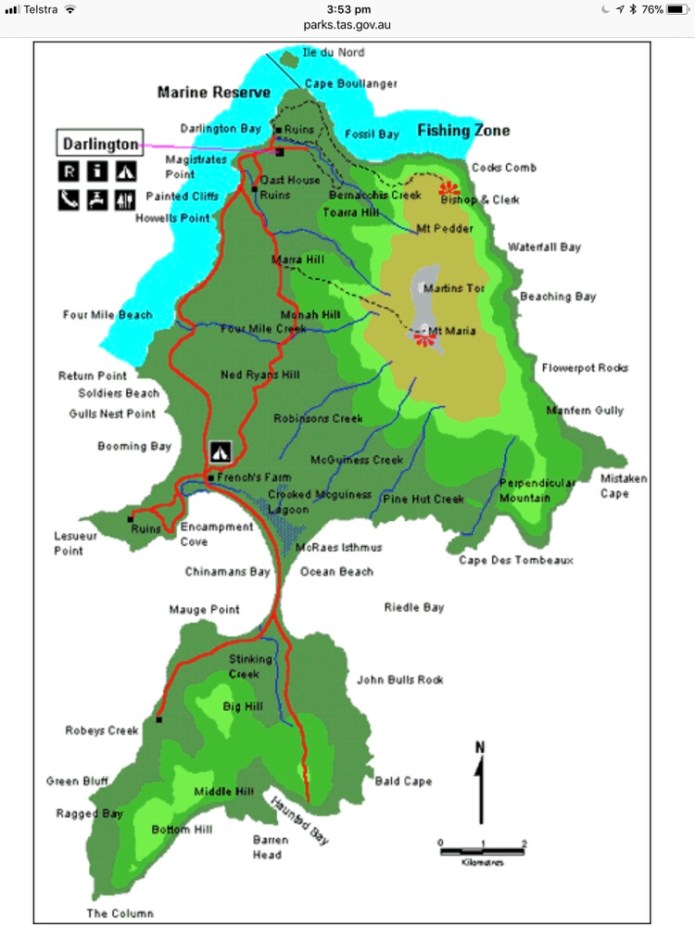
This is a map published by Tasmanian Parks.

.

I decided to visit. I went as a paying guest of the Maria Island Walking Company. It’s under the same “ great walks” umbrella as Larapinta Walk and boasts similar standards of service and accommodation. I started my trip with them on the 27th of March. Jennifer, and Jennifer’s two sisters had spent a few days in Hobart, staying in an open loft apartment at the Wool store. I joined them on Monday afternoon, having caught the afternoon bus from Launceston. We had a wonderful meal at Annapurna restaurant in Salamanca. Jennifer and I walked down earlier because I had forgotten a down top. Luckily Kathmandu was still open and I was able to buy a very reasonably priced down vest. It came in handy on the walk.

On Tuesday morning, we waited outside the Wool store, until I was collected by the bus. Onboard were some of the other guests with whom, I’d be sharing walking, meals and as it turned out, interesting conversations. We were transported to their office in Hobart. I did not need to repackage stuff or use much of the equipment they provide so instead, I enjoyed browsing their books and hats, while sipping a hot cup of tea.

The cast: Laura and Philip were from Toronto, Canada. John and Moya, were locals from Hobart. Campbell and Anna, from Melbourne. Our two guides, Jai and Ella, were also locals.

The preceding week’s weather had been quite dreadful, very rainy and windy but the forecast for us looked very good. The bureau predicted rain at night but except for a brief five minute sprinkle at Darlington, my rain gear stayed in the bottom of my pack.

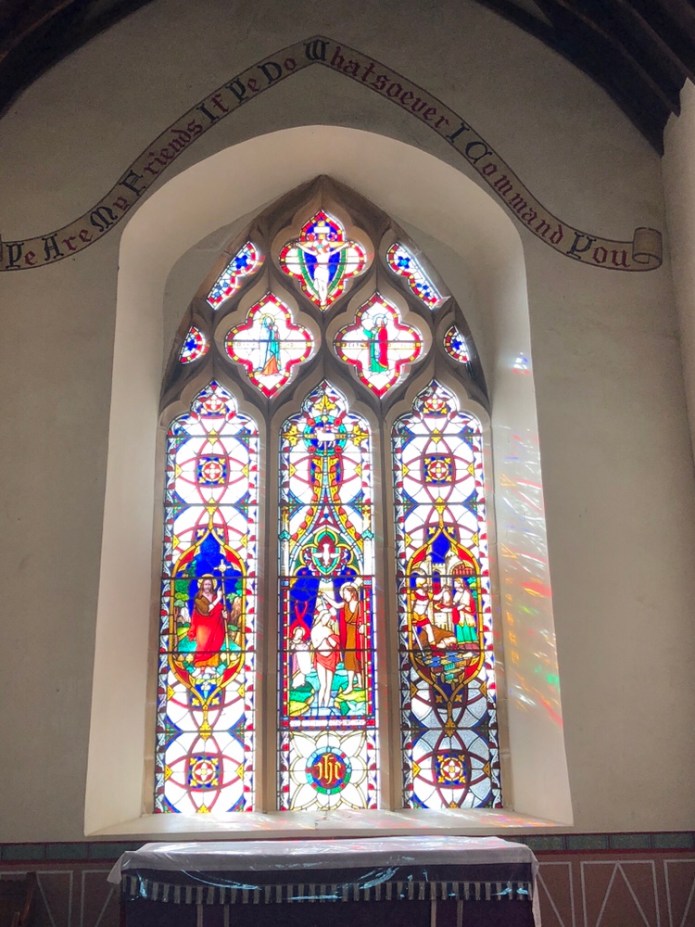
The drive from Hobart to Triabunna take 90 minutes. We stopped at an old church at Orford. The stained glass window here is interesting and its provenance proven but obscurity does arise in the details. It’s a genuine fourteenth century stained glass window, which had squirrelled away at the time of the destruction of the churches and only emerging in the early nineteenth century, before being promptly exported here to Orford.

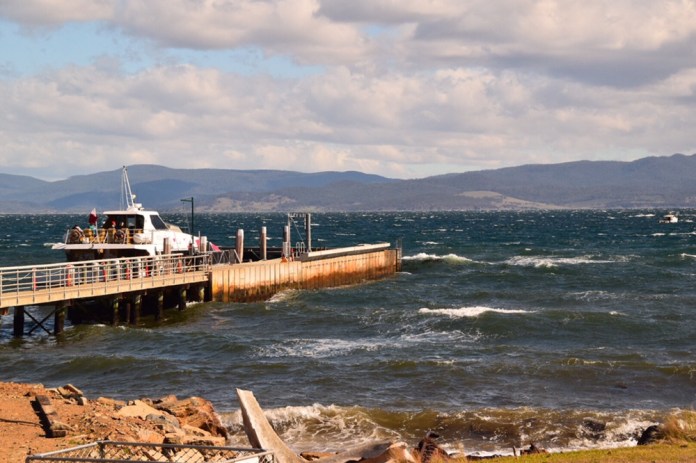
At Triabunna we helped the guides and driver, get our packs off the bus, then boarded a motor boat. The water was calm and the crossing uneventful but for seeing a pod of Common Dolphins. There would have been ten at least, their smooth dark grey bodies swimming in the wide blue water between us and the coast.

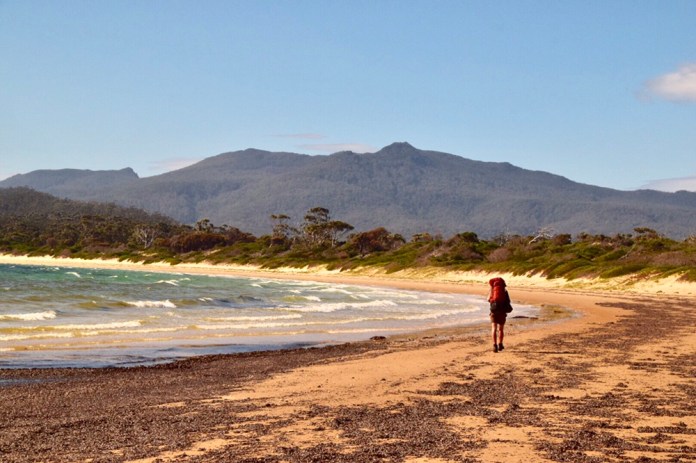
We moored at Chinamens bay, only a few meters from the beach. We all removed our boots, then holding them up, we splashed into the water, and waded quickly to Maria Island. Jai and Ella brought the packs ashore. After drying off wet feet and putting our boots back on, we walked a short distance up the beach, before crossing the isthmus to Ocean beach. We had lunch sitting in the sand overlooking this wonderful stretch of coastline. There were gentle waves of pristine sea water. The water here is especially clean because the continental shelf is only a few kilometres away and flushes this coastline all the time. It’s hard to calculate depth, as it’s so clear, a meter looks much the same as two or three meters.

Many shore birds were going along the beach, some walking, some running and some gliding, looking for food. The terns flying smoothly over dazzlingly bright wave crests.

Swans, sea eagles, hooded plovers, terns, seagulls, are just a few of the beautiful sea birds we saw on the many beaches on which we walked during our stay.

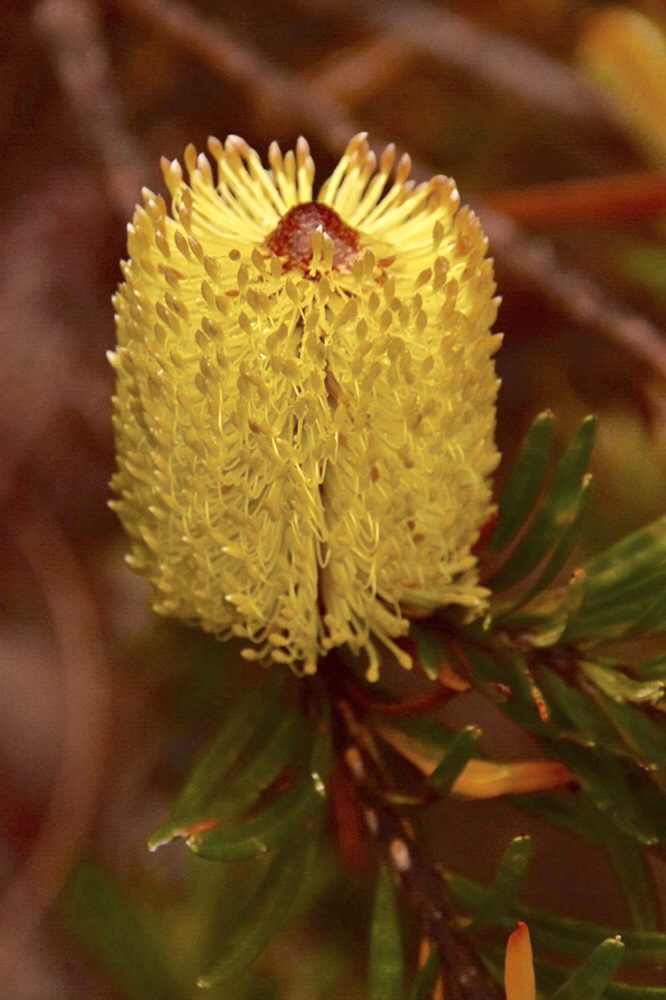
We walked south before diverting off the beach, then going a short distance on a forest track, surrounded by mature casuarinas and silver banksias, to arrive at Casuarina Camp. It’s a permanent base now. Originally it had to be disassembled over winter but in recent years that onerous requirement has been lifted. The facility is made up of five tents. These tents are really glamps, timber walls, timber bed bases and comfortable beds. The windows are canvas as is the roof. There proved to be very comfortable accommodation. There are composting toilets, showers, and washroom. For a shower, you collect four litres of warm water, top this bucket into a steel bucket in the shower, hoist it up, then when ready, you turn the handle and water comes down and out. The main eating area, has an outside verandah, and inside, under canvas, is a large dining area. Two gas heaters are there for cold nights.

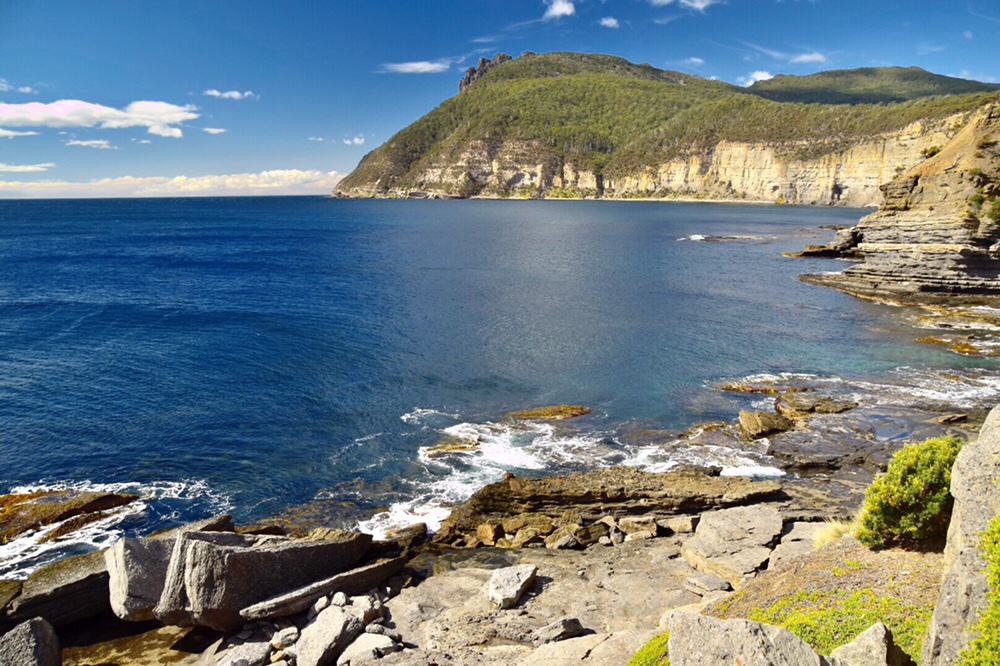
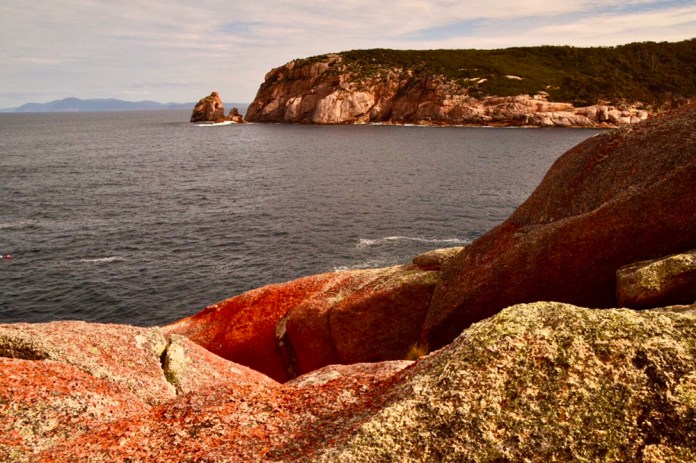
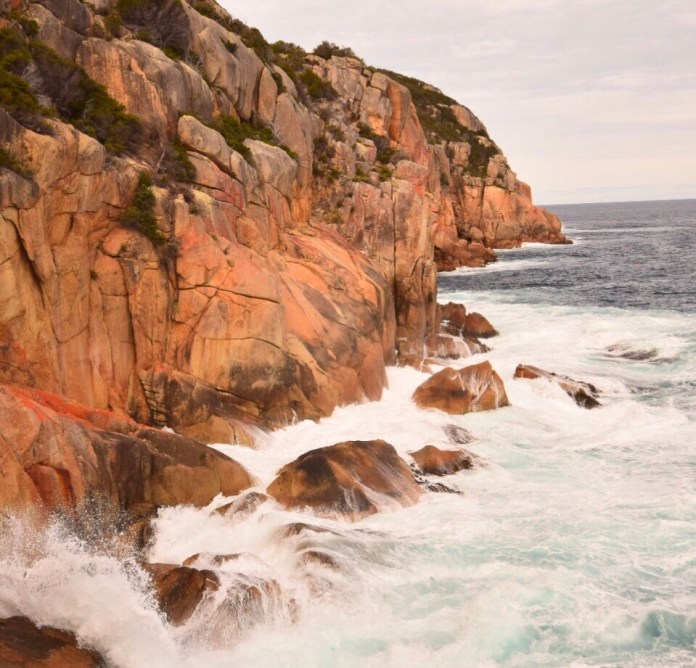
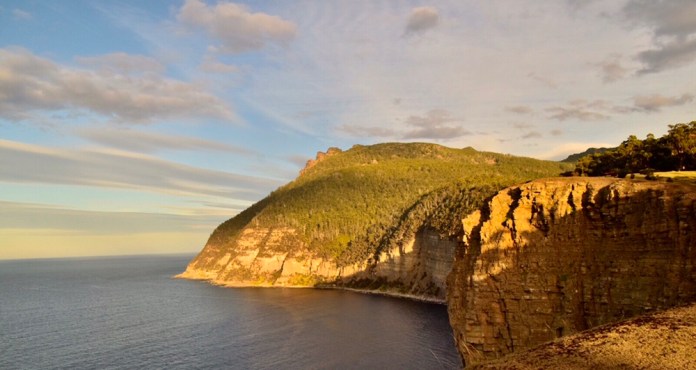
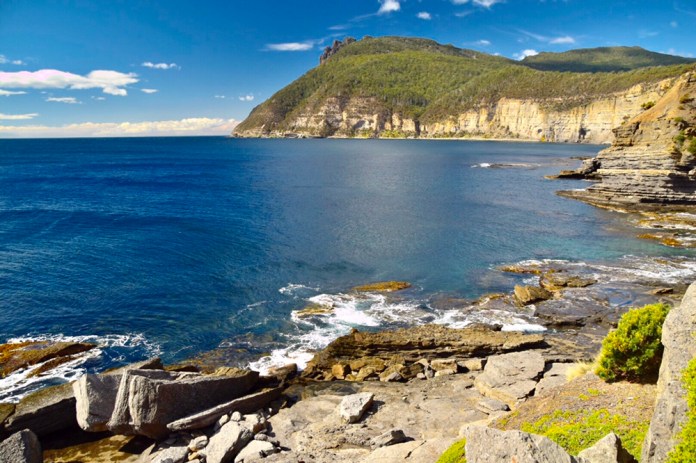
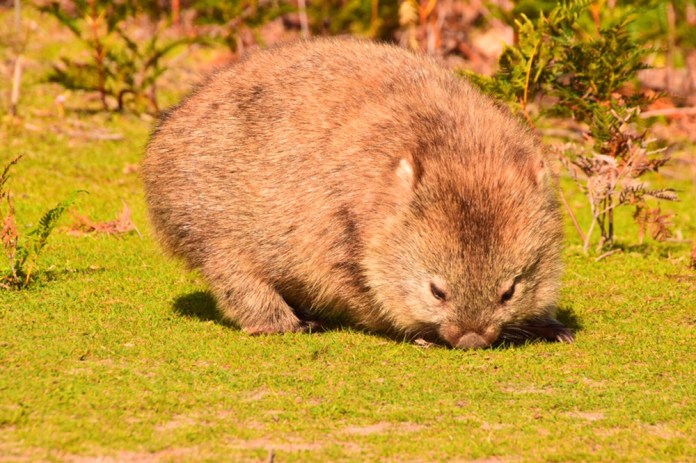
The afternoon options for walks were either Robys Farm or Haunted Bay. John and Moya went with Jai to the abandoned farm. I went with Ella and the others to Haunted Bay. It’s name comes from the eerie echoes of penguins as heard by the whalers who were once based there. The walk goes steadily upwards, through forests of banksia, gum trees, and bracken. Then there is a reasonably steep descent to the rocky shoreline of the bay. Here you can see the southern tip of Maria Island. Even in this gentle swell, the waves crashed over the rocks. It would very spectacular in a southern storm! The rock is orange and red, it’s the only area of basalt on Maria Island. It’s very reminiscent of Wilson’s Prom, and Freycinet. Most of the rest of the island is either well cropped lawn ( courtesy of the three thousand wombats), forest or mountains made up of dolerite. Dolerite is the tough scaffold of most of Tasmania, and Maria Island is no different.

We spent forty five minutes there, sitting on a shelf of rock, and taking lots of photographs. The waves transforming into sheets of white as they struck and flooded over the rocks. I can only imagine how impressive it would appear in a big sea.

We walked back to camp. It was time for showers or a swim. I elected to have a shower while there was still daylight. I tidied up my tent, placing the sleeping bag liner in place. At five, we assembled on the wooden patio, happily relaxing on chairs while Jai and Ella brought out a wonderful selection of cheeses, pickled onions, quince paste and some local reds and white. The Bream Creek Sauvignon blanc was my favourite. As we chatted about the day amongst ourselves, our guides assembled dinner. There is a long wooden table, three lit tea candles providing illumination. I can’t remember all the meals but I think we started with a bruschetta, then a meat dish and desert of Berry and cream. By the time we had finished our superb meal, it was time for bed. It was quite cool now, but I soon fell asleep. The wattle birds calling in the night air.

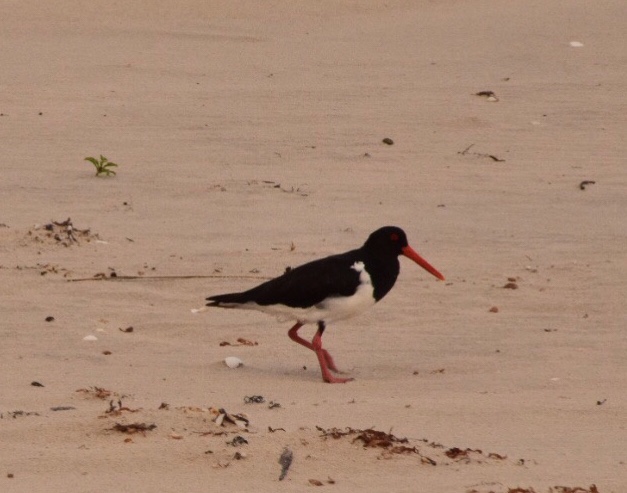
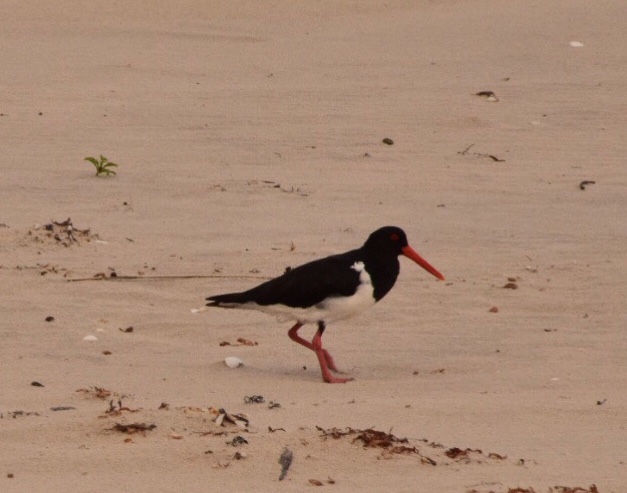
In the morning, no rush, a breakfast of cereals then an egg based hot meal with rolled salmon. Some of us decided to explore the Ocean Beach, and took our packs down and set them in the white sand. I watched with fascination the crowds of hooded plovers, these tiny white seabirds were darting around some oystercatchers who were unperturbed by their antics.

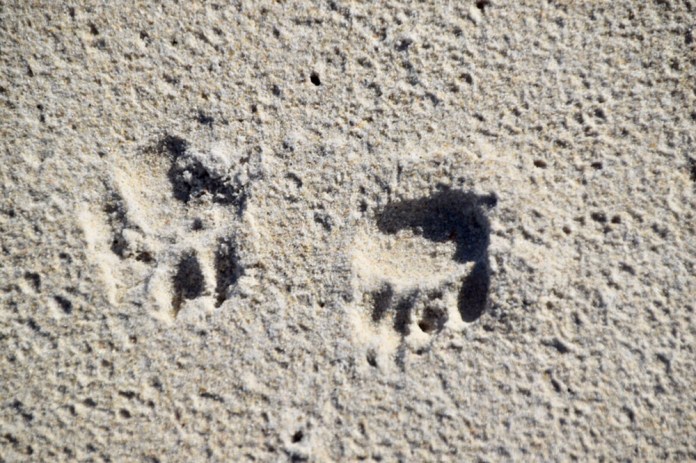
We all came across at different points, so had to assemble again and again. We crossed the isthmus but before we did. Ella pointed down to the sand and there were tracks. One step, then two footprints side by side, then one step. Pudgy little footprints typical of the Tasmanian devil. Maria Island is one major refuge for these wonderful marsupials. They cruise the beachs. I could see the track heading straight along the beach as as far as I could see.

We stopped on the isthmus, amongst the silver banksias, and rolling dunes, where it flattened out. Here was the location for one of the best known middens or living areas, created and used by many generations of Aboriginal people. In summer, it was too dry to stay here. However in winter, a large fresh water lagoon provided reliable water and then they could seriously settle in and party. On the western, more sheltered beach, were mussels, and shell fish. A short swim, took you to water filled with scallops and anchovies. It was the women and not the men who did the fishing. They would coat their bodies in ochre and seal fat to protect them from the cold water, and provide camouflage. They would swim out to collect the abundant sea food. On the eastern, ocean side, the water teemed with whales, fish and seals. The women would swim the two or three kilometres to the shelves where seals basked, climb stealthily from the water, club the seal, and then swim it back, all the time keeping an eye out for sharks. The men hunted the small game on the island and mined ochre from a single, significant deposit on the eastern tip of the northern section of Maria Island. Scientists estimate that about forty to fifty people would canoe across from Oyster Bay, and setup camp for winter. They did this every year until whalers stopped them in the 1840s.

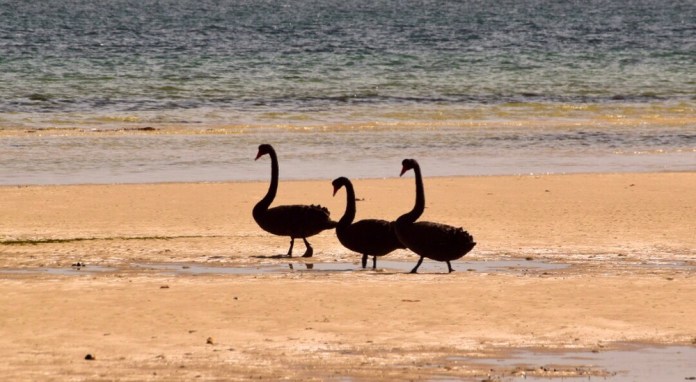
We skirted this significant cultural area before walking down to Chinamen beach. It’s called that because in the 1880s, Chinese divers collected abalone to sell in the Melbourne fish markets. Eventually, tariffs between states, made the business uneconomic but the name persists. We walked along* this beautiful beach, gentle wavelets petering out upon wide sandbanks, while groups of Black swans sauntered along. They were enjoying the warm, sunny day as much as us.

We stopped at French farm. Robey and French were the two main farms with sheep and cattle, they stayed were occupied until the 1950s. It was a lonely existence for the Robeys but the French family had lots of children, who got up to many sorts of mischief. There was a substantial stand of wheat awaiting harvest. One of the junior boys was worried about the mice who he believed would eat all of it. So with the aid of a slightly older sibling they decided to exterminate the mice of French farm. They poured kerosene down the mouse tunnels, it took ages to fill. Then they lit it. The ground lifted under their feet with the chthonic ignition, then burning, crazed mice ran in panic upwards and out of their tunnels, their flaming bodies setting alight the wheat as they tried to escape the inferno created by the young French boys.

Today, we sat by the outhouse, inside it’s not all that interesting. While I was in the loo a tiger snake travelled near the group. Wombats were totally uninterested in the snake and us. The wombats here are a cross breed between the pale, almost blond original wombats and imports from the mainland. So some are blond, “ surfie” wombats while other resemble very fat quolls only with dark not white smudges in their fur. They mow the grass. All three thousand of them!

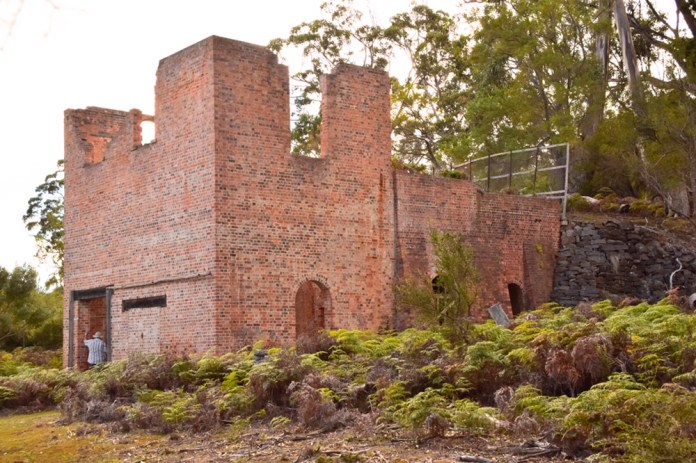
We walked on from their uphill, and inland to the Probation buildings. It was very windy as we walked up and above the beach, to a long brick structure. We sheltered on the eastern side, enjoying our lunches. Jai told us about this penal building which was made up of numerous cells. The least pleasant at one end and the most pleasant at the other. Privileges for these convicts increased as well. It was only used for a few years due to the unforeseen high costs of running this establishment. It was envisaged, the convicts would grow their own food but their skills in agriculture were pretty poor and barely applicable to the conditions on Maria Island. It was not a success!

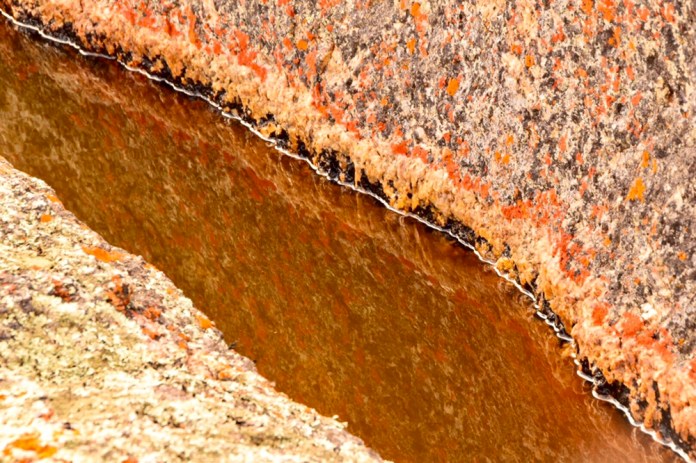
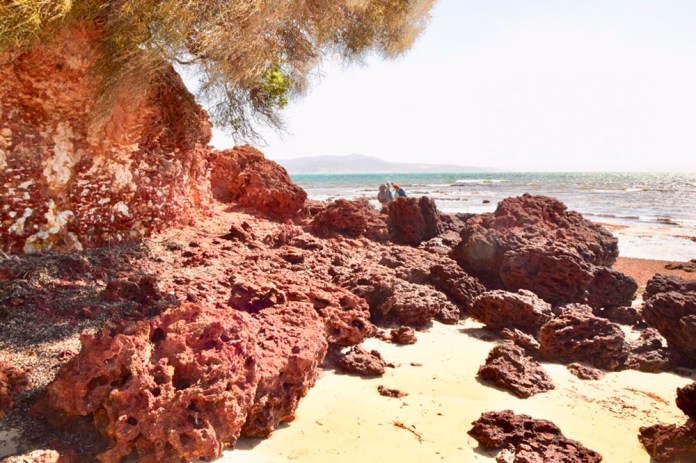
We then travelled east along La Suer point or Long Point. We joined our third beach for the day. We skirted the remnants of old whaling piers. Their timbers eroded into beautifully carved spears jutting out of and not into the sand. A large clay pit was stained by red minerals, creating impressive ochre pit. The rock is called laterite and creates a striking point of land, richly red rock climbing out of the sand beneath the shady coastal casuarinas.

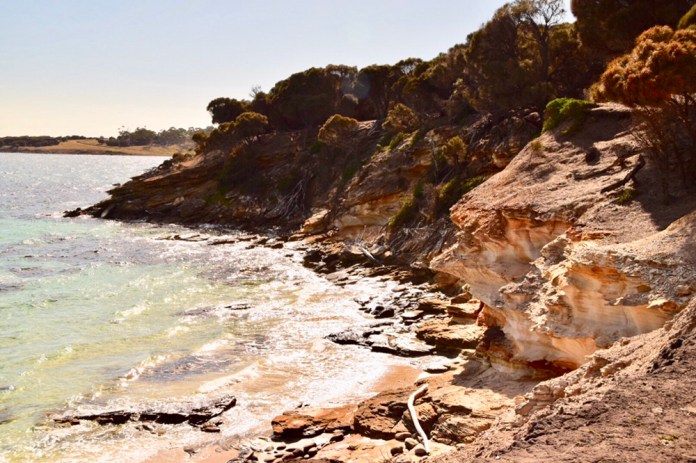
Now, we were only a short stroll from White Gums camp. We crossed another headland with yet another beautiful beach made even more attractive by the bronze tonings on the rocks and the lapping water created by the sun sitting low in the sky.

On this walk, John had decided to take on the five swim challenge. He bravely donned bathers at each beach and swam every beach. Tougher than me. I went for one swim, and I took ages to get my tummy below the water line.

The campsite is nestled under, you guessed it, white gums. Pretty much the same layout as Casuarina camp, and again, a splendid presentation of pre dinner snacks and then the meal itself. All first class. Over the table, conversation flowed fast and touched on all sorts of subjects reflecting the diverse interests and life experiences of the guests. Another early night. In the morning, I found my Apple, it was notched by little teeth. I had been woken briefly by a steel mug hitting the timber floor of the hut. It must have been disturbed by my little visitor.

Day three, was the walk to Darlington. Jai had already worded us up about the three options. He held up a map stuck to a board, and showed us these options. Campbell and Anna decided to walk to Mt Maria. They quickly turned off from the main track and headed uphill for what was the hardest option. The rest of us walked along the road to Darlington, visiting a convict quarry. This limestone was used for building both here and Hobart. It’s still a striking view after all these years.

We visited another old farm house. The walls made of old shipping crates, old fruit boxes and the like. Old newspapers were glued on to provide insulation and perhaps reading matter. The rooms were empty, and only the old brick fireplaces reminded me of how they had once been homes.

We visited Painted Cliffs. The route down was a bit steep for me as I was carry8 g a big camera. It dangled awkwardly in front of me if I descended steeply. Cameras are great for recording events and scenery but can be a walking hazard as well. The rocky shelf’s and cliffs I could reach easily are still very beautiful so I was not disappointed.

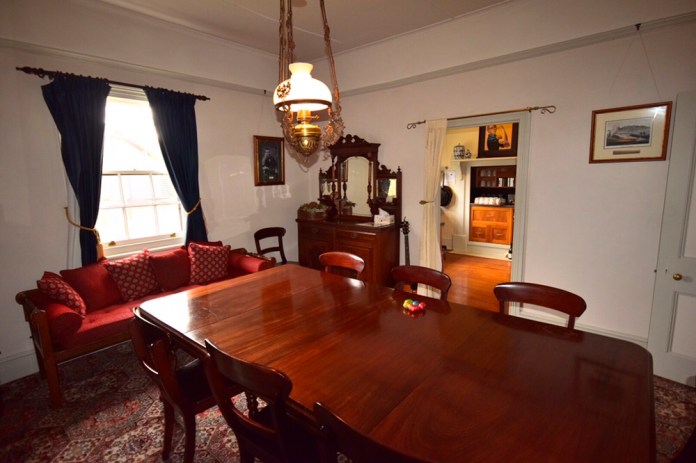
Increasing numbers of cyclists and walkers, some enthusiastic, some reluctantly in tow, and all coming from Darlington. They all passed us as we approached the township. We passed on isolated house where a lady had managed the telegraph for many years in the 1940s. She would have enjoyed the view of Darlington Harbour. We walked past massive old trees first planed in the convict era. Then walked the short distance to the Bernacci house. This is not the original residence of Diego Bernacci, which is now a ruin on the hill above Darlington. Nonetheless, our accommodation is a finely restored and comfortable residence that exudes, gentlemanly relaxed living of the late nineteenth century. Opulent sofas, old maps of Tasmania, even some old convict manacles can be studied in their glass case on the piano. In a few words, A very nice place to stay.

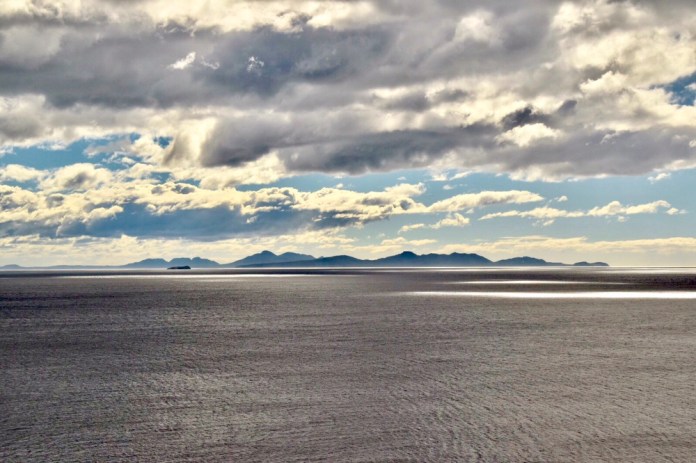
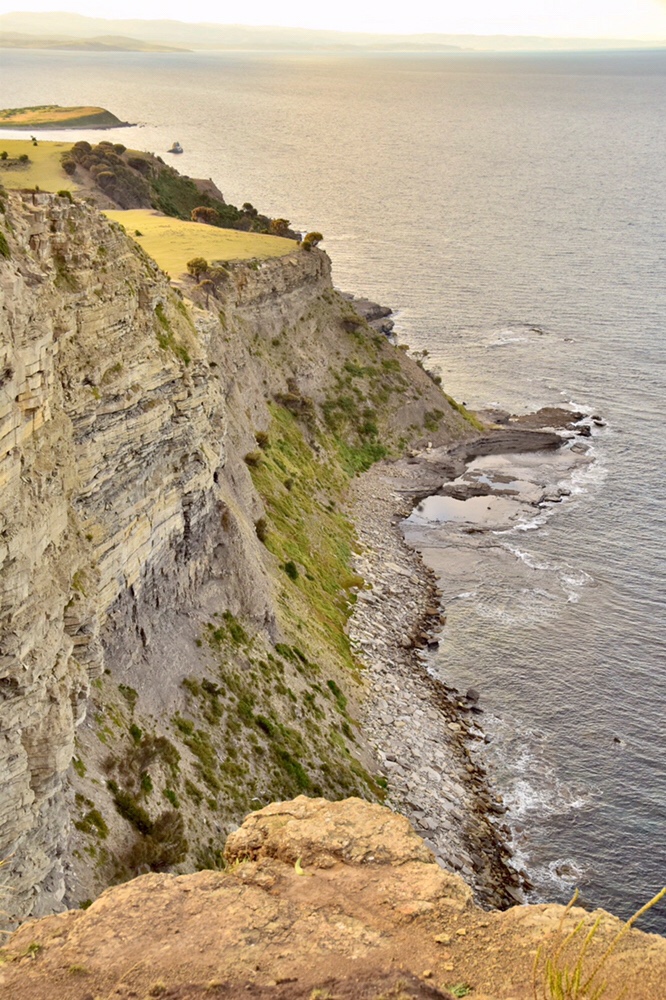
After lunch, four of us decided to walk to Bishop and Clerk. It was still early enough to reach the peak comfortably before dark. The selling point for me of this option as opposed to Mt Maria, were the liberal number of views. Most of the Mt Maria walk is in forest but this walk has views in abundance. This was certainly the case. We had many opportunities to study the limestone cliffs as well the dolerite peaks that make up Bishop and Clerk. Looking south I could see, over the grey sheen of the ocean, Freycinet and Schouten Island, and there to the left, were the Hazards, their notched contours unmistakeable.

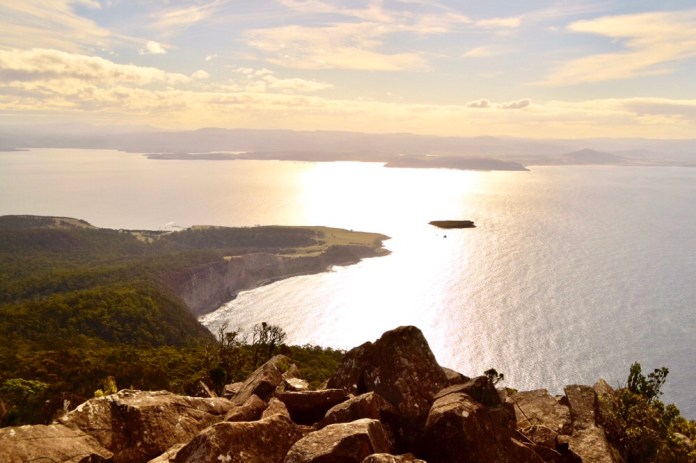
The track is about twenty meters from the cliff. Wombats munch contentedly. The surf can be heard crashing at the cliff base. We entered forest, then climbed up wards quite gently until coming to a scree field. The Hobart Walking club has scored a track which zig zags up this scree. They have put in some more solid footings but the track is not easy. It’s about four hundred meters and it’s steep. Then the track winds it way onto much bigger boulders. The plants typical of alpine tasmania such as mountain plum pine now take over from the banksias lower down. I got to within twenty meters of the top when I decided that was high enough for me. Too much vertical! Any way I took the opportunity to enjoy the view. High up on my eeyrie, I could see the light of the setting sun shimmering in a wide band on the water, the blue dusky shape of mainland hills and coast, the northern point of Maria Island and il de nord, a small island just off the tip of Maria Island. It was a very beautiful and peaceful view despite the prospect of a descent down scree, which didn’t turn out to be all that bad. It’s always quicker going down, which suited me. The light was softening as we walked back. We passed a few walkers going up, carrying torches, hopefully reliable ones.

We all met together at Bernacci house to shower and clean up for dinner. Yet another wonderful meal, but now in a grand dining room. A magnificent walnut dining table. The main was seared salmon, yummy. I slept very well.

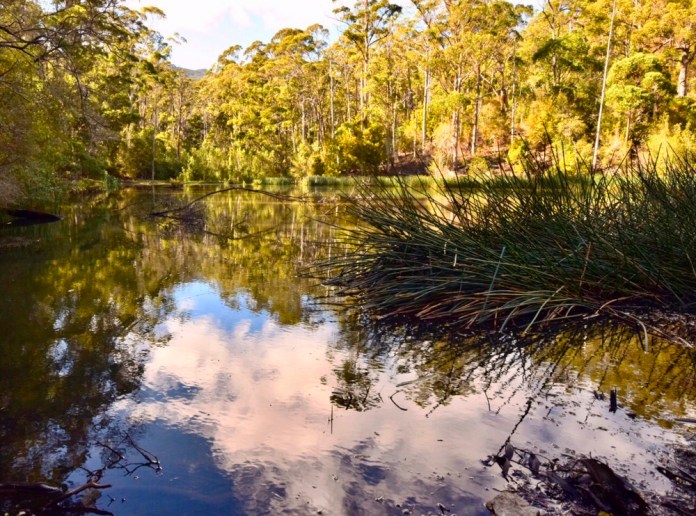
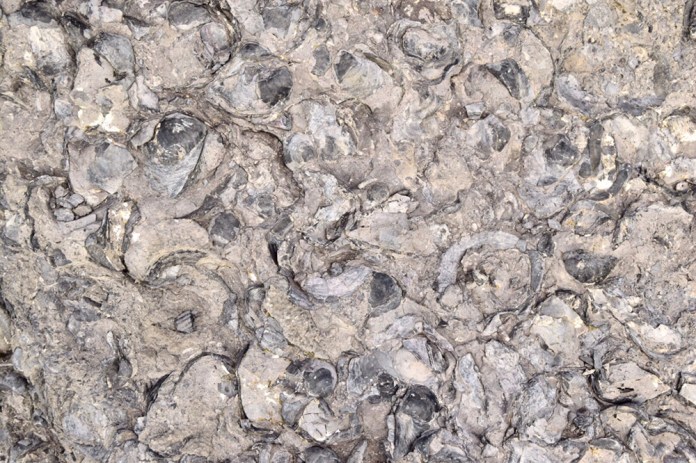
In the morning, I woke early and took off for an hour before breakfast to take a few photos around Darlington before breakfast. There is a campground below the house, many other restored buildings are there to visit including the coffee palace, which is now an interactive museum, laid out as a dining house. After breakfast, Laura, Philip, Campbell, Anna and I walked to the convict built reservoir. Mature gum trees, and mixed forest surrounds the track. The reservoir is still, clean collection of water. We continued to the fossil cliffs. These cliffs are filled with sea shell fossils, about 290 million years old. We explored this wonderful area before carrying on back for lunch. We had bubbly and fresh rolls before heading back across the water to Triabunna. It was a great deal rougher going back but no problems.

It has been a super trip. Great people, food, views, walking and accommodation. It wins every way. I’m looking forward of doing more of this style of walking.

Standard
Central australia, Central Australia Work

Alice Springs February 2018

It’s Thursday, it’s the the last day of our four week locum in Alice Springs.

Jennifer is still driving back from Willowra while I’m sitting in the doctors meeting room in Alice. I had a shorter drive this morning from Yuelamu.

Every trip here is interesting and always generates a variety of feelings and thoughts based on the experiences we have here. I would prefer any narrative of mine to be coherent, have a flow, have a clear start and ending but real life is never like that. Every true story blends the past, future, impressions, misconceptions and is therefore anything but coherent or logical.

ANIMALS

it was a warm day. No not warm, it was body sapping hot when any action or thought takes ten times more effort than it should. An ambient temperature of 42 degrees at five o’clock. I had finished work at Yulara clinic, ( Ayers Rock Resort) and I was walking the short distance to my room at Desert Sands. I had just begun climbing the steps when I met a small reptile. The thorny devil, moves in a jerky, mechanical way. It’s body put together with a higgledy piggledy splatter of yellow, triangular scales, all pointing in different directions. Ecologists say that the arrangement channels water from the body to the mouth. To me such a radical body plan would only make sense if it actually rained. There is no denying, it’s cute in a hopeless, ‘ why did I evolve in the first place?’ Sort of Way. Two tourists were flopped on the concrete steps, their faces and cameras were I thought alarmingly close for the little creature. But it seemed very relaxed, and was content to pass the time however second rate the company.

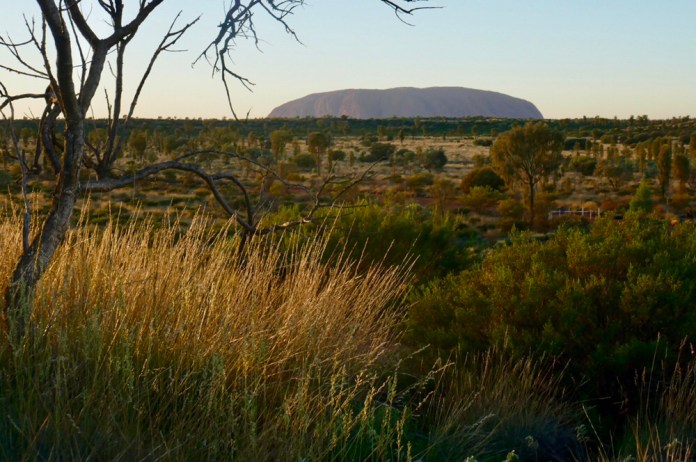
Last Monday morning, I was driving to Yuelamu. The drive is substantially a single lane bitumen road. Long sweeping curves, the opposing cars or trucks or more often than I would like, road trains ( especially those big four tanker green ones that contain enough petrol to make a crater the size of wolf creek), are hidden by scrub. It’s not too busy this time of the year, too hot for any sensible tourist.

I had slowed down to cross a grate and to my left, on the rocky verge, were a trio of camels. There was Dad, Mum and Junior. Earlier in our stay, I had a driver, Steve, who told me that there had been a lot more rain than usual. This explained the vast green beyond the verges, the plump cattle dotted under the ghost gums, and the healthy looking camels I was seeing. I stuck my head out of the car window ( having opened it first) and used my fool of an iPhone to take a few photos. The three camels ambled along, studied me, and then with the assumed superiority of anything on four legs as opposed to a mere two, put their heads in the air, and shuffled into the scrub.

This morning, I was driving my Prado back to Alice. The first 80 km of the trip from Yuelamu is on sand track. There was a soaring brown bird above me. Then an immense shadow covered the bonnet. Reminiscent of being buzzed by a dragon in Game of Thrones. Earlier on, I had seen two mighty wedge tail eagles, sitting side by side on a tree branch, not far from King Canyon. The wind rustling their feathers on their necks. Their savage looking beaks, curled at the tips. They did not look at me but seemed fascinated by something on the horizon, far beyond what I could see.

LANDSCAPES

In my third week, I did a two-part job. Three days at Imanpa and two at Kings Canyon. Imanpa is a sorry town right now, full of regret. There had been a terrible row between two branches of the one family. Row is a euphemism. About six people wound up in hospital, carried by the Flying Doctors for skull fractures, arm fractures, and other serious injuries. As a result, half the town is in Alice Springs awaiting court appearances either as defendants or witnesses or both. It’s complicated. The court will be like a revolving door. There will be so many defendants, if everyone was found guilty, the prisons would burst.

Many other people who have lived in Imanpa for many years, were truly terrified by the savagery of the violence and have left. It’s doubtful services should continue in the long term given the low population. The remaining elders are reaching out to the many who voluntarily left, to heal some wounds. But the animosities run deep and I’m not sure they will ever come back if they are safely settled elsewhere. Anyway, the point of this story is this. I was driven back from Kings Canyon on a short cut called the Ernest Giles Track. Ernest Giles is famous as the first explorer to climb Uluru and the also first one to be carried down it by locals. The Ernest Giles track is in pretty good condition and offers some fabulous views as well as another detour to Henbury Meteorite crater. We drove along happily, frequently airborne on the humps. And some sliding now and again. But my driver, Steve, was unflappable. He is a real local. He’s built roads, driven trucks. Done seismic work for uranium mines. He never minded a brief stop, so he could have a smoke.

Kings Canyon and Uluru. These are wonderful places. I spent a week at Uluru, never seeing the rock up close but had some great views. I went for runs in the morning. It was still hot for a morning jog, dark but for a headlight, and the tracks were sandy. Anyhow, I trotted along, made my way up to the lookouts dotted around and enjoyed the views. Uluru to the left and Kata Juta on the right. All around them is a dead flat, sandy plain. These monoliths are the tips of the iceberg, well they would be if wasn’t so hot. The peaks of mountains and ranges which at one time, tens of millions of years ago, had an ocean lapping their rocky shores. The Amadeus ocean was the place where fish first evolved. Aborigines talk about Australia as the place where the Dreamtime gods, first kindled life in the world. Perhaps they knew this all along.

Kings Canyon is a part of the Giles Ranges, that extends fifty kilometres or more in a east west direction. At sunset, I could see the cliffs lit up, glowing orange cliffs with dark brown mesas above. Chris and Chrissy who are long term Nursing personnel at Kings Canyon Clinic, told me that one particular day it had been raining. Raining so hard, so long that a waterfall was now tumbling down the range. Wow! The clinic was closed, and all the staff drove to take photos of this temporary phenomenon. Chris also uses a drone to take pictures. He has made some stunning shots of the ranges, especially at sunset. They look even better at fifty meters altitude with the fading sunset light coming from behind the drone. Chris is a keen photographer, and I was very impressed with his portfolio of photographs. He prefers the natural world, in particular a dead tree behind the clinic, where birds come to roost and relax. Galahs, Corellas, Rainbow Bee Eaters, falcons, Zebra finches all come to enjoy this perch. In his front garden is a pond, filled with flowing water. The smaller birds like the zebra finches splash around, throw water into the air and are oblivious of any dangers such is their enjoyment.

PEOPLE

When I went from Imanpa to Kings Canyon, a half way meet is arranged. Some one from Imanpa, drives to a meeting point on the highway where Chris

from Kings Canyon can collect me.

My driver, for this trip was Ricky Orr. Ricky is an Arrente Aboriginal man who hails from Horse shoe bend station. His family includes some white but mostly black fellas. He told me stories on the trip. For once I had the good sense to listen and not talk.

Punburu is the spirit dog of this area near Imanpa, and runs as far as the now Stuart Hwy to the east and Uluru to the west. Ricky’s grandfather worked on a station, and one day, he was sitting out side a remote outstation after a long, hot day mustering cattle. He have heard something, something big and fast moving in the scrub not far from him. His hairs on his neck went up as it does for anybody when supernatural things are happening. He had a rifle, he grabbed it from the cupboard, but was too frightened to load it, as cartridges fell on the timber floor of the verandah. The creatures, because there were two, burst out of the scrub, just as he closed, and latched the door. The door shook violently, as it struck repeatedly. The animal, pushed its paws, covered in a yellow, orange fur, under the sill. It scratched at the floor and door. Another dog, threw itself against the walls. They stayed only a few minutes but it was many hours before Ricky’s grandfather dared open the door.

His Uncle was walking along a dry river bed. These rivers fill up in the wet season and can span fifty meters or more. They fill with churning water at first, but as it slows down, it’s a great place for the Aboriginal kids to swim, swing out on an old rope and then drop into the cool water. Aboriginal women fish, using their long skirts, to scoop fish out of the streams. Anyway, today it was dry. He could see brumbies crossing the dry river, but amongst them one creature was loping not running. It was as big as a horse, but hunched over, then leaping along not trotting. Though it was travelling with the herd, it was no horse. It was Punburu.

Ricky nearly met this giant dog once. He was in the following vehicle for a seismic team. Over the years, big mining companies from Australia and overseas, have wanted to do scientific seismic studies to determine the presence and quantities of gas, coal and uranium. The front vehicle suddenly stopped on this sandy road. Ricky pulled up behind them. The driver, and the scientists in that car, were pointing right . “ Did you see it? Did you see it?” “See what” said Ricky as he looked in the direction they indicated. Whatever it had been, it was too late, the creature, had smashed its way through scrub and vanished. And that’s the closest my interlocutor had ever come to seeing Punburu, at least so far.
Ricky told me about the Kurijah. Nowadays, Aboriginal people break aboriginal law all the time. Why is this? Once it was Elders who decided if someone should be punished, now the government says, we the government will decide who does wrong and who doesn’t and we the government will mete out punishment. The Elders don’t have a say. But the government is not there all the time to enforce their law, the governments laws are not Aboriginal laws and this causes ill will. Now even Elders are abused and threatened by some young people who are angry because these Elders tell them not to drink alcohol, or get drunk, and not to beat their families and neglect them. There are Elders who do drink, sell beer or turn a blind eye to drugs. They are tolerated. The other Elders, are so upset by the violence and chaos in their communities, they leave, living isolated lives in outstations. They are almost outsiders because they are decent men, who have been beaten and threatened by young, violent drunks. Before this all got out of hand, before white man’s law was the only law, there were travelling lawmen called Kurijah. Kurijah were judge, jury, and executioner if need be. They had more authority than even Elders and their decisions could not be questioned. They would spear, kill or punish an offender. Aboriginal laws always go two ways. For example. A person can expect another family member, however distant, to give them money or food if they ask. This law has degenerated into “ humbug” where it is more or less begging off anybody. But what’s worse than this. There was an obligation to respect Elders and obey them and care for them as they grew older. This has stopped in too many communities. The old ones are prey not people. Their money, food and medicines are fair game. Thankfully, this is not true for everybody but it’s frequent enough to cause a lot of misery. Some communities are worse, and you guessed it, money, alcohol and drugs are central.

ALCOHOL

WOW! A number of so called Dry Communities have been turned to chaos by alcohol. Victoria Bitter, Jack Daniels and Chardonnay are the most popular. They are purchased in large quantities usually in WA or SA and ferried on back roads. The alcohol is consumed or sold. One evening at midnight, a drunk women, knocked on the door of my flat, sporting a bruised eye from a fight she’d been enthusiastically participating in. Where does the money come from? Mining companies pay huge money in rights and the money is too often squandered on alcohol. What’s really sad is that there are some great people who have put up with this alcohol fuelled chaos.

Most Children in communities are all smiles; clean, well dressed, with a mother who loves them. These kids have all the wonderful potential of any new child. Other children, hair filled with nits, hair knotted by neglect and bodies rarely washed, with truly dirty clothes, are far from rare. Some of these children have FASD from considerable alcohol exposure in the womb. I spoke to a young teacher, who says of course education is the future for children, but children with FASD (foetal alcohol syndrome disorder) gain less from education due to the intellectual impairment and impulse control problems alcohol damage has created.
ART

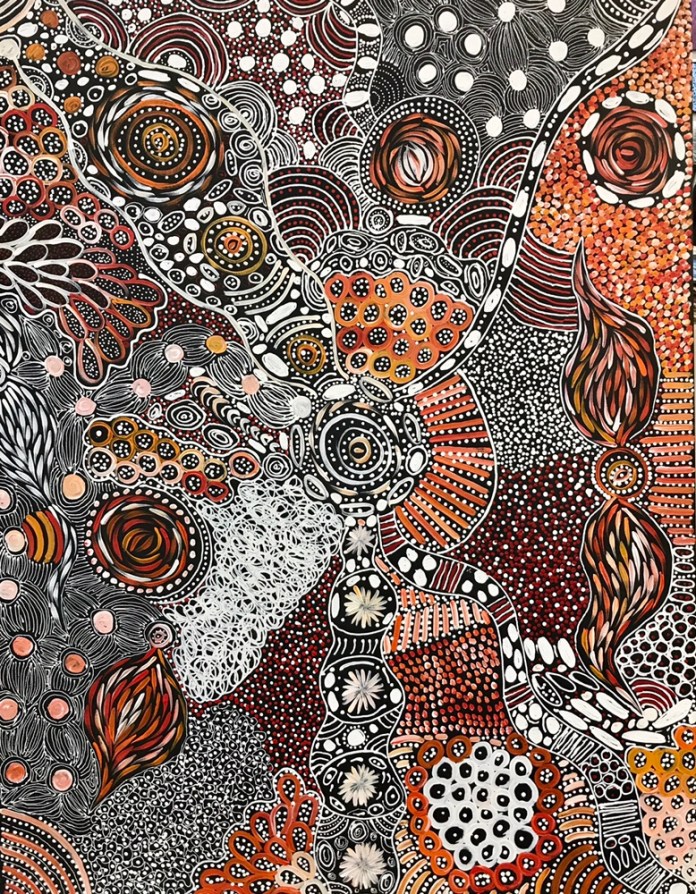
Jennifer and I have a great admiration for Central Australian art. Much of what you will see dotted around markets or shops is very generic. The bush tucker paintings and bush medicine paintings are widely available for purchase. These are still sincere expressions of culture and should be treated with respect for the artist as well as the work. They are more traditional. However there are many painters with a newer, less traditional vision who are experimenting, combining their totems, stories, attachment to country with new ideas about colour, composition and the use of medium. Such a painting is one we bought. We purchased a Utopia painting by Jane Golder. It was on an early morning run/ bike ride when we went past the painting hanging on a wall at Jila Gallery. We were both knocked out by it, its hues, it’s content. Well, we decided to buy it immediately. It features below.

Chris Hakanson showed me some of his photographs during a lull in seeing patients at Kings Canyon. This clinic sees predominately the white people who live and work at the Resort and at a nearby station called Kings Creek. However, there are three active communities that use the medical services as well. One of these communities has a remarkably competent and enthusiastic Elder who has, through sheer drive, made his community safer and more secure, with above average school attendance and better health profiles generally. Unlike many communities where money is “ sit down money” from Centrelink or local mining royalties, this community has embraced cultural education for other Australians and does terrific, well organised tours. They were so cashed up they actually bought a brand new bus for another community to do similar ventures. Sadly, the bus was trashed and abandoned barely a month later.

Chris showed me his photos of Rainbow Bee eaters. These beautiful birds are members of the kingfisher family and are commonly seen wherever there is reliable water in the centre. All his photos, both of birds and landscapes, are of a very high standard and, unlike many photographers, he shows animals or birds actually doing something. Life leaps from the image. When I went to Yuelamu, I met Karolien and her husband Jason. They are kiwis. Karolien is the very competent nurse manager and Jason is studying as well as painting. He is an excellent animal and bird artist. Kindly he has agreed to do a painting for me from one of Chris’ Photos. Funny how things work out!

Every year there are cultural festivals at Kings Canyon. Chris showed me photos of an artist who works with sand. The sand on the ground, the sand that’s everywhere. I’ve seen a renowned Utopia artist, sitting casually on the ground, creating wonderful art with her hands, pressing a scalloped pattern with the heel of her right hand. Chris’ friend creates emu tracks, goanna and perentie tracks, foot tracks, stories, maps only using his hands. Made with breath-taking precision. As well as local Aboriginal children, many young people from interstate schools attend these festivals and are all very impressed.

WATER

I was standing in the shower at Yuelamu when I thought about water. Yuelamu is 280 km from Alice Springs. 200 km on bitumen, mostly via the single lane Tanami Road. It’s being widened to cope with the increasing, especially tourist, traffic. Then a drive along 80 km of sand.

It took some time for the shower to stop spluttering and actually flow. The water is filtered at least twice but still has a salty, metallic taste. Streamlets bathed me rather than the decent warm gush of water I prefer. It left me feeling indifferently clean due not only to the poor flow but particularly from the lack of water quality. Every house in the community has a special tap to use for cooking and drinking, this water is filtered several times to try and improve its flavour by removing the heavy mineral load. Once Yuelamu had two huge dams, these are now shadows of what they were, and unusable due to infestation with algae. You cannot swim in them, much less drink from them. The water we use in Yuelamu is from the great artesian basin, but unfortunately, the water 💦 is heavily filled with minerals. This was not always the case. When the basin hereabouts was freshly tapped, the water was much better but as the table dropped , the pumps begin to bring up the brackish water from deeper, more turgid layers. Water security is the sword hanging over the head of every community and town in central Australia. It’s measured in years, not decades.

Fracking means money. It can mean mining using high pressured, solvent-laden water pumped into strata deep below the surface and extracting the shale gas for export, but this would not mean anything, if it did not mean money first. My second day at one clinic, all the men wanted to be seen in the morning, as there was a lands council meeting at Laramba to see how much money they would get from the pipes that would be built across Aboriginal land to carry the gas south to South Australia, probably Port Augusta. The communities where the mining will take place will also get a great deal of money. A friend of mine, Richard, was at a meeting held at Elliott, north of Tennant Creek, where the Royal Commission into future fracking was hearing delegations from the locals. Richard told me not many locals were there but the few who were, asked very thoughtful questions. Where do the solvents go when they are pumped in? Could they contaminate our water or even everybody’s water? Where will the water come from to be used to flush the strata beds? What will happen to the bores once the gas is used up? I don’t know the answers to these questions but I think, that the next big environmental battle is going to be here in NT over fracking. On one side will be the mining companies, and locals who will benefit, and on the other side it will be locals who are concerned about the possible desecration of country as well as potential threats to water security. It has the potential to divide Aboriginal communities. Given the level of violence in many communities, disagreements about fracking and money could get ugly.

THE GREAT BARRIER REEF

WELL! I bet you didn’t see that coming. One Friday evening we went to a talk about the Great Barrier Reef at the Alice Springs library given by Anna Kriedt. Anna is a long form journalist. She has had a long essay about the reef and it’s challenges published in the prestigious Quarterly Essay. It’s a thoughtful, essay which took her many months to complete. Overall the news isn’t good with the inevitable sediment from dredging bays for ships and mining run off, going to choke the corals which rely on truly clean water to thrive. The most damaged parts of the reef up to now have been the areas affected by agricultural effluent. Over the last ten years universities and farmers have worked together to modify these issues. And it’s been a success. The reef was about to reap the benefits of a decade of hard work and investment by farmers and academics. Not government! The sediment loads from mining dwarf that of a hundred years of farming practice. The only good thing about all this, is that ordinary people working together can achieve incredible things. Anyway, if you want to get informed read Anna’s article.
CANTEEN CREEK

My second week began with a charter flight to Canteen Creek. I had a super week with Cassie and Susan. Cassie is the manager. She does not get strung out about cultural sensitivity where health is concerned. She has had a policy that if a child is going to be seen at the clinic, they must have a clean face. Snot smeared faces are the norm in some communities. This spreads influenza, trachoma, viral and bacterial illnesses. In Canteen Creek I saw some kids with grubby clothes but not one with a snotty face. There is a basin and soap at the clinic to wash up. What’s wonderful is that the kids love Cassie, and therefore, now demand to be clean. I did not see one skin infection or scabies when I was at Canteen Creek.

Canteen Creek is famous for being the setting and inspiration for the ‘ Cheeky Animal’ books. A local Aboriginal artist and writer have created these wonderful children’s books. Isla, our two year old granddaughter, when she sees an animal or pet being naughty, calls out ‘ GO AWAY, CHEEKY ANIMALS’.

THE ARGUMENT

I was sitting in the tea room at Imanpa and a discussion arose about the evils of the old cattle stations when Aboriginals both men and women worked for chits in the station stores and worked long hours in trying conditions. Interestingly, Ricky disagreed. It was not all bad. His father, grandfather had worked on the stations and they loved it. They were proud of the work they had done and were not ashamed. Ricky said that they had a purpose in life, enjoyed being together and with the white station owners. It wasn’t really about money. They had enough to live on and anyway, the station owners were not rich men in most cases. There was no ‘ sit down ‘ money, if you wanted to eat, you had to work. And you know, Ricky’s forbears had no problem with that.

Ricky does cultural tours too, as well as his regular job in health. When he was a young man, his father and especially his grandfather would sing the Dreamtime stories. Some he sang so often, that Ricky remembers them very well. But young people in those days were more interested in listening to pop 🎵 on the radio than hearing old stories. It was only long after his grandfather died that he realised the riches he’d missed. He reckons that Arrente people have about a third of their total stories. The stories of Aboriginal culture cannot be told to just anybody. There must be ceremonies before a story can be told. Some stories are for children, some only for men or women, once fully initiated. Both levels of initiation. So not all Arrente people knew all the stories even before white men came, some could only be received late in life. However, there is a unique opportunity. Strehlow is a famous name in Alice Springs. The first Strehlow was a minister at Hermannsburg,

He learned the local language and wrote the first bible in Arrente. His children and grandchildren, grew up more like Aboriginal children. One became an anthropologist and with his language skills and rapport, recorded on tapes, many of the stories of this vast region. Ricky plans to visit the Strehlow museum in Alice Springs, and hear and transcribe those stories to tell a new generation. What a fabulous project!

EPILOGUE

I apologise for this disjointed unnarrative narrative. If there is a point to take home, it’s that there are many bad people and silly people of any colour, but there are many, many more good, kind people who deserve support, praise and encouragement. Sometimes, the wrong people have control but nothing lasts forever, and younger wiser people in a community could take leadership in their turn, and change things for the better.

Jen asked me to mention that at Epenarra clinic there is music playing all day in the waiting room and the locals love 💕 it. Jen also told me about an incident on the Stuart Hwy coming back from Willowra via Ti Tree. She was about 90 km from Alice Springs when she was passed by not one, but two, pilot vehicles travelling north towards Darwin. After quite a gap, it was clear why two vehicles were needed. Realising that there was a large vehicle coming, Jen had to get right off the Stuart Hwy and park on the verge. Even road trains would have to do the same, and they usually have total rights to the road! Actually, there were two trucks each carrying the biggest buckets for diggers that she’d ever seen. No doubt heading for a mine somewhere. They took up the entire width of the road. Impressive! Nothing’s bigger or better than anything in NT.

Standard
Central australia, Central Australia Work

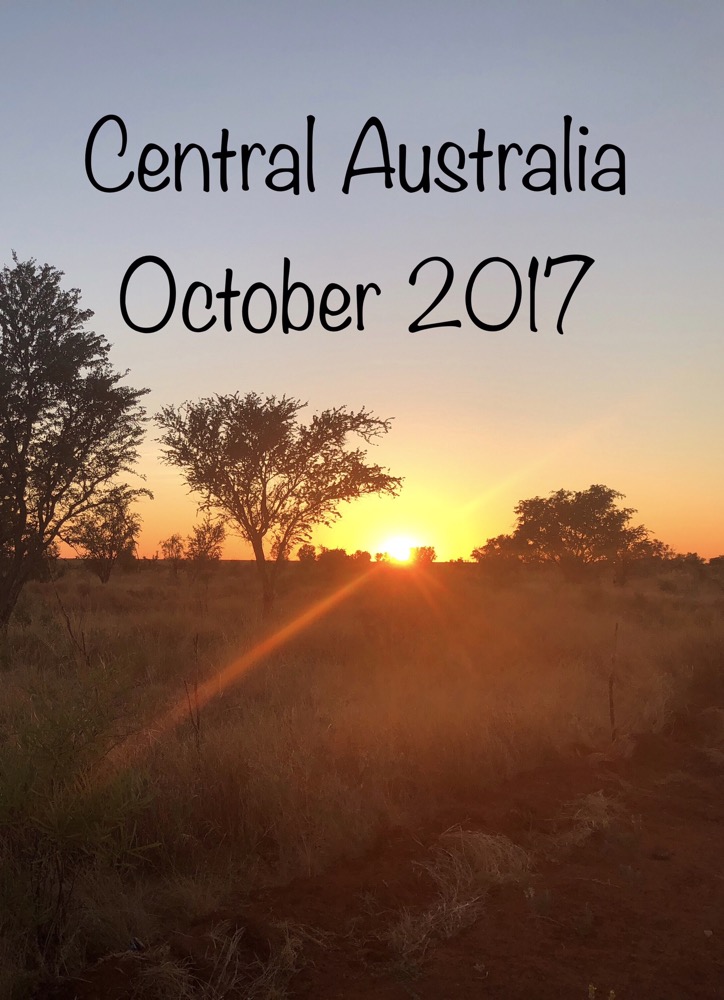
Central Australia October 2017

Conclusion to four weeks of Central Australia
I have not been writing weekly for the last three weeks of my stay here in Central Australia. After the excitement of battling storms and flying through thunder clouds, the rest of the stay seemed a little hum drum. None the less every day here in the Centre is a learning experience. So I will write about some of the people and events I have been able to witness.


I met some medical students at Yuendemu. The three girls have spent three weeks here. Yuendemu is 293 kilometres from Alice Springs. There are some hills nearby which offer a challenging steep walk as well as scenic drives and any exploration of Red Rocks about five kilometres away. It’s a rough, overgrown track along a sandy surface which crosses some steeply banked, now dry stream beds. They have spent their time seeing patients, travelling out into community with the child health nurse, getting involved in the immunisation program for meningococcal W. And learning a lot about indigenous health and life.  
During these three weeks, they were still able to participate in lectures and tutorials via Telehealth from ANU in Canberra. It’s delightful to see such enthusiasm in my future, fresh medical colleagues. I had the opportunity to speak with two of them as I was the chauffeur on the drive back to Alice Springs. The challenges of study and work for our younger doctors are just the beginning, setting up life long relationships, making a family, staying in touch with parents and siblings, deciding on a career path, are all substantial decisions. Delaying a family, sacrificing a career, being separated from personal support, are all issues for any young professional, whether or not they are medical. For the previous generations of graduates, many females decided to do General practice because of its greater flexibility compared to many of the specialities. Its certainly possible to be a mother and be a specialist, but it’s not easy, and a lot of thought needs to go into how her family is going to be raised. The father may be the main contact parent. I don’t have any problem with that. I have met many people who were raised more by Dad than Mum, and they turned out fine. I’m glad thats all behind me now and I can just enjoy being a grandparent and a doctor too. Best of both worlds!

During our time in Yuendemu, the female Staff and students were confined to the clinic or their flats because of men’s business. This is the time each year, sometime between October and early December when boys are circumcised after an initiation into manhood. This is a very, very special time. However, it’s not conducted the same way each year. In particular, the prohibitions for women blundering into a ceremony were pretty serious this year. If any local Aboriginal women got a clue “travelling men” were nearby and coming along the road, they would rush into the house dragging in the female student and child health nurse. They would huddle away from any windows, fearful of an inadvertent peep of the men. “Travelling men” is the term for the boys and men who travel through the community between sacred, ceremonial areas often with ochre painted on their torsos and bodies. The clinic was very quiet, as women were too frightened to come in. Even the clinic reception staff, dropped down under their desks when any men went past the clinic windows.

Does this sort of thing happen during Women’s Business ceremonies, well, no, it doesn’t? Aboriginal society is still overwhelming patriarchal, and women don’t have the power men do. We have met young , especially more educated, women who avoid marriage and long term relationships because of the realistic belief they will be victims of domestic violence from their partners or their family. 

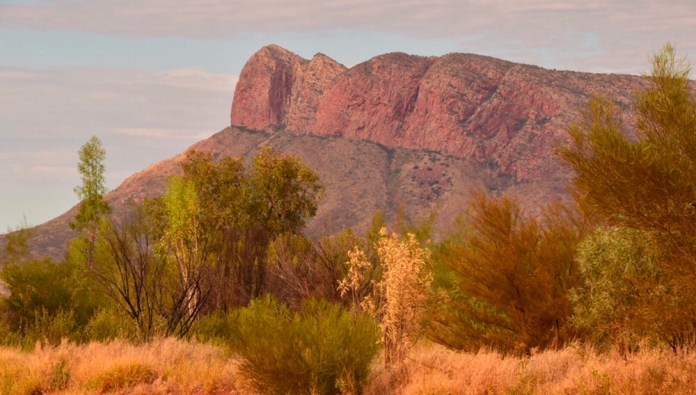
Jennifer and I did spend one week together, at Papunya. This is a magical place, with splendid mountains and ranges around and approaching it. The lightly forested arid country gives way to abruptly rising hills and mountains, many with vertical cliff faces of a striking red orange. The drive to Papunya is unquestionably, the prettiest in central Australia. On a Wednesday, we both finished at five o’clock, and took a chance the gallery there would still be open. Fortunately! It was! We entered through the wire fence. Under the trees and to the right, four Aboriginal ladies were chatting and painting, sitting on their large, rectangular green mats, hovering over their canvases, carefully dabbing dots of acrylic or performing assured, straight or curved lines, following their chalk markings on their material. They called out greetings to us, and waved us to the door. Joan, the Manager and her little son, were still there and let Jennifer and I have a look around. The main area was now clear, all of the painters who had been working inside that day had already packed up and walked along the dusty roads, to their homes in Papunya. Their unfinished paintings, were stacked up leaning on the walls. Other completed canvases, had been detached from their wooden frames, and rolled up and stored, in the recesses of a large table. The visitors gallery was small, but abundantly furnished with fine paintings. Some were on the wall, while many more were in piles we could sort through. Nothing caught our eye. However, as we wandered out, we saw a gorgeous work, red and gold, reminiscent of Chinese storms and dragons. It was actually a Water Dreaming. The theme of the terrible storm, with the land and rivers inundated, the sky erupting with thunder and lightning the colour of white gold with piles of hail covering the mountains and trees, is a powerful theme and a common one in Papunya art. We spoke to Joan, the manager, and as we walked and chatted, we saw another painting, it was red and grey and black and where the first painting we admired was swirling colours, this was almost severe in its internal architecture, repeated lines, rectangles, and bold, uncompromising colours. It was a statement of a very confident artist. The painting was unfinished but still visually arresting. The next day, we decided to buy at least these two. The finished painting and the unfinished one, which could be sent later when finally completed. The following lunchtime, we spoke briefly to Jacky the painter, and we agreed to come back later and collect the works we could and settle the accounts. Over the next five hours, Jacky worked non stop to compete the work. It was everything we hoped it would be. Her theme was the same event, the same water Dreaming, but she tackled the event in a completely different way. We bought a third unfinished painting as a gift. We were lucky to have an opportunity to buy it, as it was destined to be part of a gallery commission in Sydney. This gallery regularly has major gallery sales, in London, and Berlin. This gallery in Papunya is a powerhouse of what is arguably the finest Aboriginal Art in Central Australia. 
Jennifer and I had weekends together as well we our week in Papunya. It’s getting hot in Alice Springs, high thirties. Even walking around is pretty exhausting. The local Aboriginal kids are still running around playing, and standing on the hot concrete and bitumin of the roads. We would get up at 5:30 am and go for a cycle ( Jen) and run (Bruce) around the Todd River. It was about 18 degrees early in the mornings and very pleasant, moving slowly under the River gums, or admiring the Gillen range. We would stop for Coffee at Red Sands, and have a macchiato each at Robs wonderful cafe. Then a short 10 minutes jog back to the apartment. On Friday nights, we would walk or drive to Montes. Now, not all their cooking is worth bothering with but there’s a few stunners, we would recommend any of the chicken parmiganas, the barramundi, any of the wines, and the Nutella brûlée for desert. Their pizzas are good too. What we really enjoy about the venue, is it’s relaxed, slightly hippy atmosphere, where anybody in Alice can chill out for an evening. Most of the seating and tables are exposed to the elements with only that gorgeous Central Australian sky above you. We usually sit under cover, with the circus and rodeo posters and banners on the opposite wall. Interesting place, and not to be missed on any trip to Alice. 

After our run, there is the obligatory shopping for weekend and next weeks supplies, and then, we would spend the rest of the day takin* it easy. Jennifer reading a mystery and me with enjoying a science fiction on Netflix or playing guitar with my music stand on the lounges dining table. Ooch, that first six weeks of a new piece, it it’s unavoidable if you want to progress in musical competence. 
As always, the high point of the four weeks has been the wonderful Aboriginal patients I have had the privilege of helping care for and the association with the incredibly competent and hard working Aboriginal health workers and White nursing staff. It inspires me to read and think about how we as a white population , who aggressively occupied this land, foster so many of the health and social problems we are so concerned about now. To give an example, it’s a general observation that most indigenous children are pretty wild, and undisciplined. It’s easy to ascribe this to a careless attitude about the kids however, one factor in the genesis of this issue is concern about children being taken from parents. If a child is punished or disciplined, particularly physically, the fear of a parent is that Child Protection will take the child away from them. Aboriginal mothers really fear the prospect of losing their kids to welfare if they actually discipline their children. This is one reason why families are so mobile, trying to escape any radars in a clinic about their care. 
STIs and especially Syphilis, were brought into the Aboriginal community by white men. Again, these are our diseases inflicted on a society without the means to cope with or understand them. The attitude to marital and extra marital sex is often pretty casual, and it’s only compounded by heavy alcohol use by some ( a minority) Aboriginals of both genders. Early adult pregnancy is very common. The current Syphilis outbreak is not yet under control, due to difficulties in detecting, treating and following up cases and their contacts. In a clinic, we will be notified that a certain patient is coming to the community and has tested positive for Syphilis. But locating them is very difficult. In fact more often than not, they changed their travel plans and have gone somewhere else or they are still in Alice. There is a lack of complete and easily accessible information between all relevant health providers. There is an attempt to connect us more electronically but a patient can opt not to participate in permitting universal access to their records. The system is also clunky and slow and it takes time and effort to find significant information even when you do have access even to this limited information base. Bottom line, It’s difficult and I think some hard decisions need to be made about the use and abuse of medical information if we are going to tackle these health problems. 
What we have done and what we do, still has an enormous and seriously underestimated impact on the health and social problems in Aboriginal Society,

Standard
Central australia, Central Australia Work

Barkly Run the girls plus one trip.

Barkly Run

Hi Everyone, we re back in the NT again. This time an effortless flight from Melbourne to Alice Springs arriving in the late morning of 15/10/17. We left Melbourne at 9:30 am but thanks to time zone and other aberrations in the passage of time, we landed at soon after 11 am. The weather here is warm and very pleasant, the skies are actually visibly blue.

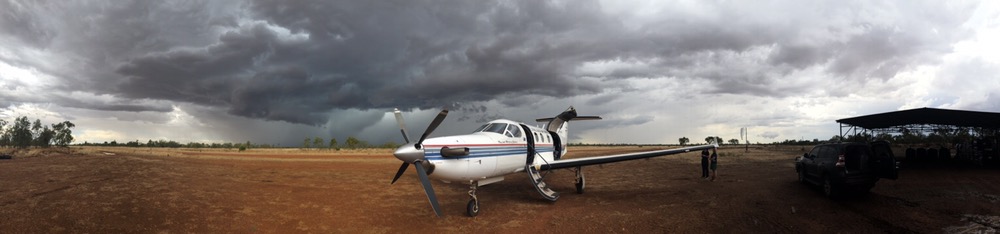
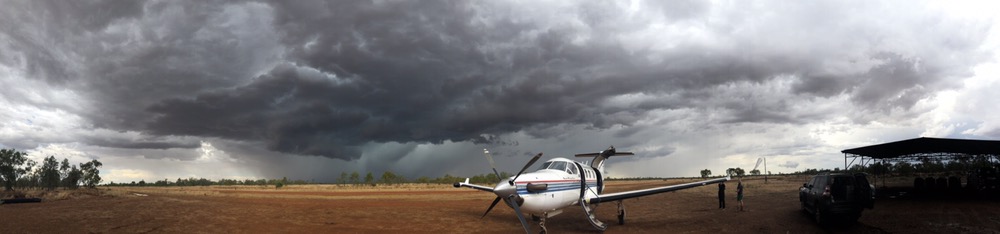
It is  always a whirlwind tour to some of the grand old stations and out stations when doing the Barkly. However, this trip was unusual for a few reasons. Firstly, it was my first visit to Mittebah. We entered airspace over the station through some impressive looking clouds. I felt like I was in a toy plane within these massive dark clouds all around us and as the plane weaved and spiralled between these dark, brooding immensities suddenly lightning struck earthwards. 
When we landed, I visited two boys on the station with some mild problems. As with any station, the hospitality and friendliness is unparalleled. We then drove back the short distance to the strip. It’s a well compressed, gravel, strip but tends to be a bit short for a larger plane. The sky looked ominous, dark, thunder clap clouds, occasional twists of lightning striking down. Lightning had caused some fires still burning on the station. The pilot was unimpressed with the weather, and we all happily agreed to stay till things sorted themselves out. Then the rain struck. An inch of rain ( 25mm) fell in two hours rapidly converting their older airstrip to a narrow lake, the roads became slippery and muddy. It was a deluge. We sat in the kitchen. The owner lent me a dry shirt to wear while mine dried off on the covered verandah. She had the girls busy peeling extra vegetables for our anticipated impromptu overnighter. 


However, the sky cleared enough and the airstrip was good enough to take our 4 and 1/2 tonne plane up and away. We arrived at Antony Lagoon only four hours late. Luckily, for once, it was not too busy and were able to finish at seven. We tramped over to the kitchen, kicking over the cane toads, to enjoy Cook Maze’s lamb shanks and bread and butter pudding. There had been no rain here, and the staff were agog to hear about the dump of rain we’d experienced. 

Next morning, we visited Brunette Downs, and then Alexandria station that were both busy clinics, not finishing till late. 

Secondly the trip was a girls club plus one (me). The pilot, whose name is Heather and Charlotte, the nurse we picked up at Elliott on the way from Tennant creek. Heather has only just started with the RFDS owing to some vacancies from staff movement interstate. Heather is an extremely competent pilot, she explained that the qualifications and experience required for RFDS Pilots is way more than that required by airline pilots. Her path was work and study over nine years to achieve selection for this job, where only four years is enough for international pilots. The RFDS job is way more interesting, having to do actual flying as opposed to reading comics while the autopilot flies you to within 20 meters of a touchdown with a 747. Unfortunately Heather took a tumble down one of the clinics steps and badly bruised her shins. I tried to reassure her by telling her I’ve an iPad app which I could use for the plane. Fortunately, her condition was less severe than first feared and so our remaining flying was much less eventful than if I’d been anywhere near a control. Was it something I said?

Charlotte, is new to the territory, having been an ICU nurse for several years at St Vincent’s in Melbourne. Her boyfriend is a doctor now working at Tennant Creek. She was totally fed up with the aggression, spitting, rudeness, and bad language of way too many patients she would have look after at work. Over a 12 hour shift! They were too many drug addicts, abusers of ice, heroin, cannabis, who had wound up in Intensive care and felt a pressing need to hassle all the staff as they woke up from their misadventures. People here in the centre whether of any colour, and no where more than the stations, are polite, considerate and thoughtful – well mostly. 

Charlotte and Heather were repeatedly invited to a function to be held at the Barkly Roadhouse, situated on the Barkly Highway. This is the The Barkly Women’s Meeting. As many women that can, fly, drive or even ride, will attend. About fifty usually can make it. It’s a weekend event usually run two or three times a year, where the women can network ( gossip), and hear presentations from speakers of the caliber of Jean Kitson, and other impressive women. There is a market where ladies who have special skills in crafts can sell their works; hats, ear rings, jewellery, make up, you name it. Yours truly was not invited, but that’s a relief because only a male would be asked to cook at the Barkly women’s meeting. 


After leaving Soudan Station, we flew to Elliott to drop off Charlotte and all the boxes of gear. There is a lot of plastic boxes filled with medications, emergency gear, computers ( however, lacking a power cable ) and printer with bonding issues to the computer. 
Then to Tennant creek, to refuel and collect some staff from the hospital. The pilot and I were marooned there, the hospital was meant to collect us both so we could get some lunch. No such luck, so we survived by each eating a butterscotch bun we’d secreted from Soudan Camp kitchen. Breakfast was at 5:30 am. I don’t mind missing a meal, but I was not happy my pilot was. Anyway, the incident is going upcountry. 

Arrived back at Alice at 6pm. I was too hot and bothered to cook so went out on a solo date to Montes for Clare reisling x 1 and Mexican chicken parmi, which is a chicken breast with abundant avocado and cottage cheese. Such a terrific chill out place.

The rest of the week is sorting out stuff from the Barkly Run and inscribing these words of wit and wisdom. 

Next week, Elliot.

Standard