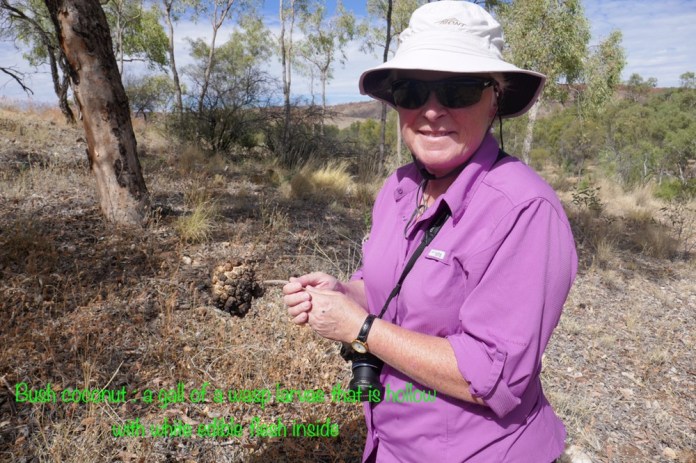
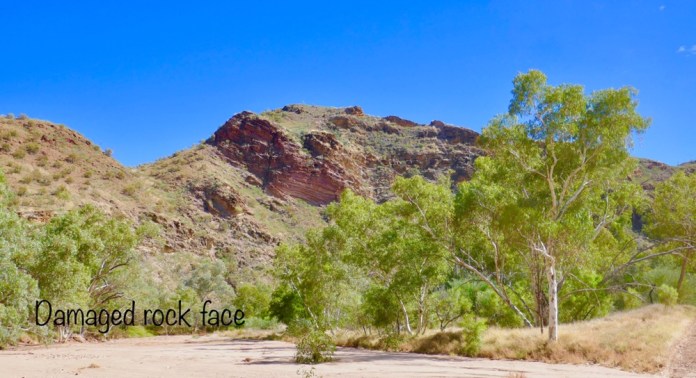
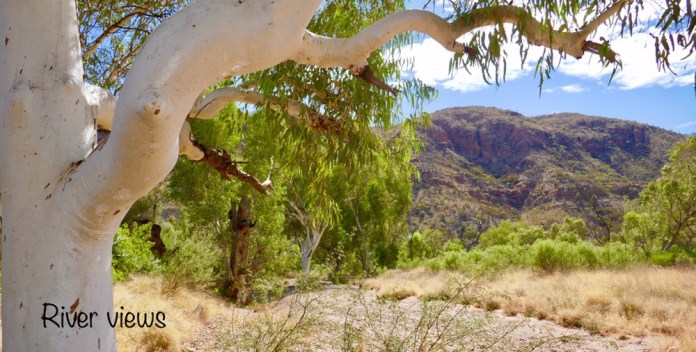
Uncategorized

Conclusion of  ” The Mouse Adventure”

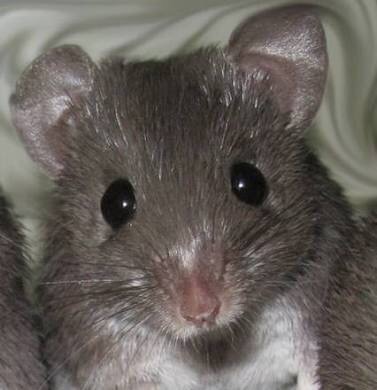
After a week away at Yuendemu and all the time, I was straining my brain to think like a mouse. Jennifer wondered why this would be a challenge for me. Aren’t women mystifying sometimes. Thinking like a mouse, this inspiration comes from my favourite consulting detective, Sherlock Holmes, only he used this to get into the mind of Moriarty while I had to make an even greater leap of intellectual downsizing. From my vaunted human brain to that of a tiny mouse. 
I thought, when I was doing my mousy thinking, if I was a mouse where would I put a hearing aid. It was probably not going to be a key part of a murine sound system. But it is big, at least relative to a mouse, well he would not want to carry it far. So where was the nearest dark place near my bed. Ah ha. The games afoot. I ran up the staircase on our return, heaved over the bookcase and there tastefully decorated with mouse droppings was my hearing aid. I had outsmarted a creature with 1.5 grams of brain. I had done it! Jennifer was suitably impressed!

Next step revenge! Jennifer had carefully positioned ratsac secured in these two little boxes, they have an entrance and exit which is mousy sized. Next day Jennifer checked for any tiny nibbles on the ratsac. No luck. Again I applied my vast intellect to the problem, and stuffed the tiny doorways with cheese. I had to do without but such is the personal cost of revenge. 

Next morning, the cheese was gone. And there was the tiniest sign of a nibble on the ratsac inside the boxes. We saw him that evening, moonwalking on the kitchen floor. It takes ratsac a few days to work but I was sure, we were sure that this was his last hurrah. This was his last display of mousy bravado. The next evening he was relaxing on one of the ratsac boxes then toured the lounge room, putting on a very healthy turn of speed from sofa to television. He looked amazingly well. 

My suspicion was he was so bloated on my expensive cheese he had no more room in his stomach to actually eat the ratsac. I had been outsmarted and outguessed by an animal with a brain the size of my fingertip.
At this stage, Easter break was over, chocolate eggs consumed, and on Tuesday morning we left for our flight to Lake Nash. Over our time in Lake Nash, Jennifer and I have talked long into the nights and are now painfully reconciled with the thought that the mouse is actually in charge of the house and we are merely strolling players. The next tenant in Bloomfield can have him as company.
 I will leave a note, ” the house mouse does like watching the TV but only SBS.”

Standard
Uncategorized

Alice Springs Lake Nash 2

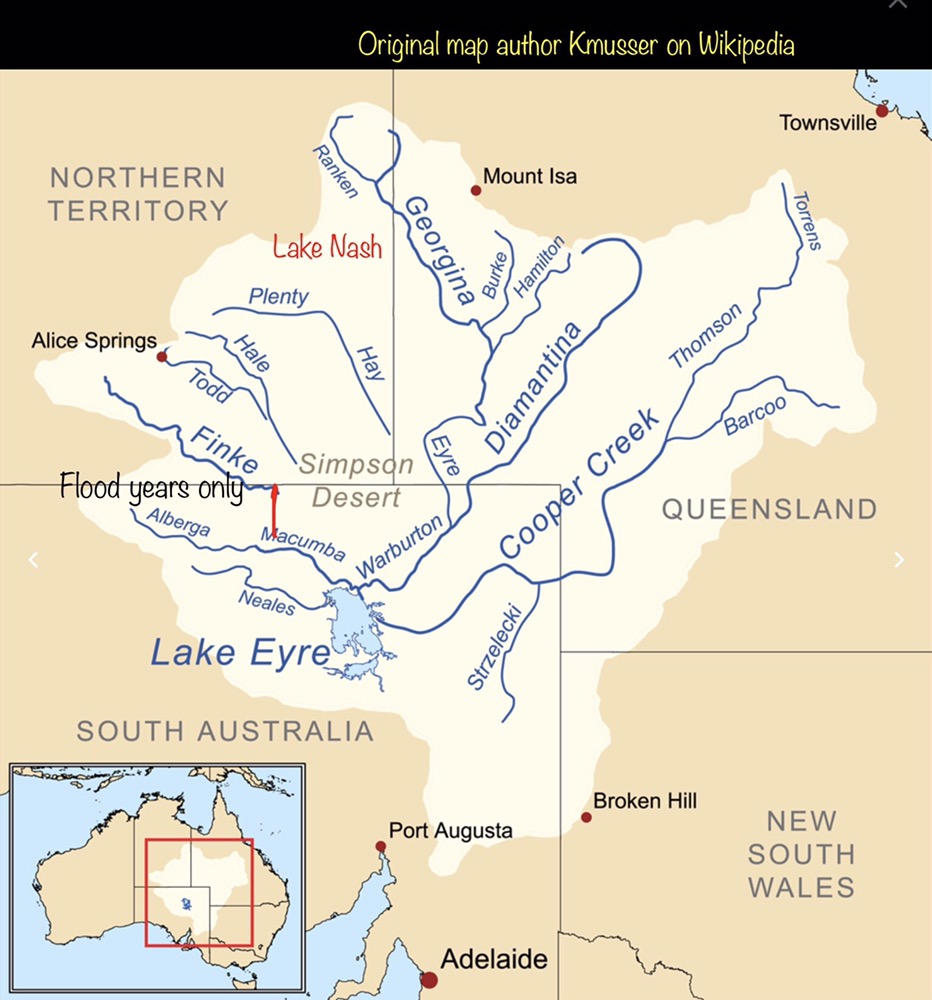
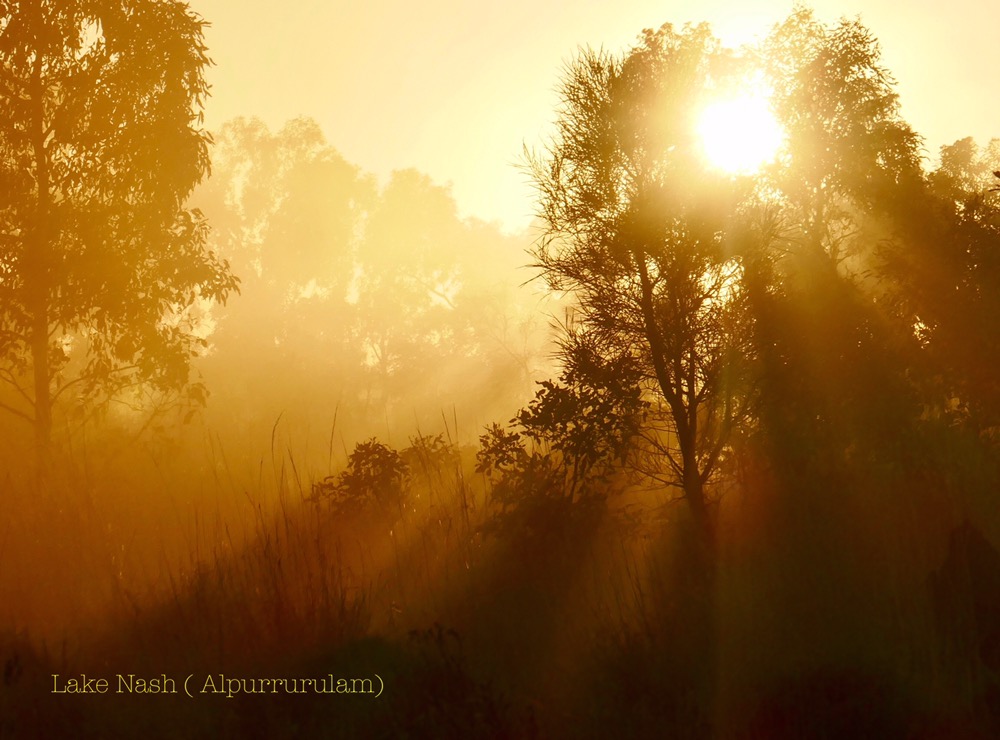
Lake Nash is a cattle station that covers 16,000 square kilometres, this is the size of the state of Victoria, and it is situated in the northern Barkly and abuts the border of the NT with Queensland. The nearest town is Mt Isa, the city of lead, about 200 kilometres away by gravel road. The station is bisected by the Georgina River. When the Georgina River flows, it joins the Diamantina River, and in those wet years, it helps fill Lake Eyre. The other rivers that contribute to the lake are the Warburton River and the infamous Cooper Creek. The Finke river usually peters out in the Simpson desert but when it is really going strong it connects with another river and ultimately ends up in, you guessed it, Lake Eyre. 
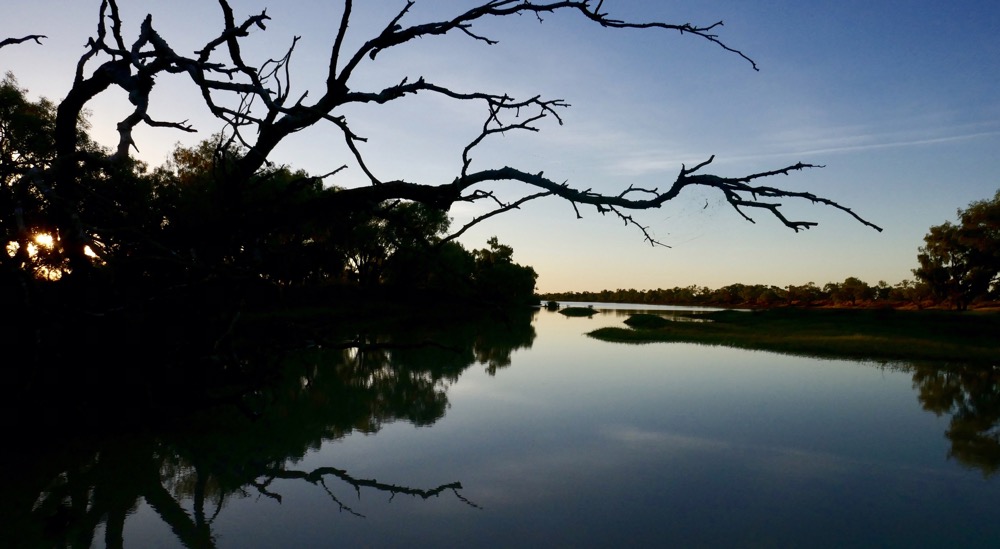
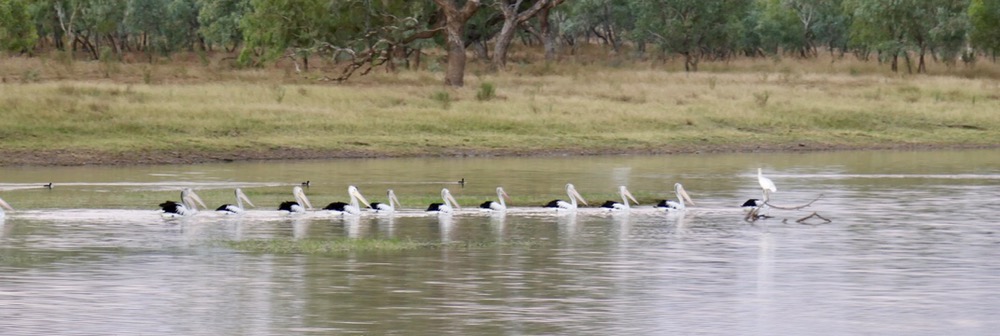
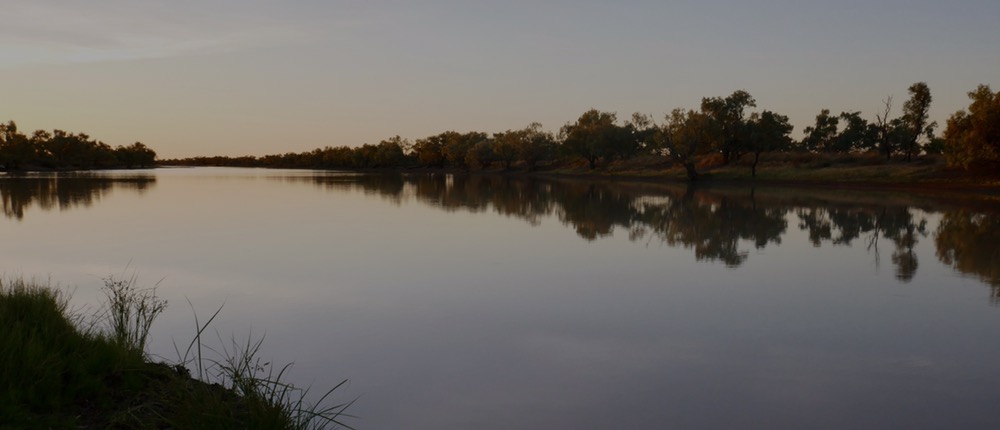
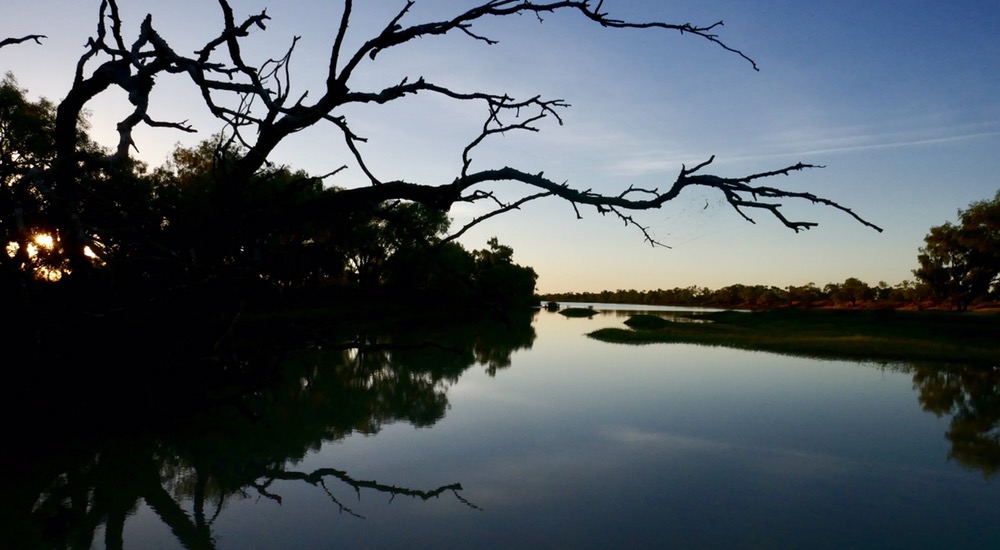
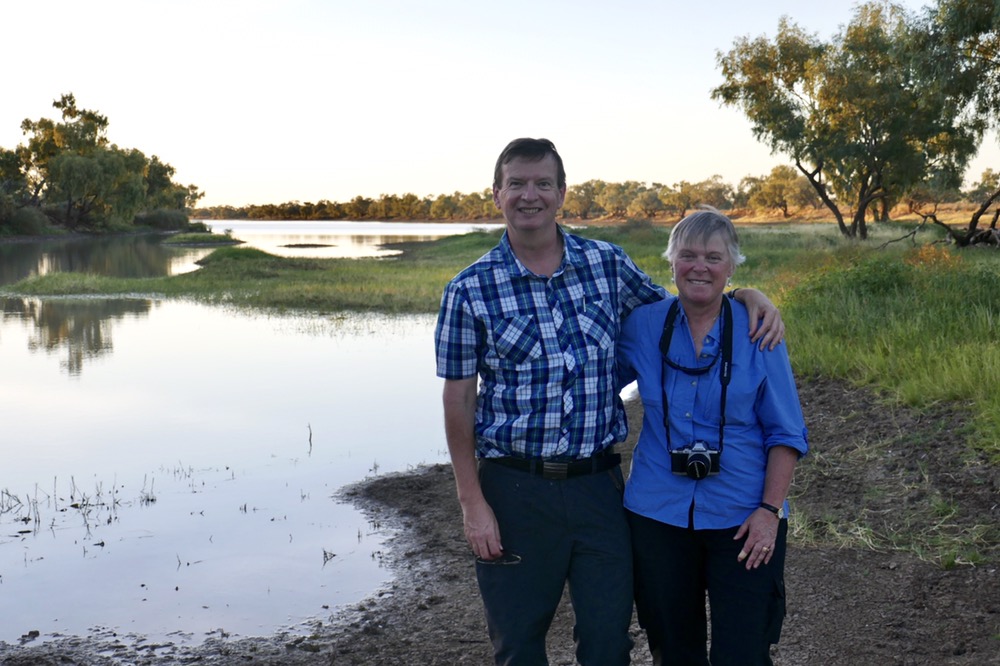
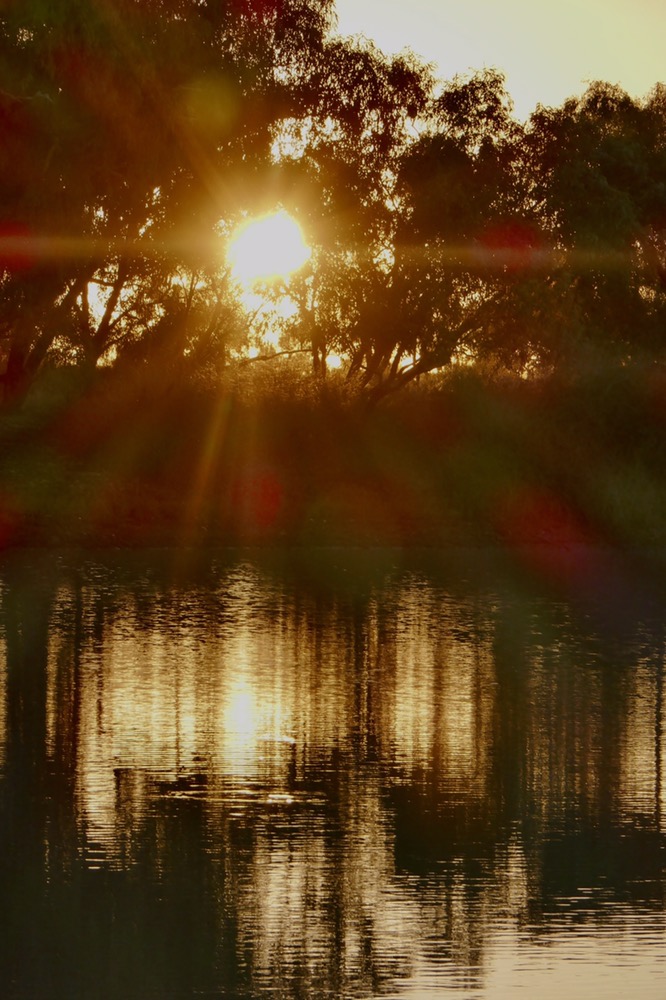
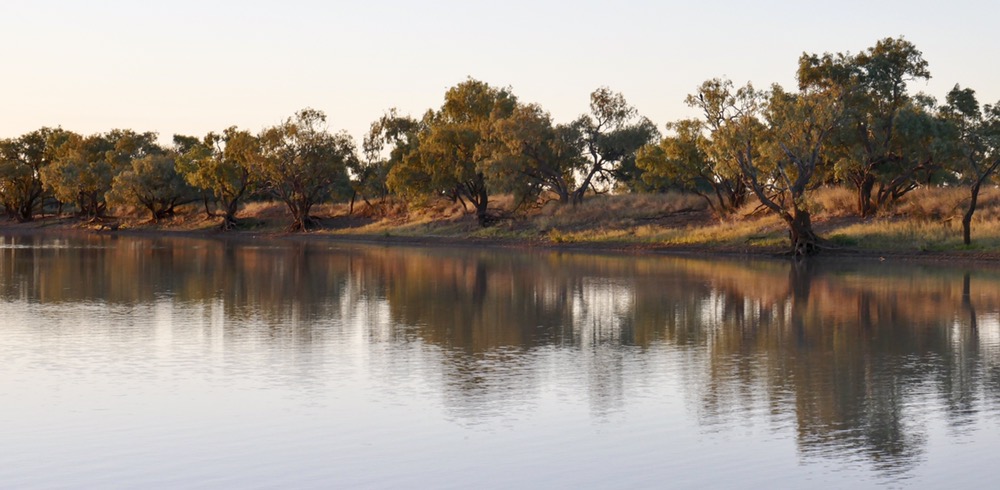
The Georgina can be up 200 meters or more across when in flood. The flood plains can be bigger than that and the effects on the land are visible from our RFDS plane as we circled over Lake Nash before landing. This temporary giant lake gives the station its name of Lake Nash. Even when the Georgina and the smaller creeks are flowing less vigorously, the roads are all cut and the community has no road access for months. Over late summer and then the dry, the Georgina exists as a series of huge waterholes, and these are wonderful places for a sunset stroll or a picnic. Pelicans, spoonbills, swans cruise while brolgas strut in the shallows. The brolgas are easily spooked as we drew near, stopped their loud singing and dancing on the bank, and launched into the air and flew out over the vast waterway. The pelicans were pretty relaxed about us, they were swimming in a long single file appearing as if to consult with a glossy, white spoonbill perched nonchalantly on a branch of a sunken tree. The scene reminded me of the opening lines of the children’s book “Madeline”.

 In the early 1980s some of the station land was returned to the traditional owners by the NT Government. The local Aborigines had been displaced in the 1920s when the station was first established. Since then they had lived on the station but without any tenure or security until in the 1980s they were going to be forcibly relocated far away, to Bathurst Downs; a place notorious for poor hunting and no more opportunity for fishing or catching yabbies. This was intolerable as it had no permanent water and was far from what is their country. As as result of their political action they were given land back but only ten square kilometres, called Lake Nash Community or sometimes the original name of this whole area, Alpurrurulam. The station runs 80,000 cattle in the good years, and the last four years have been good years meaning lots of rain filling up rivers and reservoirs, and cattle giving birth to more calves. It has been indeed good years for the station. 

The settlement has few houses and only a few hundred people. There is a housing shortage with some people sleeping in abandoned car wrecks and most houses are overcrowded increasing the risk of infectious disease. Very few of the Aboriginals have well paid work, and that’s mostly on the station. On the station, they do mustering, tending cattle and have to use, ride and handle horses. The few men who work there do okay. However, some of the young men do not work at all. And they don’t hunt. And they don’t do culture. They seem to inhabit a void between White ways of life and thinking and the ancient Aboriginal ways. Many of the men do work at Rainbow House, in a work for the dole scheme. Like the station work, it is nearly all outside work, in all weathers and conditions, temperatures in the high forties over most of Summer. There is little respite at night with temperatures rarely dropping below 25 degrees. The main benefit for them beside income, is that they are doing something; here in the centre boredom erodes everything; health, any desire to hunt, or even take proper care of themselves. 
Enthusiasm about work, life and culture creates well being and positivity.

The lack of meaningful work is the curse for these small remote communities. There is not the population size here to support businesses as in a town like Yuendemu with about a thousand people. Many more people can work in Yuendemu and do. Here some people do paint, in the small, multicoloured, brightly illustrated house in the centre of the town. The quality according to locals varies from excellent to average and below! One artist sells his work for thousands of dollars. The kids love school… mostly. I saw a little seven year old girl, who had knocked her foot and her Mum brought her in to get her checked out. She was very quiet at first, timid toward me but soon relaxed and talked about school, about the fun of learning words and numbers, and how much she liked her teacher; my patient and her smiling, happy Mum made a delightful pair.
I met many people, and it is indeed the majority of men and women I saw, who impressed me with their sense of humour, their love of this land, and genuine warmth toward the health staff including Jennifer and I. This is our second time here and they often beamed with pleasure on seeing us on our return. Even having the briefest of pasts here is a connection from us to them. I met an old patient of mine from my time in Utopia, and she smiled from ear to ear, when we recognised each other. There is a warmth to relationships here with patients which was the exception and not the rule back home in Launceston or Geelong. Not all communities are like this in the centre but this friendliness is very noticeable here in Lake Nash. Again it is striking how diverse it can be from community to community. When we were driven through town one evening, everybody called out hello and waved. ” Hi Ladies” the nurse called to the ladies sitting under the verandah at the art centre, “Hi Kids” she called to the children gathered on the side of the road and playing with their camp dogs, ” Hi Boys” she said to the young men walking along tossing a football between them in the gathering twilight. And so on. 
Then there are the lost ones, my heart almost breaks to see these beautiful young people turn their backs on taking responsibility for dealing with their own serious illnesses; illness which if not preventable due to social, environmental and antenatal factors could still be ameliorated by diet, exercise but above all else, just taking their daily tablets. I met a softly spoken gentle young man who has never taken his medication with any meaningful consistency, and is dying from the effects of diabetes on his kidneys and will go blind from its unrestrained damage to his eyes. Sure I am the first to admit that given time, most diabetics will suffer these complications but it’s a big difference getting these problems in your seventies as opposed to your twenties. Nothing anyone seems to try or say has triggered that spark, that desire to just choose life. He is not the only one, a beautiful women of twenty two is going the same way. However, these are the minority; most of the men and women I met are responding to the care and attention of the health workers by trying their best and reaping the rewards of better health for longer. The longevity and well being of most people here are still below what we expect in Launceston or any white dominated town or city. 

I’m not sure why this sense of hopelessness afflicts some people and not others. Too often it can be multigenerational, where the skills to embrace life and cope with it’s many ups and downs were simply never learnt. Yet most Aboriginal people who have had to deal with similar poverty, disease, and lack of work, have a steely resilience, a determination to survive and still enjoy being Aboriginal and all that means and can mean. In medicine, though it’s the least compliant and most sick who dominate our thoughts and time; and it’s also true that most patients do value a kind word, acts of compassion, an explanation well given, timely advice and intervention; these actions can all change life for the better. This is the best part of being a doctor. And then, there are those few I think of as the lost ones, and for them, all we can do is to try and then try again to help them, but as each attempt founders on their lack of engagement, and the situation gets inevitably and rapidly worse, this is the undoubtedly the saddest part of medicine. A dedicated nurse who has worked here for many years said that she wants to protect them, but you cannot. It is a salutary fact of life that each of us has to accept responsibility for what we do and then live with it’s consequences whether for good or ill; Only in games like ” Monopoly” are there ” Get out of Jail free” cards.

Well that’s a wrap for this current trip to the Northern Territory. Hope you enjoyed the blogs. You can check out any old ones on my blog. brucebarker2016.blog. Just type it into google or the funny rectangle on the left top corner of your browser.
A huge thank you to the staff at Lake Nash, that’s Bev, Angelique, Kirri, Clifford, Clarence, Valerie and Michelle manning ( or is it womaning) the front desk.

PS I have just read a book published by a dear friend of mine. I can recommend John Elcomb’s ” The Bounty Share” as a well worth a read. I bought my copy on Kindle. It’s about some modern day pirates and their comeuppance. All set in Tasmania and full of food, wine, local history, fishing, and a submarine!

Standard
Central australia

Alice Springs Tour of the Eastern MacDonnell Ranges

It’s 8:30 pm, Easter Saturday evening. Today we were collected by Mark of Sandrifter Safaris at 7:30 am just outside the flat. It was a cloudy, cool morning just short of one needing a sweater. He drives a Landrover discovery which I can say from experience, is a very comfortable vehicle. At the kerb and parked it actually drops a few inches making it easier for ladies to board and then elevates when starting on the road.

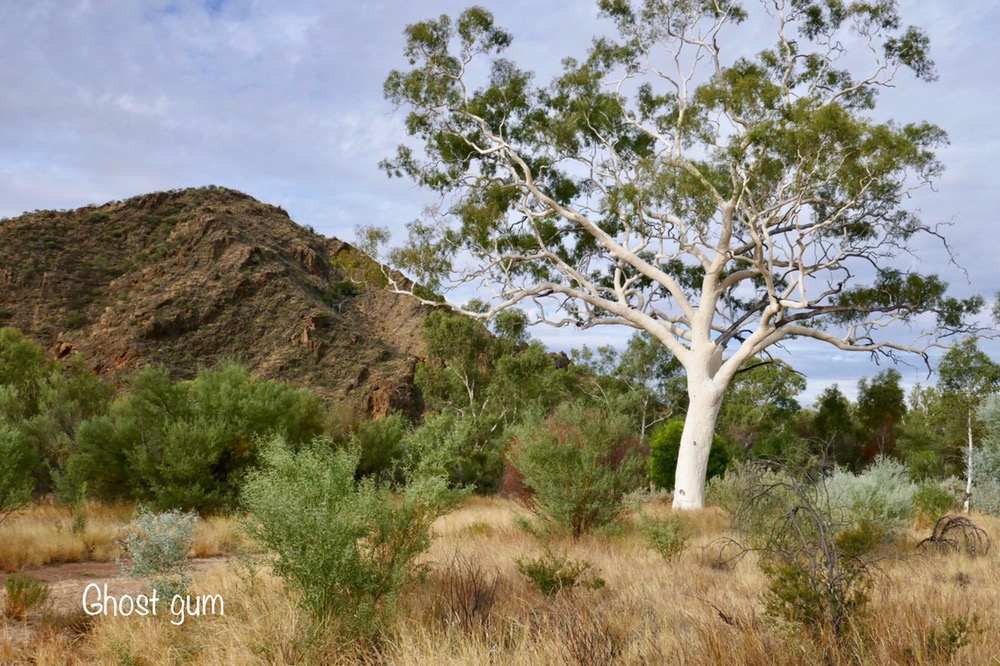
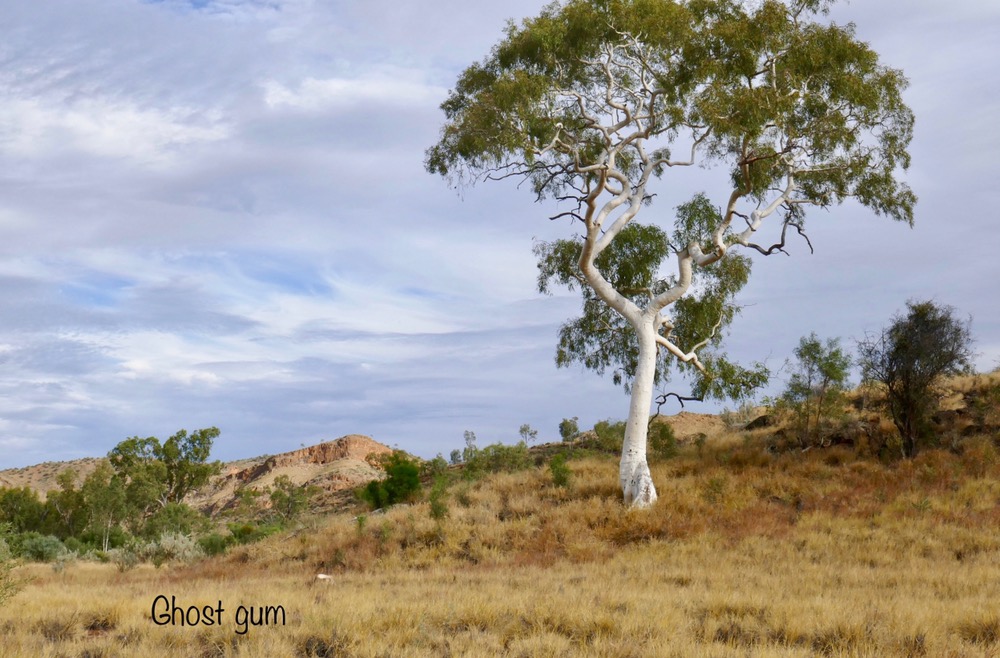
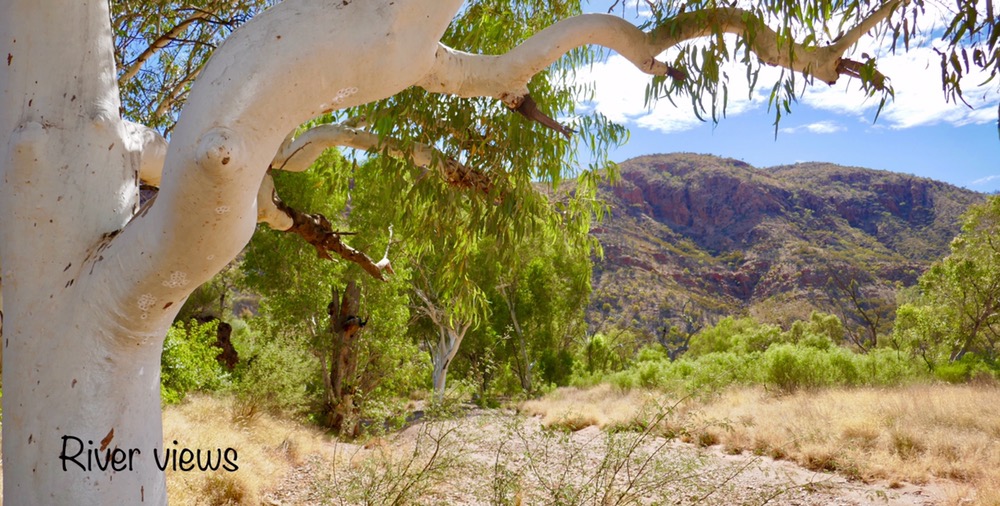
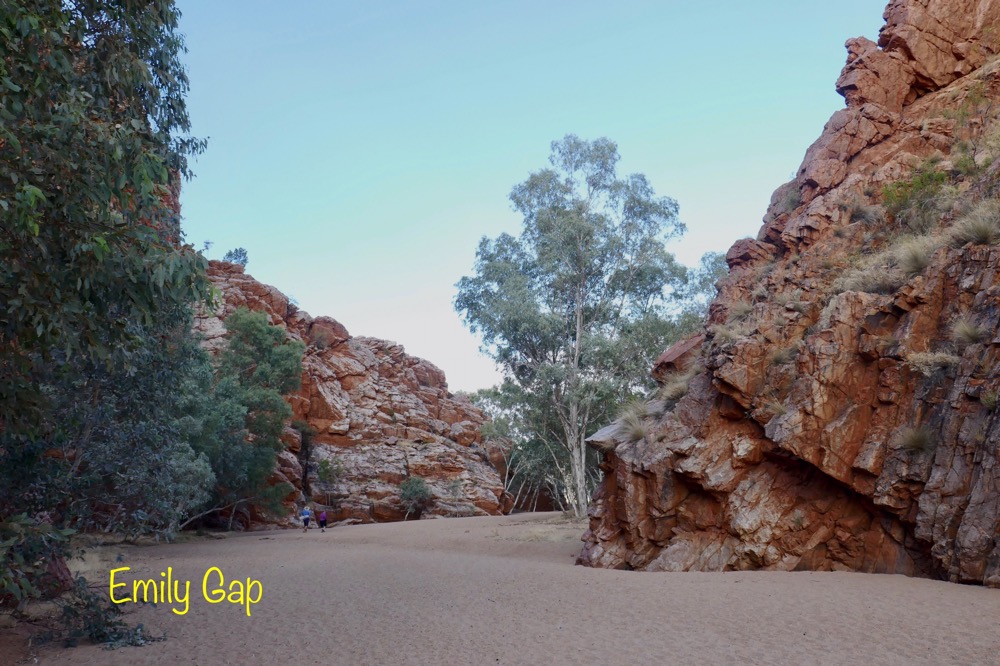
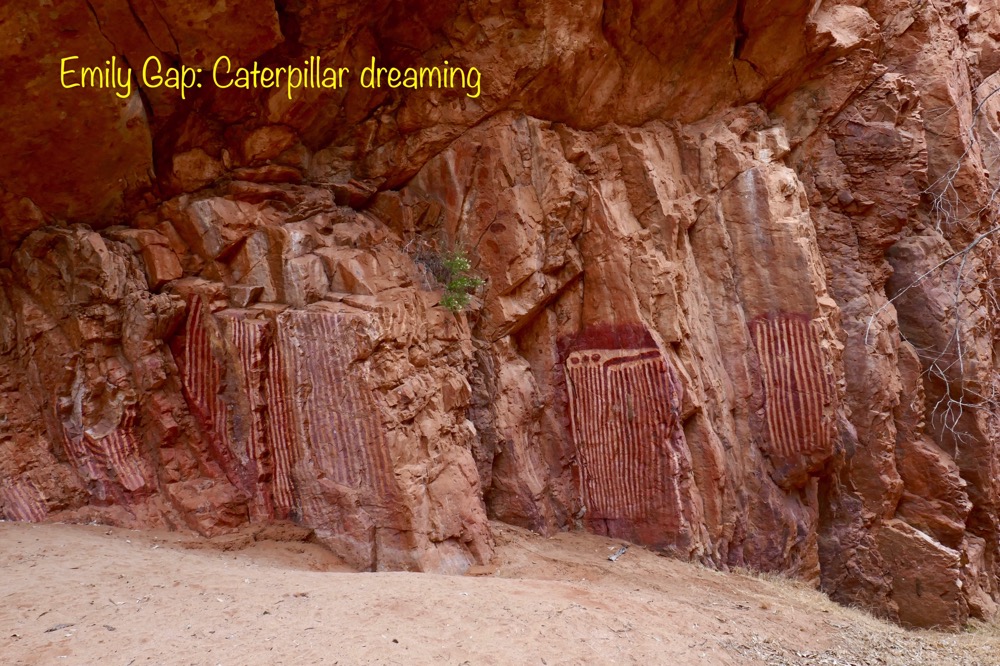
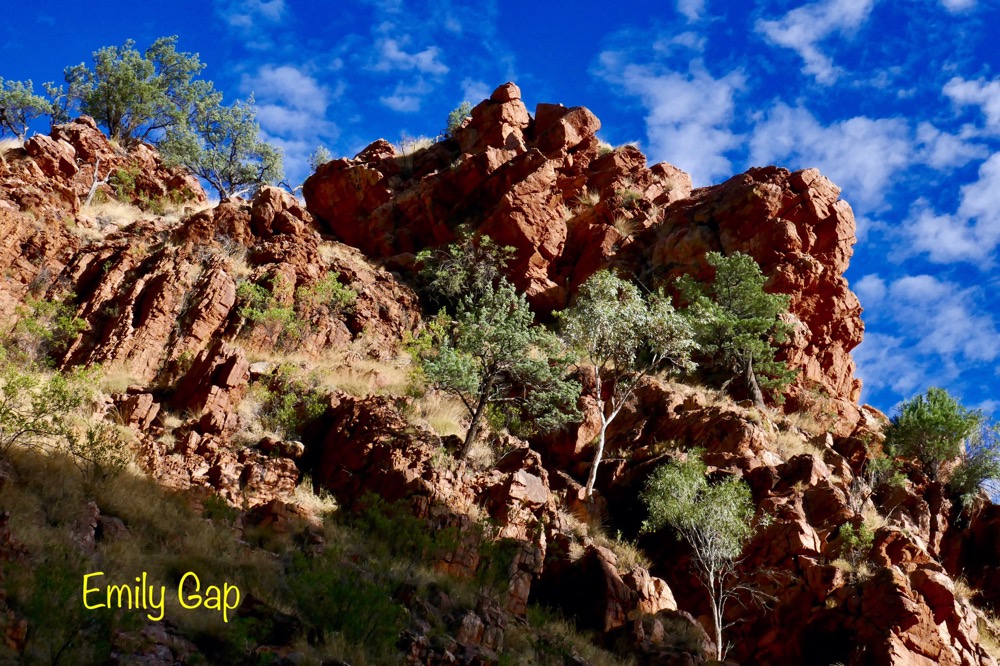
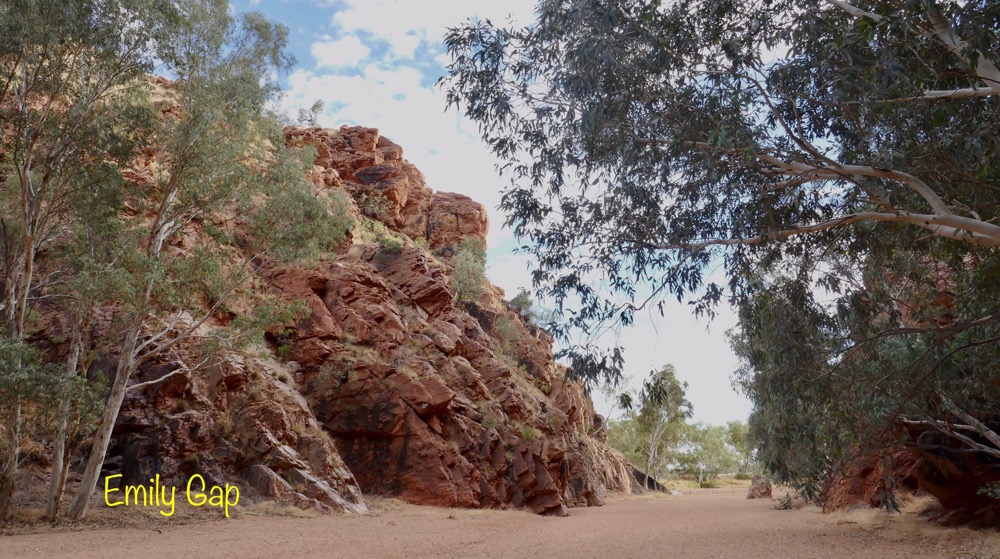
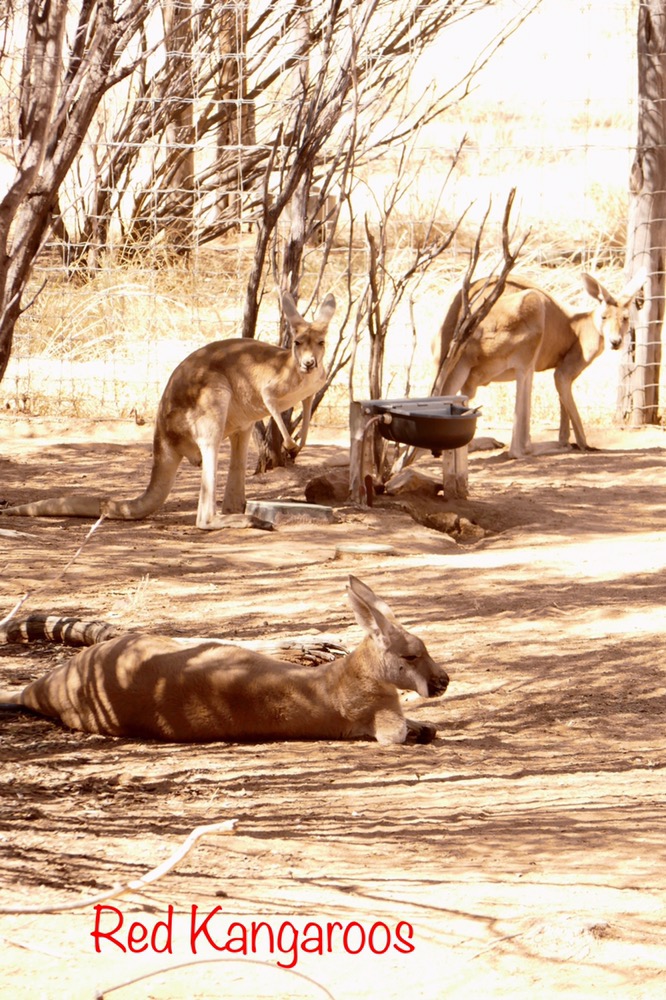
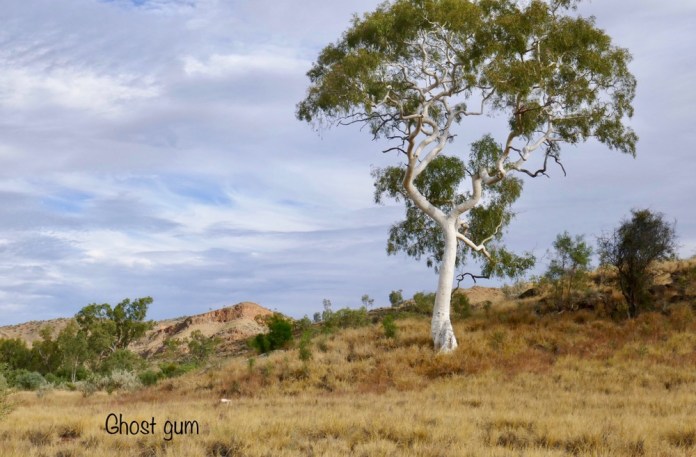
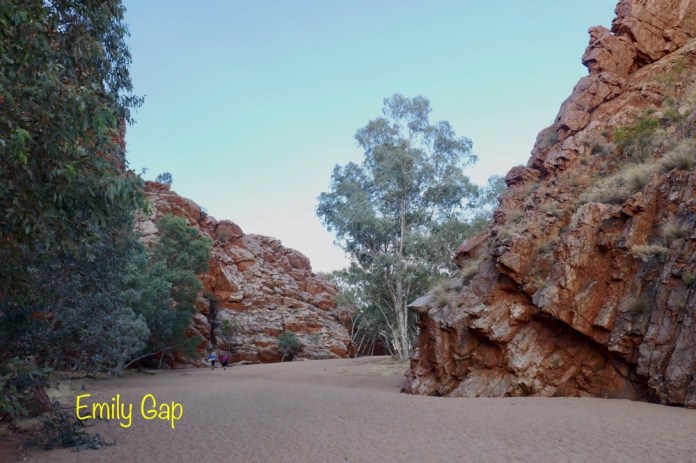
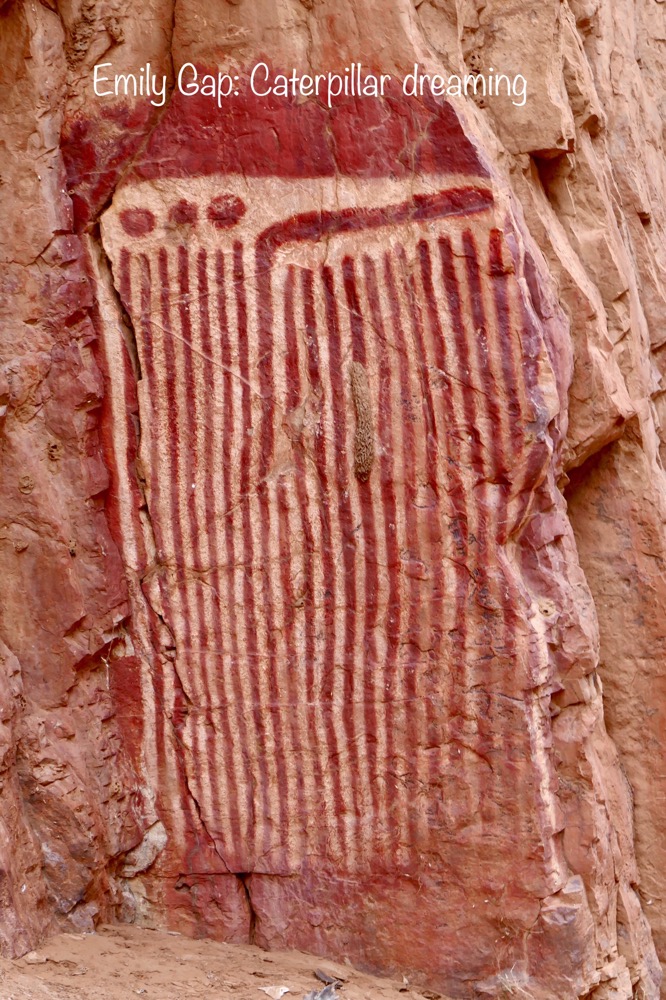
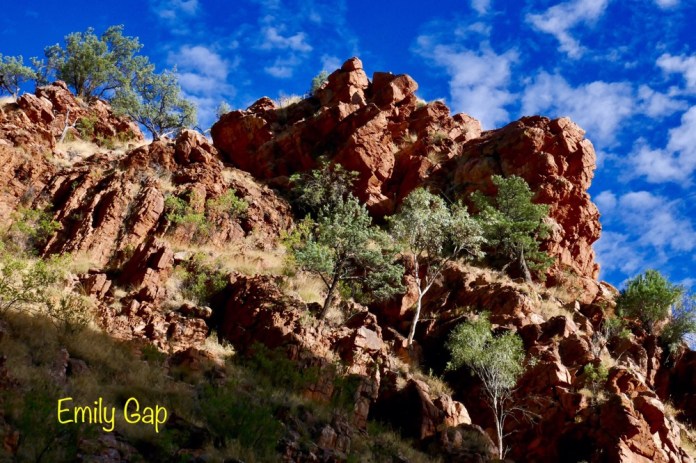
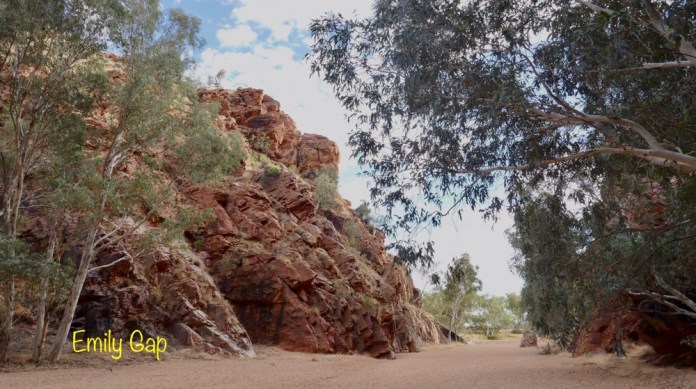
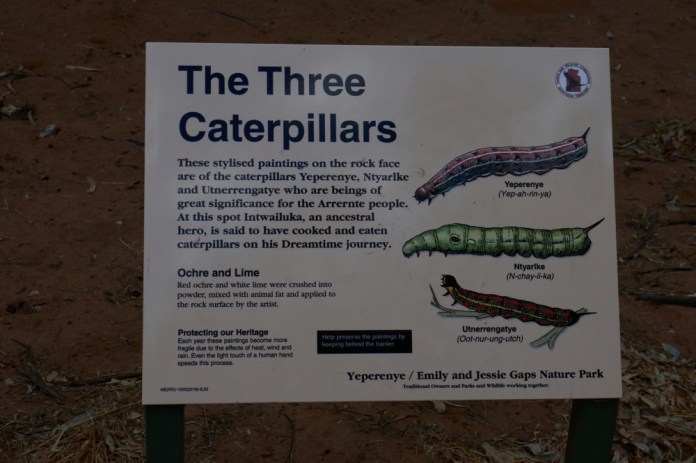
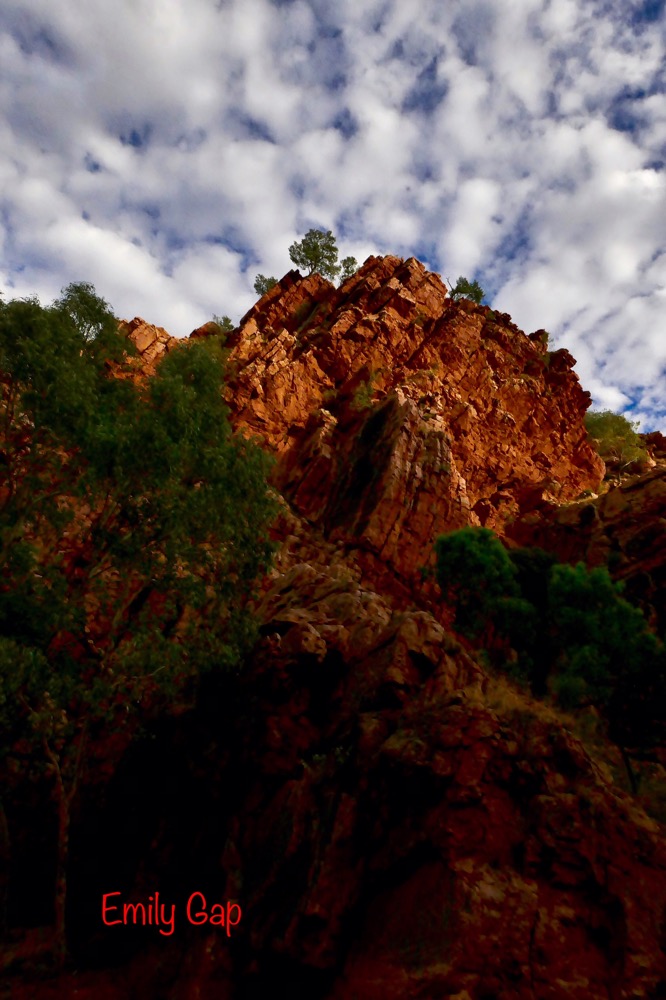
Our first stop was Emily Gap, one of the many beautiful natural features of the Eastern MacDonnell. Unlike the west, the eastern end is much quieter. The areas around Hermannsburg and Glen Helen are full of tourists over Easter in contrast to where we visited today, there were only a few people driving or walking. After the busy rush of India, the peace and quiet beauty of this region is very relaxing. Emily Gap is formed at the junction of great sandstone hills, riding abruptly, near vertical, with ghost gums and river gums in the river bed and acacias scattered precariously on the cliffs and heights above. As I walked on the deep grey sand, I could study the orange rocks and trees. Near the end of the Gap, is a wall with ancient Aboriginal art, red stripes and three small eyes formed each painting, each one a precise rectangle. In fact, there are several paintings, high up above the level of the river base. Mark dropped to his knees, and dug away at the sand, and after only a few handfuls, water filled the depression. A meter away, there was another depression where a kangaroo had dug for water in much he same way. Water is everything. If you are lost in the outback and see Zebra Finches, you will survive a week. Why is this? It’s because a Zebra Finch must drink thirty times it’s body weight every day, so if you see these birds, you are near water.
The paintings are part of the Caterpillar Dreaming, which is centred at the gap coming into Alice Springs, where two long ranges end, seeming to face each other. With some imagination, you can see a single eye at the end of each, the eye of a caterpillar perhaps. This is part of a song line, a path of Dreaming from one part of Australia to another, joined by natural features and Rock art, paintings like these and petroglyphs, carvings. On this pathway, the people can find and celebrate their country and most importantly, navigate confidently from place to place.
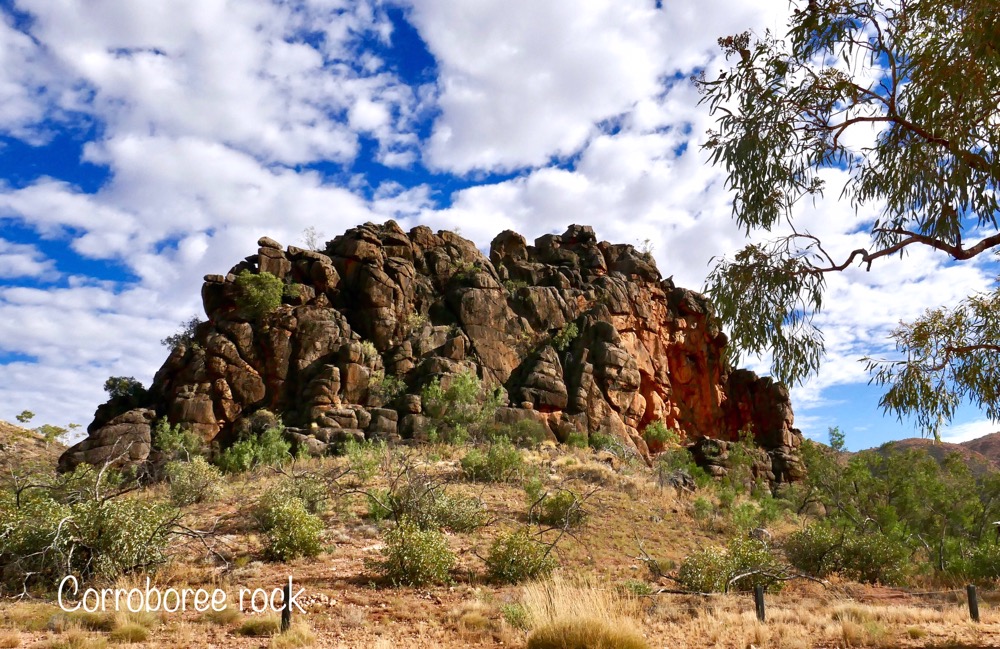
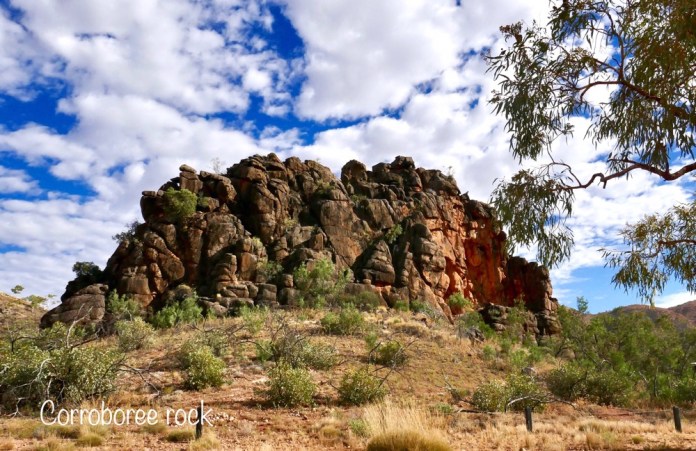
We drove eastwards, stopping then at Corroboree rock. There is a short walk about this formation. On on edge I could see how narrow it is, like half a coin sitting in the ground. Metamorphic sandstone, its sedimentary layers no longer horizontal but vertical. Each layer a layer of ancient sea floor. The history of central Australia goes back to not long after the formation of the earth itself. Great oceans formed and reformed nine times in all , but beginning two billion years ago. Mountains were eroded by ice, by great glaciers when Australia voyaged to the South Pole. Wind and water also eroded these ancient peaks. Their debris and stone, gravel and soil, filled the huge hollows between each mountain, all ocean washed and layered, over and over again producing ever thicker layers of sand then stone This became sandstone as the material above compressed that below. Then the very continent, twisted, contorted by the other great plates, created massive forces of stress and compression. New mountains formed, but twisted like the spines of fossilised dinosaurs. This what you see from planes as they fly overhead. In addition, these same forces spat minerals out of the mantle and from deep in the plate, forming intrusions of quartz, nickel and gold.

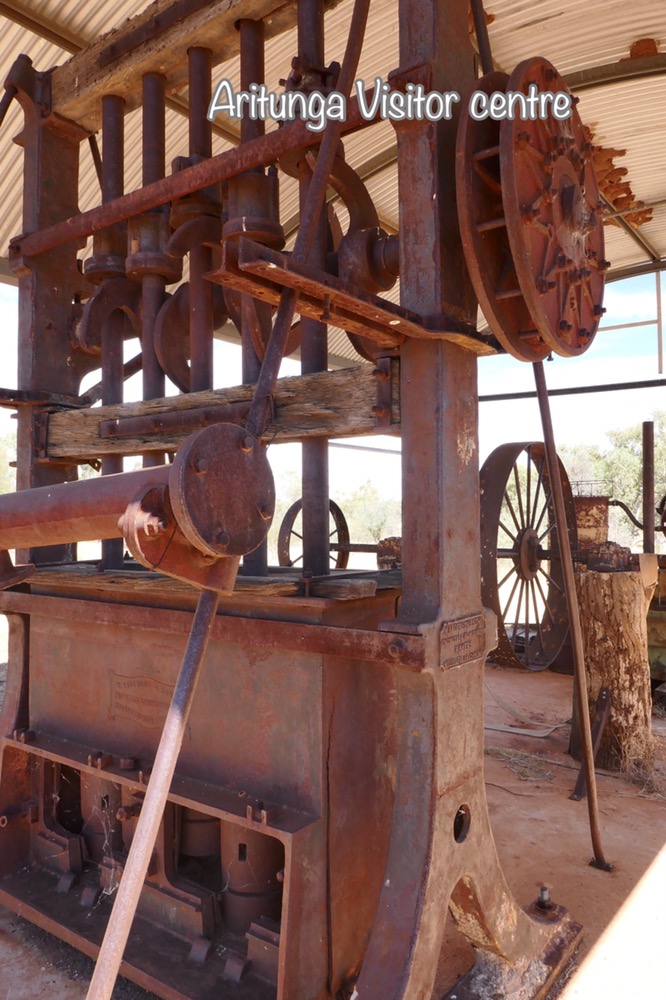
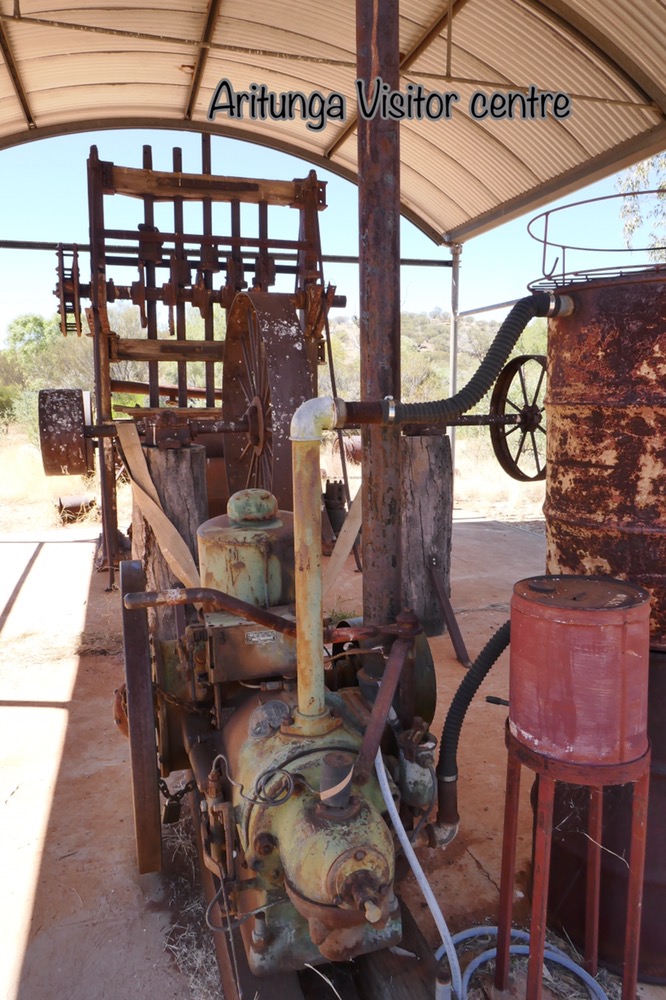
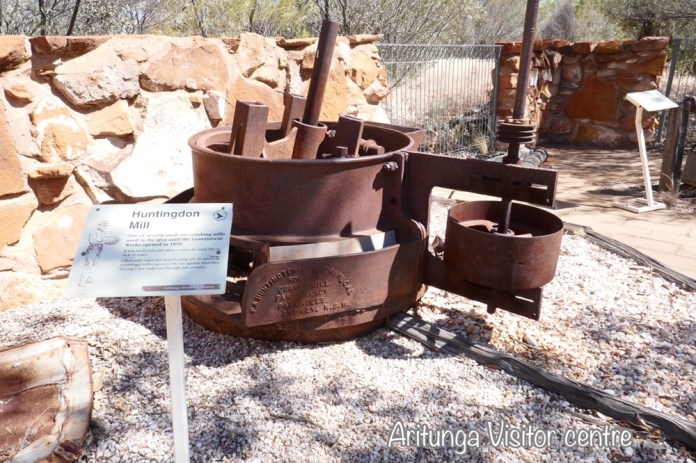
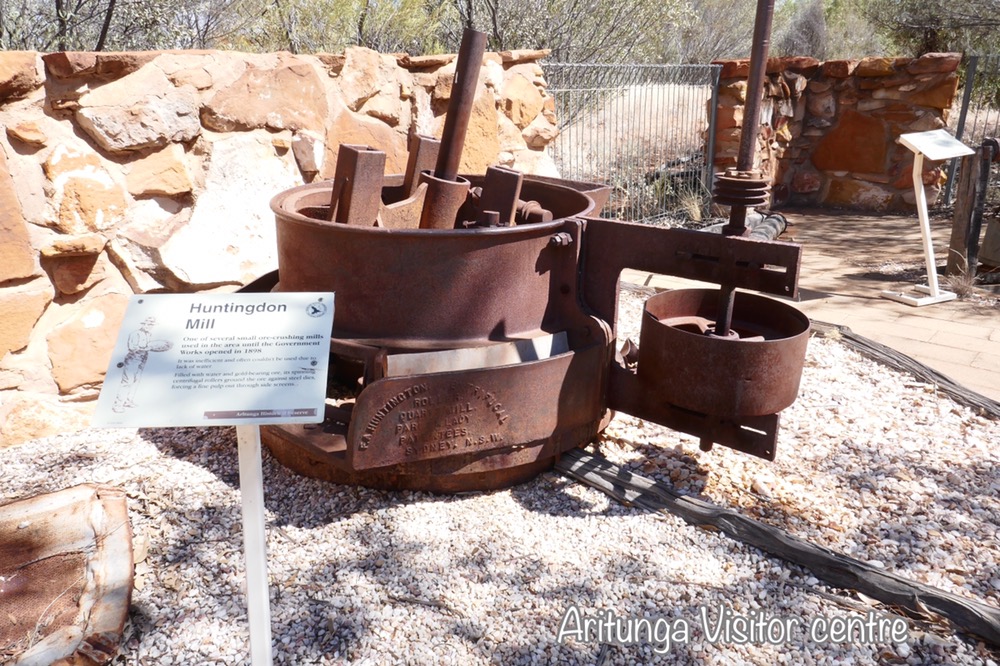
Our next stop, was the result, at least in part, of all these geological events. After the Overland Telegraph was built, and a basic road was available, the government wanted a town built near the Alice Springs Telegraph Station to be called Stuart. A government auction of blocks in Stuart, did not have impressive results, with only three sales from the one hundred allotments surveyed. However, there were men, who travelled Australia looking for opportunities. Gold miners from the Ballarat Goldfields visited this area, and saw the rock, understood the geology and realised gold might well be here. Well they knew it was not in Stuart or anywhere near it but some one hundred kilometres east, in the Eastern MacDonnell ranges. This settlement was the first town in Central Australia, called Arltunga. It was a town based on mining, and mining principally for gold. Investors, miners, butchers, administrators, bakers, and publicans, all set up businesses. The mining was intense. Over all only six million dollars in modern equivalence was recovered from the many mines. It was terrible work, the heat over summer, the problems with porting water. The canvas bags used all over Australia, dried out, fraying and leaking. The stamping machines needed water and plenty of it to work. They developed air blowers to blow away, the fine dust from the heavier gold, after physically bashing quartz in troughs. Food had to be transported from Adelaide, or slaughtered locally. The mining ceased early in the twentieth century and most of the people left. Some stayed, solitary miners who liked the isolation, some businessmen bought up cattle stations and became farmers. The ruins of the bakery and post office are badly damaged by vandalism and souveniring by locals and tourists alike however even today, the Hotel is still there, it’s not open anymore but sits there, near the gravel road, still proudly bearing the name Arltunga. Somehow this splendid pub kept serving cold beer inti the 1960s! There is a fine museum of memorabilia and mining artefacts from old days that is well worth a visit. There is a you tube video anyone can access online about Arltunga too.

Over the years, there was more and more confusion about Alice Springs Telegraph Station which included the post office and the town of Stuart. The locals knew which was which, but no one else did. So to settle this mess, poor Stuart lost his town and it all became known as Alice Springs. By the the time Arltunga had died, Alice Springs was established and going ahead, with better access north and south, better communications with the telegraph, better water supplies and more to it than just mining. However it was not the first town in Central Australia that was Arltunga.
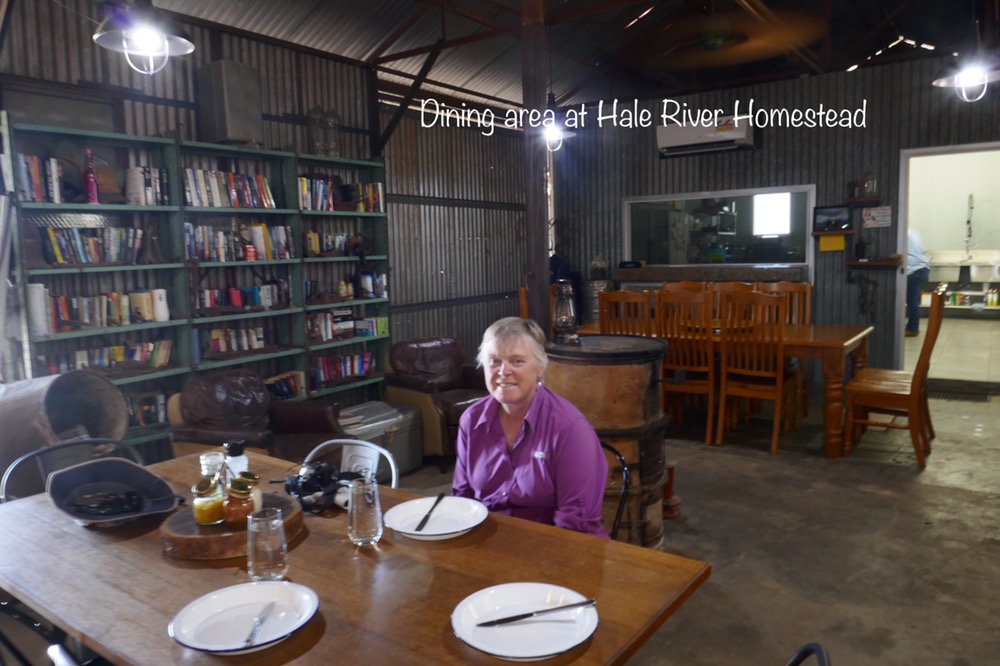
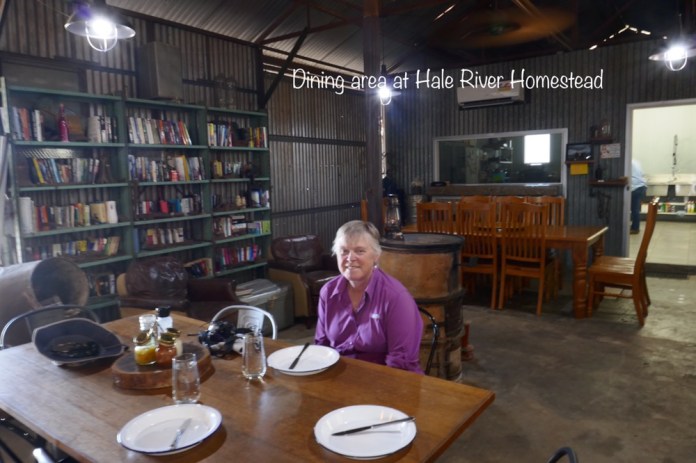
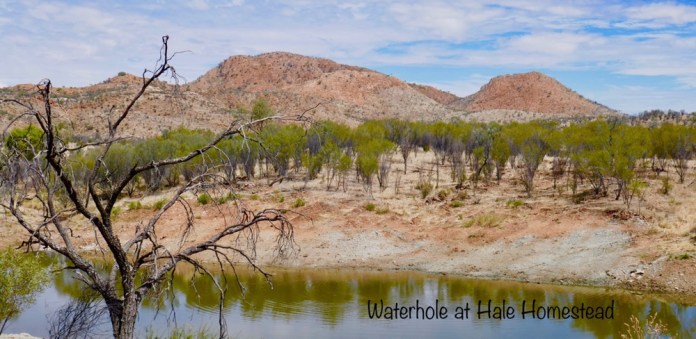
We drove a a short distance to Hale River Homestead ( also called Ambalindum Station). This is a business venture of a mother and daughter. They bought or leased sixty hectares of land from the main station for a tourist venture about 18 months ago. They have revamped the old buildings to new purposes. The battery room becomes a charming bed sit. The old homestead becomes multi room accommodation, its interior designs and furnishings reflecting the 1950s when it was last renovated. The dining area is an old tractor and mechanicals shed, with a lot of the paraphernalia of outback life on display. We had a terrific yummy lunch with home made pickles and chilles on corned ham rolls. Sophie, the young manager and part owner, not only joined us for lunch but showed us around her property. It’s wonderful to see and hear a young local woman, raised in the outback, with such determination and capacity for hard work. Over lunch, we talked about life in the outback. I saw a black goanna, a little one, on the concrete path to the dining room. Sophie and Mark told us some stories. Marks wife and co owner of their business, is a veterinarian. She was called to see two injured horses with damaged calves. The calves had been torn away by something. The first thought was dogs but when it happened again, she attached cameras to the horses. These cameras did not show dogs but a goanna, a Perentie which was about two meters high when standing and trying to kill the horses. Perenties are venomous, agile hunters, the fourth largest lizard in the world and will take on anything. Once the station owner knew what to look for, they located the lizard and captured it and relocated it. Well that what they told Marks wife. Mark remains sceptical about the fate of the animal.
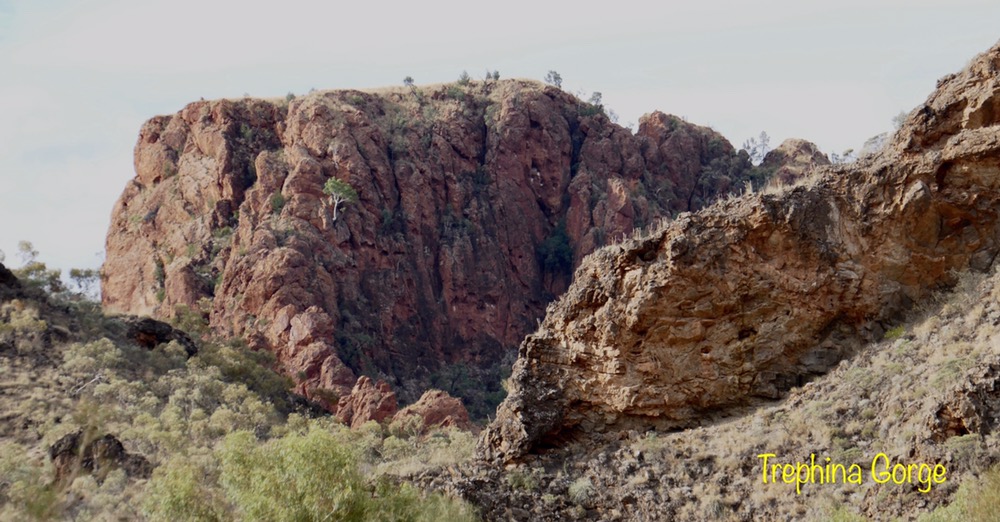
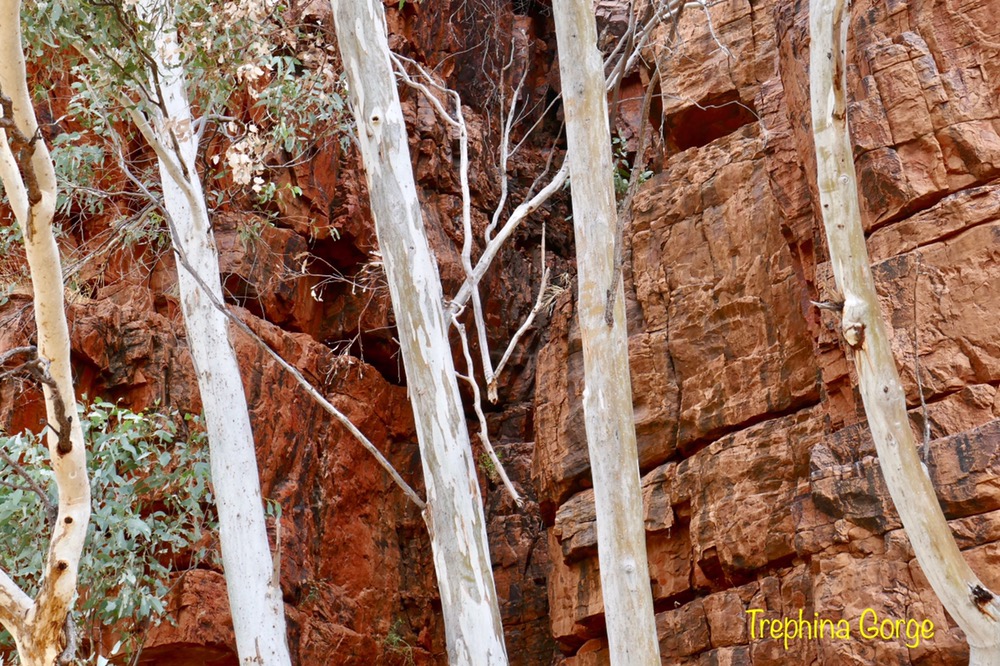
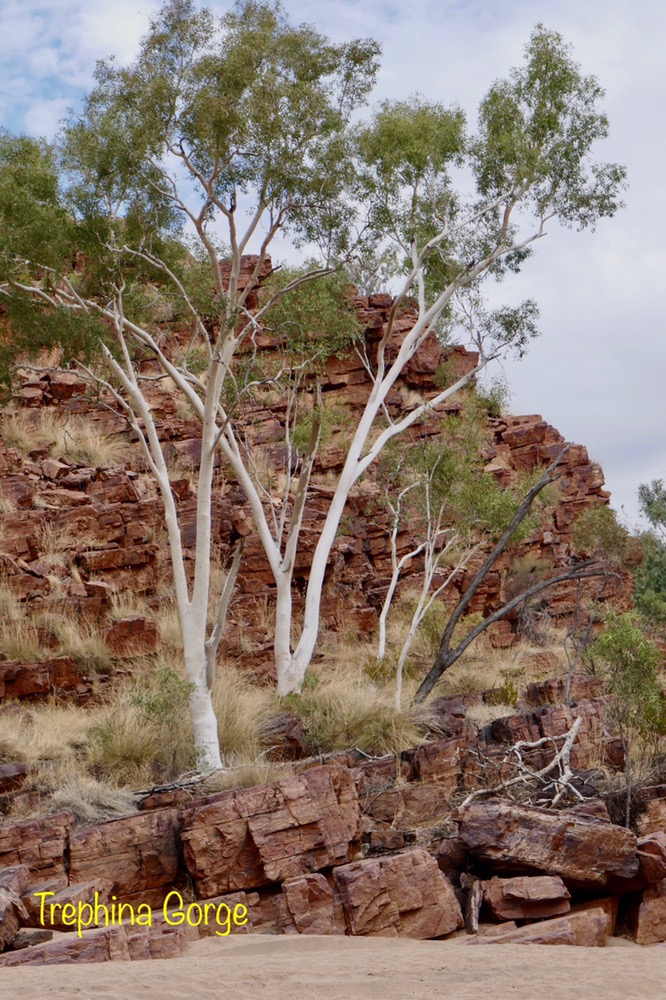
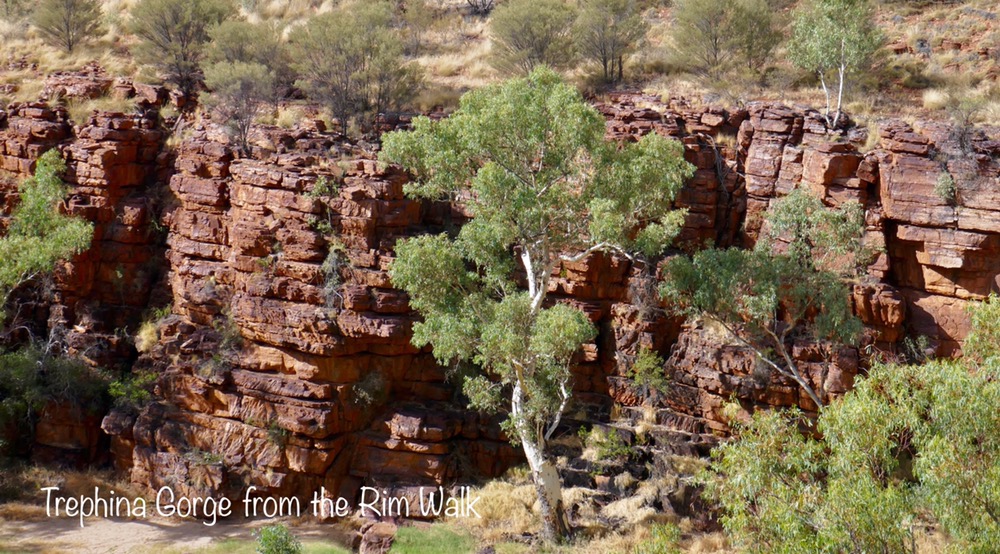
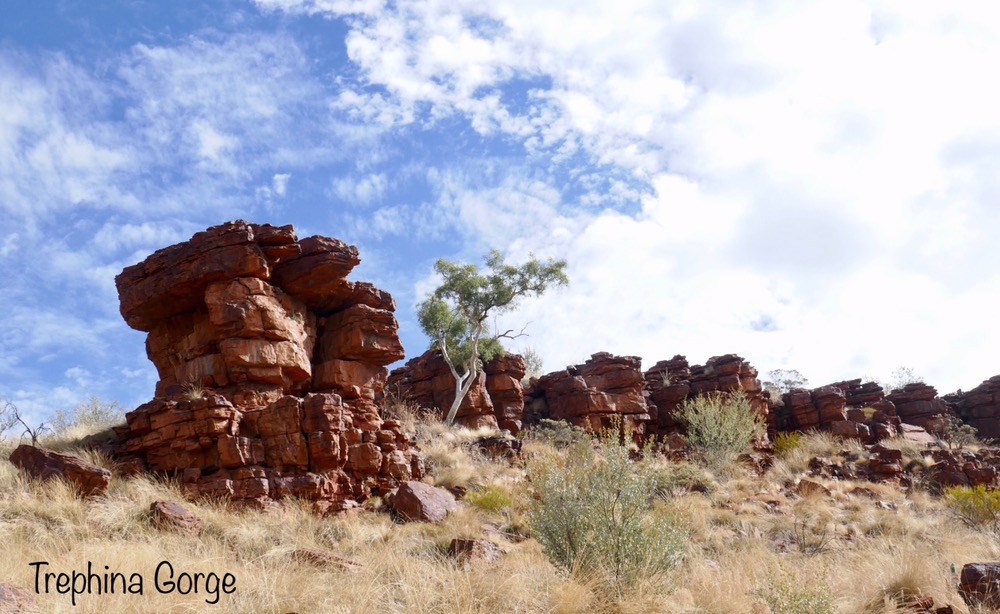
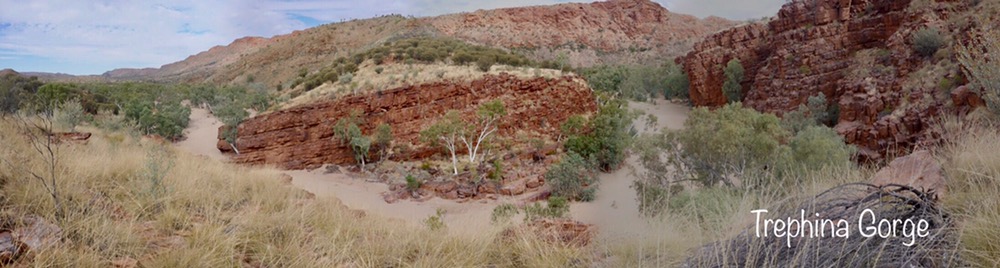
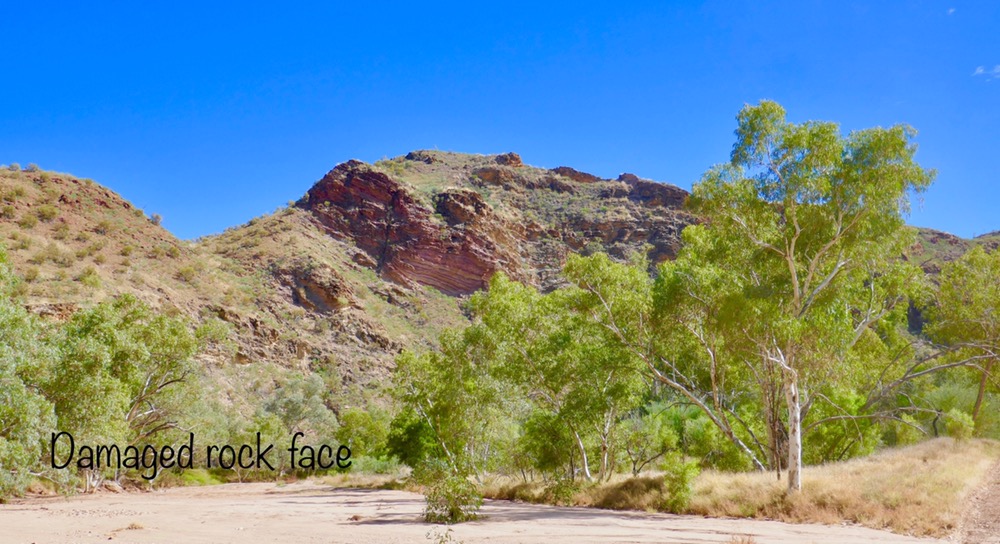
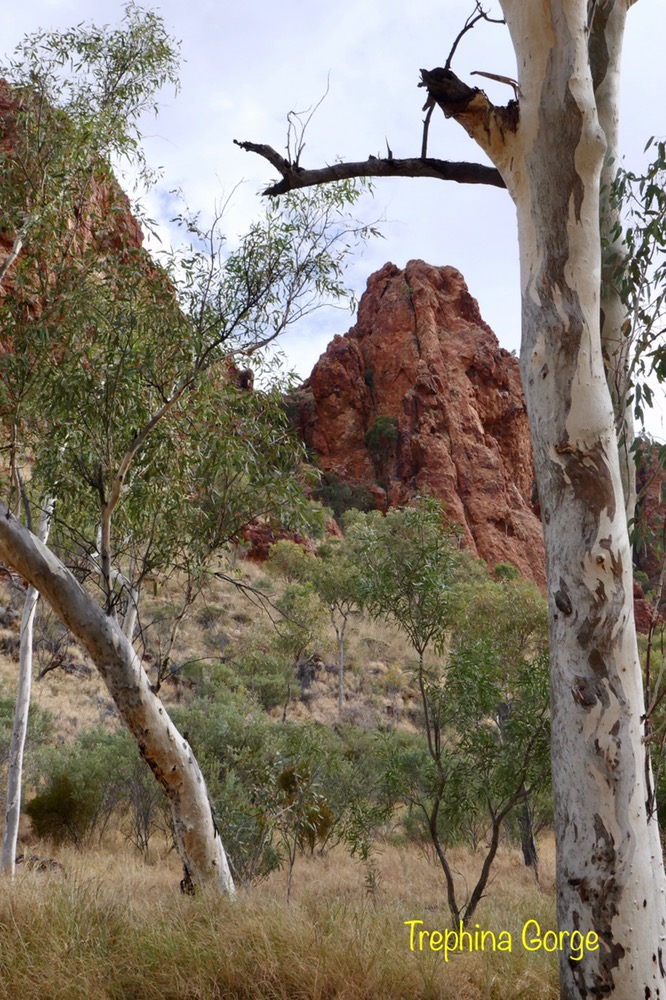
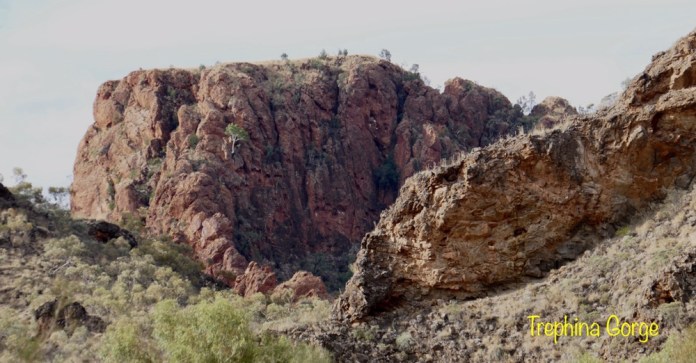
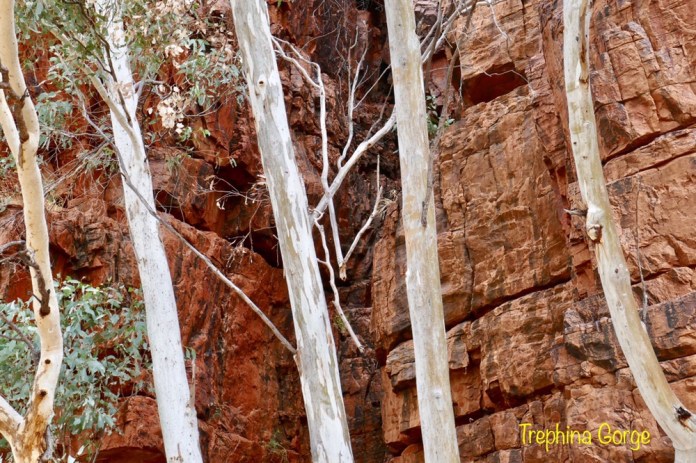
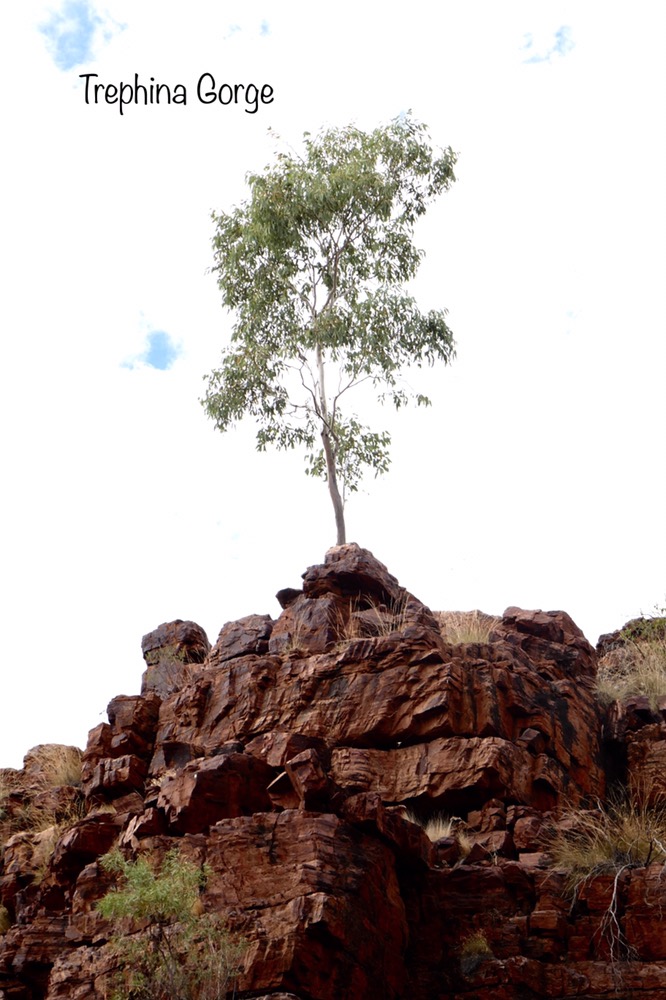
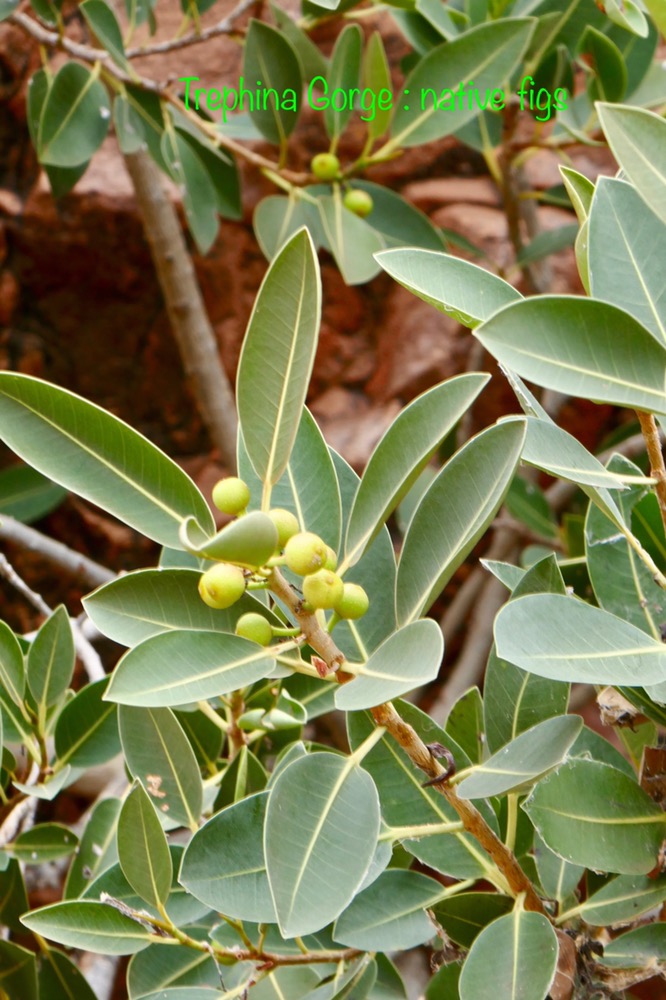
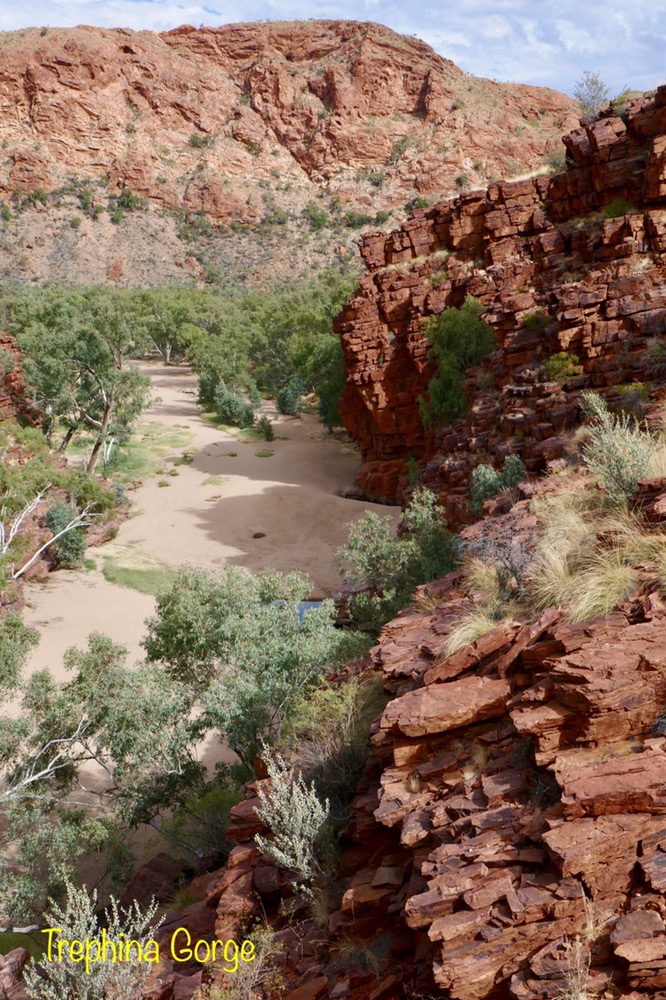
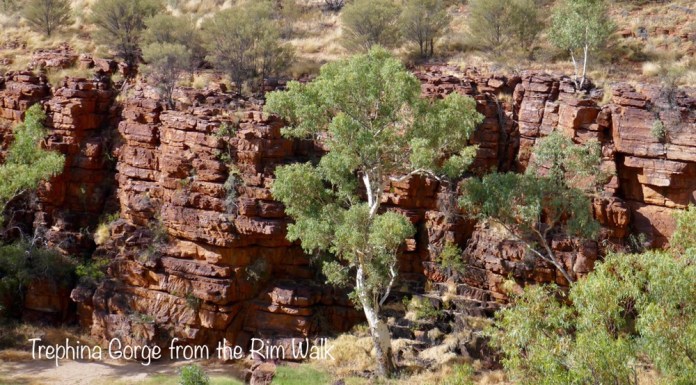
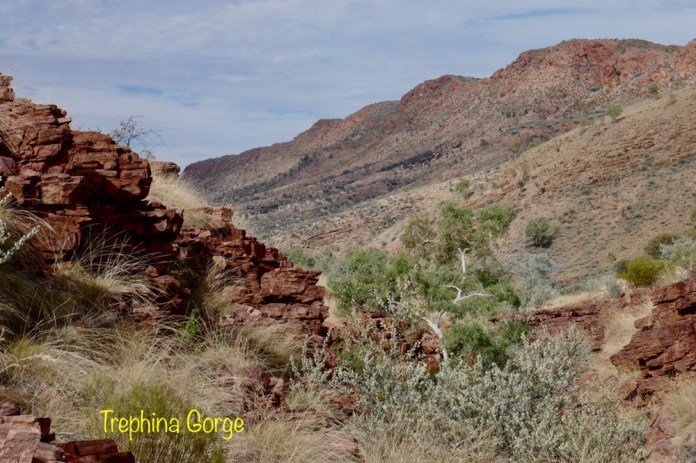
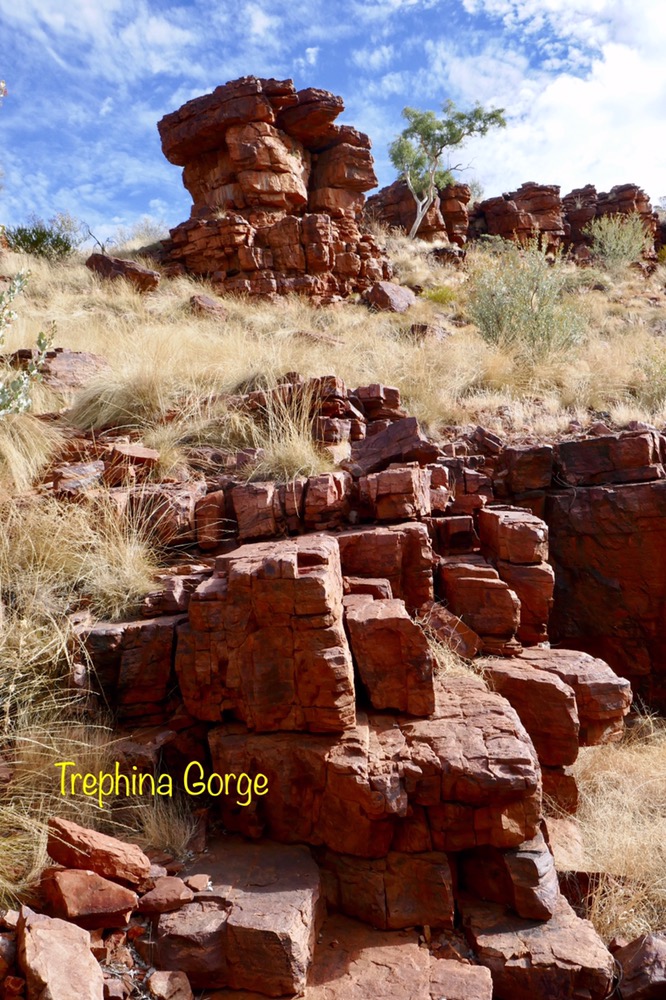
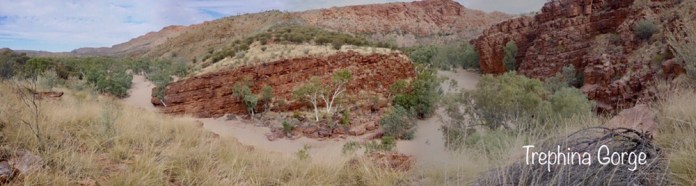
After leaving the homestead with Mark at the wheel, we drove to Trephina Gorge. We took the Rim walk, which went steeply up and above the gorge, offering wonderful views of the rock face opposite us. We descended sharply at the western end, to enter the gorge itself. There is hardly any water here to see, but just like Emily Gap, the river is still flowing, its just moving under and not over the sand. The ghost and river gums sending down huge, long roots to tap into this near permanent flow. You may have heard of two German tourists who died at Trephina in February. The story goes something like this. The married, elderly but fit for their age couple arrived at Alice Springs Airport and collected a rental car. They were booked into some very exclusive accomodation for that evening. They drove to the gorge, parked their rental vehicle and went on one of the many signposted walks. Most likely the Rim Walk. After about 1 kilometre they turned off the three kilometre track onto a 18 kilometre return track. I saw the spot and even I had to ask Mark, which was the right way. They carried on this longer walk, got badly confused about direction. Their hotel manager was concerned when they did not show up and he called the police. No one had a clue where they were going. A ranger found the car three days later at Trephina Gorge, and two days later searchers found the first body, and the next day, the second body was located. What mistakes did they make? In short, plenty. The only water they each had were those 250ml bottles you get for free on the plane, they walked in 40 degree plus heat, they had no hats and they told no one where they were going. The map they used was a tourist guide to Alice Springs and surrounds and it was was never designed to plan walks as it was not to any sort of scale. There are excellent maps at the visitor centre at Arltunga and online. They died from dehydration after getting lost and confused, making bad decisions from start to finish.
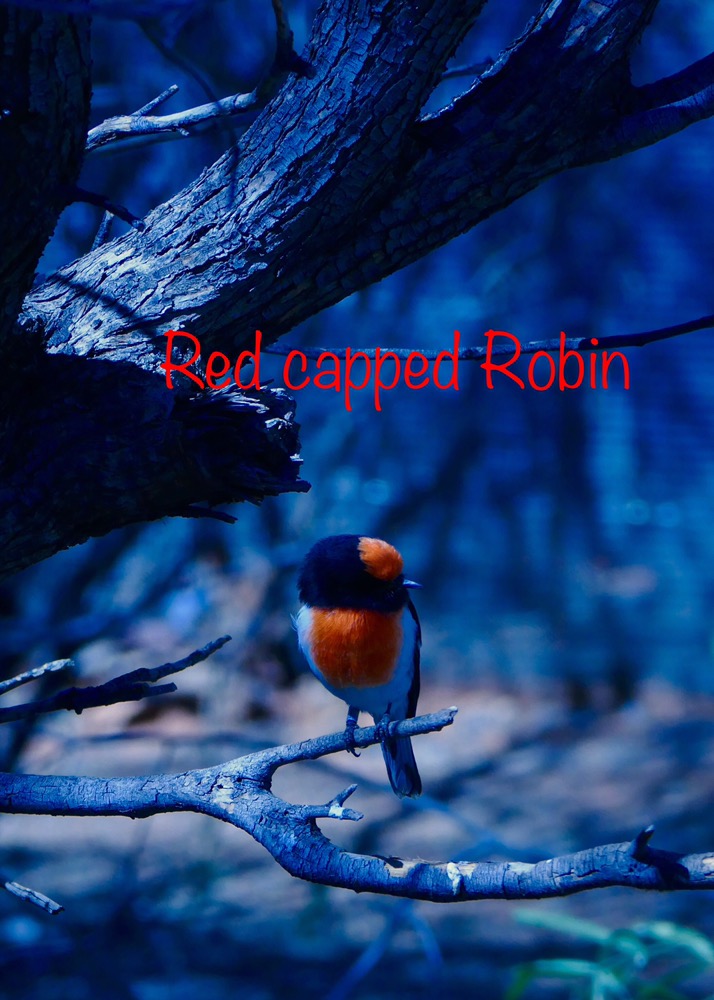
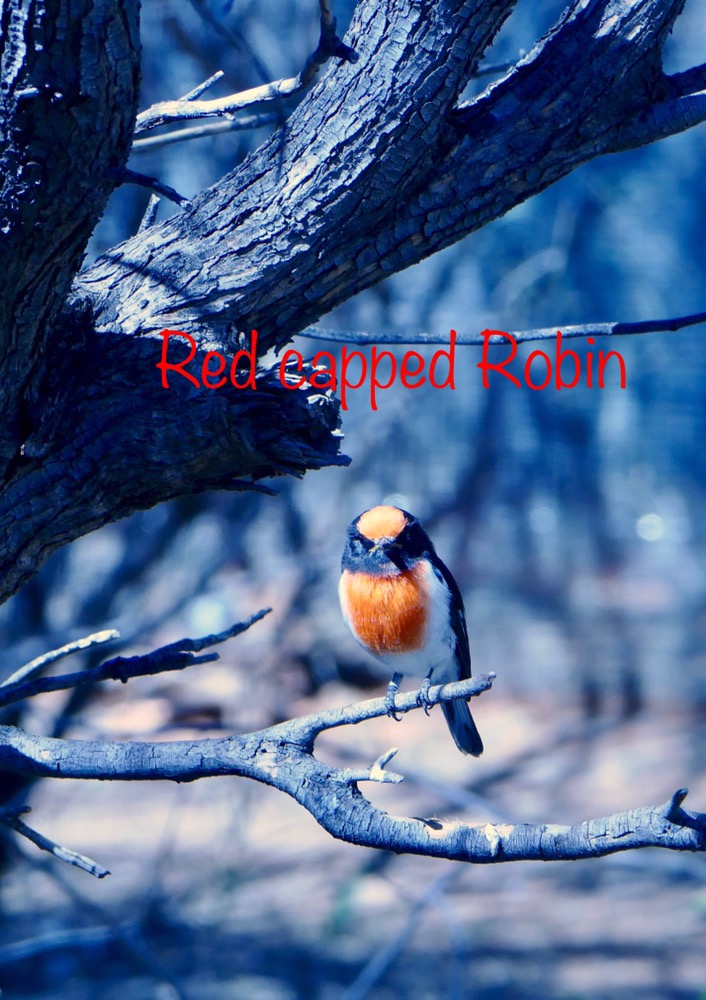
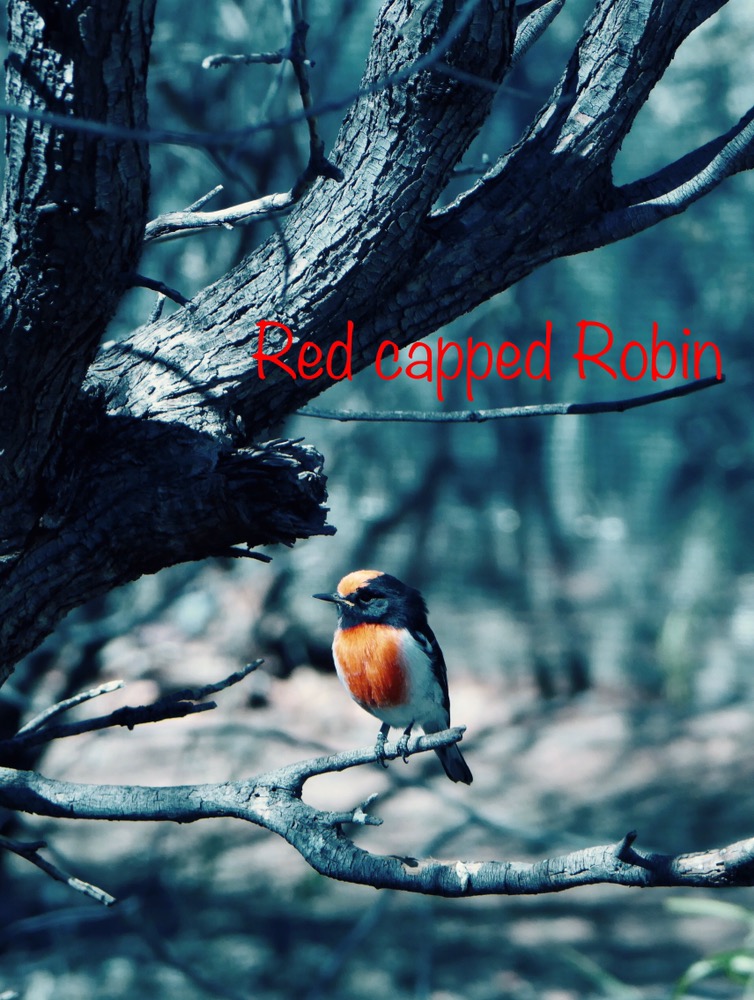
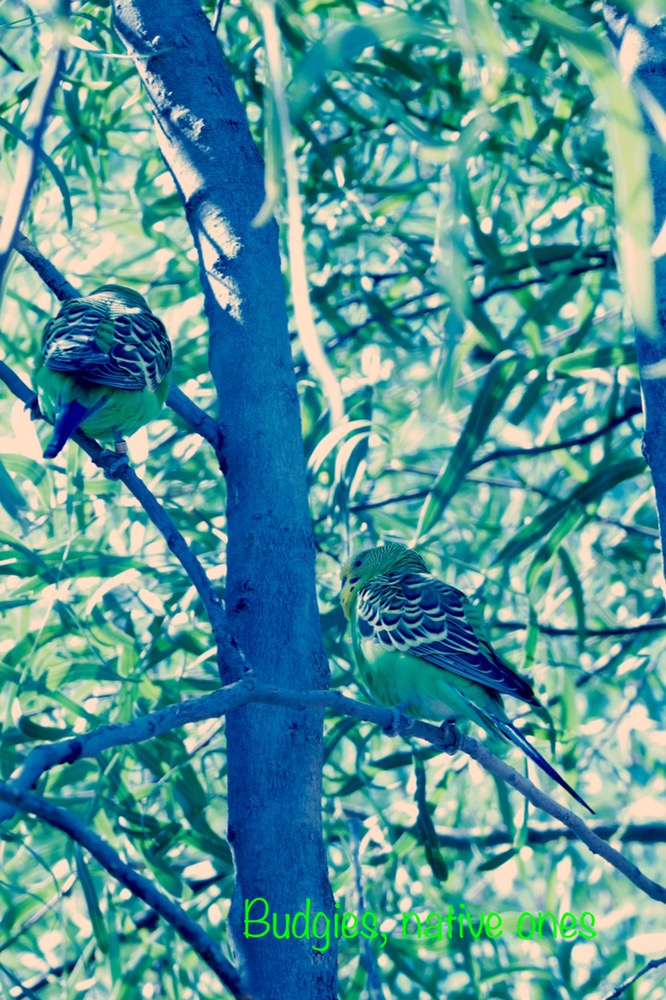
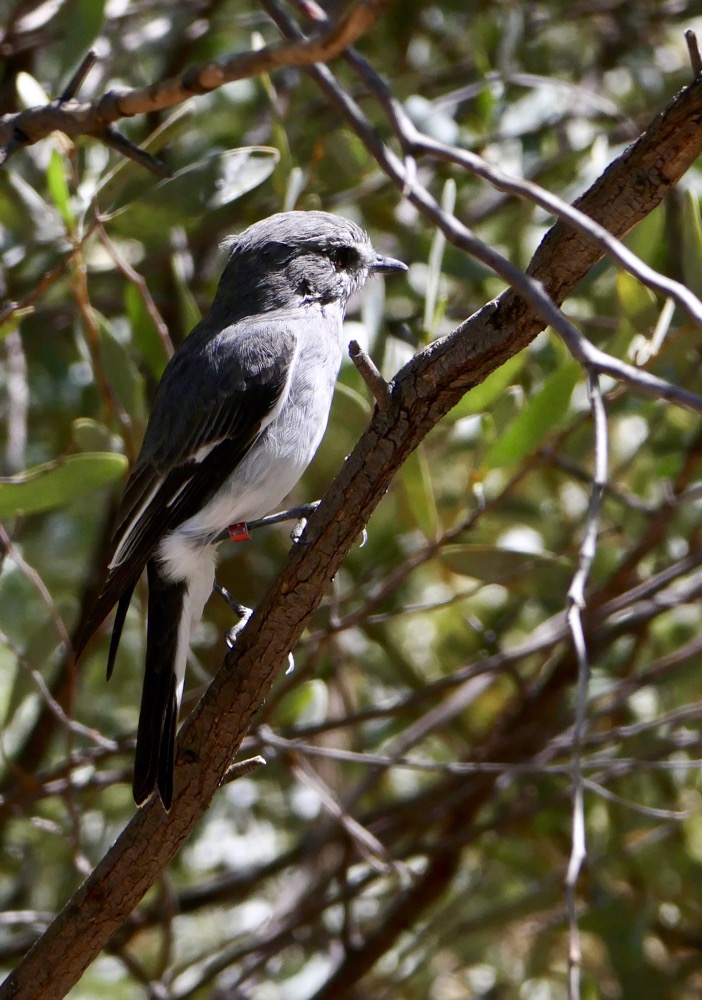
A feature of our trip are the many native birds. When parked on the road, suddenly a flock of iridescent green and yellow budgies darted in the air and landed en masses in a tree’s branches, a red breasted robin with its black jacket flew in to rest on a branch at afternoon tea near Trephina Gorge and Spinifex pigeons walking on river sand at Emily Gap.

After leaving the gorge we drove back to Alice Springs. We arrived at 5:30, wished Mark well and sat down together for a chilled glass of wine. It’s been a terrific day. The beauty of the hills and plains, the rich red and brown colours of the sandstone spines of this country splashed and then dotted by the greens of the gum trees and native grasses, makes watching the passing scenery very addictive. But there is something important you need to know about much of the grass, vast swathes are not native, but a pesky introduced grass as damaging to central Australia as the Cane toad is to northern tropical Australia.

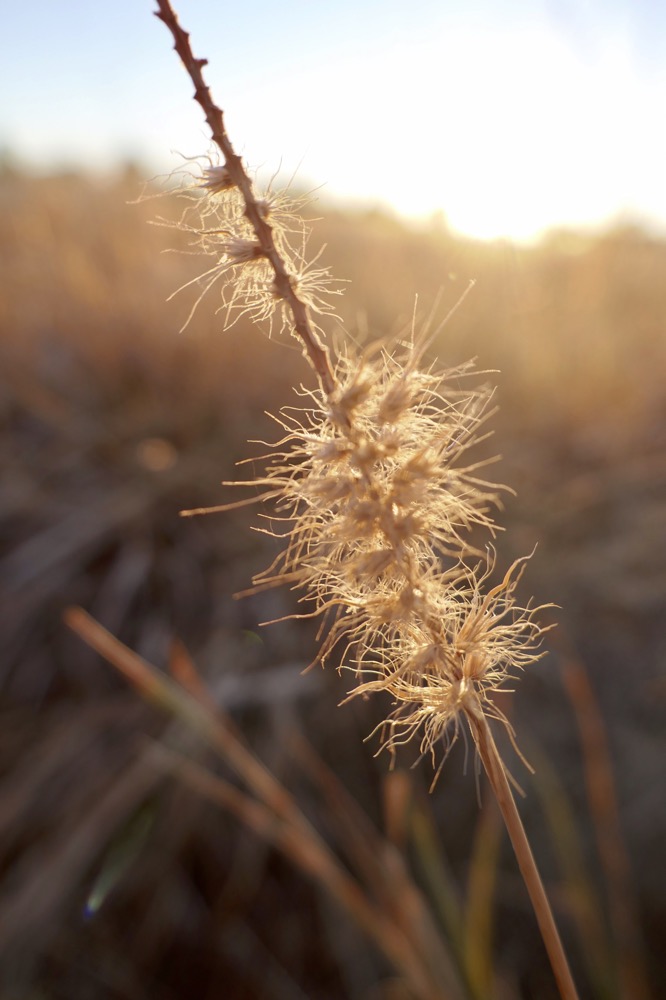
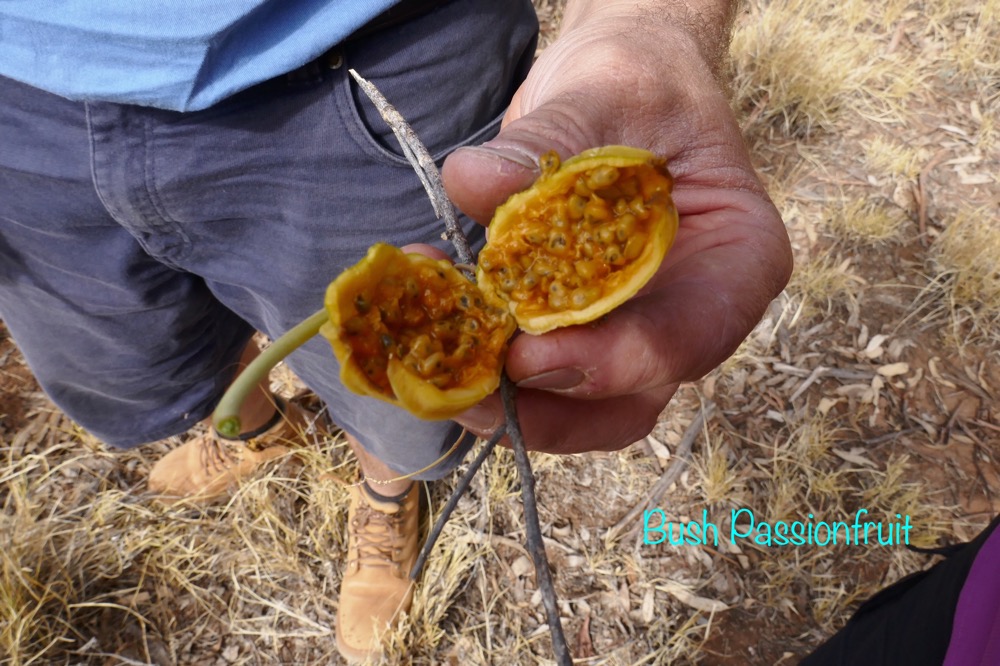
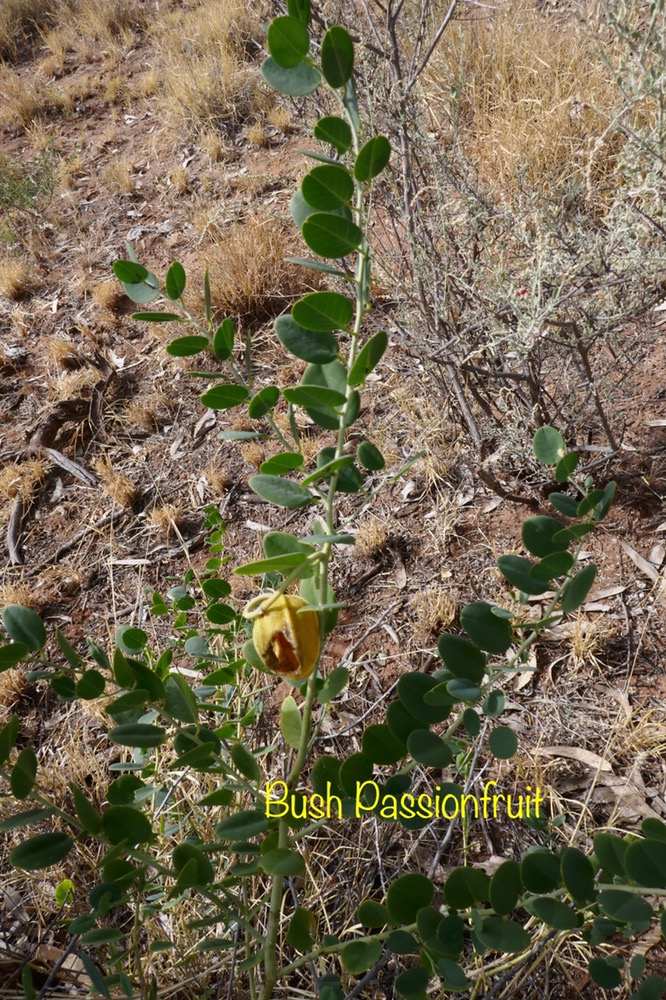
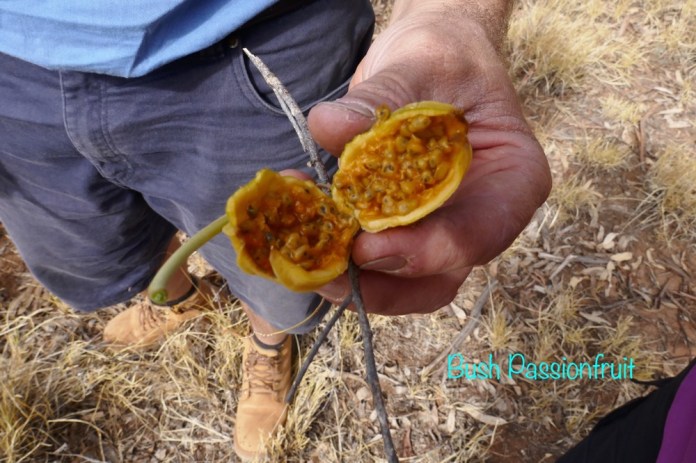
Much of the native grass is gone due the CSIRO releasing buffel grass in the 70s. This South African grass was planted around Alice Springs Airport to reduce the airborne dust that was damaging Ansett’s jet engines. This was the beginning of the boom in tourism and nothing can be allowed to interfere with its profitability. The fine dust is as corrosive to engines as to everything else. The result has been that this grass is displacing native grasses all over central Australia. It grows back quicker after fire than natives, including grasses, palms and saplings, choking them. When it burns, it burns so hot, that native seeds are destroyed rather than being germinated by lower temperatures. And it’s tough and very hard to pull out off the ground, you need a matic to remove the roots. It looks nice enough but it’s replacing the diversity of grasslands and increasingly forests with a single plant. Kangaroos and other marsupials don’t like it and graze elsewhere. Bush tomatos, bush passionfruit, and other plants cannot grow. This means that bush tucker is not available in many parts of central Australia. This worsens the nutrition and damages the hunting culture of Aborigines. Graziers and government are not all that interested in solving this problem as cattle do like it and eat it and it has made grazing more secure a practice and as a business. 
Standard
Central australia, Central Australia Work

Alice Springs April 2017 Yuendumu: Water Dreaming

Greetings from Yuendumu. Yuendumu is a 3 and 1/2 hour drive from Alice Springs, a substantial part of that travelling northwest on the Tanami Highway. Much of this road is single lane, bitumen with red gravel on either side. Approaching distant vehicles merge with the silvery illusion of mirage. At one stage when I was travelling on the highway on the way back from Laramba, I pulled over to let what I thought was a truck pass but turned out to be a tree ; It didn’t arrive.
The country on the way to Yuendumu is flat pasture land, with long low sweeping hills. It looks and feels like a landscape in a spaghetti western. I would not have been surprised to see mounted cowboys flying across it on Appaloosas. 
Work has been a bit quiet here which makes both of us restless but the saving grace is as always, we have met some terrific local people. They are a thoroughly friendly bunch , staff and patients both. Of special note is the driver here, his name is Jabison. A softly spoken, bearded and slim Aboriginal man who helps out with driving and at the front desk. This afternoon, Lowana the manager told us that Jabison would like to take us for a drive. We jumped at the chance as we had felt pretty trapped in the house, as walking was impossible due to the noisy, aggressive camp dogs all over the town.

Jabison pulled up at the roadside by our house in a troopie, we clambered in and set off. The road got dusty and sandy, and not far below the surface a bit muddy too. This we discovered as we got bogged crossing Mission Creek. Jennifer and I jumped out, and we all put rocks under the tyres until we could drive out. We pushed first one way then the next, having enormous fun. Then after exiting backwards successfully Jabison drove over again now at full speed and very nearly got across till getting bogged again, a mere two metres from the bank and certain safety. Then the local youth group arrived and one of their party, a bear of a boy, big and friendly called Max recognised Jennifer. They tied on a snap strap ( wrongly) but it did give enough pull to get our troopie out of trouble at last. 

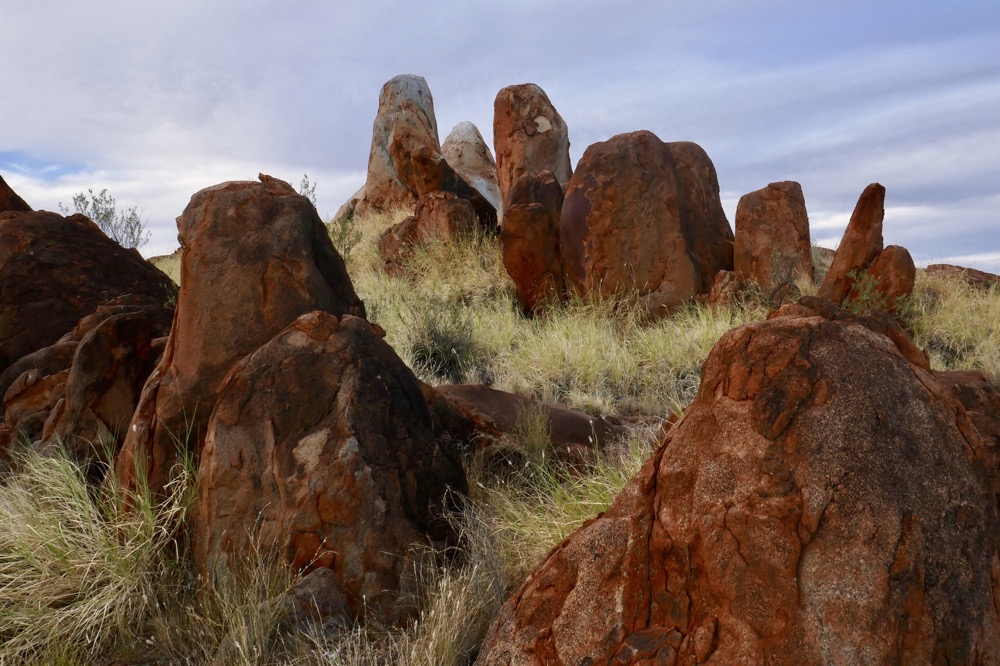
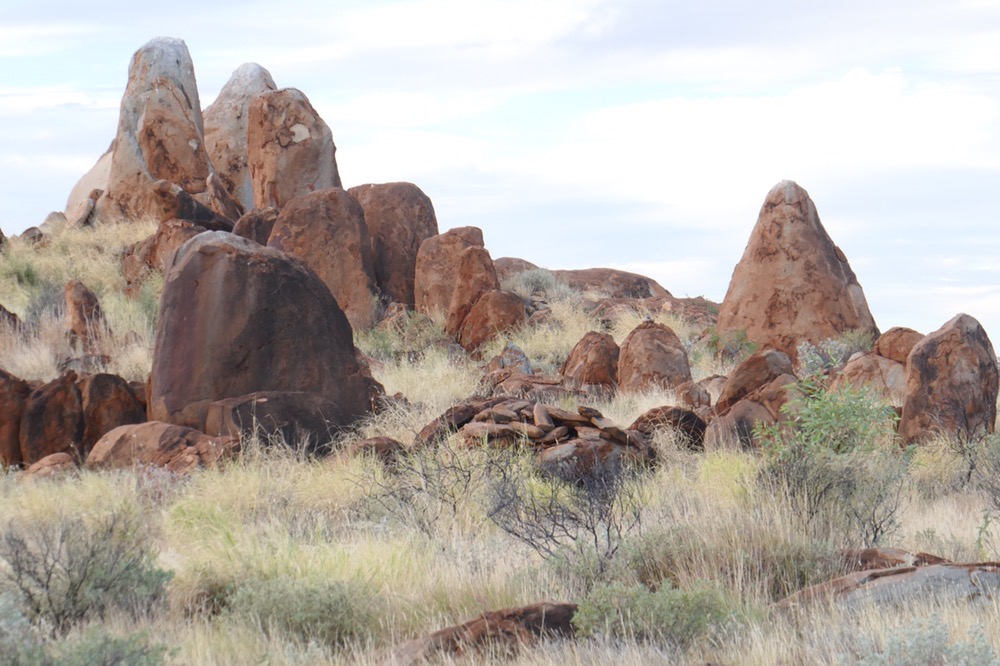
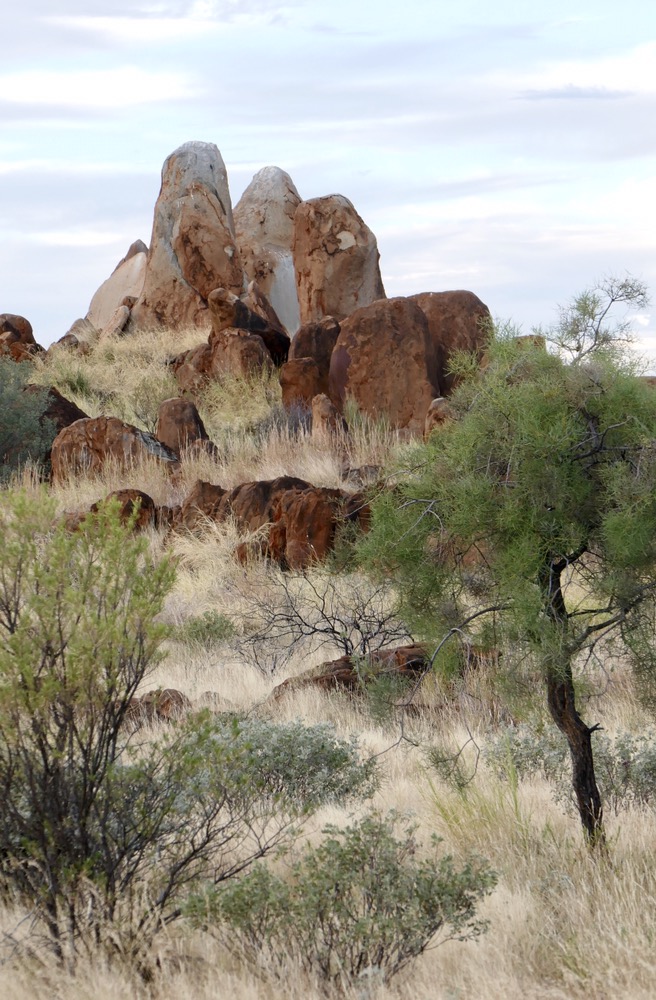
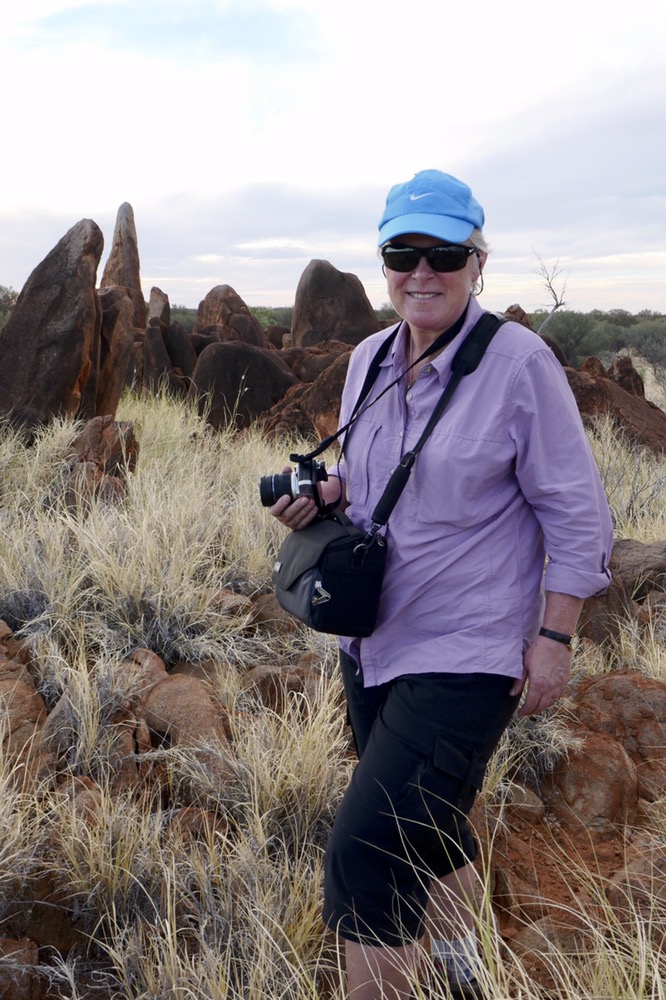
It was then only a short trip to the rocks, I think he called them Juts Juta. They are the place of the water dreaming. The place to make rain. It’s also a terrific place for camping out, the eerie red rock formations creating a magical backdrop. This is where the youth group is going to stay this evening.The rock formations seem to erupt out of the irregular grassland and amongst the scattered trees. A very beautiful sight. We walked a path of our own , nearer and nearer, threading a cautious path between rocks and rare patches of flat ground and all the time looking out for snakes. Every new vantage point offered even more fascinating views. What a great privilege it is for us too see this sacred place. Near this place, under the stars they have corroboree, staying here for a few nights; celebrating this beautiful land and sharing their stories.
Jabison drove us back by an alternate route. This track avoids the creek crossing that provided so much exercise earlier. What a fabulous trip this turned out to be as the troopie dashed along the track, a track overgrown by metre plus high grass. The grass was lit up, almost disembodied in the brilliant light of the setting sun. The rays of light were broad beams of illumination into forest, down hills and across grassland interspersed with early night shadow.. As we drove along, Jabison told us some wonderful stories of this place. This area, a plain ringed by five low hills is full of secret places. We passed the men’s place earlier but here were many more. There is a swamp where the people can swim. This swamp has permanent water and has a great lizard, bigger than a crocodile. This great beast stays under the water as it has done for a very long time. Only one thing will cause if to attack and eat a child or adult in the water or lounging on its grassy banks. This is if someone is talking another language to the local people of Yuendumu. They themselves are always safe unless they speak another language. One day a coloured fella brought a group of children to swim and while they played in the water, he saw something big deep in the water. He warned them all to only speak in their language which was hard for him as he was not fluent in the language. No one came to any harm but he was still worried he would get blamed if some of the children got eaten. By the way, Aboriginals call themselves the people and we are the coloured people.
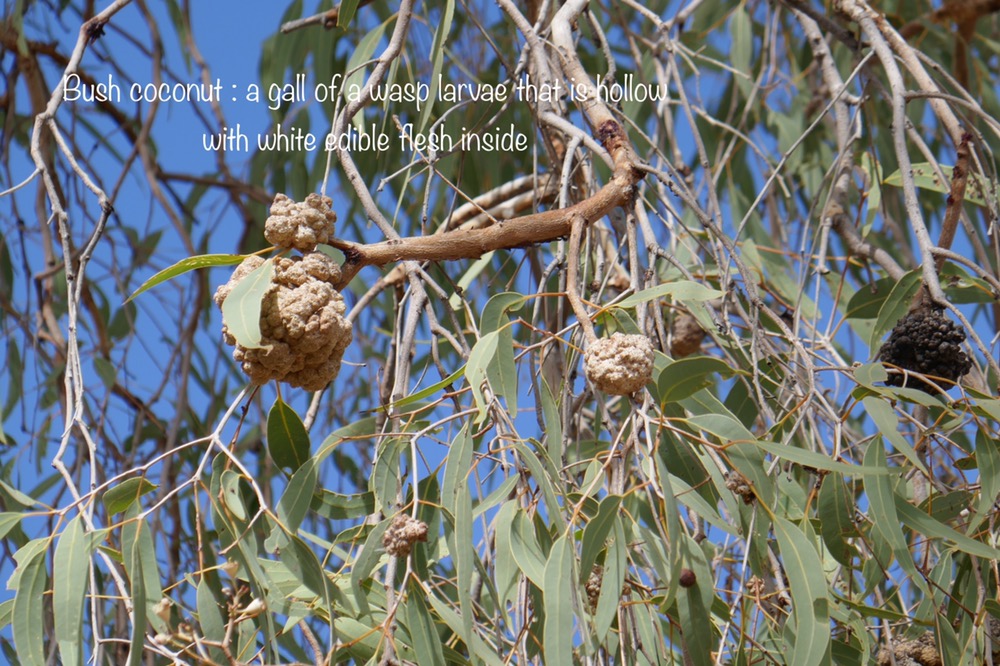
Further along he told us about Bigfoot, a giant who would eat the people, the grown ups and the children of Yuendumu. Anyone who got last or even went out at night was not safe from him. He lived in a cave still called the Giants Hole and he was so big and so strong, he would move a massive rock to form a door. One day the people had had enough and a warrior called Bint Ji ( I have not got the names quite right so apologies to everyone for this) who with other warriors killed the giant, once and for all freeing the people from him..

Today, if it rains, and rains and night comes, in Papunya which is not far from here, if you go out you will see giants carrying huge burning fire sticks. But you can never tell anyone because they invariably will catch you and eat you. 

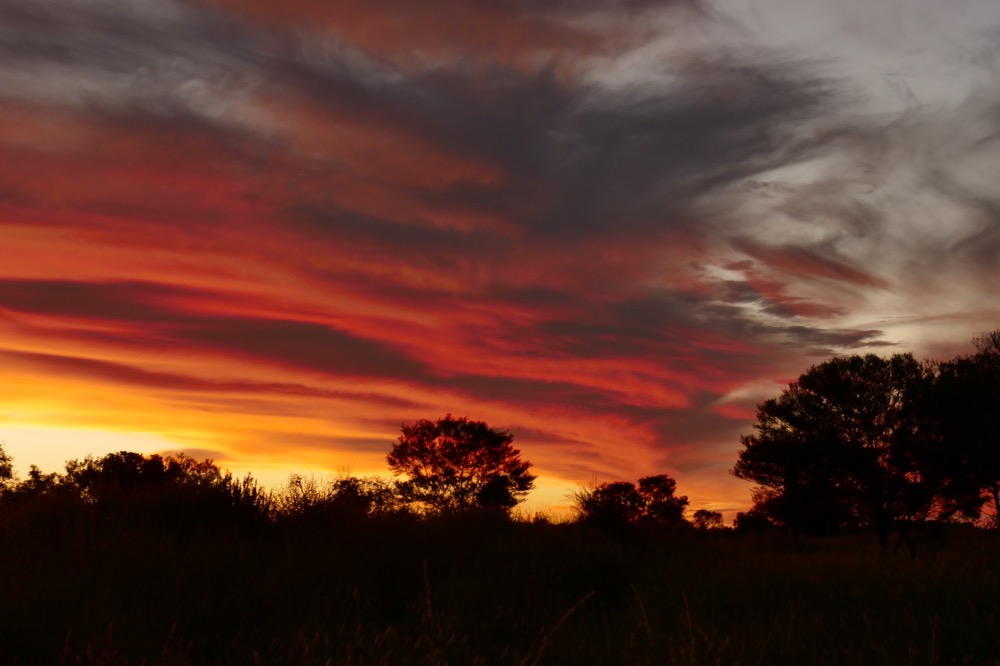
By now our track had joined the Halls Creek road, and we crossed Mission Creek at in more gentile style. The sun was setting apace now and the clouds formed huge folds of richly glowing colour. As we pulled up outside our house, we thanked Jabison profusely then walked across the sandy road to take photographs. We had seen Beryl, who is one of the nurses, standing on the road doing just that with her iPhone. We ignored the barking dogs and watched the sunset with its splendid desert colours light up the western sky. Wow! 

Standard
Uncategorized

Mouse adventures

I woke up this morning, leaned over and reached down to pick up my iPad, glasses and my hearing aid – just the one. The iPad and the glasses were there but not the hearing aid. As I had gone to bed after a wine and dinner out, I thought may be I was mistaken, microelectronic amplifiers don’t usually develop legs. I spent ages looking, studying the carpet in minutiae and shining lights under the bed. I must be losing it, I thought dementia is finally come upon me!
I took a lesson from Sherlock Holmes that when you exclude the possible then the improbable is what actually happened. I said to Jennifer I think a mouse or rat took it. Jennifer treated this with considerable skepticism which is reasonable given my past record of tall stories and far out excuses. 

We went to the Desert Park, enjoyed the outing but the thought of what could have happened to the hearing aid nagged at me. 
Not long before dinner, I saw a mouse blur across the kitchen floor from oven to washing machine. I told Jennifer there was a mouse. She believed me, but checked for droppings or a nest and finding none, wasn’t too concerned. Then after dinner she saw it too. It was dawdling on the kitchen linoleum, just sniffing the air and enjoying the ambience or what ever it is mice do when terrorising humans.

We sat together on the sofa watching a program about Orkney and to my horror I saw the mouse climb up onto the cushion and walk along Jennifer’s trousers and over her chocolate wrapper. I said oh Look at that! Jennifer said she felt something but did not actually wonder what it might be. It was the mouse. It ran off, leaping to the floor and dashed back into the kitchen and under the fridge.

Jennifer went to get some mouse traps while the mouse and I watched Tele on the sofa together.

Standard
Uncategorized

Alice Springs A visit to Desert Park April 8 2017

Hi Everyone
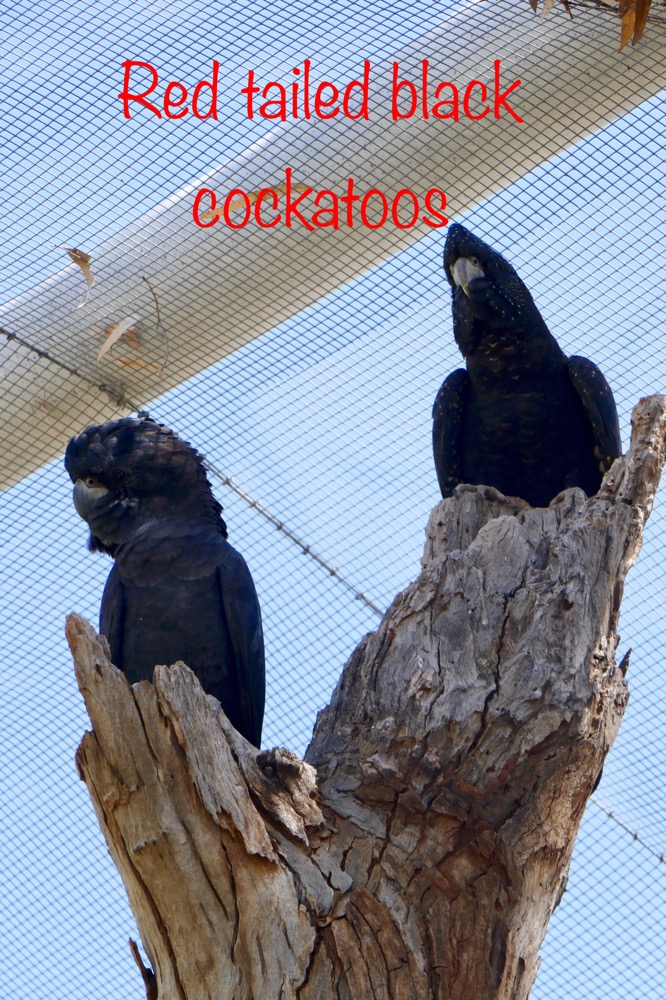
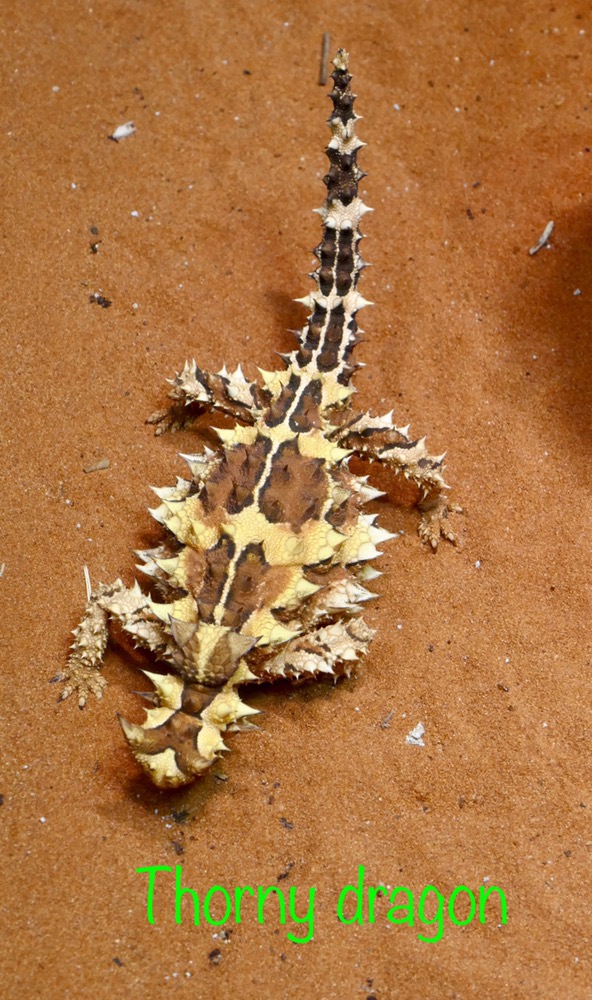
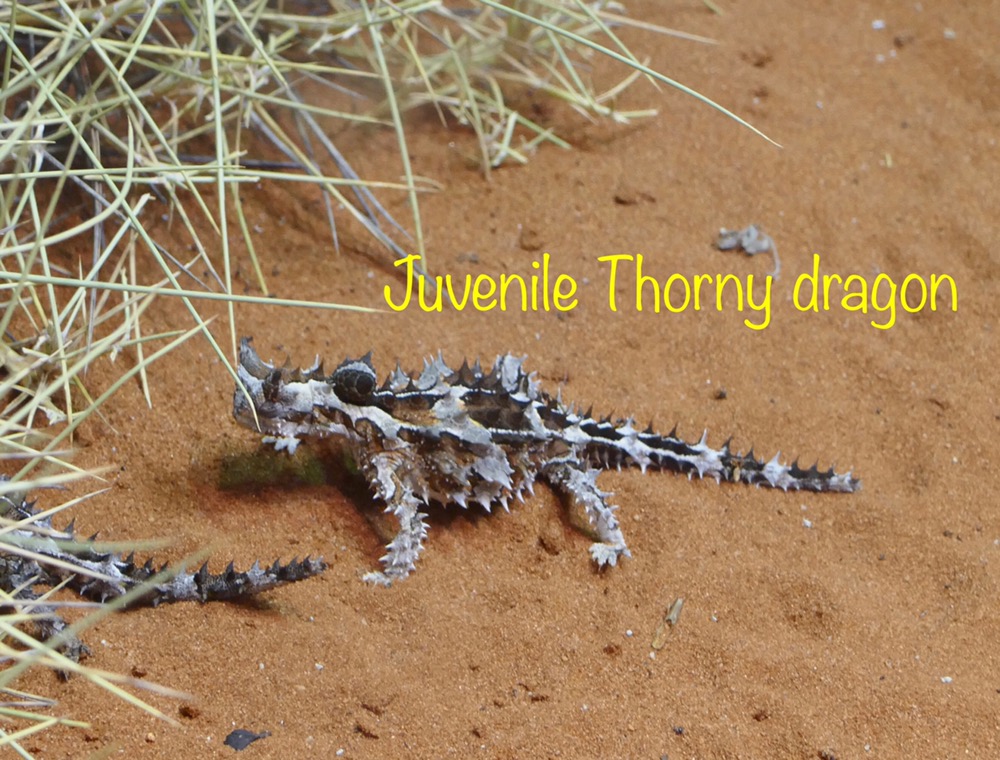
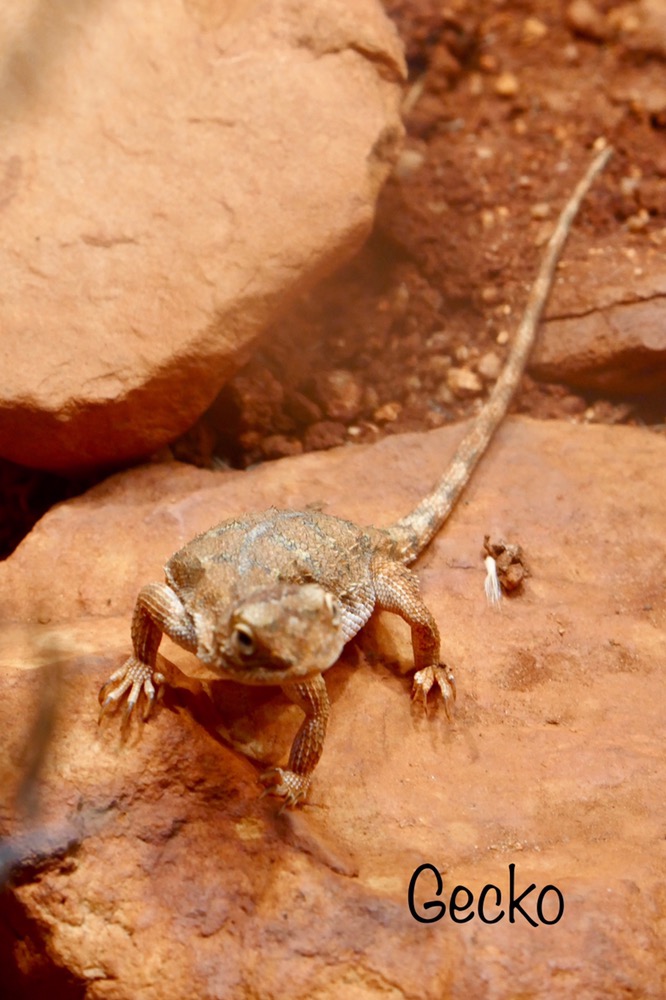
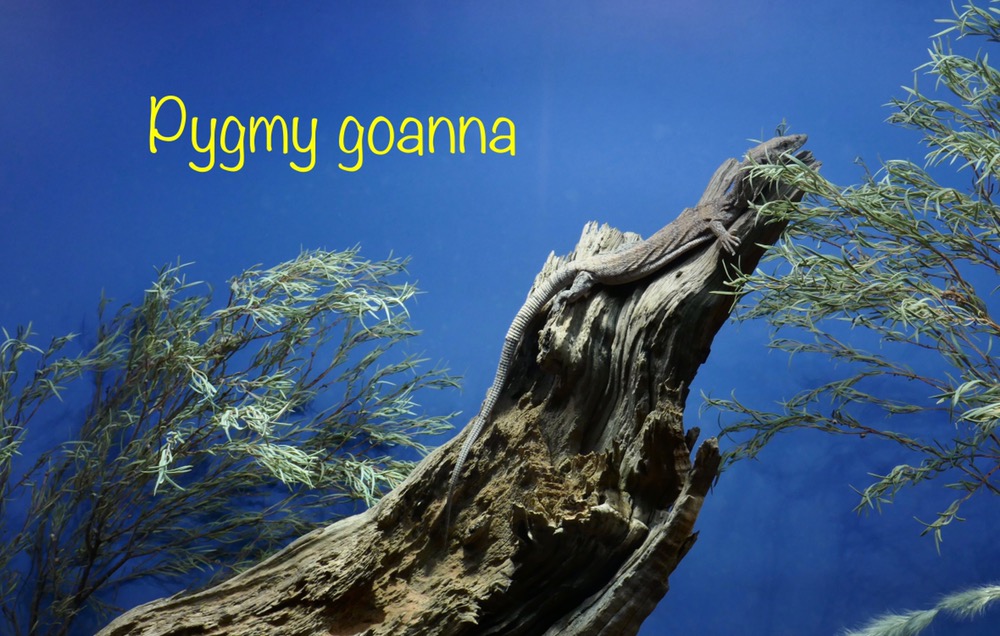
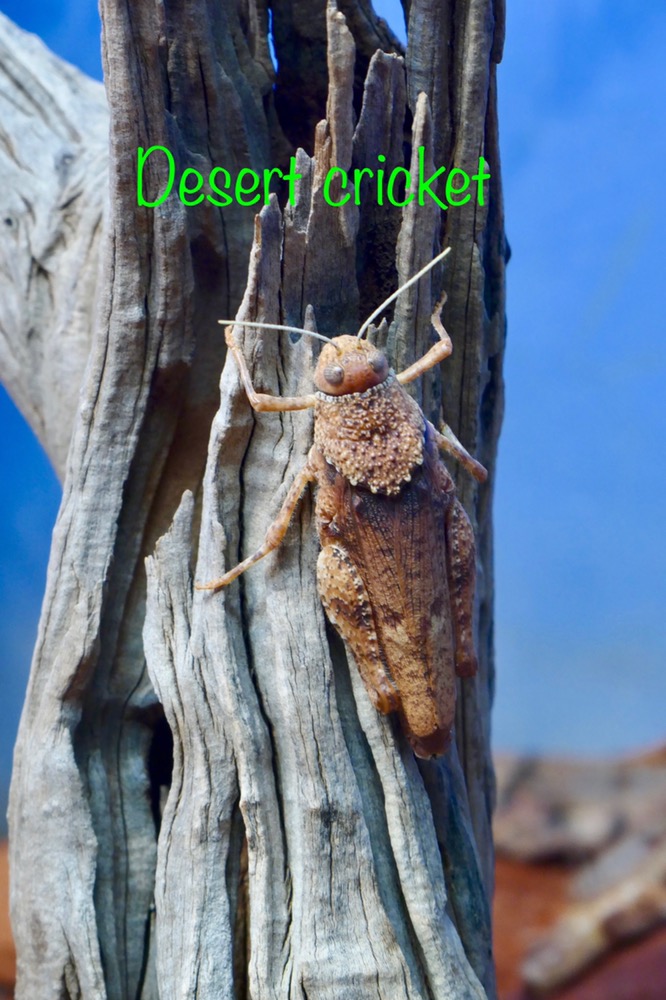
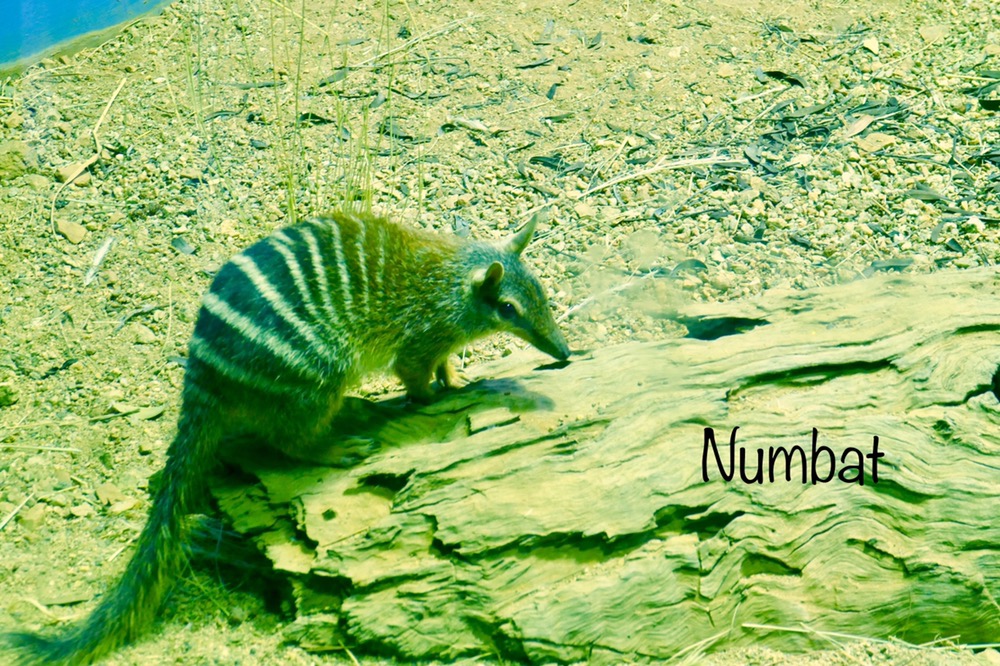
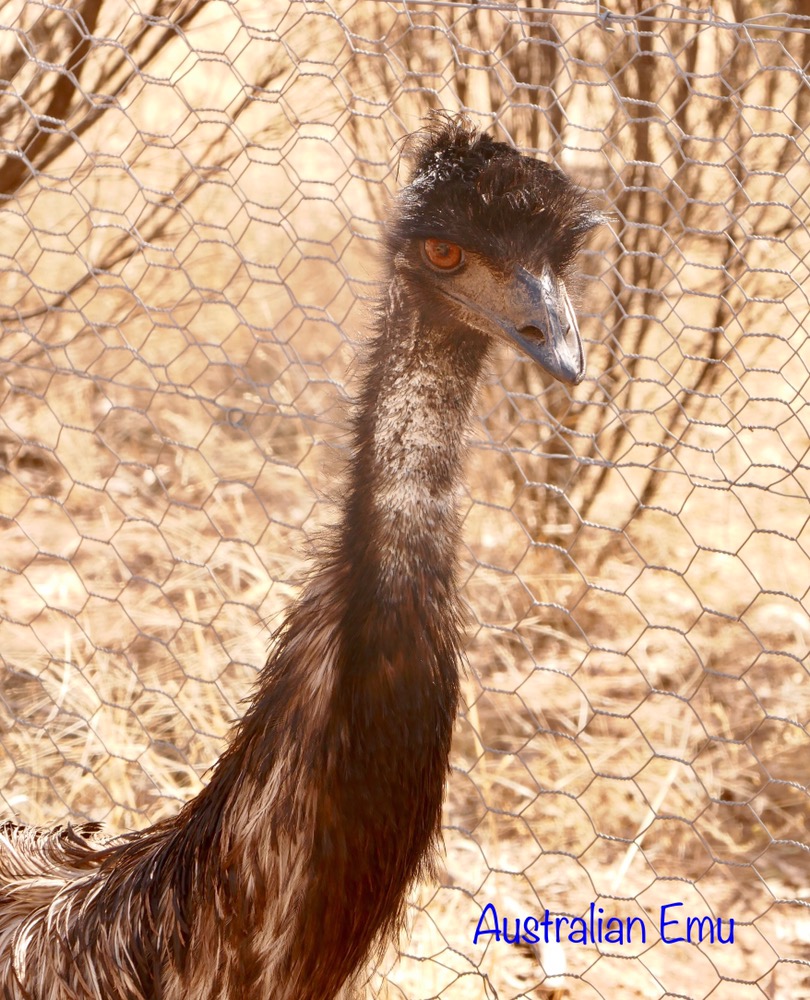
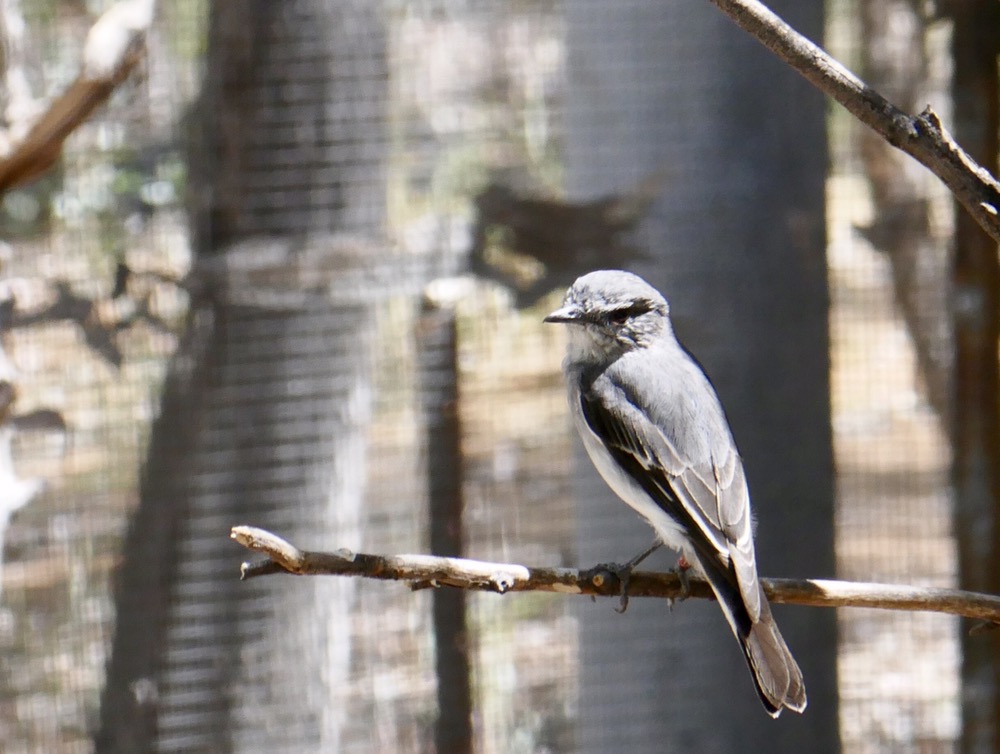
We have spent a pleasant weekend here in Alice Springs, some walks, some runs, dinner at Barra on Todd; but the definite highlight was visiting the Desert Park on its Open Day this Sunday morning. It has been twenty years since it began operations providing a place to see many Australian Desert animals. Including Numbats, Mala, Bilbies, phascogales, hopping mice, to mention some of the more famous marsupials, denizens of the wonderful Tanami. We saw phythons, geckos, goannas, and a thorny dragon. Birds included Zebra finches, painted finches, red capped robins, red tailed black cockatoos, dotterel, and many more. 
There were lots of children and families, Indian, white Australian, Aboriginal kids, Mums and Dads, and everyone having a terrific day. 

All in all it was a super day.

All in all, a super  

Standard
Uncategorized

The old piano

The piano creaked with the heat, the dusty curtains fluttered in the hot wind, their once gaudy colours sun blasted to mute browns and reds. Emily had left the lid up over the keys when she left, and in her place, a lizard climbed between middle C and D, its body sinuous and flattened, its tiny hands splayed out on the ivory of the keys. Everything slept, an uneasy sleep in the heat while a fine red dust progressively wore into the substance of the room. 

To the right, only feet away from the piano, was the sofa. The sofa had once been an excellent expanse of brilliant green, an unprincipled vermillion evoking evening gowns with coffees and late night cocktails for the more daring. The adjacent table, round topped and of a darkly stained timber had cigar burns from careless smokers who had been distracted by the promise of fine port. It had been fine entertaining here once, the house sported fine stables and refined groomsman amongst the shearers and stable hands. Now, stains of that self same port or at least it’s cousin vintage, made mottled burgundy semicircles in the delicate rosewood. A European grammophone rested on three intact and one missing leg, supported in its place by a stack of four cloth bound books. The turntable is motionless and the pickup toothless, its diamond long gone. All the spent years crowded the room with wonderful memories – of music, dining, friendships made and unmade and with a future now become past. 
Emily had played the piano for many hours every day when she visited from Sydney. She would draw up her small wooden chair, place her music on the stand and open to her favourite piece, nestle in the kinetic pleasure of finger on keys, and delight in the conjuration which is music. The piano sang as she could not, she a transcendent mute and the piano only possessing any true voice. Emily drifted in one part of her mind as another focused intensely on the technique and expression she devoted to her playing. 

Times change, people die or are reborn as someone else without the inconvenience of actually dying, great fortunes once taken for granted are lost and rekindle elsewhere and houses and rooms and even pianos, can be lost to those who loved them and then finally forgotten.

Time folded in upon itself as the piano creaked and groaned in the heat, its timbers designed for the ceaseless stretch of steel cables had been undone by the dryness of the air and the savagery of this climate. A bearing fell, a beam broke, and the many disparate forces became one. All the sustained tension erupted through the broken timber, now at last allowed a channel to pour out its anger and strength. The piano was there one moment and not the next. It’s steel pillars impaling the sofa and grammophone, the turnstile would never move again. Timber shards rained down in the room and outside in the overgrown garden beyond the missing windows. The ivory keys vanished but for a few unrecognisable fragments imbedded in the timber frame of the French doors.

The lizard was no more, not a trace could be seen of the tiny animal.

Standard
Short fiction, Short stories and poetry

Beauty

Willy split apart pea pods with his Mum. His bare elbows resting on the cracking white laminex of the kitchen table, and his fingers diving into the central pile of peas. He loved her very much and these few hours between arriving home from school and Dad coming home from work were their special times together. He asked her for a glass of milk and he drank it greedily smearing a moustache of white with the back of his hand. The afternoons sunlight formed rectangular pools of light on the kitchen floor and the table through the windows. It was a warm day but Willy felt abundantly well and happy that afternoon. 

At six o’clock, promptly, he heard Dad kicking off his boots at the laundry door. As usual he had come round to the back of the house to enter. The click of the door and a loud ” Hello Darling, hi Willy ” filled the kitchen. Willy felt that his father filled a room in a way his mother did not. When his father left a room it felt emptied while when his mother did so, it felt as if she had not really gone. Mum suffused the home while Dad filled it physically. Willy was an only child but that did not worry him as some of his friends seemed to think it should. They tumbled out of station wagons like beetles out of an upturned plastic bucket, all squealing and fighting. Willy spent some holidays with the cousins and for a few weeks, he did the same things as his noisy friends did year round. It was a treat but he did not miss it when he was home again.

Willy thrived on routines and closeness, even doing something different to one or other of his parents or close school friends was okay if they were close. Going to school with Mum in the car, walked into the class, meeting his teacher and the school work. It was a busy day, every day, but Willy loved it. However, he did not enjoy going to see doctors. They were okay but afterwards there were often blood tests and he did not like these. He learned to be suspicious about anybody in a nice blue uniform saying, ” this won’t hurt”. 

Sometimes his Mum looked worried, it could not be about him because he loved her perhaps even more than Dad, which was a lot. She would sit at the kitchen table, resting her chin in her hand and gaze blankly, not seeing him until he touched her on the arm. She looked at him with sadness, it was so quick that Willy was sure nobody else would have seen it. It was a mystery to him because life was so perfect. Dad played tumble with him, and chased him over the furniture. Mum told us off because we would break a chair or the sofa and we could not afford to replace them. Willy never saw things were never new in his home. But he did not see or even realise it could be a problem. It was a problem for his Mum. Sometimes in the evening after Willy had gone to bed, tucked up under blue blankets and his stuffed kanga somewhere under the sheets lurking about, his parents sat and talked about many things that Willy would never understand. About money, about the future, about Dad’s job, all of them them things Willy would never be able to worry about. They loved him with all their hearts as much as Willy loved them, but there was always an annoying spectre, of loss, of missing out on the future for Willy deserved. 

The next day was like all the others for Willy. He hardly cried. He ate, He played and he loved deeply and unashamedly. His is a peaceful beautiful soul which lies complete unto itself if not the world’s.

Standard
Central australia, Central Australia Work, Uncategorized

Alice Springs March 2017 part 3 Laramba

IMG_3187IMG_3184IMG_3222IMG_3217IMG_3216IMG_3213IMG_3206This week we have travelled to different communities. Jennifer has driven up with a medical registrar, Sally to work the week based at Ali Curung. I have returned to one of my favourite haunts of 2016′, the little community of Laramba. I brought a student nurse with me who will be staying 2 weeks to my 5 days.

Today is Tuesday, and beside the young student Loren, there is Helen who I met last year and Natalie who is working a few months before taking up another nursing position at Gove. They are a terrific bunch to work with, more chaotic than some, but are willing to do the work and round up the patients I need to review. Natalie and L drive round the dusty and bitumen streets in the troopie, getting out of the car/truck to wake up people sleeping in the afternoon and most interesting for them, a card game of the ladies where many crisp fifty dollar notes were piled on the red ground between them all. Yes, it’s not just the men who gamble, the ladies do too.
The weather has been truly magnificent, about 30 degrees in the daytime, beautiful sunshine, a gentle breeze and a pleasant 10 degrees overnight. I walk to work, it’s not far but I’m thought of as a bit of an oddity trudging along the sandy road from my accomodation on the edge of town to the clinic nestled between the local primary school and the work for the dole centre. The children are wonderful. As I walk past, they call out Hi, Hi. They all wear a blue collared shirt, and blue shorts and run and tumble in the playground every chance they get. The best lawn in town is at the school and it’s protected from the sunlight by a large steel gazebo. It’s lovely hearing laughter from the school wafting around the clinic, best sound ever.
I have seen some interesting medicine, met interesting people, talked to some inspiring people, sparked a few ideas in my colleagues about how to look at problems and tore strips of a mother who did not have the brains god gave a badger by allowing her child to throw away a plaster put on for a serious fracture. I said to her that obviously your five your old daughter is in charge at home – why else would you not keep specialist appointments or do the right thing by her. If I put a plaster on now, would you let her take it off again. Of course your answer is yes. Parents abnegating their responsibility as adults is feeble laziness and a moral failure in their duty of care for their child. However most Aboriginal parents, especially the mothers, can deliver a tongue lashing if the kids step out of line. Overall kids do have a lot more autonomy, if they don’t want to eat or wash, that’s okay, until they get to school and meet Lucy. Lucy is the no nonsense head teacher and she has definite rules about hygiene and self care which she demands from the children – as a result the kids are happy with such a firm consistent hand, and all the little ones love school. One eight year old, a slim young lad said the thing he enjoyed most at school was spelling, closely followed by reading and writing. His mum was sitting in the chair beside me and volunteered that he already can speak three languages, Matabari, Walpiri and English. He is planning with his Mums support and encouragement, to go to high school in Broome to really study English, and he has his eye on another Aboriginal language too. It is tremendously encouraging to see a child and parent with the talent and wit to work hard at something the child loves doing. I talked about how it’s important to study white man stuff but also study Aboriginal stuff too. It’s not easy, it’s learning two cultures, two ways of thinking but the great advantage is that such a person straddling two worlds will have a huge knowledge and spiritual base to understand their experiences. White people tend to be spiritually and community impoverished, living lonely materialistic lives while Aborigines can live in each other’s pockets and inhabit a rich and real spiritual and magical universe. On the other hand, Aborigines struggle to cope with concepts of disease and the part they can play as individuals to ease the burden upon themselves. The welfare state of the 30s to 70s created expectations that white people will bale them out but I think they are rapidly learning they must be self reliant and stand up for themselves. Recently one community was basically diddled out of government housing money, where tens of millions went to bureaucrats in the NT government and was not used in producing actual buildings. They complained loud and long, good on them.
Most Aborigines are poor, they are cut out of the money making pie by location ( remoteness), education ( minimal general and vocational training opportunities) and for many, a lack of aspiration and for all of them a lack of opportunities. You cannot just fall into a career here like you can do in a major regional centre or big city. However, I am very optimistic about the future because of the children I talk too and hearing what they have to say. Education is definitely improving, the standard of reading and writing and numeracy is vastly better than it was a generation ago and improving yearly. I have spoken to many teachers that assure me this is the case, and all the many enthusiastic young students who tell me they love to learn certainly backs this up. Remoteness will get less with satellite based internet and communications, improved roads and better resources in regional centres – Alice Springs has a university and vocational colleges geared up for serving students from remote communities. How functional they may be open to discussion. There are at least five proper high schools in the central desert. The days where substandard education for Aborigines was assumed is rapidly going with more and more dedicated teachers. The biggest problem us truancy often abetted by the parents, but local engagement and encouragement is helping. Now in Laramba most truancy is connected to family dysfunction, reflecting potentially serious problems in those families.

Aspirations improve with exposure to realistic ideals of success and the ever increasing momentum from many inspirational indigenous role models, then through effort and opportunity, they will become people useful to their communities whether as Aboriginal health professionals, nurses, doctors, dieticians and all the other trades and professions. I had the pleasure of meeting Alice who is newly in charge of the work centre. She agreed that there is not much work offering but if you create it, there are lots of useful things that need doing in the Laramba community. Roads, recreation areas, public facilities can be improved or introduced. She has the wherewithal and connections to get resources from government, a process which is always a morass for the inexperienced. People like her can make an enormous difference to any remote community.
However, whatever the chosen career they should not abandon the magic, love and community of aboriginal culture, they will need that to cope with the modern world and stay Aboriginal in their hearts; indeed, I hope that with time they can share these skills with us all. We city people say community, family, love and faith are important but we don’t walk that way, instead embracing isolation, materialism, selfishness, and a vacancy in place of spiritual yearning. Aboriginal culture can teach us a lot about how to live life better as well as what not to do too. It’s all rather fascinating. The spiritual and magical aspects of all of our lives have been neglected for too long.
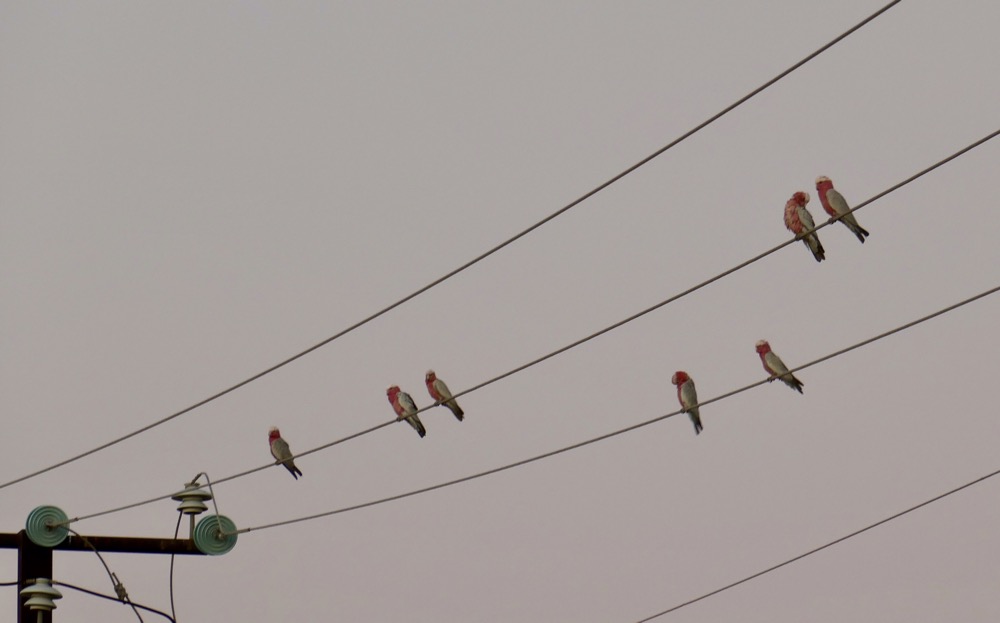
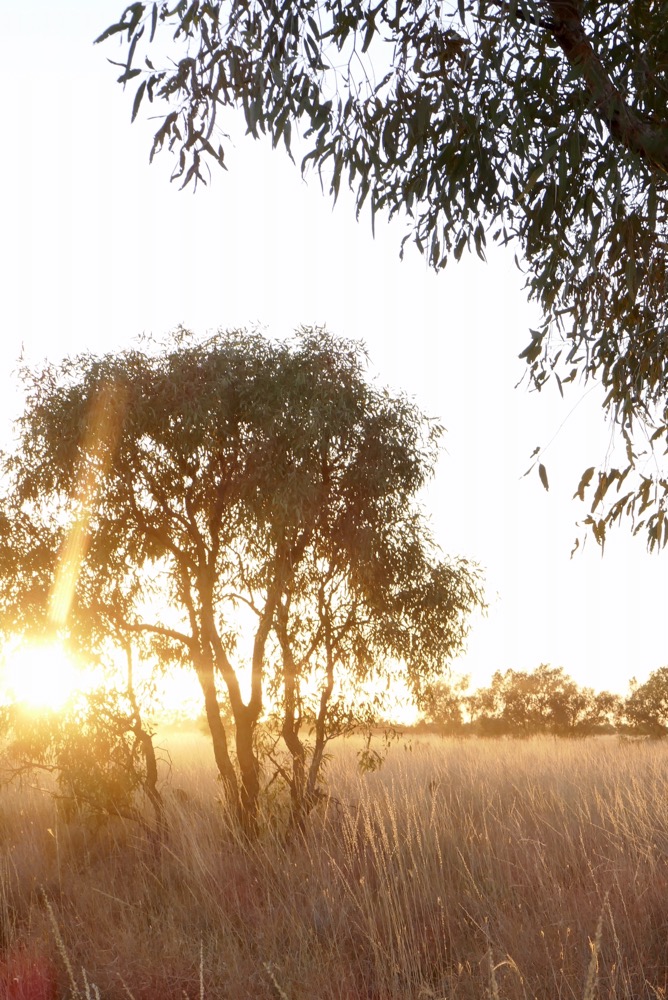
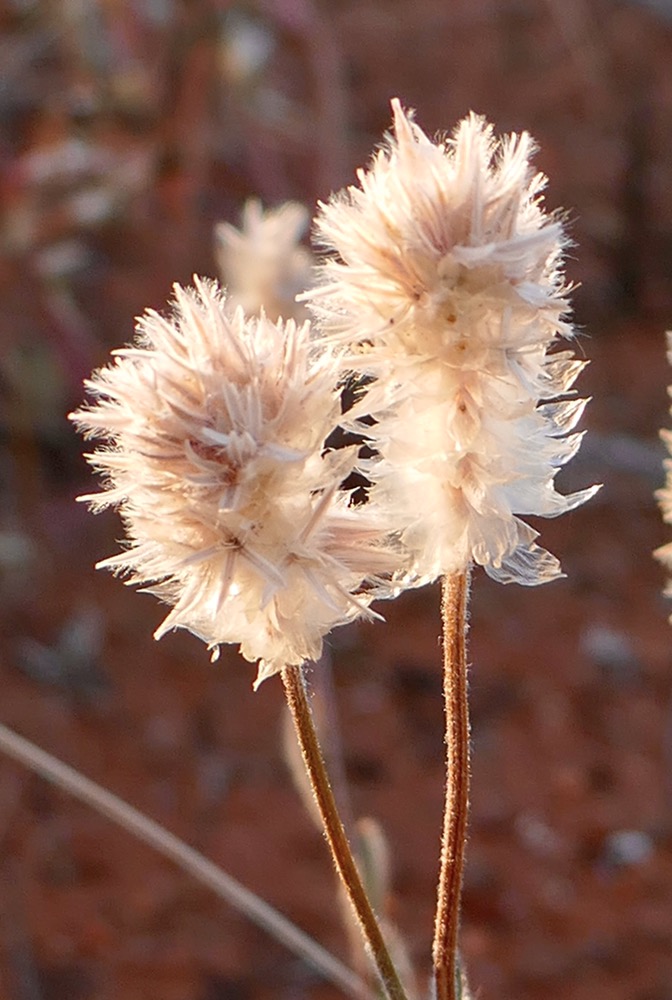
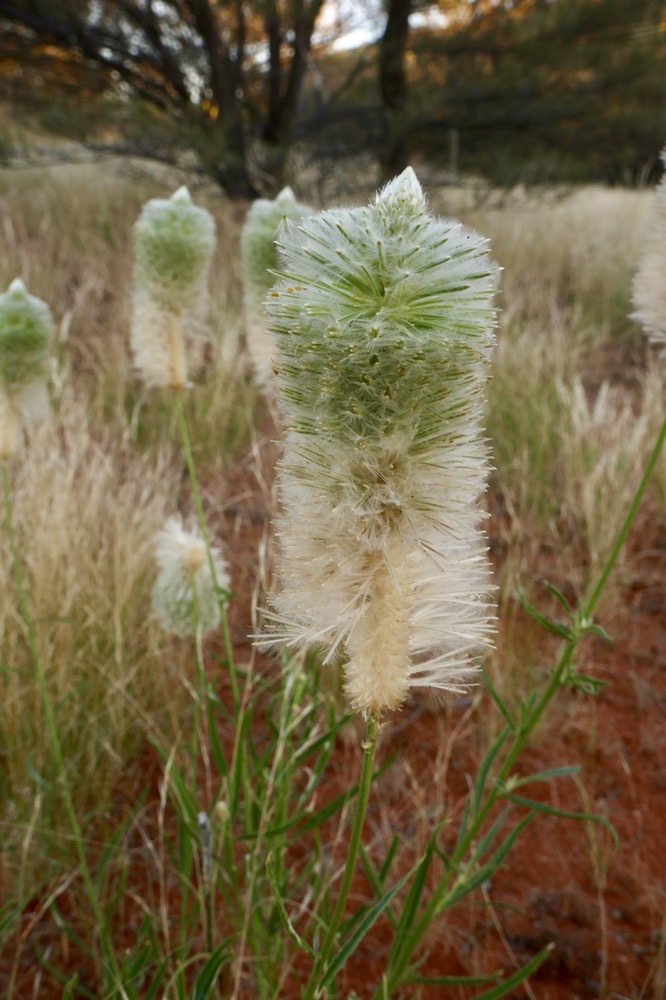
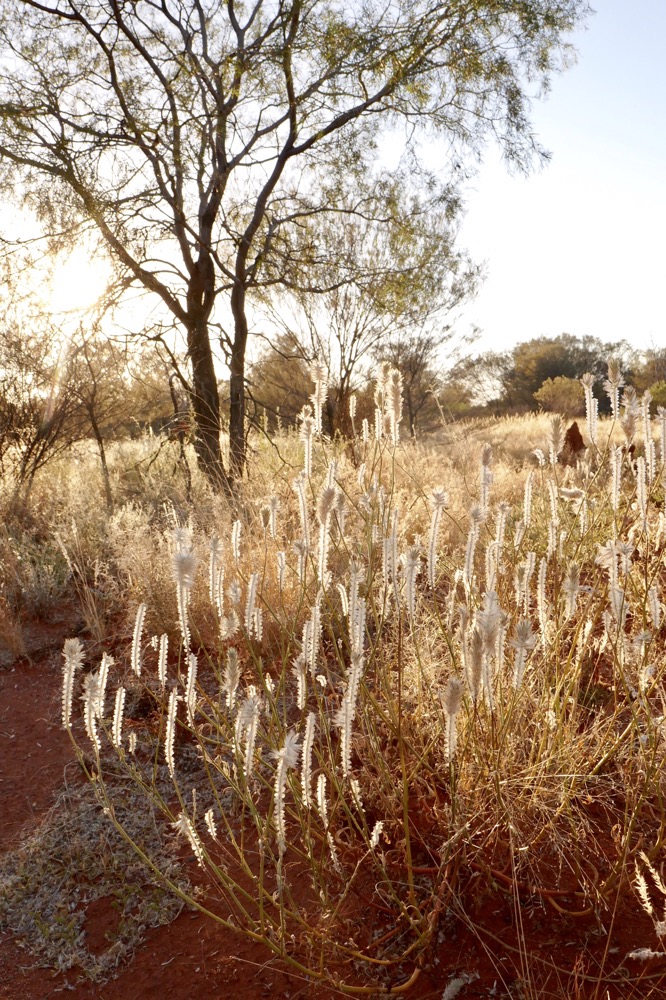
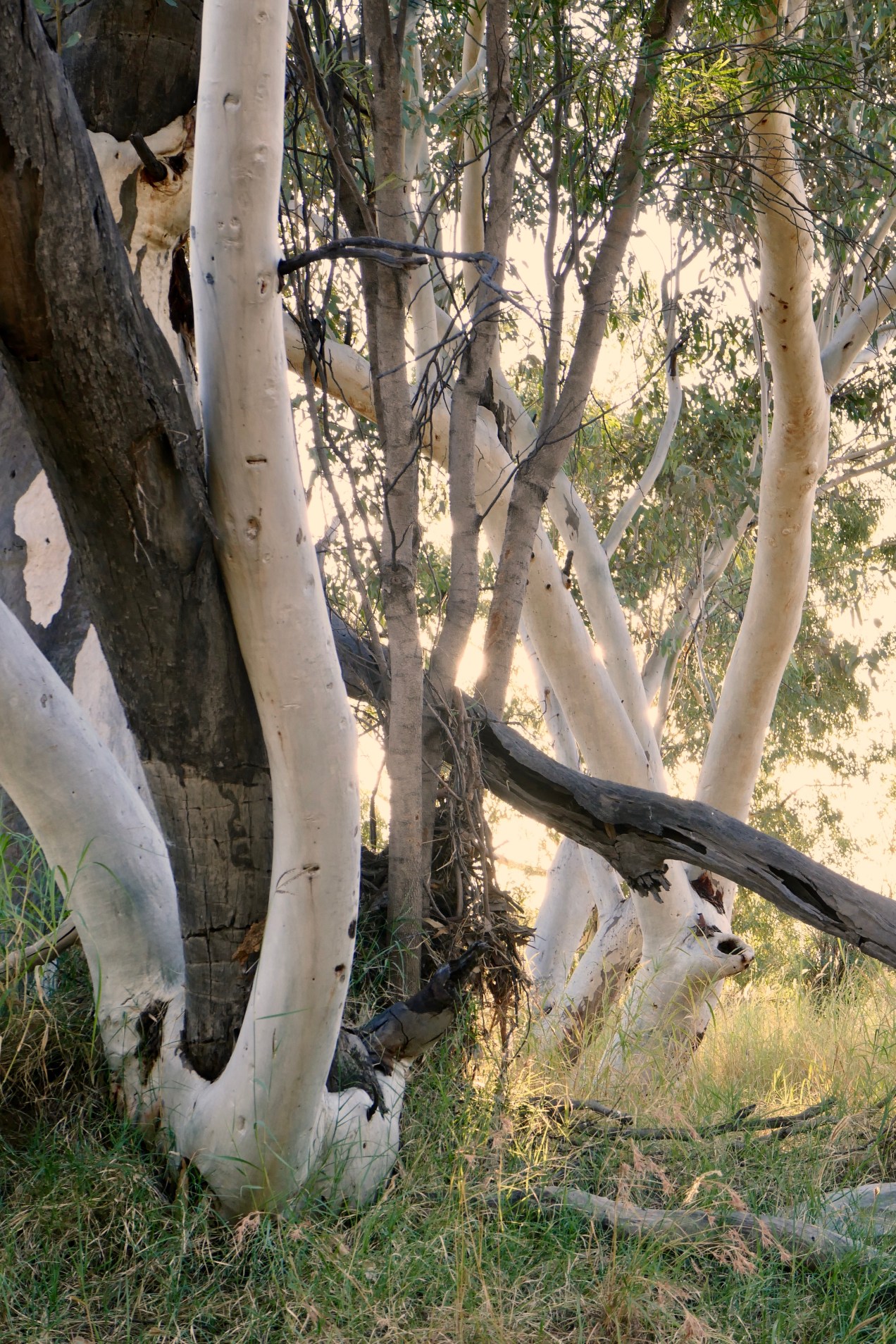
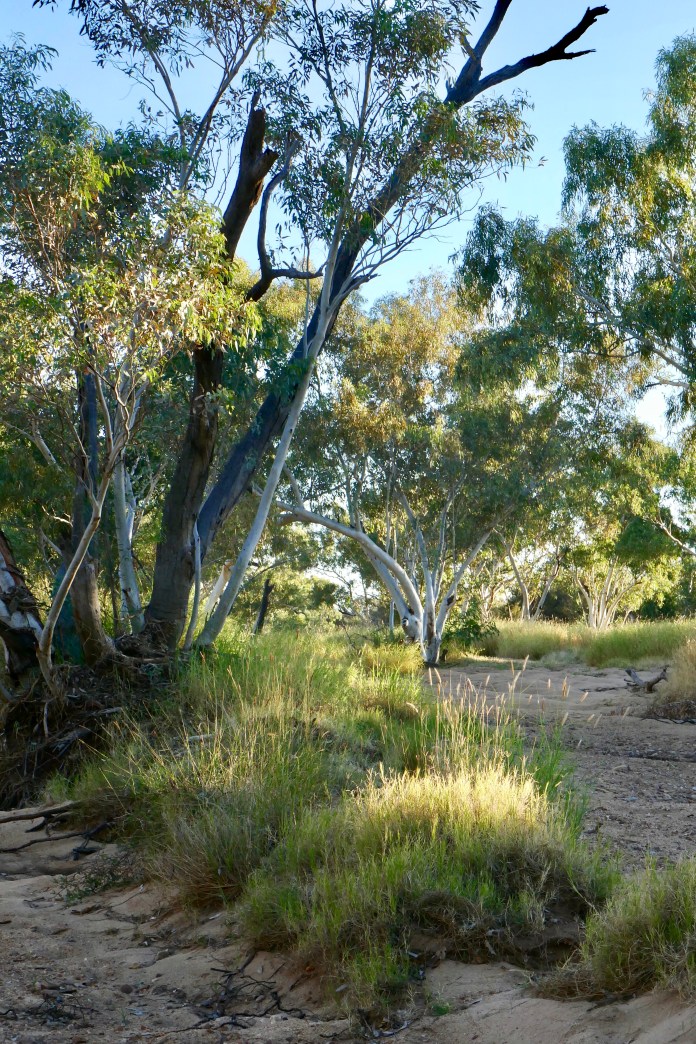
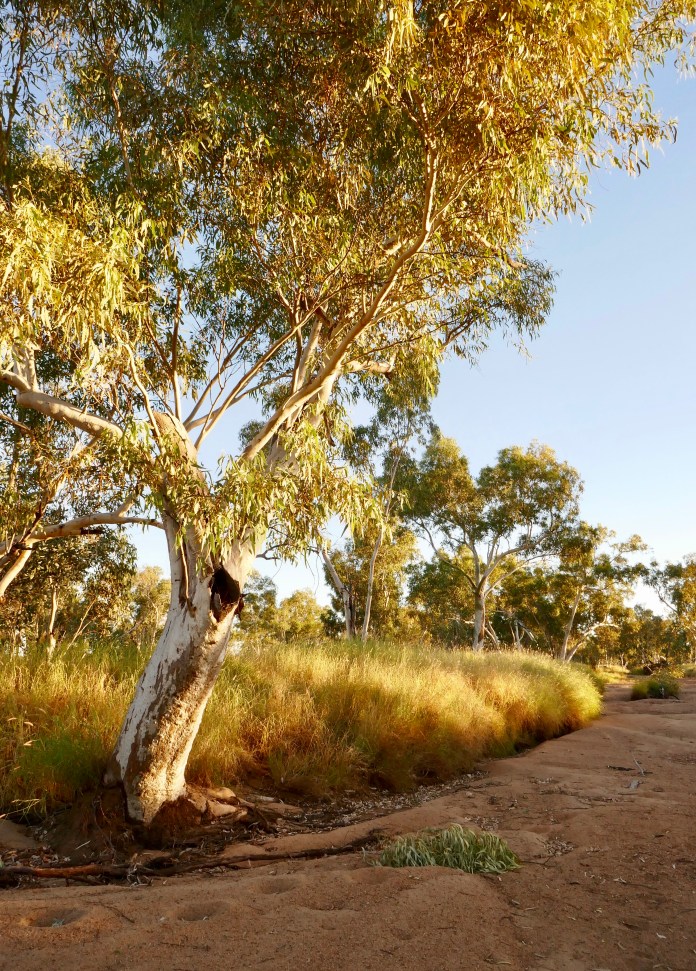
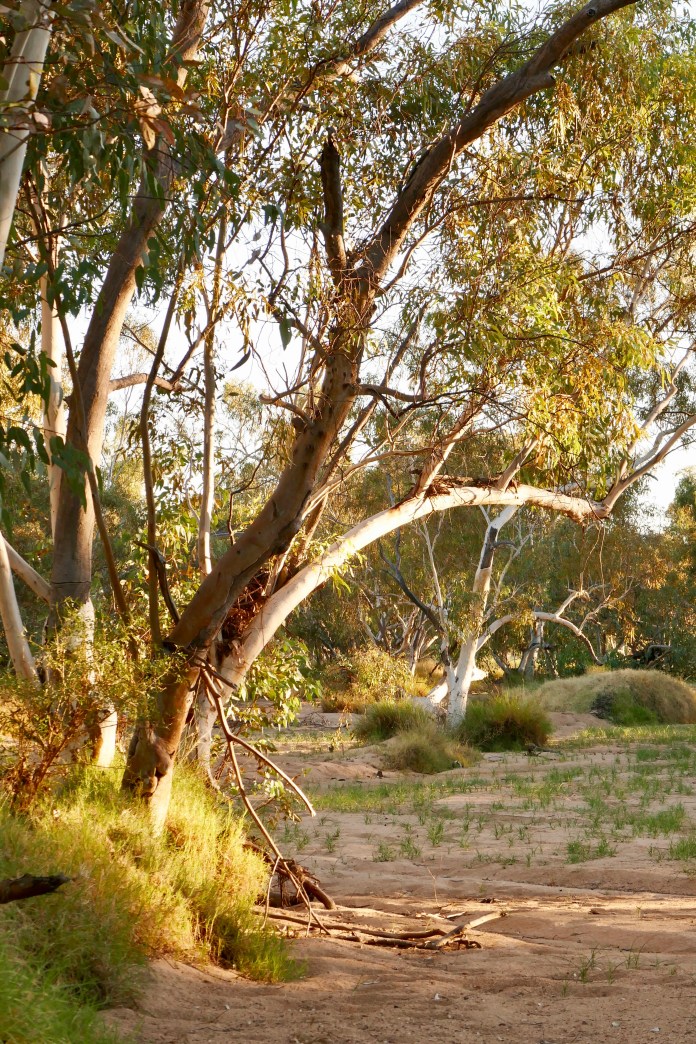
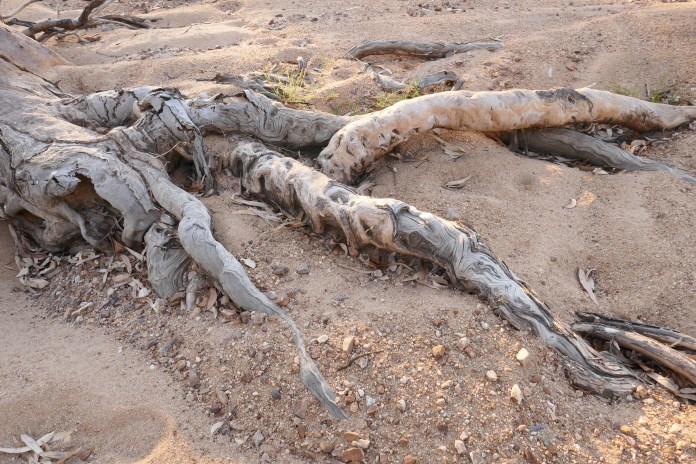
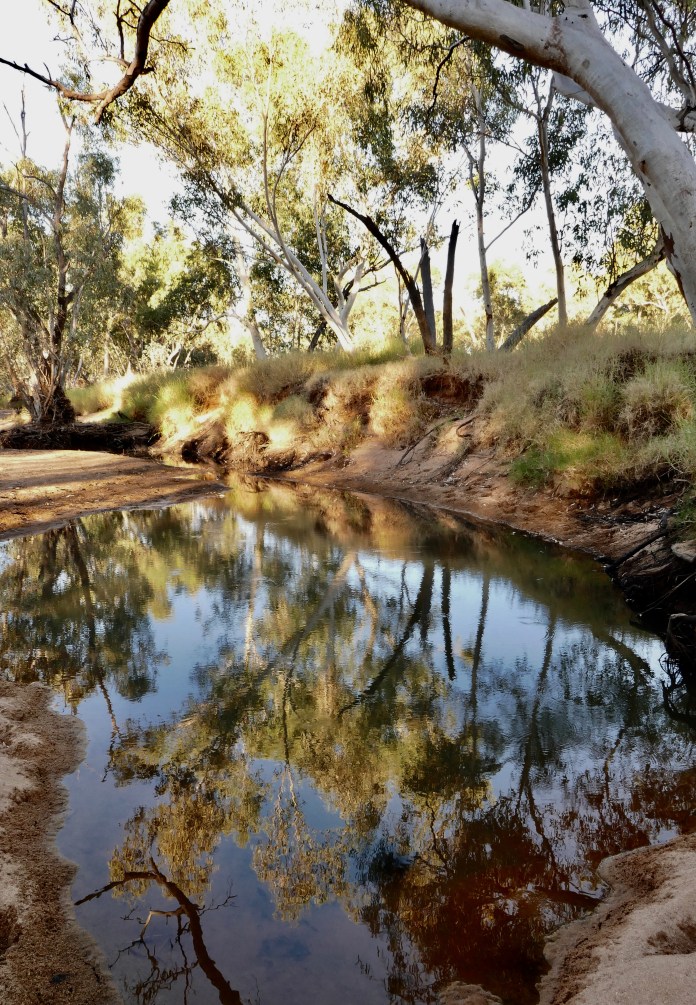
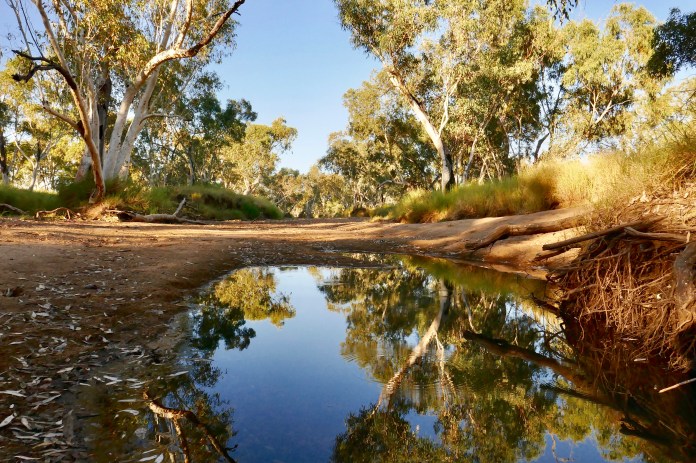
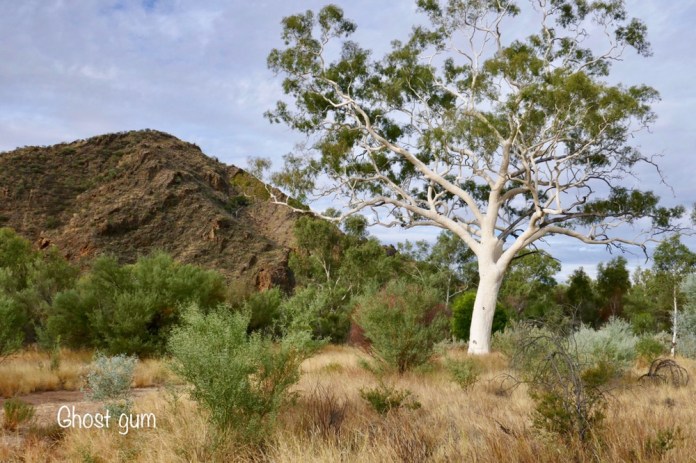
I went walking Tuesday night and then this morning, for the hour of sunset and sunrise, along the nearly dry Napperby Creek. It was about 30 meters wide when it was in flood earlier this year following the unusually high rainfall in January and February. It’s now mostly dry, sandy walking. There are a few lingering dark pools, mostly full of madly breeding mosquitos and insects. Yet sometimes they give wonderful reflections of the trees and grasses of the creek bed. The sandy floor of the creek has many undulations formed by the flow of water and eddies produced around islands, trees and shrubs. The ghost gums and river gums look especially beautiful at the extremes of the day, their multicoloured bark highlighted in patches by the oblique golden rays of the setting or rising sun. There are many birds enjoying the shade and water; zebra finches, ring necked parrots, galahs, cockatoos, budgerigars, crested pigeons, and even a wedge tail eagle was perched in a tree above me. It flew off, lumbering into the air with big lazy flaps of its immense wings; it must have been spooked by the sound of me trudging through the sand.
Laramba is a very beautiful place.

Standard