Central Australia road trip 2018




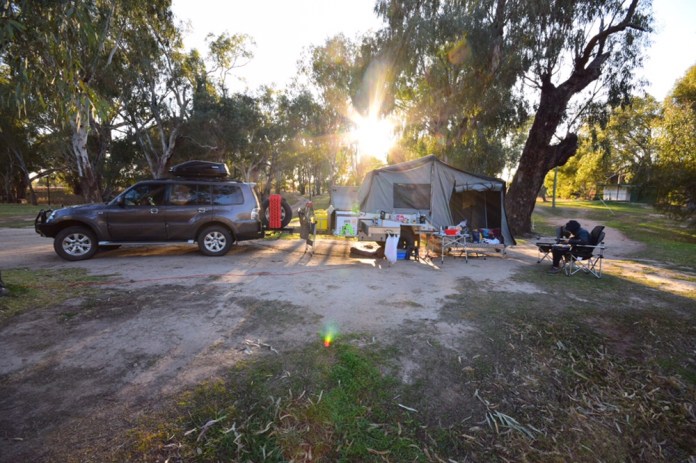
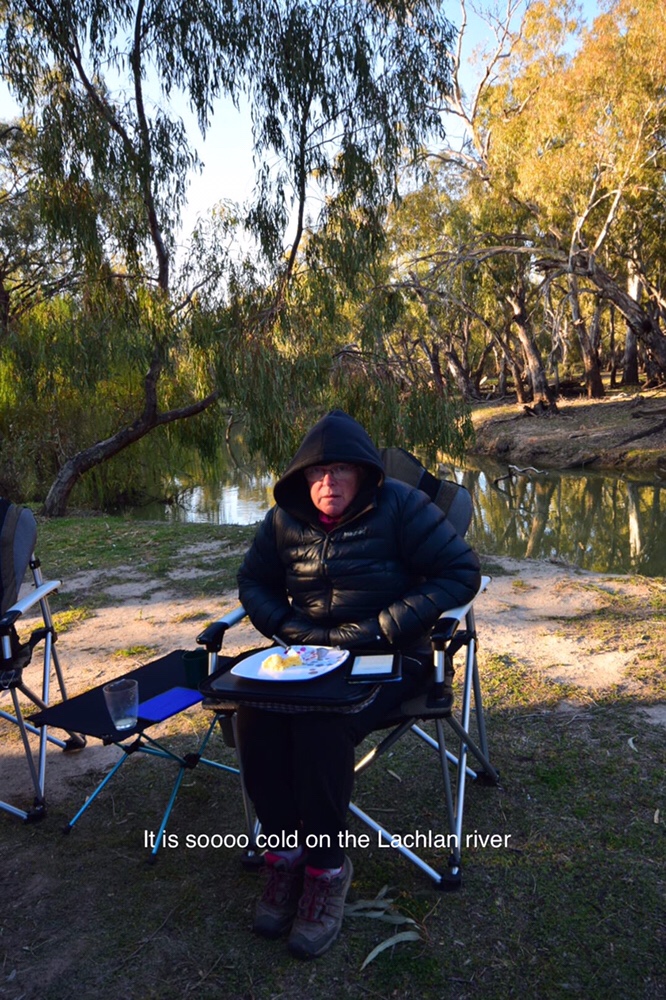
I’m sitting on my comfy camping chair at Kidman Camp. It’s a caravan and camping ground about 6 kilometres from the town centre of Bourke, NSW. There is a cool breeze, cloud overhead and so I am wearing a down jacket, undone but a down jacket none the less. I have rarely seen clouds the last four months, and rain only once this entire trip. The rain was a few droplets miserly dropped from the sky few days ago when we camped in Charleville about 500 kilometres north of here.
We had planned to return to Melbourne via the Birdsville Track. A few days before our rotation finished Jennifer was perusing information on the web about Birdsville; road conditions, accommodation and so on then she stopped, gasped, “ the Birdsville races are running next week.” The population of Birdsville jumps from 120 to between 9,000 to 11,000 people which means overflowing campgrounds, pre-booking any accommodation several months ahead, and seriously choked outback roads and toilets. A change of plan was required.
Our last job, in that last week before our break, was based at Elliott. I did the Barkly run with Tony and our pilot was a delightful young lady called Kelly. Kelly is one of three female pilots who work at RFDS in the centre. She learnt the skills of outback flying on the huge cattle stations, landing on sandy strips, dodging kangaroos on the tarmac and following dusty roads from bore to bore, station to station. Jennifer worked at Elliott while I was flying around and was very busy seeing local Aboriginal women and a fair few white locals too. On Friday we started packing up the car and trailer which we had driven north from Alice Springs the previous weekend; breaking up the distance with an overnight stay at Wauchope.
Late Saturday morning we began our trip home. Our first overnight stop was at Barkly homestead on the Barkly Highway. As it is located right beside the highway, road trains were reasonably frequent. There is good dining available and so Jennifer and I shared a seafood platter. Many road trains stop at Barkly, and I love watching them. They are so big, so powerful, it hard not to be impressed by the engineering of their construction and the skill of most of the drivers. Even minor changes in driving can throw the last trailer into a passing car. Im told, a centimetre at the steering gets wheel equals a meter for the last trailer.
The next day we drove to Mt Isa, through Camooweal. We stayed at Top Tourist Caravan Park for two nights. We have never been to Mt Isa before so it is all very new to us. For some reason we arrived thirty minutes late for everything. A few days later, and I mean days, we figured out the time zone was different.
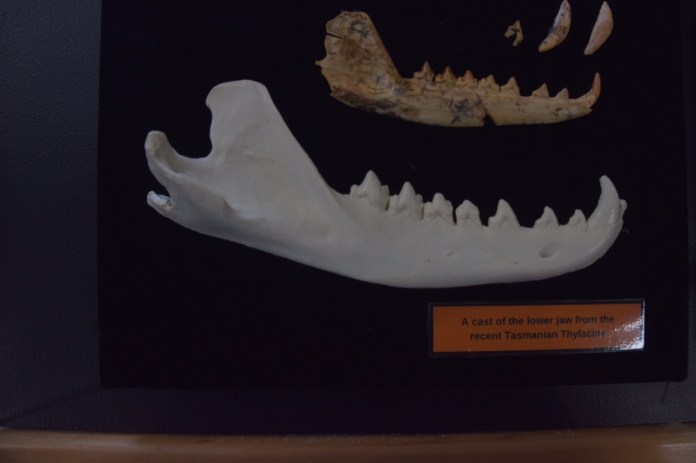
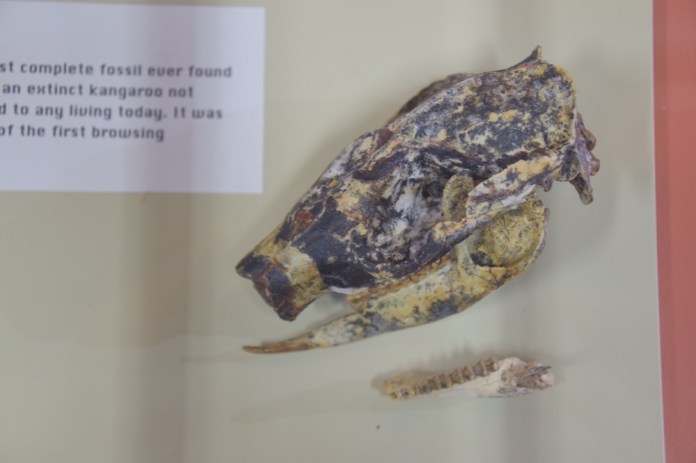
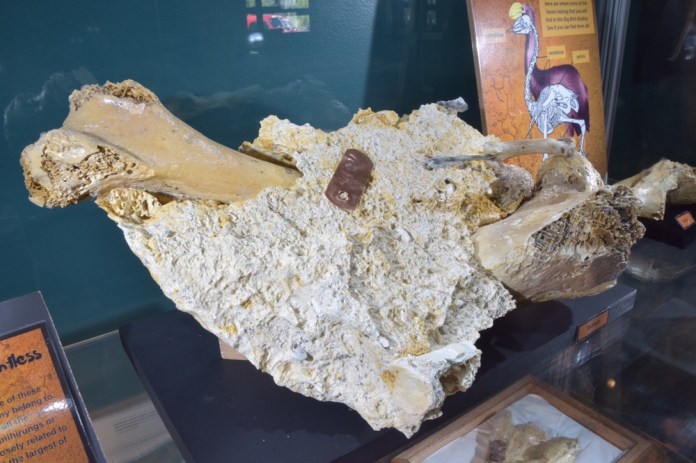
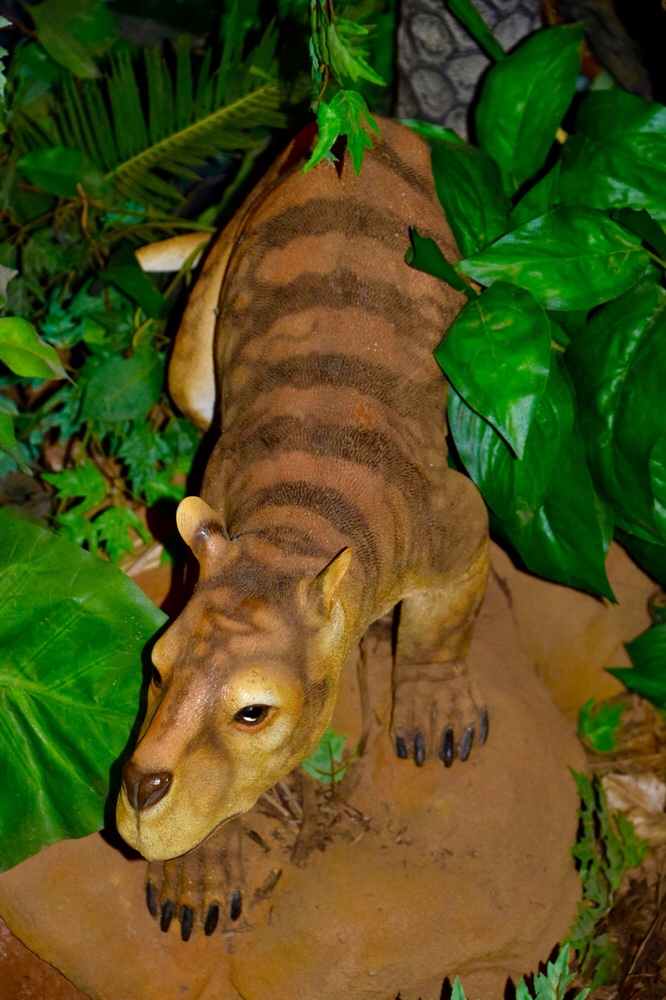
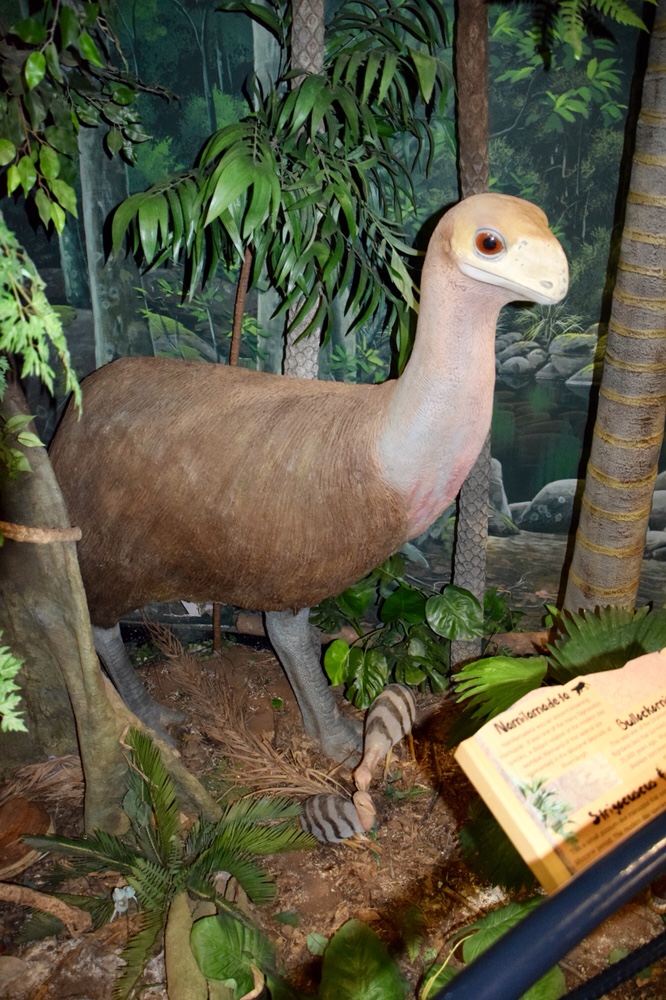
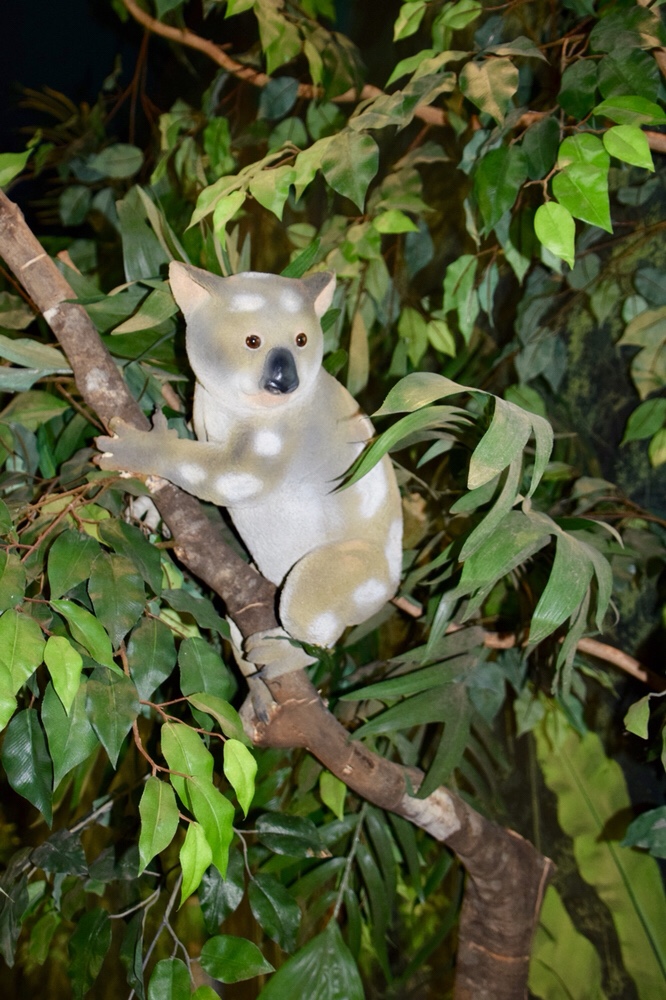
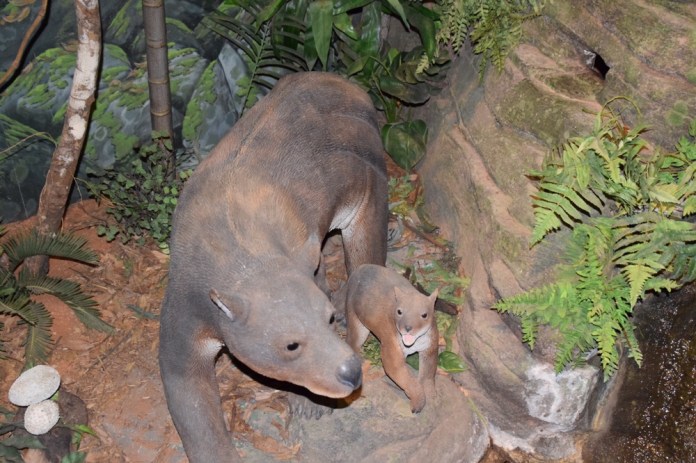
Top Tourist Park was great. We had a shady site near the entrance. The camper trailer was in shade most of the day. Our chairs snuggly placed around it. We went for dinner out on the first evening to Buffs RSL Club. We had to become temporary members. We could have been anybody or nobody. It felt a bit weird showing bits of paper when I ordered a meal. Anyway, the meal was superb. I have never had better steak. We had so much that we secreted some in alfoil to slice up for our lunch the next two days. After dinner a courtesy bus dropped us off outside the caravan park. The next day after breakfast, we drove to the information centre. A wing of the Information Centre is dedicated to the Riversleigh fossils. On our drive to Mt Isa, we passed the turn off to Riversleigh. It’s a station on the Gregory River where some of the most important Miocene fossils in Australia have been found. Soon after it’s importance was realised, this laboratory to process the fossils was established in Mt Isa. Scientists not only supervised and participated in the dig itself but also helped with the processing. Teams of technicians worked on the fossils. Then suddenly the money dried up, and the laboratory was closed. For eight years, the forgotten fossils laid in their rocks on shelves, microscopes gathered dust and any fossils recovered at the dig site were shipped straight to Sydney. Mt Isa had lost out. Two enterprising locals in 2008 convinced the local council the centre should be reopened. These two people process the fossils from Riversleigh. They dissolve the limestone rock in which the fossils are imbedded using baths of 2% vinegar. Of course this takes time, but finally the bones emerge out from the dissolving stone. As they do they are coated with plastic dissolved in acetone. The acetone evaporates leaving a residue, a protective coating of plastic. These two people are not trained formally at all to do this type of work, but their fossils have been used by universities around the world. These scientists borrow the fossils for years or months, but they have to be returned to the lab in Mt Isa. Here they are displayed for people like me to study, to amaze and to enjoy.
Pieta guided us through the museum, including the labs where she works. There are splendid models, life size of the unusual marsupials which lived at Riversleigh. In the Miocene which is about thirty to ten million years ago, the great inland sea of northern Australia had retreated, leaving abundant rivers, forest and a mild climate, these ancestral marsupials all thrived. Giant diprotodon, the ancestors of wombats, and the size of a hippopotamus, ate the shrubs and plants of the temperate jungle. Marsupial lions and thylacines hunted them, pursuing them, hiding in the trees and foliage. Baru, one of several ancient species of Miocene crocodiles, as well as other giant reptiles including pythons equal in size to the modern anaconda of South America and giant lizards like Megalenia hunted the diverse marsupial megafauna. Giant kangaroos, possums, and even a creature called a “ thingodonta” lived in the Australian Miocene. All of them exploited different food sources.
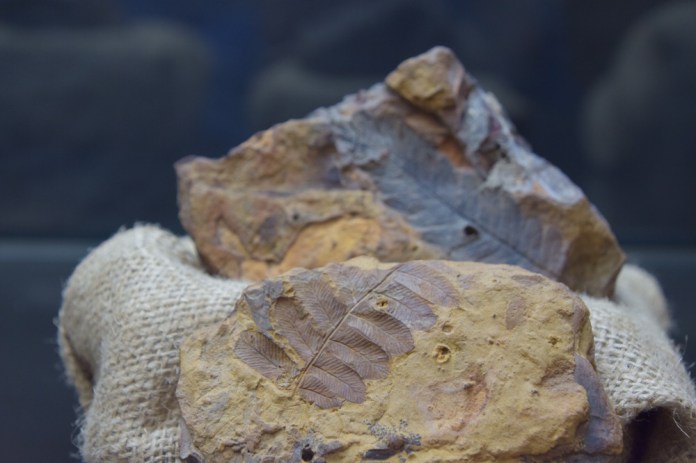
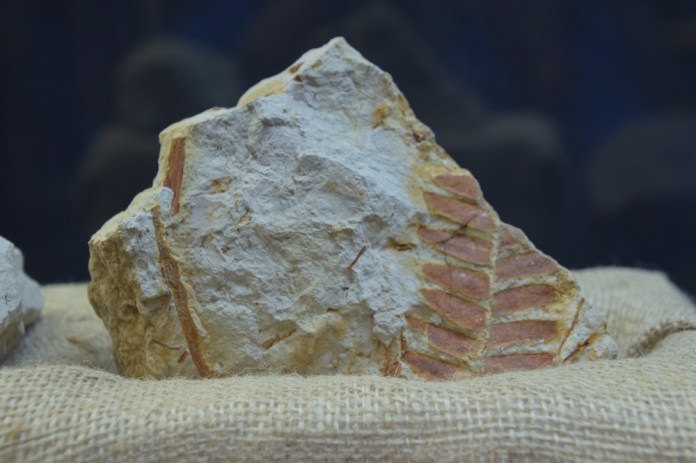

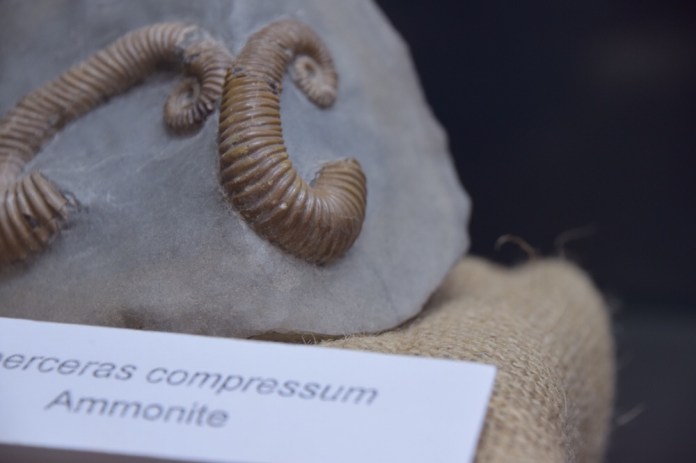


On our last weekend in Alice Springs, Jennifer and I had visited the new megafauna museum that had just opened in Todd Mall. It’s a Centre for the display and study of megafauna from Alcoota near Engewala. There are many wonderful fossils on display but my favourites are of a giant goose, that stands over two meters tall and a complete baru. A baru is an ancient crocodile that hunted in the billabongs of mid Miocene Alcoota . Alcoota and Riversleigh are of similar age but the latter has fossils from a longer period of the Miocene and extends into the Oligocene as well.. At Mt Isa, there are some fabulous fossils of ancient bird, including the “demon duck of doom”. There is the colossal beak of this ancient bird, it stood three meters tall. This is more formally called a dimorphid but I prefer the alliteration of its common name.
We spent three hours there and the high point, the best thing of all was using the microscopes to see the tiny fossils. The jaws of marsupials, and the teeth and inner ears of bats. These specimens are so perfect, and all prepared here.
While in Mt Isa we bought some new camping chairs. We had left similar ones in Alice Springs to use on our return in October. It was great to get our bums and backs, especially backs into these terrific chairs. We spent the afternoon relaxing in our new chairs, soaking in the wonderful experience of seeing the Riversleigh fossils.
From Mt Isa, we drove to Winton. This is a long drive and we were happy to finally arrive at the Tattersalls hotel. It was thirty dollars to stay at their caravan park. Our only excursion that day was to visit the information centre. We had heard vague comments about dinosaurs in Winton. We had seen signs mentioning various dinosaur themed sites in this general area. Well, the information centre was a waste of time. However, luckily, when opening a garbage bin, I noticed a discarded brochure about Dinosaur Canyon. I retrieved this brochure later, after dinner. Then Googled Dinosaur Canyon. . Ah ha! About twenty four kilometres from Winton was the Australian Age of Dinosaurs museum.
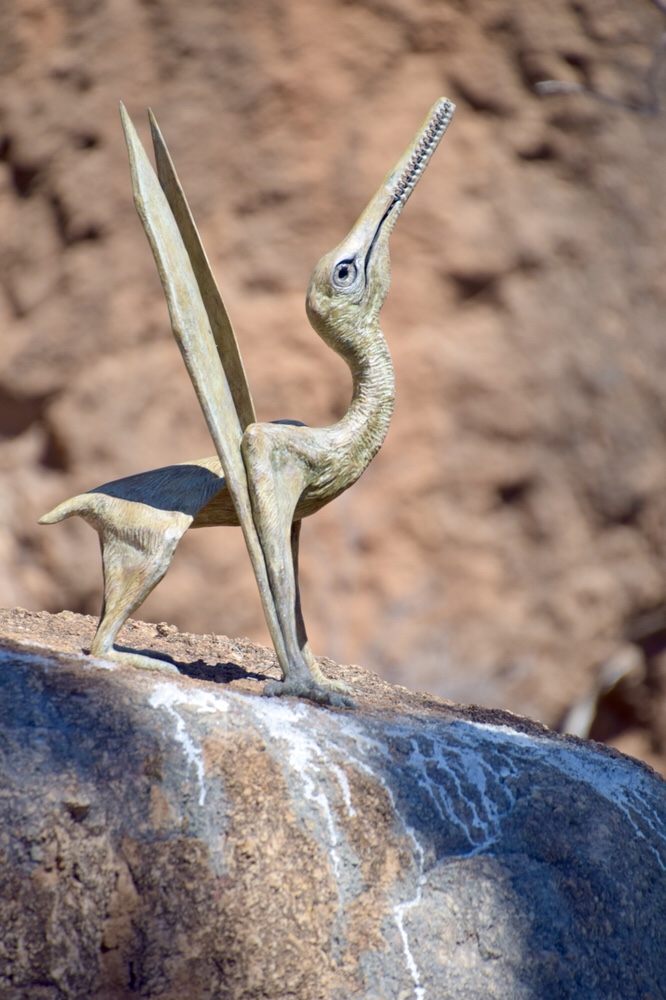
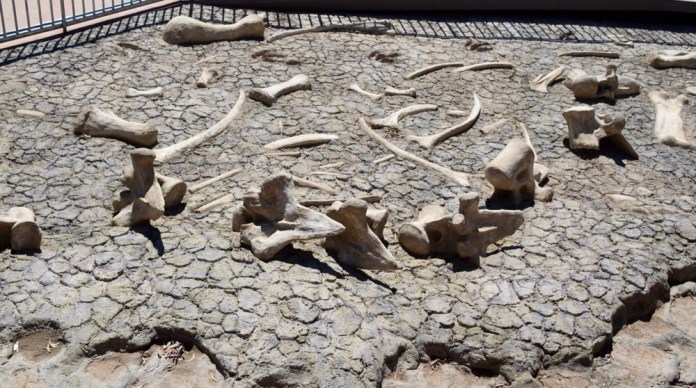
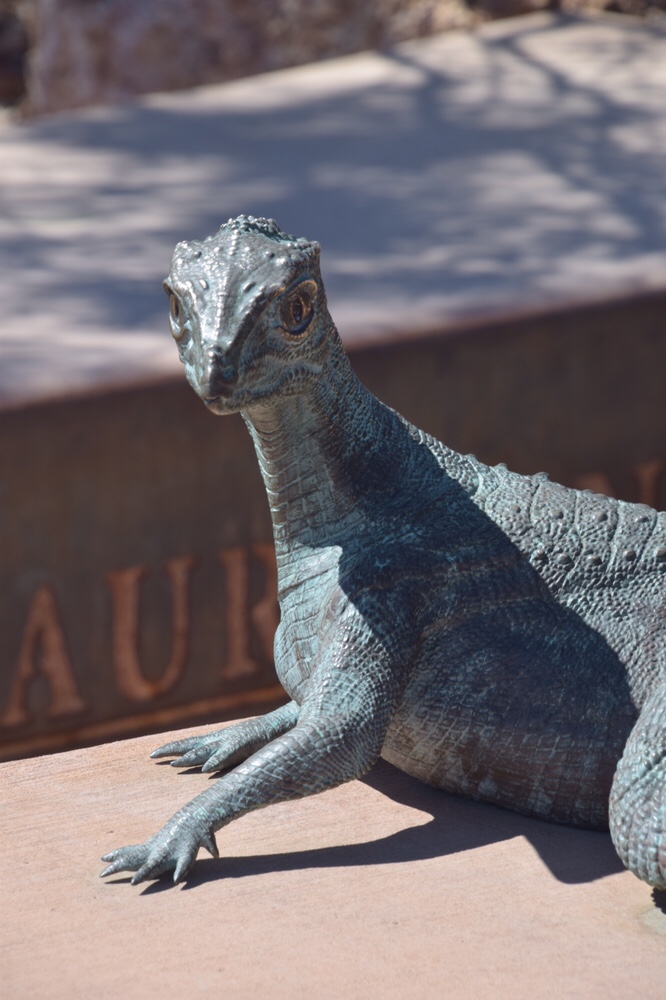
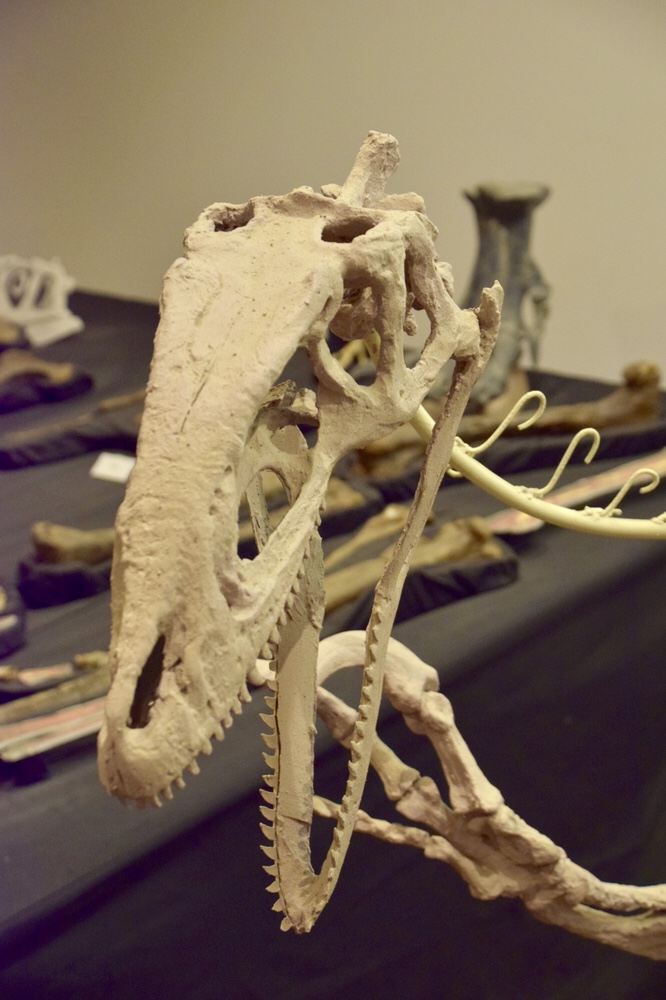
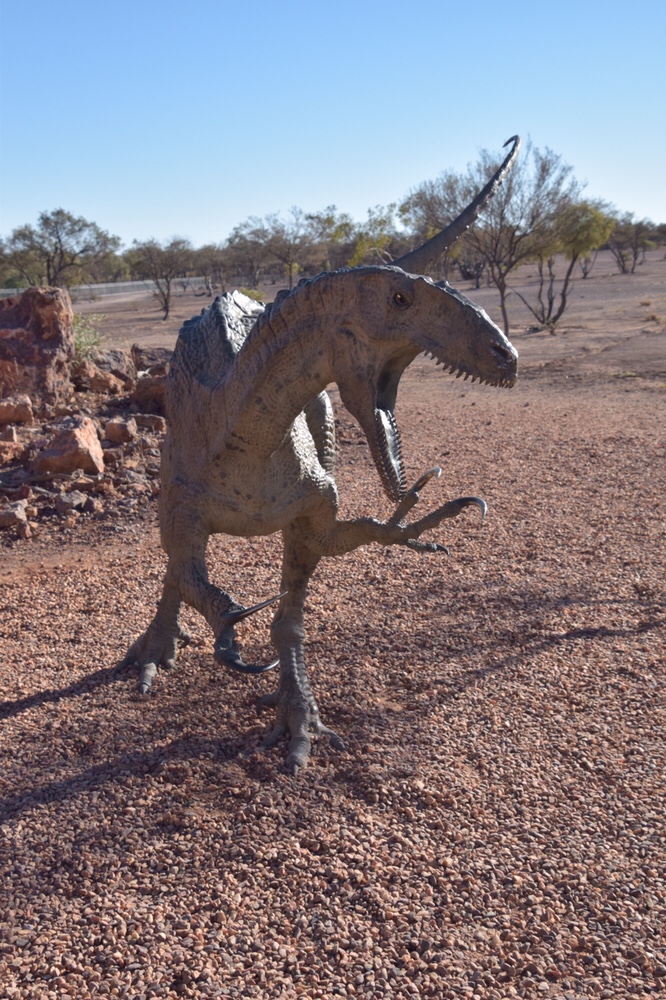
The next day we packed up the trailer, and began our drive to Longreach. This section was only 180 kilometres so we had ample opportunity to spend some time at Dinosaur Canyon. It’s not like Jurassic Park, no accountants were eaten by theropods, so it was much better. We opted for the Ultimate pass. This pass includes, a visit to the processing laboratory, a guided visit to the collection display centre and an outdoor walk to visit LifeSize metal casts of the creatures discovered here in Winton and in Queensland. From the visitor centre there is a short walk to the laboratory. Before I tell you about the laboratory, I had better give you some background. A local grazier, David Elliot, discovered a fossil, well he more or less tripped over it, it was a femur of a sauropod. It’s about two meters long. He spoke with the Queensland museums scientists who were very sceptical. It’s been the conventional understanding amongst many scientists in Australia, that we have a poor dinosaur fossil record due to our geology. Elliot took a contrary view, as a farmer he is very aware of soil and how it behaves. The soil over a vast area of Queensland is called black soil. When wet it churns materials up from deeper layers including the sedimentary rock, laid down in the Cretaceous and containing fossil dinosaurs. His theory is that many of the fossils are of older, or sick animals that died, trapped and unable to extricate themselves from the thick mud of billabongs common in that time in Australia’s history. The billabongs were surrounded by vast forests of conifers, angiosperms ( the earliest of flowering plants) and cycads. Plant eaters like the sauropods ( Diamantinasauras Matildae) and hadrosaurs ( muttabasaurus ) were the prey of meat eating dinosaurs. The pack hunting theropods like Australovenator Wintonensis also named ‘Banjo’ are also located in these fossil deposits. Fossils have been located over a wide area, and it looks like this area of Queensland will be one if the richest fossils site for Cretaceous dinosaurs in the world.
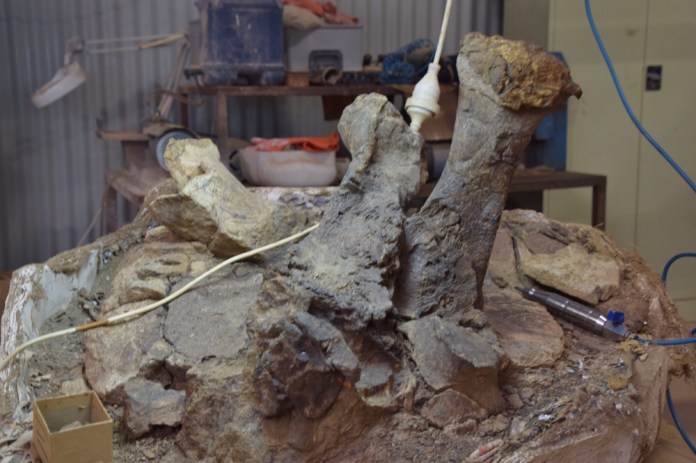
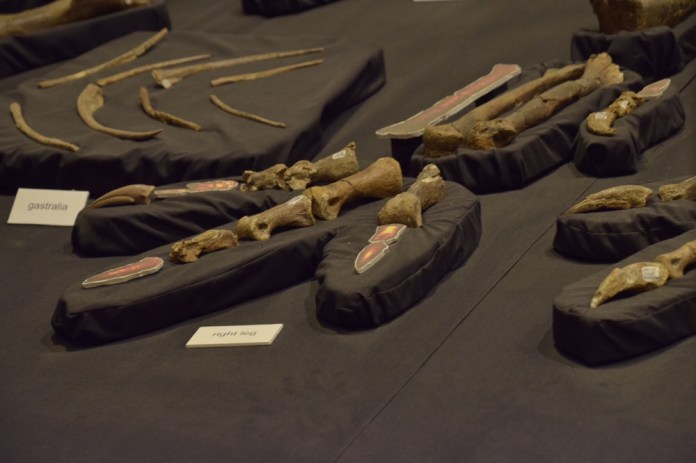
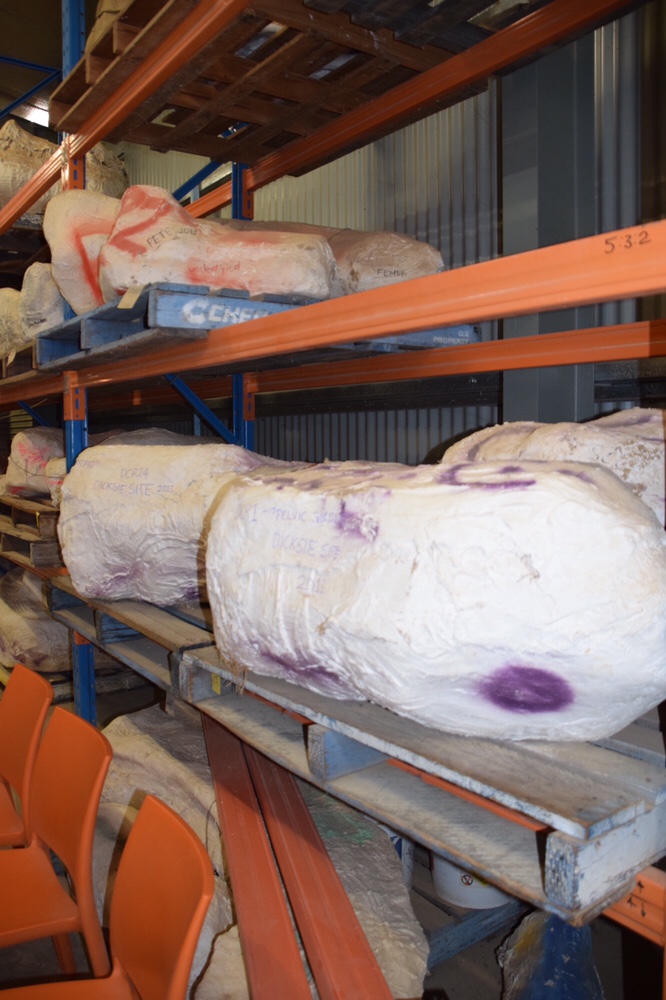
David Elliot was frustrated that the recovery of fossils was so slow due to lack of money and personnel so he started a museum dedicated to the study, recovery and preparation of the fossils found here. The laboratory is where each fossil is painstakingly drilled out of the surrounding sedimentary rock. The technicians are all volunteers. This means that fossils can be processed far more quickly than a museum or university, more people, less cost. Fossils that are brought to light are lent to museums or individual scientists but they ultimately will be displayed at the museum in Winton. This means the local people, the farmers who locate the fossils and the visitors who help prepare these wonderful specimens, can enjoy them and get some financial return for the local community too. In the lab four volunteers who have done a ten day course in preparing these fossils, drilled away, bringing these fossils back to life ( as it were). On the shelves are massive rocks containing yet to be prepared fossils, all dated and on inscribed on their their covering plaster of Paris, are descriptions, names and location and the number of associated fragments. The collection room, has three fossil dinosaurs, a twenty metre sauropod called Matilda. Another bigger, more robust sauropod called Wade ( not his real name ) and the bad boy, a two meter tall theropod called Banjo. Banjo has enormous twenty centimetre curled claws on feet and hands which were used to embrace then disembowel another dinosaur.
The outdoor section consists of a walk to see artistic recreations of the animals recovered here. There is a display of small dinosaurs, fleeing from Banjo. This is based on the fossil tracks at Lark Quarry which show a dinosaur stampede on what would have been a wet clay surface. Other dinosaurs are displayed as well as a groups of small pteranodons, which are not actually dinosaurs but flying reptiles. All so much fun.
When we arrived in Longreach We were quite tired as though the trip was not that long, it was fatiguing. So we skipped the Qantas exhibition in Longreach and instead had an early night. We had dinner at the campground while listening to a country and western singer. An unusual form of entertainment for us.
The next day we drove to Charleville. We decided to spend three days in Charleville because there was not only a great deal of interesting things to do but also because the people there were so friendly. We started our activities with an early nine o’clock visit to the Bilby Experience Centre, which is right next door to Charleville old railway station. The first 9 am session is a touch and look session. Yep, we were able to see a Bilby close up and actually pat it. The fur is so soft. They are the most gorgeous animal. Most animals start off cute but don’t stay cute. I was originally quite cute when young but that cuteness has quite recently faded, nose dived actually. Well Bilbies are cute forever!

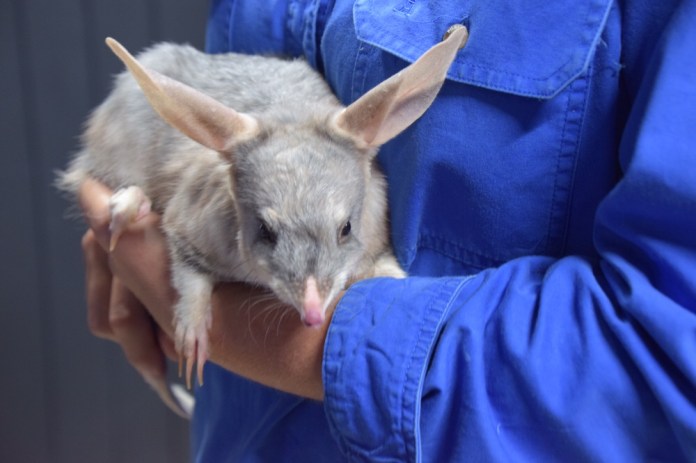
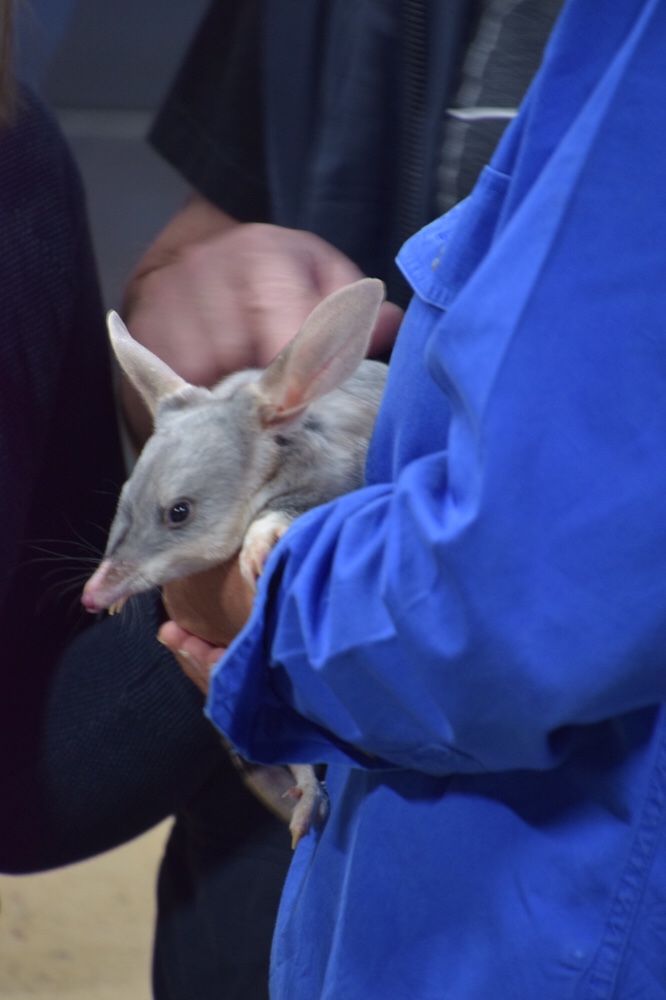
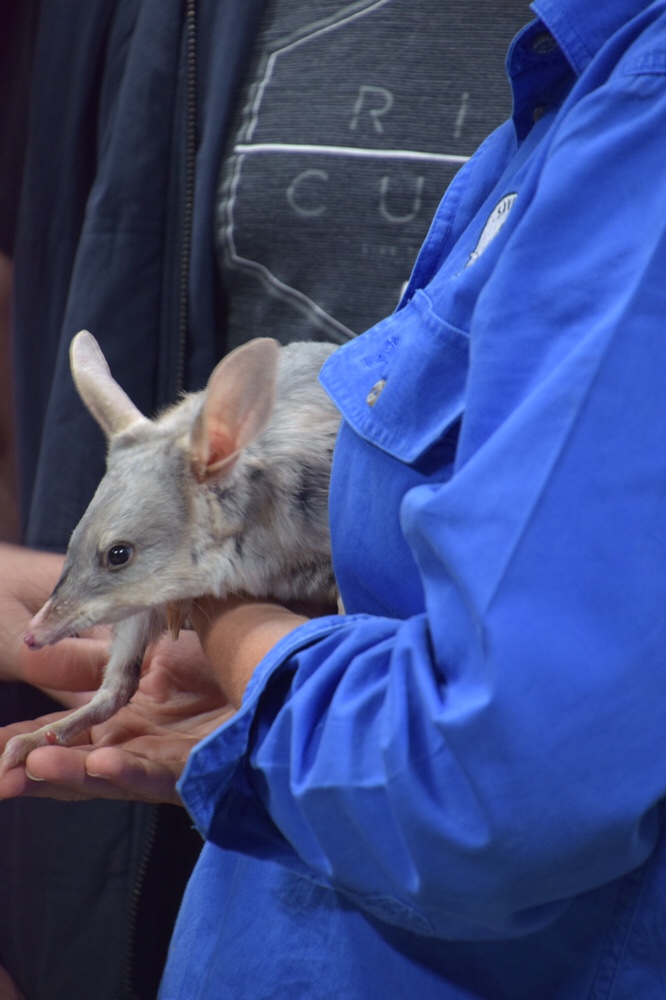

This is a fund raiser, and information hub for the non profit Bilby Association which is saving Bilbies in Australia. A local man and a scientist worked together to educate Australians about the threat to Bilbies especially in outback Queensland. Their numbers were falling drastically due to competition with rabbits, and being preyed upon by feral cats and foxes. The only way to protect these small marsupials until feral animals could be controlled was to fence large areas of bilby habitat and reintroduce Bilbies that had been born in captivity in Charleville. Charleville Bilbies have been also used to repopulate similar fenced areas in south Australia as well. A really inspirational story and for us a wonderful experience.
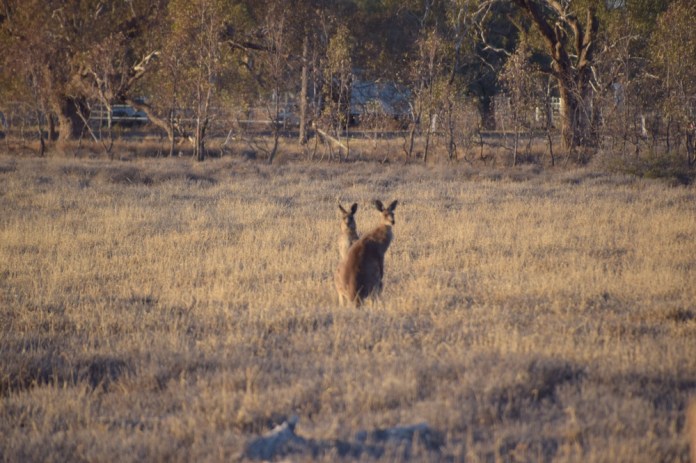
We relaxed over the afternoon, then went out for dinner at the Corones Hotel. This is a beautifully restored old building. We had a great meals. We stayed at Charleville Bush Caravan Park. It was quiet. It had clean and modern amenities. Plenty of shelter to stay out of the wind and lots of visitors. There were Apostle birds, chattering about us. They are also called CWA birds due to the noise they make. They’re called Apostle birds because they travel in groups of 12 or less. Grey kangaroos and emus are in the paddocks adjoining the park. Every day at 4:30 there is happy hour when all the guests sit around a blazing campfire and chat about our day. On some nights, Ian, cooks up damper in a camp over, pouring hot coals over the oven. His recipe is self raising flower, lemonade, salt and water.
The next day we did a WW2 tour. A young man led us as we did a tag along tour to see some of the fascinating artefacts pertaining to the WW2 history of Charleville. Charleville was the largest American base in Australia. We were shown the top secret Norton bombsight used in WW2 and in subsequent wars till mid way through the Vietnam catastrophe. It is still classified by the American military. So how did Charleville get a working, fully restored norton bombsight. eBay is the answer. It was so accurate that a bomb dropped from 28,000 feet would land within thirty feet of the target.
We learnt about the weekly dips for enlisted men in a 50:50 mix of water and DDT. We saw the regimental aid station staffed by two nurses for about a thousand soldiers and airman. We saw the runways where B17s, B 24s and fighters both American and Australian took off to head north or fight in the pacific. The concrete floor of a dance hall built in 1946.
James really brought it all alive. The long term project of the history buffs in Charleville is restore the buildings on any concrete remains and make it an even more enlightening experience.
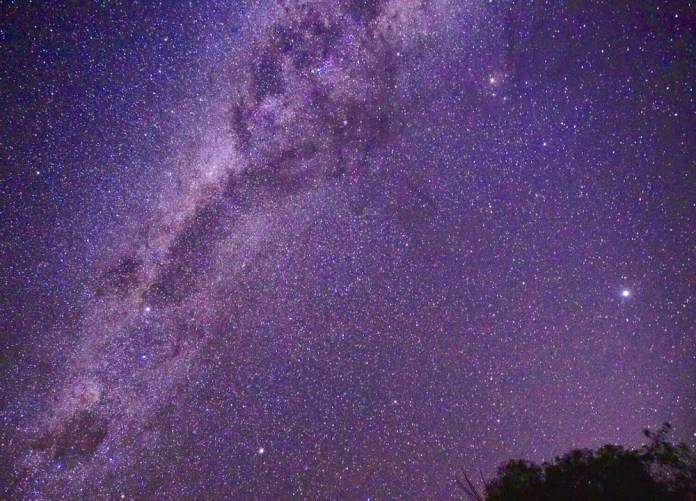
Th high point was our visit to the Cosmos centre on the last evening in Charleville. We spent two and half hours seeing wonderful stuff in the sky. As we journeyed from nebula ( ring nebula, swan nebula, dumb bell nebula) from globular clusters ( omega Centaurus) containing millions of stars. To hearing about the birth and death of stars. The fate of our sun as a planetary nebula. I could see the double star of Alpha Centauri looking all the world as two headlights. This telescope was a 14 inch Meade telescope. This is a serious light bucket. We saw the majesty which is Vega. We also looked at Saturn and the satellites and bands of Jupiter. After our sky viewing we spent another hour doing astrophotography, learning how to use our cameras to take stunning views of the night sky. Mike our guide, did a fantastic job of inspiring and educating us about the wonders of the big sky.
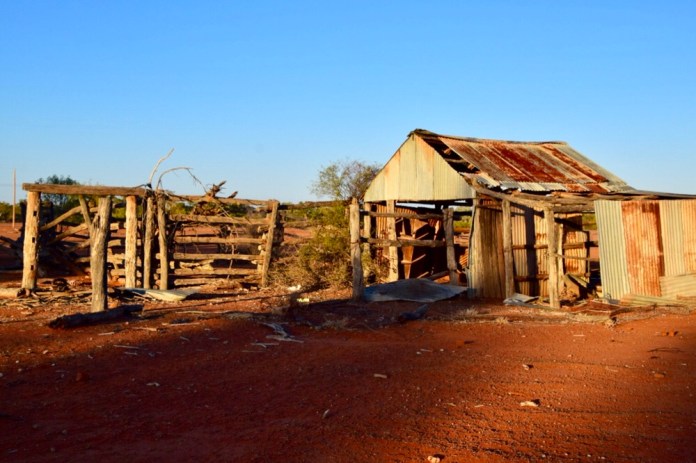
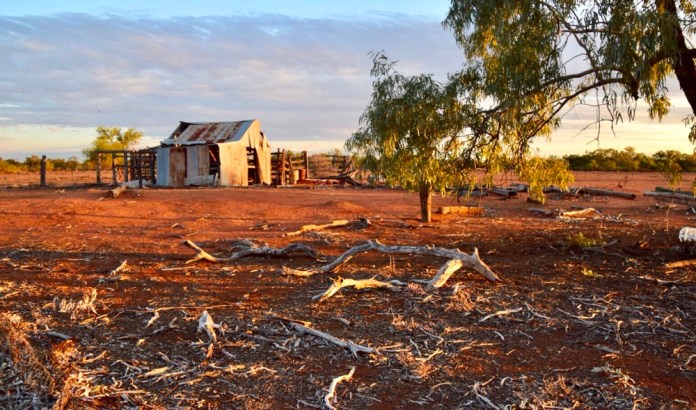
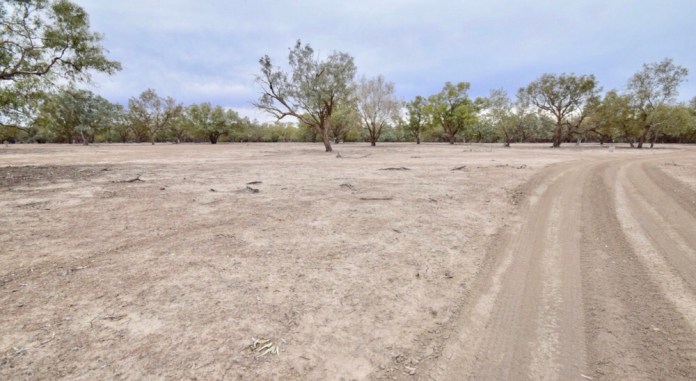
The next morning, we drove to Bourke. As in Back of Bourke. Well the back of Bourke is hard country indeed and is a synonym for tough country. The land, the paddocks have been desiccated by the drought herein outback NSW and Southern Queensland. In Charleville, there is a sign thanking tourists for spending time and, of course, money in Charleville. The drought is making it very hard for locals to survive.
We are staying two nights at Kidman Camp Caravan Park. Last night we went to a regular function here at the park called Poetry on a plate. A bush poet sings songs while his offsider prepares a meal. Tonight it was beef stroganoff, dhal and rice with a desert of lemon tart for afters. Before I could get my meal, a call went out, does anyone know CPR. Well that sounds like business. I jogged toward the commotion to find Jennifer already there helping. An older man had had a stroke. His poor wife was just bereft. He regained some consciousness after about five minutes. The ambulance arrived and transferred him to Bourke Hospital. We spoke to his wife this morning; she said he’d substantially recovered but was being air lifted to Dubbo for a CT brain scan.
The music was okay. No, let me be fair, he was actually a very good singer but I find the schmaltz of many of the songs about loving mothers, lost love and dying dogs, some what excremental. What a cynic!
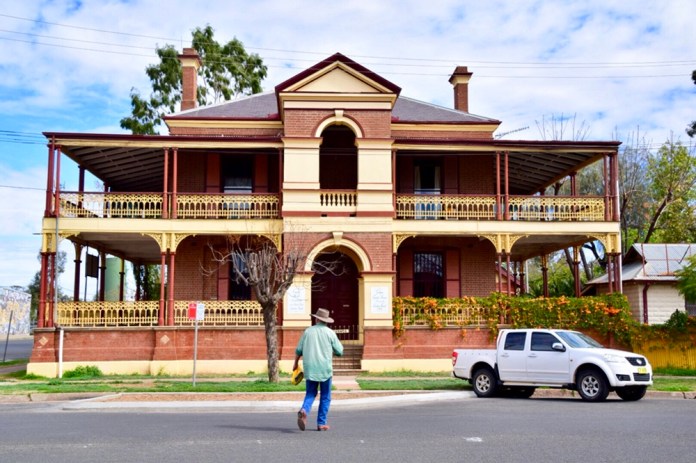
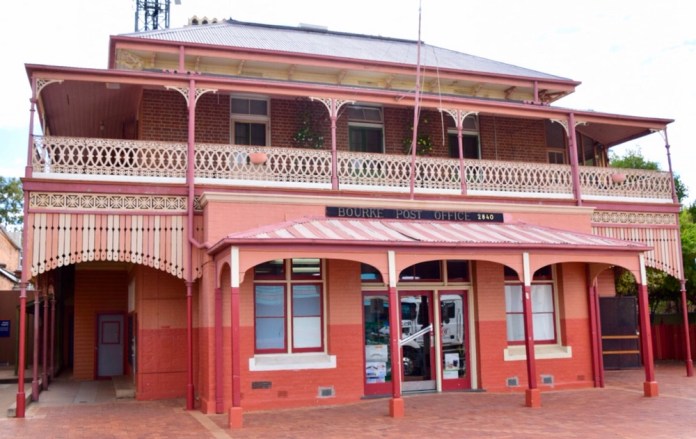
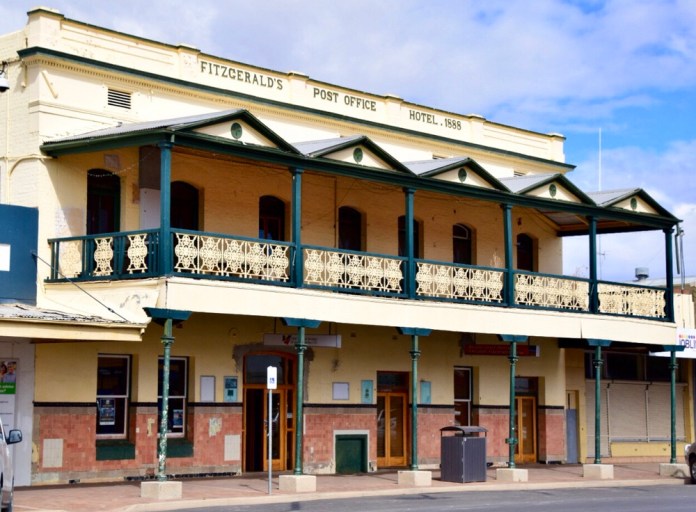
Today we had a slow start after yesterdays long drive. We drove into Bourke and took some photographs of the fine buildings in the town centre. We visited the Back of Bourke experience. This is really good. There are three buildings joined by stone paths and each looks at different facets of Bourke’s history. There was way too much to take in in one go but thankfully, the pass to the museum goes for two days. Stories of the mythical inland sea that propelled Sturt, Wentworth, Oxley and Mitchell to explore the centre of Australia. The tales and endeavours of the explorers are balanced by the records of the local Aborigines.
The other buildings had more information about paddle boats, Cobb and co, RFDS, locals, bushrangers, and the railways, and, above all else, sheep.
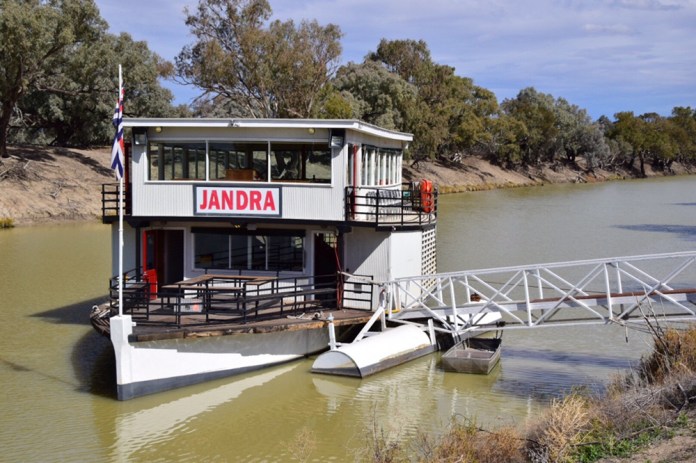
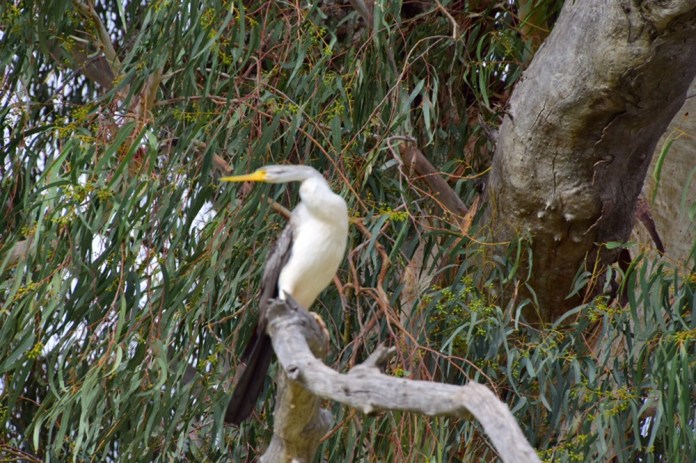
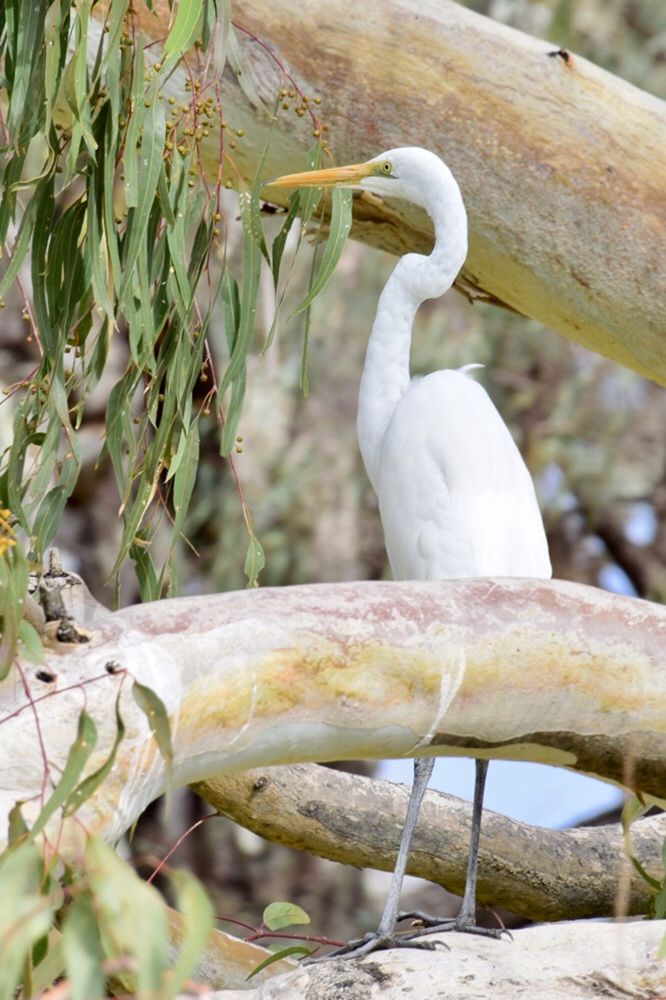
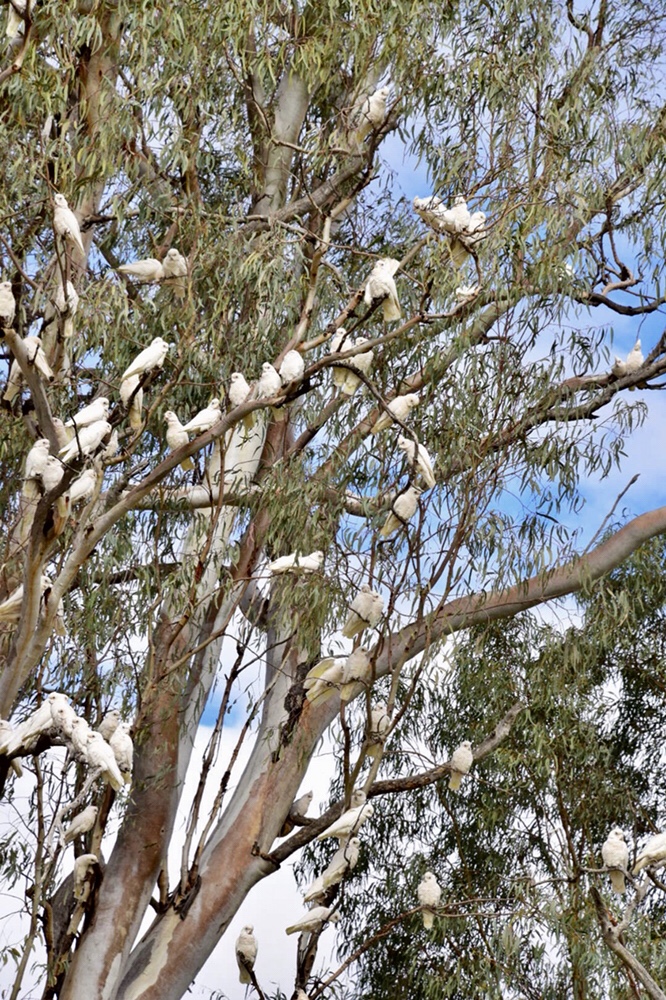
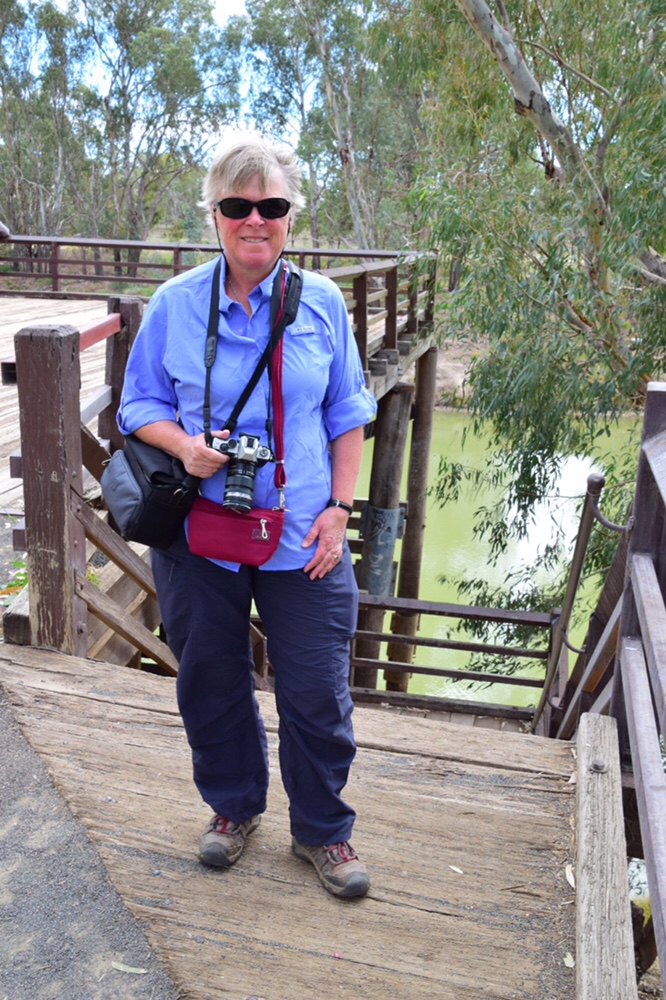
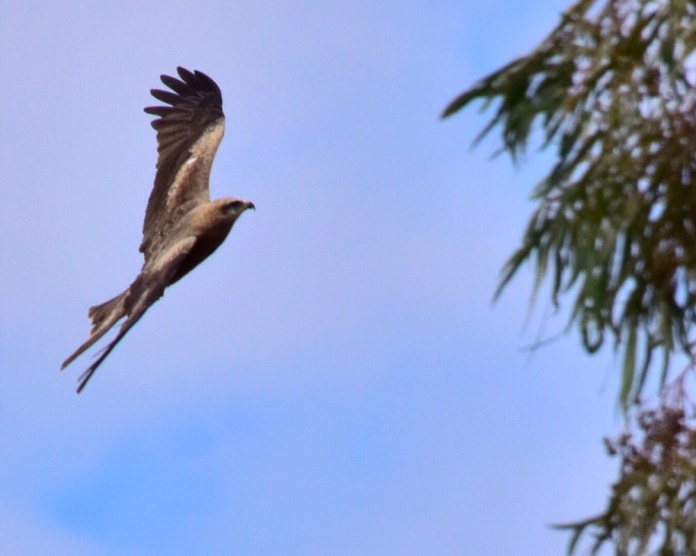
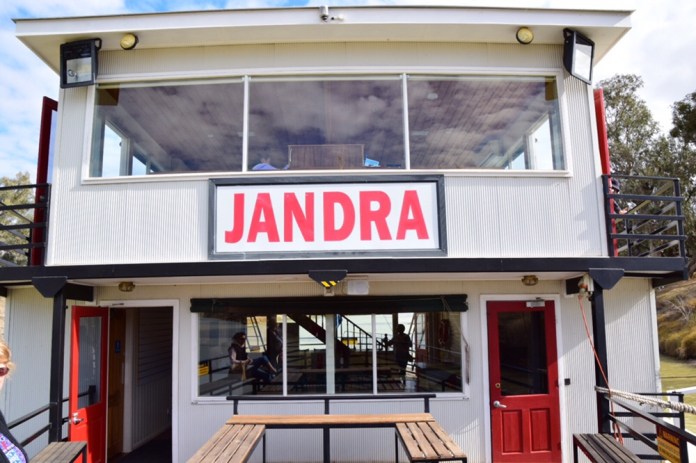
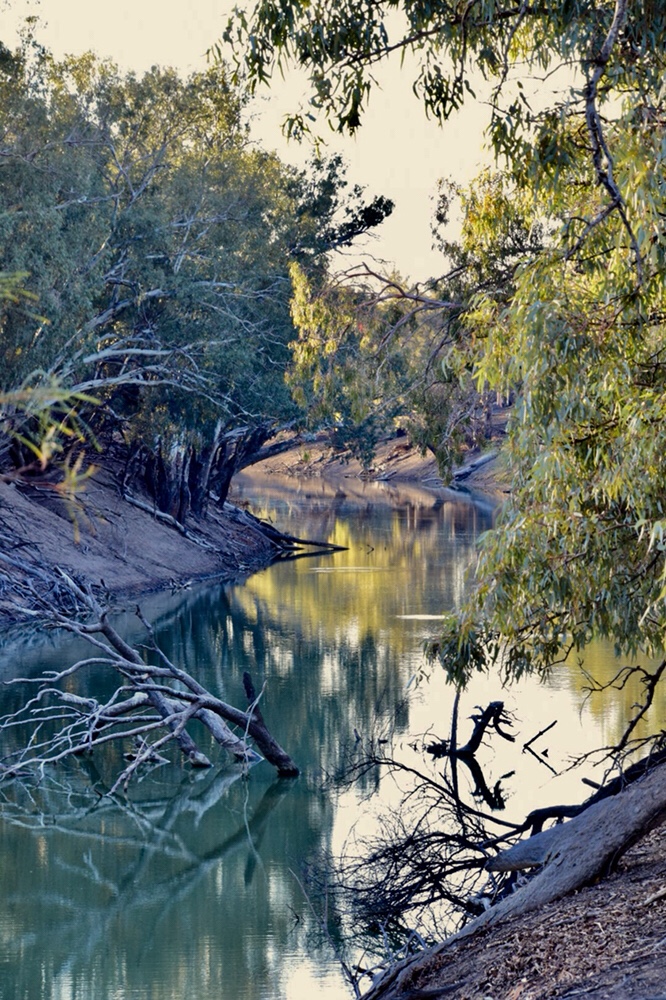
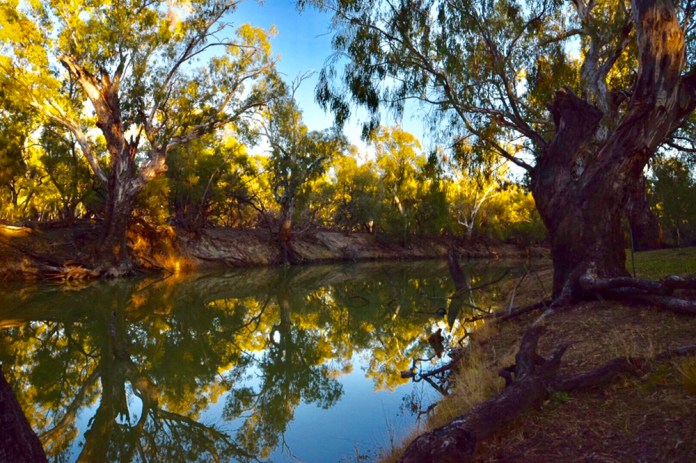
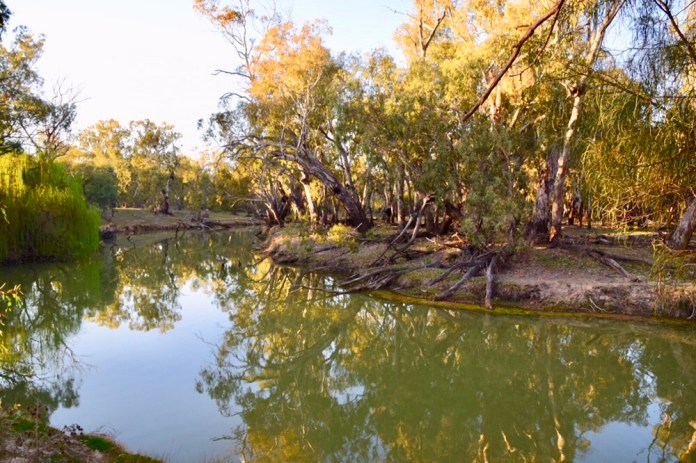
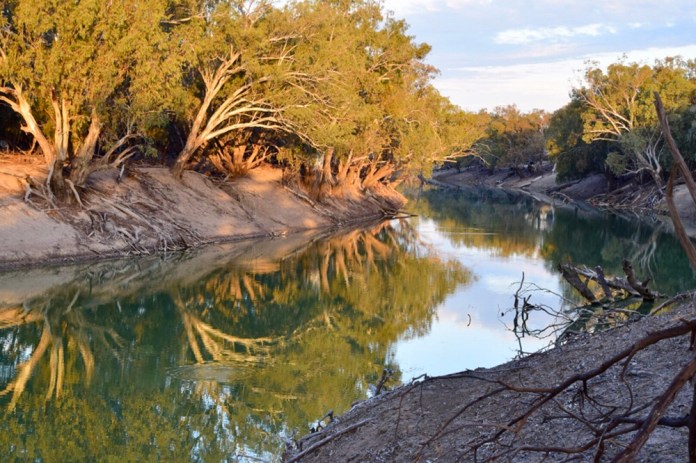
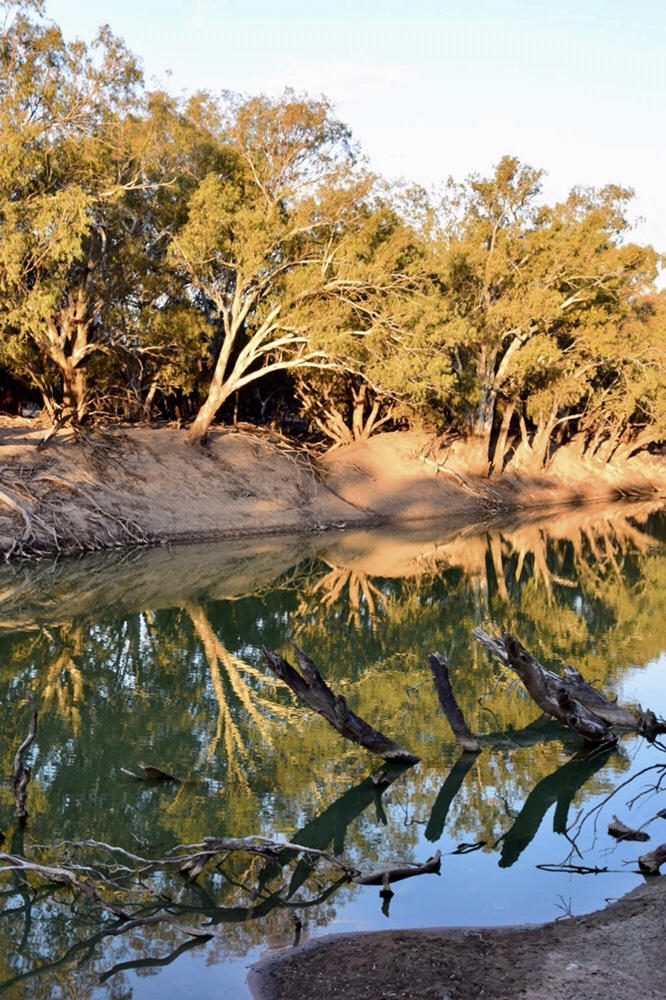
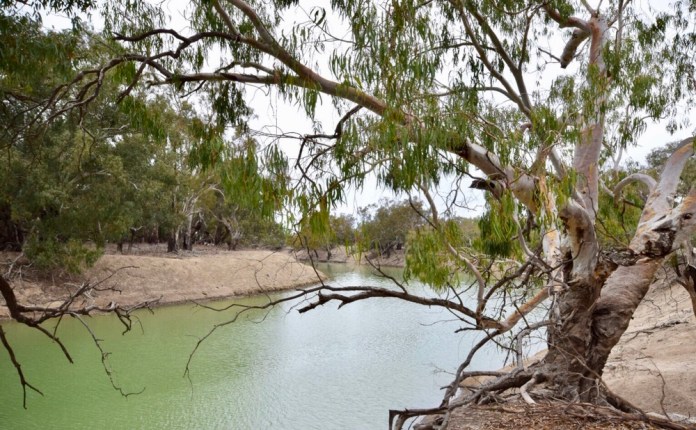
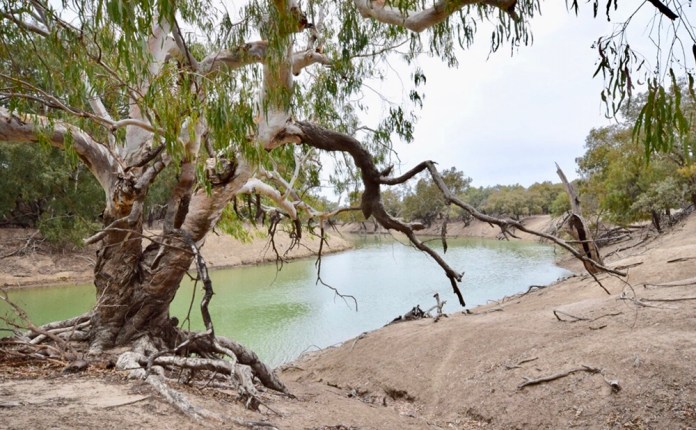
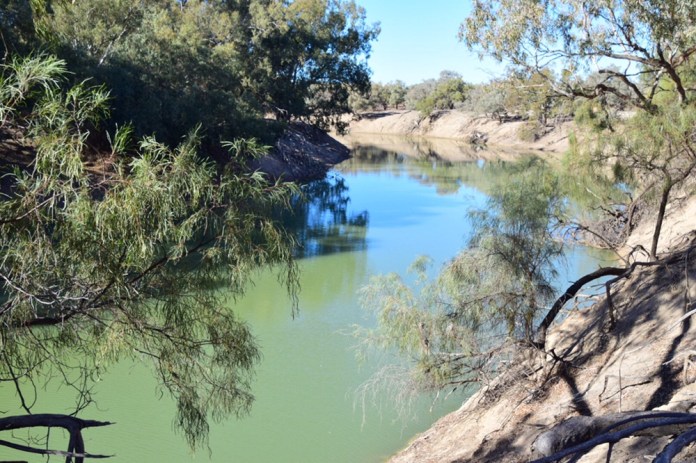
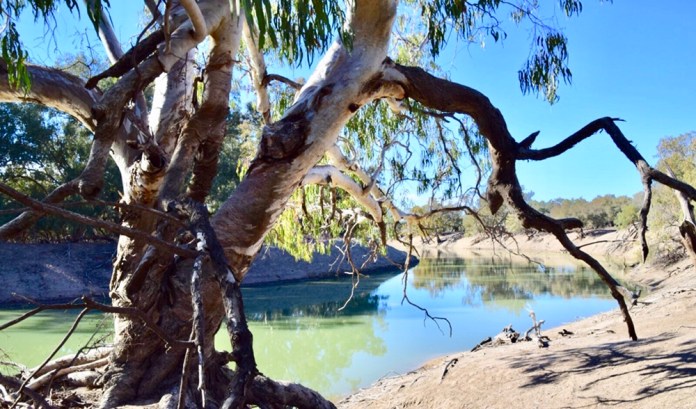
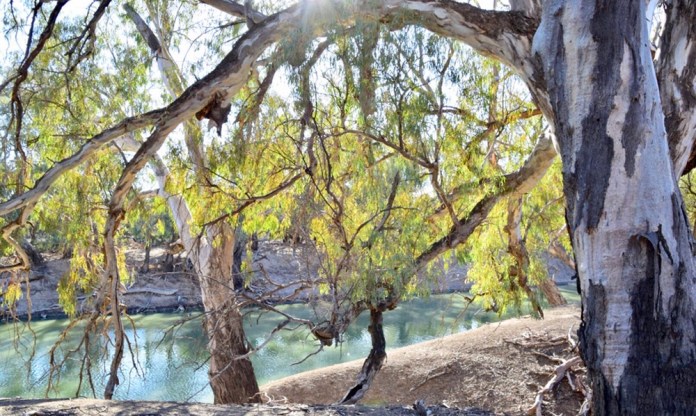
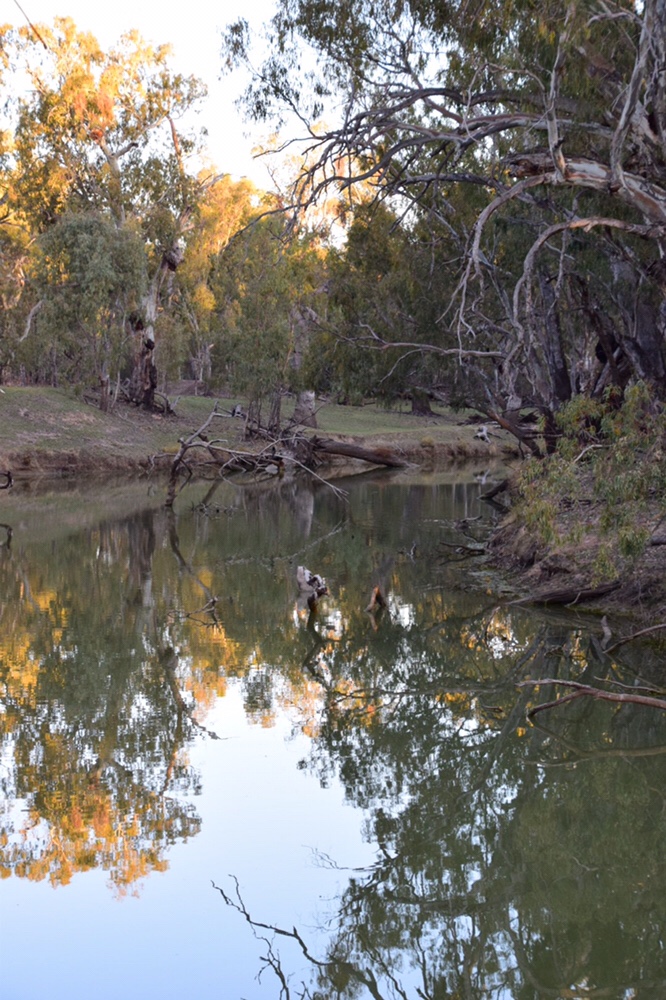
We drove back in time to board the PV Jandra which is a Paddle vessel not steamer. It is squarely based on the original Jandra from extant contemporary designs and photos. The trip began at 2pm and goes up stream, under the old bridge with a it’s central section that can be raised. This was not necessary today but when water ran high, it was very necessary indeed. The old paddle steamers of which there were 250 all up plying the Murray-Darling system transported cargos over vast distances. In flood years, paddle steamers would go up 180 Miles Overland, right to the doors of some remote stations. The catchment for the Darling goes from NSW and well into Queensland. The current Jandra was built in 2000 and is diesel-electric powered paddle steamer. Like its steam forbears, it’s very manoeuvrable but nothing like as fast. The last paddle steamer pulled out of Bourke in 1931. Railways killed the paddle steamers. We had a very relaxing cruise soaking up the stories of these amazing vessels and taking photographs of birds, bridges and the ubiquitous grey barked, squat, coolabah trees situated just beyond the river banks. The metal frame of one old paddle steamer remains on the golf course. It was marooned behind the levee banks before it could reach the main channel. The captain lived in the beached vessel for many years.




On Tuesday morning we packed up the trailer, left Kidman Camp and drove to Rose Isle. On the way we stopped to revisit the Back of Bourke Centre to continue where we left off. There is so much information here that we had to break up our study of all the exhibits.
A few presentations of local identities really impressed me. Percy Hobson was an Aboriginal man who excelled at the high jump and won the Commonwealth games, setting a new record. He stayed in Bourke and travelled every weekend all the way to Sydney to compete in club sport. He was refused attending the warm up competition in Jakarta because of his aboriginality. He was told to keep his aboriginality pretty quiet. He was heading for the Tokyo Olympics when a serious knee injury put paid to his athletic career. He was much loved and very respected in Bourke. When he set a new high jump record for Australia as a junior on his return to Bourke on Sunday evening, the whole town met him at the station.
Abdul Khan was an Afghan entrepreneur who set up camel teamsters to haul freight in the outback. He and his drivers got into some hairy situations with rival horse teamsters. He was rich and successful due to paying his drivers very poorly indeed. He was a gambler who lost his Sydney mansion in a card game. Constable Cleary was sent to Bourke in 1865 to deal with the lawlessness in western NSW. Several officers had been shot by bushrangers. Cleary was Irish and a determined man who hunted down Captain Starlight, and made Captain Thunderbolts life so difficult by pursuing him hundreds of kilometres that he moved out of the area to easier country. He never received any service medal or rewards for his undoubted gallantry due to his Irish heritage.
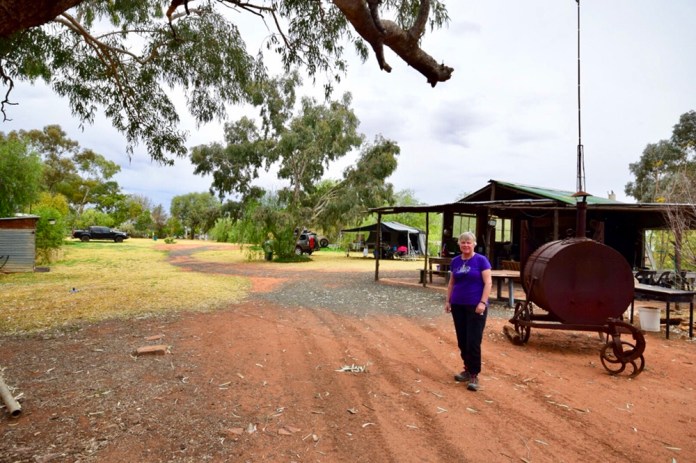
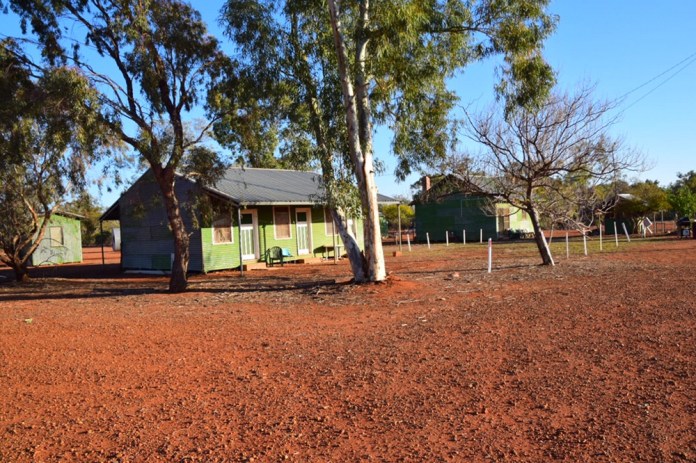
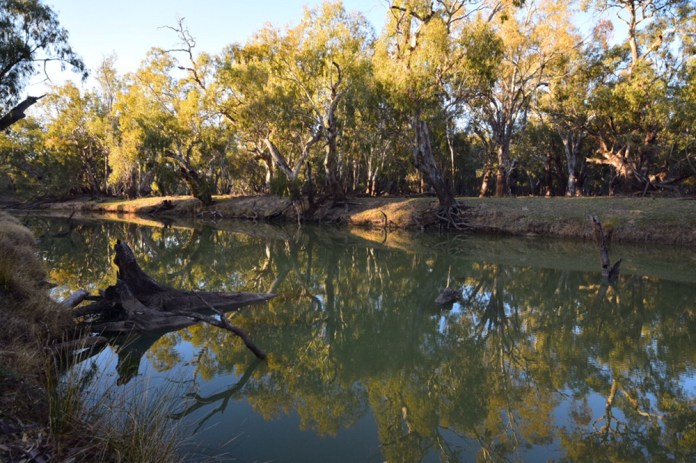
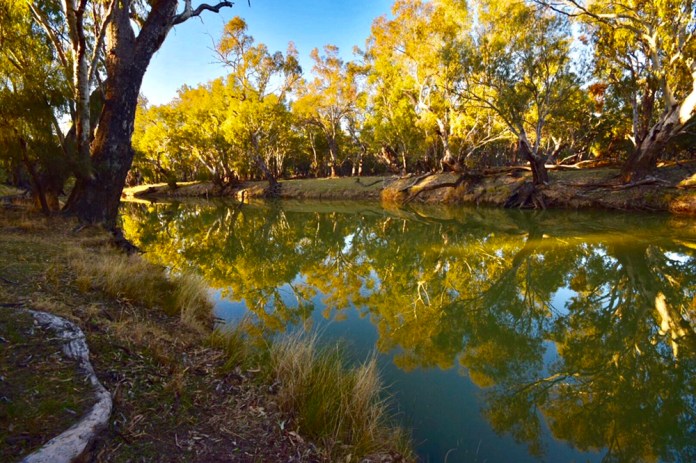
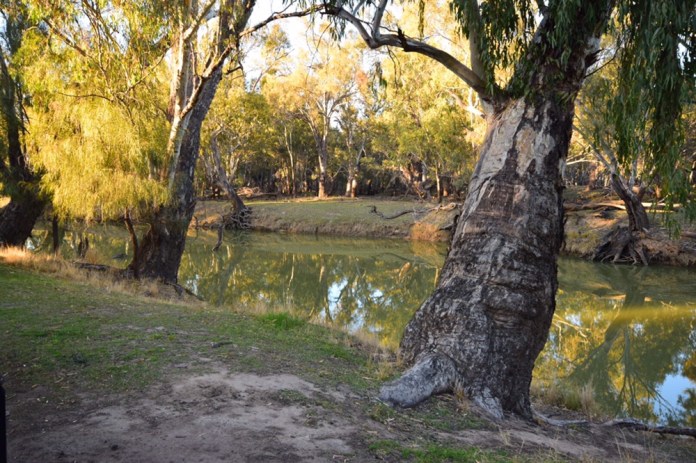
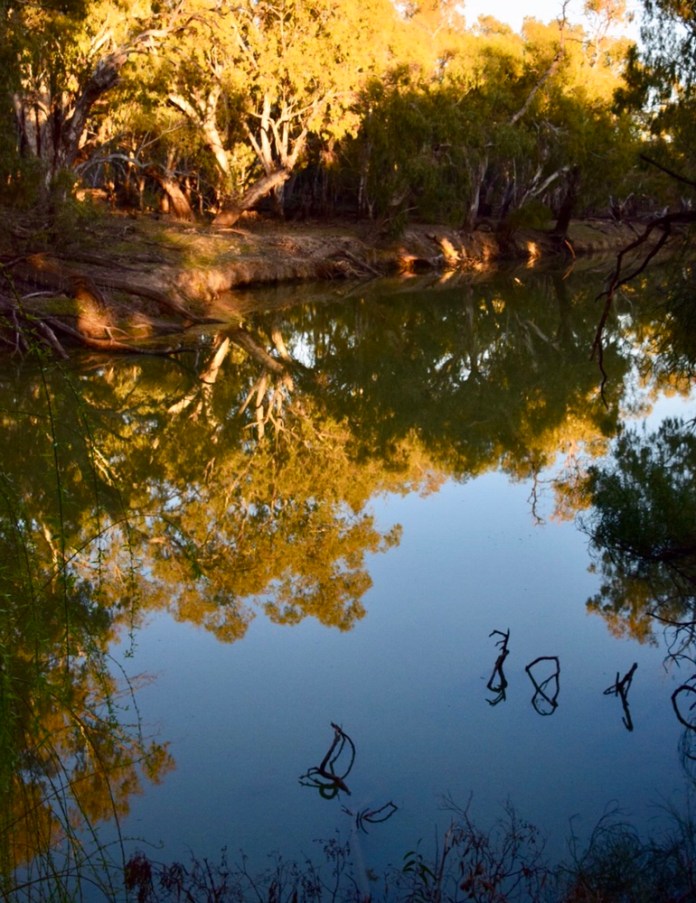
Right now, I’m completing this essay sitting at Rose Isle Station. A cloudy sky, a gentle breeze, a glass of wine and Jennifer sitting reading beside me. What more could anyone want or need.








 brucebarker2016