
We are sitting in the shade of the camper trailer having just returned from a tour with Evan, the guide for Wetland cruises. A delicious cool breeze is fanning around the camping ground. I suppose the outside temperature is about 28 degrees C.
We booked this outing soon after arriving in Darwin. Max and Lyndel had told us about this area when we stayed a few days with them in Katherine. They will be sharing a houseboat with friends, cruising the forty kilometres of waterways over an informal long weekend. We did not have this much time so we decided on the one day trip, from and then return to Darwin.
 The bus arrived right on time at 9am. On the ninety minute drive to the billabong and the cruise, Evan told us all sorts of interesting things about Darwin, the bush and the billabong. He was a mine of knowledge. Like many people, he works in the”DRY” and travels elsewhere to work during the “WET”. The current weather is mild with sunshine, pleasant breezes and cloudless skies but the climate takes a nose dive even before the wet.
 The “build up” is over September and October with very high humidity and dry thunderstorms, and then the WET begins. The population of Darwin is about 200,000 over the dry but falls to less than 150,000 over the WET. This is due to tourists and others escaping south to less humid climes.
 Darwin is a melting pot, with many different people making up its mix of inhabitants. A quarter are Aborigines; local Aborigines and “Long grasses” which is the term for Aborigines arriving from further afield. They used to sleep in the abundant long grass around Darwin but in modern times, they sleep on benches and in public areas. Owing to the abundance of tucker all year round, Arnhem Land, Kakadu and the Darwin area has always carried a large population of Indigenous inhabitants. In the WET, they retreated into the high country and in the following DRY walked north, to feast on bush food and fish.
 There are lots of Americans and not only well heeled tourists in colourful shirts and Bermuda shorts but well muscled Marines with short military style haircuts. We drove through Humpty Doo and saw the huge radio transmitters used by the defence forces of Australia and the USA to communicate with their forces all over the world. There are barracks along the Stuart Highway for soldiers and RAAF personnel.
  The locals are pleasant, very much so, but the per capita consumption of alcohol is the highest in Australia. A Darwin stubby is two and a half litres of, according to Evan, a really quite noxious beer.
 We boarded the large flat boat at Corroboree Billabong after having an introduction to the vagaries of wetland life by visiting an information centre just short of the billabong.There were twenty eight people in the boat but we all had excellent seating and visibility for the cruise.
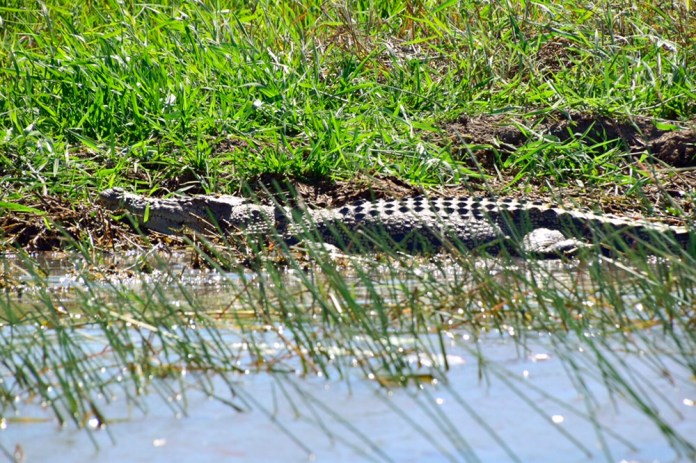
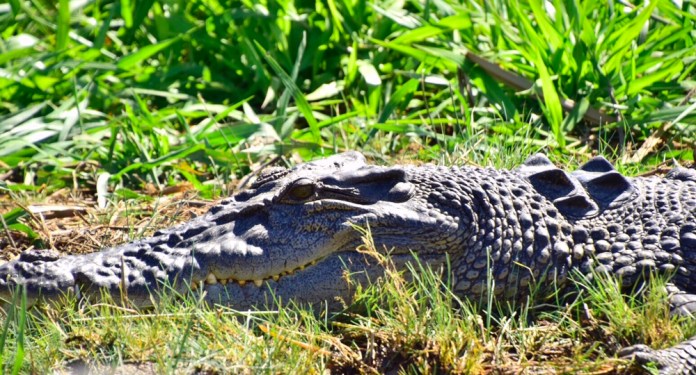
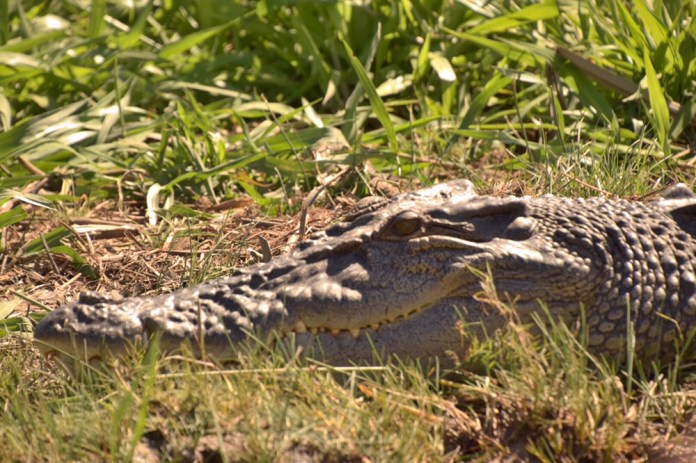
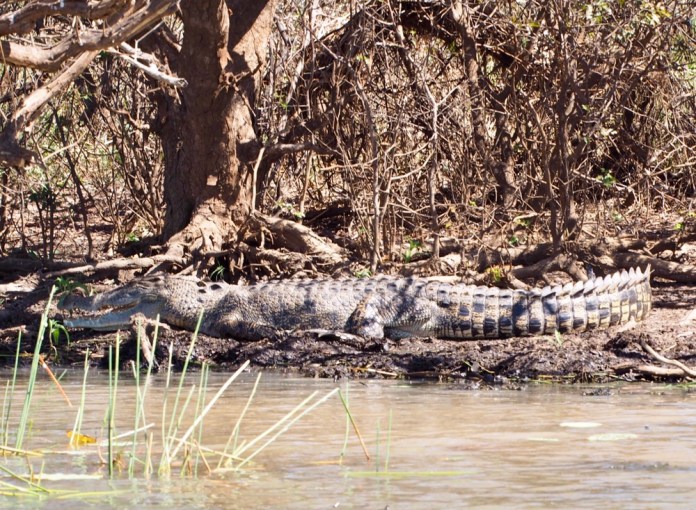
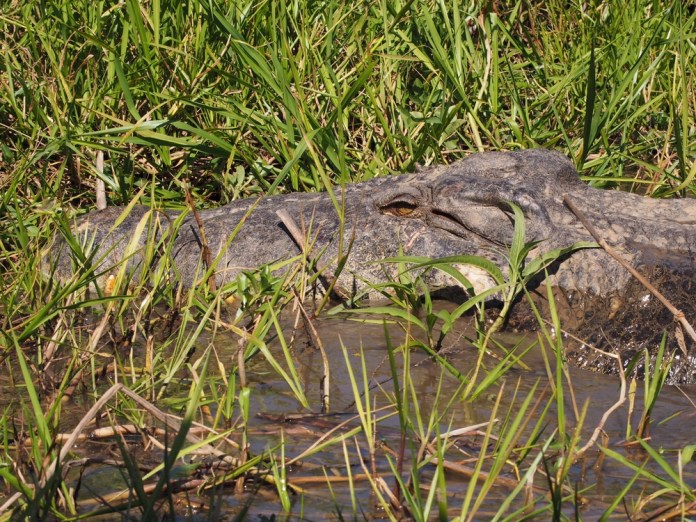
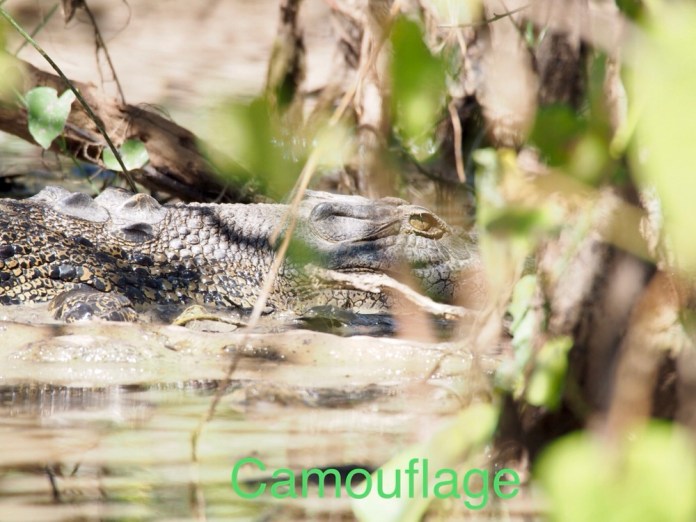
The cruise went for over two and a half hours, and we saw so much interesting wildlife. I’m sure I will forget to mention everything but we saw crocodiles. There are no alligators in Australia despite there being three different Alligator Rivers. There are fresh water crocodiles that hunt fish and are smaller and less aggressive than Salt water or Estuarine crocodiles. Salties as they are called can thrive in any fresh water, open ocean, salty tidal areas and in fact any waterway they can get to. In the early 1970s, the unrestricted shooting of the Salty was banned, and so now there are 150,000 to 300,000 salt water crocodiles. They do kill people, mostly locals who take them for granted. If you are ten meters from a riverbank you are potentially safe, as these crocodiles launch out of the water using their powerful tails, but their legs are puny and they cannot sustain a pursuit over even a short distance. They swiftly build up lactic acid which can produce a fatal acidosis. Read the signs about safety near water and do what it says. A salty can sprint through water at 40 km per hour and produce no turbulence, no sound until it launches out of the water. Guides and tour companies take the threat of these magnificent, if deadly creatures, very seriously indeed and so should you!
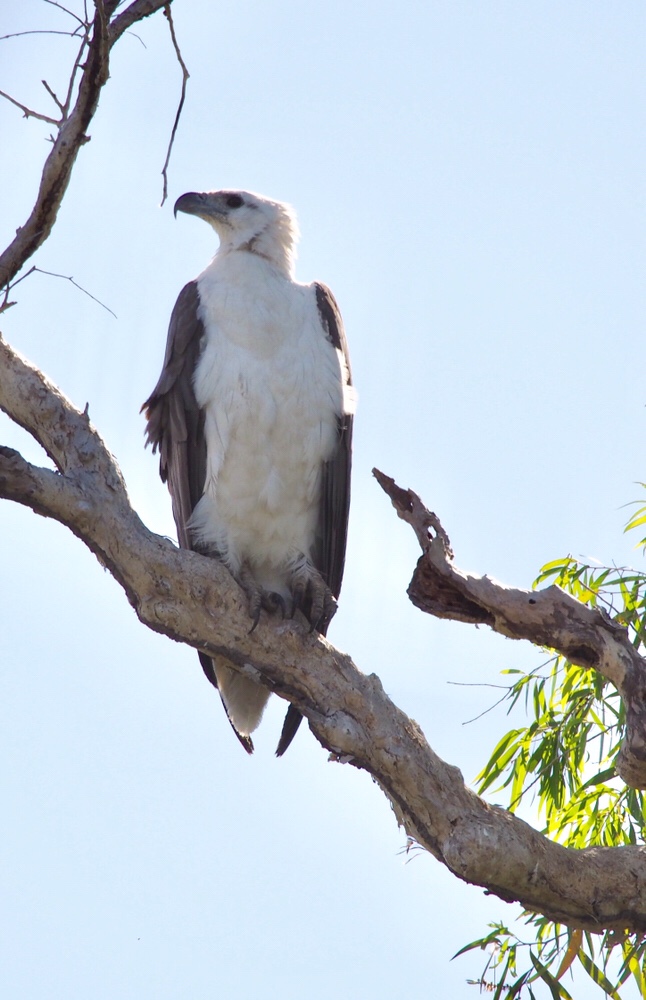
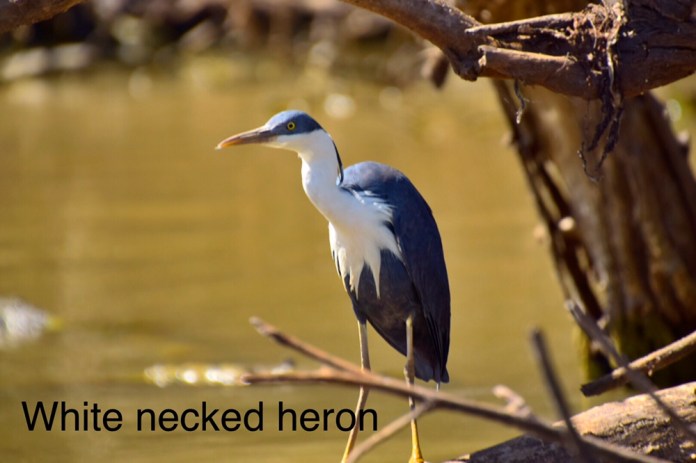
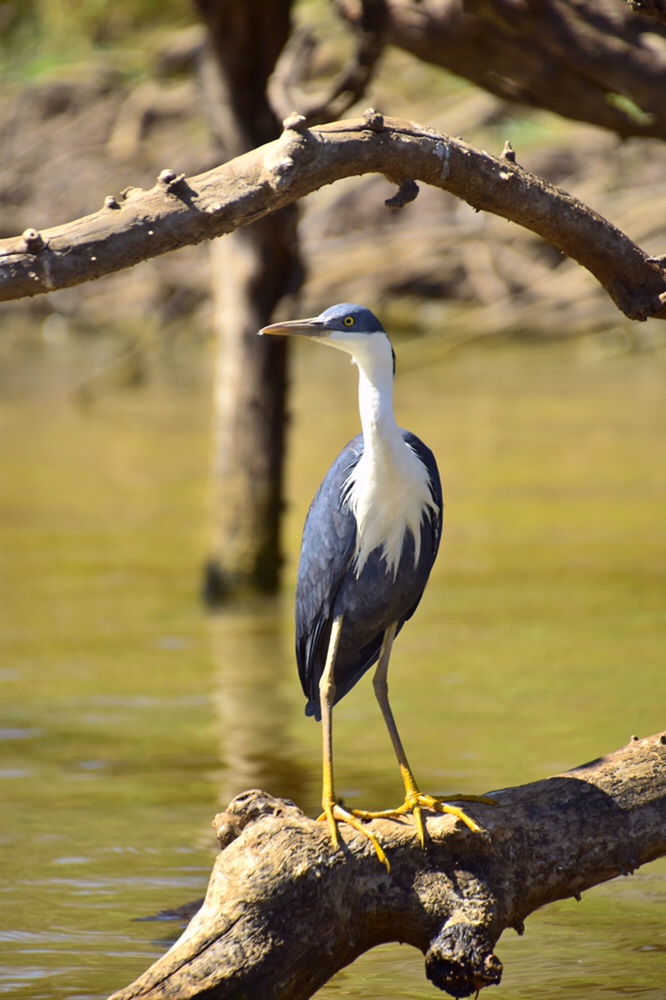
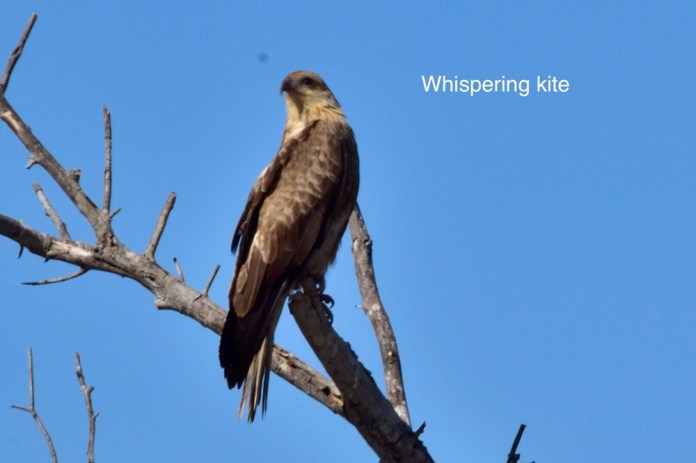
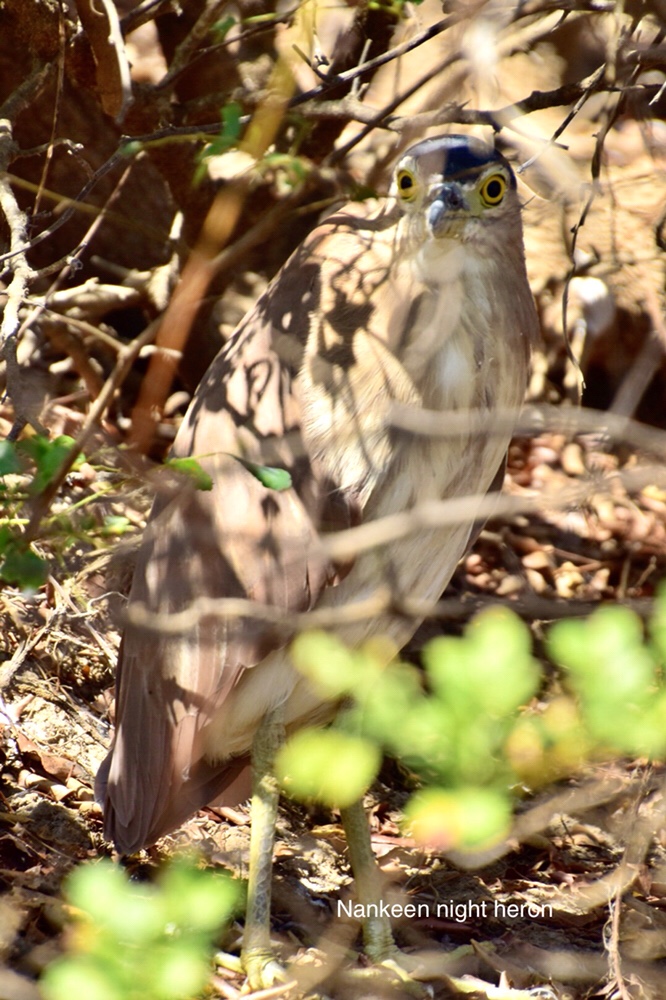
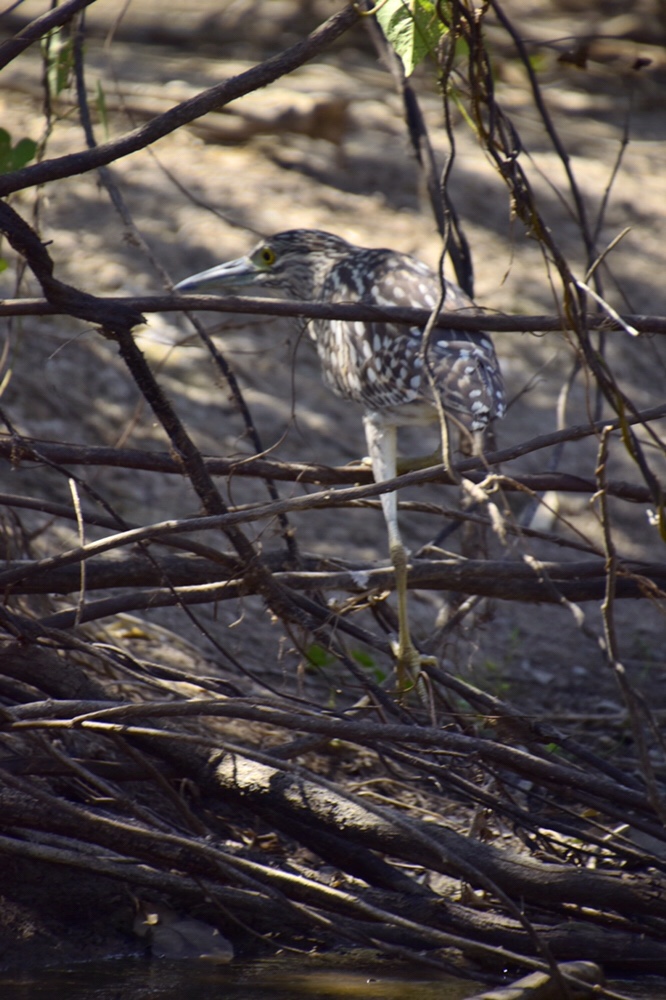
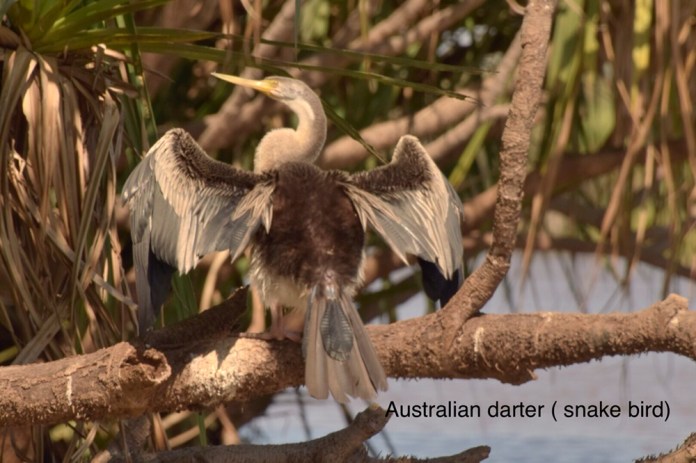
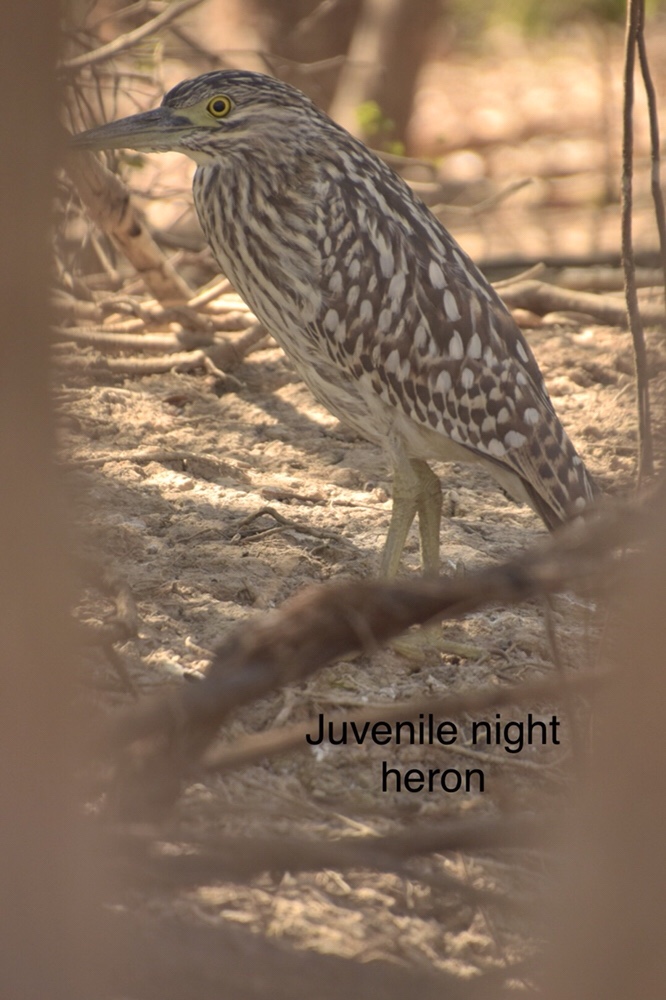
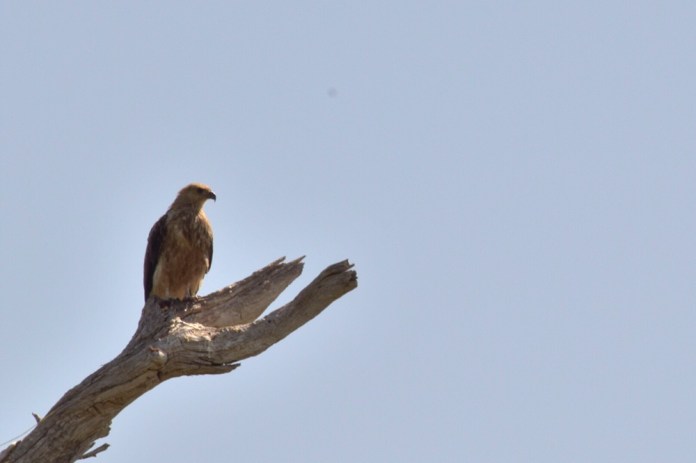
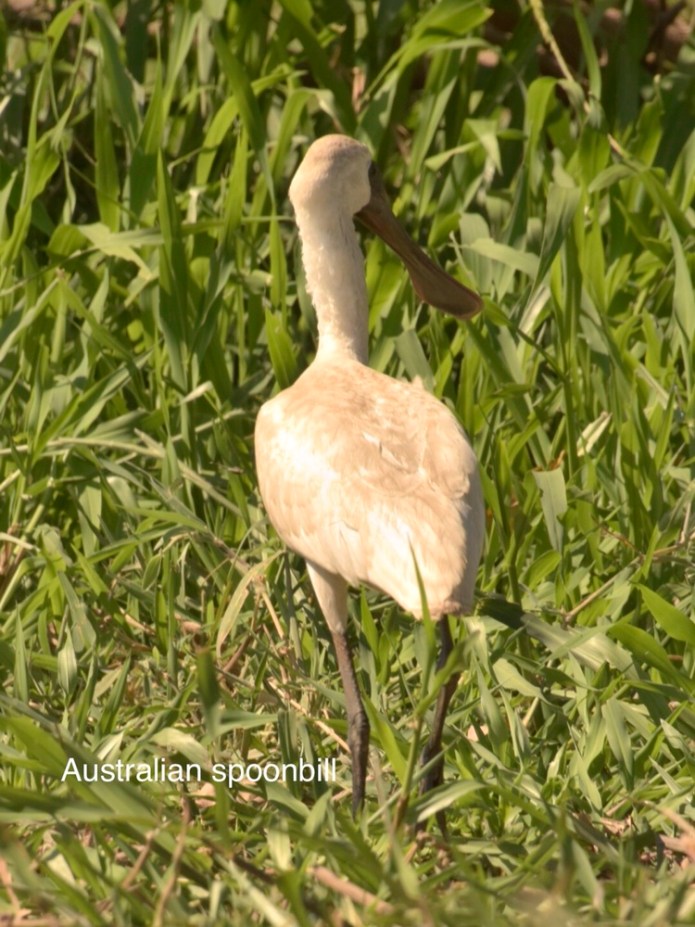
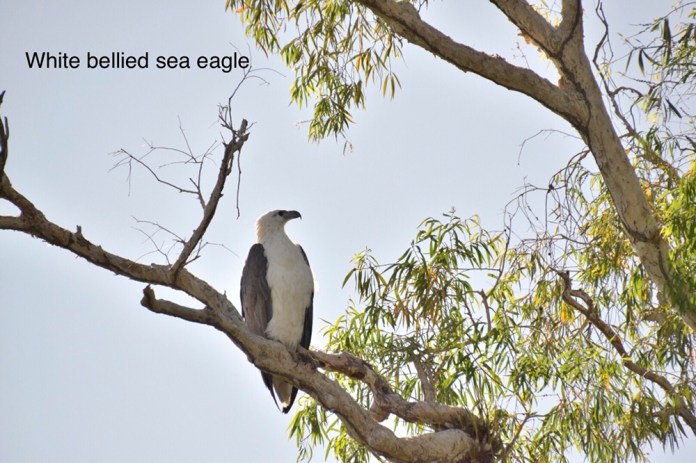
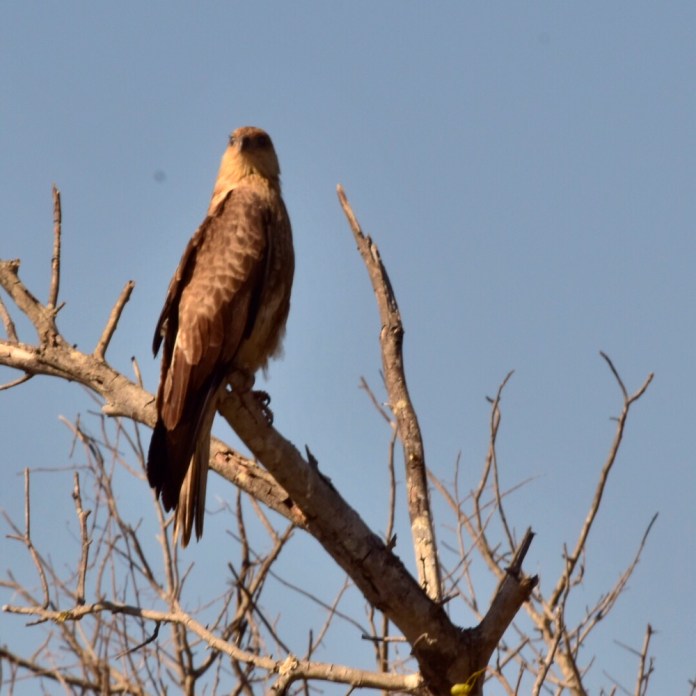
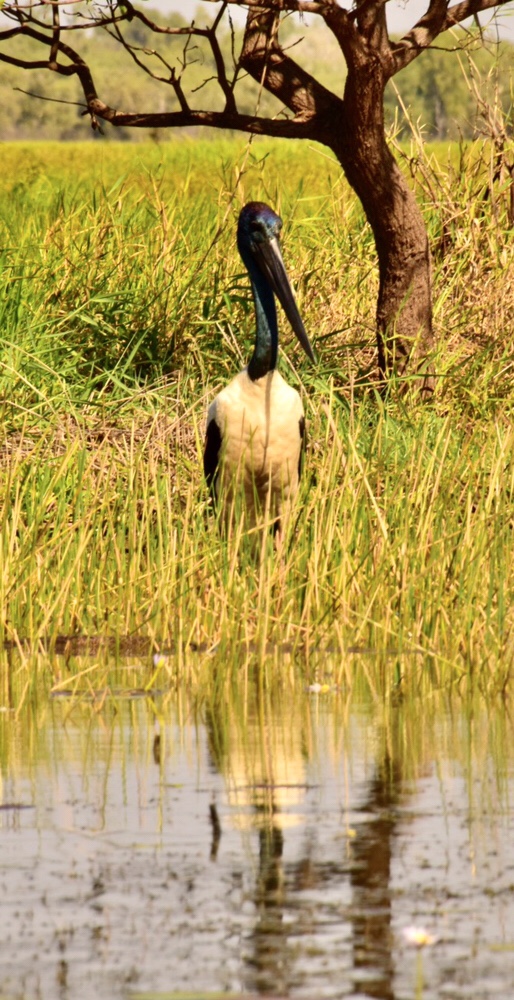
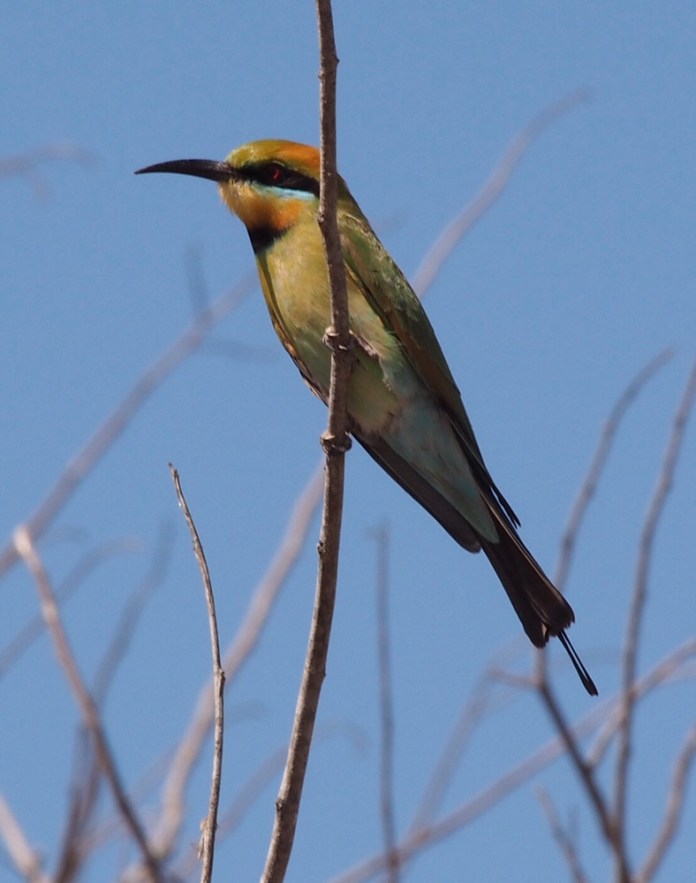
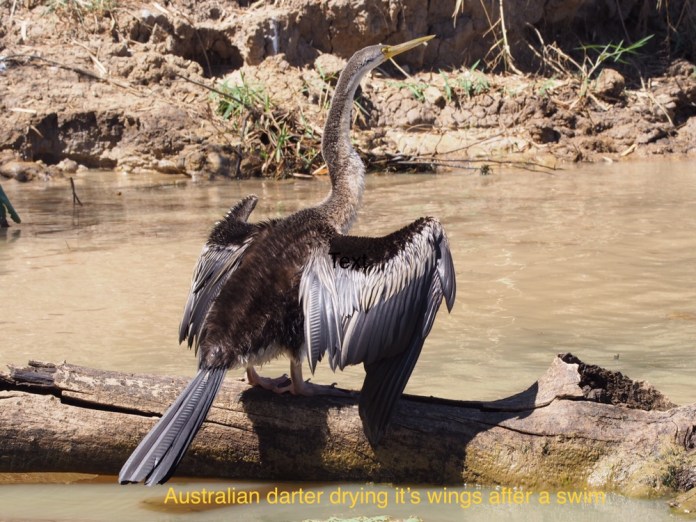
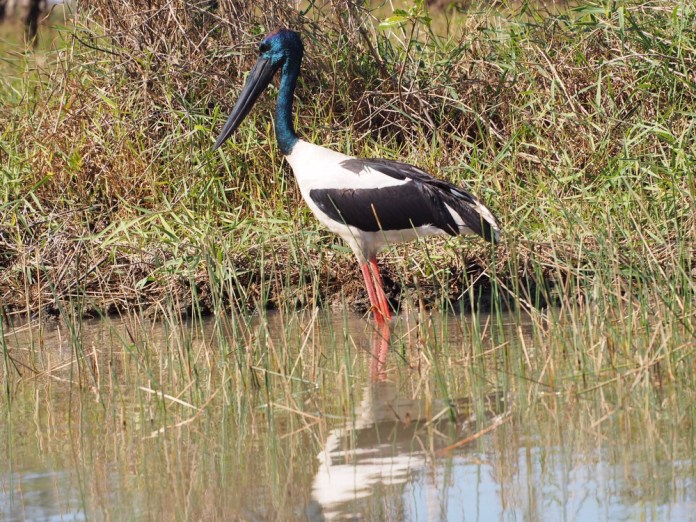
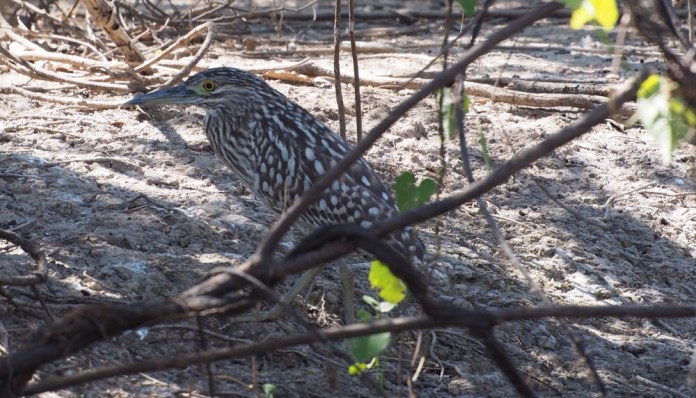
As well as crocodiles, there were lots of birds. And I mean lots. Herons, egrets, Australian darts, spoonbills, sea eagles, night herons, whispering kites, jabiru as well as rainbow bee eaters and azure kingfishers. I had trouble photographing the smaller birds as my lens was not as powerful as Jennifer’s. We heard the breathy calls of the whispering kites. We saw a dogfight between white bellied sea eagles and whispering kites in the airspace above us. The sea eagle can rip the smaller attacking bird in half if it can get the chance. We saw the stately Jabiru, red stalk like legs, purple beak and neck, strutting along the bank. Even the crocodiles avoid messing with a jabiru as it’s long beak can even puncture the tough plating on a crocodiles back. The rainbow bee eaters dig holes in the river bank to nest and in daytime hunt insects over the water. Blue winged kookaburras, build nests in arboreal termite mounds. No one has the faintest idea why this ever arose. The nankeen night heron, sits placidly beneath a shrub; the Buddha of the bush, as it seems to spend the day in silent meditation before its evening spent hunting. 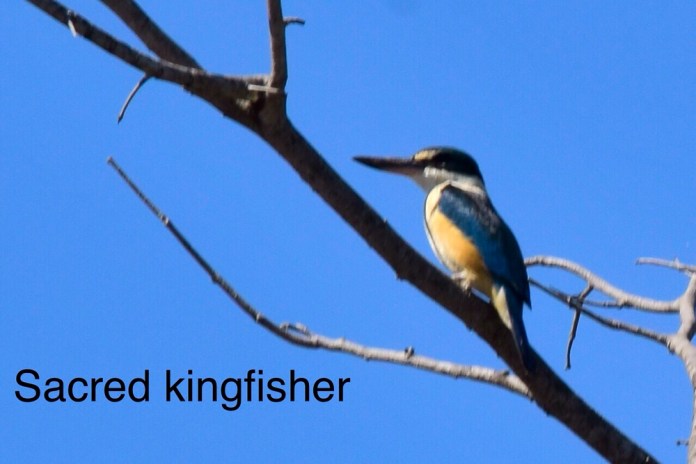
 Around the waterways are many trees and shrubs. The pandanus provides a habitat for baby fish and other animals especially the barramundi. We saw the tree a called ” Leichhardt tree” named after the ill fated German explorer. Paperbarks provide ample vantage points for eagles and kites.
 A very large salty took exception to us being near it and it violently twisted out of the water opening it massive jaws before plunging into the muddy water. It was invisible in moments. Its plating preventing any tell tale ripples disturbing the surface. This same plating is protective armour and the basis of its passive solar heating system as crocodiles rely on external heat. Blood vessels flow beneath the plates allowing blood to convey warmth through the whole of the animals body.


 The time passed too quickly. A wonderful day.
Here are some of Jen’s shots of birds.
AND CROCODILES!






 brucebarker2016