

 It is a beautiful sunny day in Darwin. We have been shopping. Shopping for hiking gear for me, including some long sleeve Craghopper shirts, a new sleeping mat, some washes and antiseptic creams and hand wash. It’s fun shopping for this sort of stuff, I see things I did not realise I actually needed.
Jennifer is talking to Hilary on FaceTime while I am basking in post prandial agreeability.
I have a few spare moments so I had better write down about our splendid trip on the Katherine River.
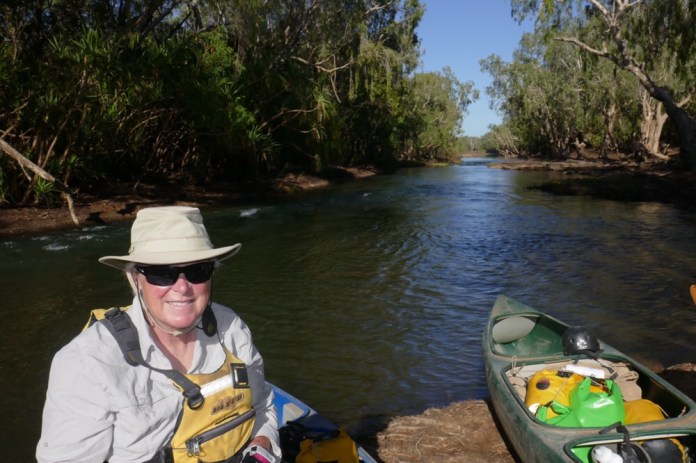
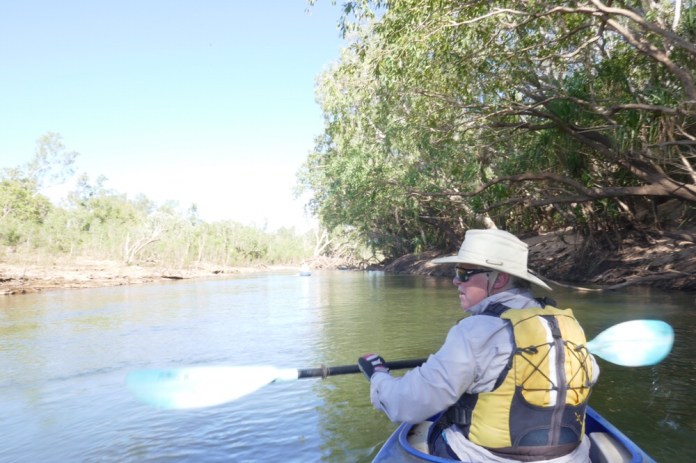
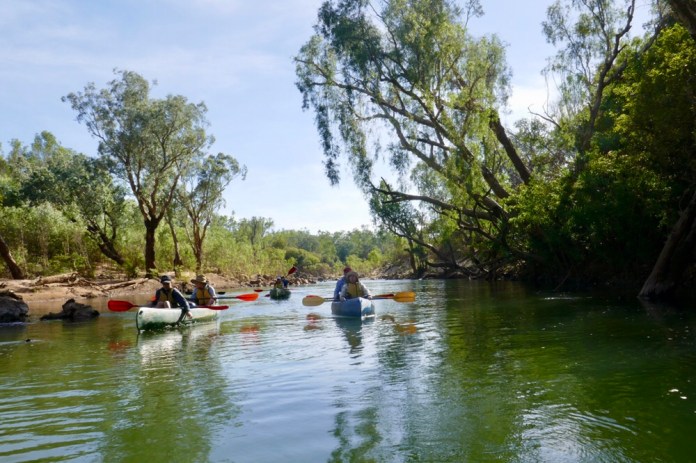
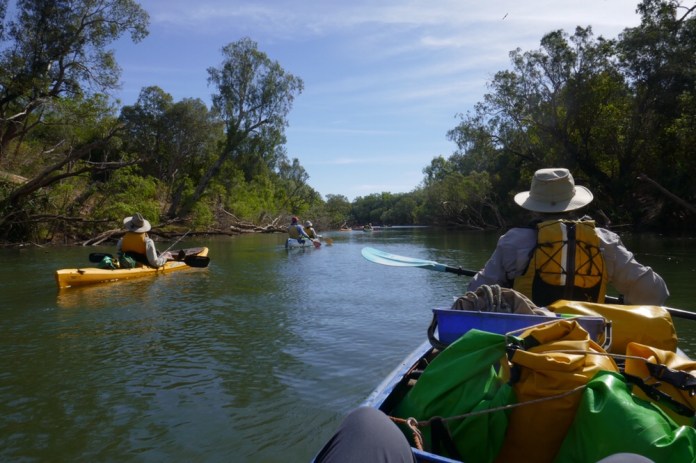
This three day trip is a paddle along some forty kilometres of the Katherine river. We booked through World Expeditions but we actually went with Mick from Gecko canoeing. We got off to a shaky start waiting for pick up. Apparently some issues about WE did not notify them about the pick up. Anyway, Jen sorted out the mess with some frantic phone calls and so soon we were on our way.
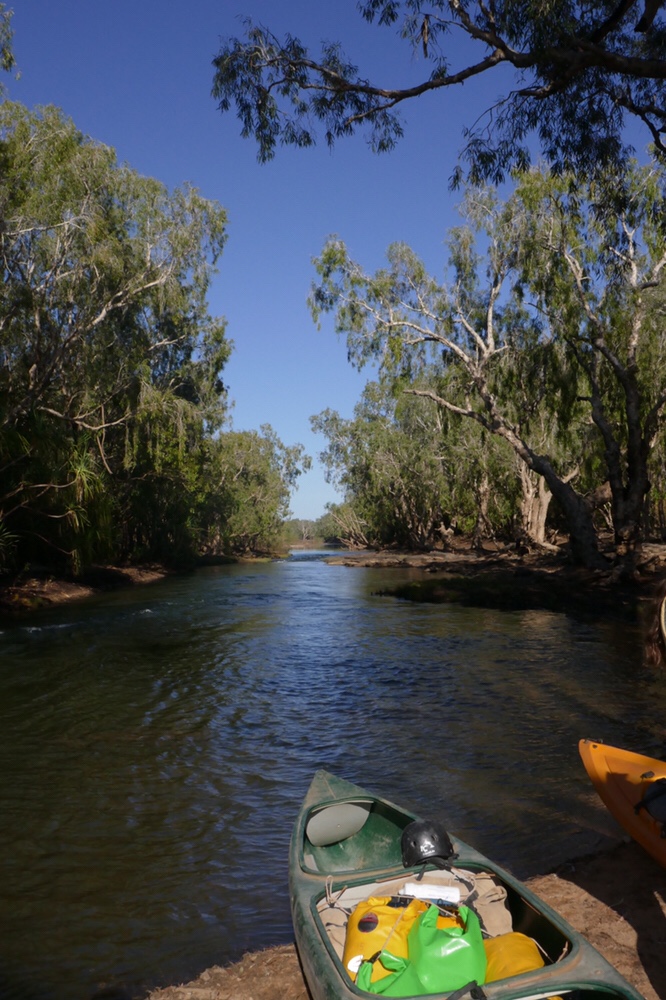
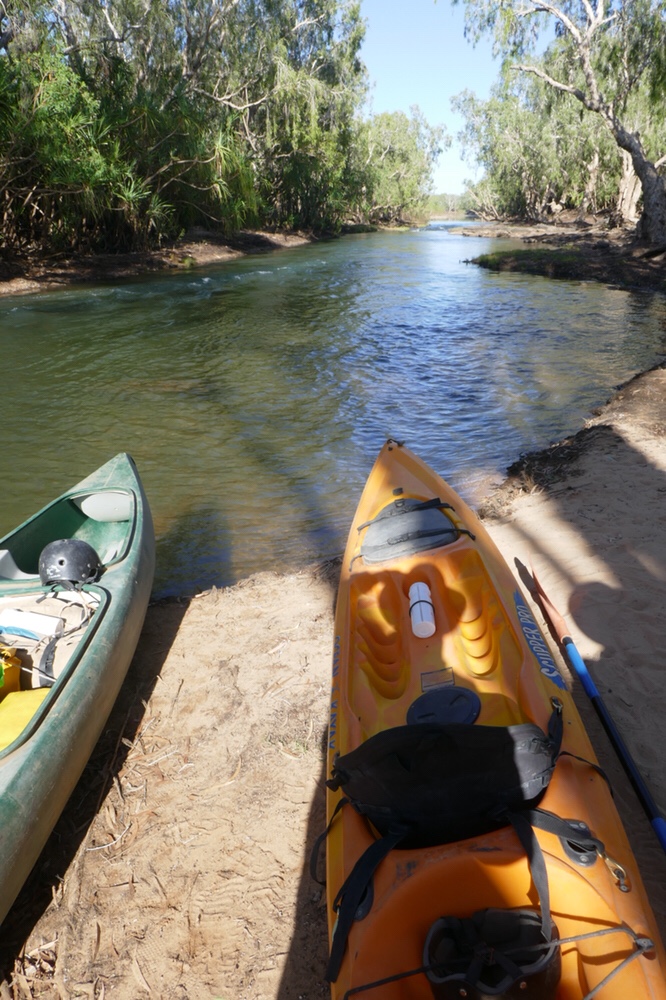
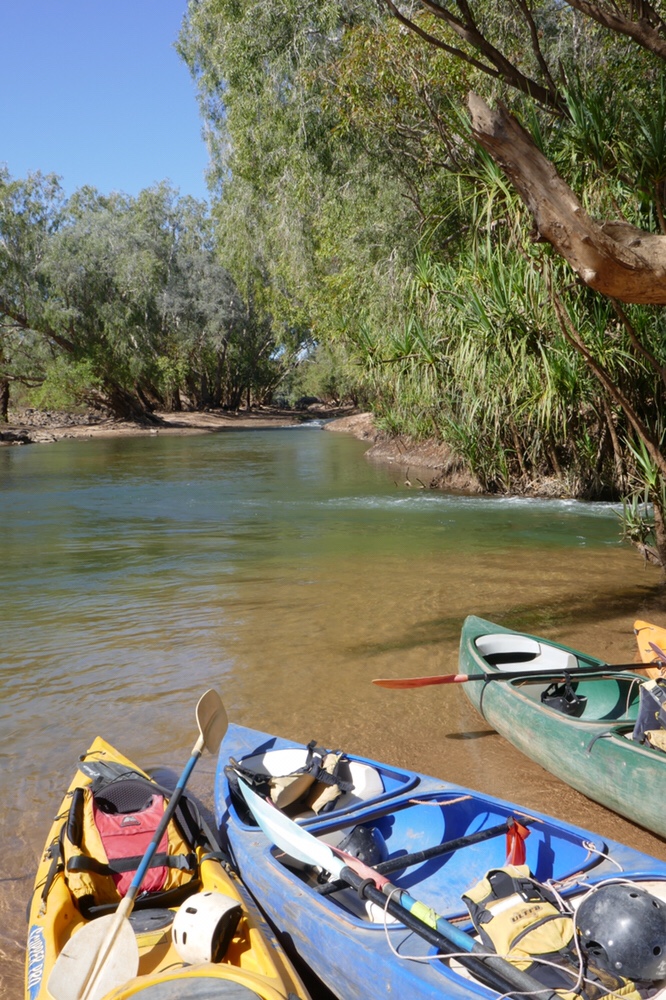
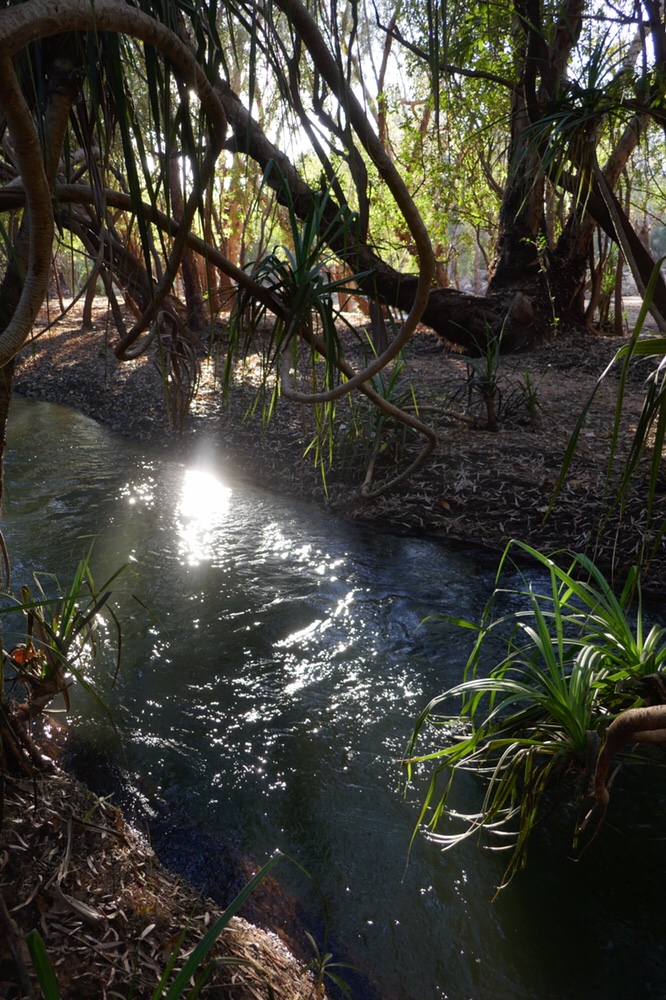
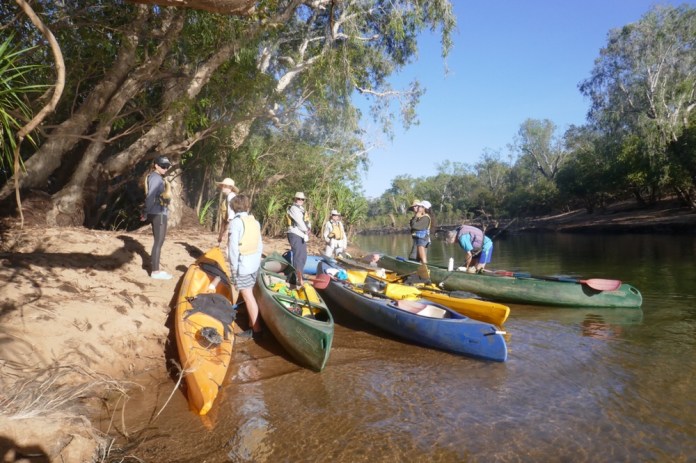
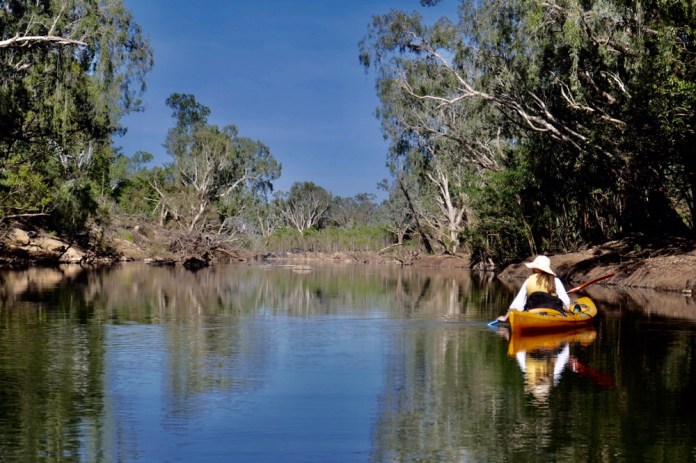
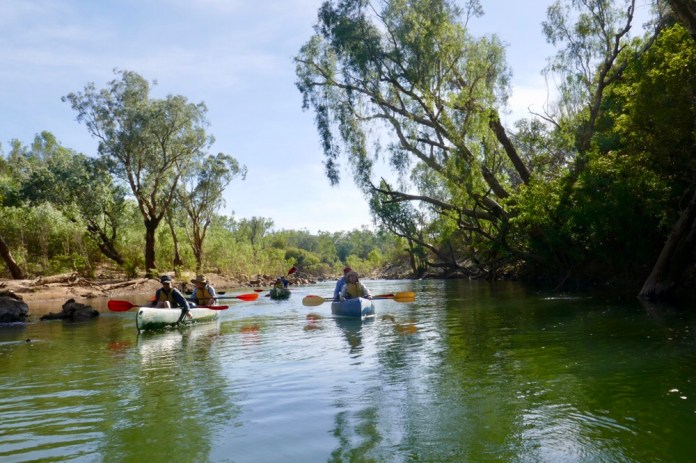
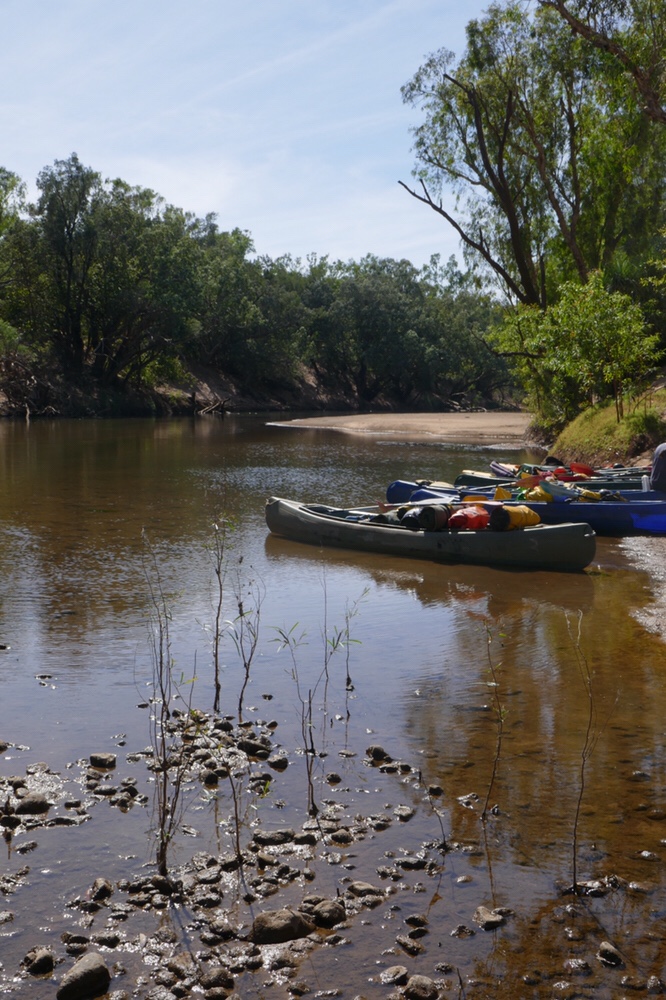
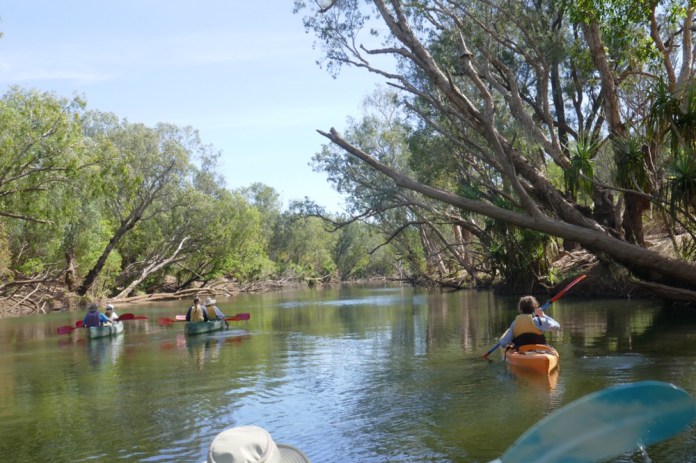
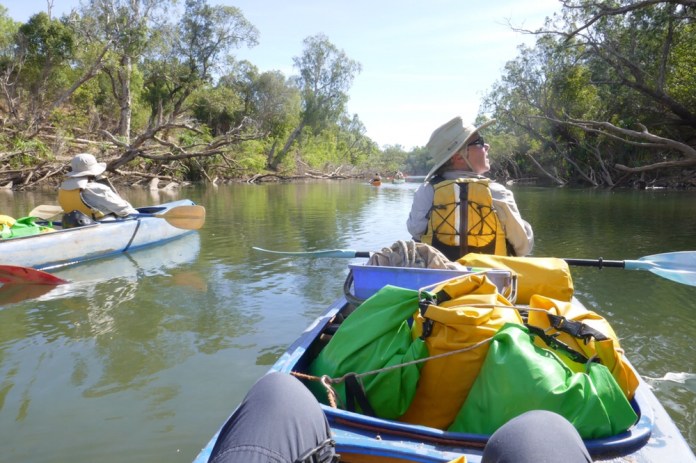
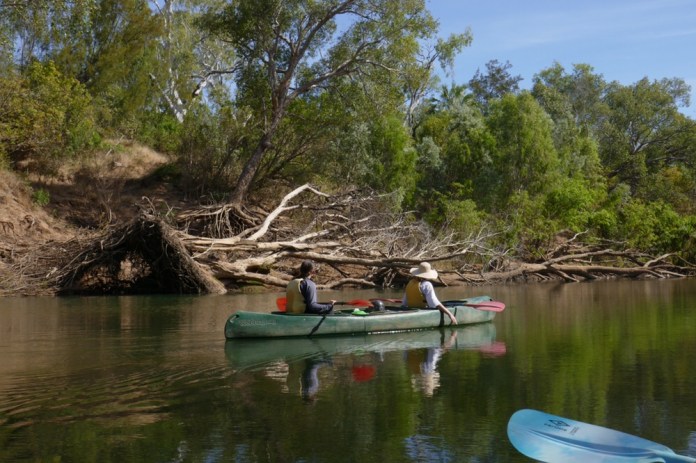
We packed up our gear into dry bags at Gecko canoe’s huge shed, then we all boarded their 4WD bus to be driven to the launch off point. We were on the same trip as a family group, Micks father and his step sister, Travis ( assistant guide) and Mick (chief guide and owner of business). The weather was, and in fact was for the entire trip, simply stunningly beautiful. There was as much sunshine as anyone would want, a clear sky, light cool breezes out of the south east and a river with water so clean our water bottles could be filled anytime we needed by placing it off the side of the canoe and letting it gush in with a satisfying gurgle.
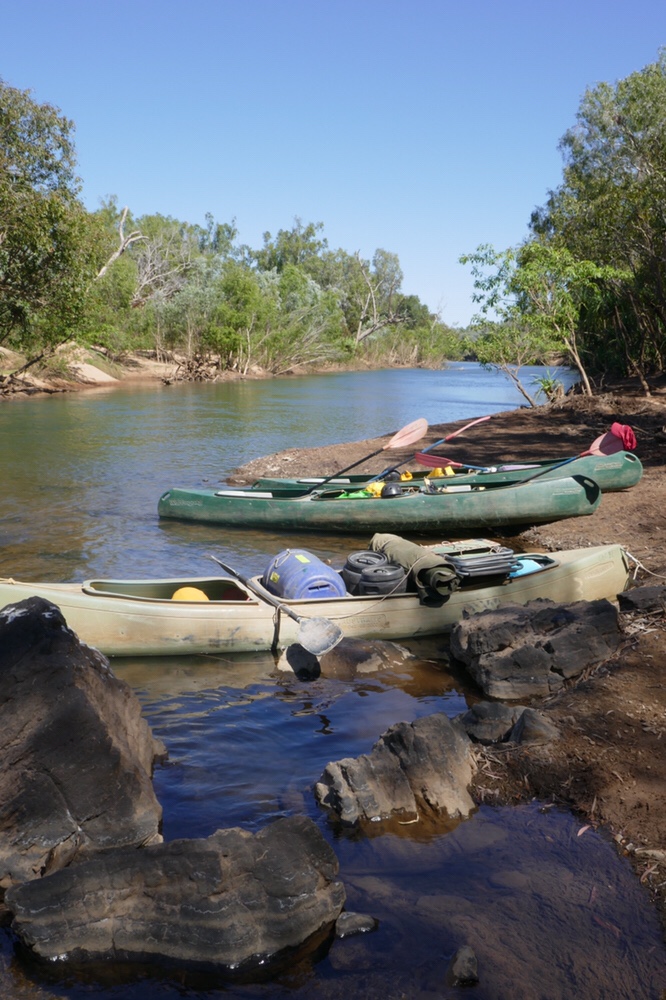
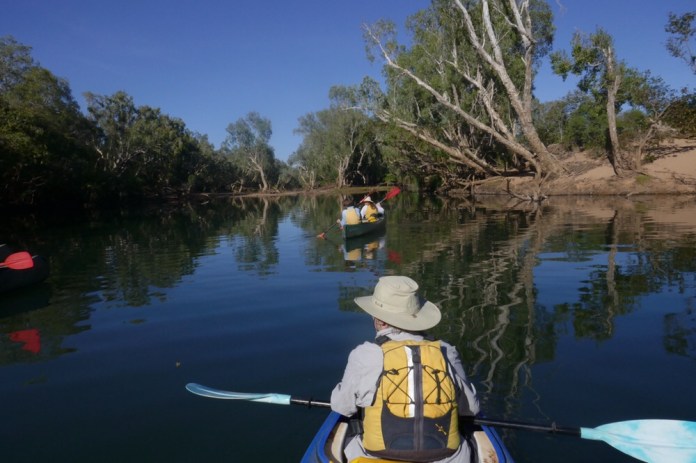
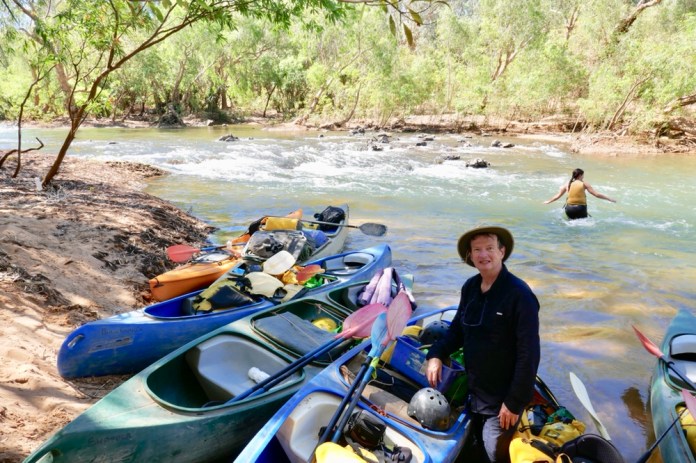
Jennifer and I travelled in a short Canadian style canoe, which has superior manoeuvrability through often narrow rapids but does not track as well as the traditional longer canoes we used in NZ.
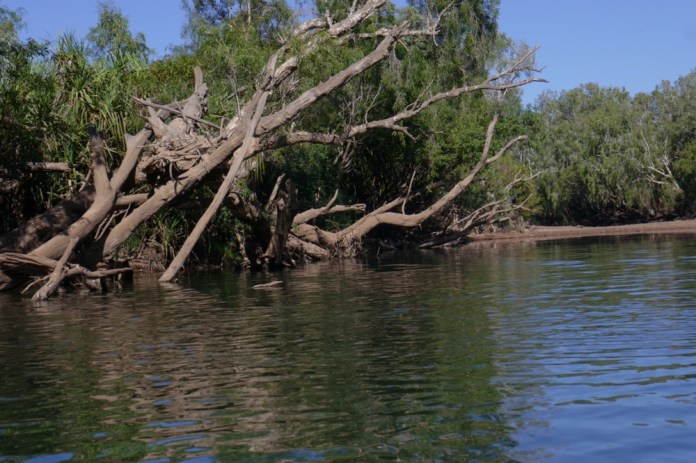
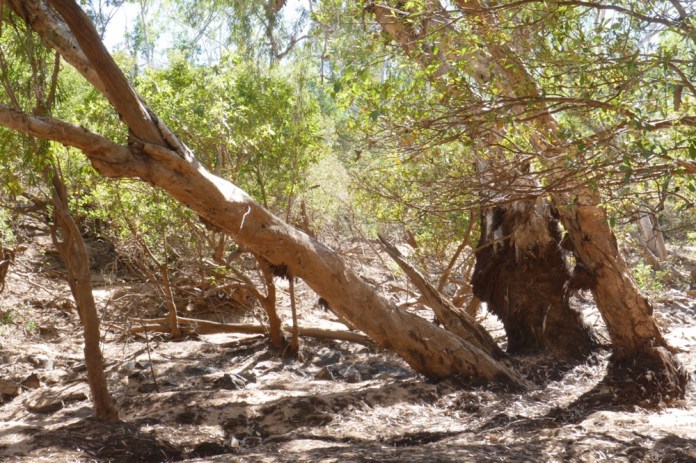
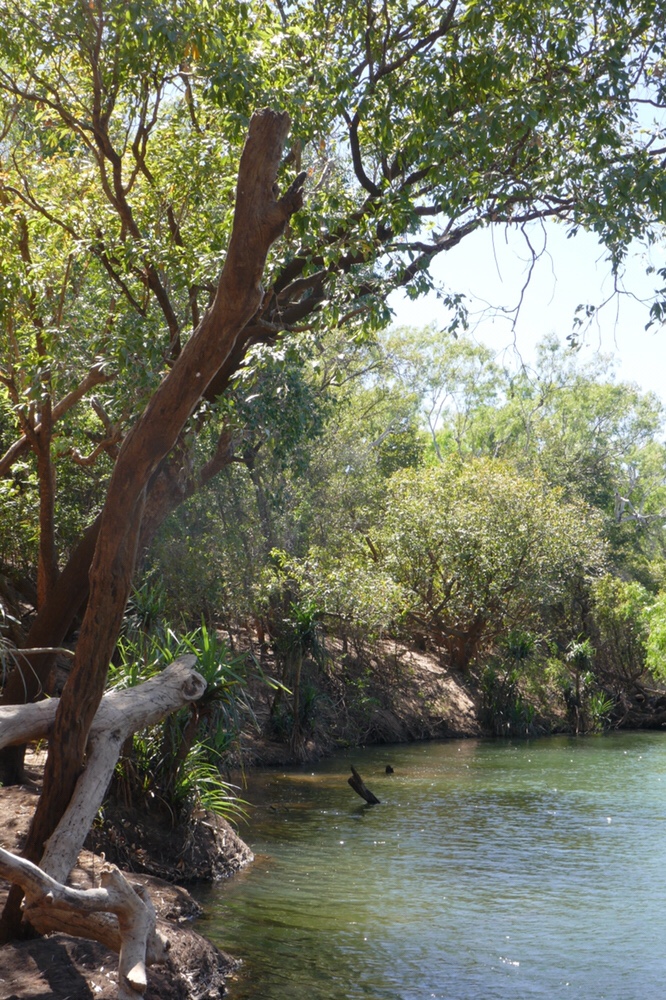
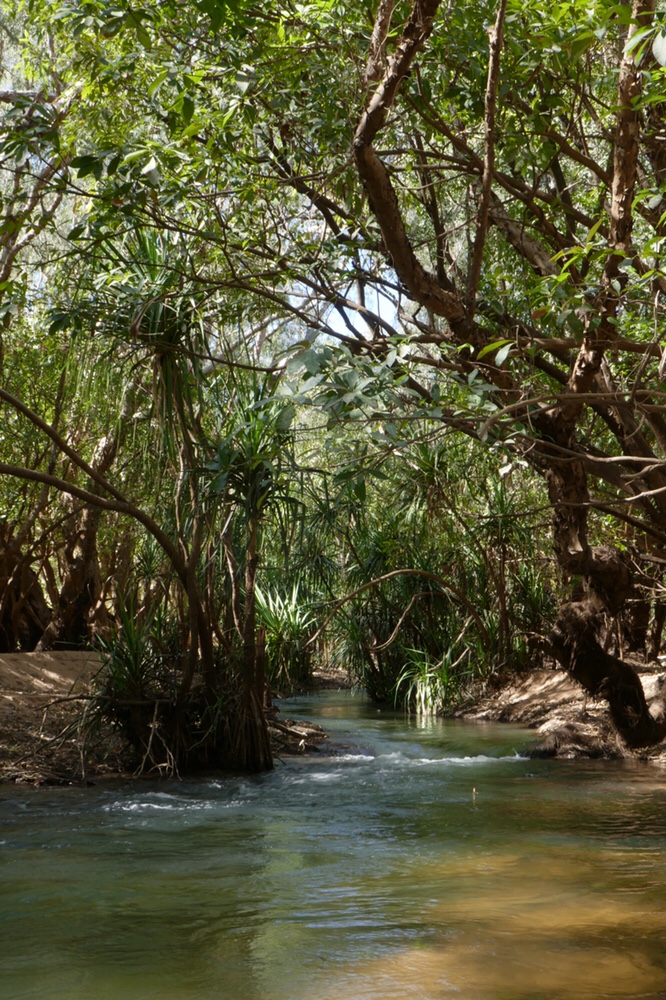
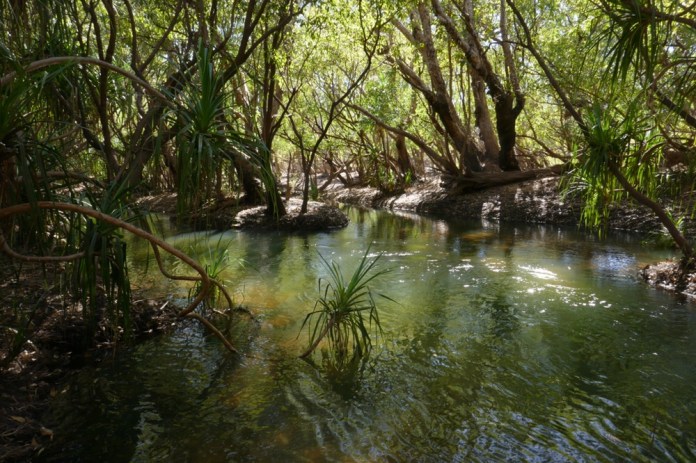
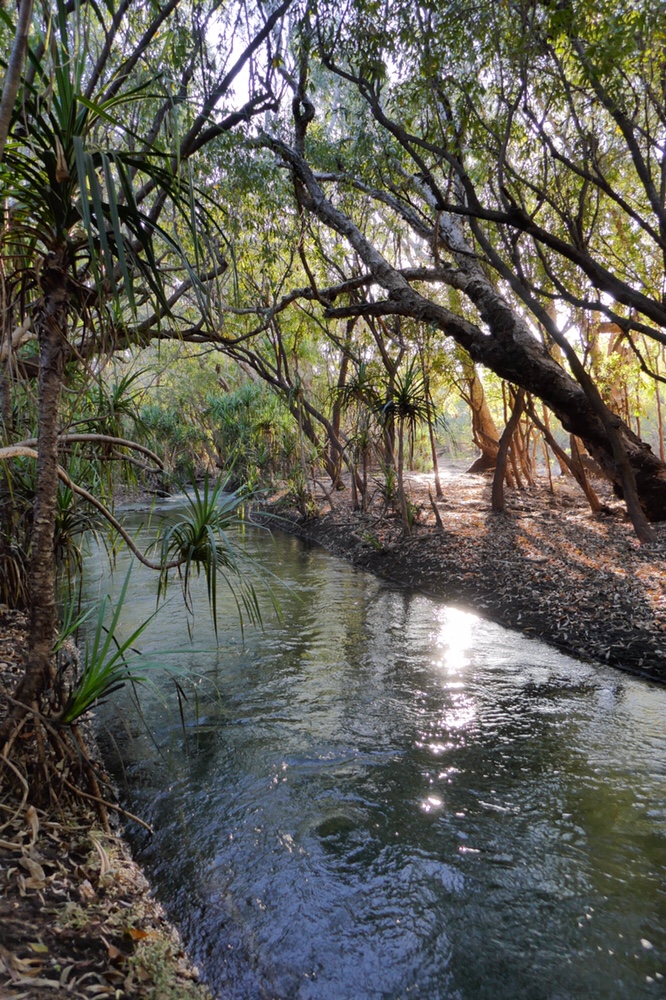
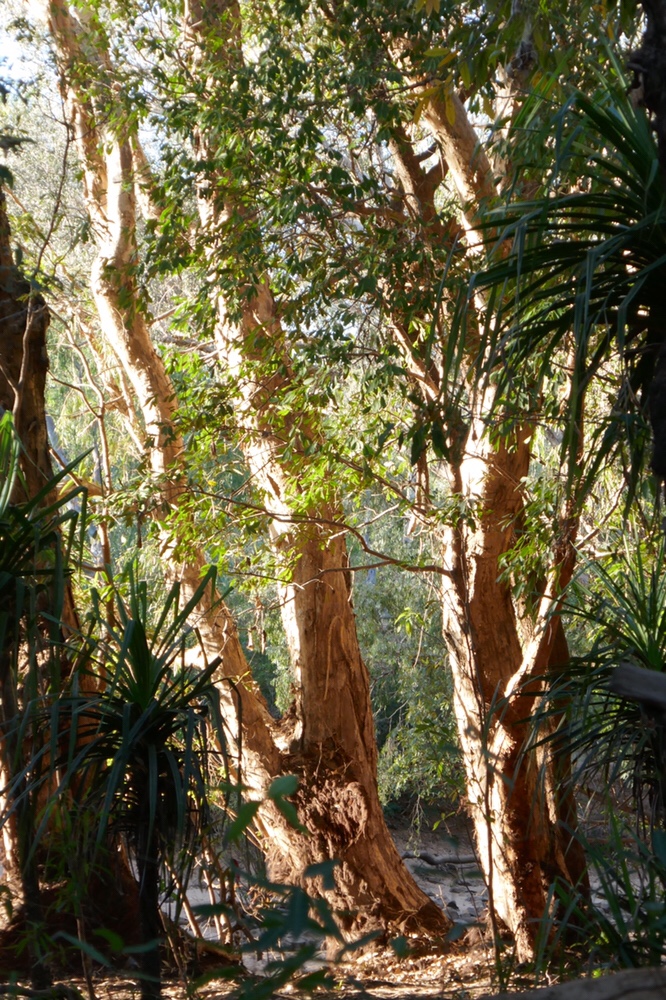
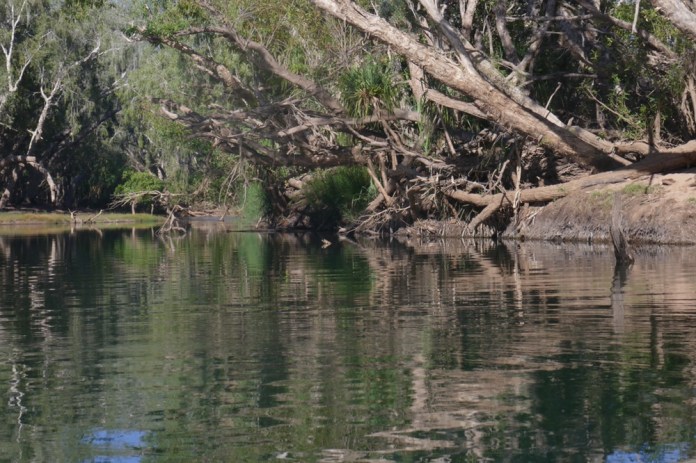
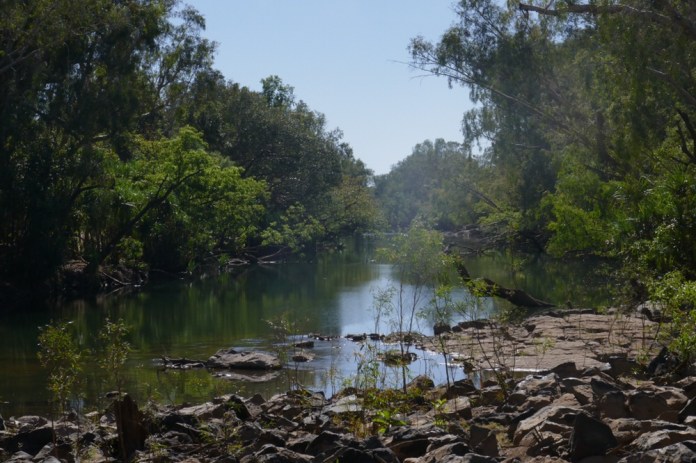
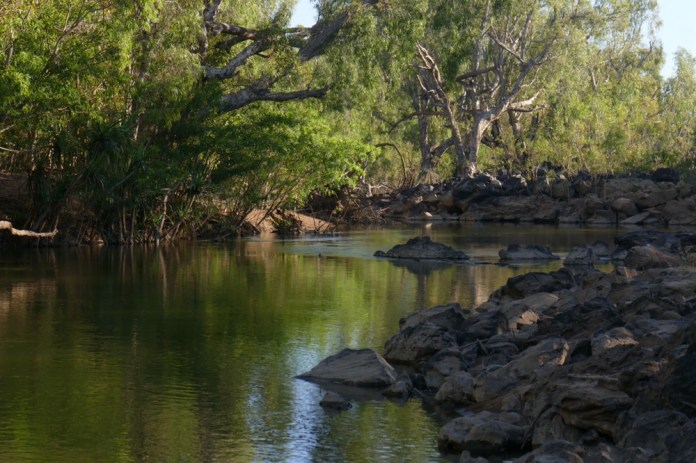
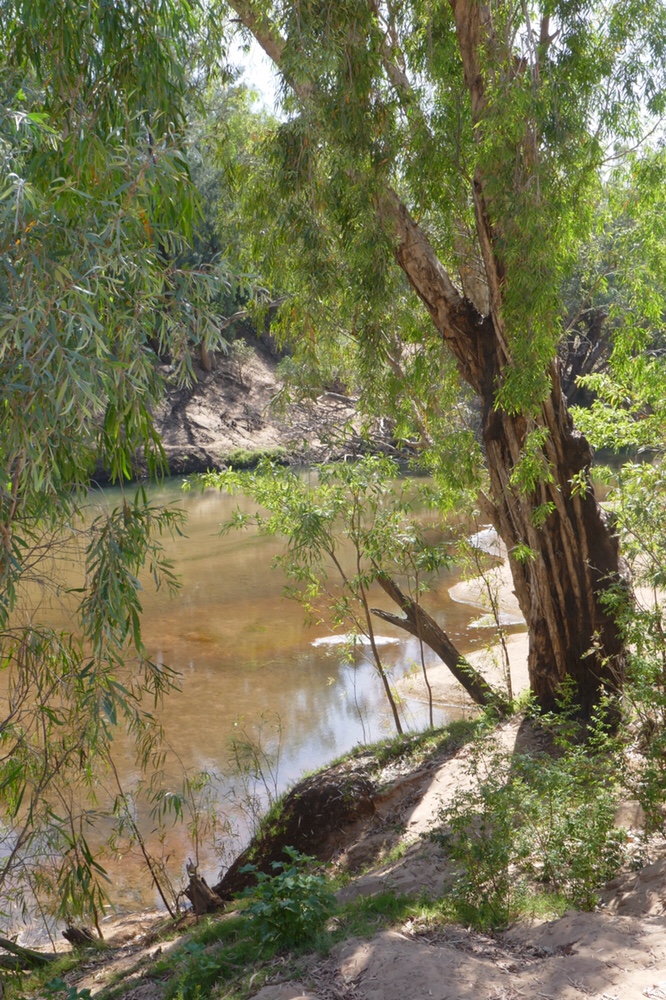
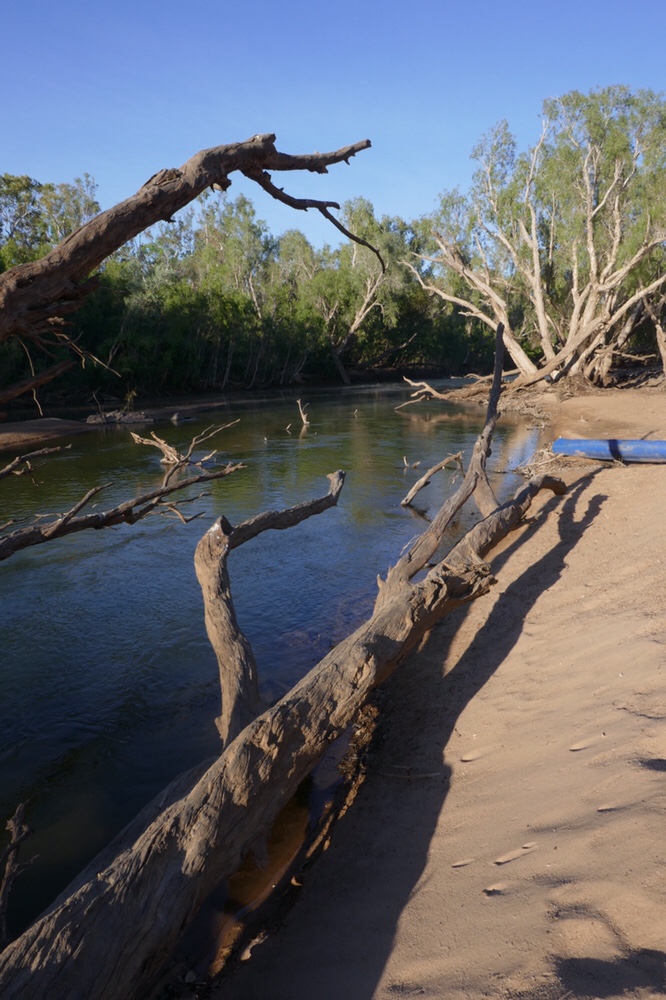
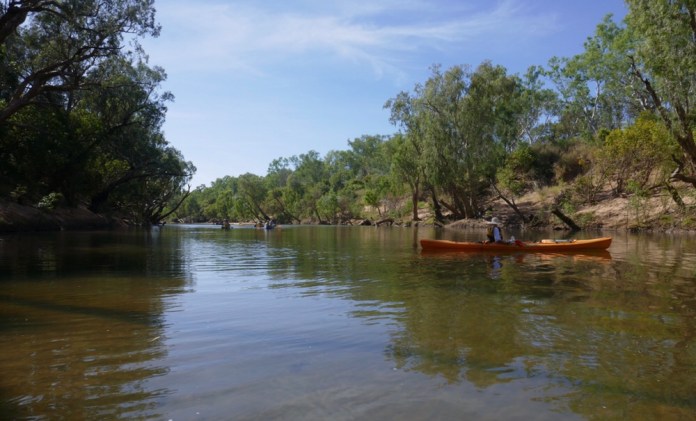
The three day trip was frequently glorious, often exciting and occasionally scary. The beautiful stretches of river with riverine pandanus draped on the banks, and graceful paperbacks and branches arching over the river. There are silver paperbarks with shiny olive green leaves, river paperbarks, Lily Pily trees with their thick green foliage. On the larger red gums which are more common down stream, are ” feathers”, black and grey enveloping the lower trunk. In fact they are not feathers despite their appearance, they are actually roots. In the wet season the river rises over fifteen meters, immersing the trees. These roots draw water and nutrients from the flowing water. Looking high above us, branches broken in the summer floods are lodged in the topmost of trees, very far above the ground.
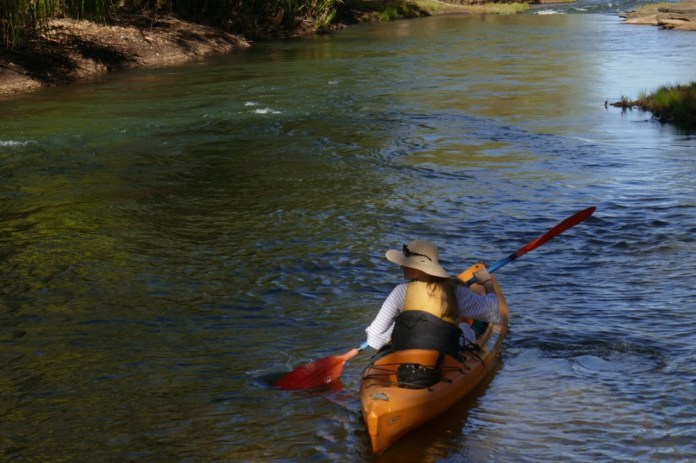
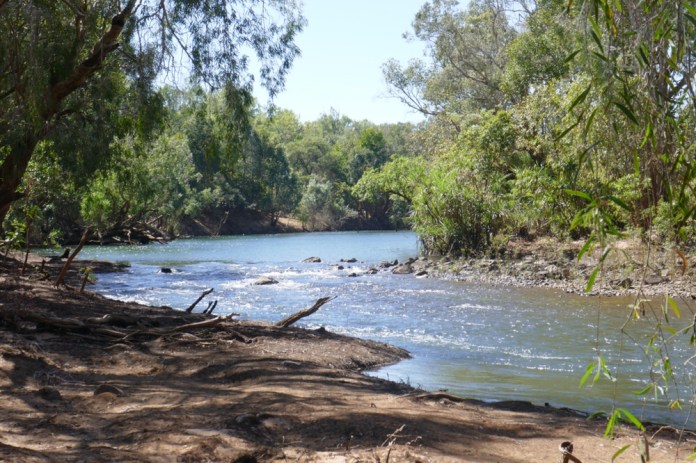
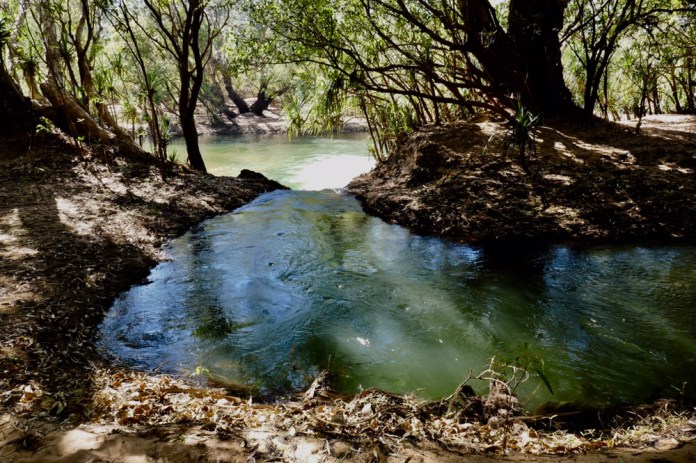
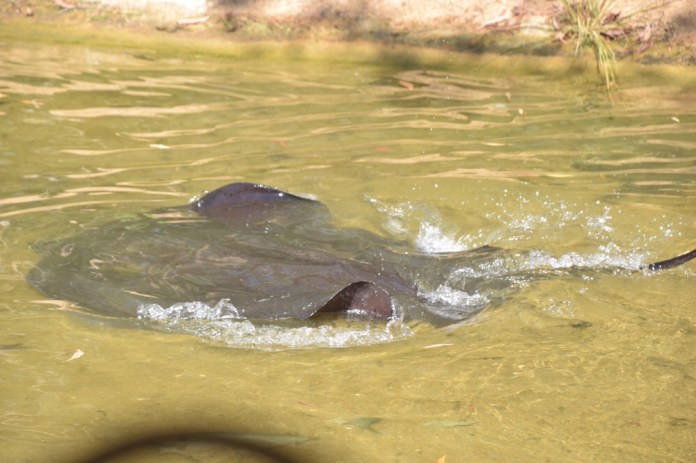
The water now is not summer turbid but crystal clear, it’s fish and turtles and if lucky, occasional sting rays can be seen gliding through the faintly green tinted liquid. The river can be deep and can then be very shallow especially over the sandbanks inhabiting midstream. A few times I had to clamber out and let the canoe float up; now I could propel the boat along till I could climb back in, bum first, wet shoes splashing in sand and water, and paddle off again.
The rapids are grade 1. Well that does not seem much but it’s more than high enough for Jennifer and I to provide rescue experience for Mick and Travis. At one point, Jennifer had the option to abandon ship and Mick offered to get in the canoe. Well…..I steered the canoe pretty well until there was a rock. I could not decide whether to go right or left. I was still puzzling which was the best option when we hit the rock. Mick was a bit flabbergasted. Anyway, he pushed us off and I chugged along backwards down stream with Jennifer madly photographing my debacle. This scored an honourable mention!
I must admit some rapids went pretty well, and we shot through, on the right line, turned at the correct time, in the correct fashion. A real buzz. Other times we achieved the impossible, broaching on a submerged log and being super stuck until Travis waded in and pushed us off. Jennifer hitting a tree with her head and me hitting my knee (on the same tree) as we ricocheted through a narrow canyon. Our main problem was slewing the canoe. The turn was fine but the stern splayed off line, hitting the banks, rocks, other boats and Mick as well.
Mick thinks it is due to over steering. In any case, canoeing is a great deal harder than it looks!
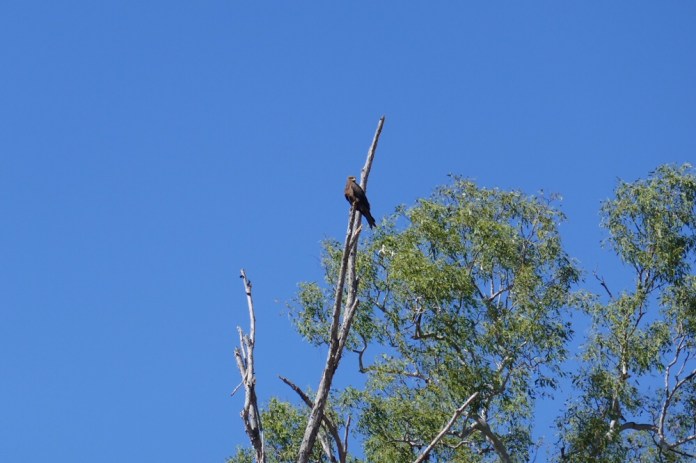
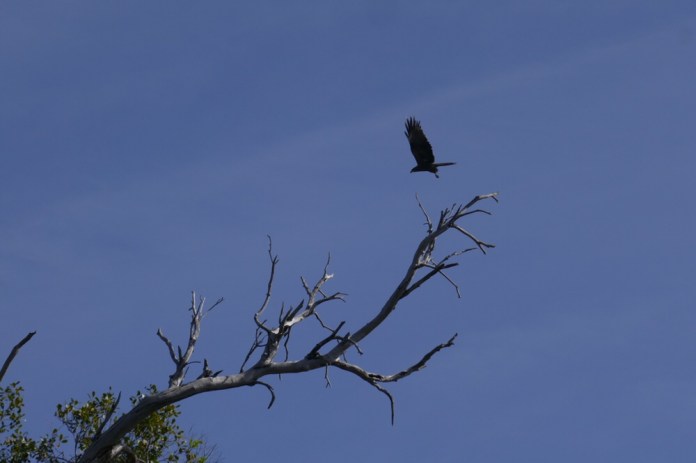
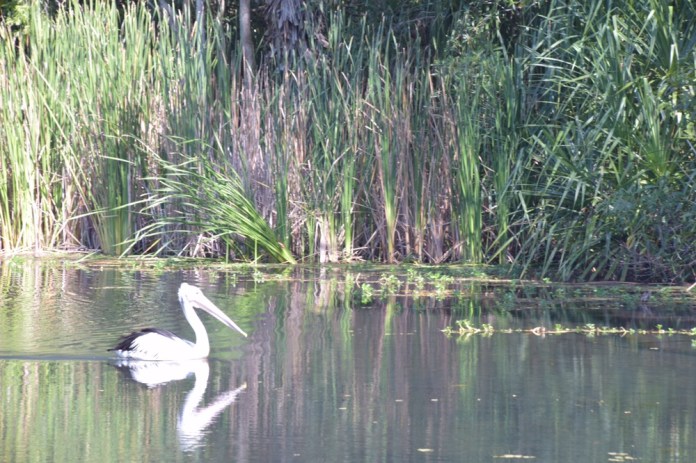
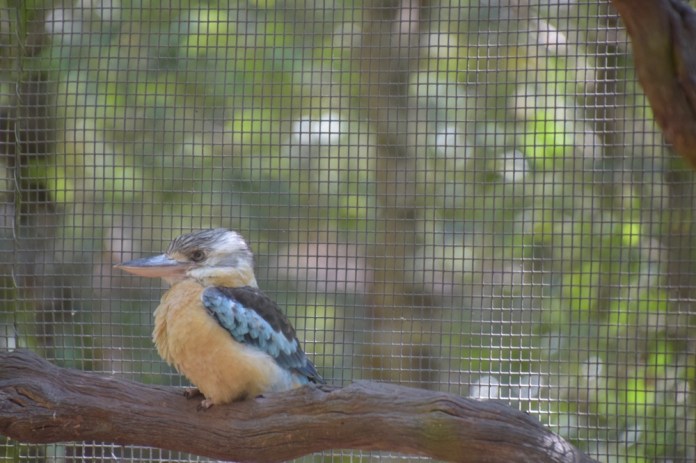
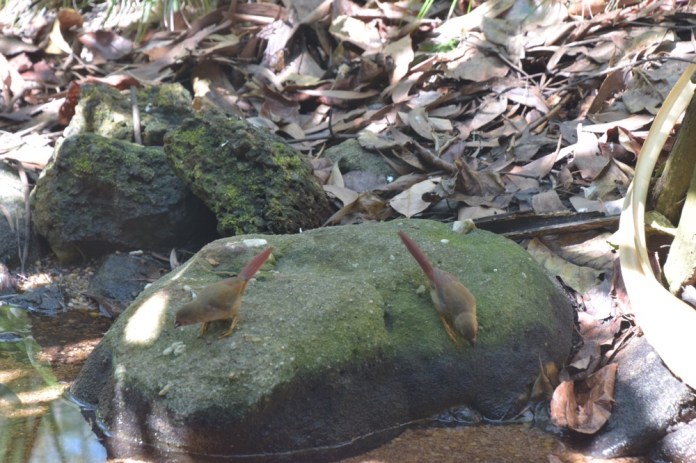
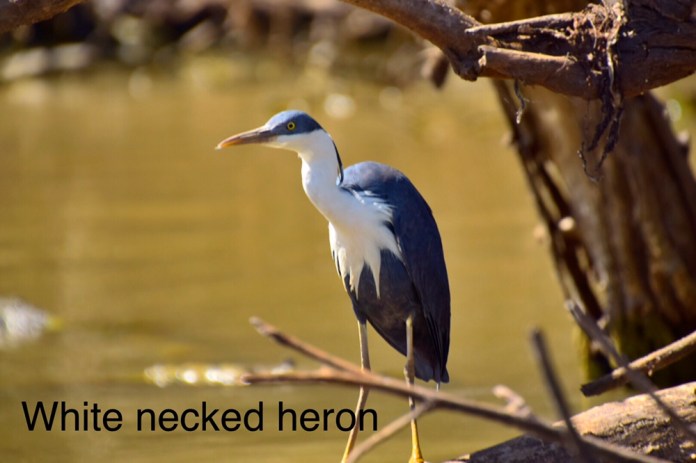
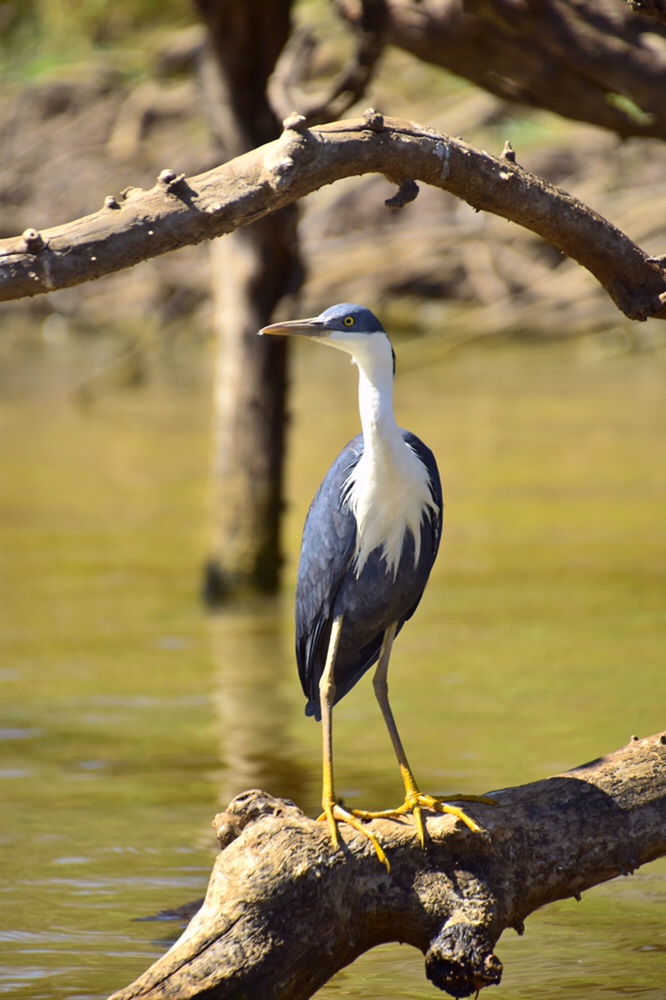
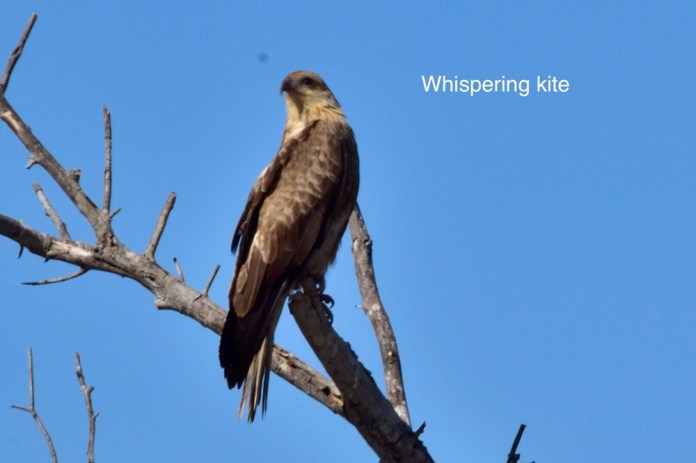
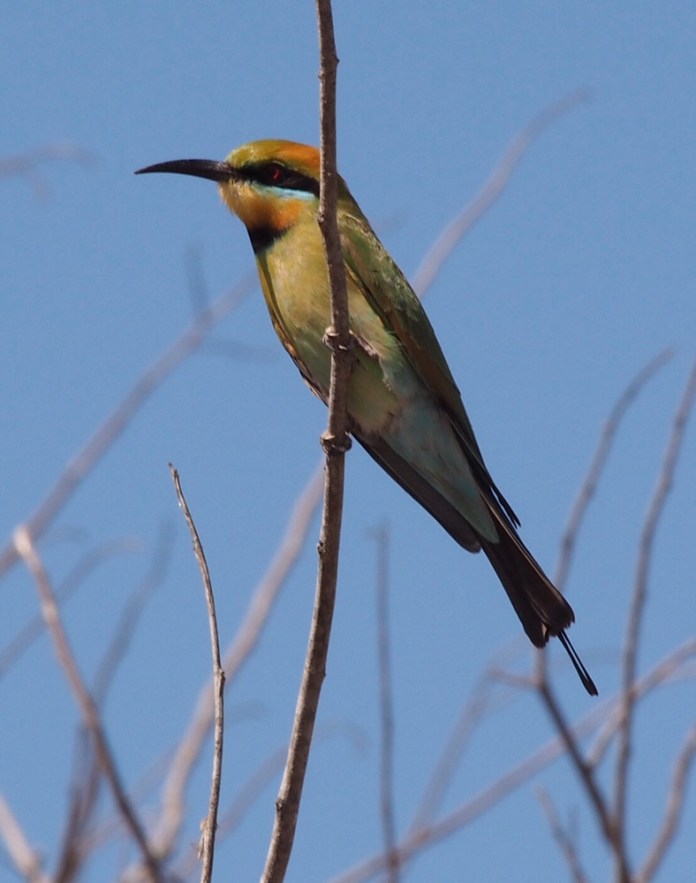
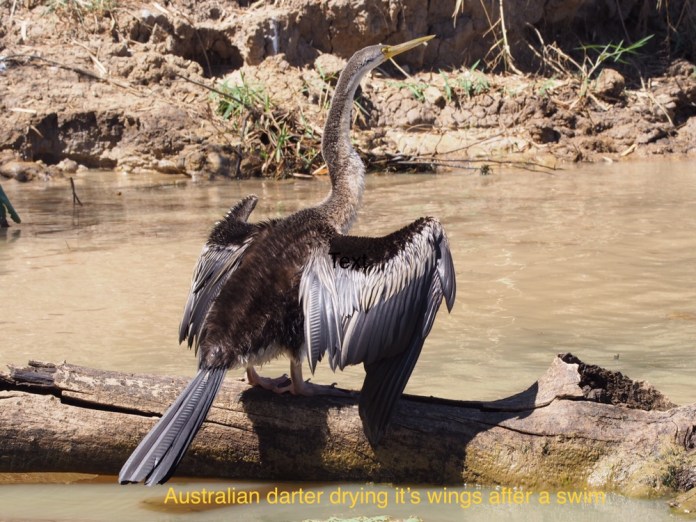
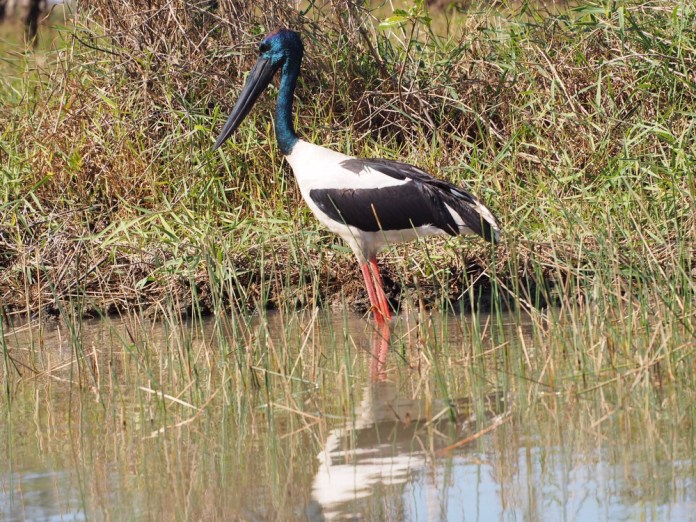
As well as the adrenaline of the rapids there are long stretches of gentle paddling with trees and riverbanks filled with bird life. We saw many birds, including; cockatiels, the brightly coloured rainbow bee eaters striking their insect prey against tree branches, great billed herons lofting out of trees with majestic sweeps of their grey wings, azure kingfishers darting over the water grabbing humming dragonflies, black kites wheeling in the sky to alight on the utter topmost of bare branches to study the river flowing beneath them. There are blue winged kookaburras calling out as they sweep from bank to bank disappearing in the foliage. Graceful White faced herons glide down the river, and so many other birds flying, above and around us. What’s delight!
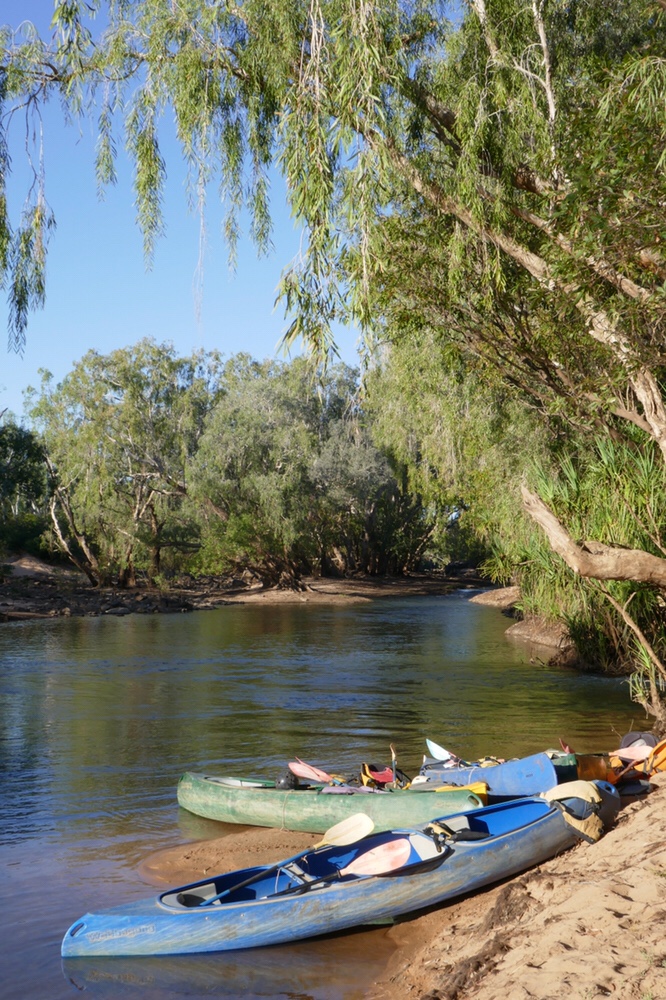
We drew up to the sandy banks for lunch, morning teas and dinner. We camped on the river banks, on soft sand. While we set up our campsites, Mick and Travis prepared terrific meals. We laid out a ground mat on the sand then rolled out the swags and sleeping bags.
Dinner was slow cooked in a camp oven. Coals from the campfire were laid using the shovel onto the ovens. Barramundi, Russian beef, vegetables. Yummy. Tablecloths, candles, and relaxing conversation and of course the superbly cooked meals made for very pleasant evenings.
Close your eyes, and after a count of fifteen, look up. Wow, stars galore. The sky was festooned with stars. Jupiter and Venus shining brightly, the former near the zenith and Venus to the west. At two am, during a toilet break, Mars had well and truly replaced Jupiter at the Zenith, the war god’s planet bright orange light outdoing all the other lights in the sky.
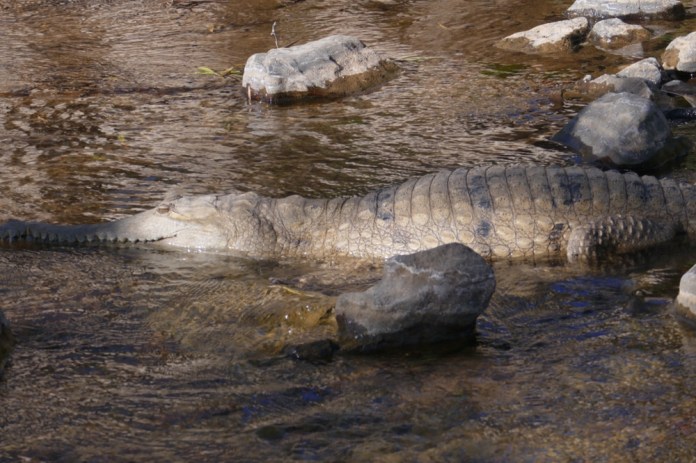
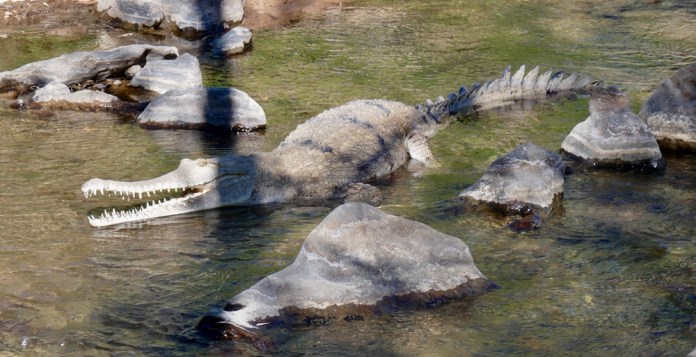
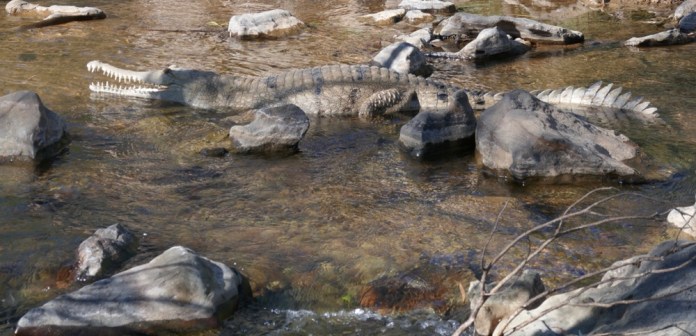
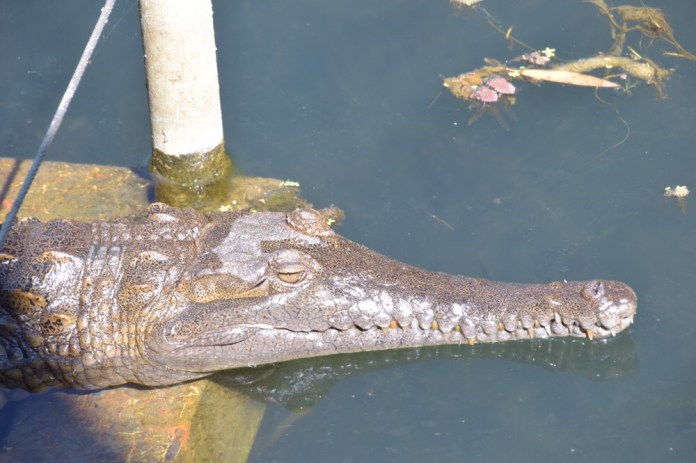
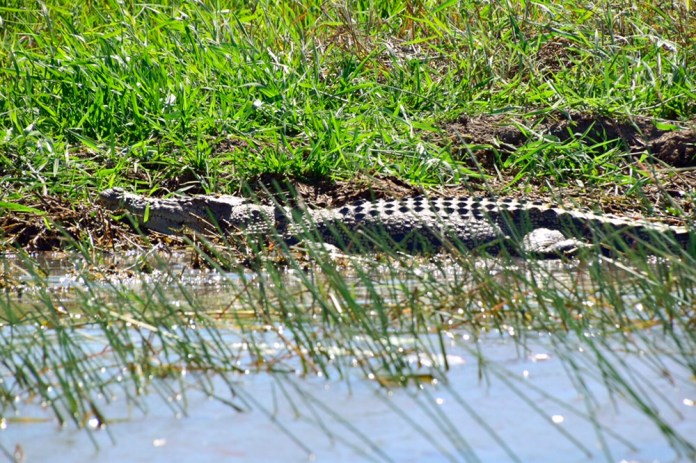
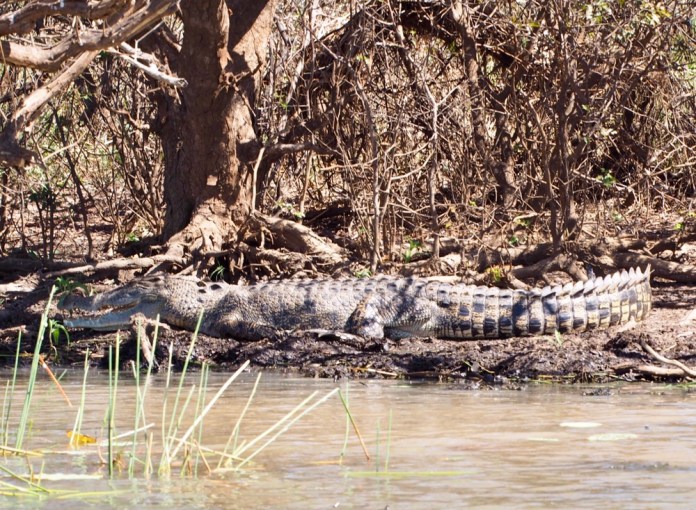
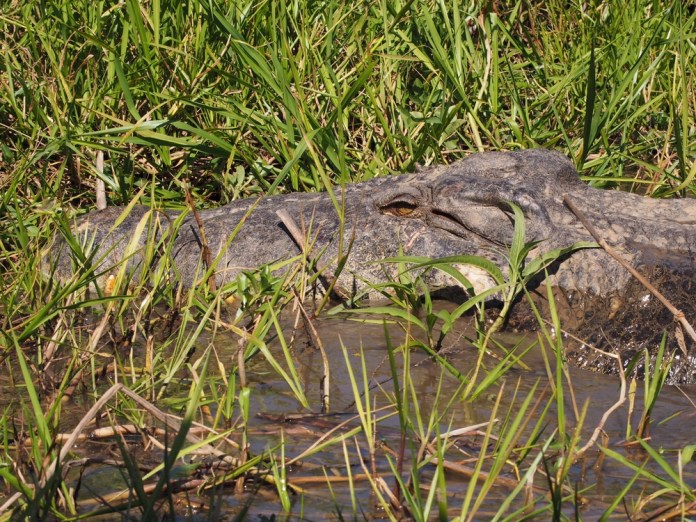
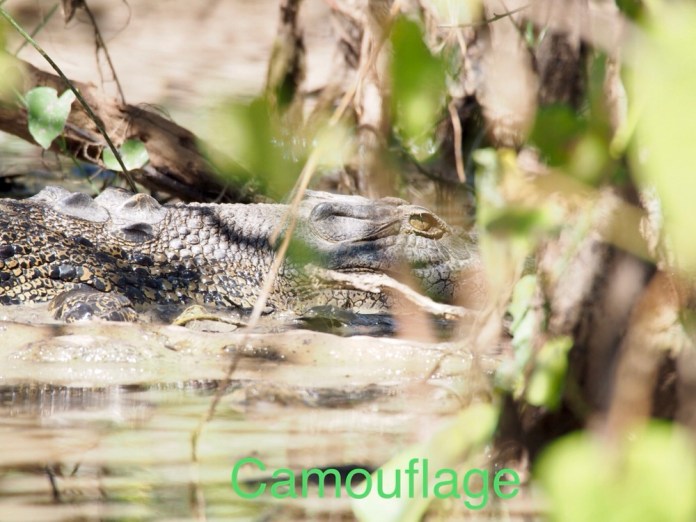
In the river forest, out of the dark, we could hear the calls of Blue winged kookaburras, of owls, micro bats, and other animals. I watched over the water, wondering I would see the eyes of a crocodile. But Mick had chosen well, and I never saw a saltie, slang for a salt water crocodile. We did see a few fresh water crocodiles, one was basking, warming up near our second campsite.
Why does the river flow all year round? It has not rained here for a few months and yet still it’s navigable throughout its length. In Summer, monsoonal rain fills the watershed of the Katherine River, its Gorge, its valleys and all the feeding creeks and smaller watercourses, to overflowing! In winter, the skies are cloud free and no rain is in the offing for many months. There are several prolific natural Springs which supply our river with the water we need. The water is pleasantly warm due to sunlight and due to subterranean heating of the spring water. The water is bubbling along between a hundred to ten thousand years under the ground depending on which sandstone aquifer is discussed.
The trip was well worth doing, the peace and beauty of the river is impossible to beat and the guiding by Mick, with his abundant knowledge of the river and its inhabitants was first rate.










 great
great












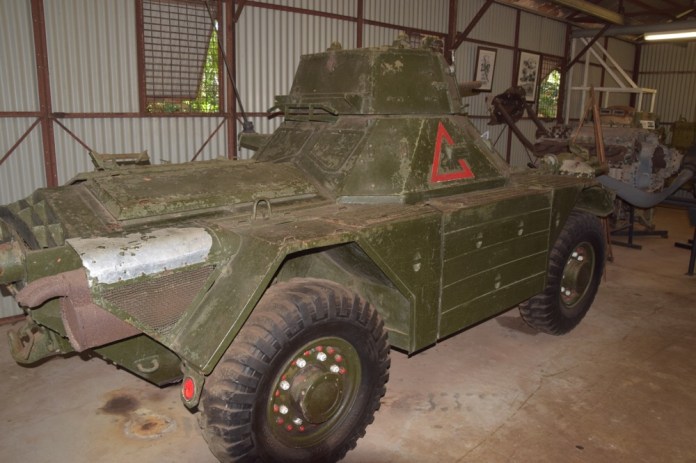
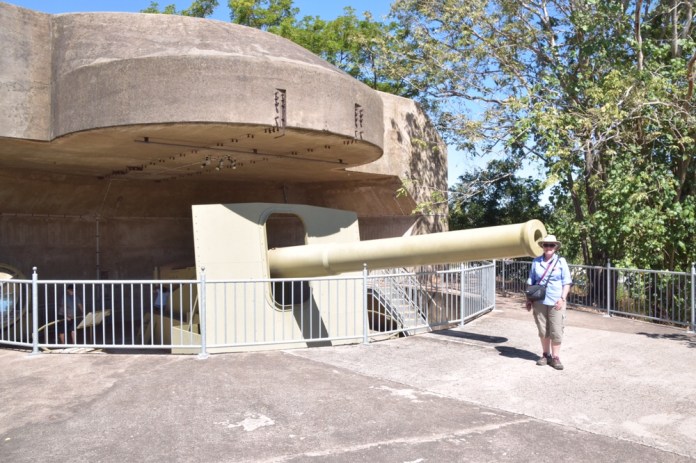
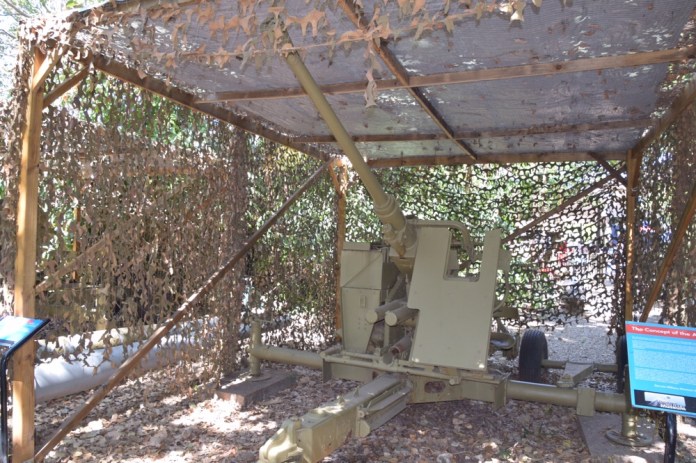
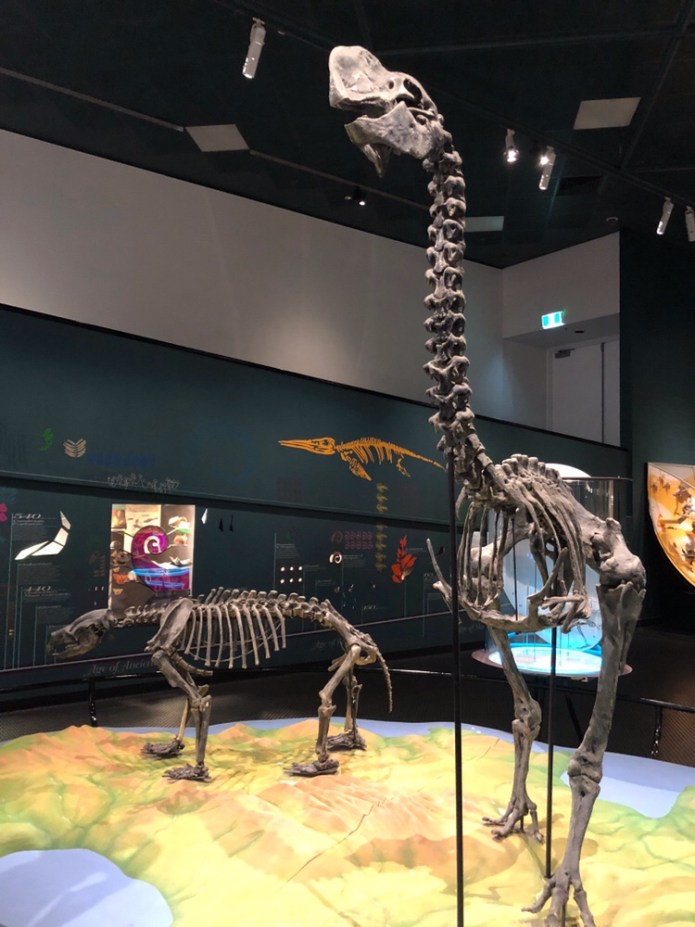 The Darwin Military Museum is on the outskirts of Darwin. It is an excellent display about the military history of Darwin especially informative about the bombing of Darwin in 1941.









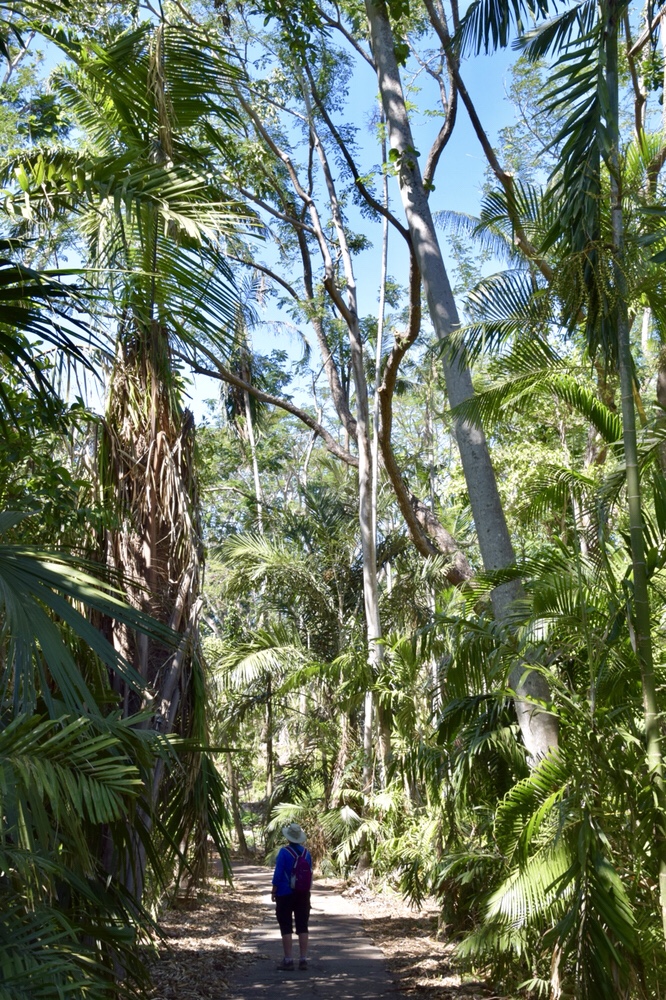
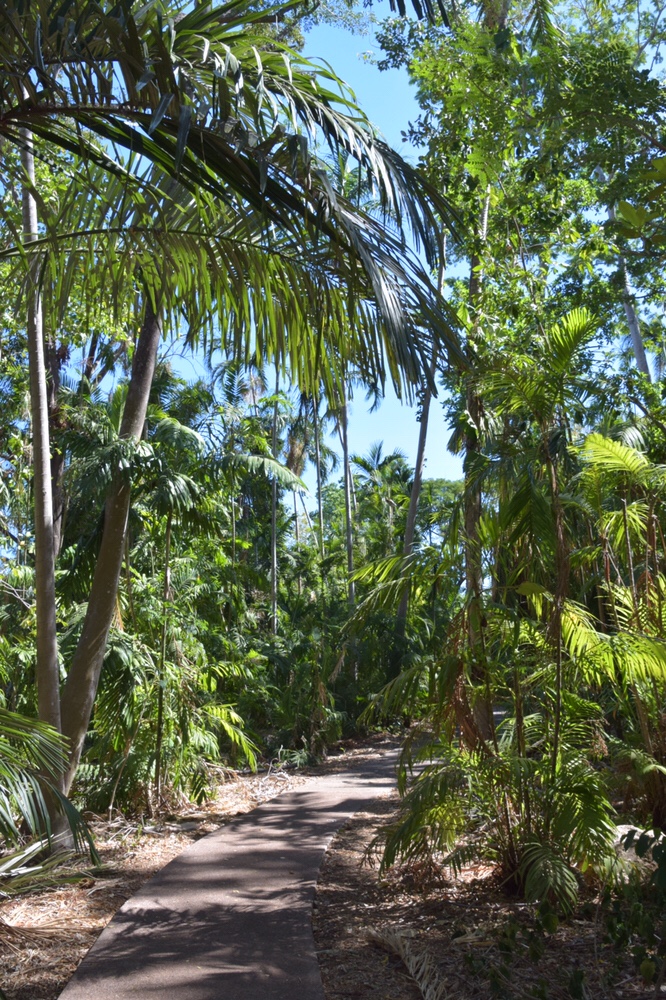
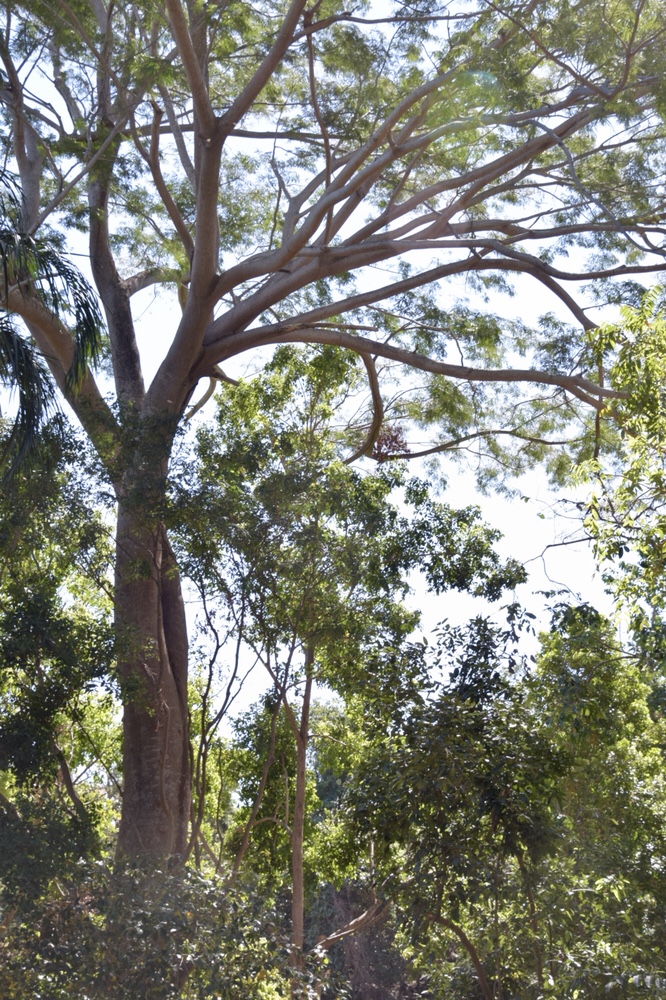

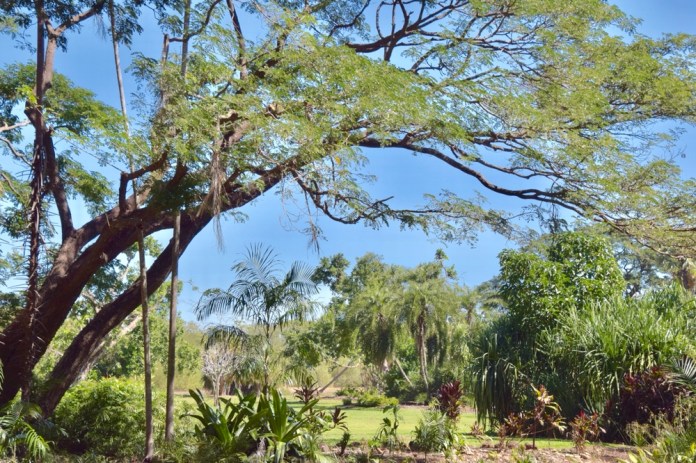
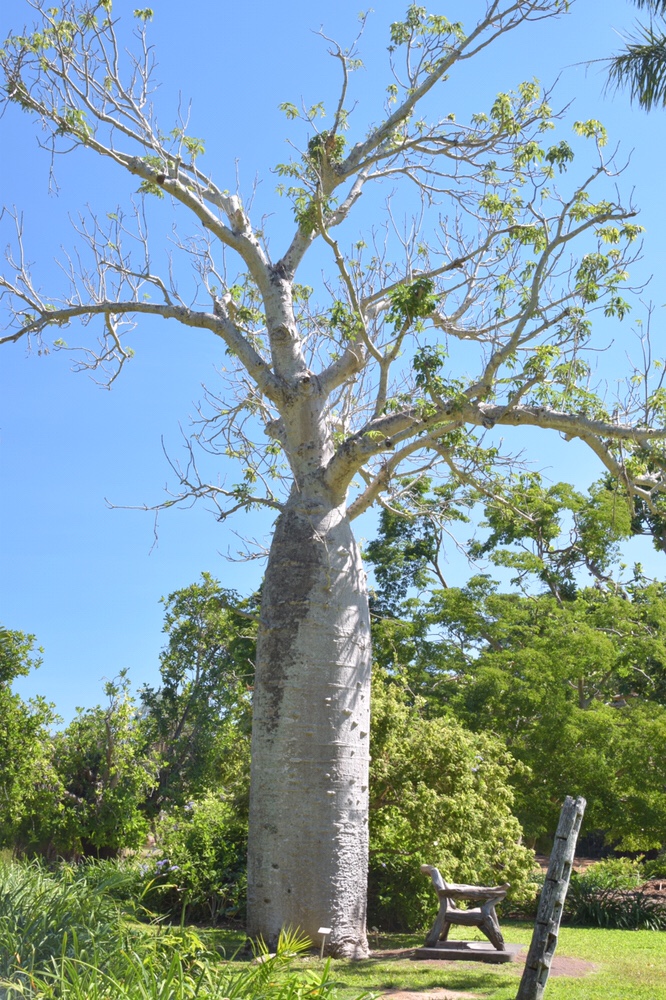
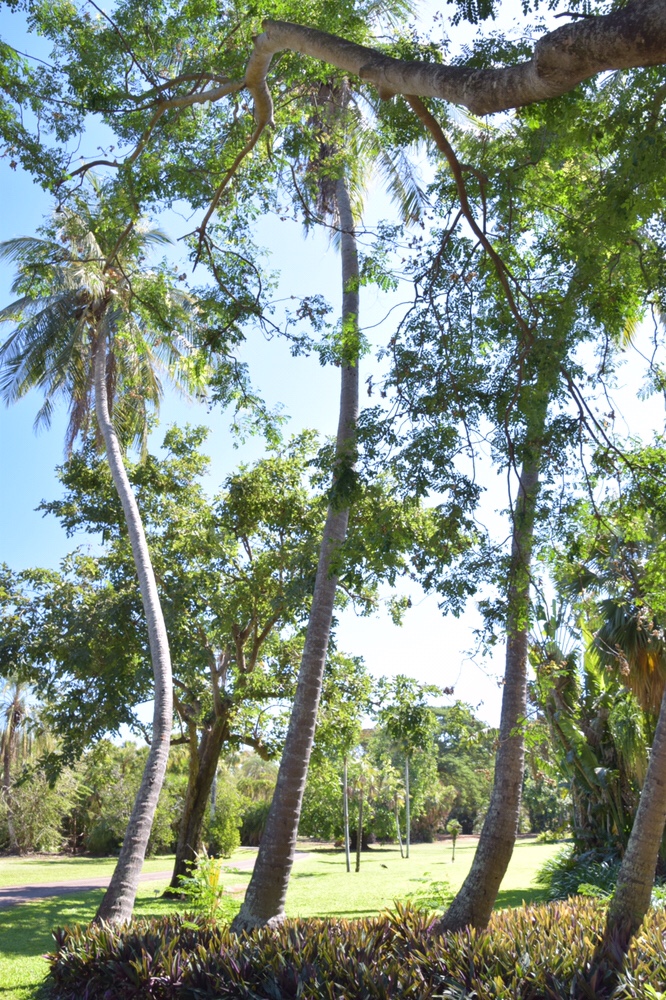


 The bus arrived right on time at 9am. On the ninety minute drive to the billabong and the cruise, Evan told us all sorts of interesting things about Darwin, the bush and the billabong. He was a mine of knowledge. Like many people, he works in the”DRY” and travels elsewhere to work during the “WET”. The current weather is mild with sunshine, pleasant breezes and cloudless skies but the climate takes a nose dive even before the wet.
 The “build up” is over September and October with very high humidity and dry thunderstorms, and then the WET begins. The population of Darwin is about 200,000 over the dry but falls to less than 150,000 over the WET. This is due to tourists and others escaping south to less humid climes.
 Darwin is a melting pot, with many different people making up its mix of inhabitants. A quarter are Aborigines; local Aborigines and “Long grasses” which is the term for Aborigines arriving from further afield. They used to sleep in the abundant long grass around Darwin but in modern times, they sleep on benches and in public areas. Owing to the abundance of tucker all year round, Arnhem Land, Kakadu and the Darwin area has always carried a large population of Indigenous inhabitants. In the WET, they retreated into the high country and in the following DRY walked north, to feast on bush food and fish.
 There are lots of Americans and not only well heeled tourists in colourful shirts and Bermuda shorts but well muscled Marines with short military style haircuts. We drove through Humpty Doo and saw the huge radio transmitters used by the defence forces of Australia and the USA to communicate with their forces all over the world. There are barracks along the Stuart Highway for soldiers and RAAF personnel.
  The locals are pleasant, very much so, but the per capita consumption of alcohol is the highest in Australia. A Darwin stubby is two and a half litres of, according to Evan, a really quite noxious beer.
 We boarded the large flat boat at Corroboree Billabong after having an introduction to the vagaries of wetland life by visiting an information centre just short of the billabong.There were twenty eight people in the boat but we all had excellent seating and visibility for the cruise.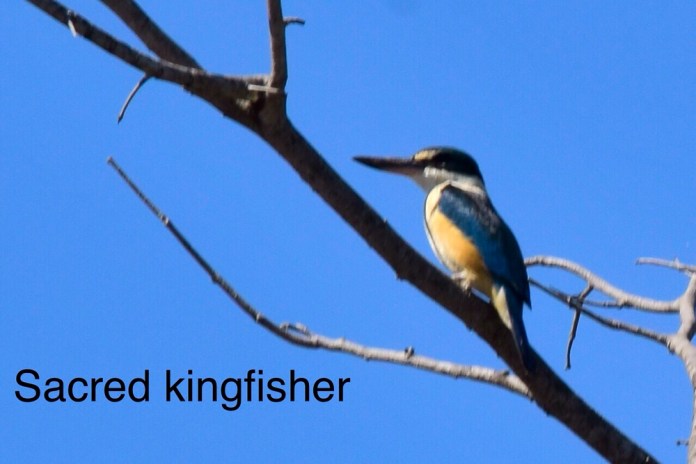
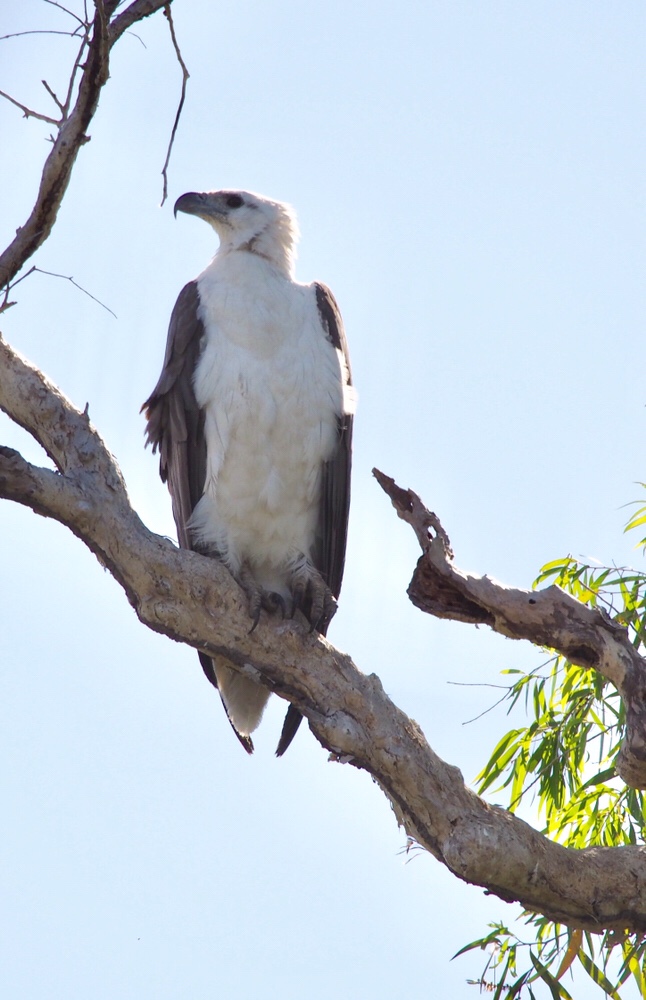
 Around the waterways are many trees and shrubs. The pandanus provides a habitat for baby fish and other animals especially the barramundi. We saw the tree a called ” Leichhardt tree” named after the ill fated German explorer. Paperbarks provide ample vantage points for eagles and kites.
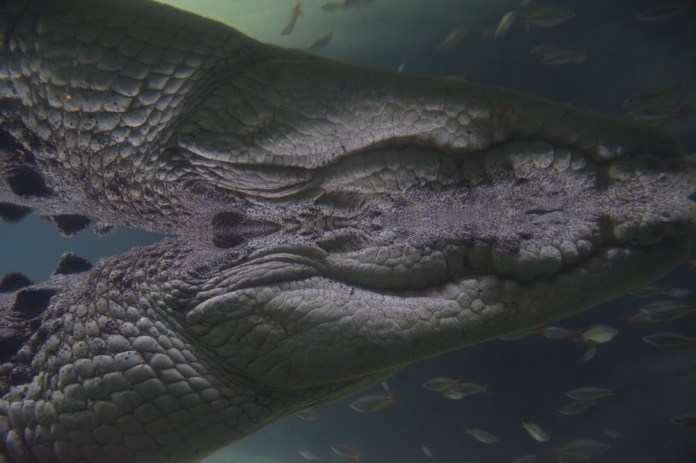
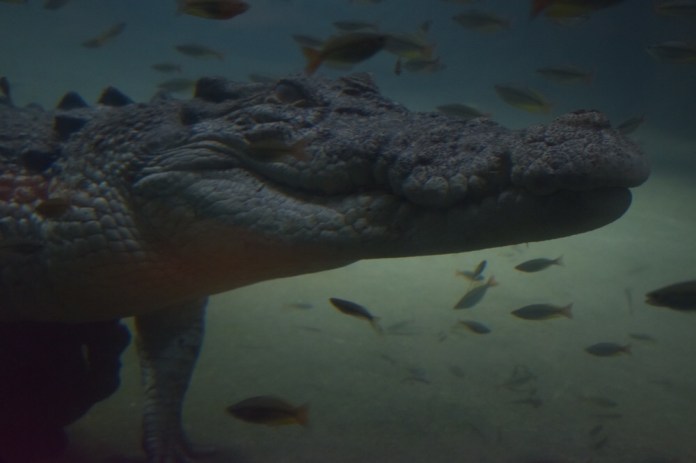
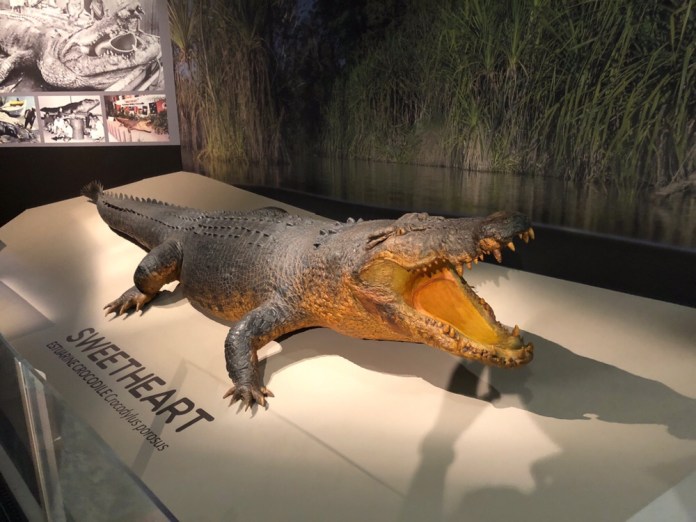
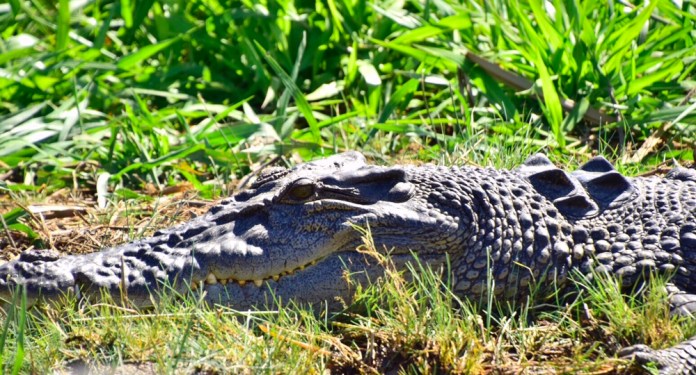
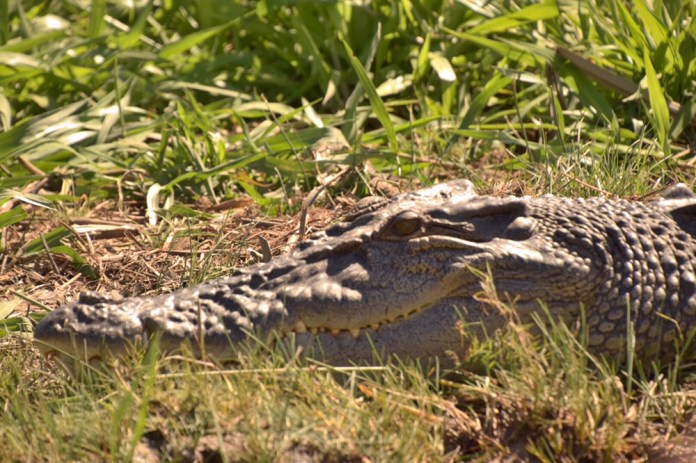
 A very large salty took exception to us being near it and it violently twisted out of the water opening it massive jaws before plunging into the muddy water. It was invisible in moments. Its plating preventing any tell tale ripples disturbing the surface. This same plating is protective armour and the basis of its passive solar heating system as crocodiles rely on external heat. Blood vessels flow beneath the plates allowing blood to convey warmth through the whole of the animals body.
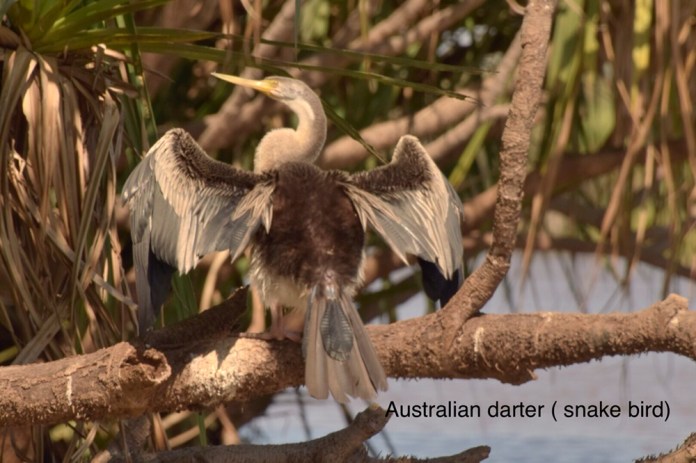
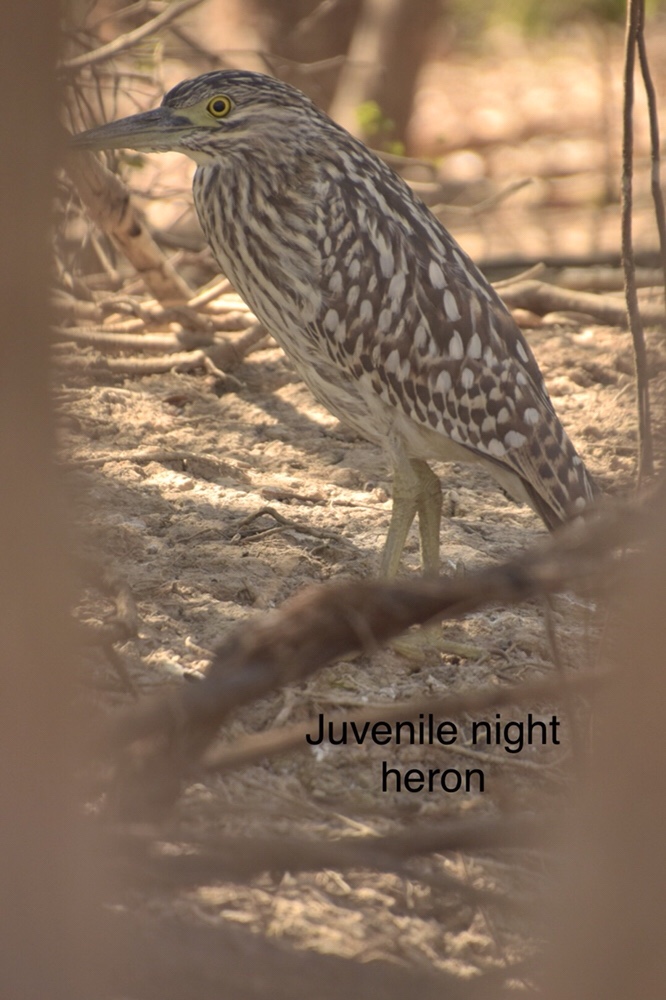
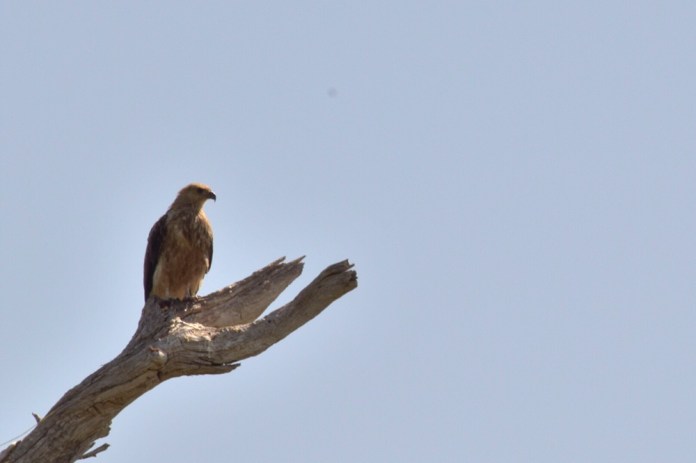
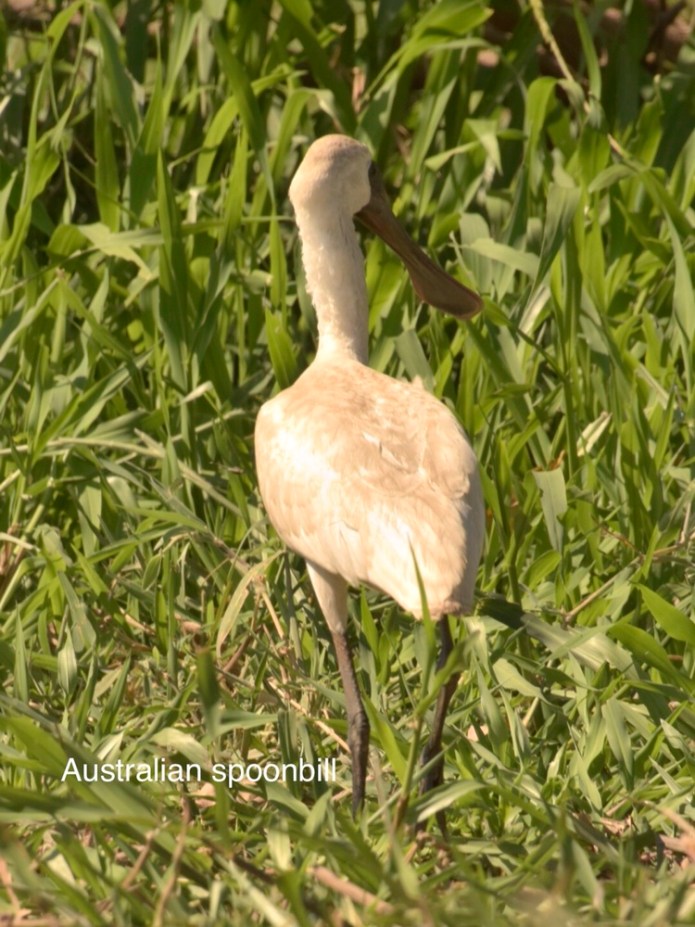
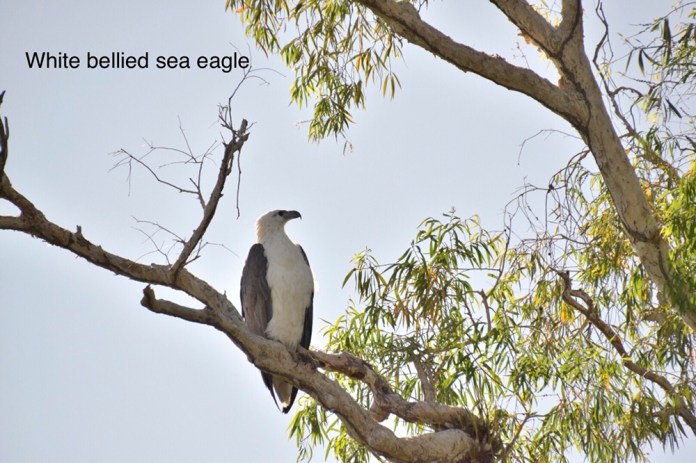
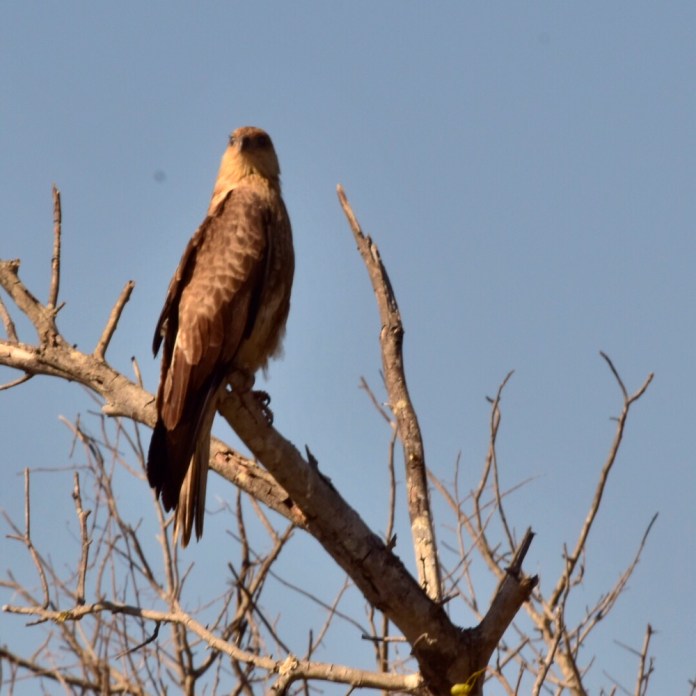

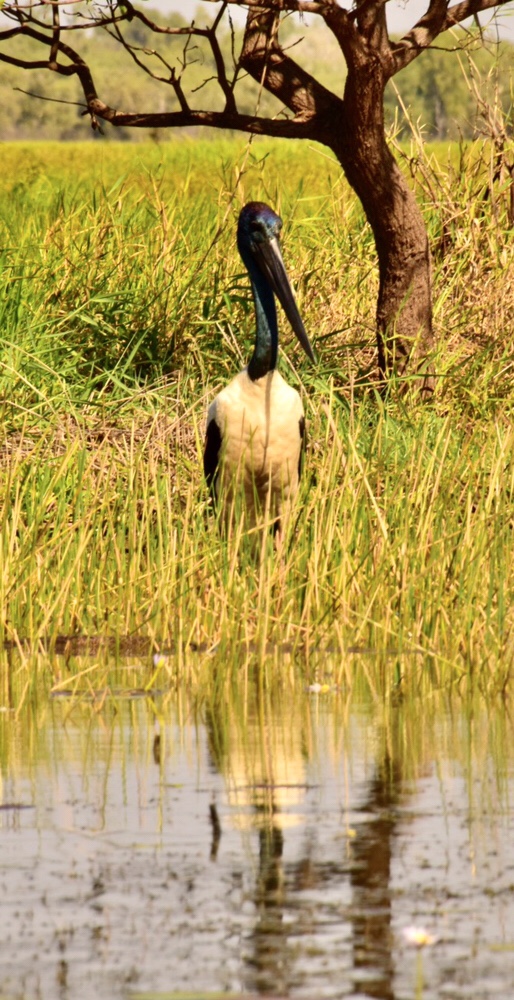

 The time passed too quickly. A wonderful day.













 brucebarker2016