Uncategorized

Watarka and Ernest Giles track

I’m sitting at Yuelamu clinic. There is a crow cawing from a tree in the clinics yard. Jillian, the nurse, and I have just reviewed an Aboriginal footballer with a toe infection, he had a laceration kicking a football at training last week; not many players wear shoes. In a match when a player takes a mark near the goal, the game stops and the player puts on a borrowed pair of boots for the kick, then takes them off and returns them afterwards. However there is no denying the locals love their footy. TD is wearing his Yuelemu sleeveless yellow jumper.

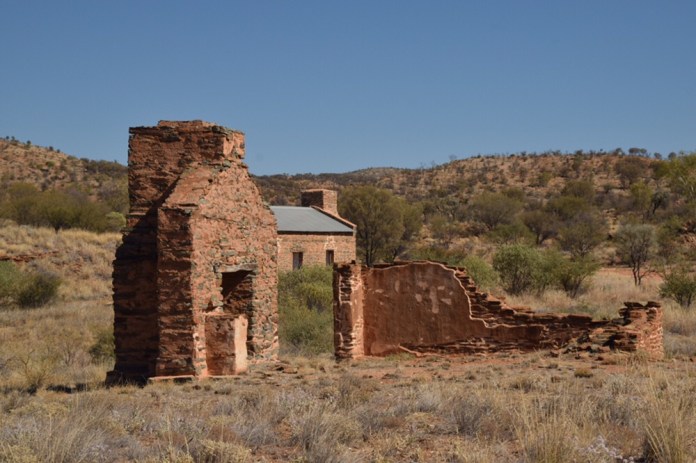
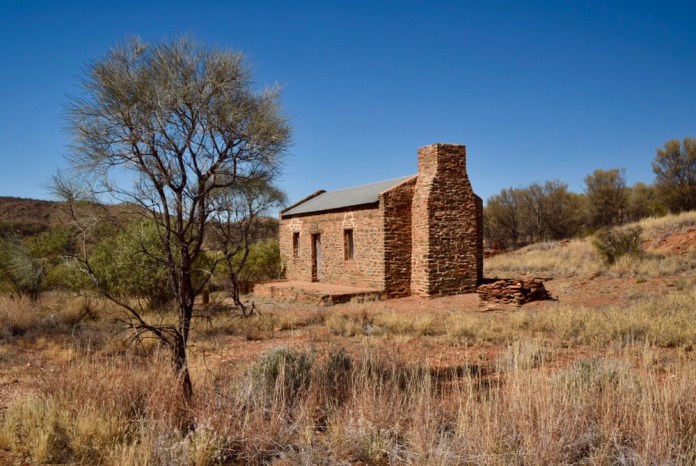
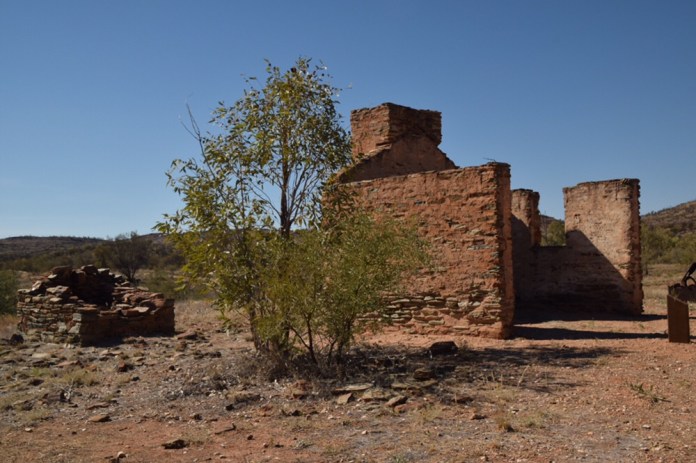
Last week I drove to Kings Canyon which is also called Watarka. The national park in which it is situated is called Watarka National Park. I went south from Alice Springs, driving on the twisty Stuart Highway. About thirty kilometres south of Stuart wells is a turn off that goes west on the Ernest Giles track. About five kilometres along the track is another turn off to the Henbury Meteor site. The camping there looks pretty good. There are ranges and gorges nearby which make it a good possibility for a long weekends camping but this was not my destination. The main track is a 100 kilometres and is generally a good surface. The last time we drove on the Ernest Giles, a grader was working the gravel. There are stretches of sand, up to a kilometre in distance and these were fun, with a bit of playful sliding at times. I keep the pressures at 30psi, back and front, and the differential lock on to keep all the wheels participating on the road.

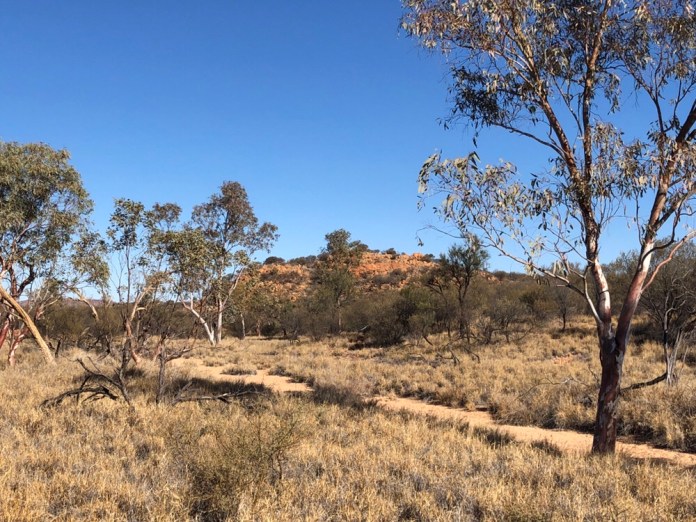
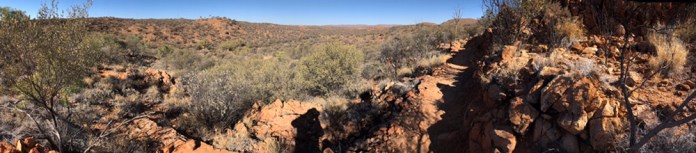
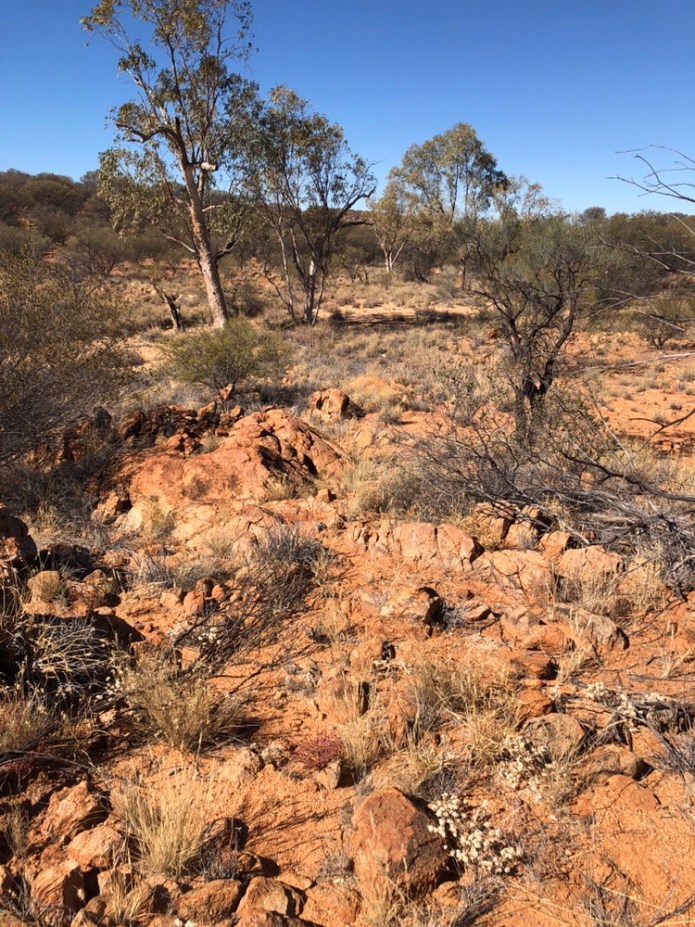
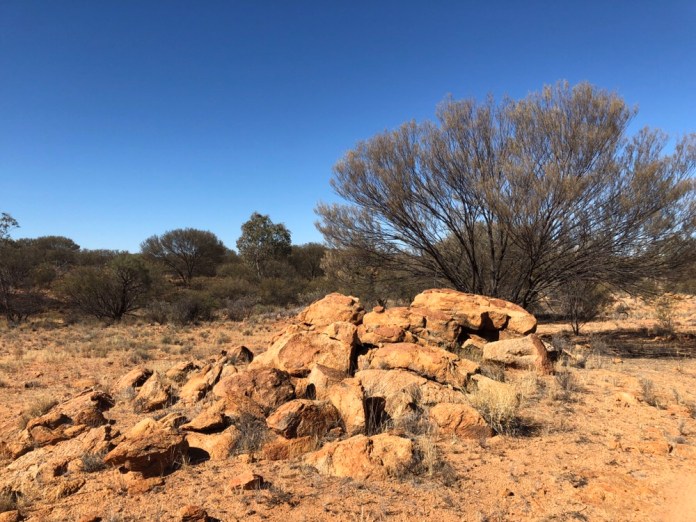
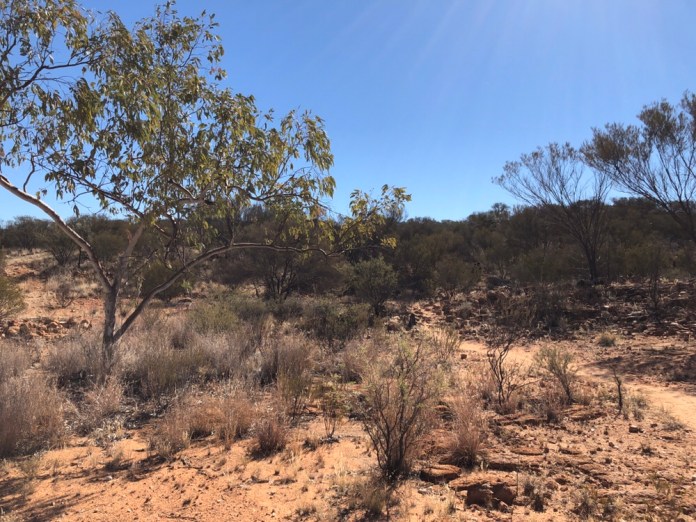
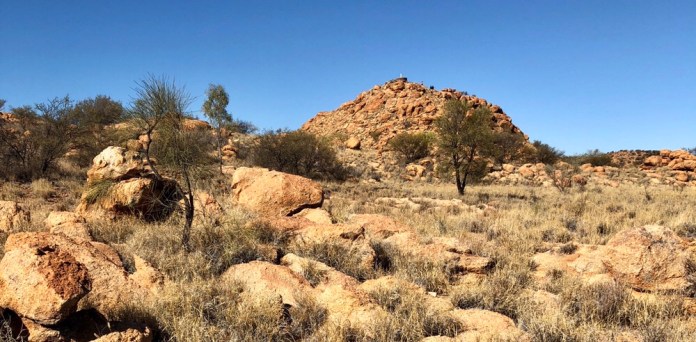
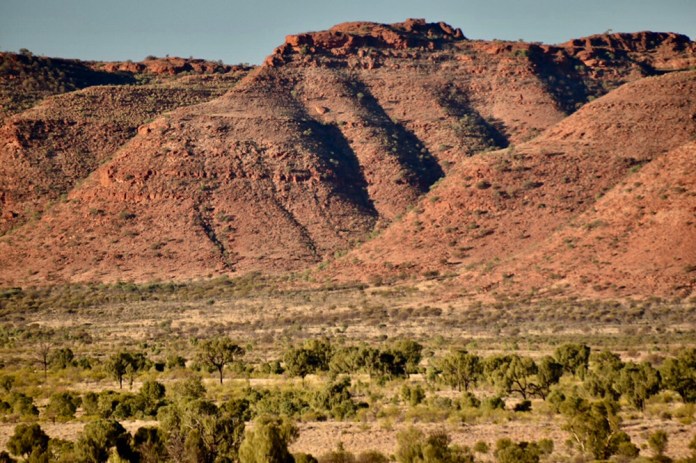
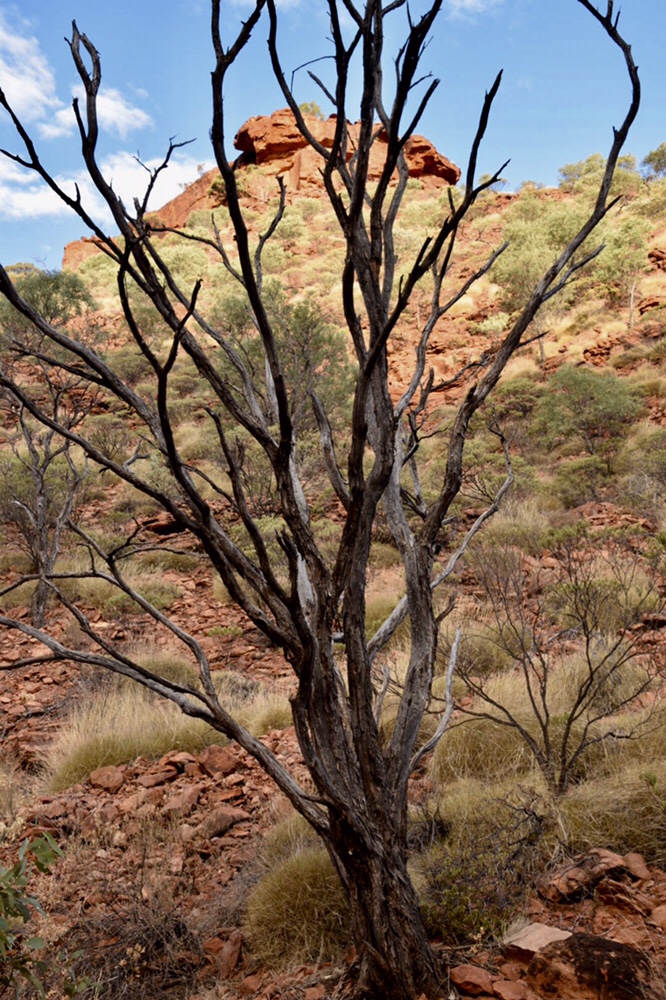
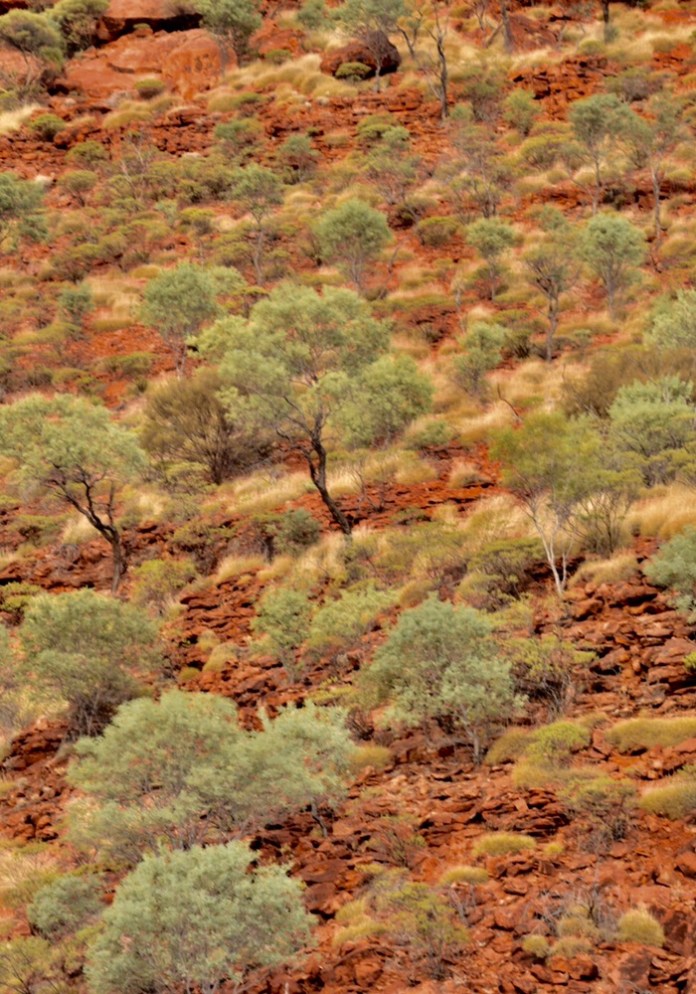
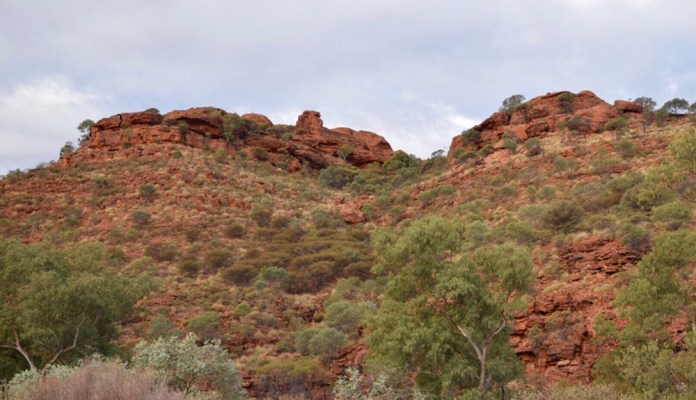
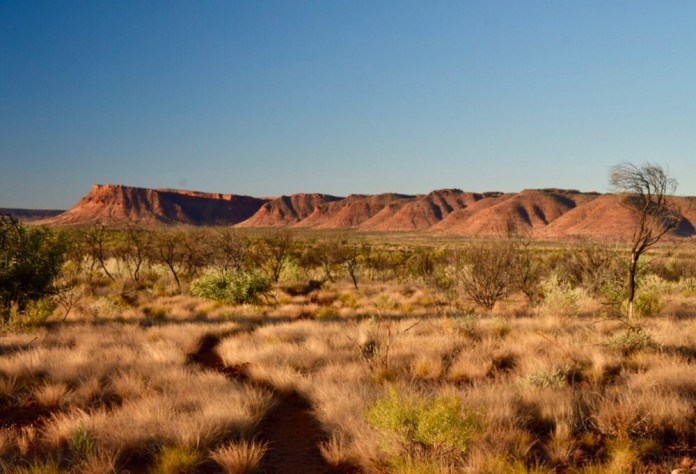
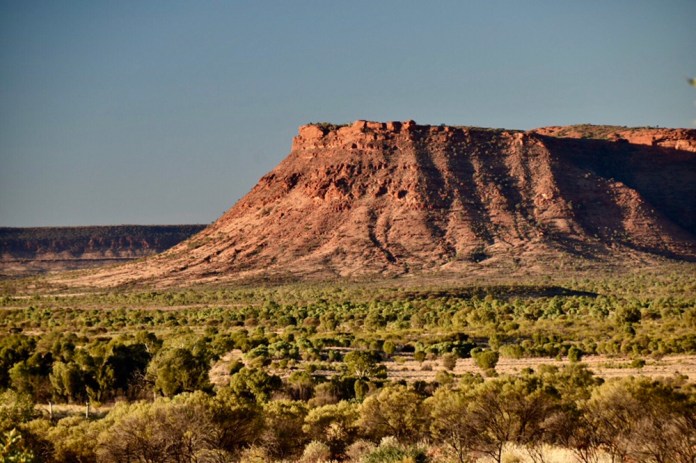
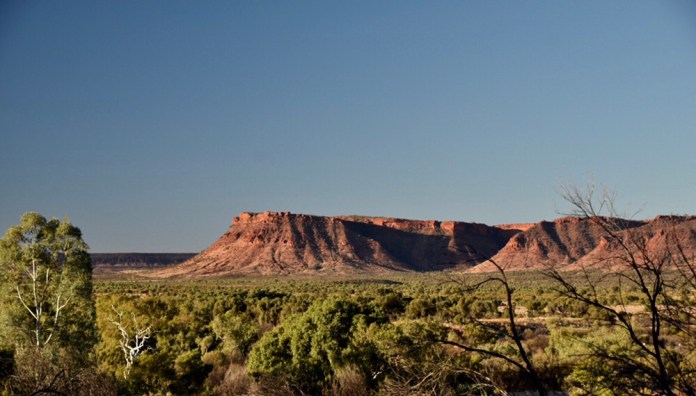
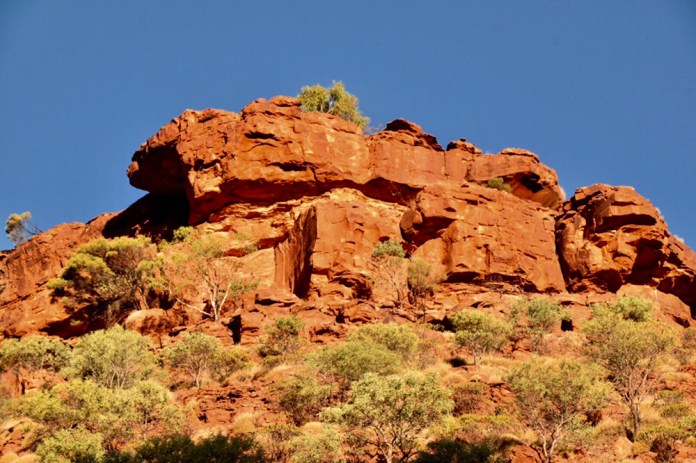
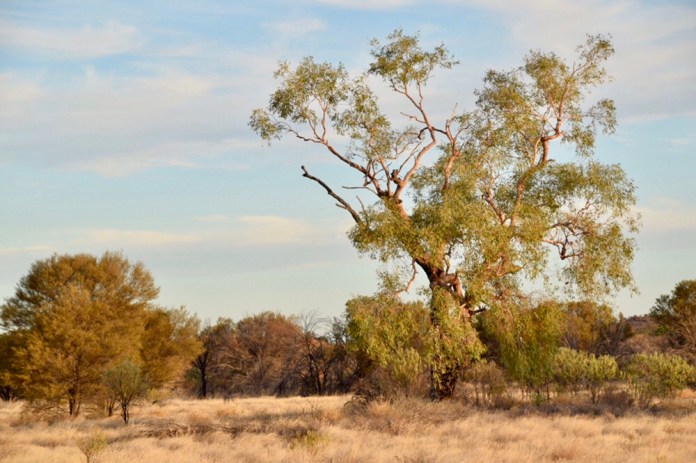
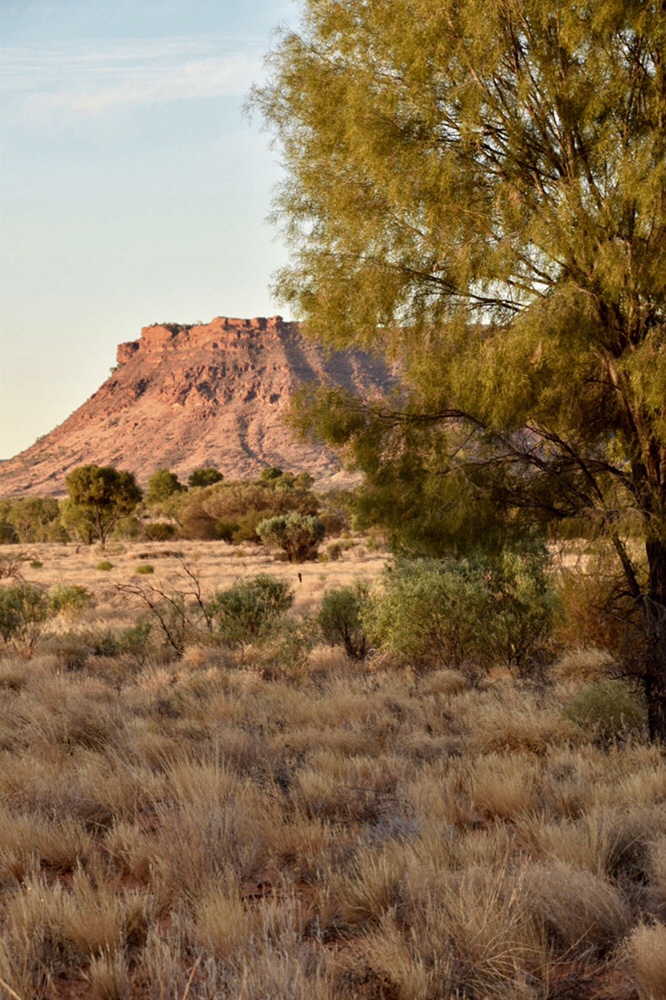
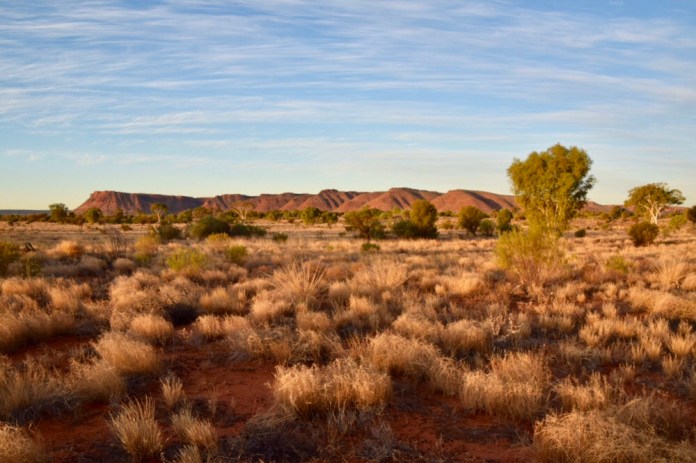
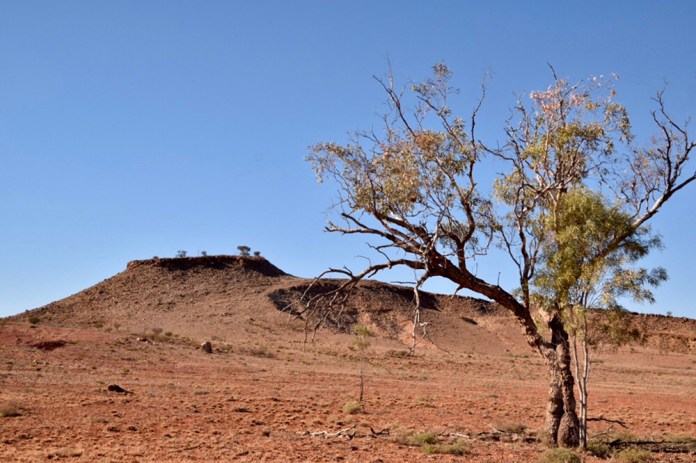
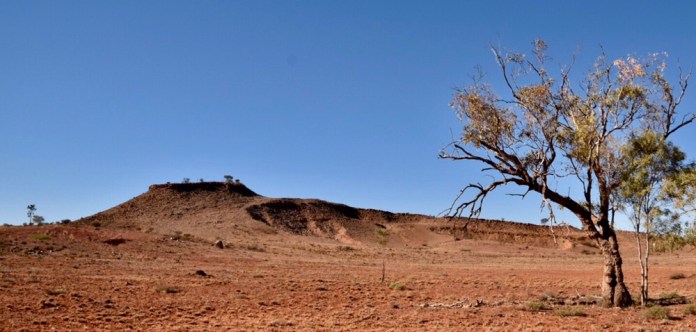
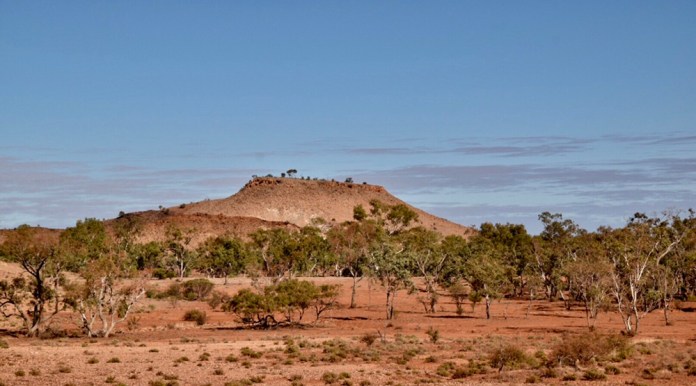
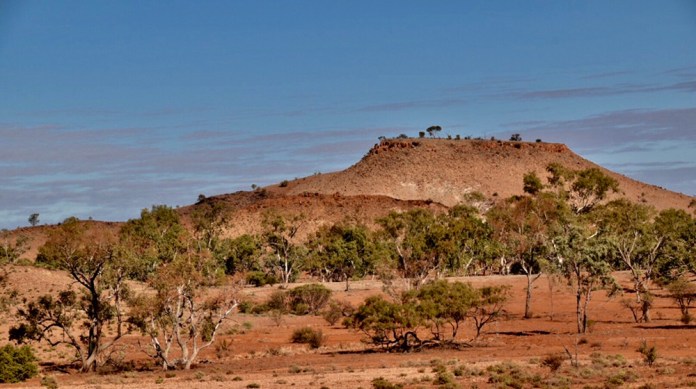
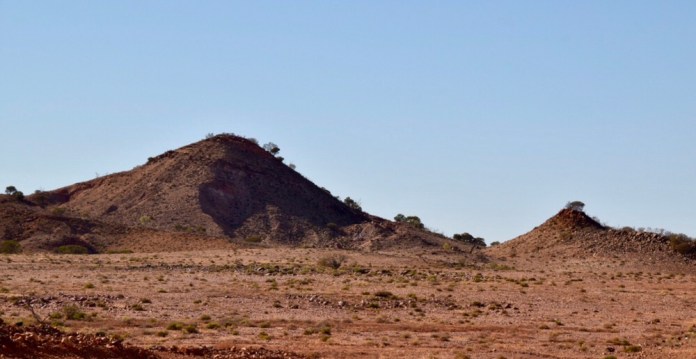
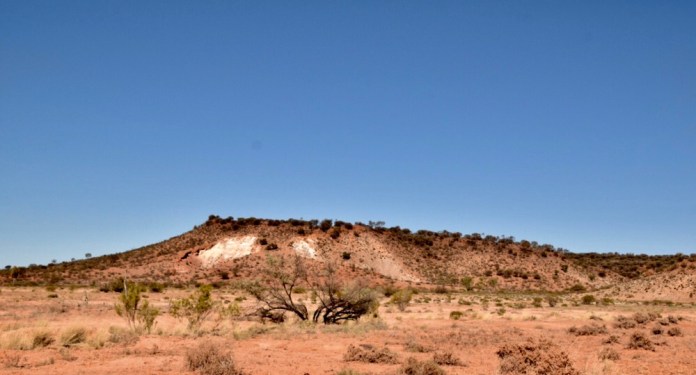
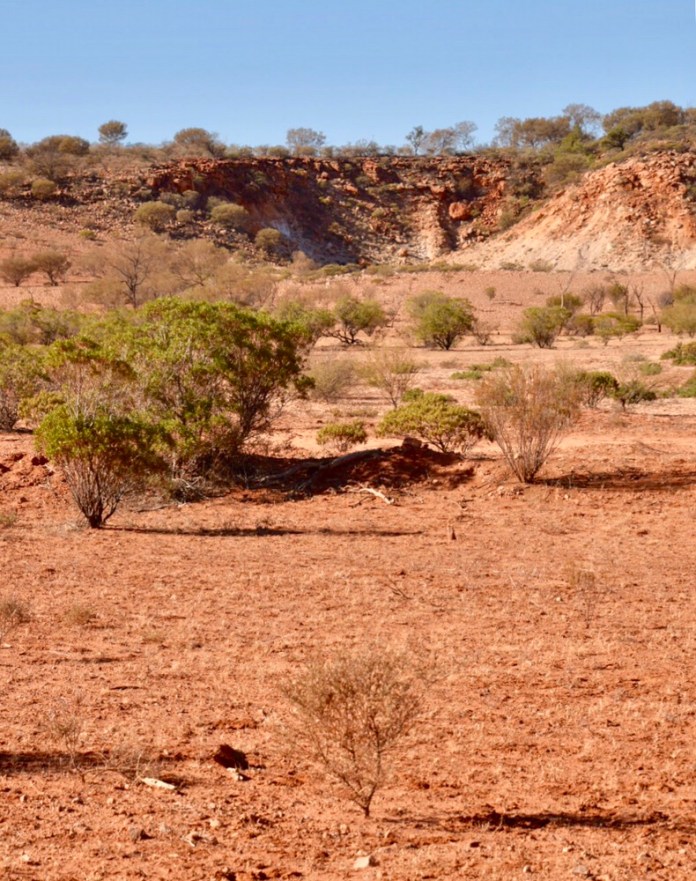
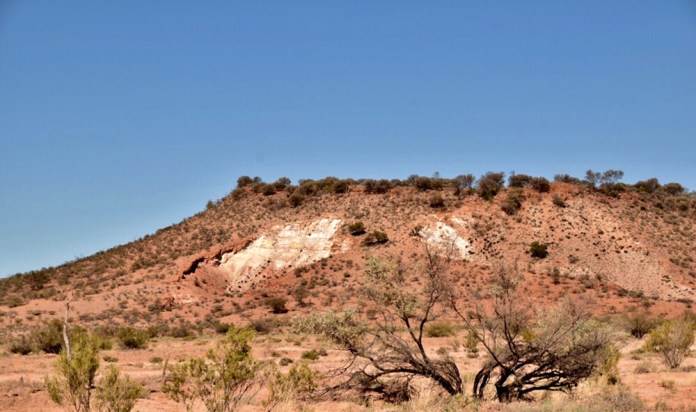
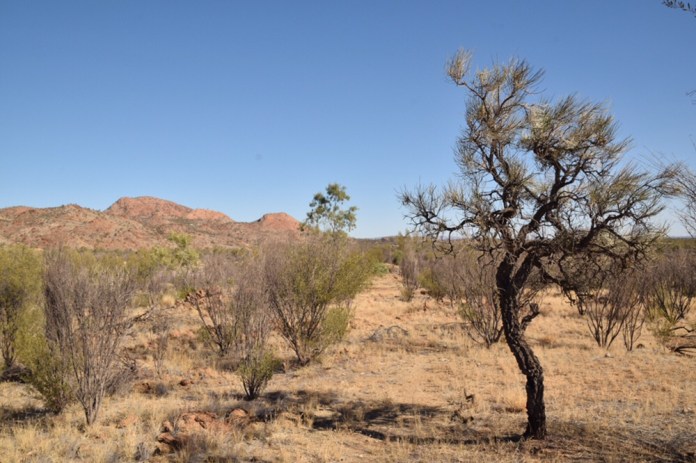
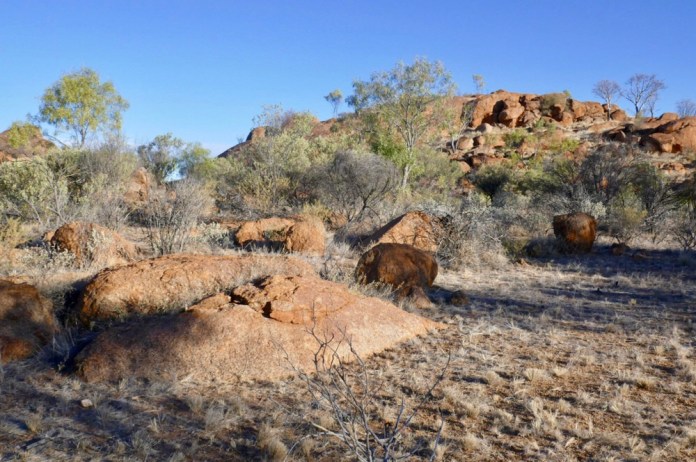
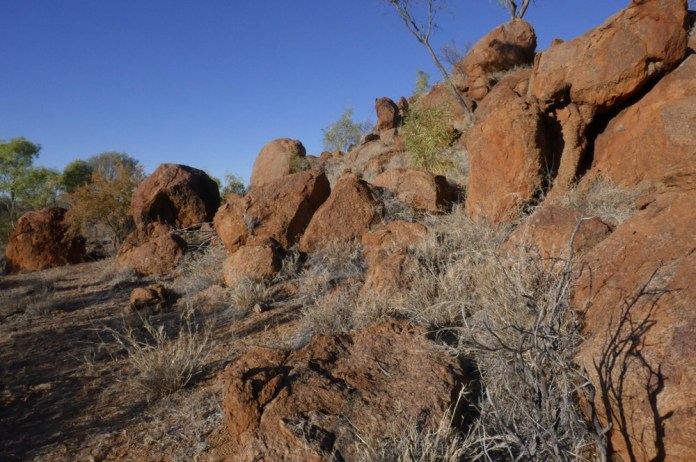
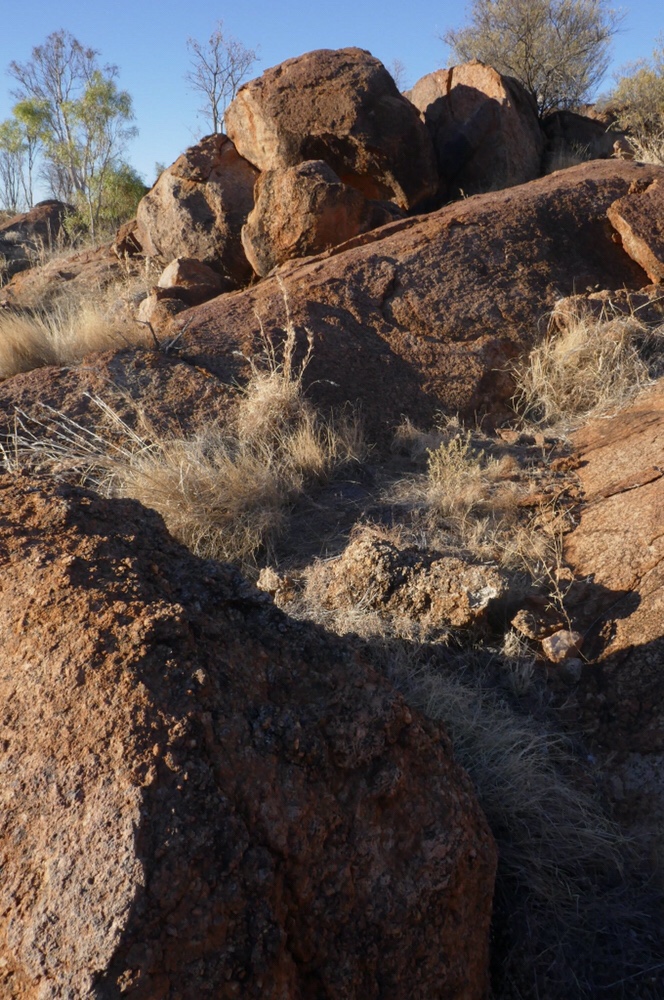
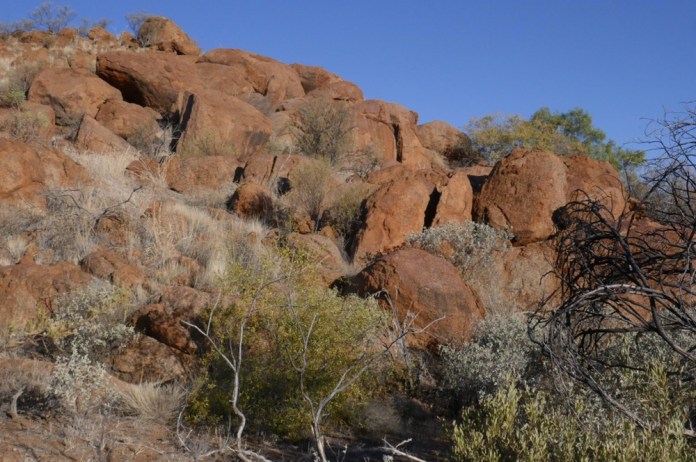
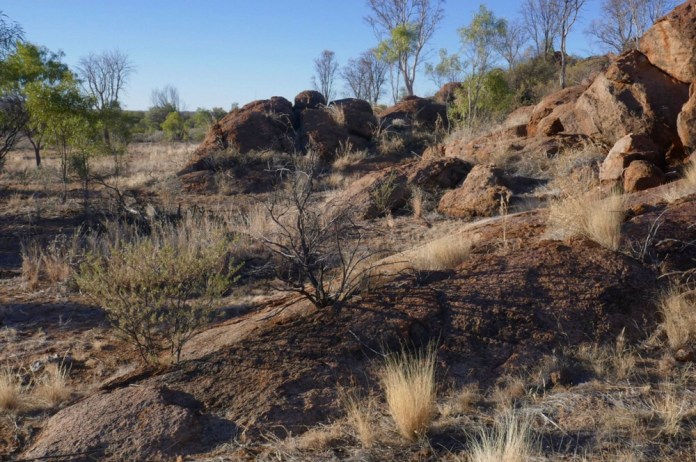
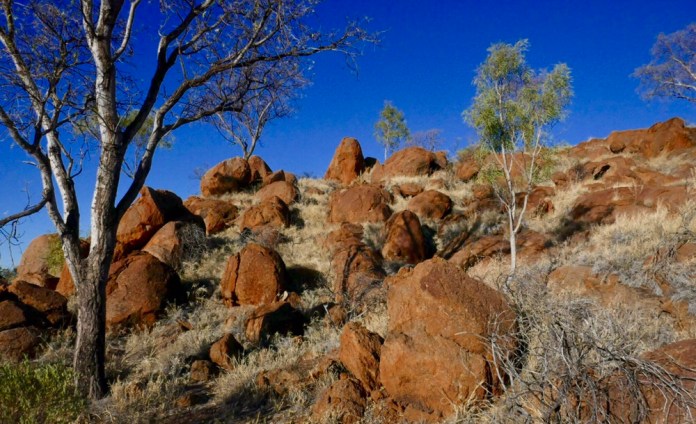
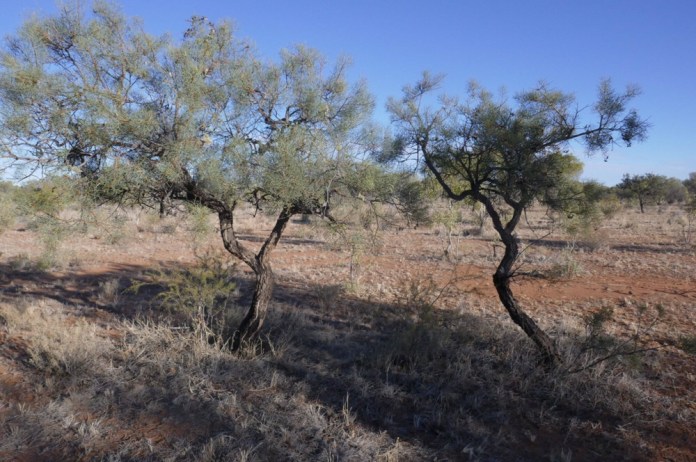
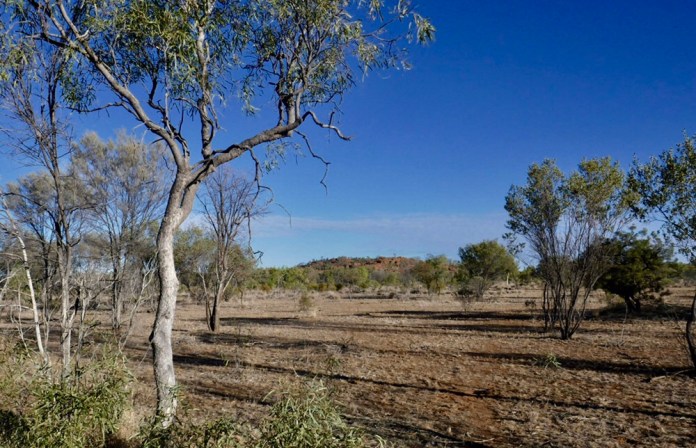
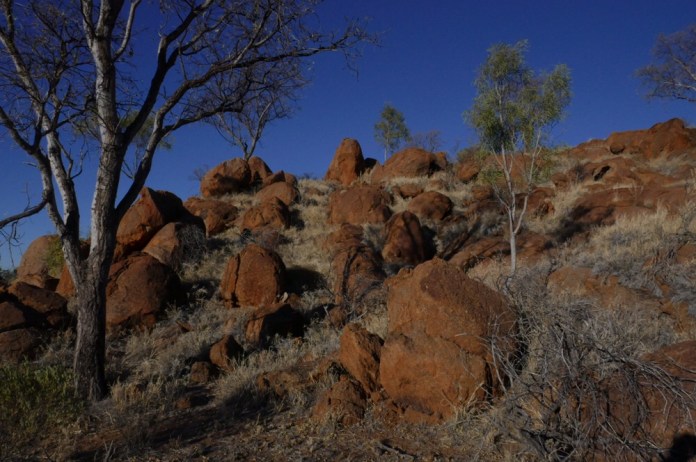
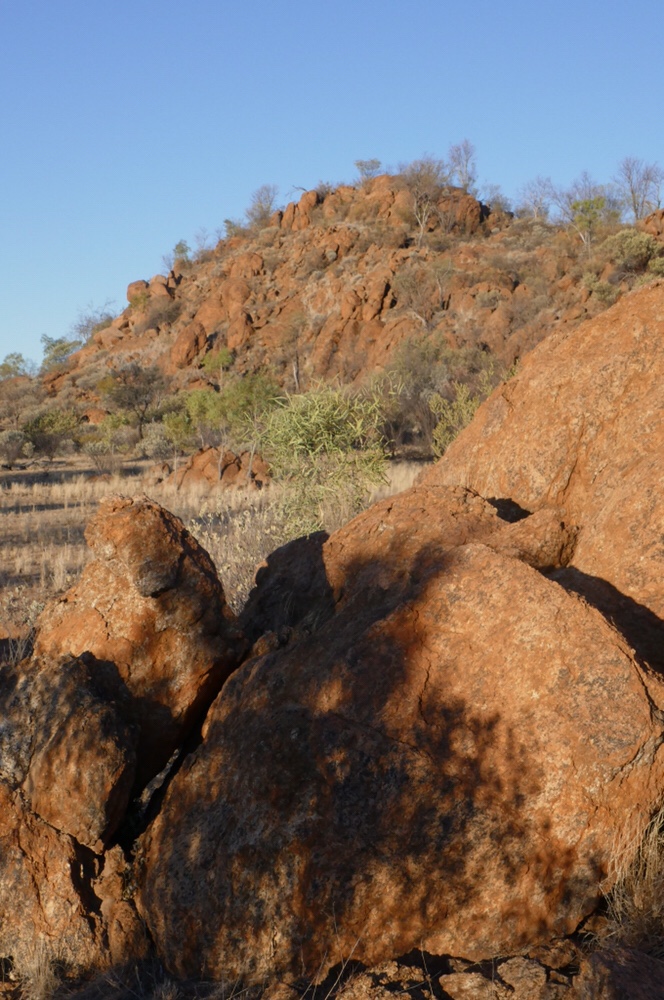
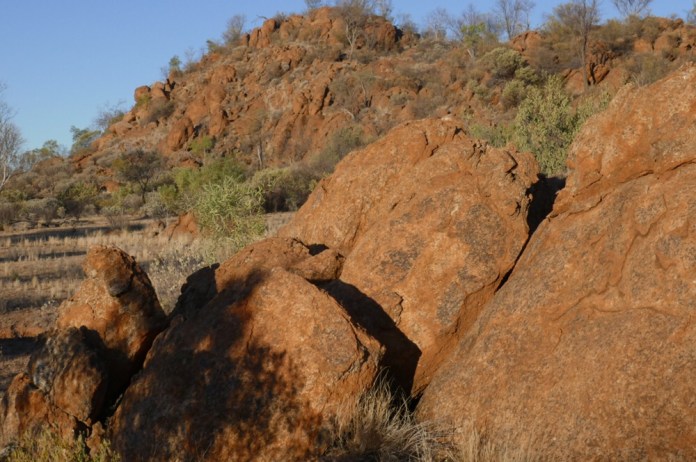
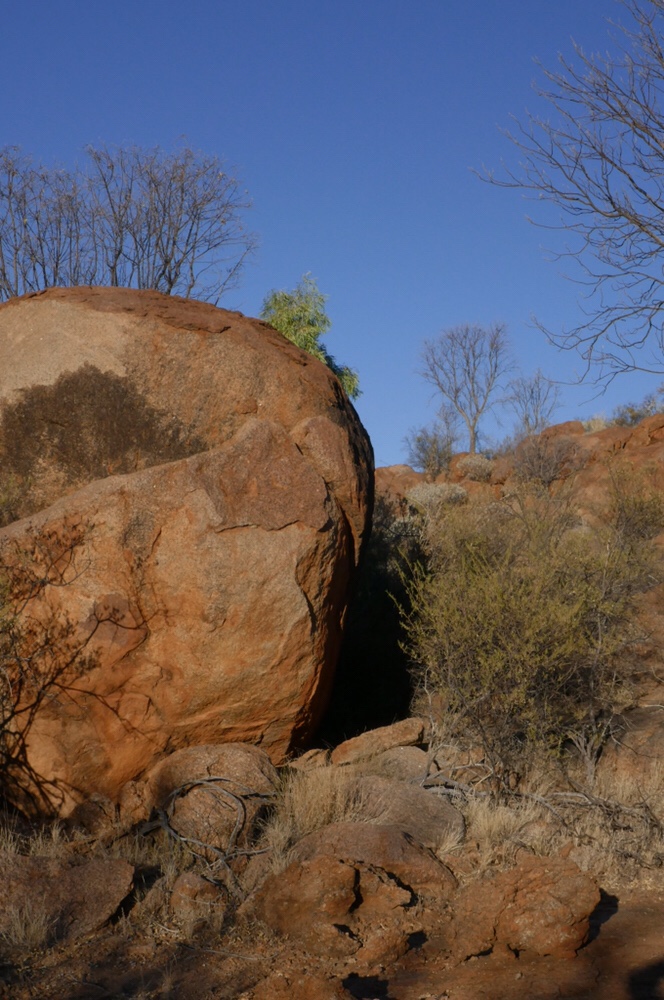
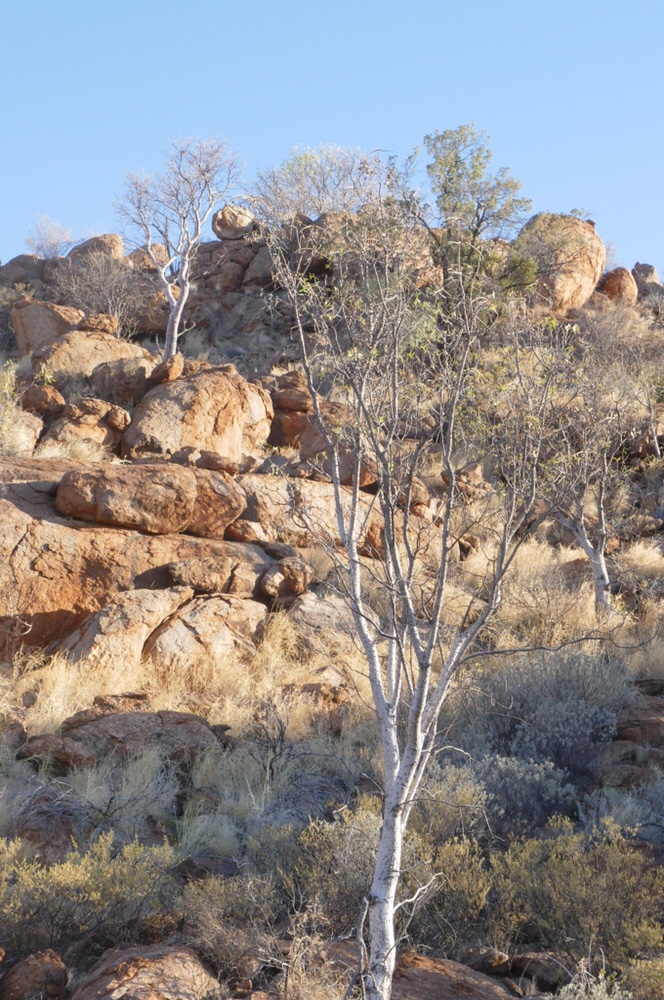
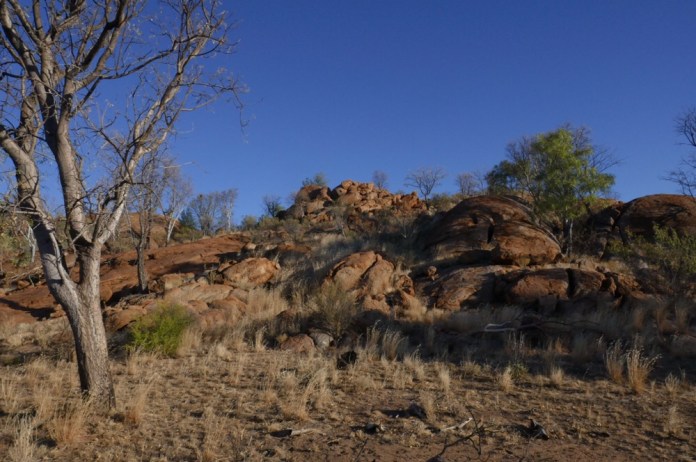
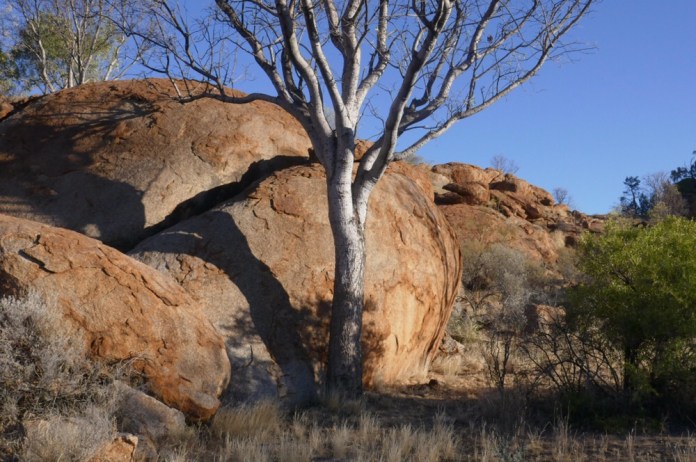
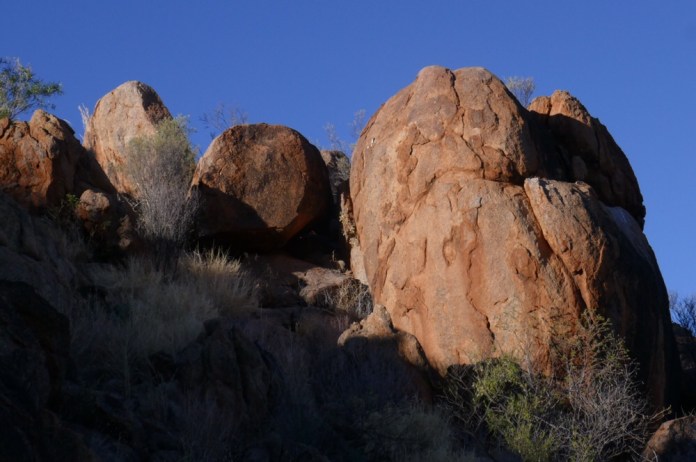
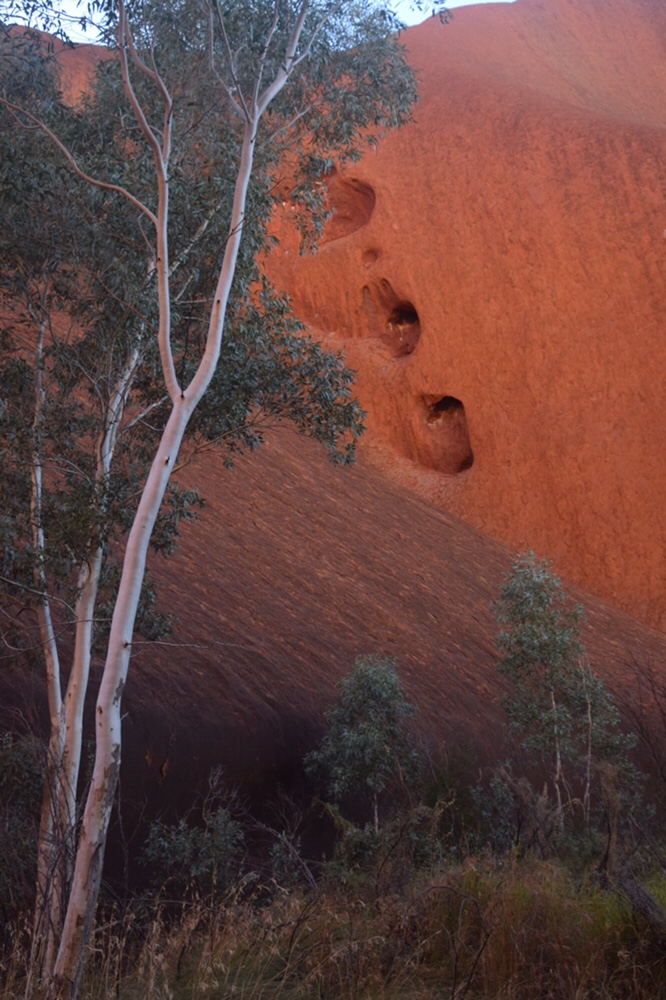
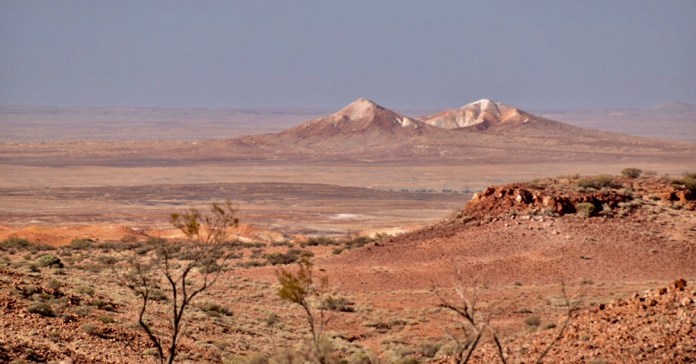
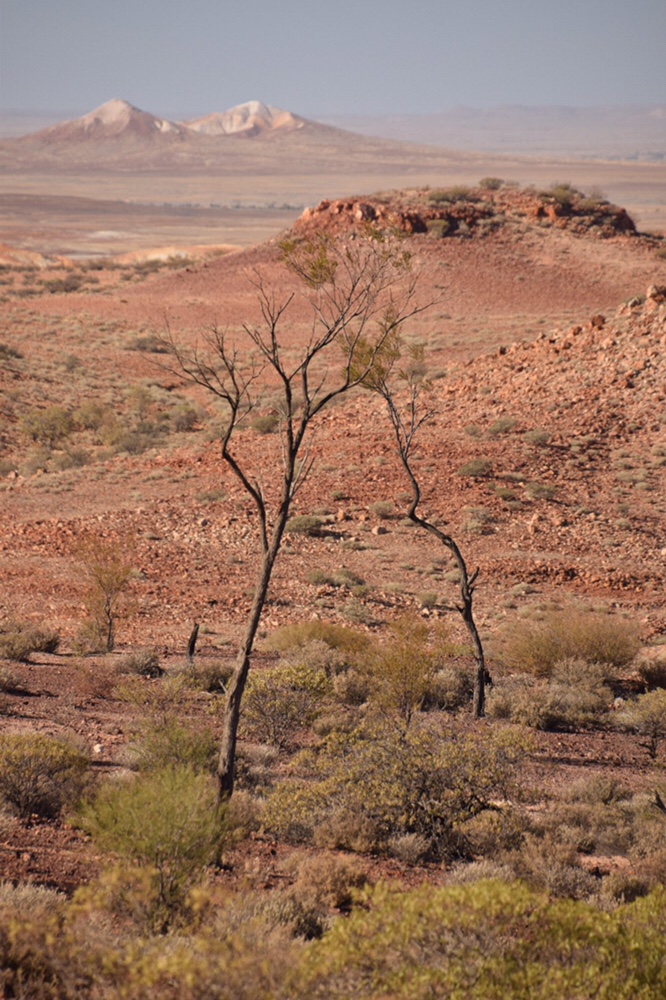
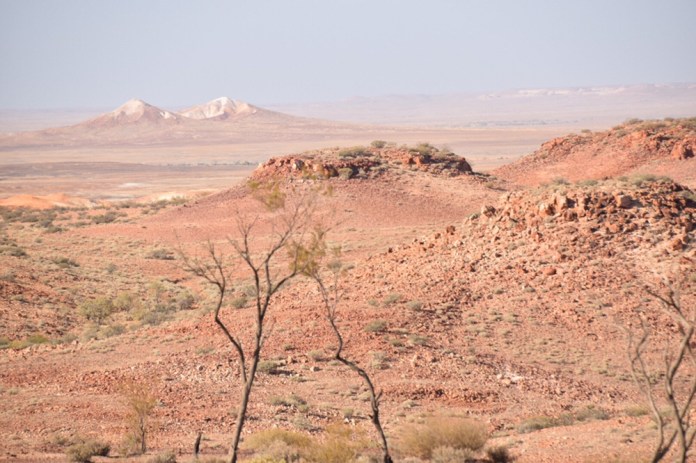
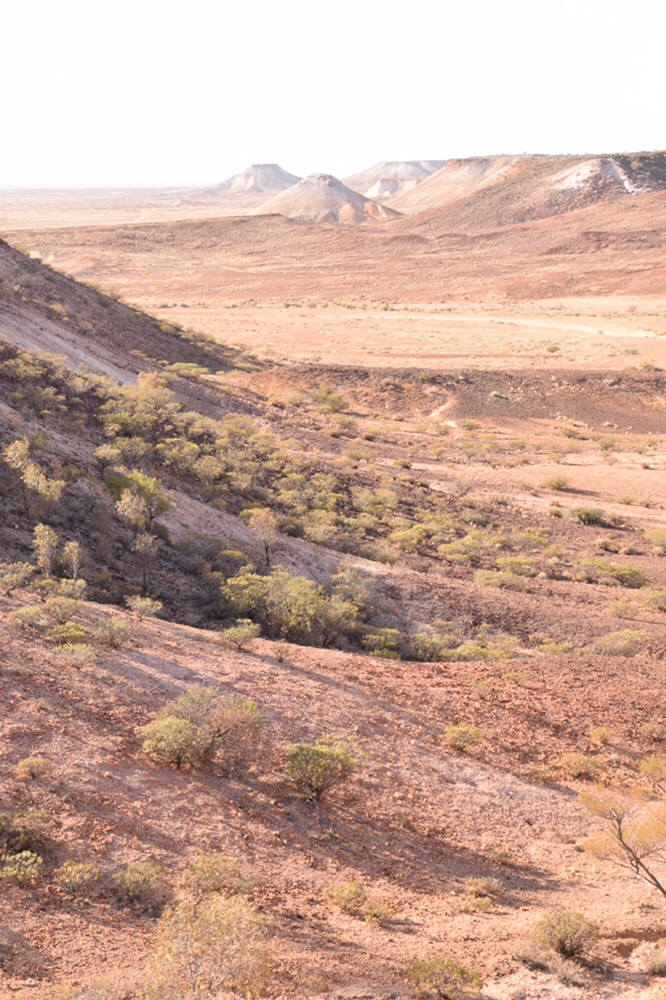
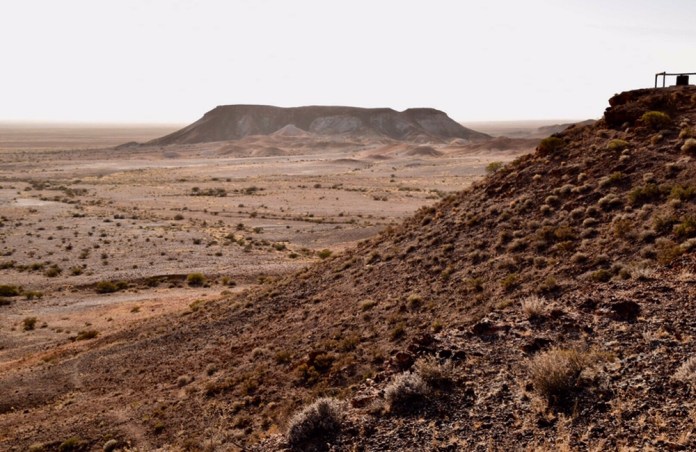
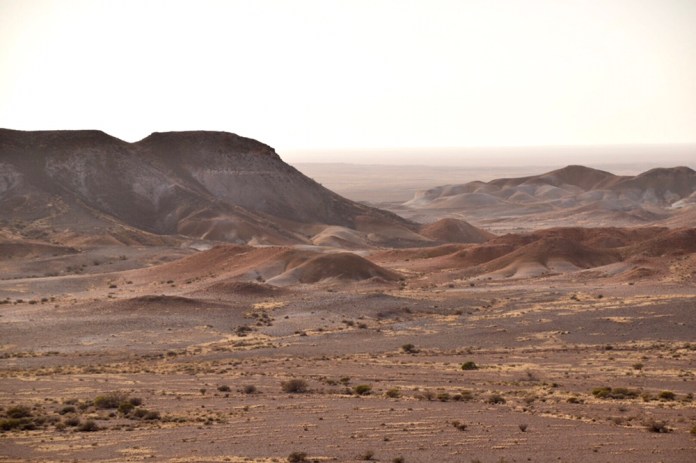
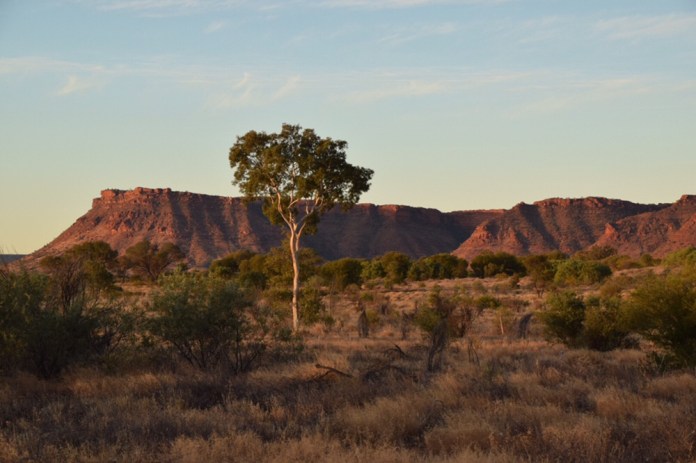
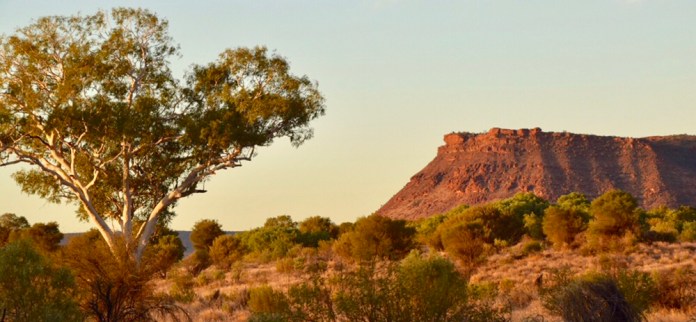
There are some fine views from the Ernest Giles track. Desert oaks, acacias, dry river beds, hills and always that crisp blue sky silhouetting the ridge lines spotted with a few trees. The rich colours, the orange, reds and splashes of white rock with a foreground of forest.

At the Luritja Highway, I turned right rejoining the caravans on the bitumen. It was another 103 kilometres to the Kings Canyon Resort and a shirt distance beyond is the Watarka clinic. To my surprise, I found I was booked into the resort as accomodation was fullin the clinics houses. The resort is great. I had a spacious room, a verandah overlooking the bush and breakfast included. The problem with staying at resorts like Kings Canyon and Yulara, is that it’s impossible to cook dinner. So each night, I shuffled over to the clinic to cook my steak, sausages or chicken. Afterward I braved the chill air to drive the short distance back. I had parking right outside my room which made it easy. In the morning I would walk to the restaurant, the Carmichael room. Breakfast was very good. Now I’m not paying for any of this which is nice. To a paying customer it is $400 a night. I did lash out and have dinner out on Thursday evening. Yummy pork belly, plates of vegetables, and two nice glasses of wine. Now I’m legendary as a two potter, after a week of no alcohol, I felt dry agreeable with the world and all its denizens. I tottered back to my room and slept very well indeed.

The clinic is more fun than some because of the mixture in my clinical work. I was involved in two cardiac cases, stabilising them both and evacuating one, trauma is common here as well. This is from road accidents, locals and tourists doing roll overs due to burst tyres on the bitumen and due to sandy pits on the gravel tracks.

Going too fast helps too! I was involved in the care of a man who fell on the Ridge track. It begins with a steep ascent up a rocky track to gain the escarpment. This gentleman lost his footing and fell. Managing him was interesting, it’s good to use the procedure skills of neck immobilisation ( done by using a bag of wrapped saline either side of the head with tape afire day between them and on the forehead), intravenous analgesia, assessing rib and other fractures. Transporting such patients require a vacu mat. This mat is related and wraps around the patient, keeping the person still. It means transport is safer and less painful. These mats are several thousand dollars each!

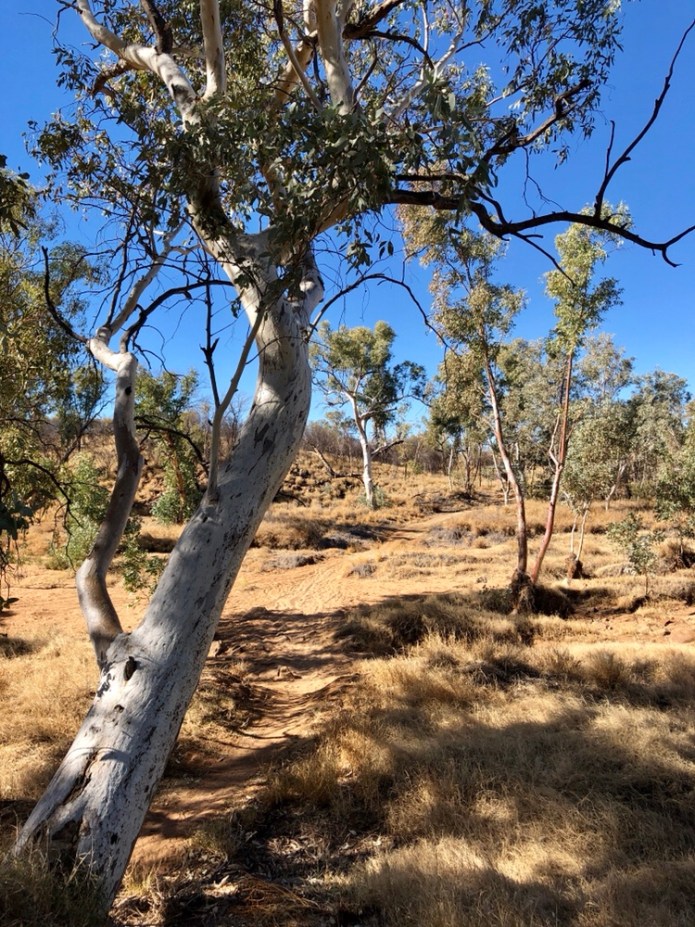
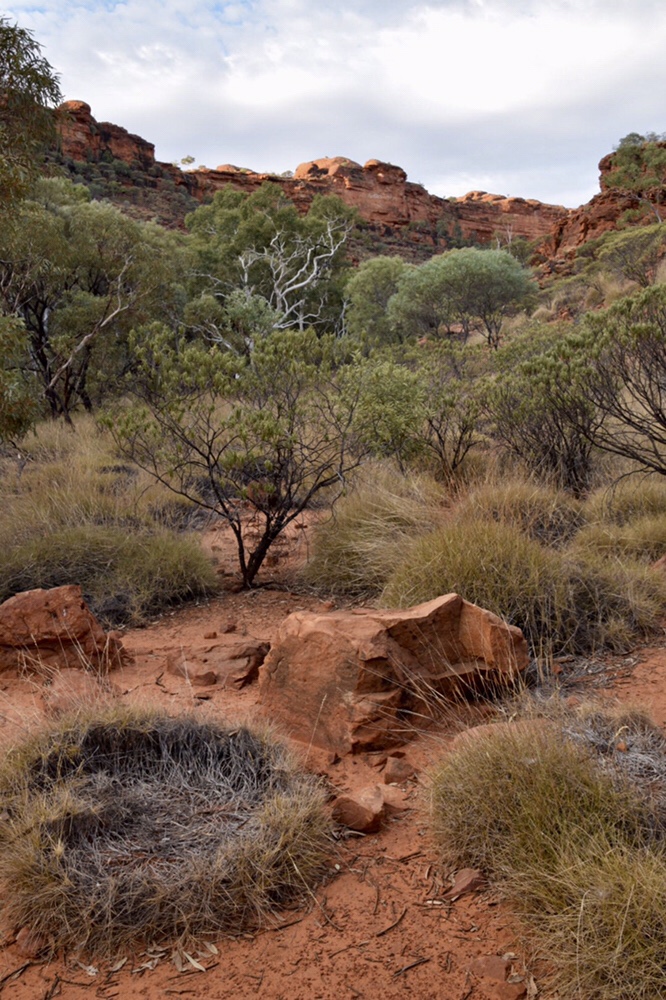
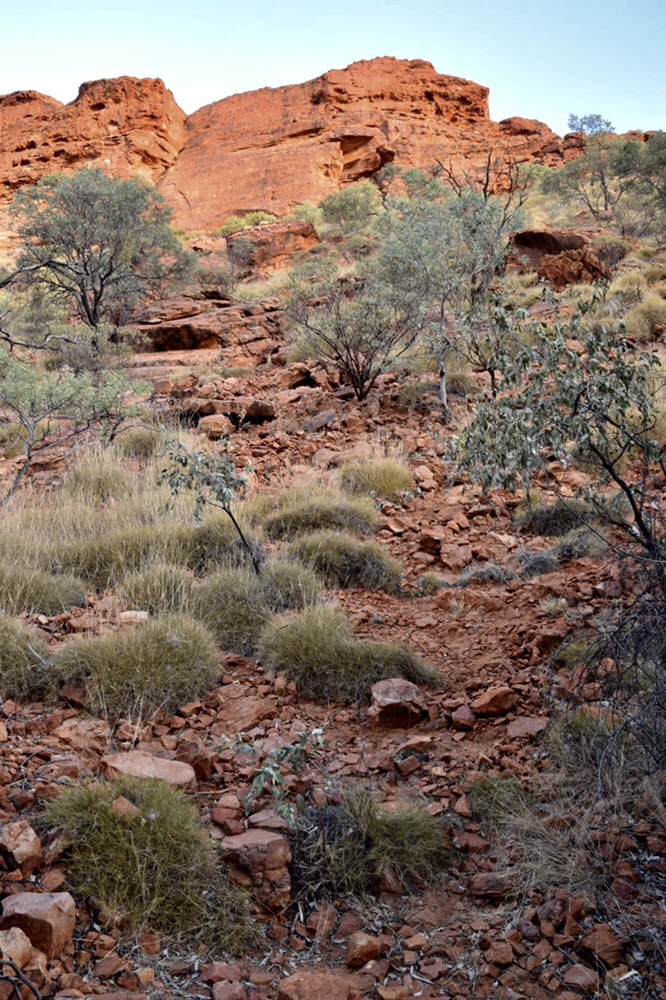
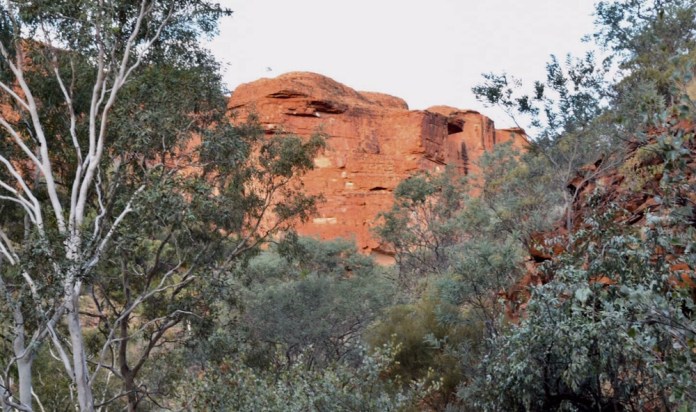
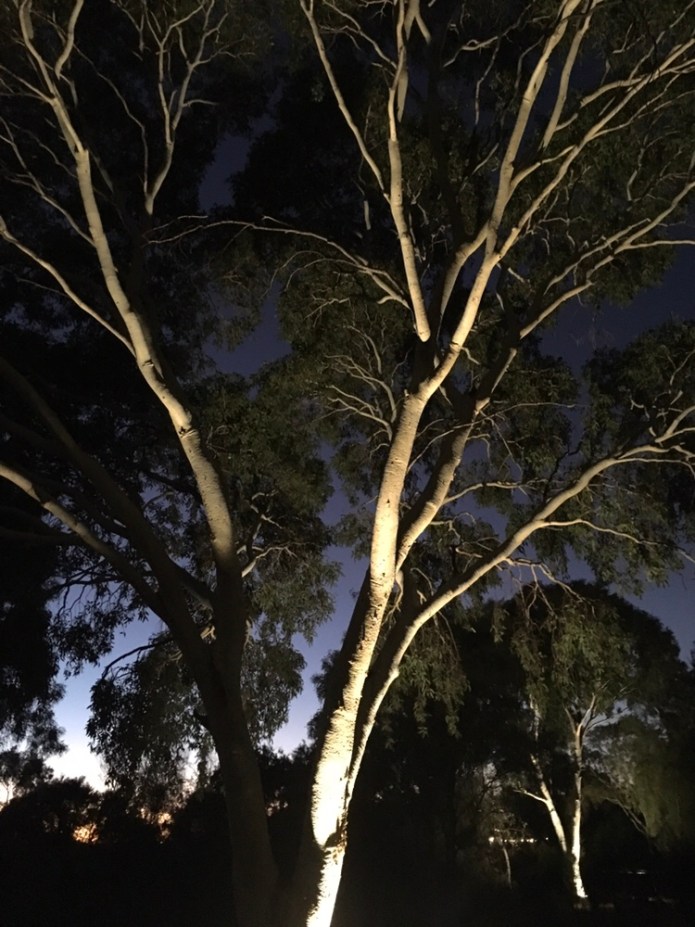
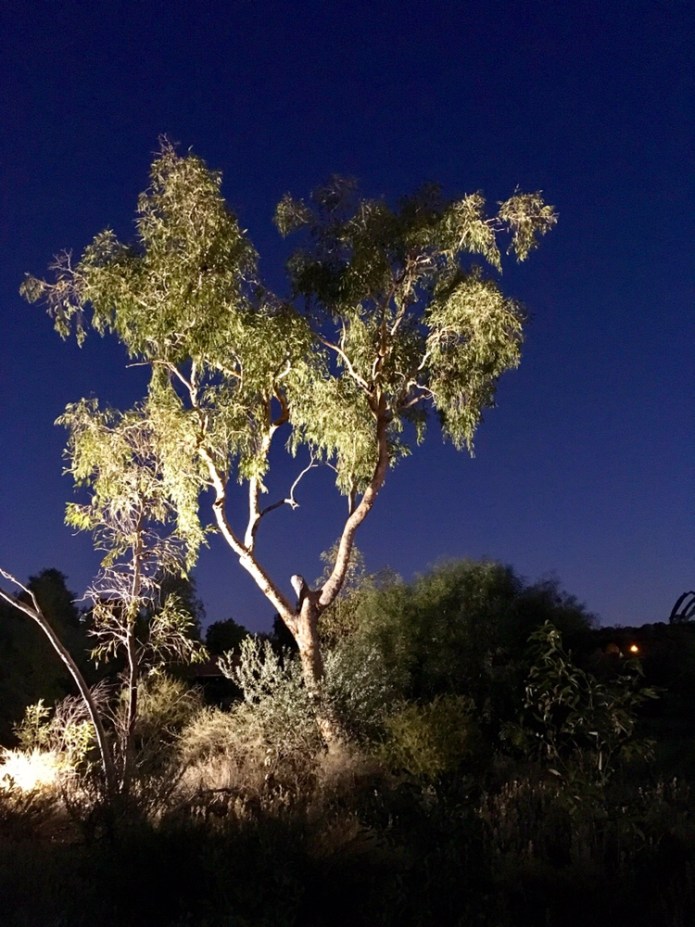
After work, there was not much time before dusk for any long walks but there was the opportunity to do some pleasant shorter walks. I walked the Rim track which goes for 45 minutes, around the resort. You can hardly see the resort buildings. The track offers many fine views of the Carmichael range, all the more vivid and colourful in the light of the setting sun, it’s rising orange glow abruptly above the plain of sand, buffer, spinifex and desert oaks. I walked a track near the clinic along a sandy access road. And also drove to Kings Canyon itself and selected the short Kings Creek walk. Gum trees, river gums, and birds are the highlights, the wagtails, the parrots sparkling colour through the trees in their noisy flights. It’s a primeval experience, the rocks, gullies and cliff tops ancient beyond human time.

On Wednesday afternoon Rod came in for a chat with Chris, the clinic manager. Rod runs a tour company in Kings Canyon. A major part of his business is organising trips for schools. The upmarket private schools including Scotch and Geelong Grammar. The kids spend two weeks here as well as near Yulara. They learn about culture from local elders and do some infrastructure work such as house repairs and painting. Rod is the founder of the Watarka foundation. They have raised $350,000 to expand the local school to go from grade 6 to grade 8. They are waiting on a few permits then construction can begin. The student numbers are from 7 to 24 at the school and there is currently a single teacher. She would move up to grade 7 and 8 and a new teacher would do grades 0 to 6. The experience of education here for indigenous children has been frustrating. After grade six most of the children have achieved a very good standard of education including g literacy and numeracy, good enough to carry on. However, after a term these children feel so home sick and miserable they come home. There are no jobs and no education available for them. The costs and technological savvy needed for home schooling or school of the air are simply beyond the skills of local parents. It’s hoped that extra two years will mean they have the maturity to cope with life away from home. Of interest is that the schools Rod are involved with want to support this venture as well with online learning, live streamed lectures and possible scholarships for the local indigenous children who show promise at th3 end of grade 8.

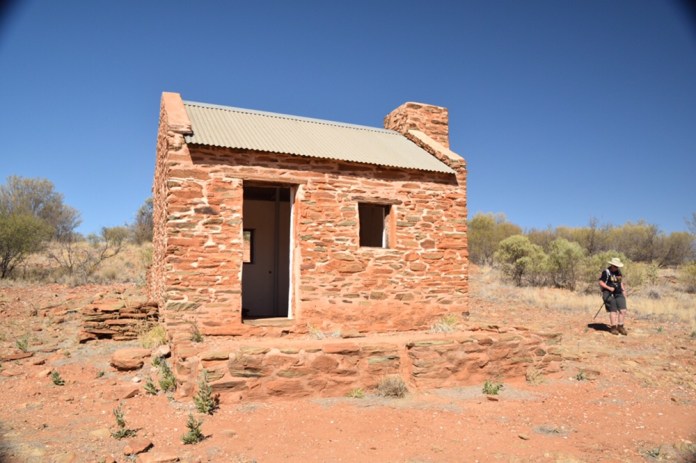
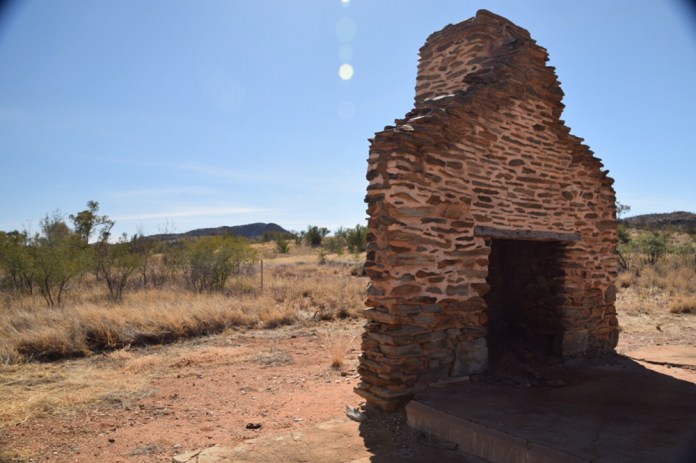
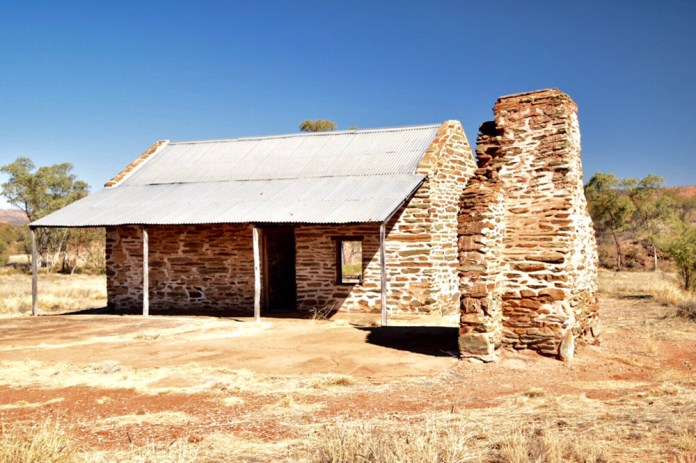
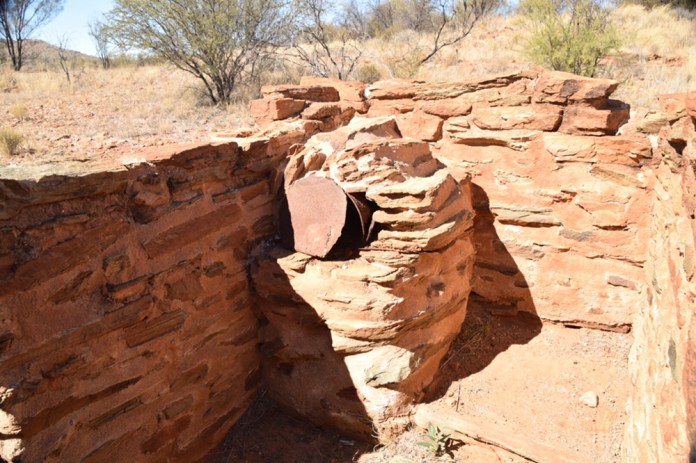
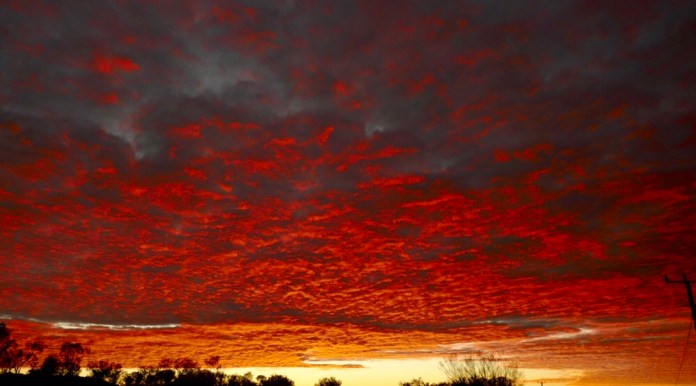
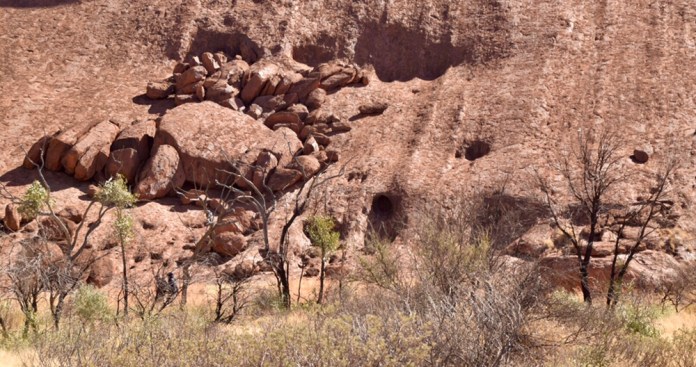
I drove back on Friday morning. The sand on the Ernest Giles track was cooler and the traction is noticeably better. I’m not sure how much fun it would be to go this way in high Summer with the prospect of rain and the sand being considerably warmer and too pliant under rubber. I stopped to take some photographs. There were no camels this time.

On the weekend, poor Jennifer hurt her lower back sitting in too low and soft a couch. Recovered substantially with time, mobilisation ( gentle!), and getting a new chair from Desert dwellers. Desert dwellers sells gear for camping in NT. we bought an Oztent, Kokoda chair. It has a firm lumber support as part of its design and Jennifer is pain free when she sits in it.

On Sunday we went to Telegraph Station. The Arid lands group was holding a barbecue, a talk from Aunt Patty an Arrente elder and a walk to Wrigley Gorge. Aunt Patty is an older Aboriginal lady with plenty of vim, she told us all about the protest movement surrounding a proposed Junction lake. She makes the point that if you want to live by water, live near it. There is no need to flood sacred sites. The moratorium has lapsed now but there is no move to build the dam to create the lake at he headwaters of the Todd river. Water control for very heavy rain to reduce risk of floods will take a different route, looking at some vast plains that could easily be accessed by minimal earth works.

The barbecue was great. We had camel burgers on bread. Yummy! Jennifer joined us up to the Arid Lands council which is an environmental group based at Alice and gets in involved many of the critical issues around the use of the land includes under the land, ie fracking and th concerns people have about contaminating what is already a parlours supply of water, in regards to both quantity and quality.

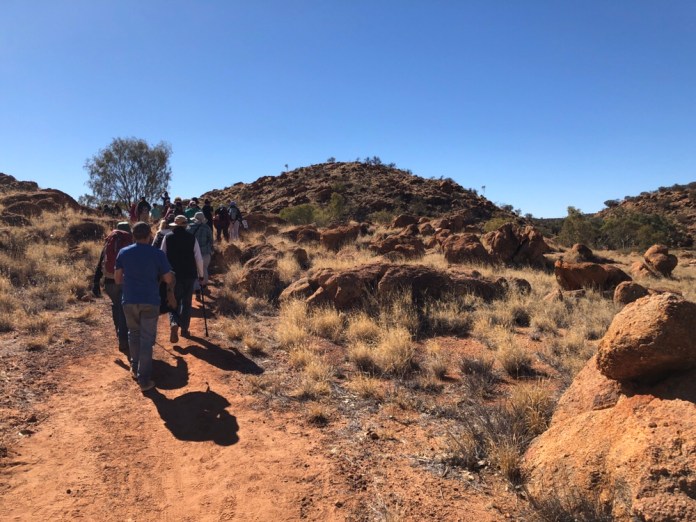
Wrigley Gorge is part of the extensive track network centred at Telegraph station. There are mountain bike tracks, walking tracks and some combined tracks including the one to Wrigleys Gorge. The wind was cool and pleasant, as we all set off. It was a mass of people at the start but the crowd soon separated out and for most of the track I was by myself with merely the susurrations of my fellow walkers ahead and behind. The land is arid and twists and turns along dry river beds, up and over rocky cliffs and finally arrives at Wrigleys Gorge. River gums nestle in a narrow valley. Most of the walkers elected to take a shuttle bus back but I had enjoyed the walk too much to do it just the once.

While writing this I have seen another patient, a little three week old infant who is losing weight and there is no obvious reason why. Mum is only sixteen but appears very capable and she is supported by her mother, who comes in with her. She will be flown out at lunchtime today with Mum and grand Mum to Alice Springs Hospital for assessment and treatment. She is not deathly ill but the continual loss of weight is an enormous concern and requires attention. The bush bus another option but that departs twice a week and I don’t think we have the time to wait for it’s next trip and the four hours on the road with a sick baby does not bear thinking about.
Standard
Central australia, Central Australia Work

Our trip so far

It’s a Sunday, the end of our second week in Alice Springs, and the beginning of our third. I’ve been remiss in not writing down to record everything which has happened since we left Launceston nearly four weeks ago.

In Melbourne we stayed at the Quality Inn at Mickleham, it’s comfortable, close to Hilary and has a large area to securely park the camper trailer. We spent a lot of time at Hilary’s place, enjoying our time with Isla and Lauren. We took the train into Melbourne CBD so Jennifer could buy some walking sticks and even more importantly have brunch with James. We sat inside at Mr Tucks with the traffic noise beyond the windows and busy pedestrians passed us by.

We had a wonderful afternoon and evening at Oshi and James place, readying the penthouse entertaining area for their engagement party. The function proceeded very well, with Oshi’s parents, Anoop and Richa, my sister Coral with Buzz, Hilary, Michael and the girls, and lots of friends.

We set off from the motel, early in the morning, driving to Ararat for lunch, then to Dimboola. It was overcast and the weather looked threatening as we pulled into the caravan park located next to the Wimmera River. We had to camp that evening. However bad the clouds appeared, there was only a tiny sprinkling of rain. After we arrived and set up, we walked to the Dimboola Hotel for dinner. A charming, classic early 20th century pub which had been built by the Ballarat Brewing Company. A couple now run the hotel. Their small three year old daughter jogged through the lounge, first with wet pants, then no pants at all. Goodness knows where were her trackies were.

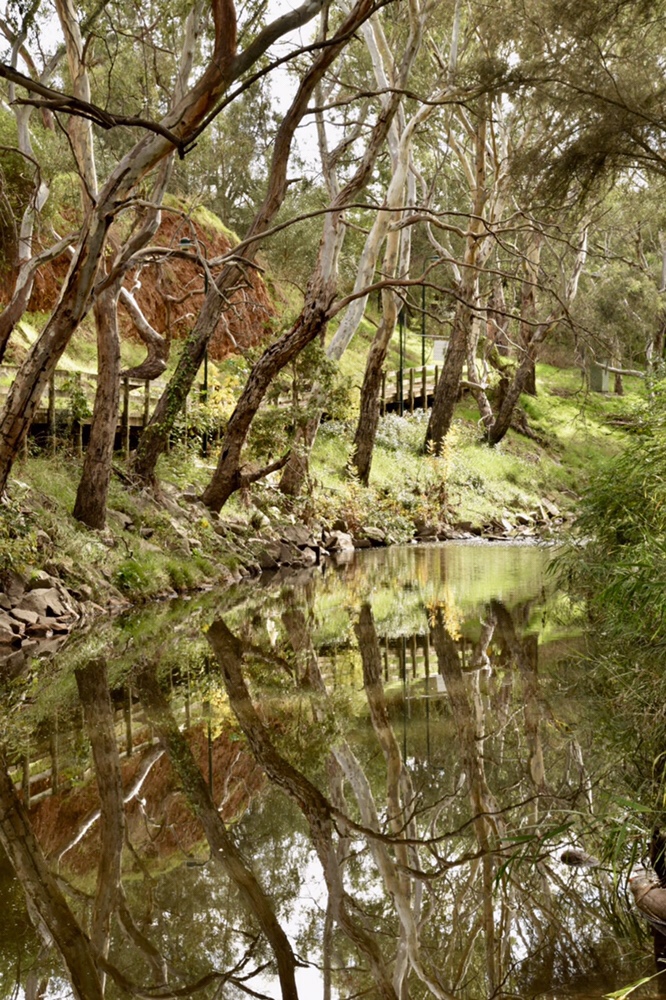
From Dimboola, we drove to Adelaide, our destination was the Levi Caravan park to the north east of the CBD. This is a very pleasant caravan park, with easy bus access to the centre of town. The sites are spacious and the park was quiet at night. At the rear of the park, just past the original colonial residence which still remains, is a gate and a short, downward flight of steps to the Torrens river trail. The day after we arrived Jennifer caught a bus while I walked into town. It’s a scenic, easy trail, with cyclists, walkers and dog walkers all enjoying it. River gums and wattles, skirt the rivulet. A painter or two, were doing art at some locations as it really is very pretty. I walked past the zoo, then into town, meeting Jennifer outside the South Australian Gallery. As we climbed the steps to the main entrance, another couple asked if we were going to the Impressionist exhibition. We stated that we were, then they offered us their tickets, as the husband explained, they had been given tickets as part of their accomodation but did not have t8me enough to go. We thanked them, and were soon in the exhibition after having our free but valid tickets scanned at the doorway to the show.

The exhibition is made up of numerous works brought exclusively to Adelaide from the Musee d’Orsay in Paris. The mild numbers of visitors made it possible to enjoy each work without being jostled but in fact to spend as leisurely times as we wanted to admire them. What struck me most was the interest of these artists in the lives and residences and locales of ordinary people. Bar maids clutching pitchers of ale, a farmers wife sitting in an orchard, another painter pausing before his own work, and dark silhouettes of travellers along a river side with Notre Dame in the distance and the grey brown buildings of early industrial Paris. Well worth visiting and for once the catalogue is well done with very faithful colourings in the reproductions. The views of yachts languid in the water, of a well to do man with his pockets thrust into the silvery suit we sort, and the beautiful paintings of flowers, marked by delicacy and an almost translucent light.

The next day was beautiful, a dusting of high clouds, we had breakfast at the caravan park, then walked to the visitor parking area by the front gate. At nine o’clock we met Innes who was our driver and guide for our tour to the Adelaide hills and Hahndorf. Top wine and food tours. We sat in a very comfortable Mercedes van and headed out of town. We stopped to take in some great views, then visited wineries. Not very many. We had a wine and chocolate adventure at Hahndorf Hills winery. Three small serves of wine, three matching serves of speciality chocolate which put the old deep fried mars bar to shame. The wine tends to German varietals and are excellent, very different to our Tasmanian wines. We visited the Berenberg showroom at their factory. I always thought berenberg jams were imported but they are not, there are all made in the Adelaide Hills. We bought some jars of pickle we had not seen before. We had a late lunch at another winery, overlooking their paddocks of grape vines, just turning red and yellow with the hastening of autumn. We spent some time walking and shopping in Hahndorf itself. It is pretty touristy even mid week but on the weekends, well I hate to imagine how busy it would be.

Hahndorf is named after Dirk Hahn, he was the ship captain who brought out the poor Lutheran settlers destined for this part of the Adelaide hills. He negotiated for their land and for very favourable borrowings on their behalf to begin their farming. Then it was mainly cereals, grains and only later with the introduction of heavy corporate, highly mechanised farming which made hilly country unsuitable for crops, that they turned to wine, berries and fruit trees. The women of the township would carry their produce, the thirty five kilometres in the market in Adelaide, beginning at three am. Rather than walk back unhindered, they each carried a stone. These stones were used to build their Lutheran church in Hahndorf and it stands in the main street to this day.

We bought some tasty delicacy’s including mushroom pate, crostini and local cheeses in Hahndorf as well as a miniature illustrated beer mug which Jennifer thinks shows an appalling lack of taste. At least I did not buy a cuckoo clock!

We visited a now fixed water wheel in a park on the outskirts of town. It was once the powerhouse for grinding most of the wheat and maize. It’s now a silent but very large feature of a park, with families enjoying picnics and strolls by the river than once drove the wheel

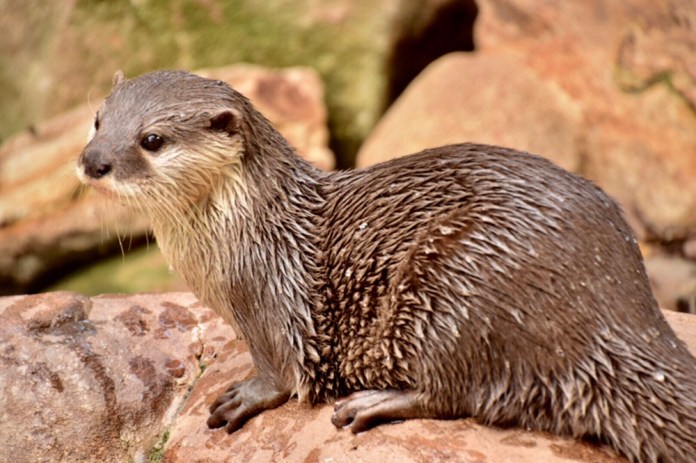
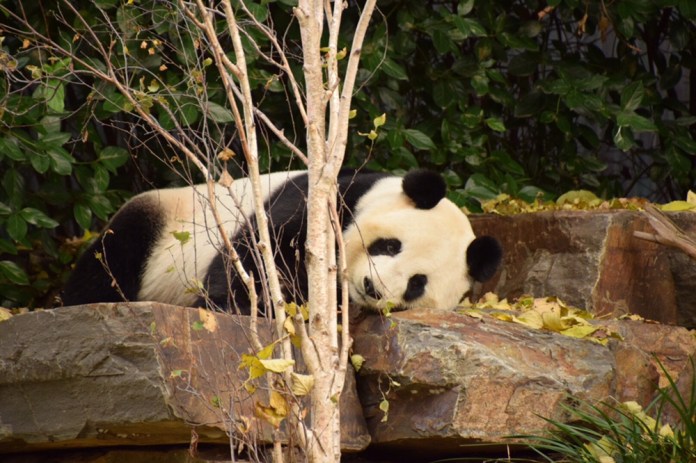
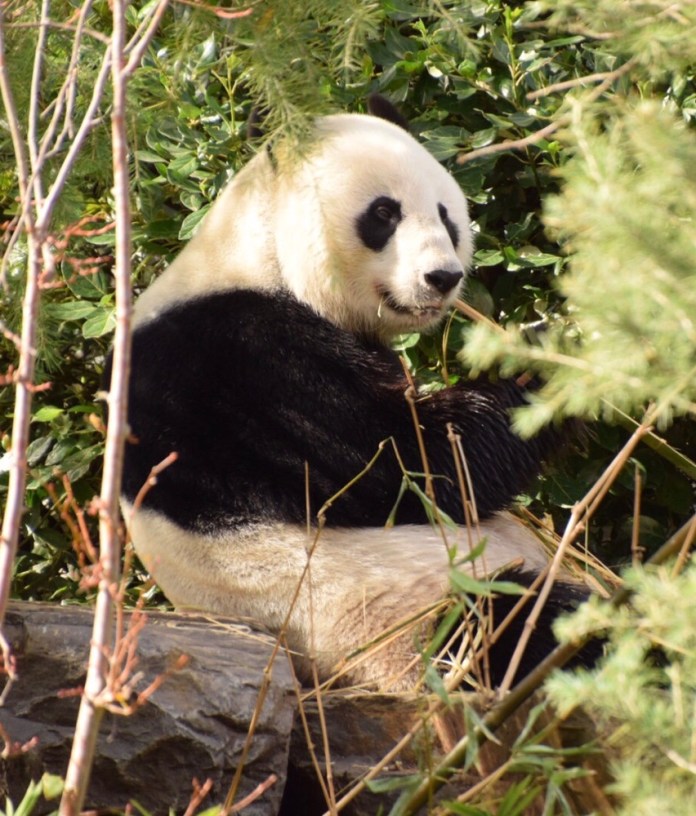
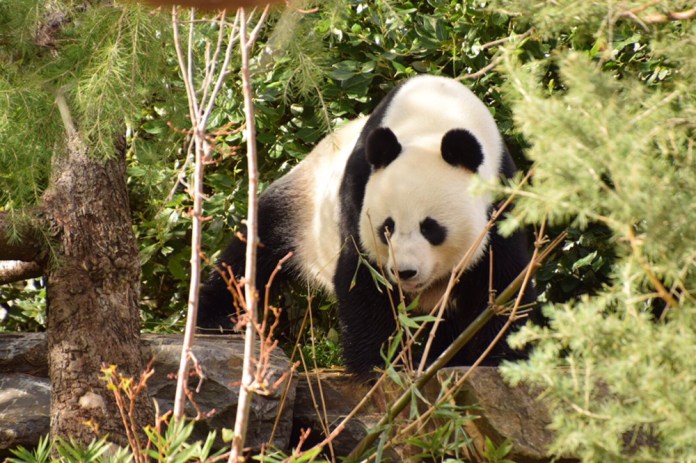
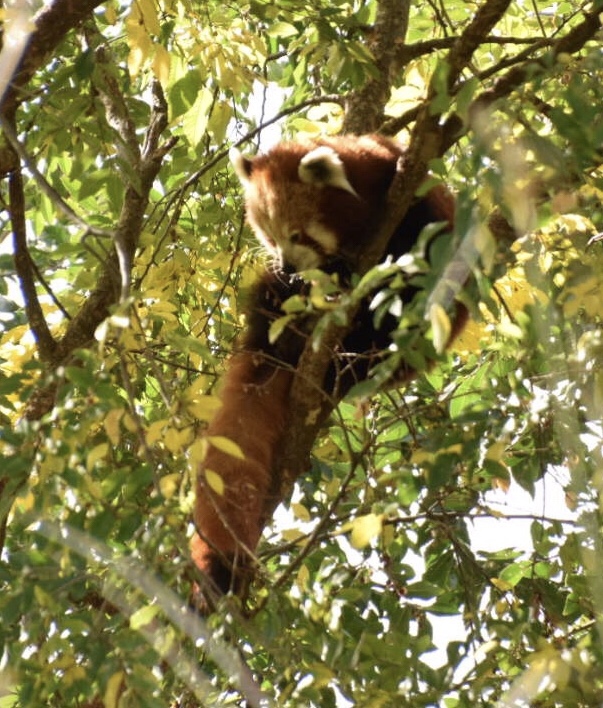
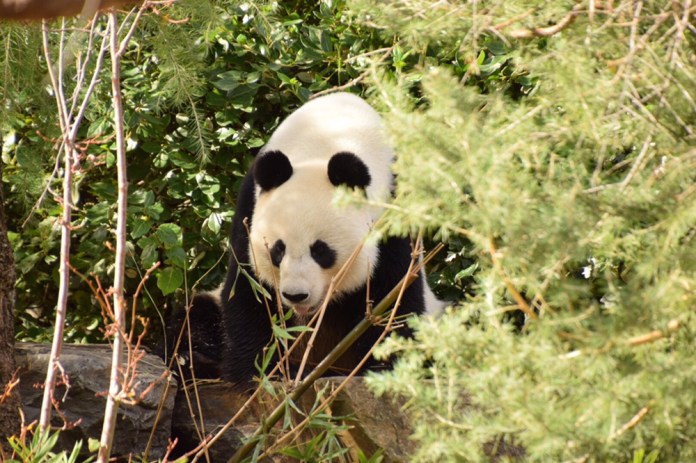
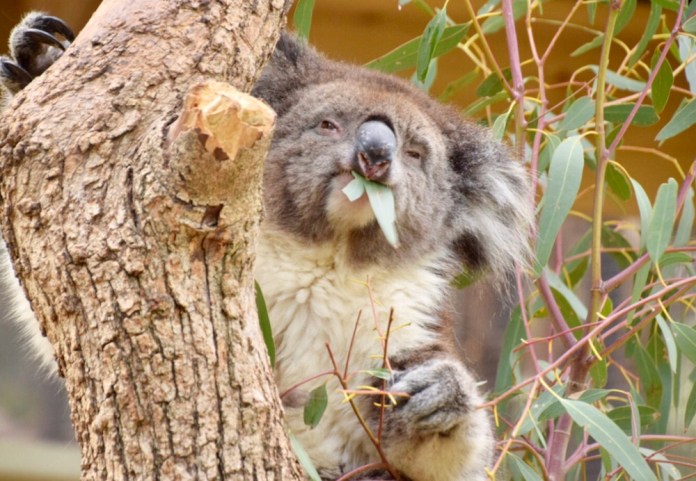
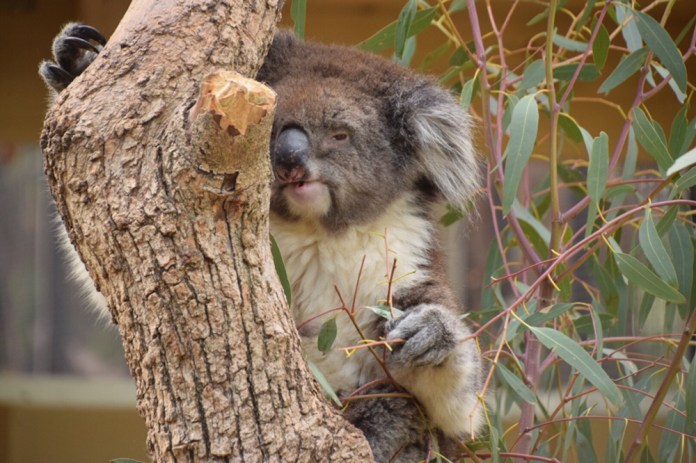
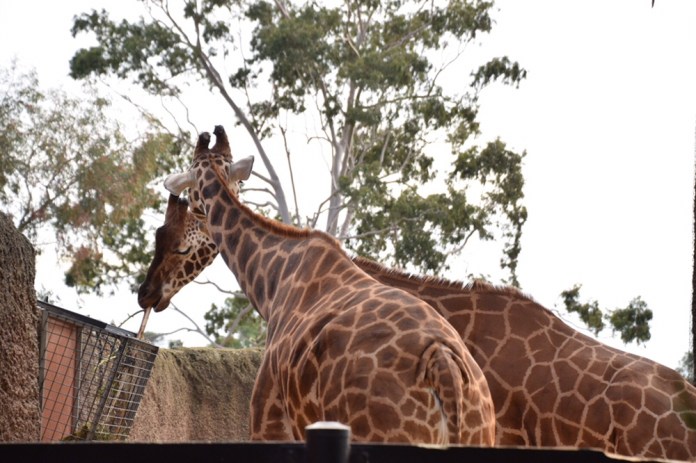
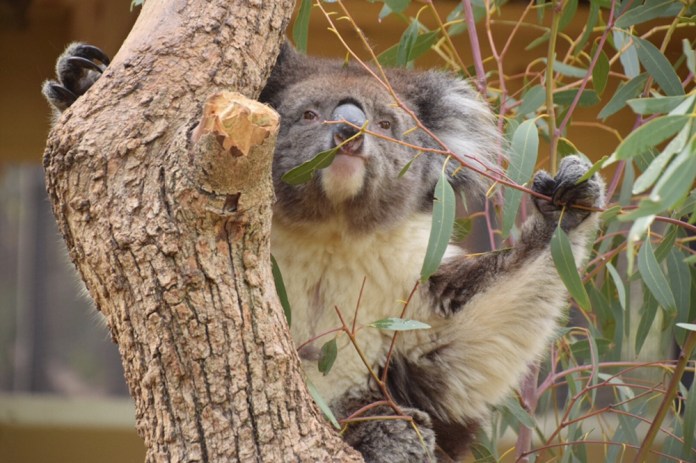
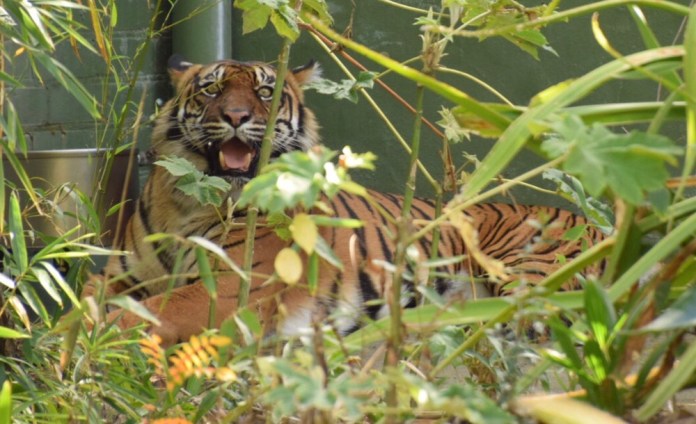
The next day, I again walked into the CBD, and again with the intention of meeting Jennifer for an adventure. I had visited Adelaide Zoo, twenty years ago, and had fond memories of my visit. Well, we were going there together today. The large animals are mostly at a second free range zoo, while only the big cats are still housed here. Most of the animals here at the city zoo, are smaller and happy to inhabit a smaller area. The pandas were in good form, one lolling about on a rock and the other munching bamboo and peering over at us beyond the fence. We visited a sleepy red panda, and anything but sleepy Koala, a sea lion, and a Sumatran tiger sitting then skulking through the jungle. It was a very enjoyable day, but the high point was without doubt the pandas.

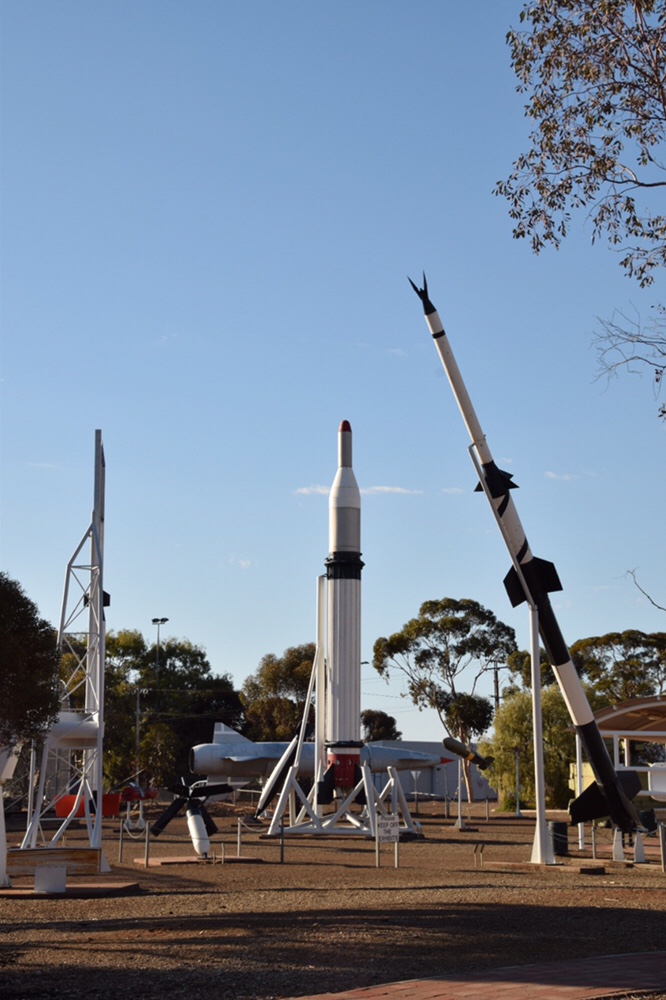
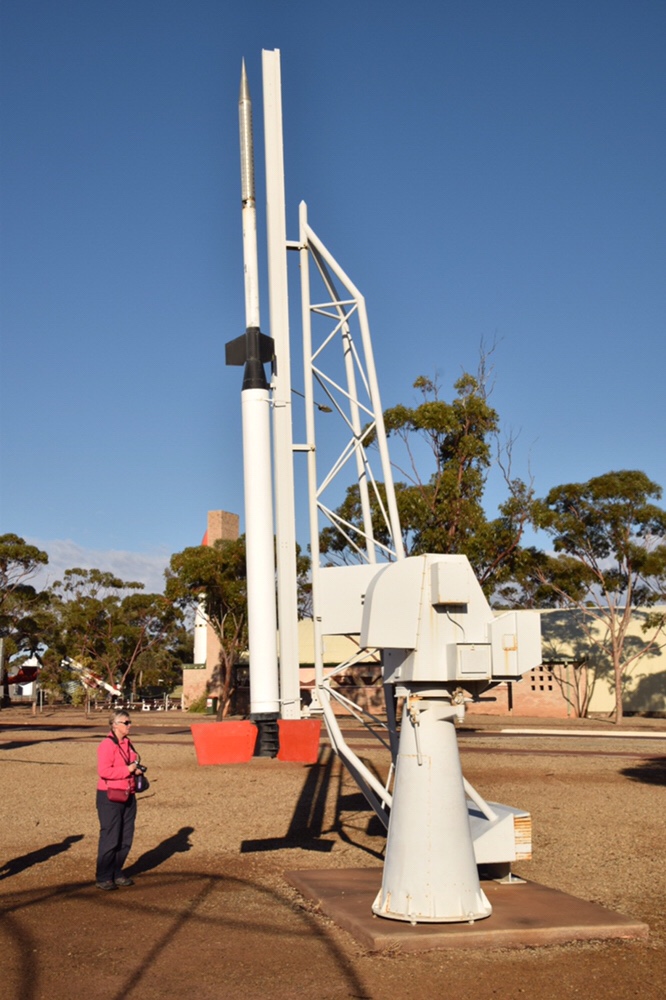
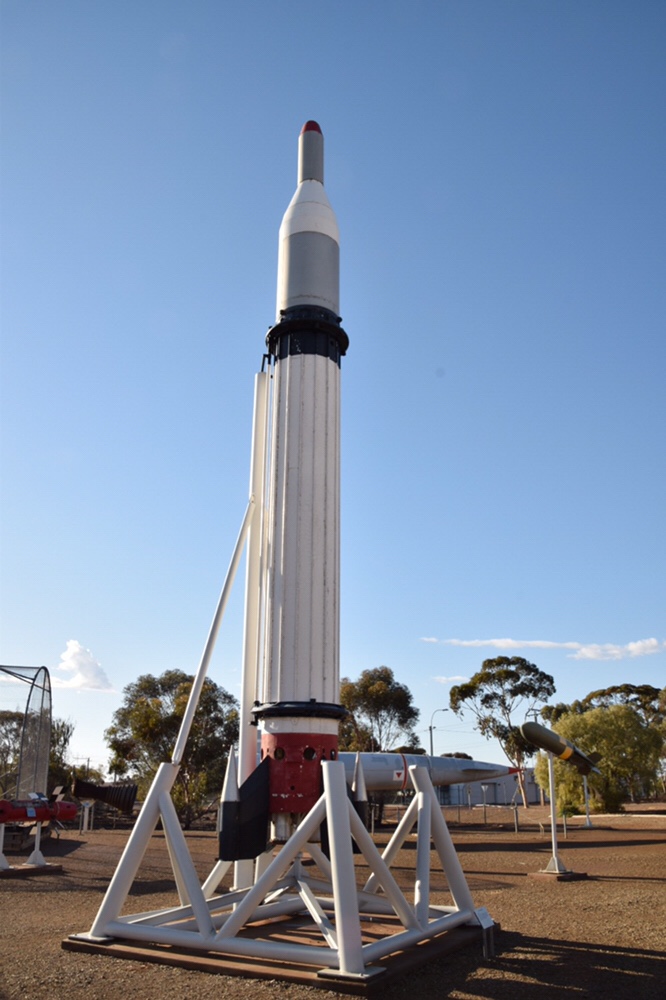
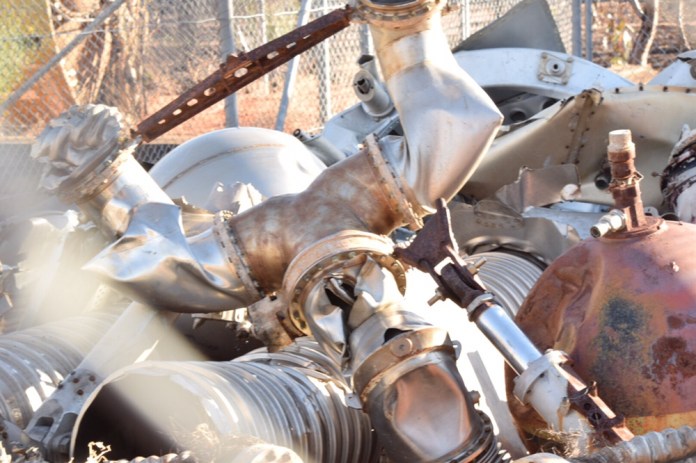
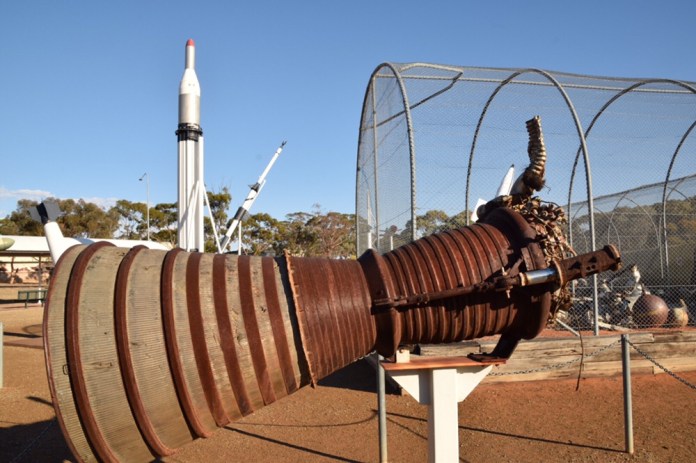
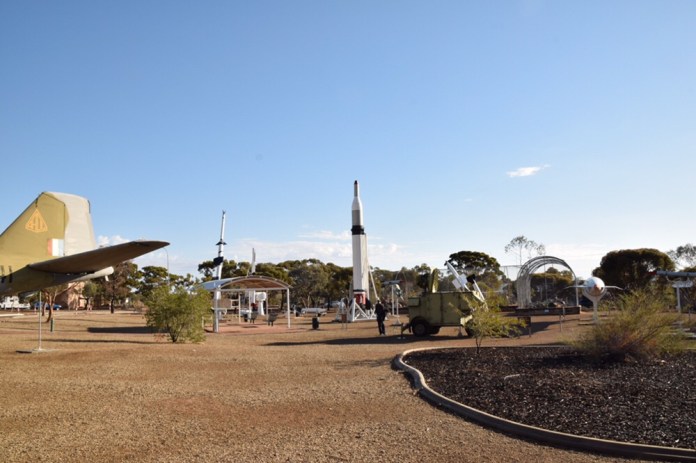
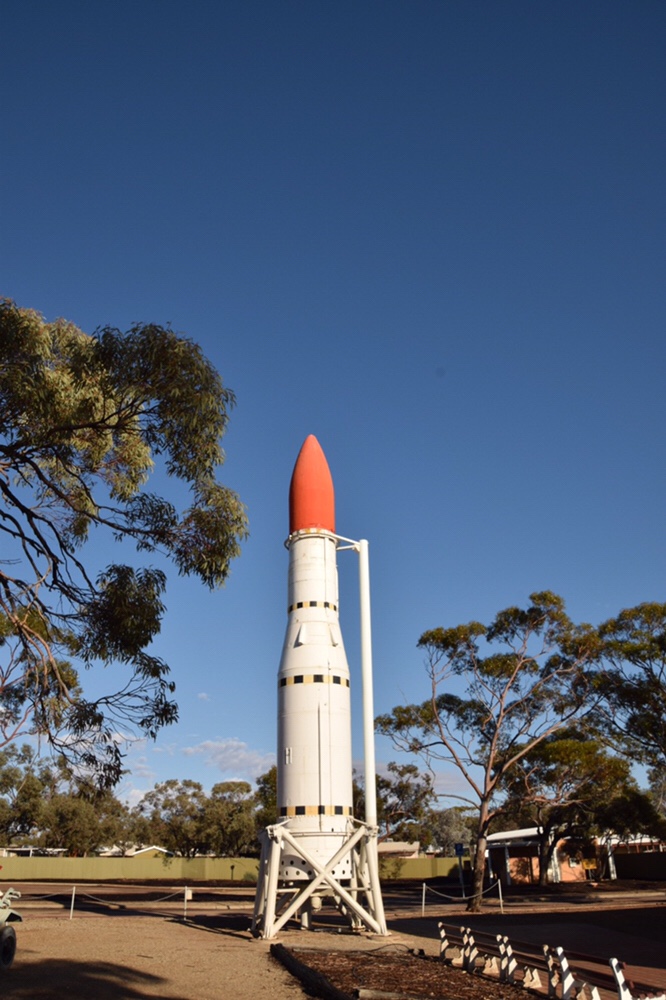
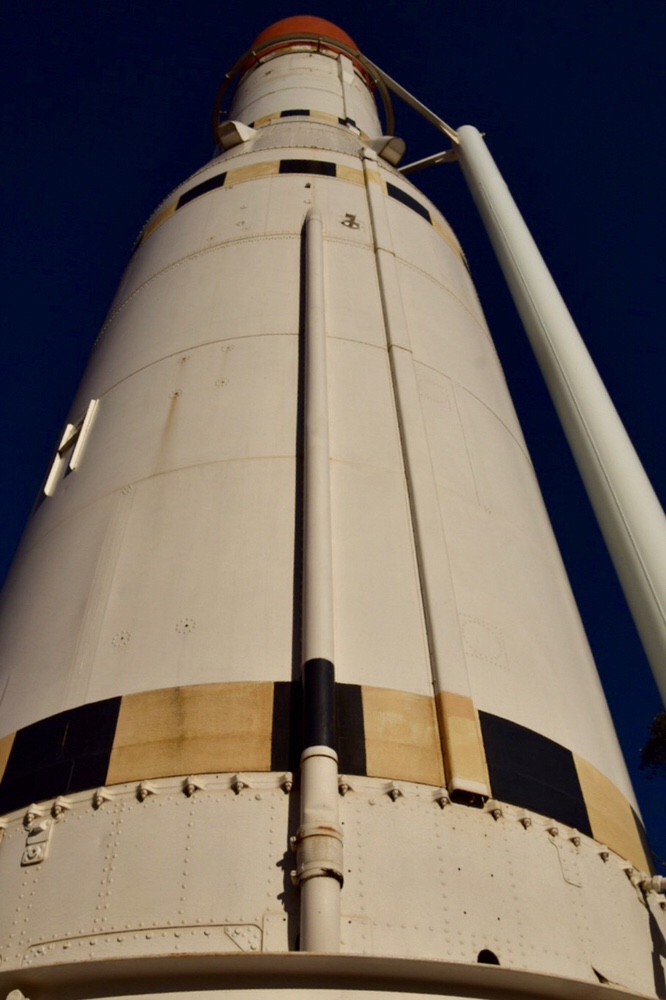
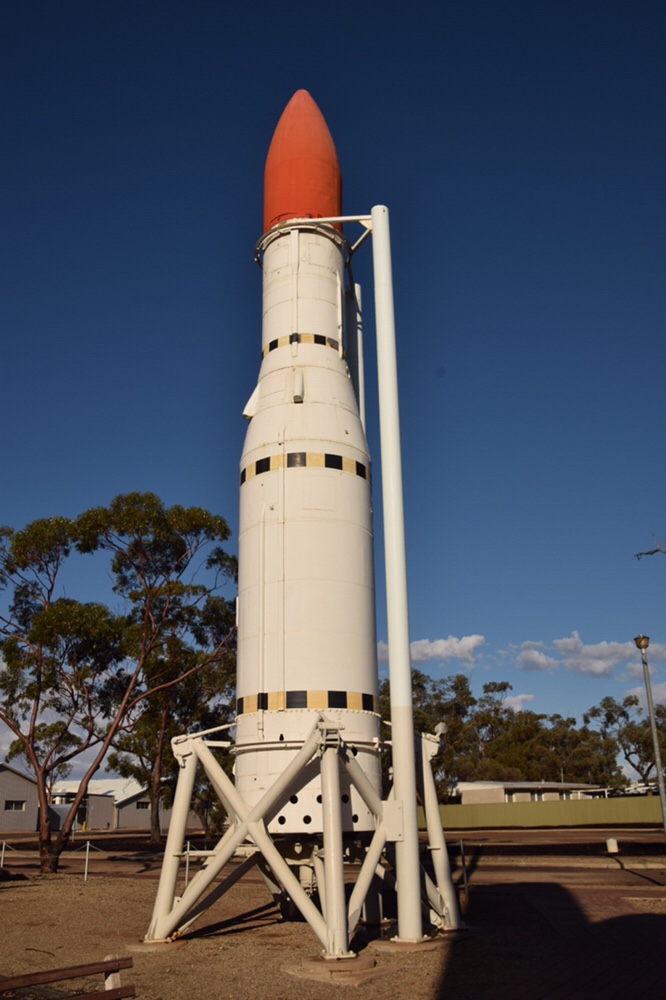
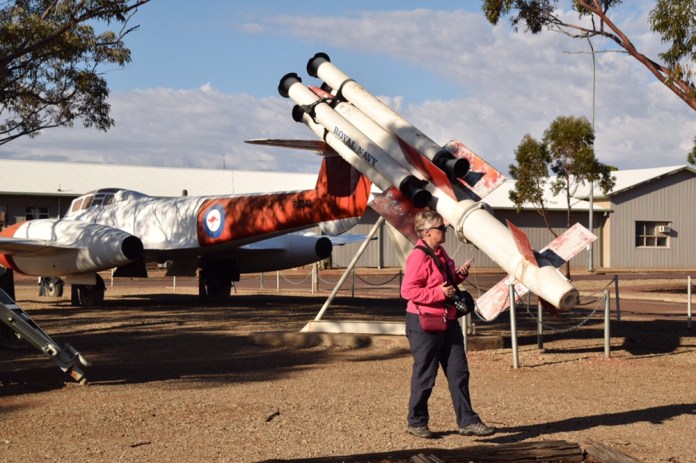
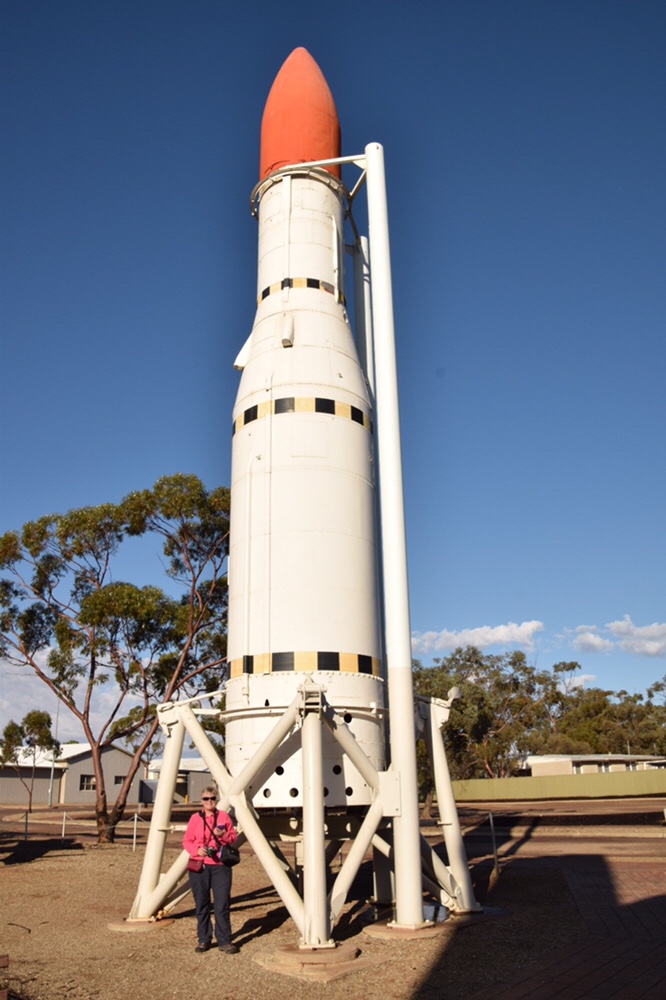
The next day we packed up and began our drive north in earnest. The weather reports were pretty awful which only doubled our intentions to be one our way. We drove though heavy rain, through port Augusta, then onto Woomera. Woomera is the worlds largest testing area for rocketry. It’s operations commenced in the late 1940s after being surveyed by the legendary Len Beadell of outback road building fame. The town was established in early 1950. It’s in a time warp. Neatly laid out streets, a mid20thC cinema. And in the Centre a host of rockets. There is a mixture of military and research rockets to look at. Some of them, more than capable of putting a satellite in orbit. The place has an odd affect. Two Olympic size swimming pools. Multiple mess rooms. All this plenty. And Maralinga , not far away. Before the nuclear tests conducted here, rangers went out to warn indigenous people who lived there that they had to move. Well sometimes, this did not happen and Aboriginal people were lethally exposed to radiation and fall out. This is hardly mentioned on the displays for tourists to read and so many would never realise what had happened here in the 1960s, not once but several times. It’s a pity the technology is talked about but not its effects.
Even before we arrived in Woomera, great storm clouds were pursuing us. I phoned ahead, upgrading our camp site to a cabin. I’m glad we did, overnight it poured. A lightning strike took out a nearby service stations electronics. A third of the annual rainfall in one night.

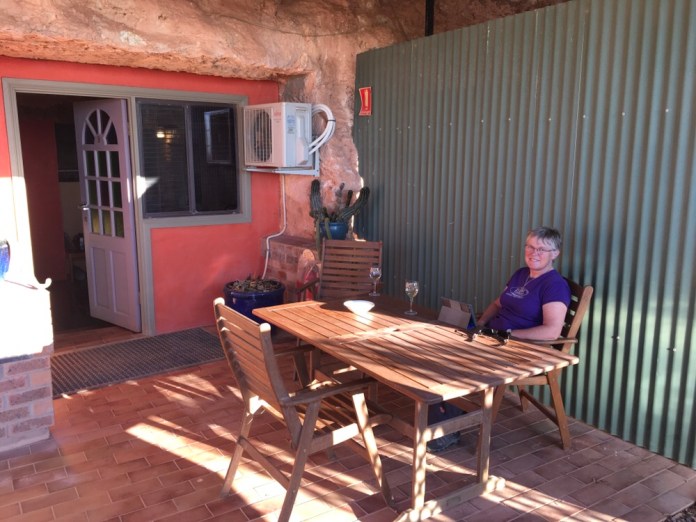
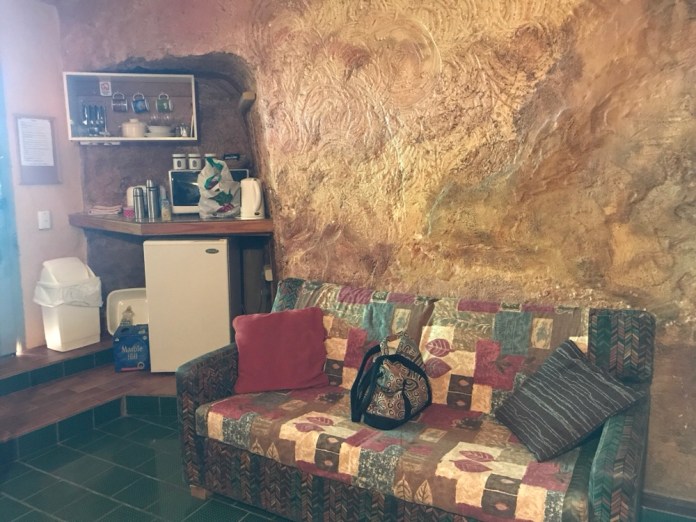
The next day, after exploring Woomera, we carried on north to Coober Pedy. We had booked an underground motel. Yep, a motel room, dug out of the rock. Our next door neighbours were noisy, till Jennifer asked them to be quiet. Middle aged bikers heading up to Katherine for the cross Tanami motorbike ride. After that we fell asleep. Very wary of banging our heads. Limestone is much less forgiving then a timber wall.

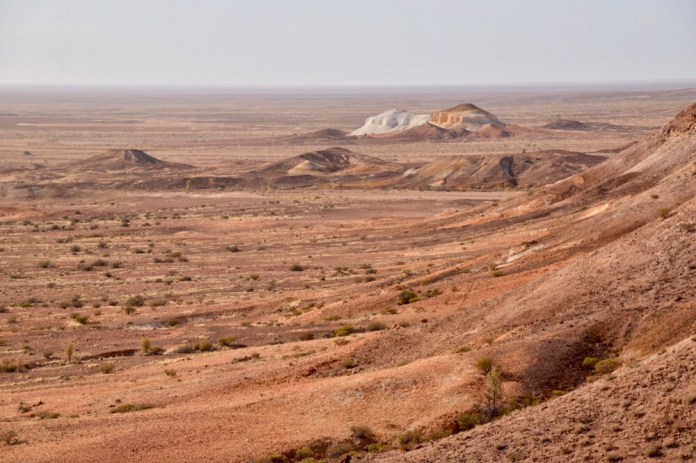
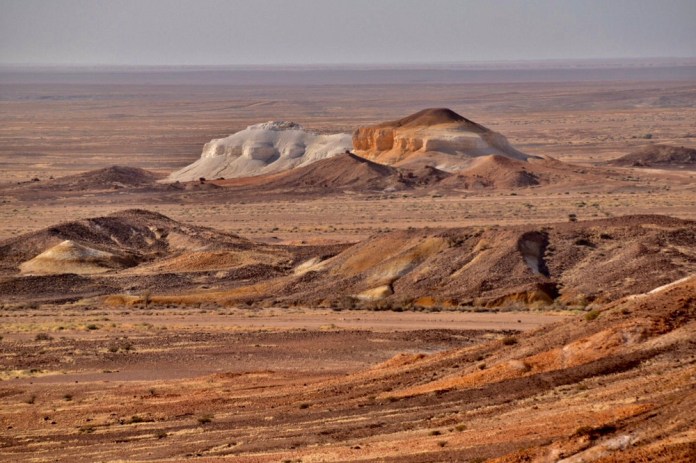
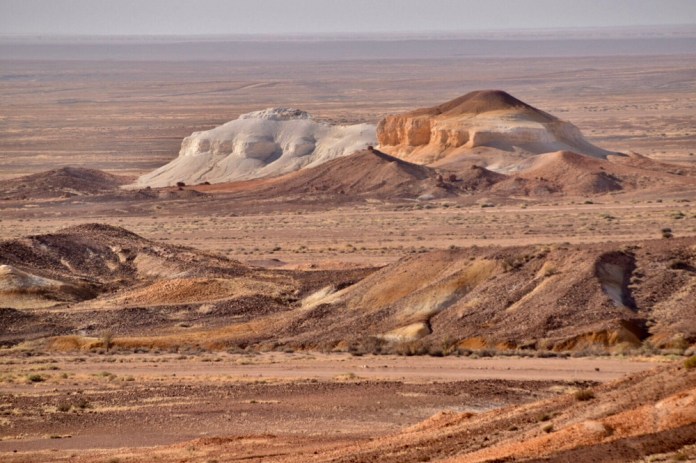
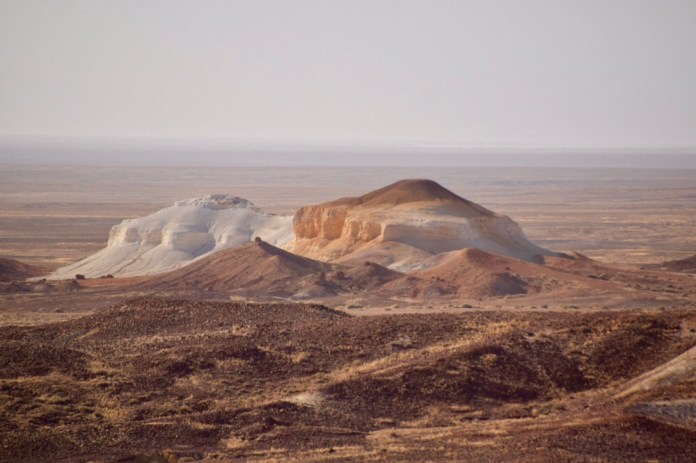
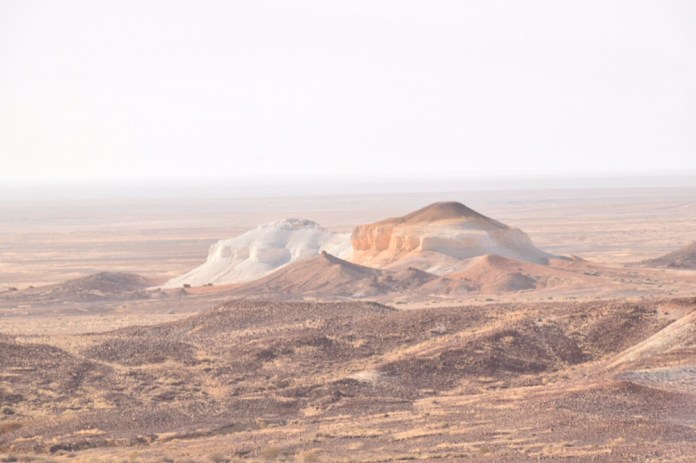
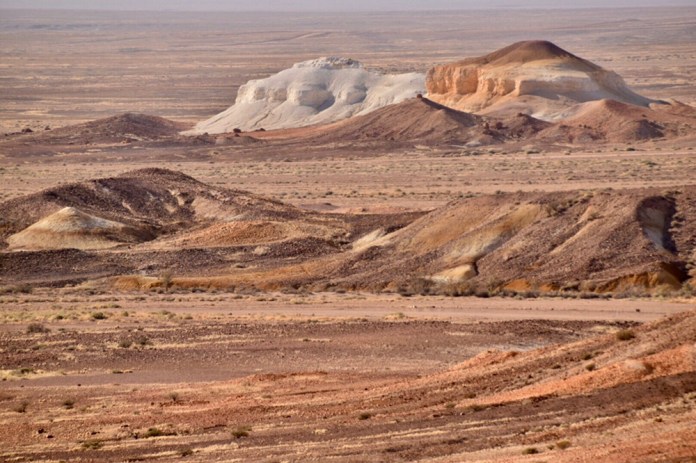
In the morning we detoured to the Breakaways, taking some wonderful photographs of the fascinating geology hereabouts.

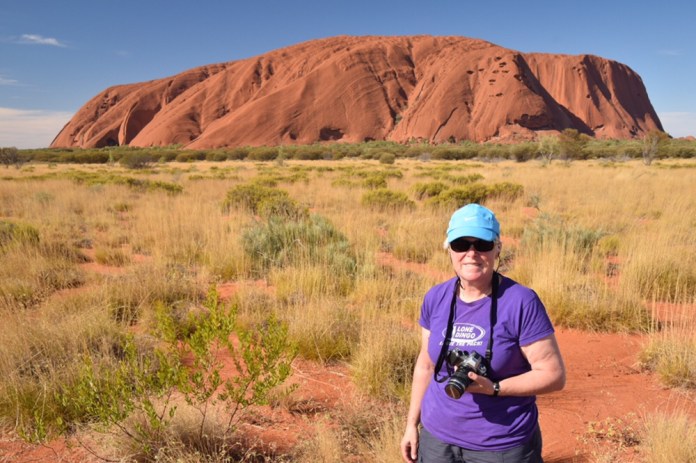
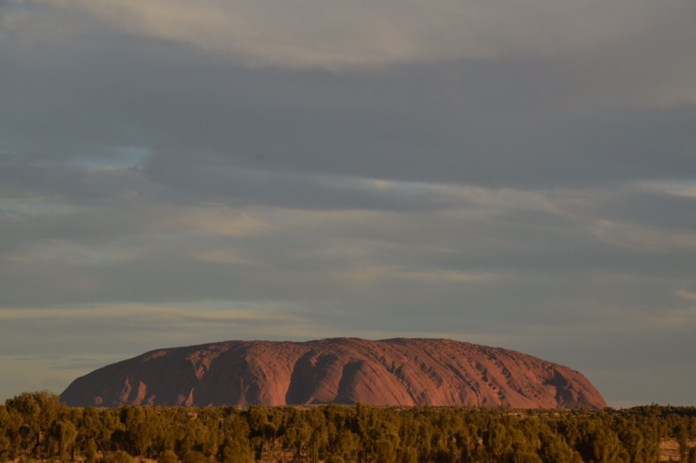
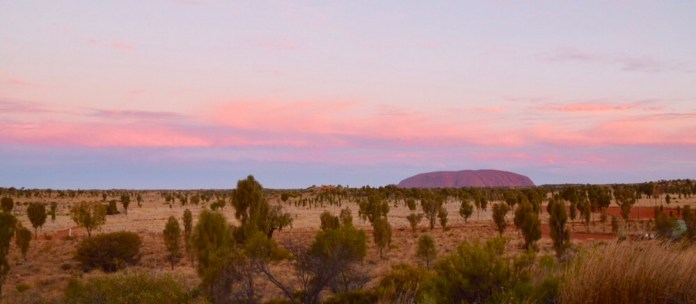
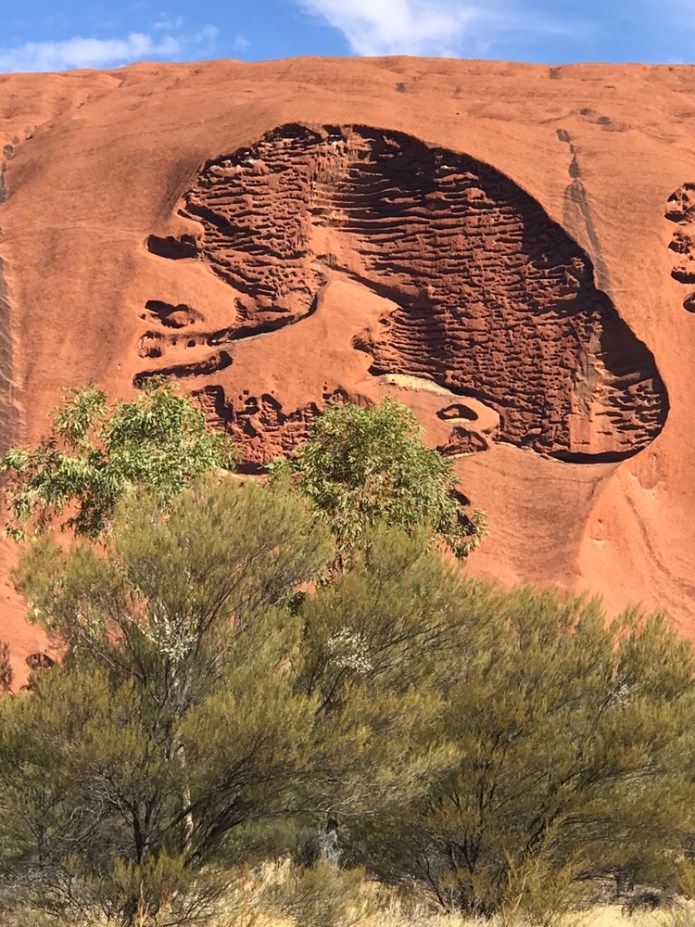
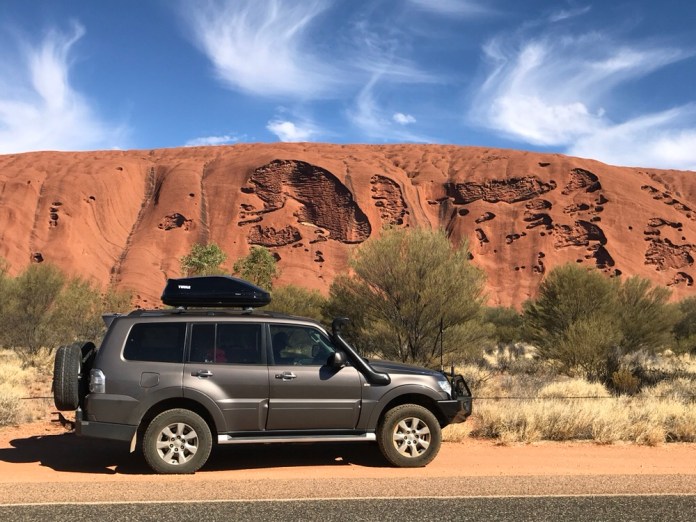
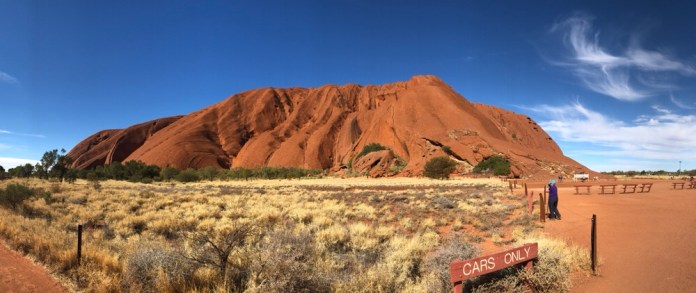
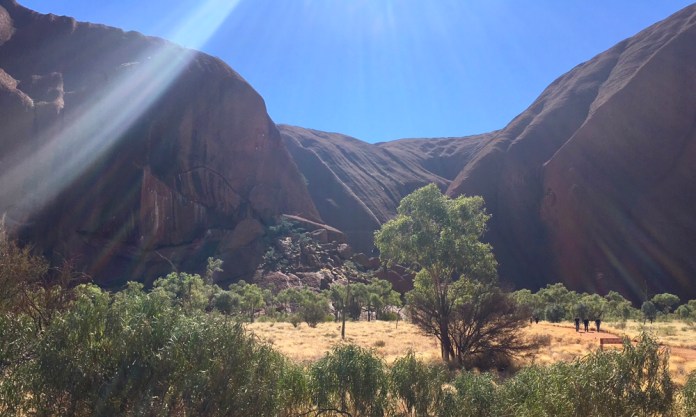
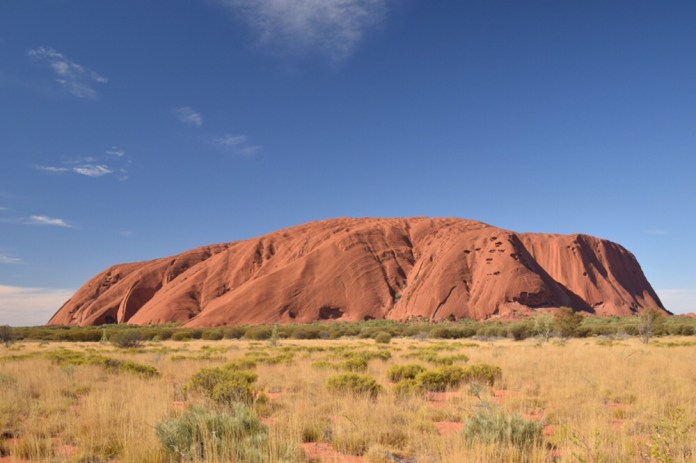
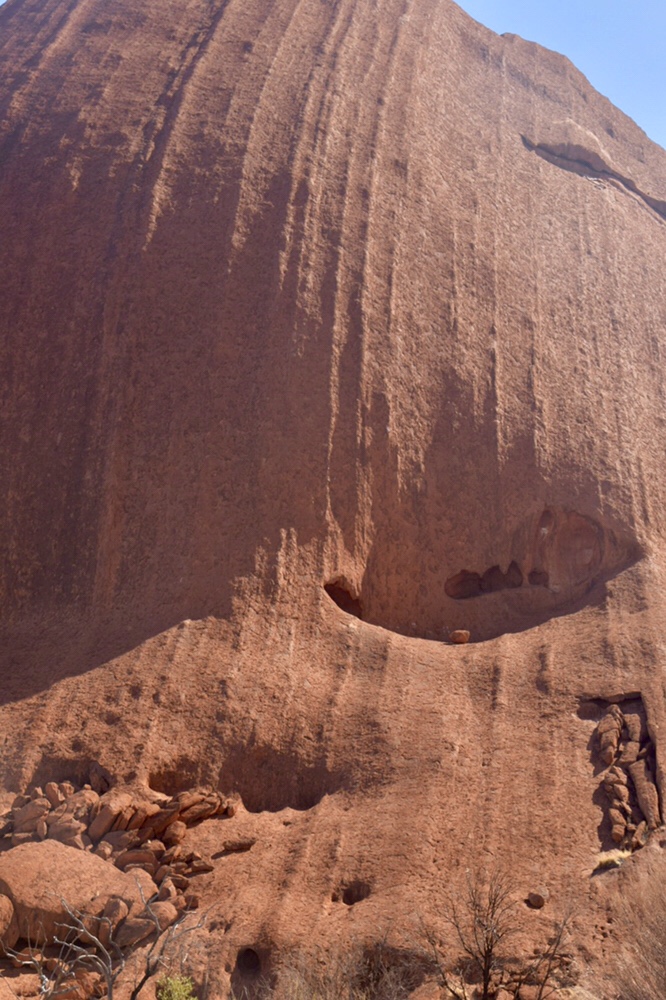
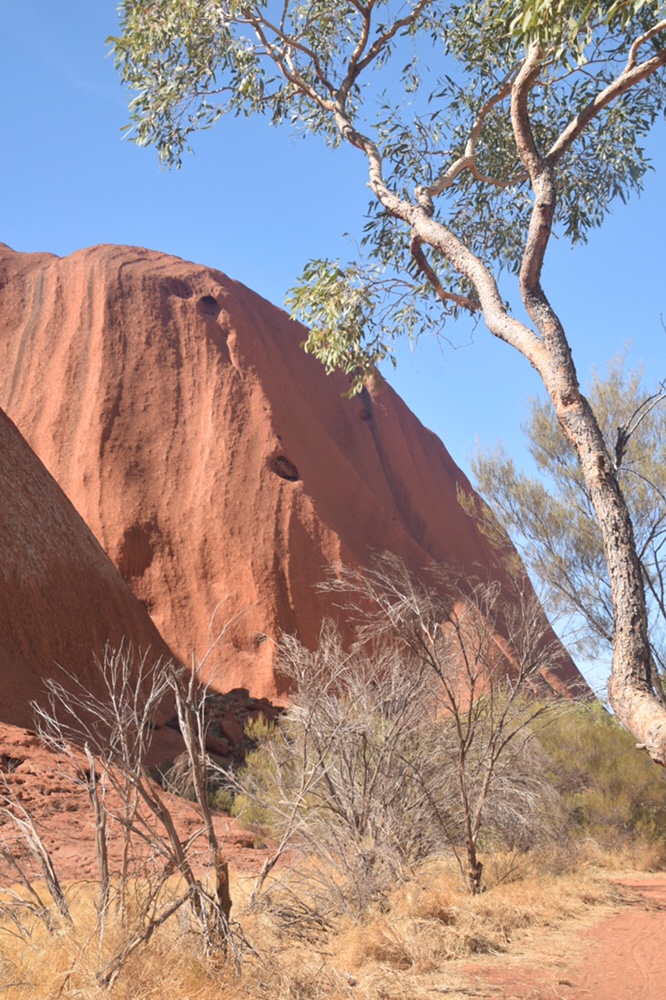
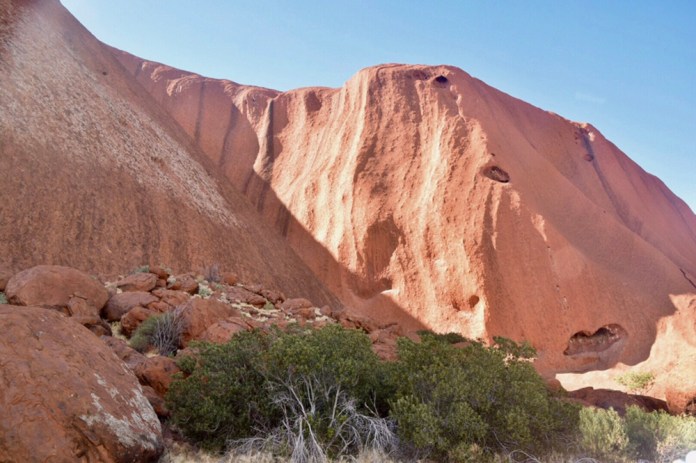
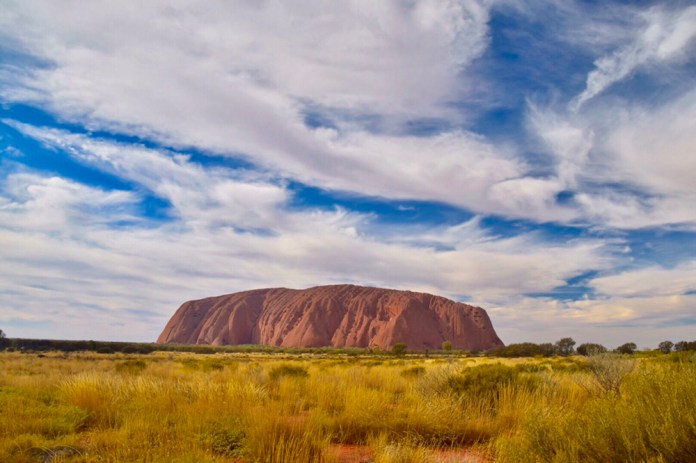
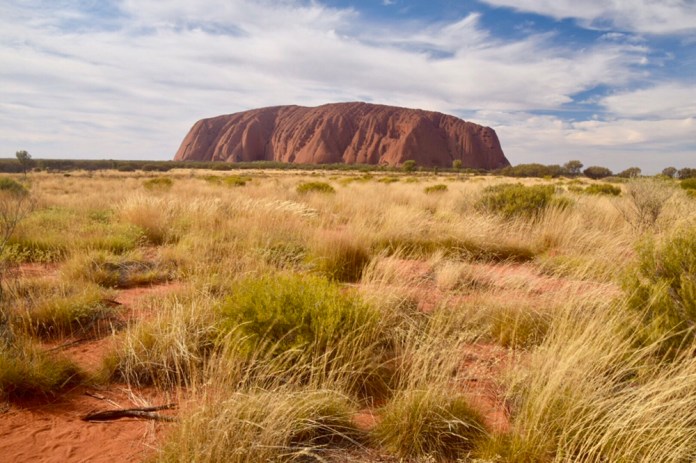
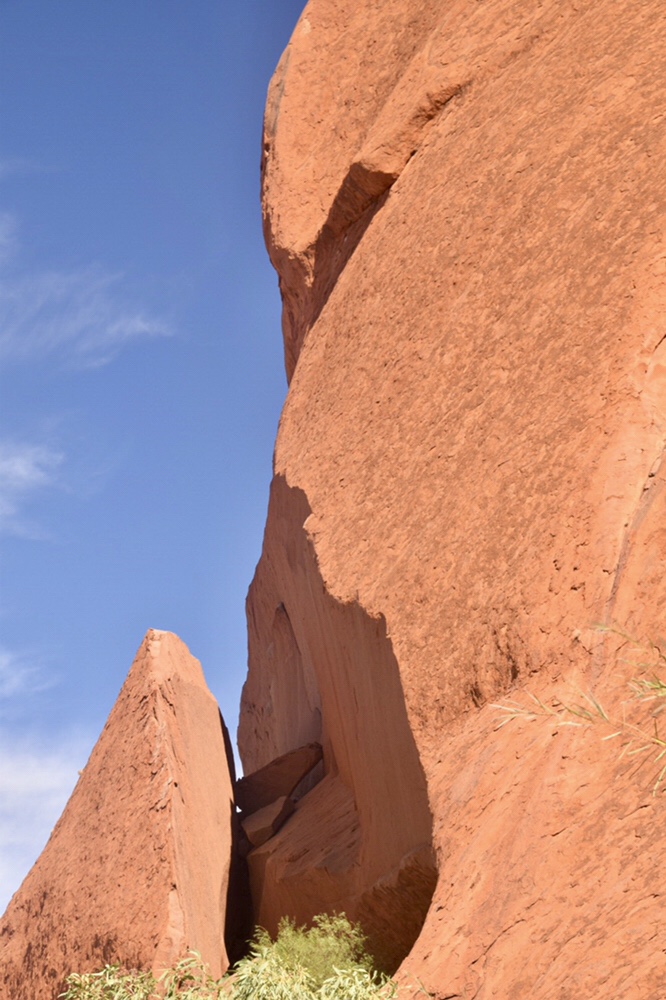
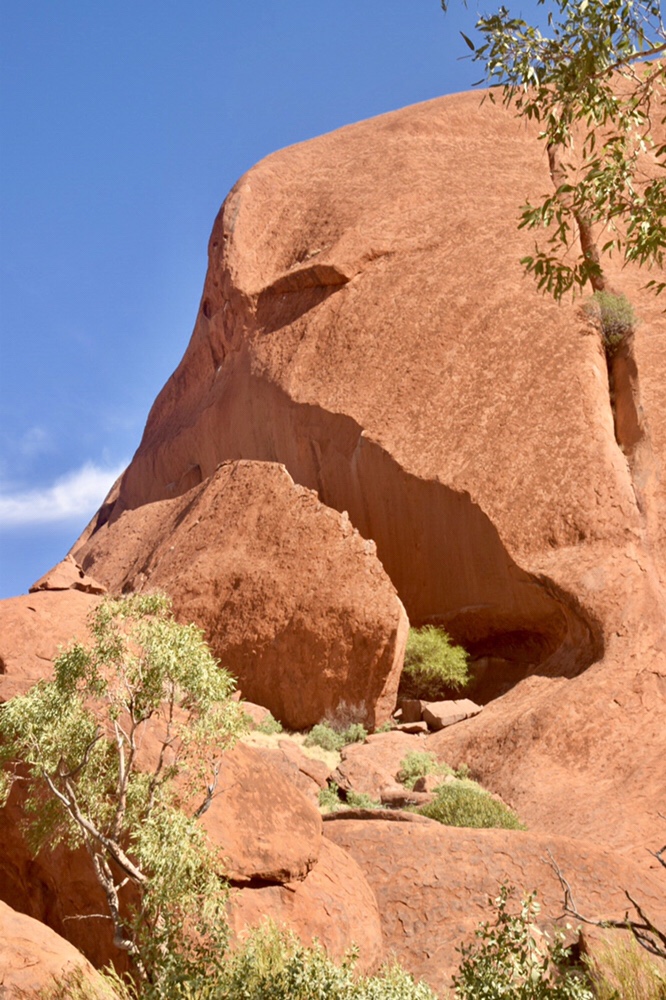
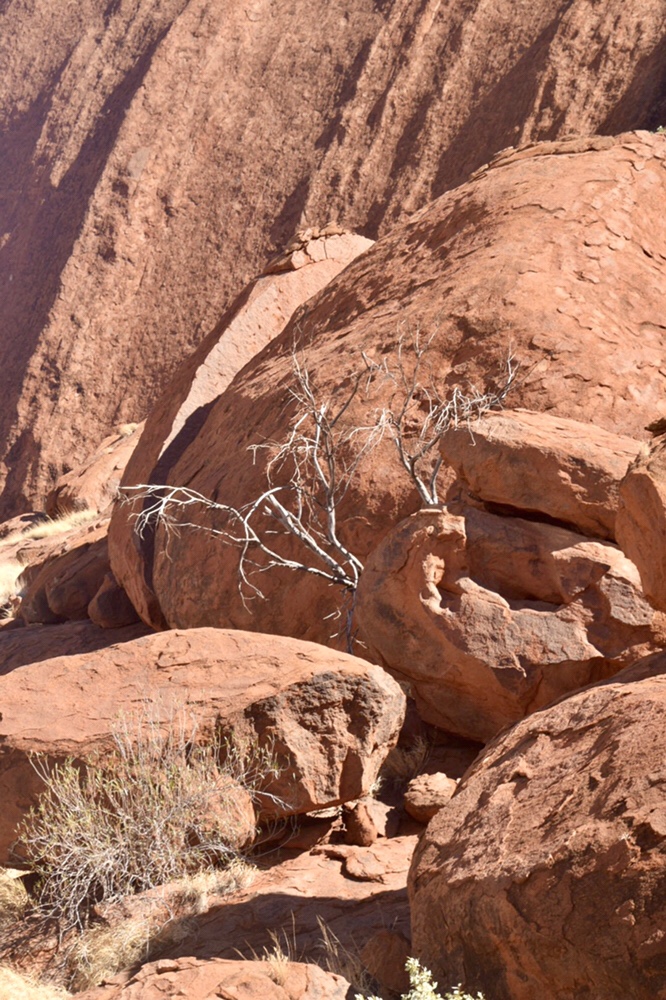
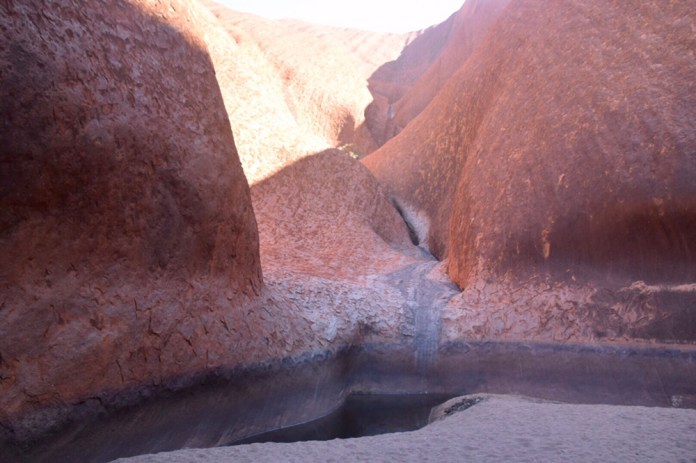
Then we carried on to Erldunda, at the beginning of the Lassiter Highway. This was out take off spot to Yulara. We had booked a campsite at Yulara, and were delighted with the size of it. It was a large site, double in area compared to many other camping grounds in NT. We were on the edge of the camp, and looked over orange red hills spotted with spinifex mounds, buffet and scrappy acacias. The next morning we drove to Uluru and because we have both been carrying injuries decided to walk sections of the rock. The first thing that impressed me was how bloody big it is. It’s really enormous. It actually extends down another six kilometres. It like Kuta Juta nearby, is the rock formed by compression under ancient seas then twisted upwards by the movements of the Australian plate. It has many interesting features, it’s not just smooth rock. There are areas of cracking, caves, water carved dry waterfalls, creeks, mutated rock such as the brain. The brain looks consulted and ridged, just like a brain in fact. We spent a few hours taking photos and taking in the sights. In the evening we booked the Uluru field of lights. There was a chance to take sunset shots of Uluru, a wonderful dinner under the stars, an introduction to southern astronomy then a concluding walk through the field of lights. This vast display of LED lights was very beautiful, it’s colours changing from blue to red to pink. Well worth seeing.

Next morning it was off to Alice Springs. We went via the Ernest Giles track. This is a reasonably rough road but it was worth it to get away from the caravans sprawled along the Stuart. We met a herd of camels who watched us for a while before heading off north into the scrub.

We arrived in Alice mid afternoon on Friday and spent the weekend getting cleaned up. On Monday I drove to Yuelamu and Jen flew to Lake Nash.

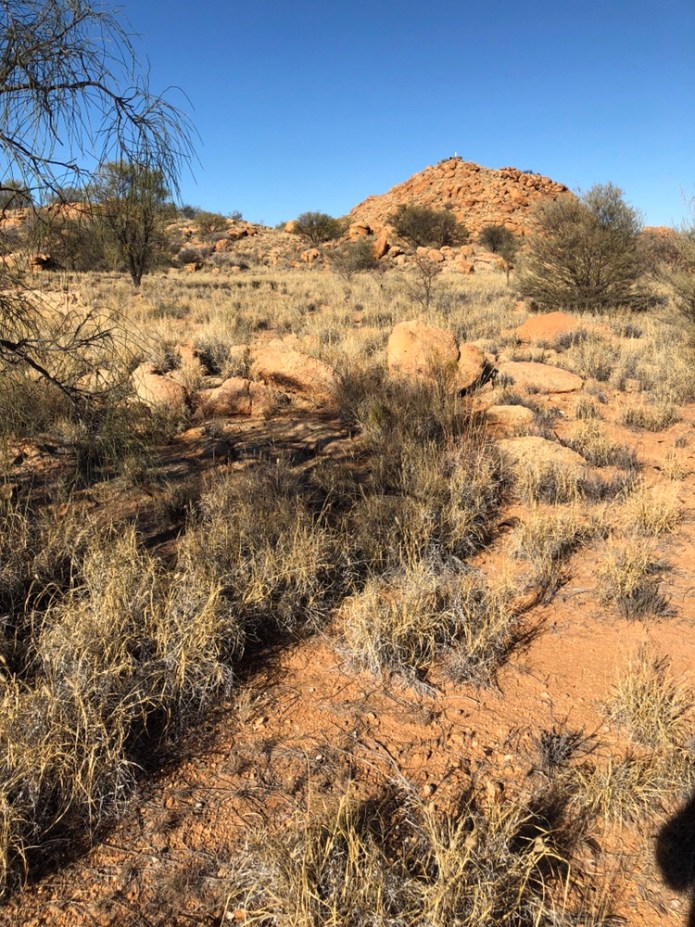
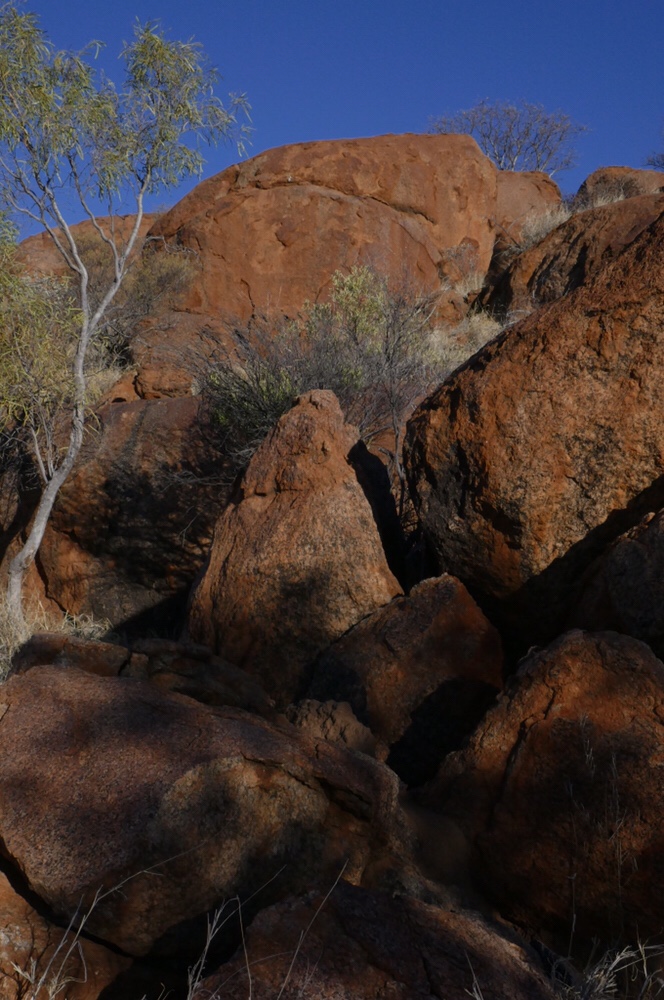
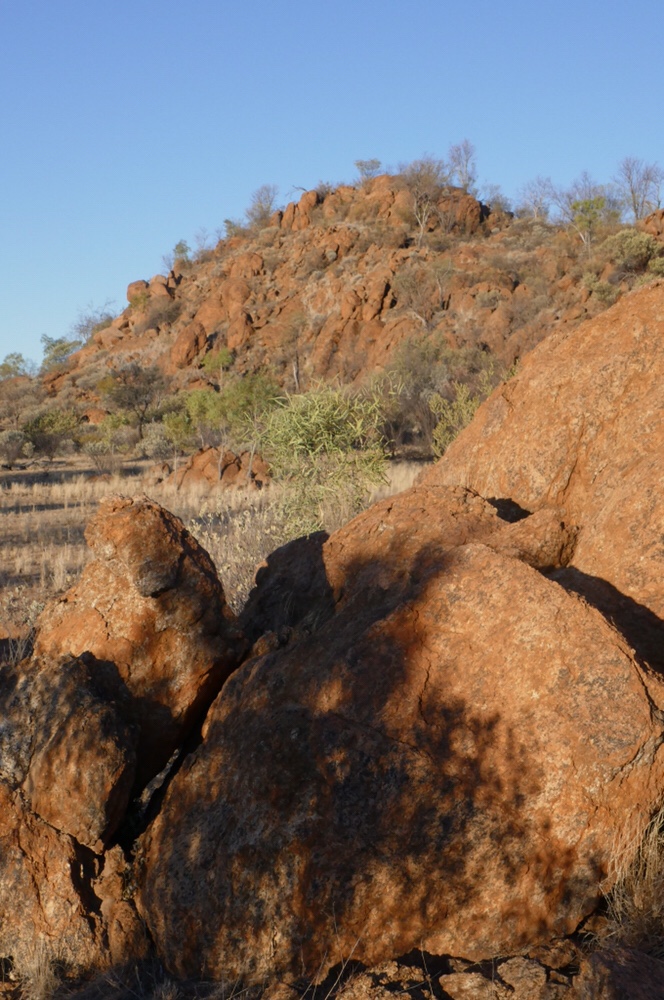
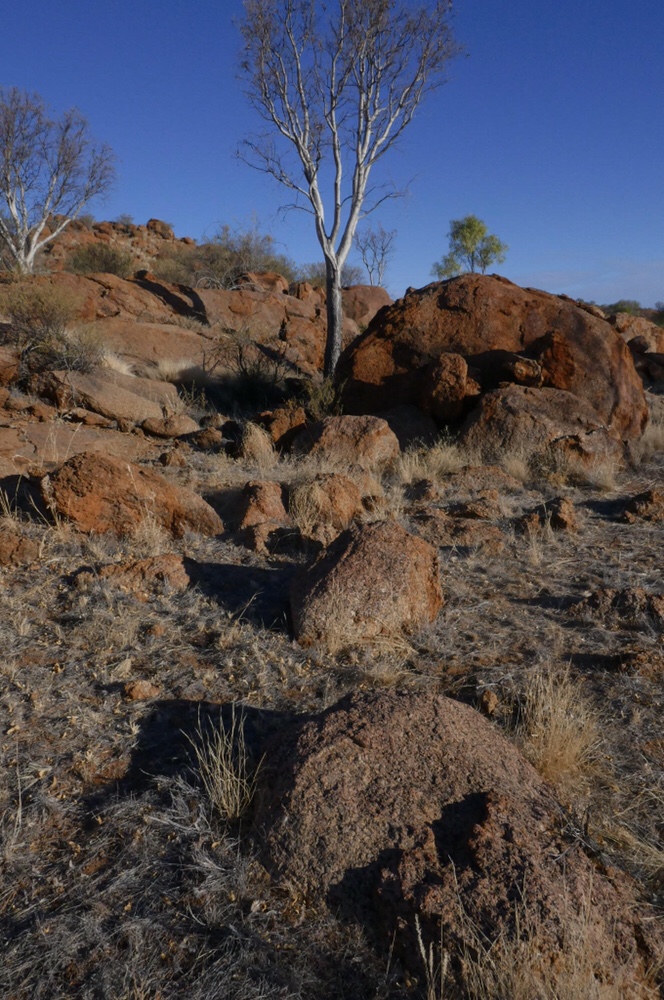
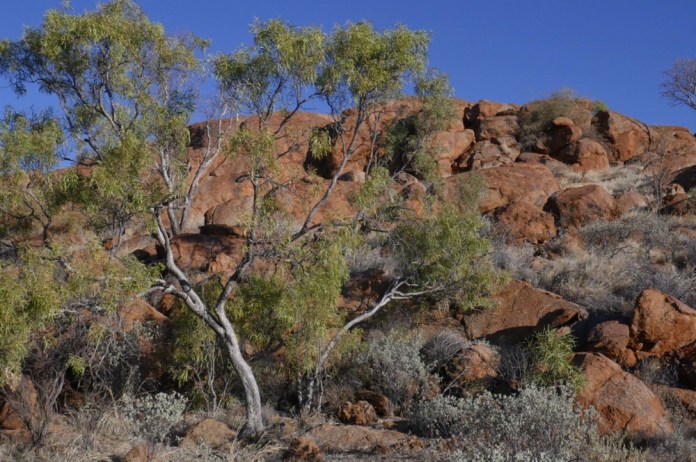
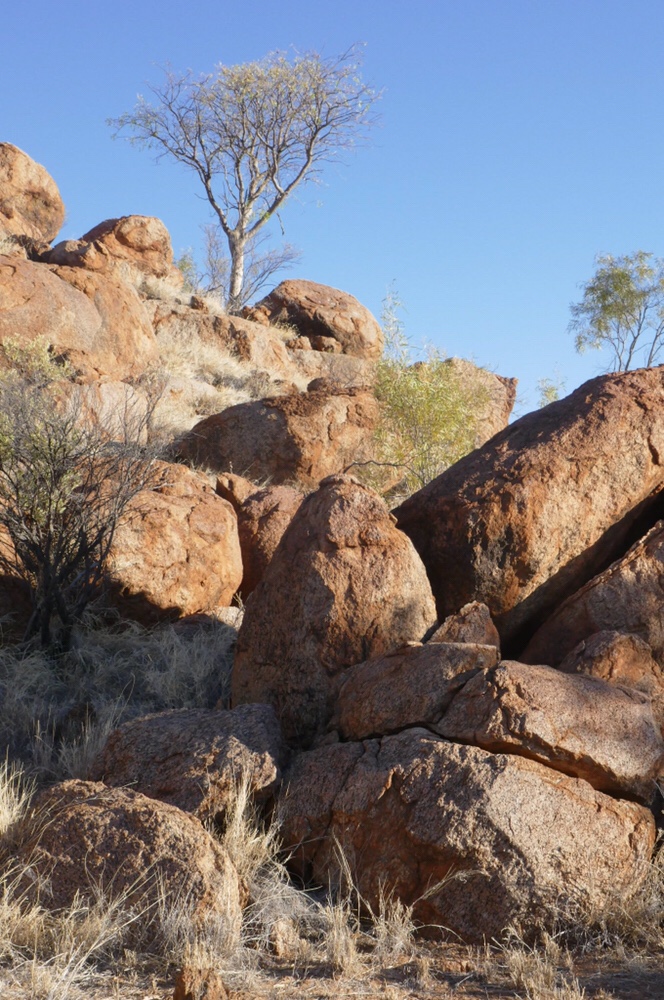
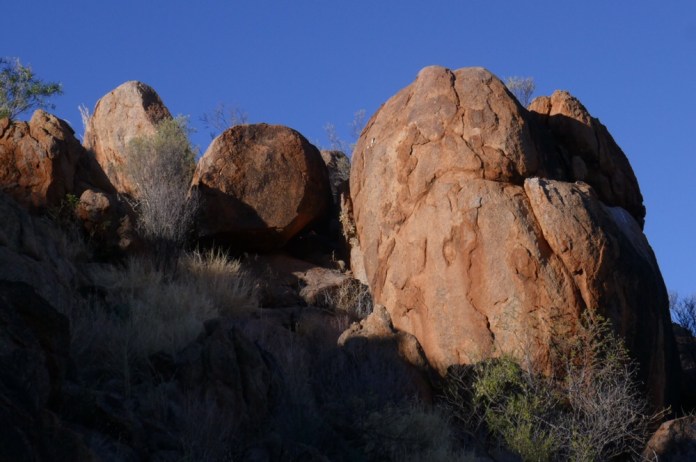
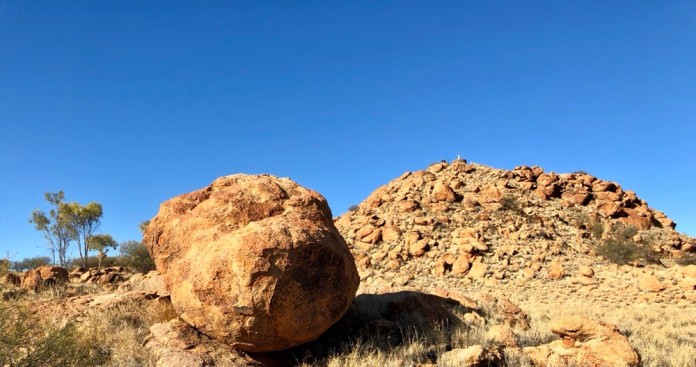
In the afternoons after work I drive to explore some rock formations near the community. The orange stone and ghost gums wee beautiful in the fading light particular poised against an azure sky. There was hardly any wind or dust until passing vehicles threw up the brown cloud over and beyond the road. I watched for snakes in the undergrowth and kept good track of my bearings. It does not pay to get lost here. Jason McBride is the painter I asked to do a portrait of a rainbow bee- eater, actually two. The first is finished, it’s stunningly beautiful, absolutely faithful colours. The other will come, probably in August. It’s a portrait of the same bird, but in flight. Not a demure gazing over a contoured shoulder but a sudden leaping and wrenching into the air, one static and the other dynamic to the n-Th degree.

On Thursday afternoon I drove back along the Tanami Highway to Alice Springs. Friday was spent at the office reading and attending an afternoon meeting. This one was on midwifery care in the centre. A great chance to discuss this vital aspect of women’s care.

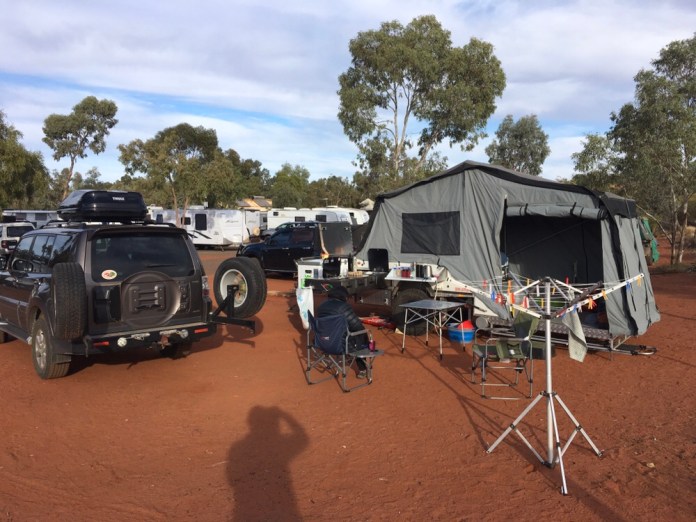
On the weekend, a long weekend thanks to our Queen, we booked a stay at Hale Homestead. It’s about 140km from Alice, and not far from Arltunga. We arrived Saturday morning, and met Sophie and her new baby, Cooper. Sophie showed us to a powered site. Under the gum trees, beneath the birds that nested and hunted and rested in its branches. I have a a bird guide beside me so I will try and work out what they were. Well I know the silly wagtail. There was a plump butcher bird. And the guide is very helpful here, a pair of masked wood swallows ( I think!). Quiet, relaxing, a great place to chill out. We had dinner at the camping kitchen, Sophie, Lynne ( her Mum, who still looks younger than me!) and staff cooked up hamburgers and with salads, chips and onions. Yummy. We chatted to Katie who helps look after David, Sophie’s older boy. After wards we tried to use our telescope but it was somewhat frustrating. Ditto Saturday night, but I have worked out what was wrong. Principally I could not control it due to a software conflict between two rival programs on my iPad. Well now that sorted. None the less, I had terrific views of Saturn and Jupiter, including four of its moons.
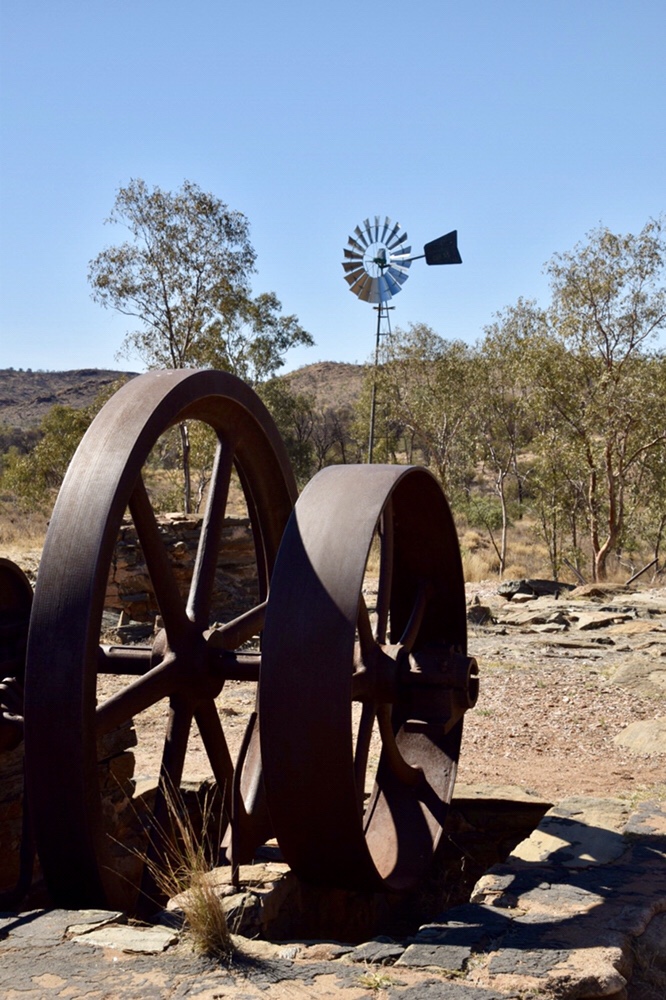
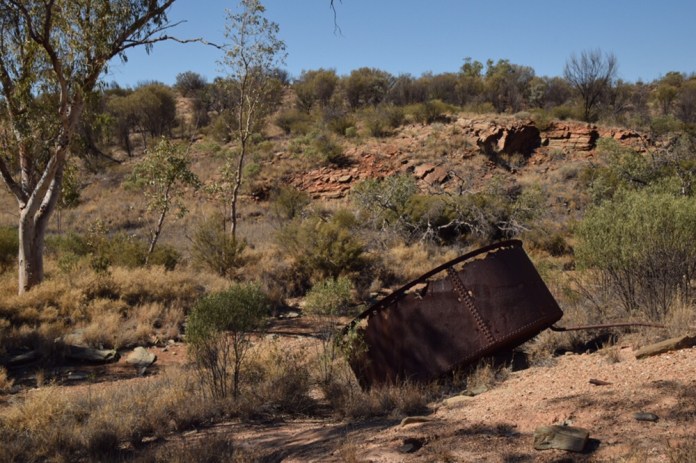
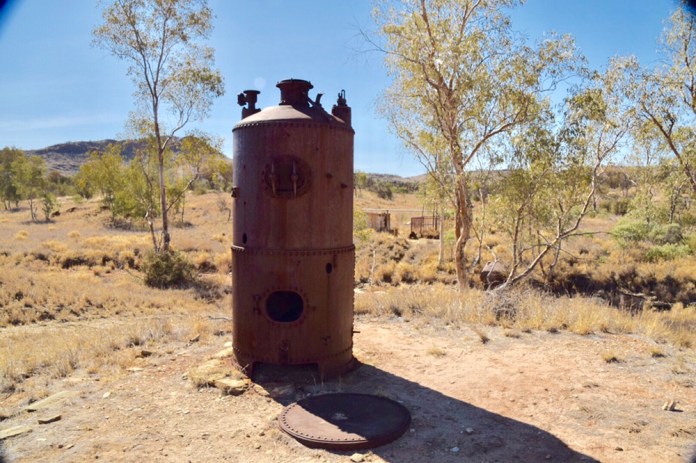
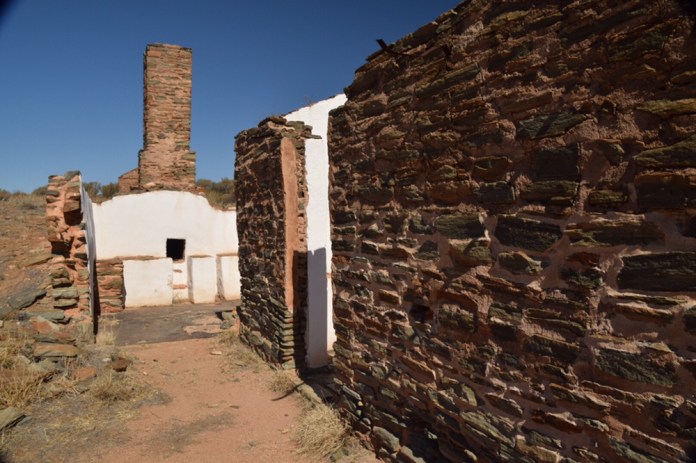
We slept very soundly in the camper trailer and on the next day, after breakfast, we drove to Arltunga. This is one of the most interesting places in the Centre. It’s full of the tragic stories of remote mining, of disease and of enormous effort for inadequate return. This gold mining area was so lacking in water, new technology using air blowers to waft away the lighter rock and dust and leave the gold, was developed. We visited the government works where there has been restoration work done on the buildings left behind. It was eerie and beautiful walking around this little township. Supporting this community was a big reason for the establishment of Alice Springs. We spent the afternoon relaxing and reading back at the station before a wonderful roast dinner. I talked with Colin who is from Launceston and very much involved in supporting men in the community. It’s called “ men connect” and it’s a venue for men to make acquaintances and maybe friends in the launceston region. It’s great meeting people.

The next morning after a chat with Sophie we headed back to Alice Springs, this time by the shorter route into the east McDonnell’s. What tremendous views!

Last week I was at Finke. Gee, it was a busy week. Jennifer was at Willowra.

I flew back on Friday afternoon by Cessna. The geology and views between Finke and Alice are magnificent. Some areas are very like the painted desert near Kulgera, with a rich palette of golds and whites falling away from the mesas, the well forested Finke River, the ancient through which the river has passed for forty million years. A spectacular flight to end the week.
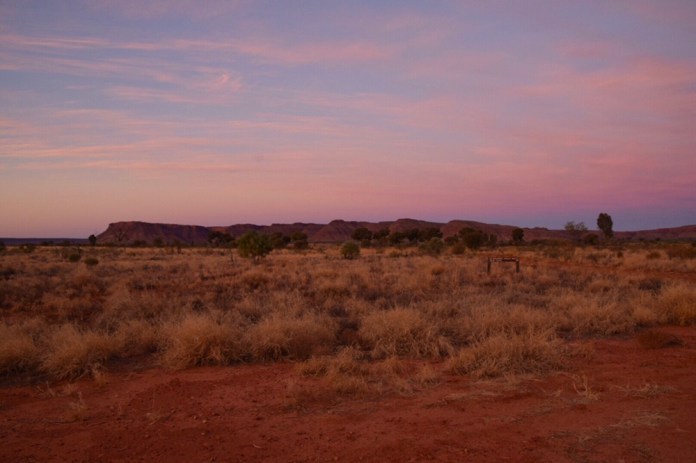
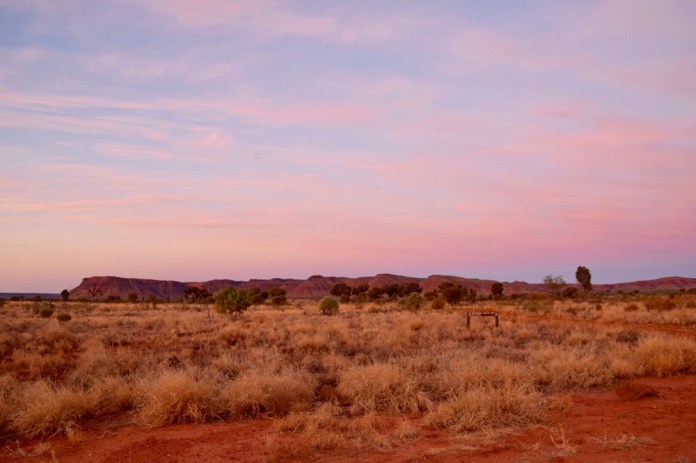
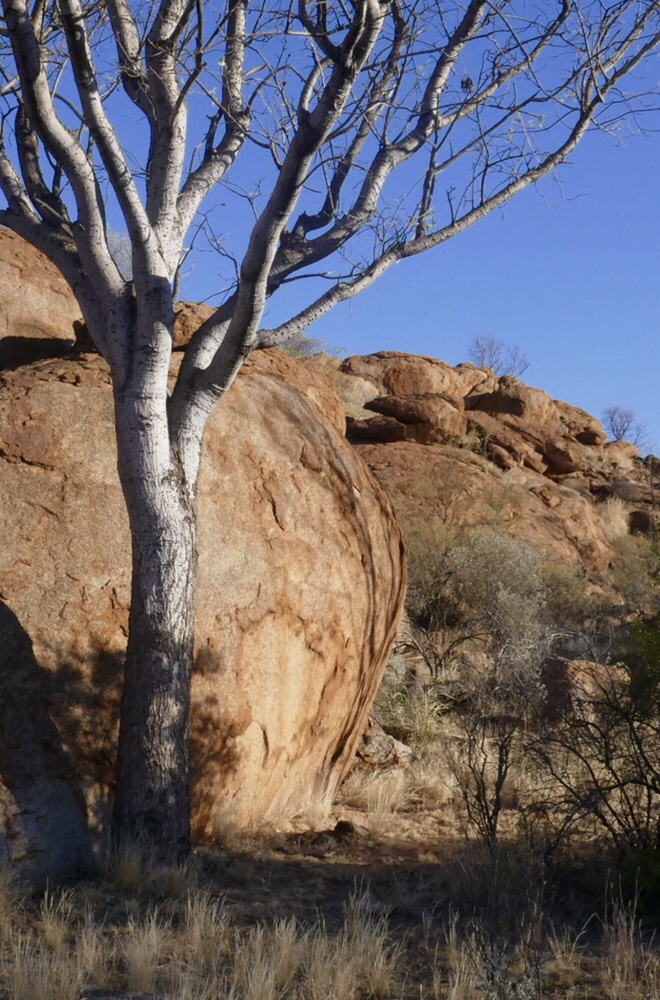
This weekend, we have been relaxing and went out for breakfast this morning after a short five kilometres walk around the Todd river. Next week I’m driving to Kings Canyon while Jennifer is going to Ali Curung.

Standard