

It was Wednesday afternoon. Three of us had spent the day at a remote clinic seeing patients, checking their blood pressures, reviewing any medications, discussing the implications of pathology results with them, and exhorting most of them to eat properly and exercise. Meeting some terrific local people from the community. I even met a few locals who had taken medical advice onboard and had really improved their health parameters. They had lost a lot of weight and improved their diabetes by eating Aboriginal style; plenty of bush tucker, going out into the bush to gather it and avoiding the soft drinks and take aways. Health Parameters are sorts of KPIs ( key performance indicators) doctors use to get a handle on the risk for a patient. HBA1c readings are useful in determining not only the presence of Diabetes but gives a good idea of the average blood sugar over a few months. The simple premise is the higher this reading, the “worse” the diabetes, and generally a persistently high reading despite prescribed medication means a person is not taking their tablets or having their insulin. It’s pretty obvious when a person is taking their treatment which of course includes not just medication but; eating sensibly, avoiding Coke, and exercising more; then HBA1c is suddenly ( well over three months) lower.
( For the medical readers among you, a drop from HBA1c from 14 to 11 is pretty impressive over three months. For non medical readers, 11 is still way too high. It needs to be at least 7. )
At 3:30pm the Nurse took a phone call in her office. She was told that there had been a case of domestic violence a short time ago. The police had already been informed by the local school mistress, which saved us a call. A woman had been struck and might have a broken arm. I saw her only a few minutes later. My first view of her was her walking calmly along the red dusty road from the school, she was flanked by the nurse and our Aboriginal Health Worker. Her grown up son had struck her with an iron bar. She had tried to protect herself, by holding up her arm. Her ulna was fractured, possibly shattered. She would not talk about why her son had attacked her. After the attack she had fled to the local school where the school teacher would protect her. In the meantime, the son left, driven off with some friends to another community. With the help of the nurse, I organised pain relief and bandaging and we transferred her to another larger clinic, and then by air to Alice Springs by RFDS. She will need plating or at least a plaster for several weeks.
Early on in my remote work, actually it was my first clinical day. I entered the Resuscitation room of a remote clinic. An Aboriginal women lay propped up on the trolley, her hair matted with clotted blood. Her blood pressure and pulse were abnormal, early shock due to blood loss. She needed 2 litres of fluid IV. She too was a victim of domestic violence. She had been sitting in the back seat of the commodore as her husband and brother in law sat together in the front. They had been driving back from Alice Springs when the husband took exception to something she said. Now, he was drunk and she was drunk, and in fact no one in that car was functioning at 100 percent. Still this could never excuse what he did, shattering a beer bottle and jamming it into her head. There was torrential bleeding from the scalp. Its a part of the body with a huge blood flow and lacerations here can be lethal without being all that deep.
These are the most florid examples of violence I have personally been exposed too. There are other aspects of violence in communities that are intolerable particularly surrounding the neglect and abuse of children. Child protection is a very busy service! In one remote community we know of, mothers and grandmothers commonly bring their daughters into the local clinic requesting Implanons ( long term contraceptive device implanted under the skin of the arm) for their youngsters.
As in big cities and towns, some areas are functioning well as communities and some are just not. I see young Aboriginal kids with their white foster parents playing in Todd Mall and realise these could well be the next Stolen Generation. NT Government child protection try their best to keep kids in their own community, often with capable grandparents, but it’s not always possible as there may simply be no functional adults in that child’s wider family. It’s sad that a minority of Aboriginal families are so badly damaged by illicit drugs, child neglect, foetal alcohol syndrome, abuse of alcohol, domestic and inter family feuding and violence, and poor, erratic education. However, It’s important to remember that the communities scattered through Australia are as different in their language and attitudes to women as is Greece to Belgium. Australia in the Aboriginal sense is over a hundred different countries so it’s impossible to make dogmatic statements which apply to everyone. My overall experience is that though the vast majority of kids grow up in loving, supportive families, there is still a significant minority that keep child protection very busy.
However, right here and now many central Australia’s remote Aboriginal kids have to grow up way too fast. In some communities, the situation for girls is dire where sex between older boys and younger girls ( especially 15-19 years) , has contributed to our current Syphilis outbreak and widespread incidence of early pregnancy. The current outbreak, which spans from 2011 to the present, the peak age incidence of new cases spans from 15 -19 years. And children as young as twelve have tested positive for Syphilis. There have been at least three cases of death from congenital Syphilis last time time I heard. It plays with your head, to think, a disease like Syphilis, a disease of the debauched and poor in the Europe of the Fifteenth century, can be inflicted on modern children.
In any case, whatever career or study prospects you may have had as a young woman of thirteen or fourteen, they will be completely trashed by child bearing in these isolated communities. In a major centre maybe you can piece together a life and go forward but in these remote communities with no access to courses or study opportunities, any further education is incredibly difficult. Any Aboriginal girl who is isolated or cannot protect herself is at risk of rape or violence in many communities. But is this so different from a white girl walking in Brunswick or Darlinghurst? The sad fact – Women of any colour are an endangered population wherever they are. It’s tragic that young women of enormous promise, who are intelligent and have potential to be leaders not only in the wider aboriginal community but in any of the professions or as academics, are stymied by pregnancy at too young an age.
Talking about these very personal topics with young aboriginals is incredibly difficult. Their language skills in English and my non existent skills in their language, make sensitive discussions challenging. The brevity of my stays in each community are a problem too. Most young people are very shy, very private. They are culturally reluctant to risk losing face or even worse, causing someone else to lose face. This is why Aboriginal Health Professionals do not criticise white health workers or even question them. They can see the problem alright as not much gets passed them, but they will to their best to avoid confronting the other person.
The power of magic pervades everything, the forces underlining human affairs, including disease, are frequently magical for Aboriginal people. So it’s a big intellectual jump to believe that taking a tablet would alter anything, when the reason you have the disease is due to a curse or upsetting a ghost or spirit. This is where an Aboriginal healer could help. There is a wonderful book about Arrente Medicine by a healer which explains which diseases are spiritual and which diseases are not.

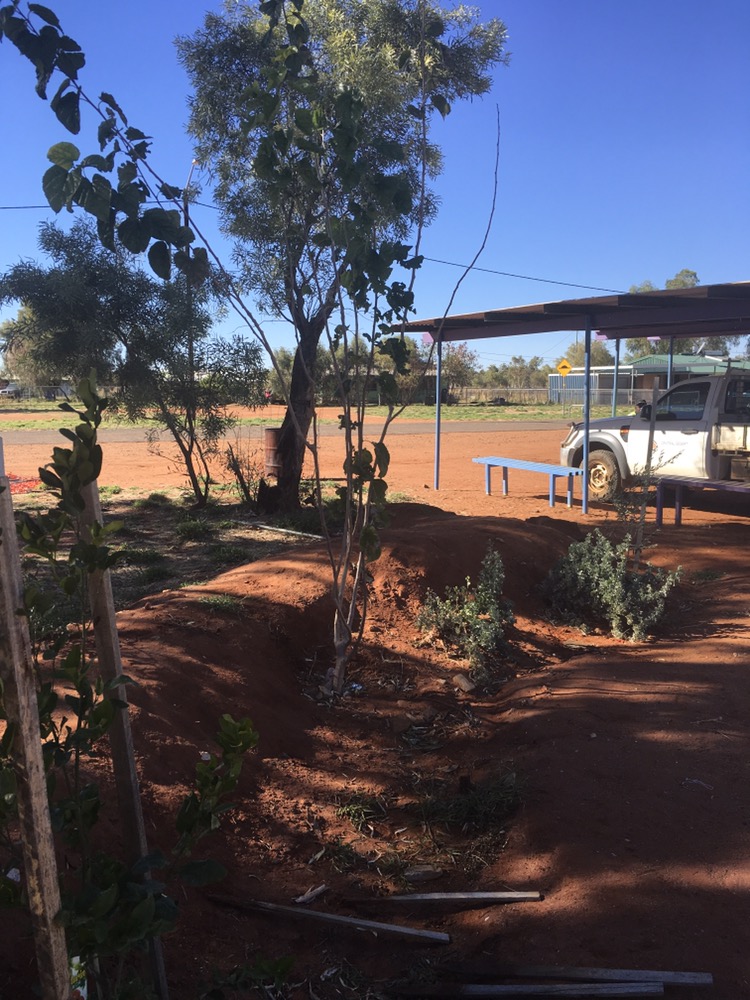
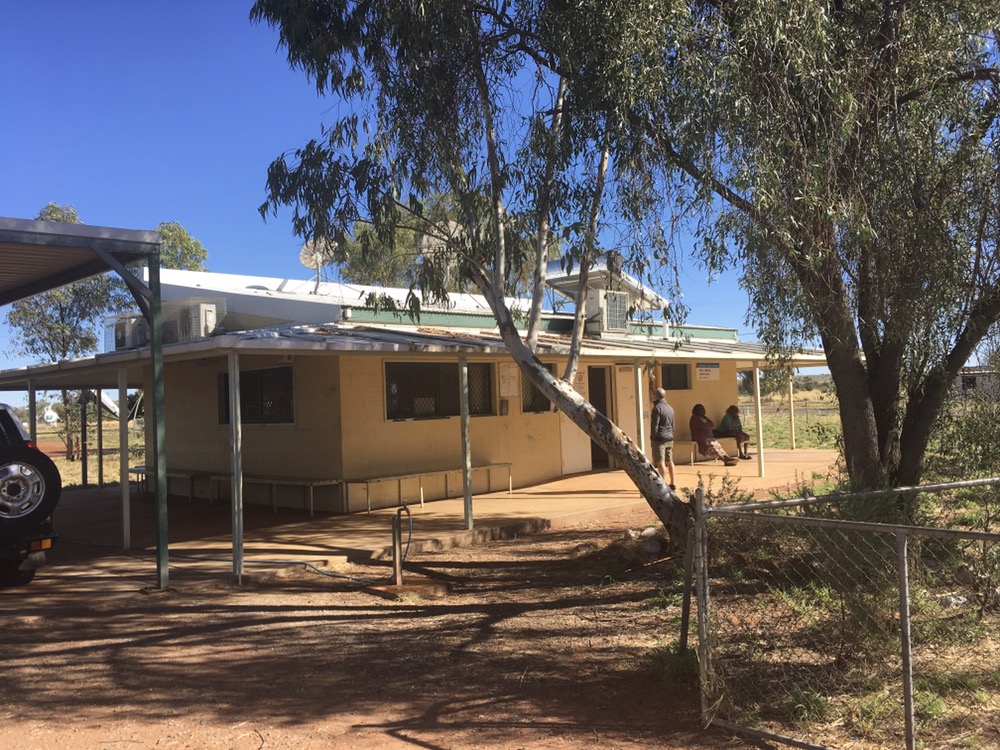
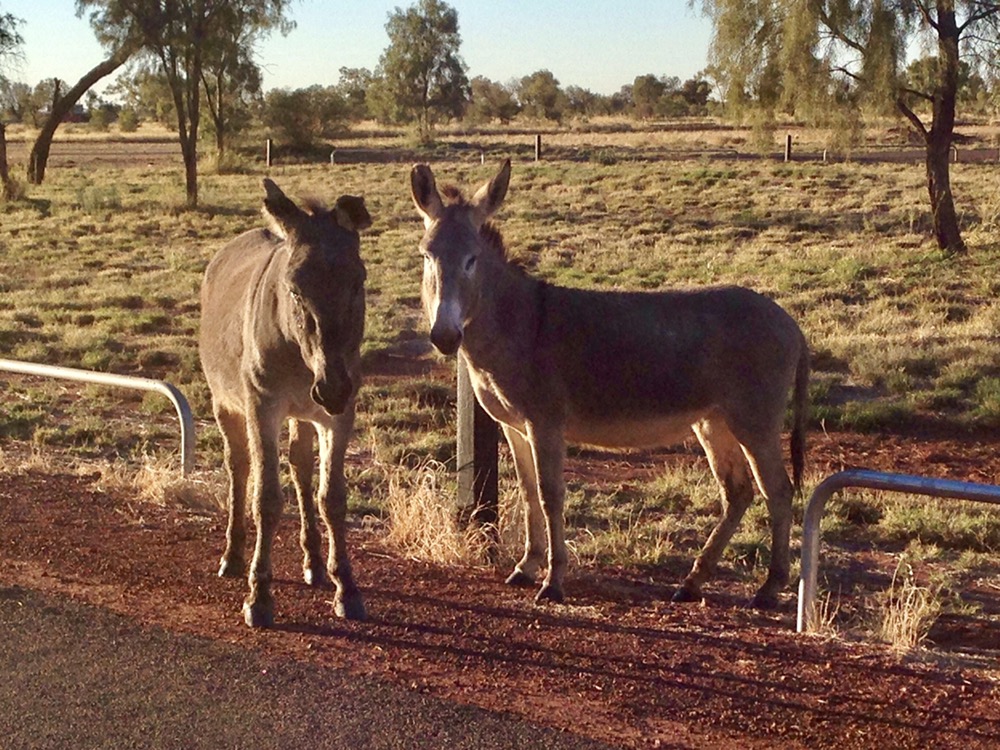
Many Aboriginal people are just so busy with work, family affairs, and cultural requirements like Sorry business, Men’s business, and ceremony like corroboree, that can not only forget their tablets but even forget to collect them at their local clinic. Aboriginal people are wanderers, travelling for weeks or months to other related communities where the local nursing staff won’t necessarily know them or can chase them up for appointments and to give them their medications. It’s frustrating that needed medications are not taken regularly and lifestyle changes are not persisted with. Patients get a bucket of education about why take tablets but there are all the above issues that make compliance difficult to realise. I think part of the answer is establishing a personal connection between carer and patient, that you actually do care about them as people. In every study ever done, the main determiner for compliance with medication and lifestyle prescriptions, is the quality of the relationship between doctor and patient, and compliance has nothing to do with education. It’s a trust thing. As Jennifer and I are seeing patients a few times, we can both see improvements, sometimes phenomenal ones. Real change stems from real relationship, not filling in KPIs.
An Aboriginal clinic worker arrived after me at a clinic. I’d gone in early, made a cup of tea and gone into my office. He did not realise I was there, when he came in, felt the water boiler. It was warm. His first assumption was not that someone else had come in early rather he was alarmed that a spirit creature, a ghost was in the building playing with our domestic appliances.
The gulf between me as a white English speaking doctor and an Aboriginal woman or man, are not just education, wealth, and health but forty thousand plus years of cultural divide, a chasm which extends back into a completely different experience of the world for all of that time. So much of what I value and accept is not necessarily the same for my Aboriginal patients. It does not mean they are wrong or I’m wrong, we are just different. This is something I have to understand and accept if I’m going to be able to help them. It’s an enormous challenge but an exciting one that demands constantly learning about their world.
 brucebarker2016